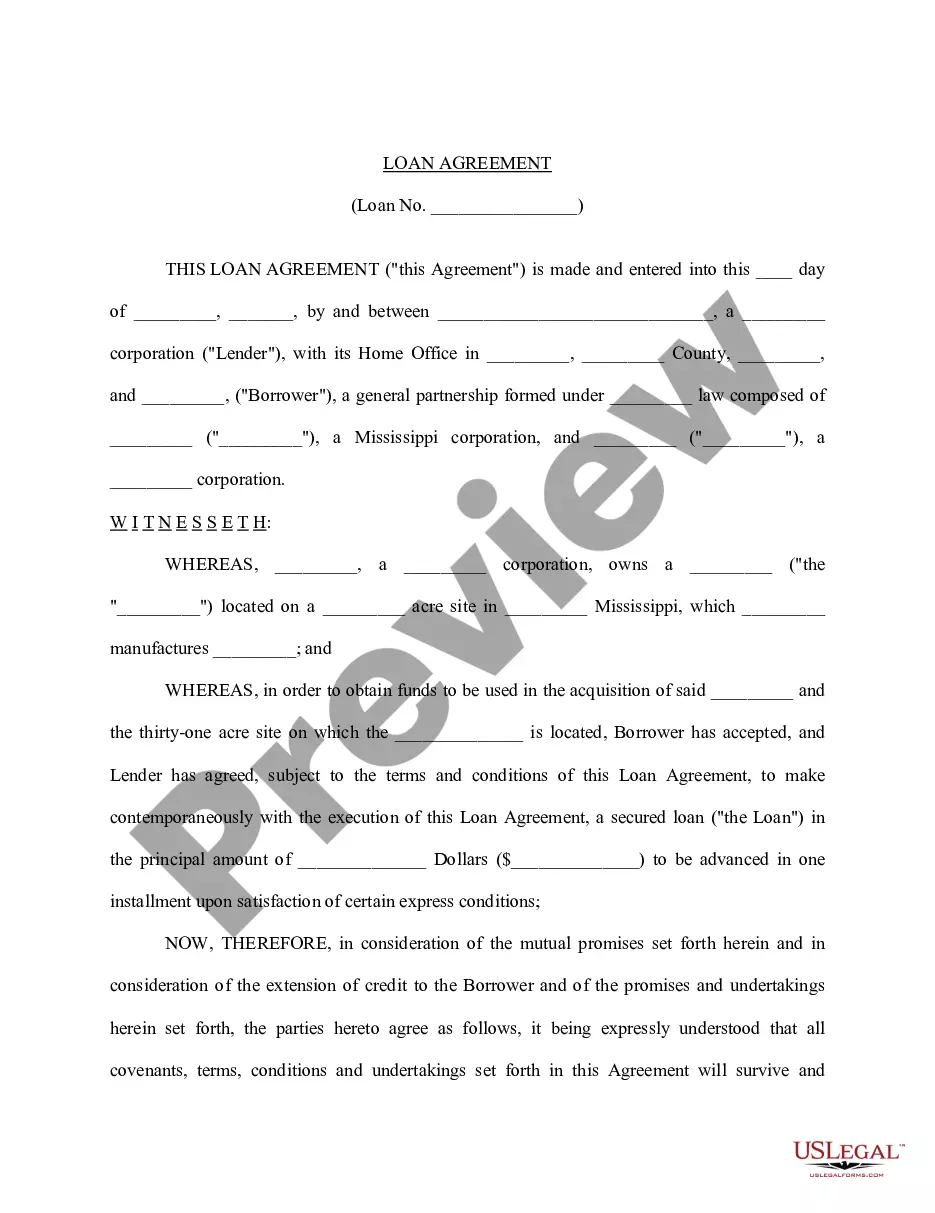
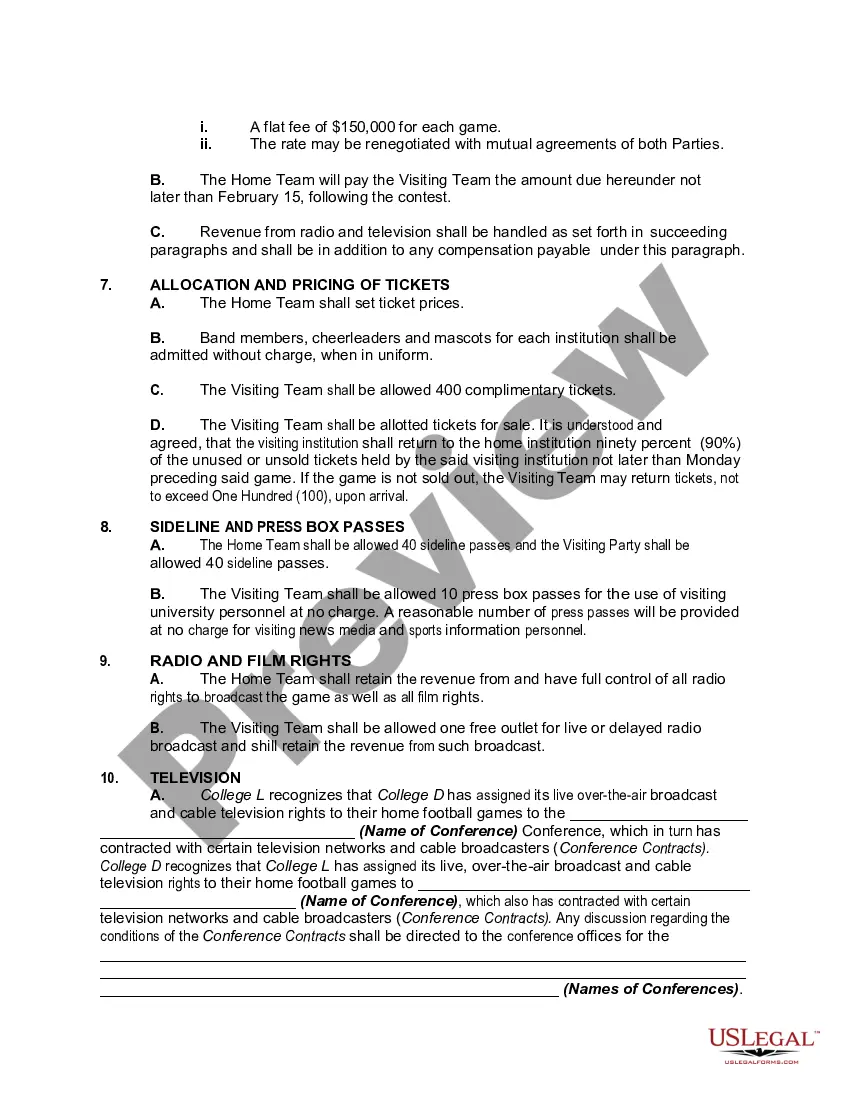
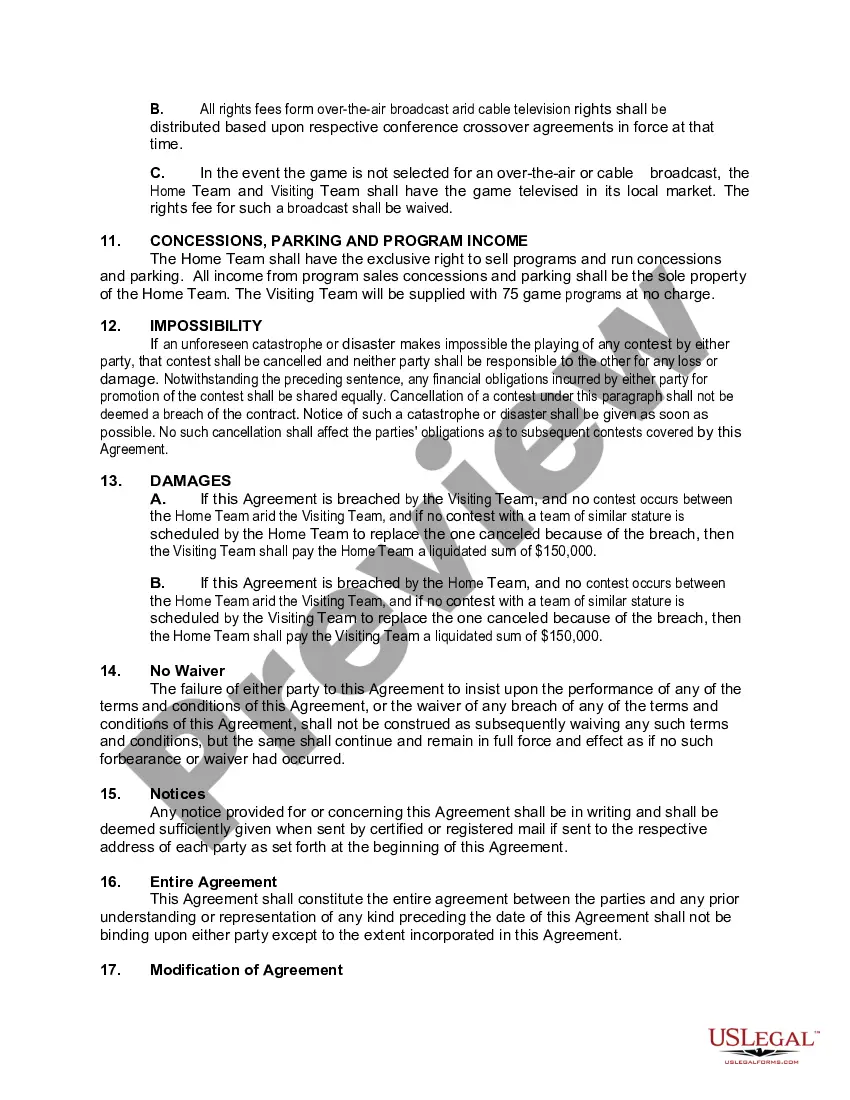
This form is a sample of an agreement between two NCAA Division I Colleges to play football games over a four year period.
California NCAA Intercollegiate Athletic Competition Agreement - Football
Instant download
Description
Free preview
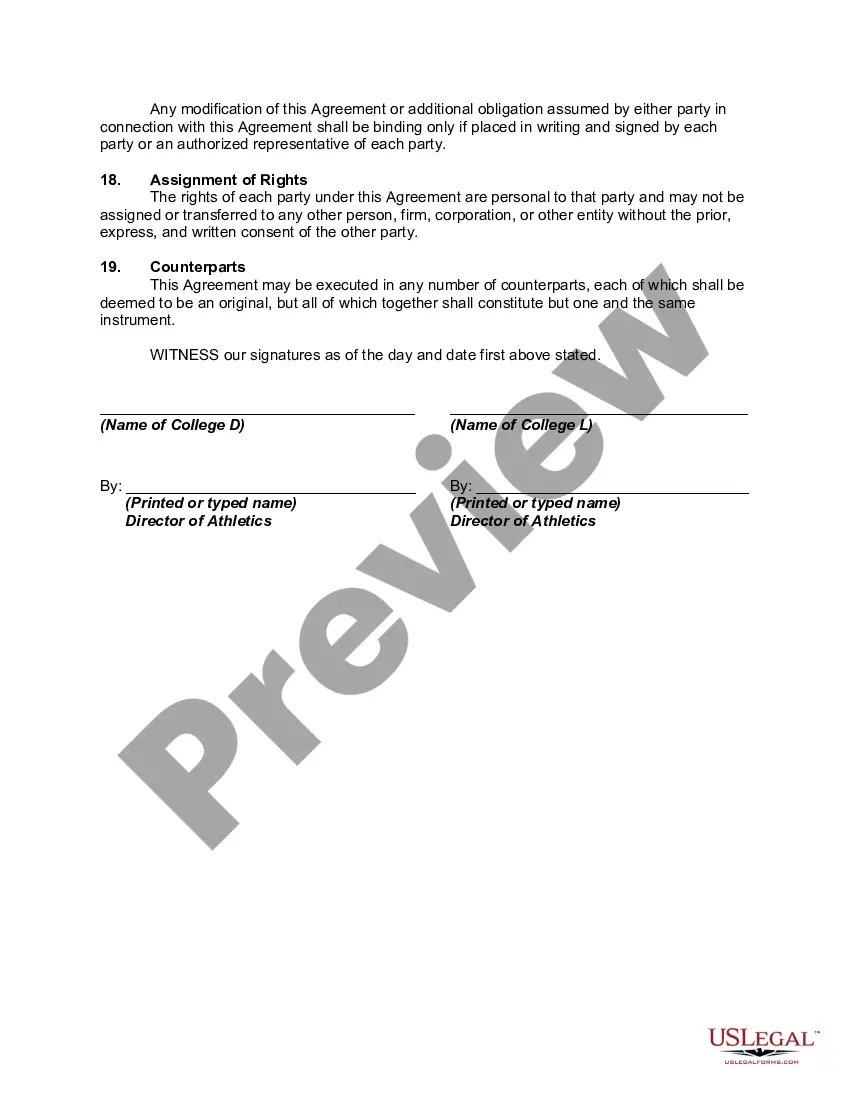
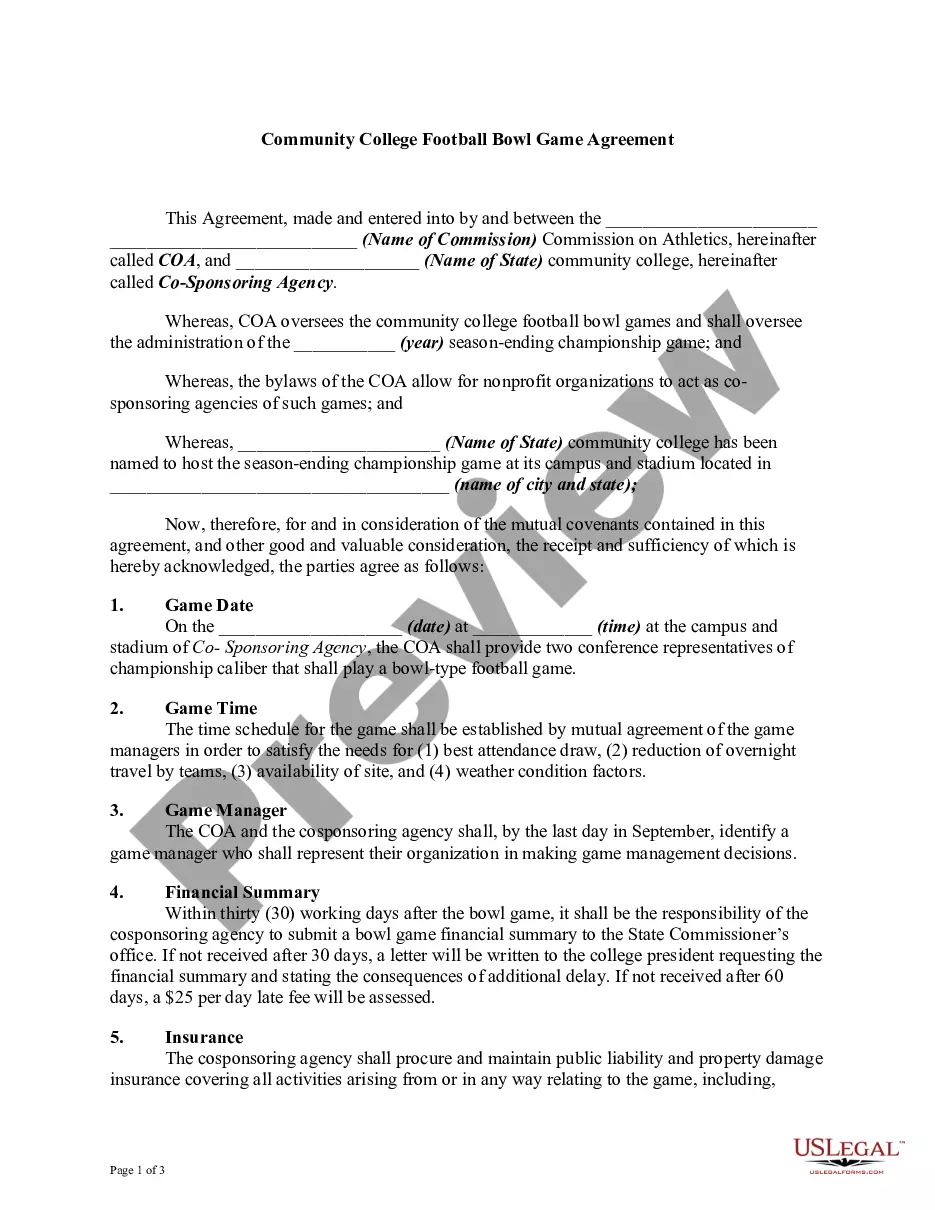
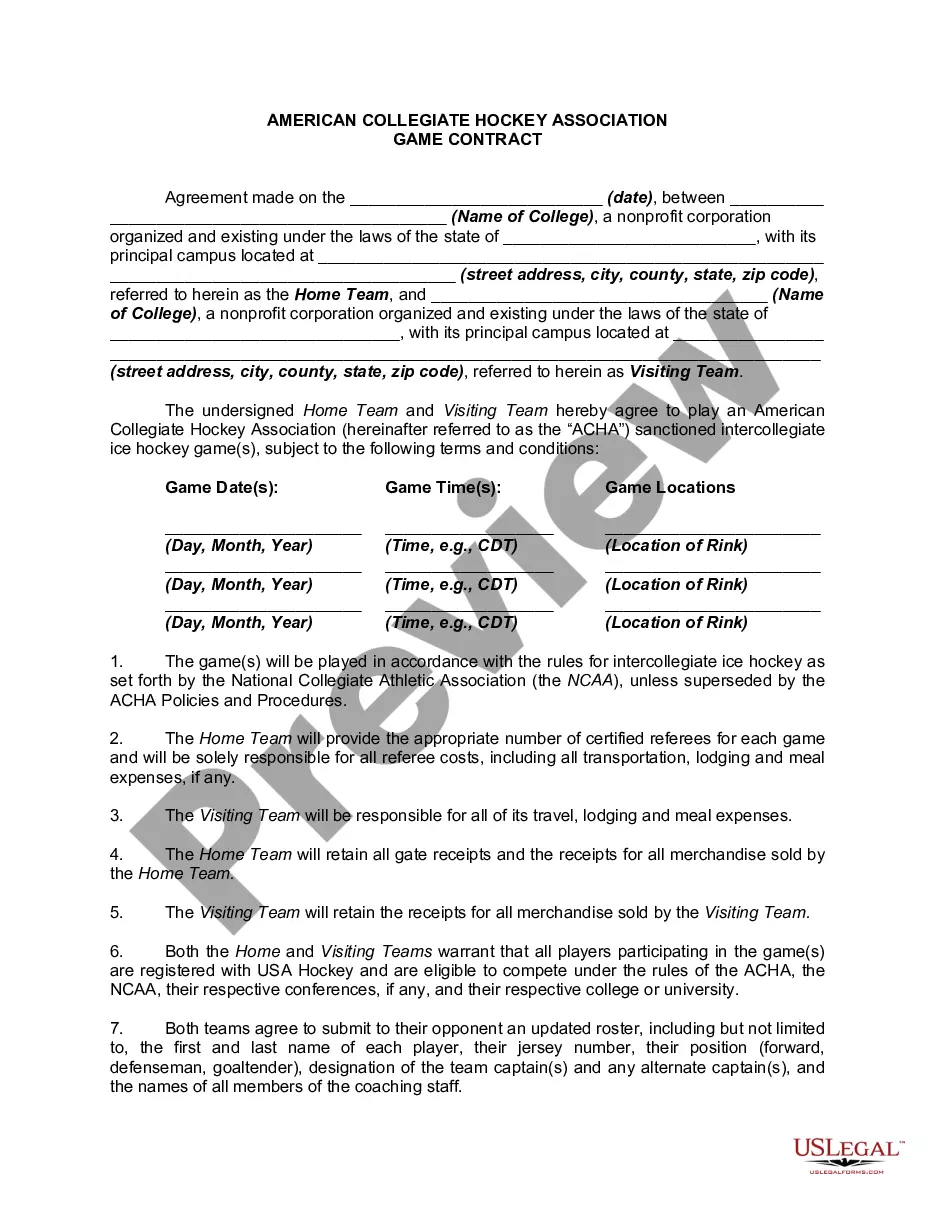
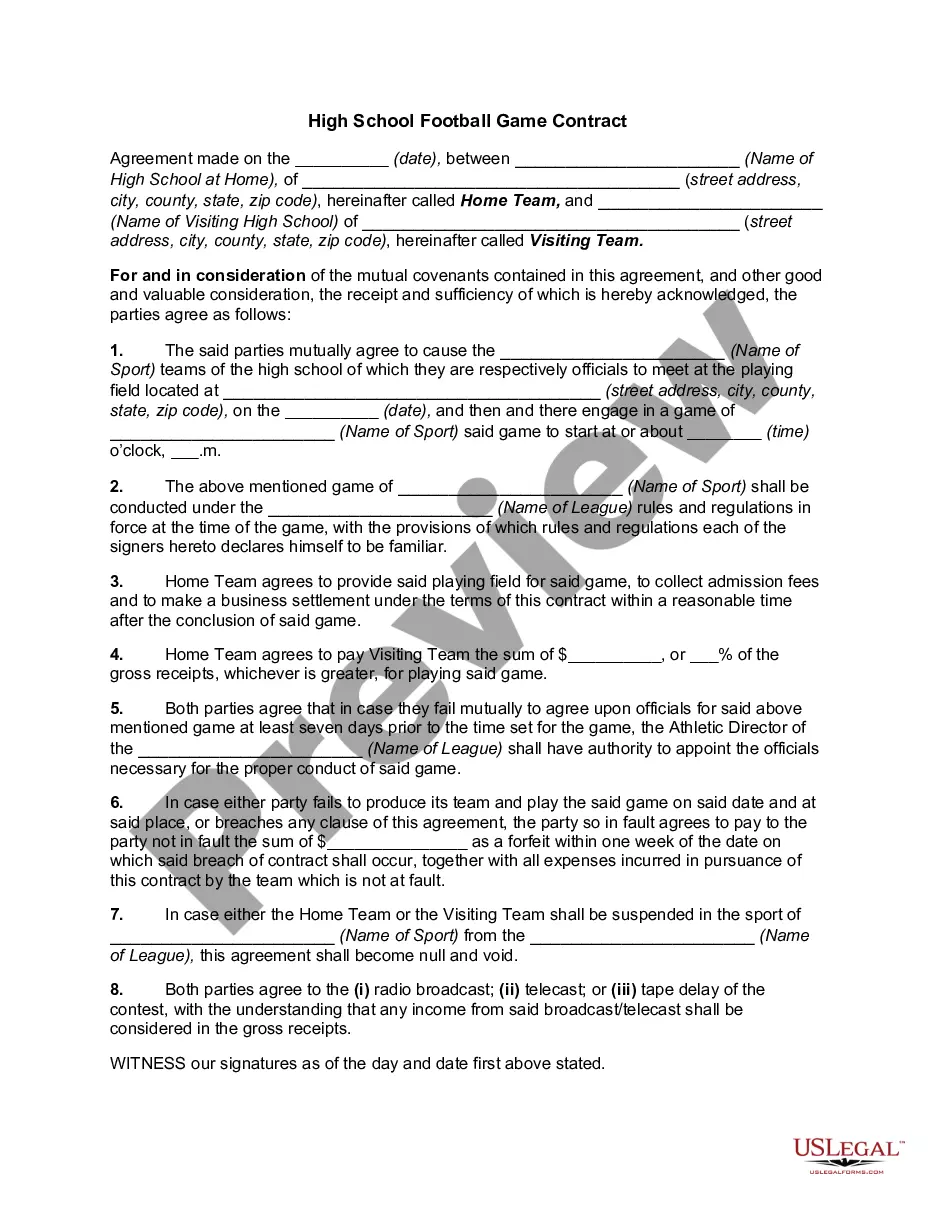
Get your form ready online
Our built-in tools help you complete, sign, share, and store your documents in one place.
Built-in online Word editor
Make edits, fill in missing information, and update formatting in US Legal Forms—just like you would in MS Word.
Export easily
Download a copy, print it, send it by email, or mail it via USPS—whatever works best for your next step.
E-sign your document
Sign and collect signatures with our SignNow integration. Send to multiple recipients, set reminders, and more. Go Premium to unlock E-Sign.
Notarize online 24/7
If this form requires notarization, complete it online through a secure video call—no need to meet a notary in person or wait for an appointment.
Store your document securely
We protect your documents and personal data by following strict security and privacy standards.

Make edits, fill in missing information, and update formatting in US Legal Forms—just like you would in MS Word.

Download a copy, print it, send it by email, or mail it via USPS—whatever works best for your next step.

Sign and collect signatures with our SignNow integration. Send to multiple recipients, set reminders, and more. Go Premium to unlock E-Sign.

If this form requires notarization, complete it online through a secure video call—no need to meet a notary in person or wait for an appointment.

We protect your documents and personal data by following strict security and privacy standards.
Looking for another form?



How to fill out NCAA Intercollegiate Athletic Competition Agreement - Football?
You can spend hours online searching for the legal document template that meets the federal and state requirements you need.
US Legal Forms provides a vast array of legal forms that have been reviewed by professionals.
You can effortlessly download or print the California NCAA Intercollegiate Athletic Competition Agreement - Football from your account.
Once you have found the template you need, click Buy now to proceed.
- If you have a US Legal Forms account, you can sign in and click the Download button.
- After that, you can complete, modify, print, or sign the California NCAA Intercollegiate Athletic Competition Agreement - Football.
- Each legal document template you purchase is yours forever.
- To obtain another copy of a purchased form, navigate to the My documents tab and click on the relevant button.
- If you are using the US Legal Forms website for the first time, follow the simple instructions below.
- First, ensure that you have chosen the correct document template for the area/region of your choice.
- Read the form details to confirm you have selected the appropriate form.
- If available, use the Preview button to view the document template as well.
- To find another version of the form, use the Search field to locate the template that suits your needs and specifications.
Form popularity
FAQ
The 10/7 rule refers to specific credit hour requirements that student-athletes must meet to retain eligibility. It indicates that athletes need to complete at least 10 credit hours during each term and seven credit hours from their major. Understanding these criteria, especially in the context of the California NCAA Intercollegiate Athletic Competition Agreement - Football, is key for academic success and athletic participation. Staying aware of these parameters can help athletes better manage their studies.
The 40-60-80 rule outlines the minimum percentage of degree completion that student-athletes must achieve to maintain athletic eligibility. Specifically, athletes should complete 40% of their degree by the end of their second year, 60% by their third year, and 80% by their fourth year. Adhering to these guidelines is crucial for anyone involved under the California NCAA Intercollegiate Athletic Competition Agreement - Football. Stay focused on academic progress to ensure continued eligibility.
Yes, college athletes typically receive priority registration for classes. This privilege helps them manage their academic schedules around their athletics commitments. However, it’s essential to stay informed about the specifics outlined in the California NCAA Intercollegiate Athletic Competition Agreement - Football. Understanding this can help athletes navigate their educational requirements with ease.
To fill out NCAA eligibility, an athlete needs to complete the NCAA Eligibility Center application. This process includes providing academic records and confirming amateur status. Meeting the requirements set forth in the California NCAA Intercollegiate Athletic Competition Agreement - Football ensures athletes are prepared for competition. Utilize online resources to guide you through each step for a successful application.
A student-athlete fulfills the NLI agreement by enrolling at the university they committed to and participating in athletics for at least one academic year. This commitment ensures that the institution maintains its scholarship and support obligations. Staying compliant with the California NCAA Intercollegiate Athletic Competition Agreement - Football is crucial during this time. It’s about ensuring a smooth transition from high school to college athletics.
The National Letter of Intent (NLI) signing process allows athletes to commit to a specific college or university for athletics. During the signing period, an athlete submits their NLI to declare their intention to play at that institution. This commitment solidifies the college’s obligation to provide the athlete with financial assistance. Remember, understanding the California NCAA Intercollegiate Athletic Competition Agreement - Football is essential for both athletes and institutions.
A college athlete can secure a Name, Image, and Likeness (NIL) deal by promoting their personal brand. This often involves connecting with businesses and sponsors interested in collaboration. Many athletes use social media platforms to showcase their skills and attract potential offers. Understanding the California NCAA Intercollegiate Athletic Competition Agreement - Football can also help athletes navigate these opportunities.
Qualifying for CIF involves enrolling in a CIF member school, adhering to academic performance standards, and registering with the CIF. Students should also stay informed about any updates or changes within the CIF system. Keep in mind the California NCAA Intercollegiate Athletic Competition Agreement - Football as you work towards meeting these qualifications.
To check CIF eligibility, students can consult their school’s athletic department, which maintains records on eligibility status. Additionally, resources are available on the CIF website for general inquiries. Exploring the implications of the California NCAA Intercollegiate Athletic Competition Agreement - Football can provide further clarity on eligibility processes.
CIF sets an age cut-off for participation at 19 years old, meaning athletes must not turn 19 before a specific date during their senior year. This rule ensures a fair competition environment for high school athletes. It’s helpful to familiarize yourself with the California NCAA Intercollegiate Athletic Competition Agreement - Football, which may also have relevant eligibility criteria.