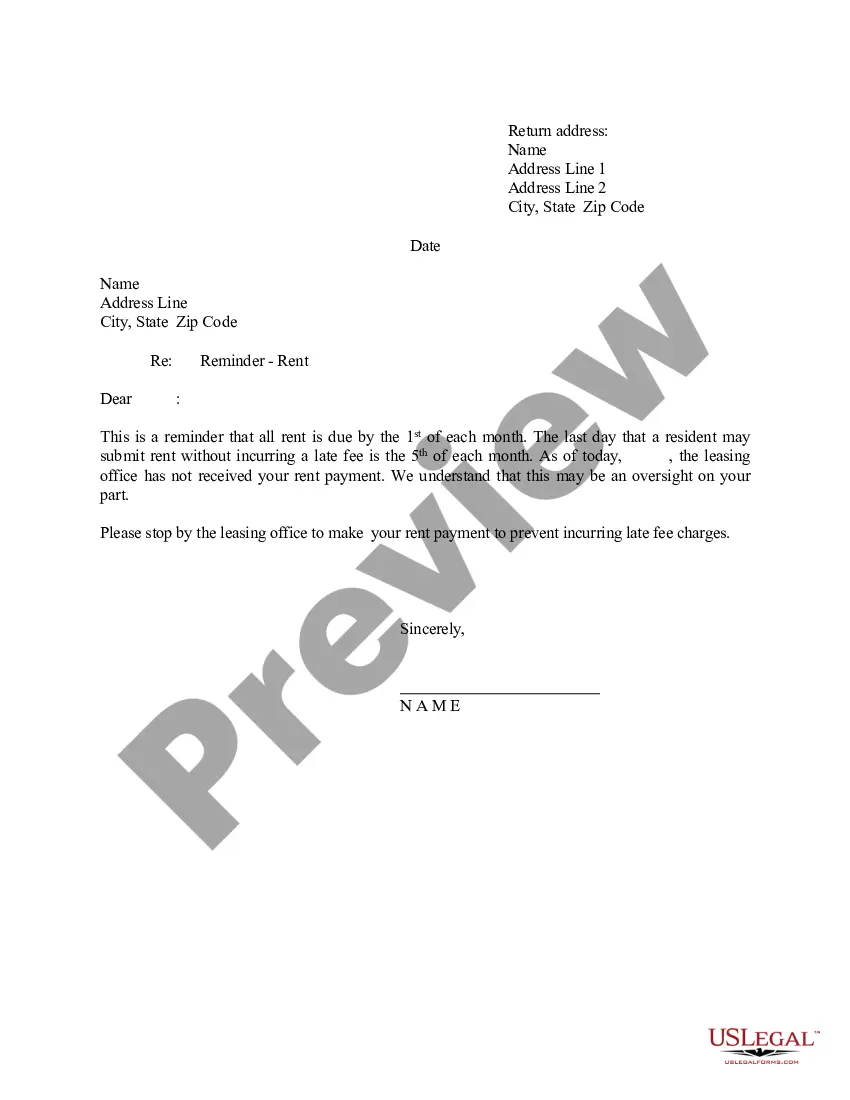
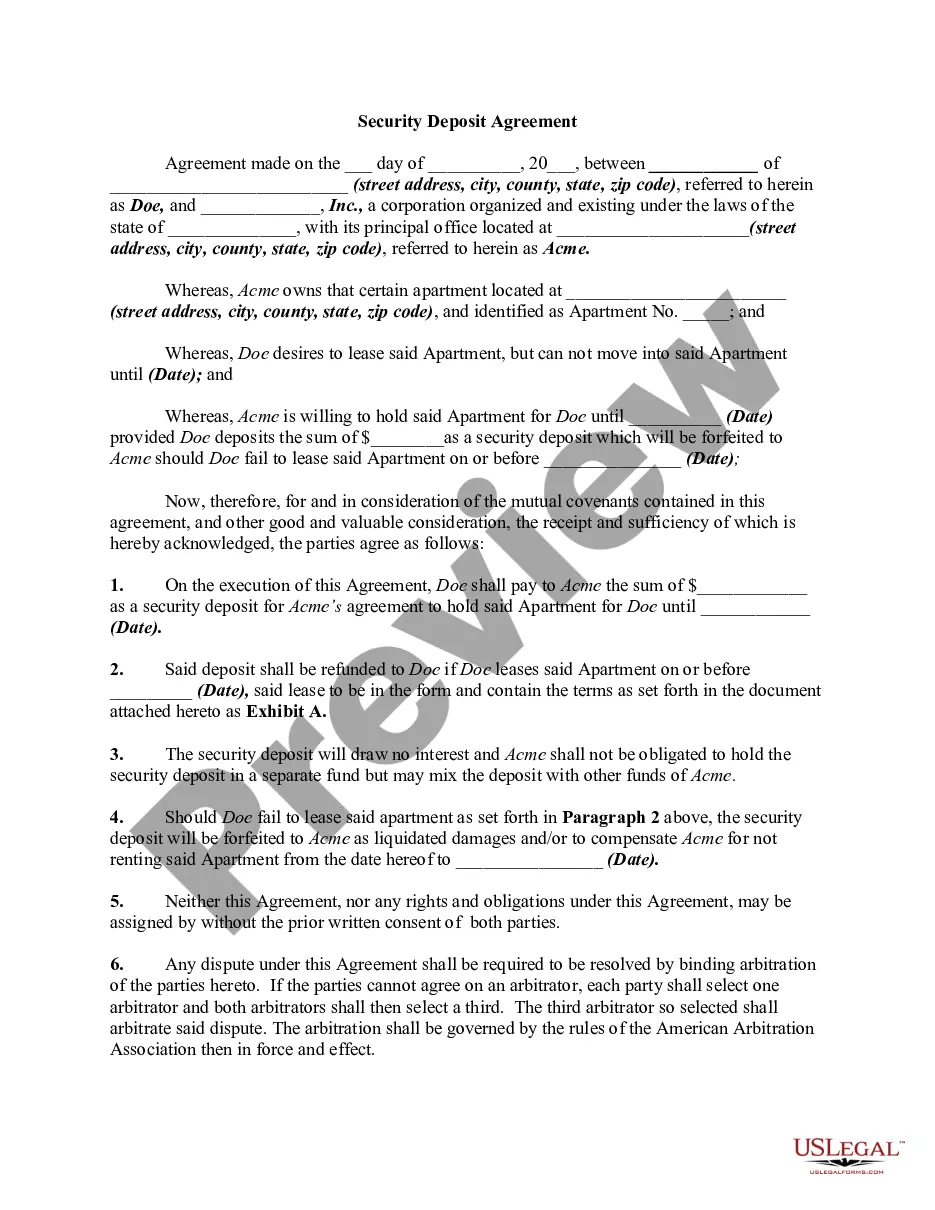
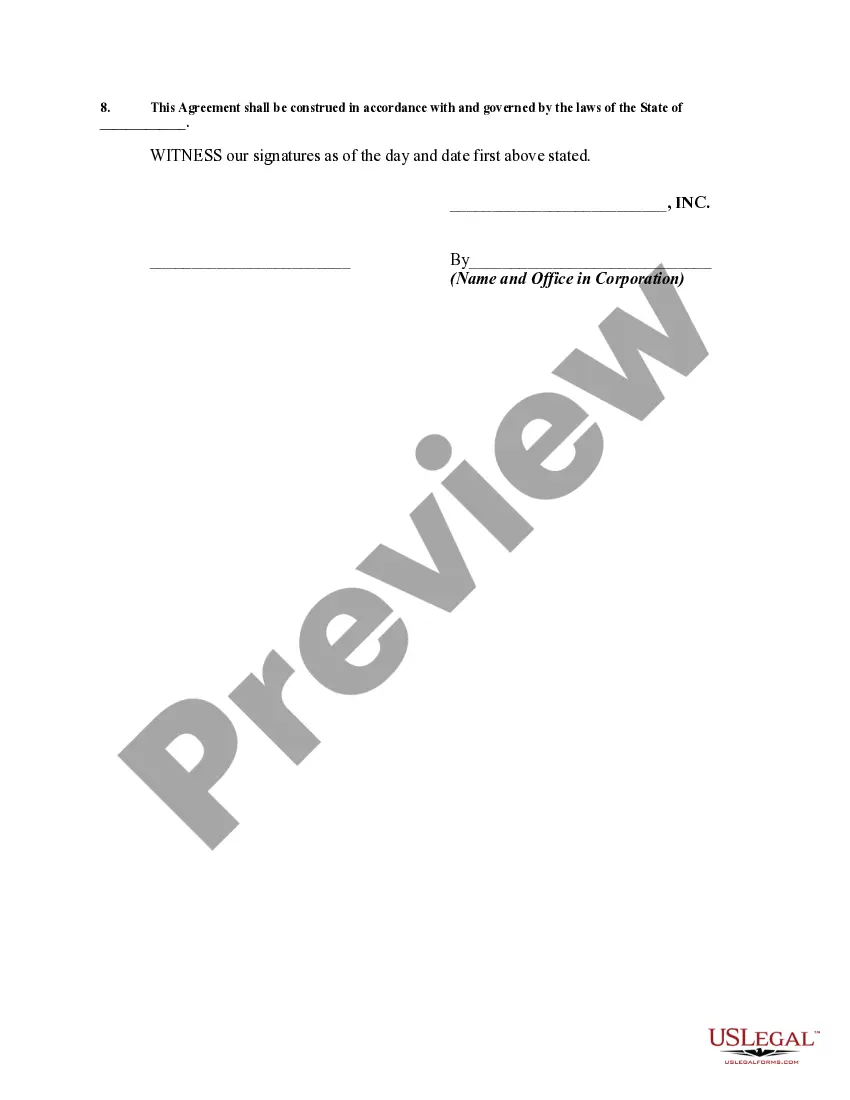
California Security Deposit Agreement
Description
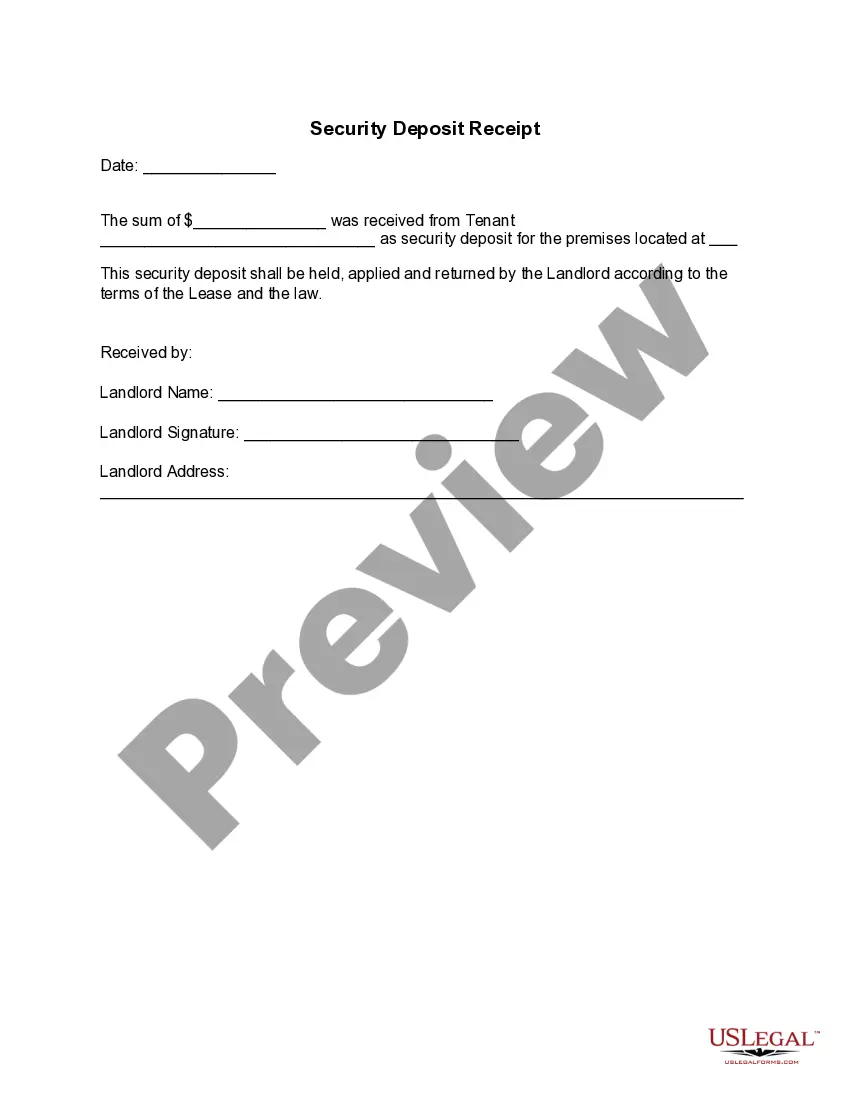
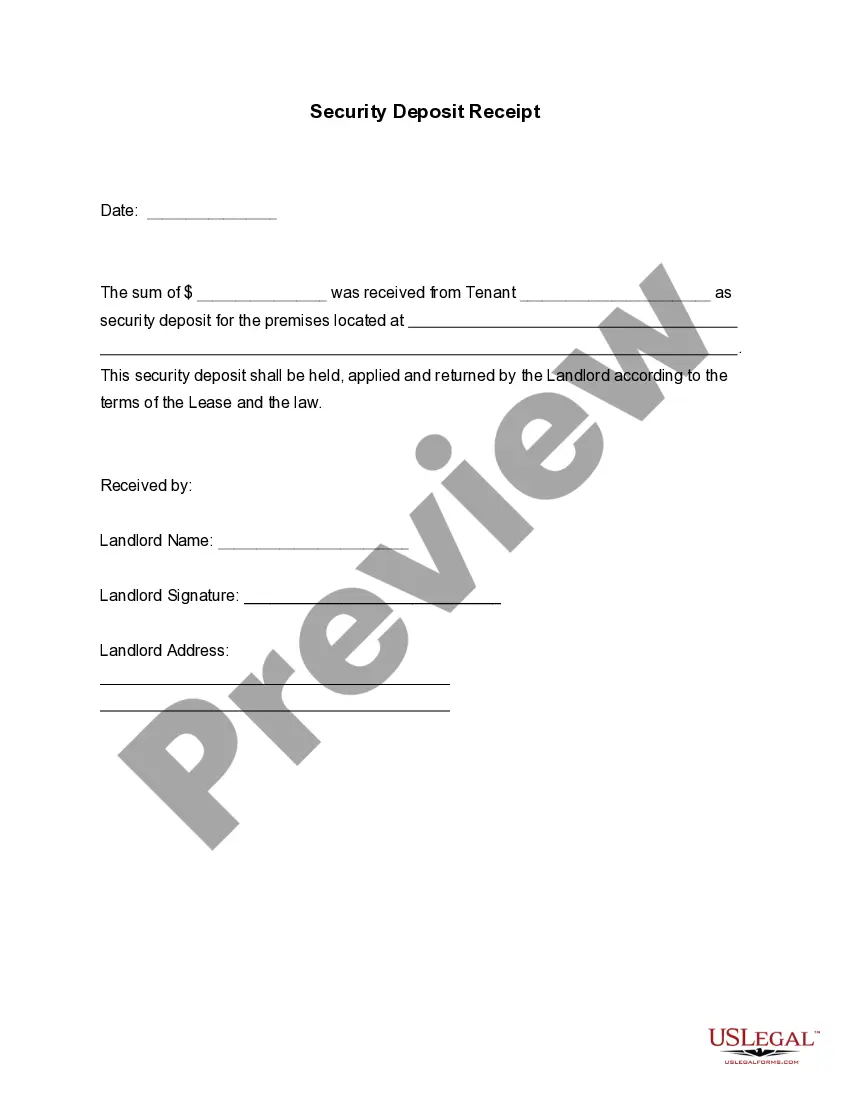
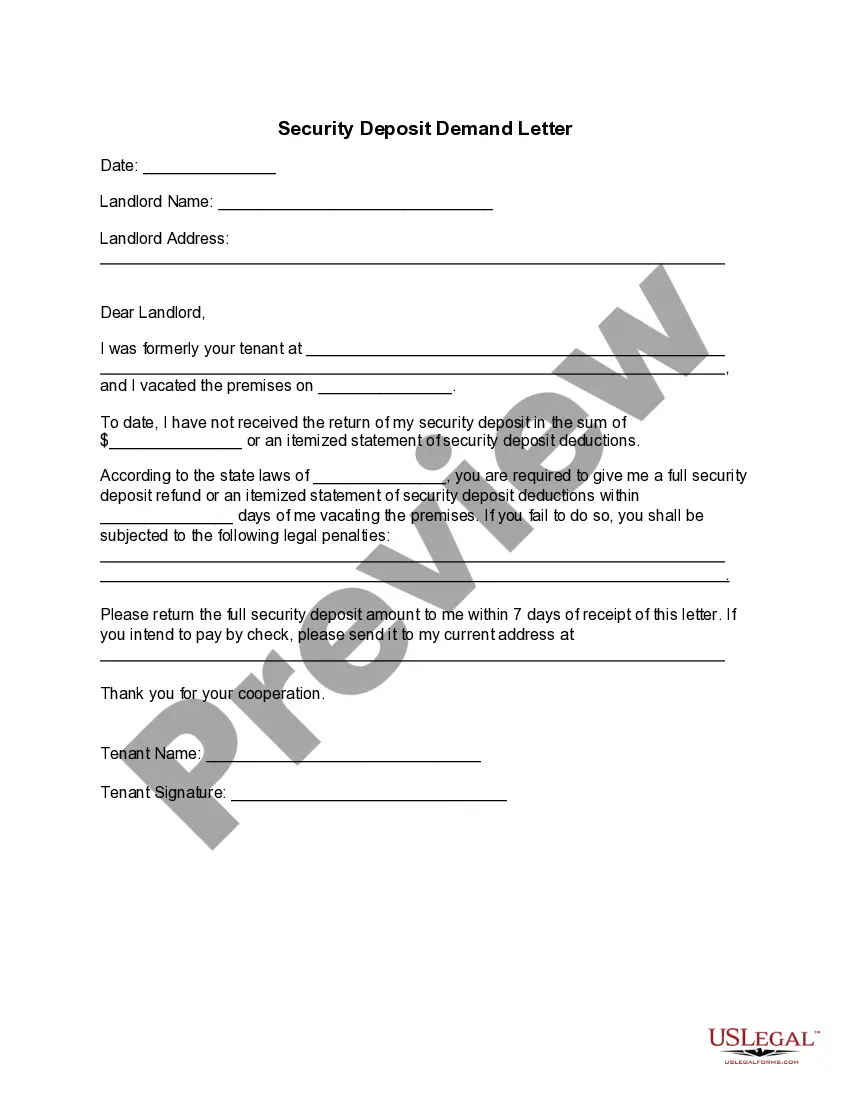
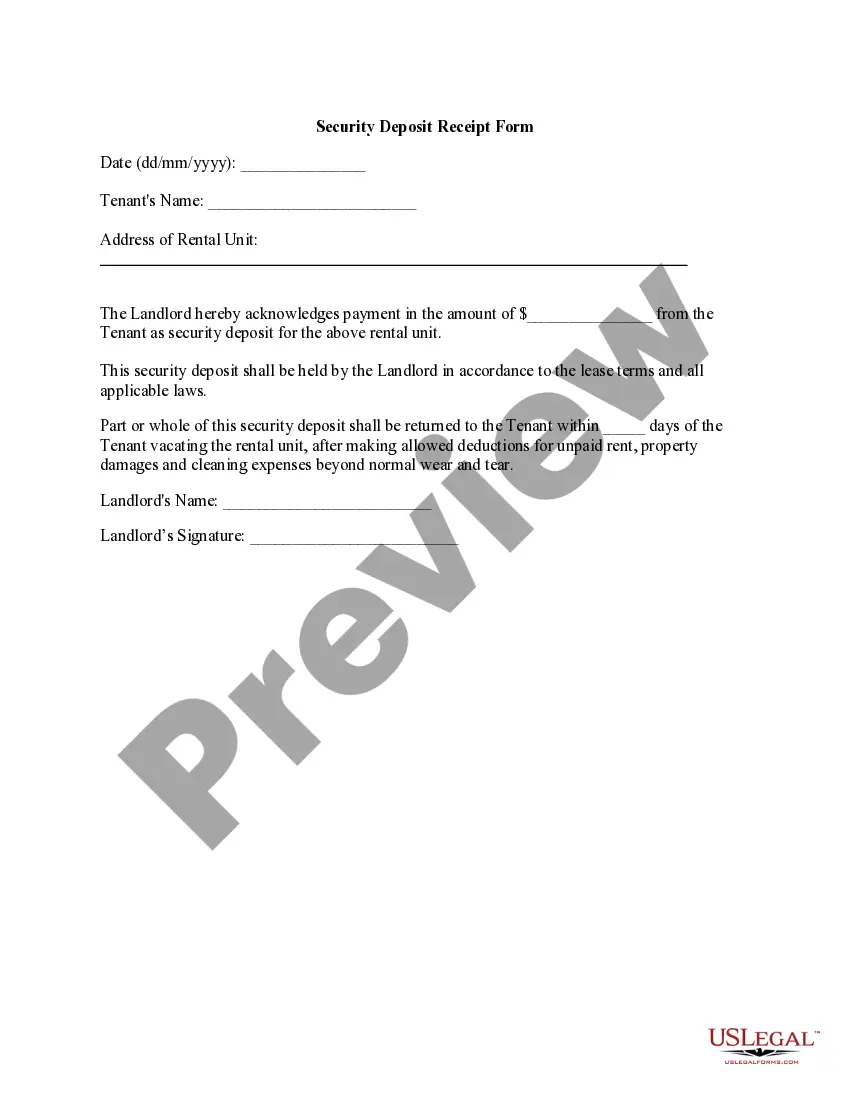
Get your form ready online
Our built-in tools help you complete, sign, share, and store your documents in one place.
Make edits, fill in missing information, and update formatting in US Legal Forms—just like you would in MS Word.
Download a copy, print it, send it by email, or mail it via USPS—whatever works best for your next step.
Sign and collect signatures with our SignNow integration. Send to multiple recipients, set reminders, and more. Go Premium to unlock E-Sign.
If this form requires notarization, complete it online through a secure video call—no need to meet a notary in person or wait for an appointment.
We protect your documents and personal data by following strict security and privacy standards.

Make edits, fill in missing information, and update formatting in US Legal Forms—just like you would in MS Word.

Download a copy, print it, send it by email, or mail it via USPS—whatever works best for your next step.

Sign and collect signatures with our SignNow integration. Send to multiple recipients, set reminders, and more. Go Premium to unlock E-Sign.

If this form requires notarization, complete it online through a secure video call—no need to meet a notary in person or wait for an appointment.

We protect your documents and personal data by following strict security and privacy standards.
Looking for another form?

How to fill out Security Deposit Agreement?
Locating the appropriate authentic document template can be a struggle. Clearly, there are numerous formats available online, but how will you discover the genuine one you require? Utilize the US Legal Forms website. The service offers thousands of formats, including the California Security Deposit Agreement, that you can use for business and personal purposes. All the forms are reviewed by experts and comply with state and federal regulations.
If you are already registered, Log In to your account and then click the Download button to obtain the California Security Deposit Agreement. Use your account to browse the legal forms you have acquired in the past. Go to the My documents section of your account and download another copy of the document you need.
If you are a new user of US Legal Forms, here are some simple instructions to follow: First, ensure that you have selected the correct form for your city/county. You can review the form using the Review button and examine the form details to confirm this is truly the one for you.
US Legal Forms is the largest repository of legal forms where you can find a myriad of document templates. Utilize the service to acquire professionally crafted papers that adhere to state requirements.
- If the form does not satisfy your needs, use the Search field to find the appropriate form.
- Once you are sure the form is correct, click the Purchase now button to acquire the form.
- Choose the payment plan you want and enter the required information.
- Create your account and pay for the order using your PayPal account or credit card.
- Select the file format and download the legal document template to your device.
- Complete, modify, print, and sign the obtained California Security Deposit Agreement.
Form popularity
FAQ
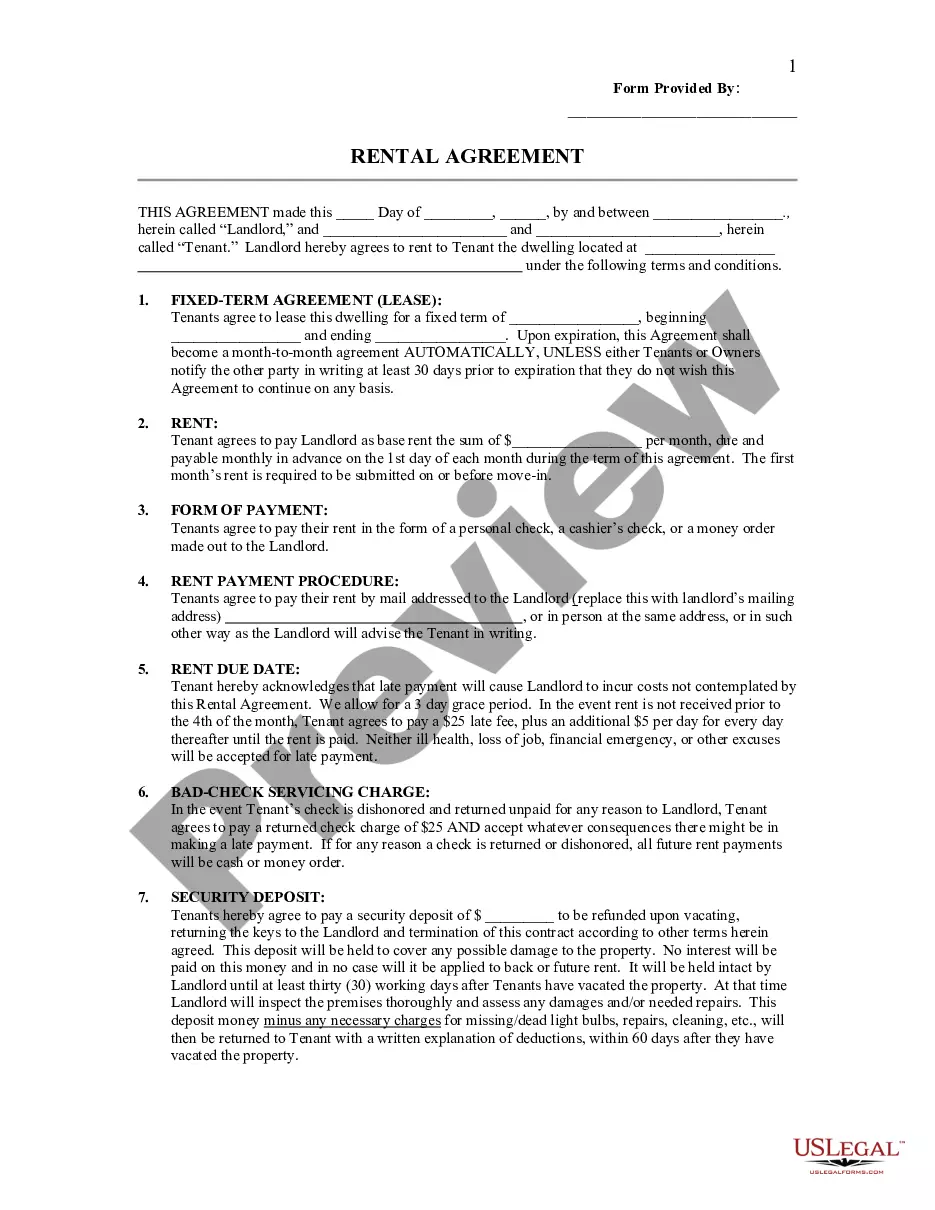
In 2024, California introduces several updated rental laws focused on tenant protection. These include enhanced regulations on eviction processes and rent control measures that some cities may implement. To navigate these changes effectively, utilizing a California Security Deposit Agreement can help both landlords and tenants understand their rights and responsibilities.
Yes, in California, a landlord can request the first month's rent, last month's rent, and a security deposit. However, it's crucial that the total amount requested does not exceed the allowable limits set for security deposits. Using a California Security Deposit Agreement helps detail these financial obligations and protects both the landlord and tenant.
As of 2024, the security deposit laws in California remain consistent with previous regulations. Landlords must still adhere to the maximum limits on deposits and must return the security deposit within 21 days after the tenant moves out. Ensuring you have a California Security Deposit Agreement can greatly simplify the process and clarify expectations for both parties.
In California, landlords can typically ask for upfront payments including the first month's rent and a security deposit. The security deposit must not exceed two months' rent for an unfurnished unit. Understanding these limits is crucial, and referencing the California Security Deposit Agreement can help clarify acceptable amounts.
Yes, in California, landlords can ask for the first month’s rent, last month’s rent, plus a security deposit. However, this amount can’t exceed a total of two months' rent for an unfurnished unit, and three months for a furnished unit. It’s essential to ensure this request aligns with the California Security Deposit Agreement to avoid potential disputes.
In California, the maximum security deposit is usually equivalent to two months' rent for unfurnished units and three months' for furnished ones. Landlords must also provide a receipt upon payment and return the deposit in accordance with the California Security Deposit Agreement. Knowing these specifics supports a better tenant experience.
California law does not specifically require landlords to maintain a separate account for security deposits. However, they must keep accurate records and return the funds promptly. Familiarizing yourself with these aspects of the California Security Deposit Agreement can help manage expectations and protect your rights as a tenant.
When writing a return request, begin with your contact information and the address of the rental unit. State your request directly, referencing the California Security Deposit Agreement to add professionalism to your communication. It helps to include any move-out details and supporting documents to facilitate a smooth return process.
California law mandates that landlords return a renter's deposit within 21 days after the tenant vacates the property. If there are deductions to be made, landlords must provide an itemized statement along with any remaining funds. Knowing these requirements helps you stay informed and assertive regarding your California Security Deposit Agreement.
If a landlord fails to return the security deposit within 21 days of your lease ending, they may be violating California law. You can request an explanation for the delay, and if not satisfied, you have the option to take legal action. This is where understanding your rights under the California Security Deposit Agreement becomes crucial.