California Statutory Health Care Directive
What is this form?
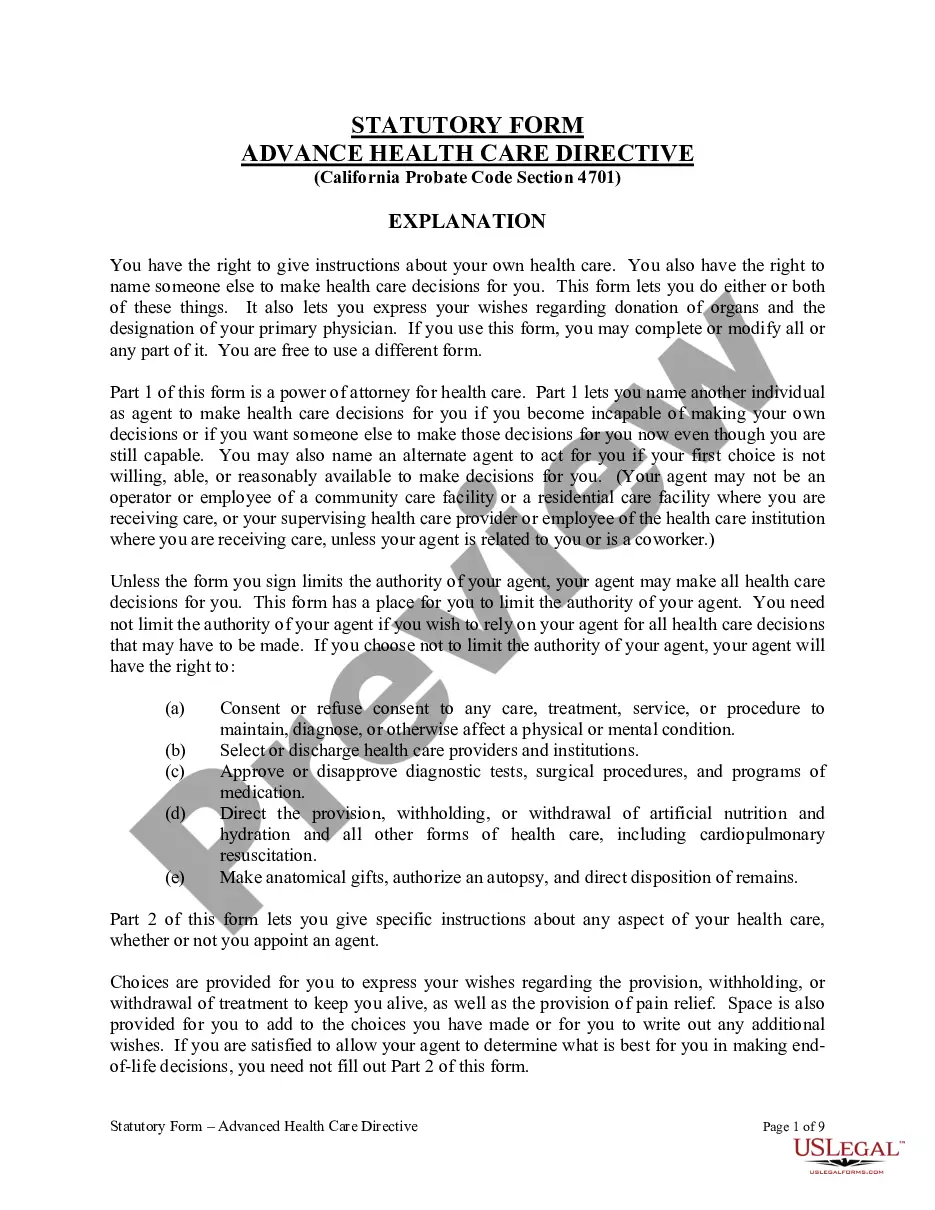
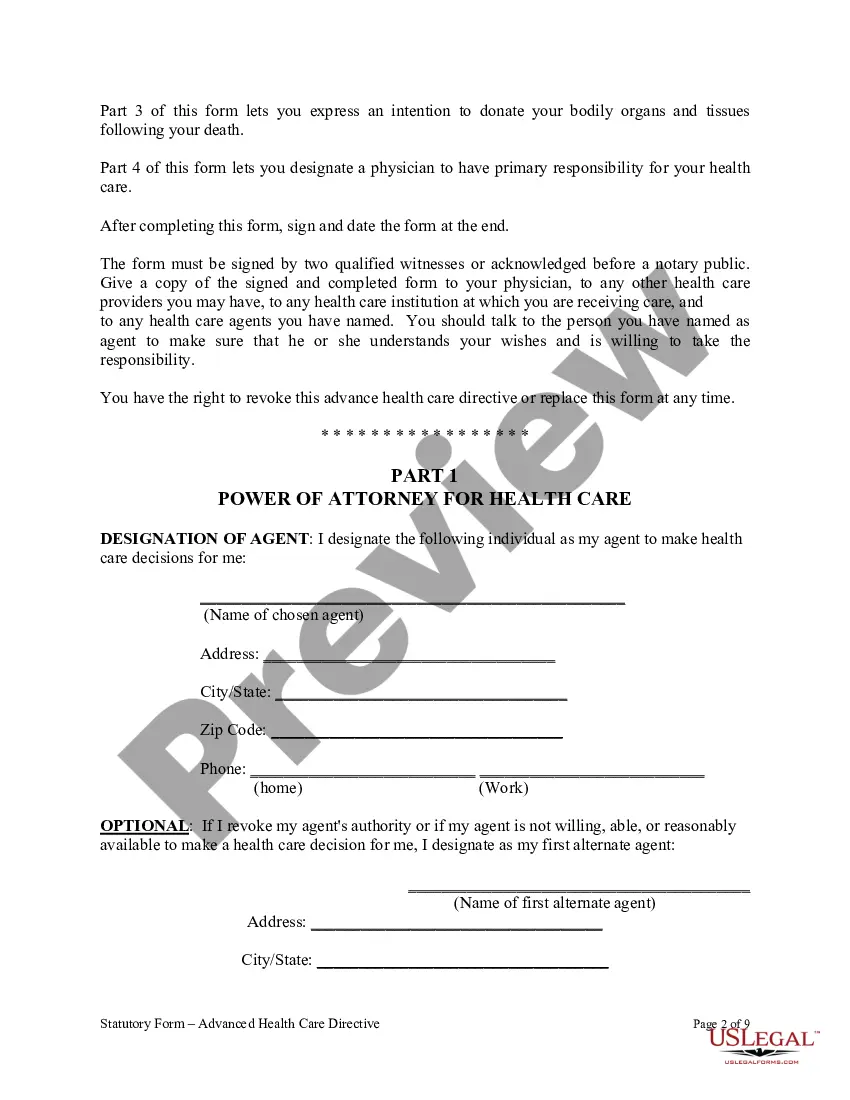
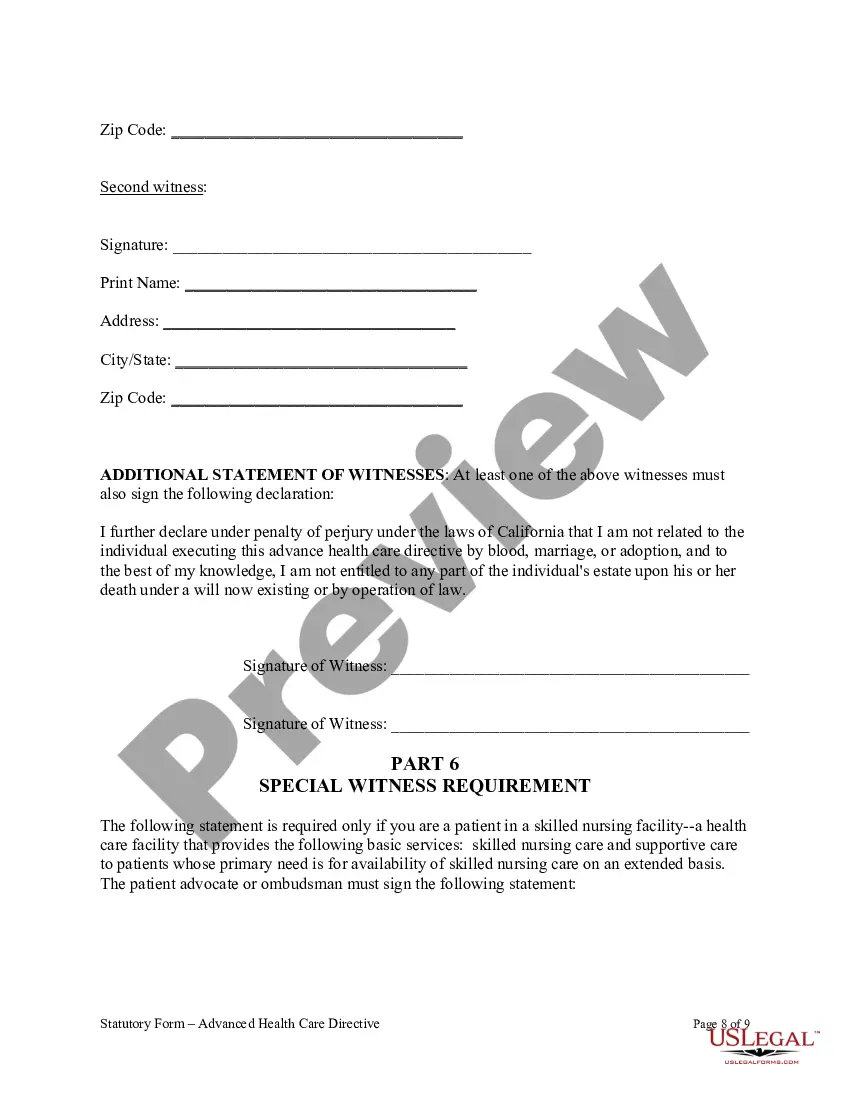
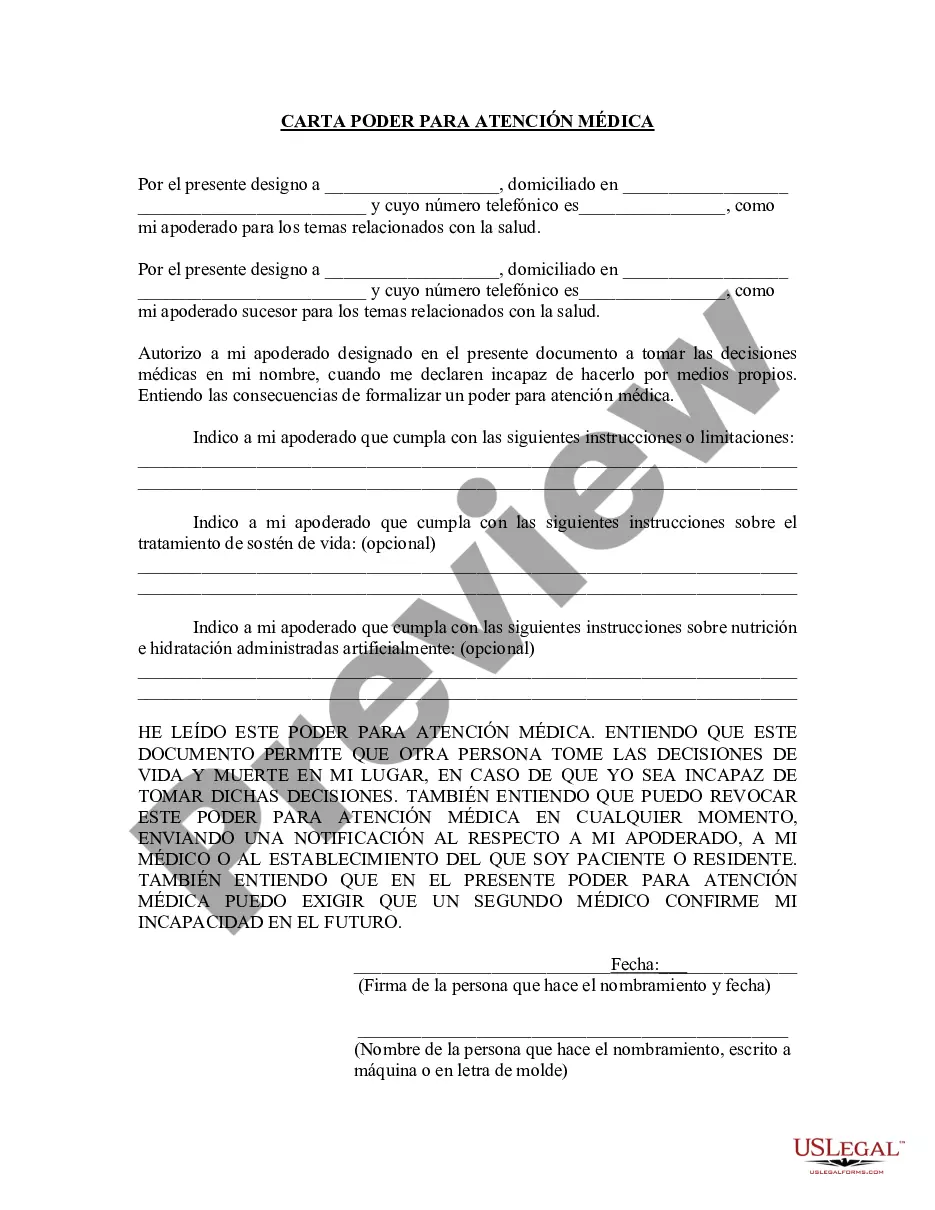
The Statutory Health Care Directive is a legally recognized document under California Probate Code that allows individuals to specify their health care preferences in advance. This form provides a mechanism for appointing a health care agent, articulating specific medical wishes, and designating a primary physician. Unlike other forms, it also includes options for organ donation and can be customized to meet personal health care needs.
Main sections of this form
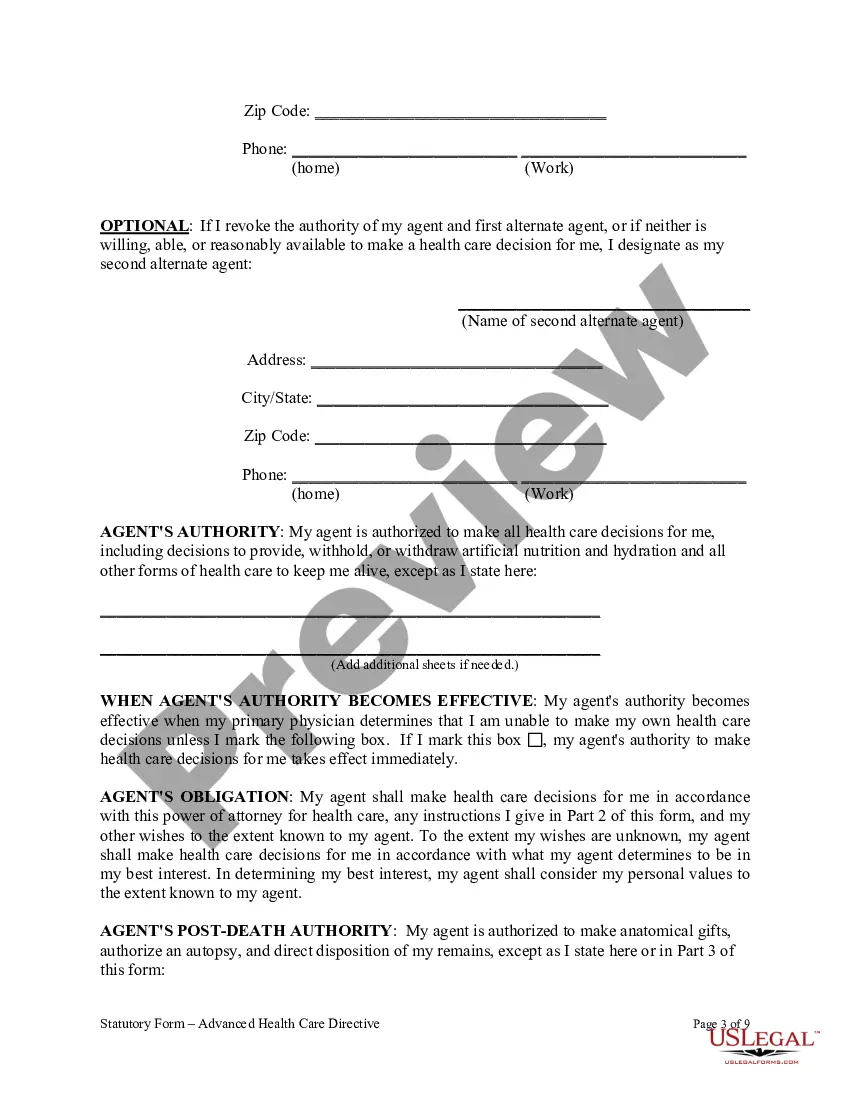
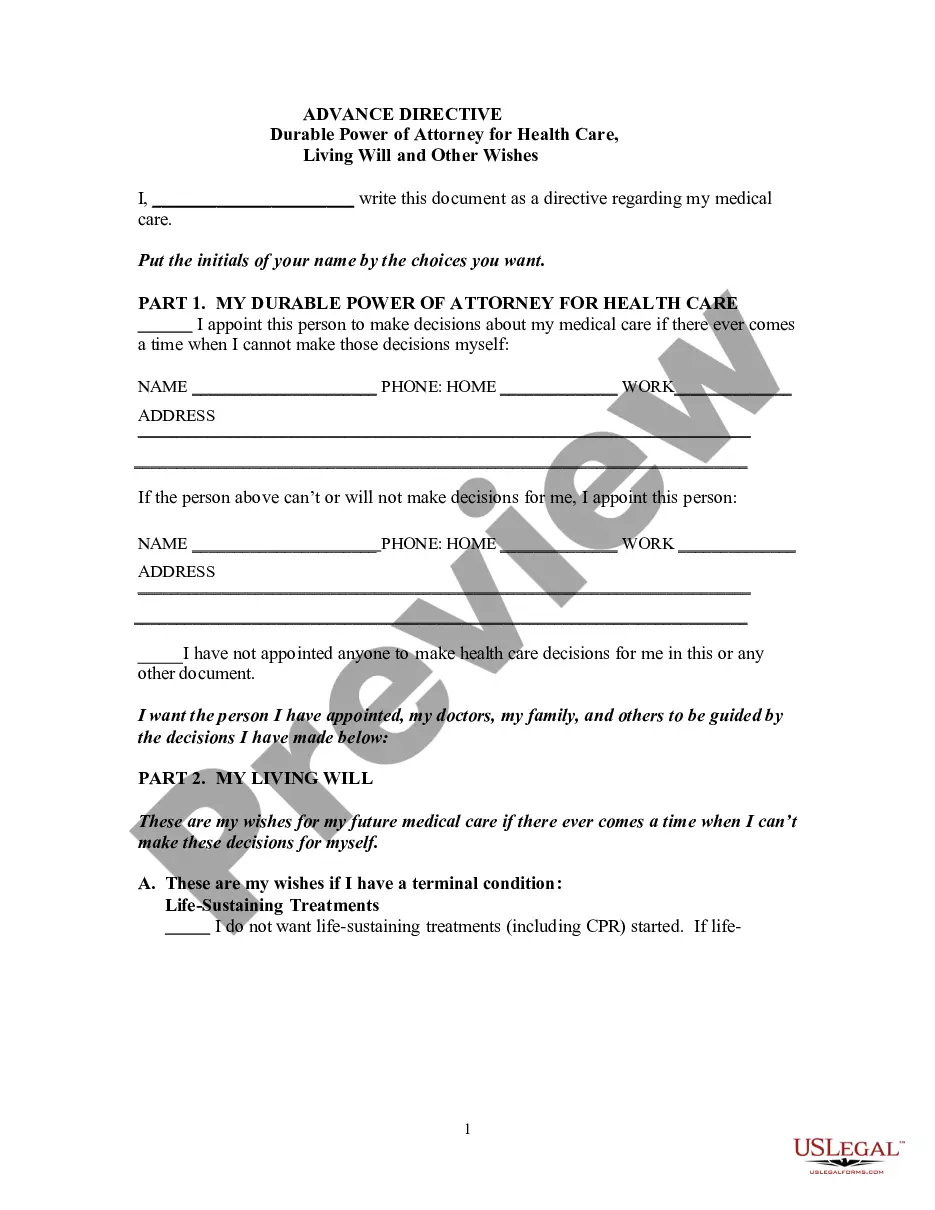
- Part 1: Power of attorney for health care - Appoints a health care agent to make decisions on your behalf if you are unable to do so.
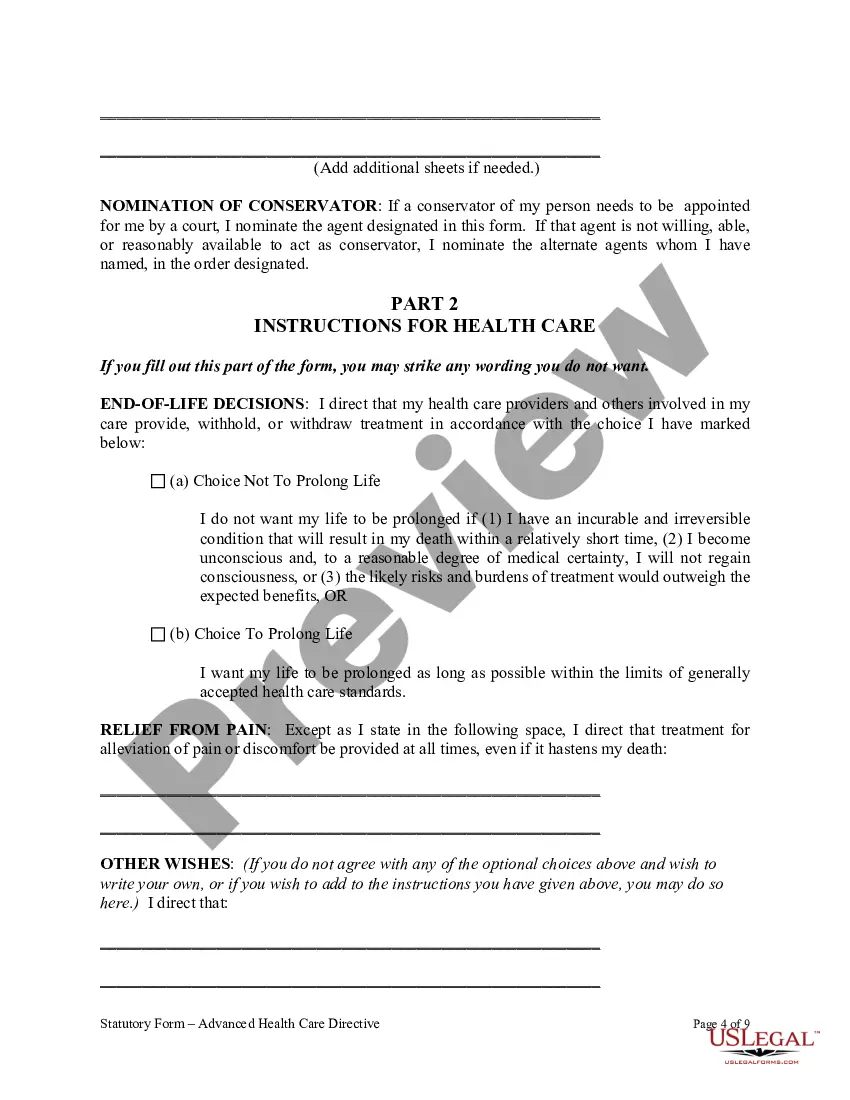
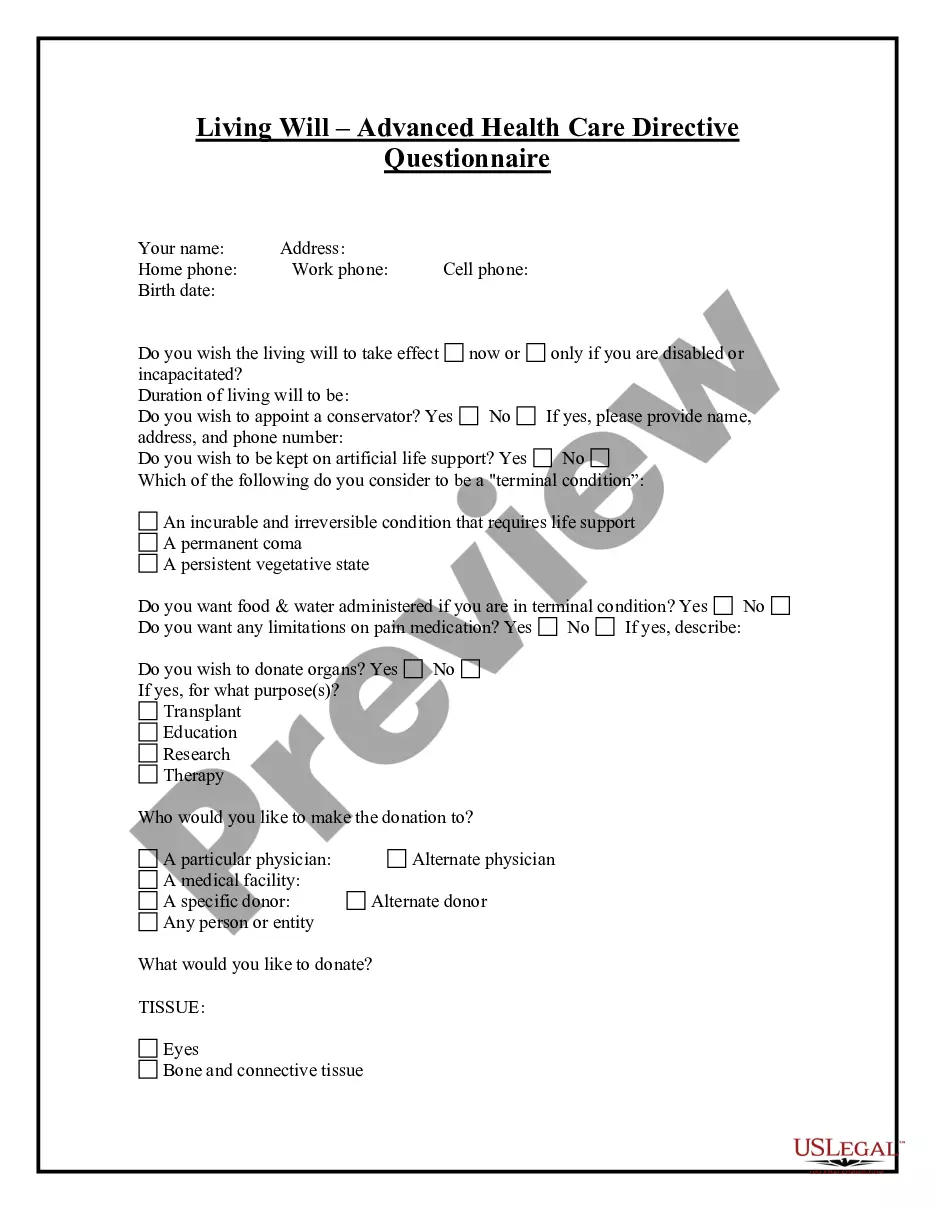
- Part 2: Health care instructions - Provides specific directions about your health care, including end-of-life decisions.
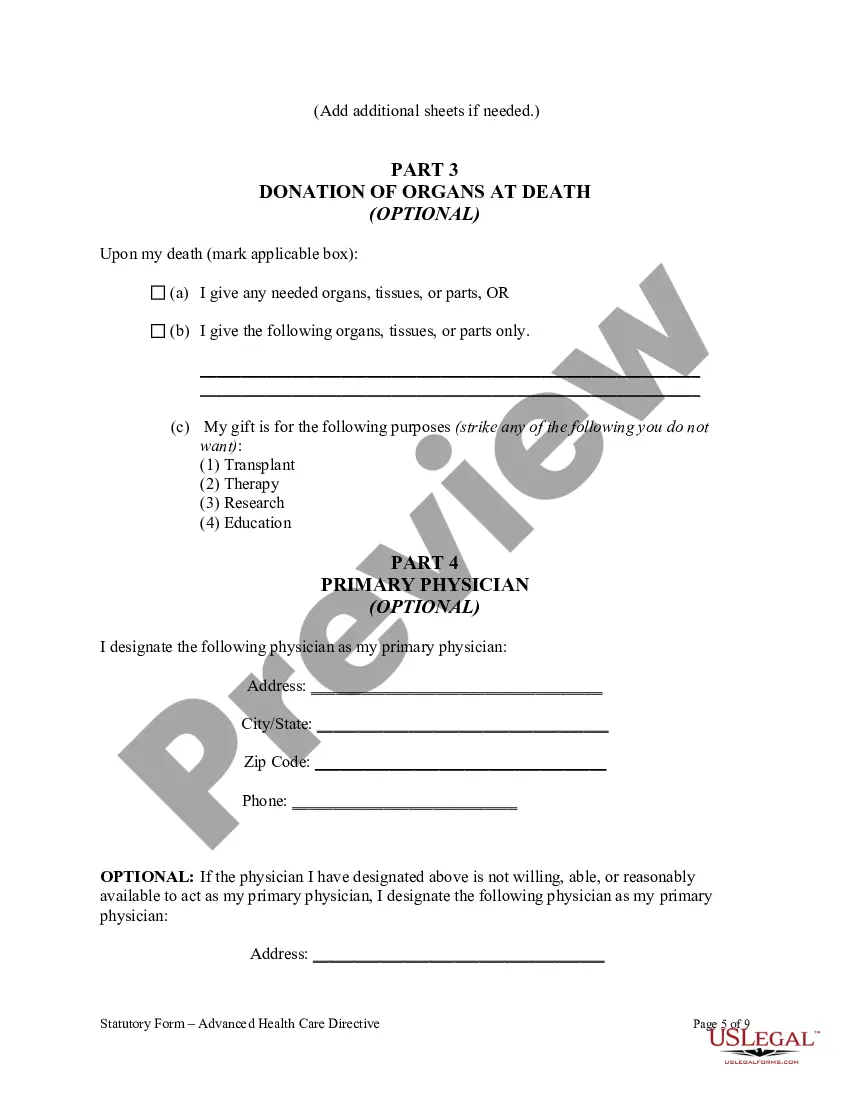
- Part 3: Organ donation - Allows you to express your intentions regarding the donation of organs and tissues after death.
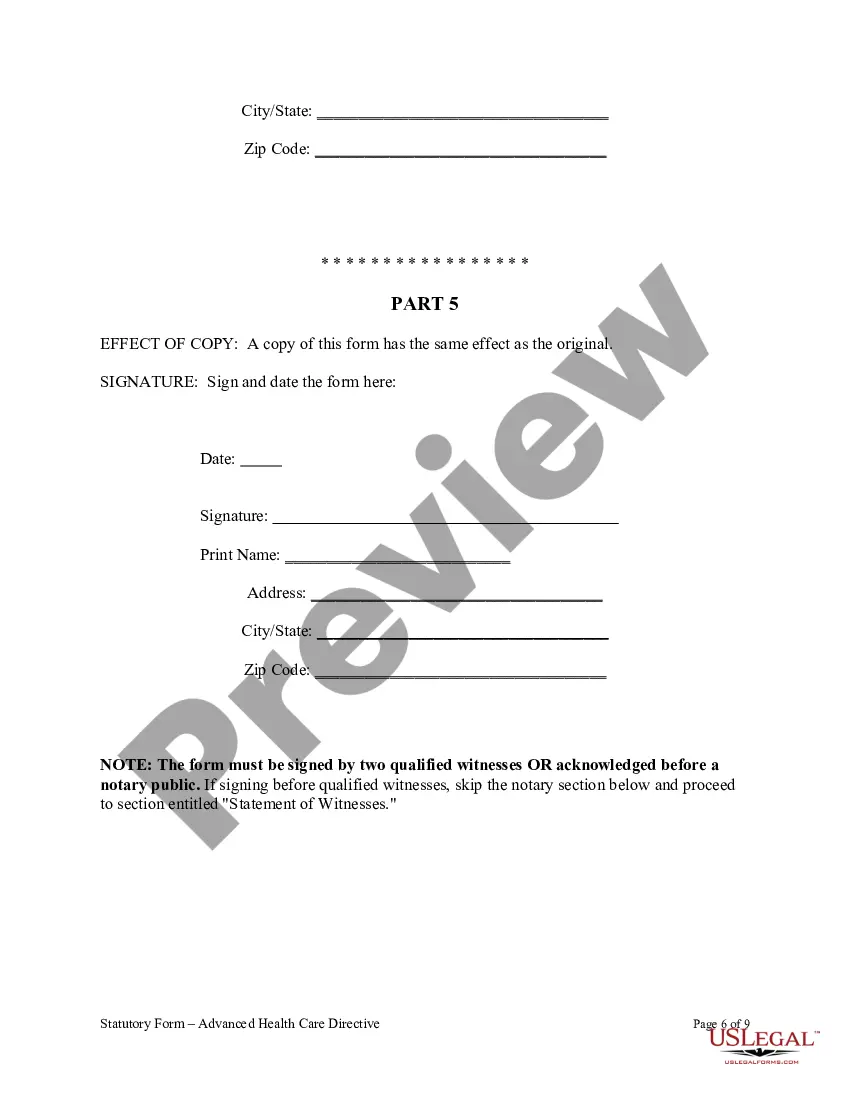
- Part 4: Designation of primary physician - Lets you choose your main health care provider.
Situations where this form applies
This form is essential when individuals want to ensure their health care decisions are honored, especially in situations where they may become incapacitated. It is particularly useful for those facing serious health conditions, undergoing surgeries, or wishing to avoid unwanted medical treatments in terminal situations.
Who this form is for
- Adults in California who wish to predefine their health care preferences.
- Individuals seeking to appoint an agent for health care decisions.
- People wanting to ensure their wishes regarding end-of-life care are clear and legally binding.
- Anyone interested in being organized about their health care planning.
How to complete this form
- Fill out Part 1 to designate a health care agent and any alternate agents.
- Complete Part 2 with your health care preferences and end-of-life decisions.
- If applicable, provide details in Part 3 about organ and tissue donations.
- Designate your primary physician in Part 4, if desired.
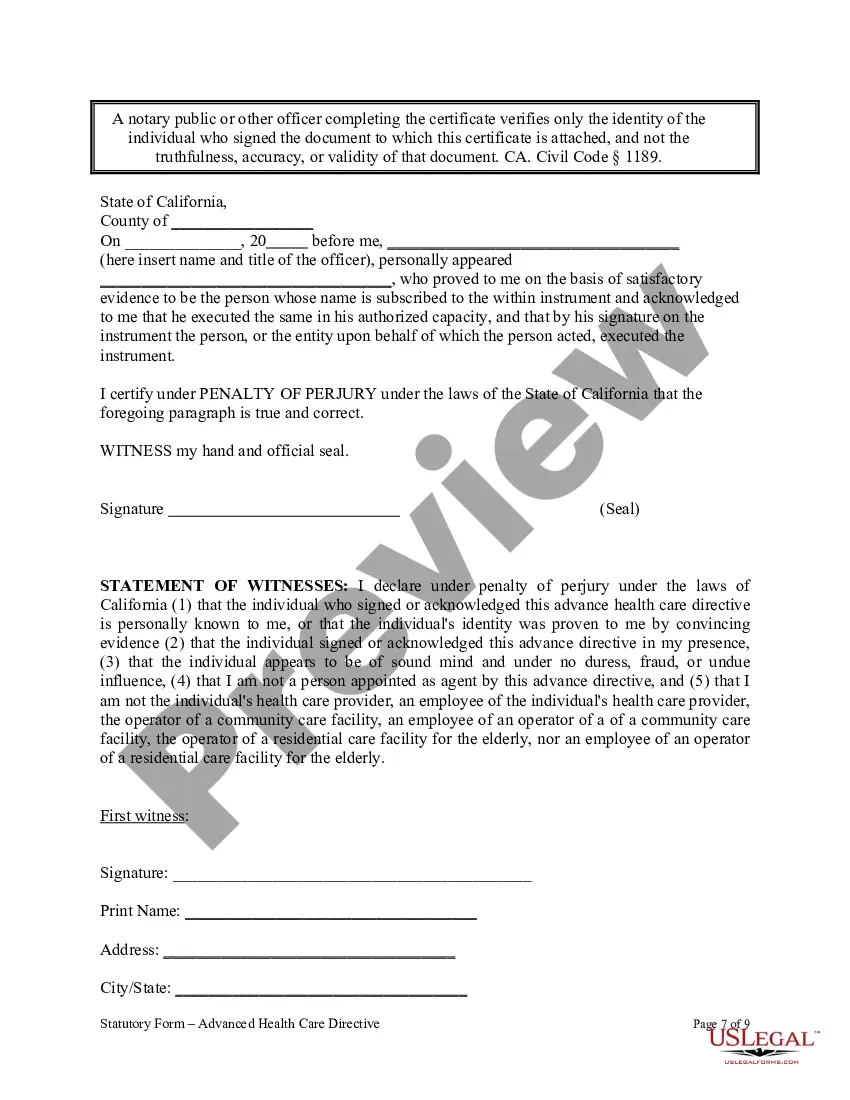
- Sign the form in the presence of two qualified witnesses or a notary public to ensure it is legally binding.
- Distribute copies of the completed form to your health care providers and agent.
Notarization guidance
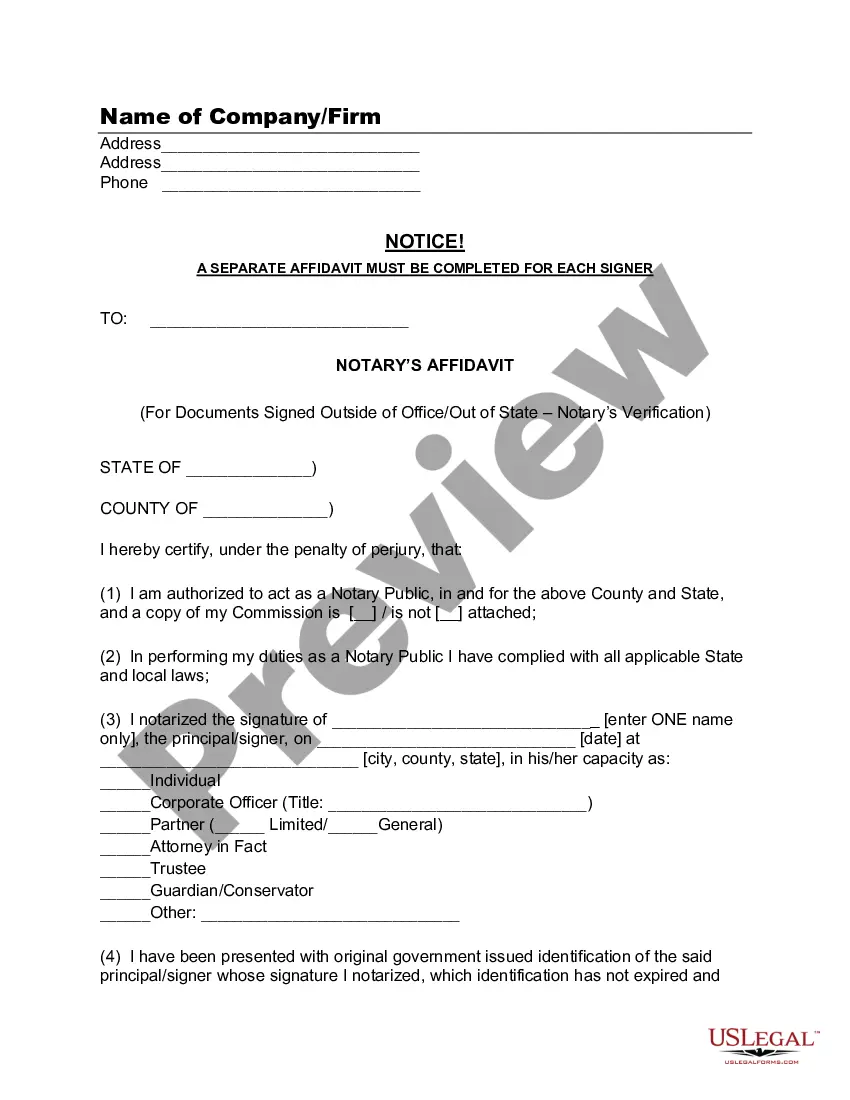
This form needs to be notarized to ensure legal validity. US Legal Forms provides secure online notarization powered by Notarize, allowing you to complete the process through a verified video call, available anytime.
Get your form ready online
Our built-in tools help you complete, sign, share, and store your documents in one place.
Make edits, fill in missing information, and update formatting in US Legal Forms—just like you would in MS Word.
Download a copy, print it, send it by email, or mail it via USPS—whatever works best for your next step.
Sign and collect signatures with our SignNow integration. Send to multiple recipients, set reminders, and more. Go Premium to unlock E-Sign.
If this form requires notarization, complete it online through a secure video call—no need to meet a notary in person or wait for an appointment.
We protect your documents and personal data by following strict security and privacy standards.

Make edits, fill in missing information, and update formatting in US Legal Forms—just like you would in MS Word.

Download a copy, print it, send it by email, or mail it via USPS—whatever works best for your next step.

Sign and collect signatures with our SignNow integration. Send to multiple recipients, set reminders, and more. Go Premium to unlock E-Sign.

If this form requires notarization, complete it online through a secure video call—no need to meet a notary in person or wait for an appointment.

We protect your documents and personal data by following strict security and privacy standards.
Mistakes to watch out for
- Not signing the form correctly or lacking the required witnesses or notary.
- Failing to discuss your health care wishes with your appointed agent.
- Leaving parts of the form incomplete, which can cause confusion about your wishes.
- Not providing copies of the signed form to relevant parties, including your physician.
Benefits of completing this form online
- Convenient access to a legally valid form that can be completed at your own pace.
- Easy modification and personalization according to your individual health care preferences.
- Reliable guidance and resources from licensed attorneys during the completion process.
Looking for another form?

Form popularity
FAQ
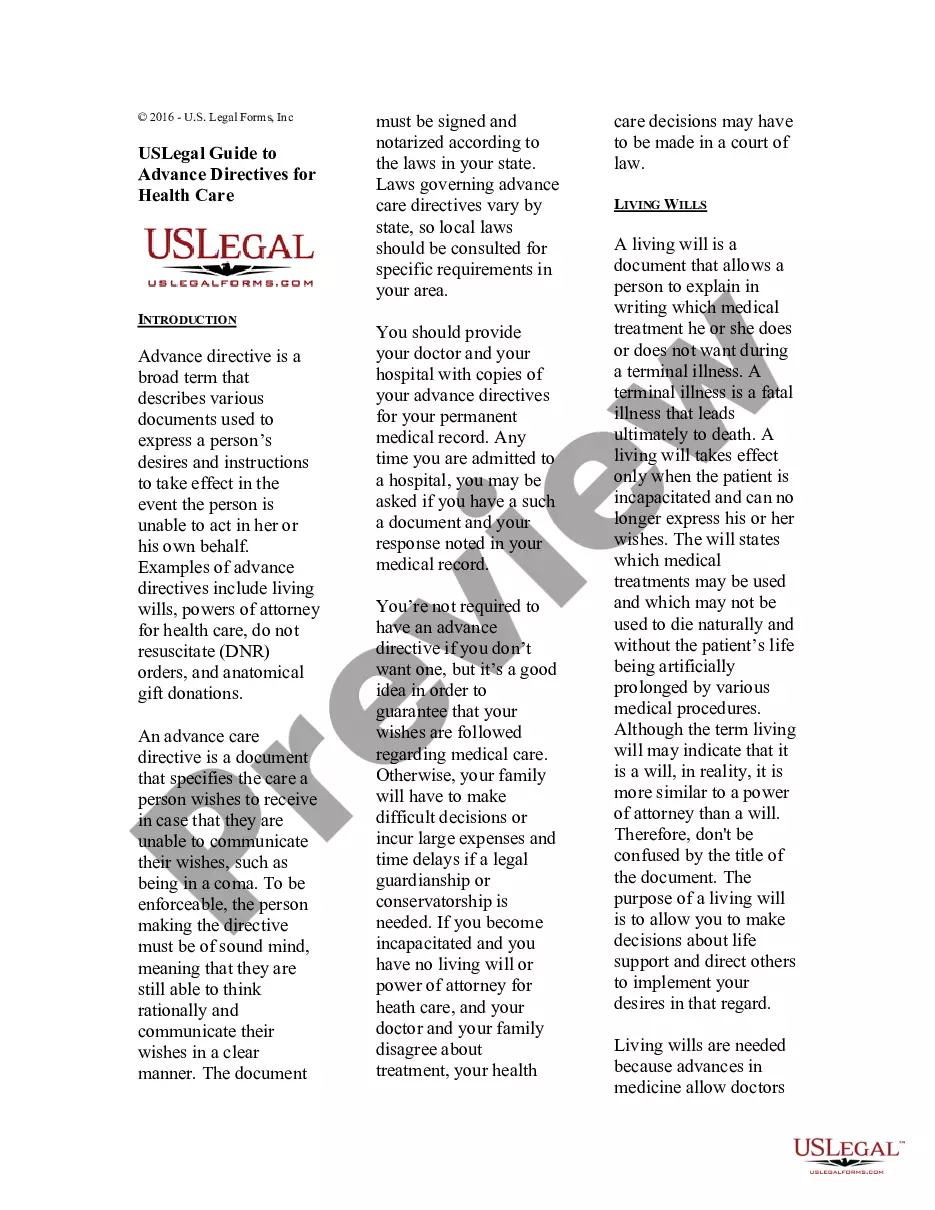
An advance directive is a legal document that allows you to outline your health care preferences in case you are unable to communicate. A Do Not Resuscitate (DNR) order can be included as part of your California Statutory Health Care Directive. For more information on how to create these documents, you can explore resources available on platforms like USLegalForms.
Typically, you prepare your own advance directive, outlining your health care preferences. It's important to consider discussing your choices with loved ones and health care providers. This proactive approach ensures that your California Statutory Health Care Directive reflects your values and wishes clearly.
Yes, you can conveniently fill out your California Statutory Health Care Directive online. Several platforms, including USLegalForms, provide easy-to-use templates that guide you through the process. Completing your directive online allows you to save time while ensuring that your healthcare preferences are clearly documented.
In California, a health care directive does not necessarily need to be notarized to be valid. However, you may choose to have it notarized to strengthen its authenticity. This step can help avoid any potential disputes regarding your California Statutory Health Care Directive in the future.
To ensure the effectiveness of your California Statutory Health Care Directive, it is essential to keep it in an accessible location. Consider placing copies with your primary physician and storing the original in a safe place at home. Additionally, inform your family members or caregivers about its location for quick access during medical emergencies.
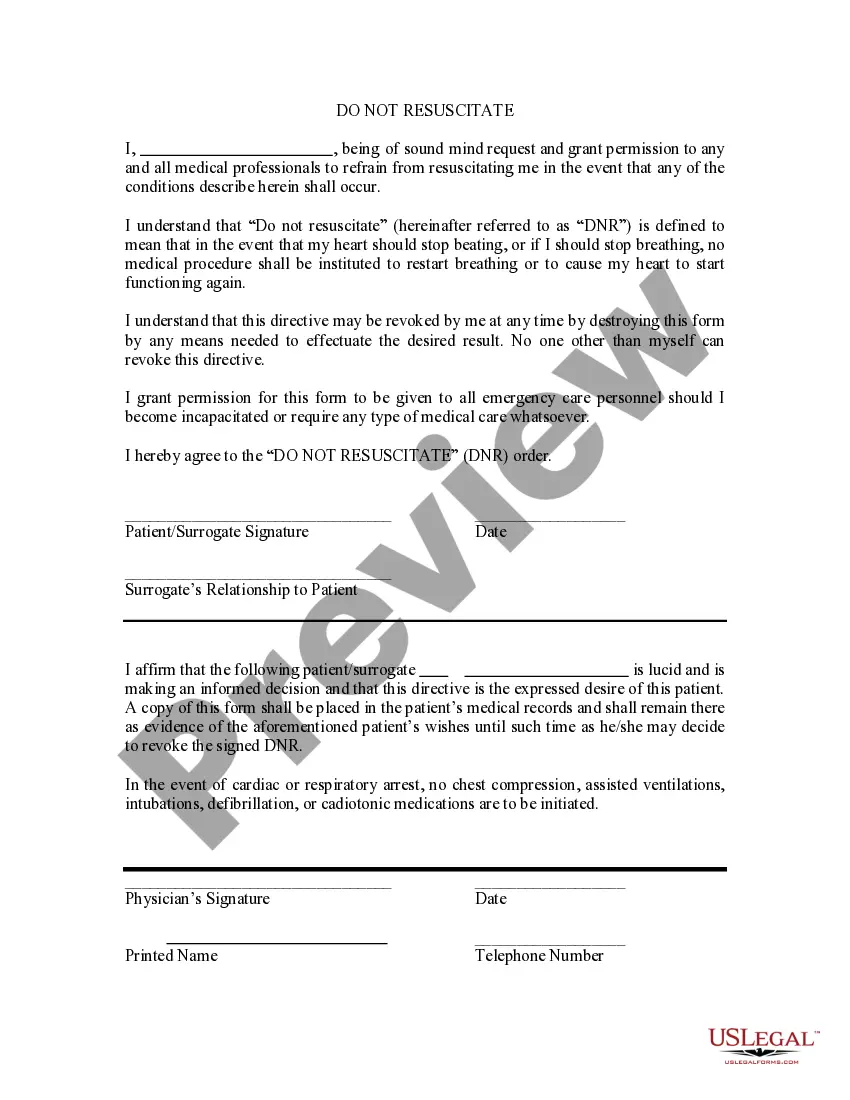
A DNR, or Do Not Resuscitate order, is specifically focused on the decision to refrain from resuscitative measures if your heart stops beating. In contrast, a health care directive, particularly a California Statutory Health Care Directive, allows you to set forth a complete set of medical treatment preferences and appoint someone to make decisions on your behalf. Understanding these differences can help you make informed choices about how you want to approach your healthcare.
The California Advanced Health Care Directive is a legal document that combines both a power of attorney for health care and a living will. This directive gives you the ability to appoint someone to make medical decisions for you and to specify your treatment preferences in case you are unable to communicate. By establishing a California Statutory Health Care Directive, you take an important step in ensuring your healthcare aligns with your values and desires.
A Do Not Resuscitate (DNR) order specifically instructs medical personnel not to perform resuscitation if your heart stops, while an advance directive encompasses a broader range of health care decisions. The California Statutory Health Care Directive can include a DNR order, but it also addresses other medical interventions and personal treatment preferences. Understanding this distinction helps you communicate your wishes clearly to your healthcare team.
The California Healthcare Advanced Directive is a legal document allowing you to outline your preferences for medical care in situations where you cannot communicate your wishes. This document not only appoints an individual to make health care decisions on your behalf but also specifies your desires regarding life-sustaining treatments. Utilizing a comprehensive California Statutory Health Care Directive can ensure your health care preferences are honored.
In California, an advance directive remains effective until you revoke it, or until your condition changes if you specify otherwise. It does not expire, so long as you are competent and it reflects your wishes. It's important to review and update your California Statutory Health Care Directive regularly, especially if your health status changes or your wishes evolve.