California Notice to Perform Covenant - Cure - or Quit
What is this form?
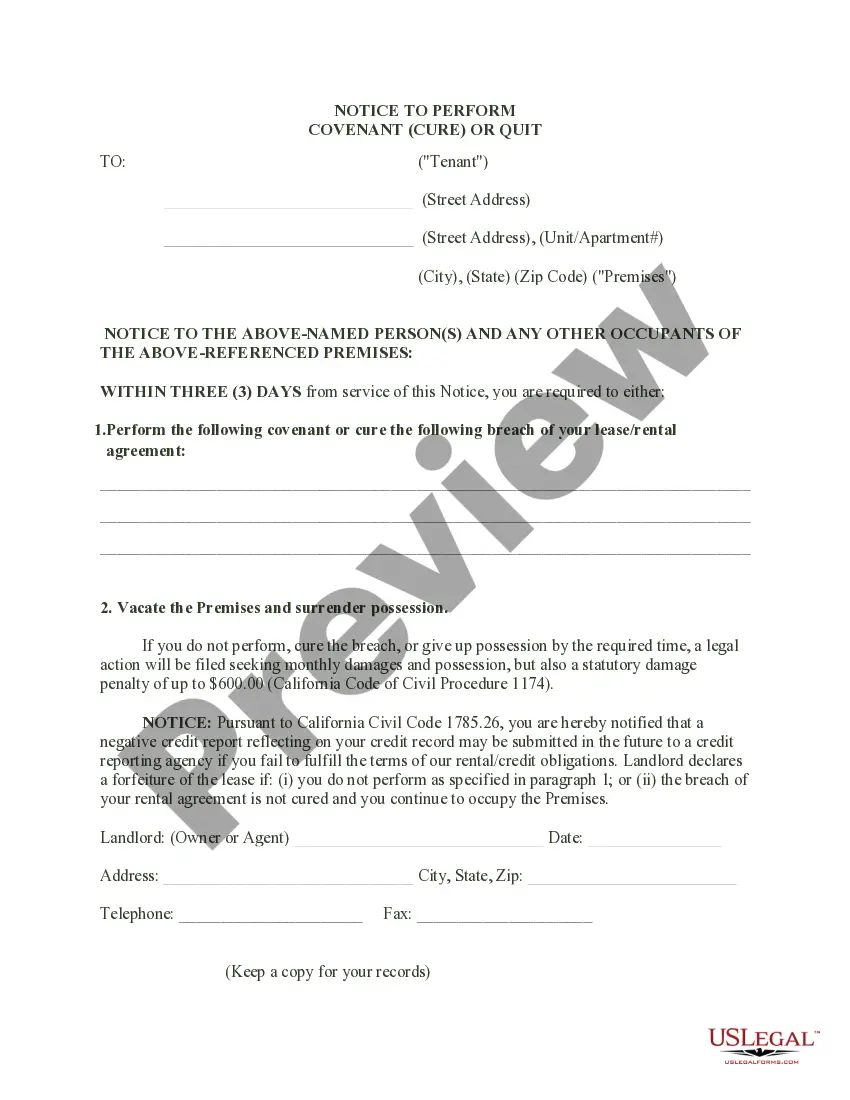
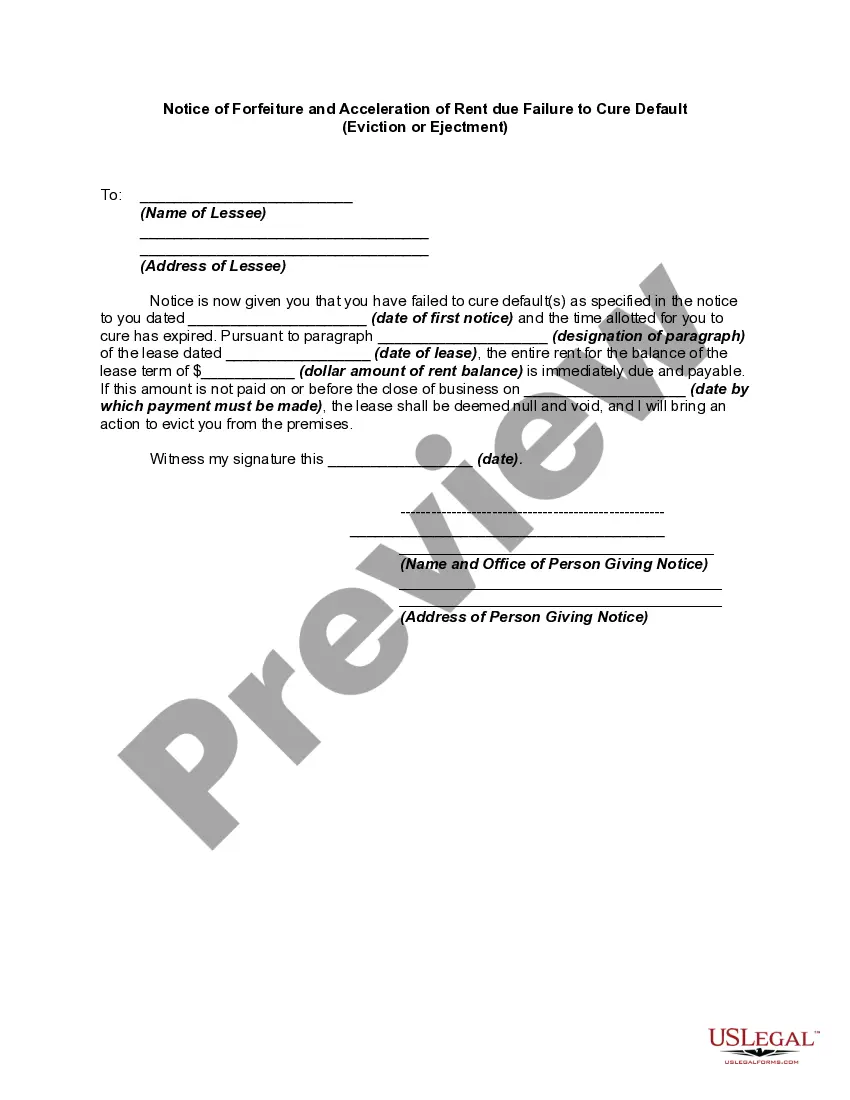
The Notice to Perform Covenant - Cure - or Quit is a legal document used by landlords to formally notify tenants of specific breaches in their lease agreement. This form outlines the necessary actions the tenant must take to remedy the situation within three days, or face eviction. This notice is an essential step in the eviction process and is designed to provide tenants with an opportunity to correct their lease violations before further legal action is pursued.
What’s included in this form
- Identification of the tenant and occupants.
- Address of the rental premises.
- Detailed description of the lease violation or covenant breach.
- Specific actions required from the tenant to cure the issue.
- Deadline for the tenant to comply, typically three days.
- Consequences for failing to remedy the breach, including potential eviction and damages.
When to use this document
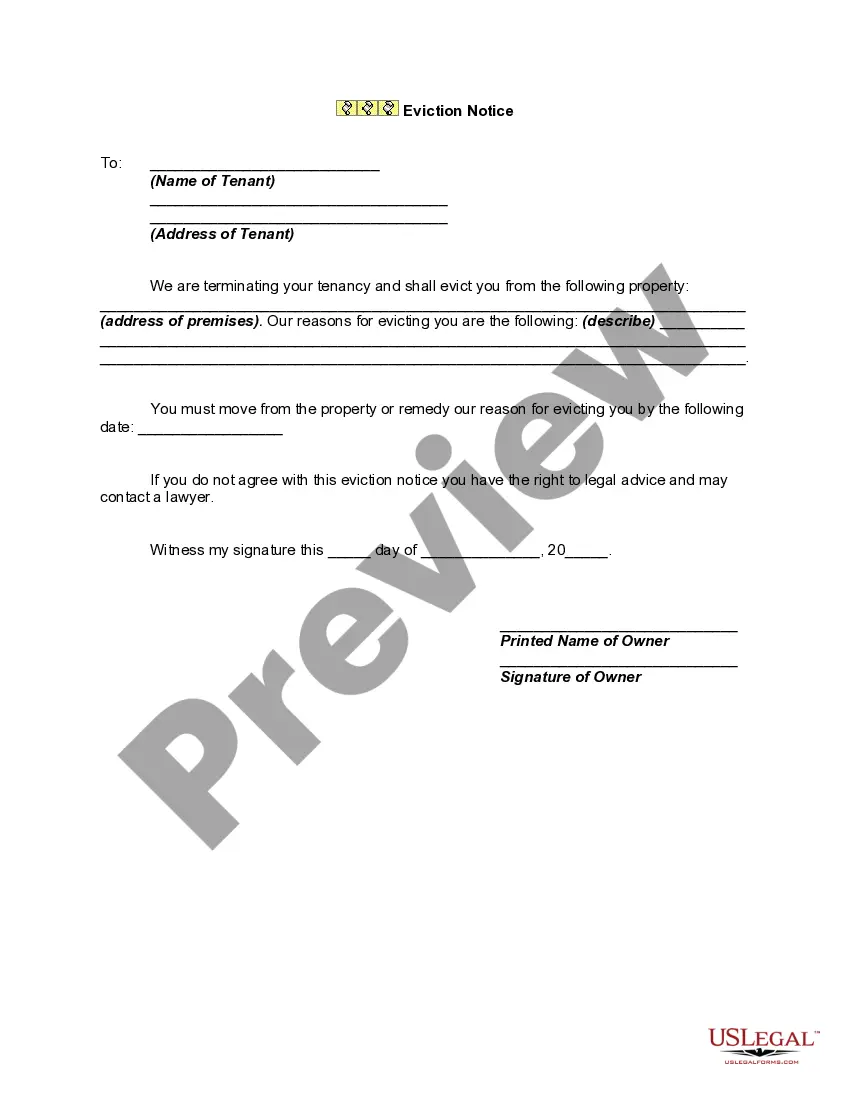
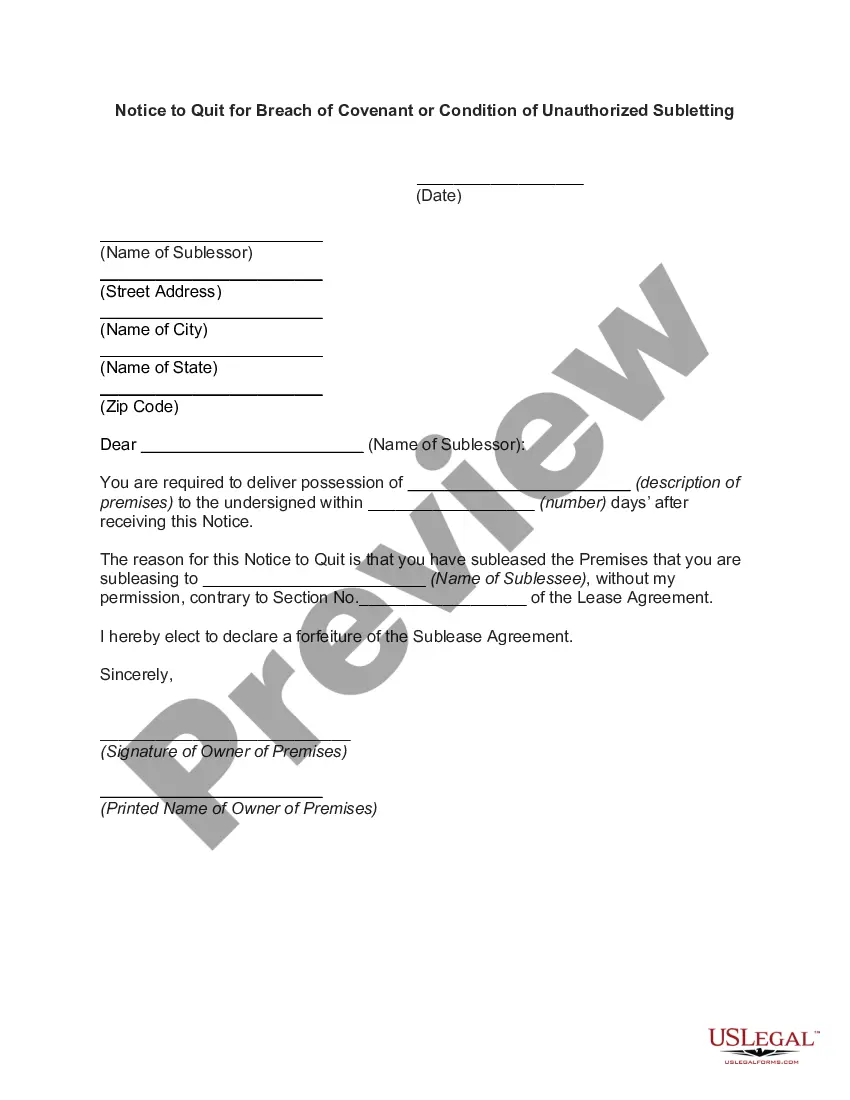
This form should be used when a landlord identifies a breach of the lease agreement by a tenant and wishes to provide a formal notice to remedy the situation. Common scenarios include late rent payments, unauthorized pets on the property, or failure to maintain the premises. It serves as both a notification and a demand for compliance to protect the landlord's rights and may serve as the first step before pursuing eviction proceedings.
Who should use this form
The intended audience for this form includes:
- Landlords or property managers needing to address lease violations.
- Attorneys representing landlords in eviction proceedings.
- Property owners who manage their own rental properties and confront tenant issues.
Completing this form step by step
- Identify the tenant and all occupants by entering their names clearly.
- Specify the complete address of the rental property, including unit number if applicable.
- Detail the breach of the lease agreement that needs to be cured.
- Indicate the actions required by the tenant to cure the violation.
- Set the date for compliance, allowing three days from notice service.
- Sign and date the form, providing the landlord's contact information.
Is notarization required?
This form does not typically require notarization unless specified by local law. However, it is advisable to keep a copy for your records after it has been signed and delivered.
Get your form ready online
Our built-in tools help you complete, sign, share, and store your documents in one place.
Make edits, fill in missing information, and update formatting in US Legal Forms—just like you would in MS Word.
Download a copy, print it, send it by email, or mail it via USPS—whatever works best for your next step.
Sign and collect signatures with our SignNow integration. Send to multiple recipients, set reminders, and more. Go Premium to unlock E-Sign.
If this form requires notarization, complete it online through a secure video call—no need to meet a notary in person or wait for an appointment.
We protect your documents and personal data by following strict security and privacy standards.

Make edits, fill in missing information, and update formatting in US Legal Forms—just like you would in MS Word.

Download a copy, print it, send it by email, or mail it via USPS—whatever works best for your next step.

Sign and collect signatures with our SignNow integration. Send to multiple recipients, set reminders, and more. Go Premium to unlock E-Sign.

If this form requires notarization, complete it online through a secure video call—no need to meet a notary in person or wait for an appointment.

We protect your documents and personal data by following strict security and privacy standards.
Avoid these common issues
- Failing to deliver the notice to all occupants.
- Not clearly specifying the breach or required actions.
- Missing the three-day deadline for tenant compliance.
- Omitting the landlord's contact information for follow-up questions.
Benefits of using this form online
- Quick and easy access to a professionally drafted legal document.
- Editable templates ensure that users can customize the form for their specific situation.
- Reliable legal compliance with state laws and guidelines.
Looking for another form?
Form popularity
FAQ
In California, a text message does not qualify as a formal written notice for the purposes of a California Notice to Perform Covenant - Cure - or Quit. Legal notices typically require more traditional forms of written communication, such as a letter sent via certified mail or personal delivery. This ensures there is a clear record of the notice being served. Consider using the templates on USLegalForms to create comprehensive and legally compliant notices.
To serve a California Notice to Perform Covenant - Cure - or Quit, you need to follow specific legal procedures. Generally, the notice can be personally delivered to the tenant or mailed to their address. It's essential to keep a record of how and when you served the notice, as this may be critical in any future legal proceedings. Utilizing platforms like USLegalForms can simplify this process, ensuring you comply with all legal requirements.
To answer a UD (Unlawful Detainer) complaint, you must return your response to the court by the specified deadline. In your answer, address the claims made against you, referring to the California Notice to Perform Covenant - Cure - or Quit if applicable. A well-prepared answer can significantly influence the outcome of the case.
A notice to cure or perform a covenant or quit is a legal notification given to tenants who have violated the lease agreement. This document allows tenants a chance to correct their actions before formal eviction processes begin. It aligns with the California Notice to Perform Covenant - Cure - or Quit requirements and protects both landlord and tenant rights.
Filling out the SUM 100 form requires you to provide essential information about the case and include details related to the California Notice to Perform Covenant - Cure - or Quit. Make sure to enter the correct case number and adhere to the instructions carefully. If you need assistance, consider using US Legal Forms for reliable templates.
The UD 100 form is a legal document used in California to initiate a tenant eviction process. This form outlines the reasons for eviction and must adhere to specific laws, particularly regarding the California Notice to Perform Covenant - Cure - or Quit. Understanding this form's purpose is essential for both landlords and tenants.
To respond to a summary eviction, carefully read the eviction notice. It's crucial to state your defenses clearly and concisely in your answer. The response should follow local guidelines, especially focusing on the California Notice to Perform Covenant - Cure - or Quit processes to ensure you protect your rights.
Filling out the UD 100 form is straightforward. First, provide the tenant's name and address. Next, fill in the details of the rental agreement and initial payment. Lastly, you must include specific grounds for eviction under the California Notice to Perform Covenant - Cure - or Quit guidelines.
In California, a notice to cure or quit is a notification given to tenants when they fail to comply with the terms of their lease. The notice outlines the specific violation and offers a specified time frame, typically 3 or 30 days, to resolve the issue. Knowing about the California Notice to Perform Covenant - Cure - or Quit can help both landlords and tenants navigate their responsibilities, and our platform provides valuable resources for managing these notices effectively.
A notice to cure or perform covenant or quit is a legal notice that landlords can issue to tenants who have breached their lease. This allows tenants a window to either correct the violation or vacate the property. Understanding the California Notice to Perform Covenant - Cure - or Quit is essential, as it lays out the tenant's rights and obligations, helping to avoid misunderstandings and legal troubles.