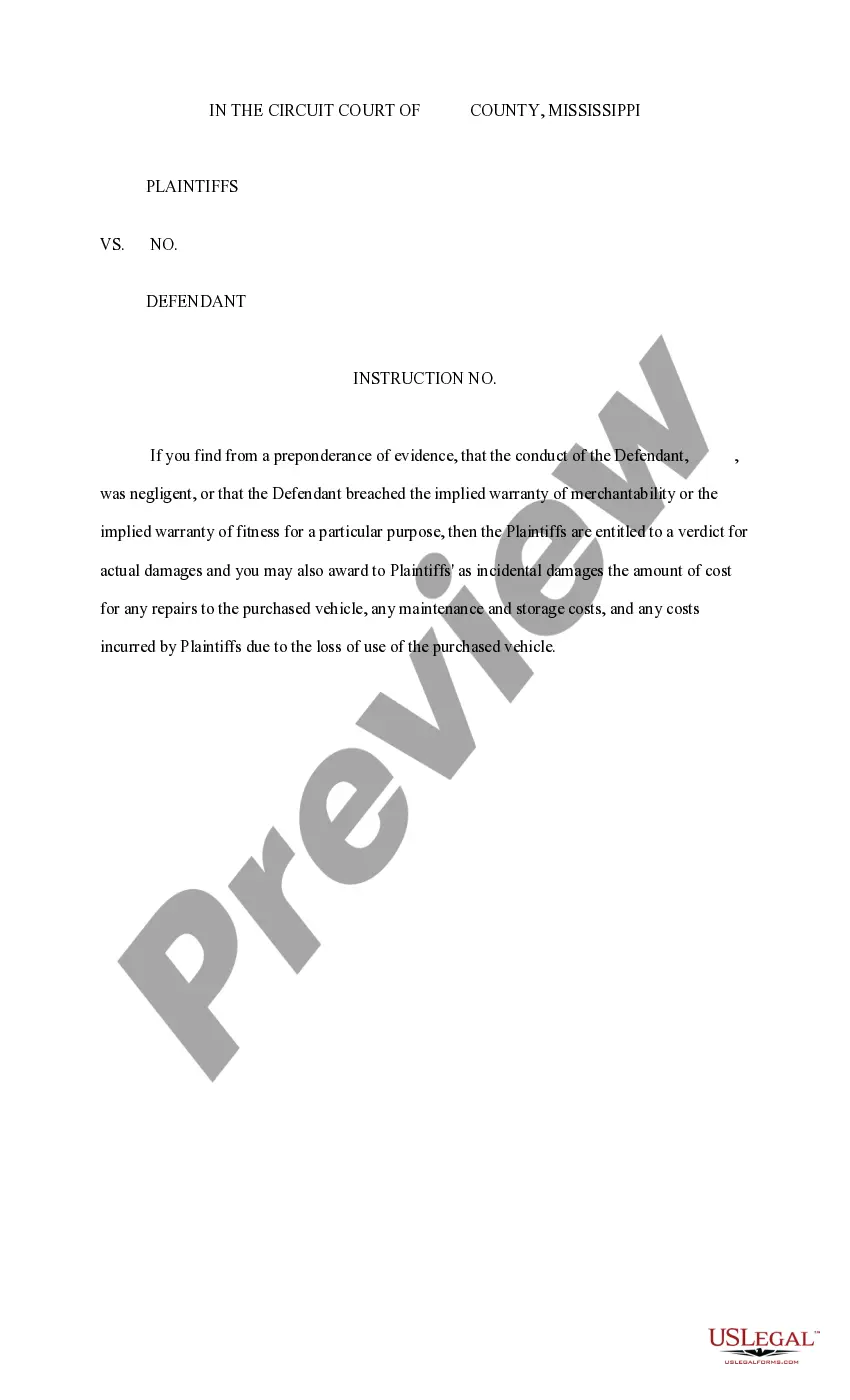
California Settlement Agreement
What this document covers
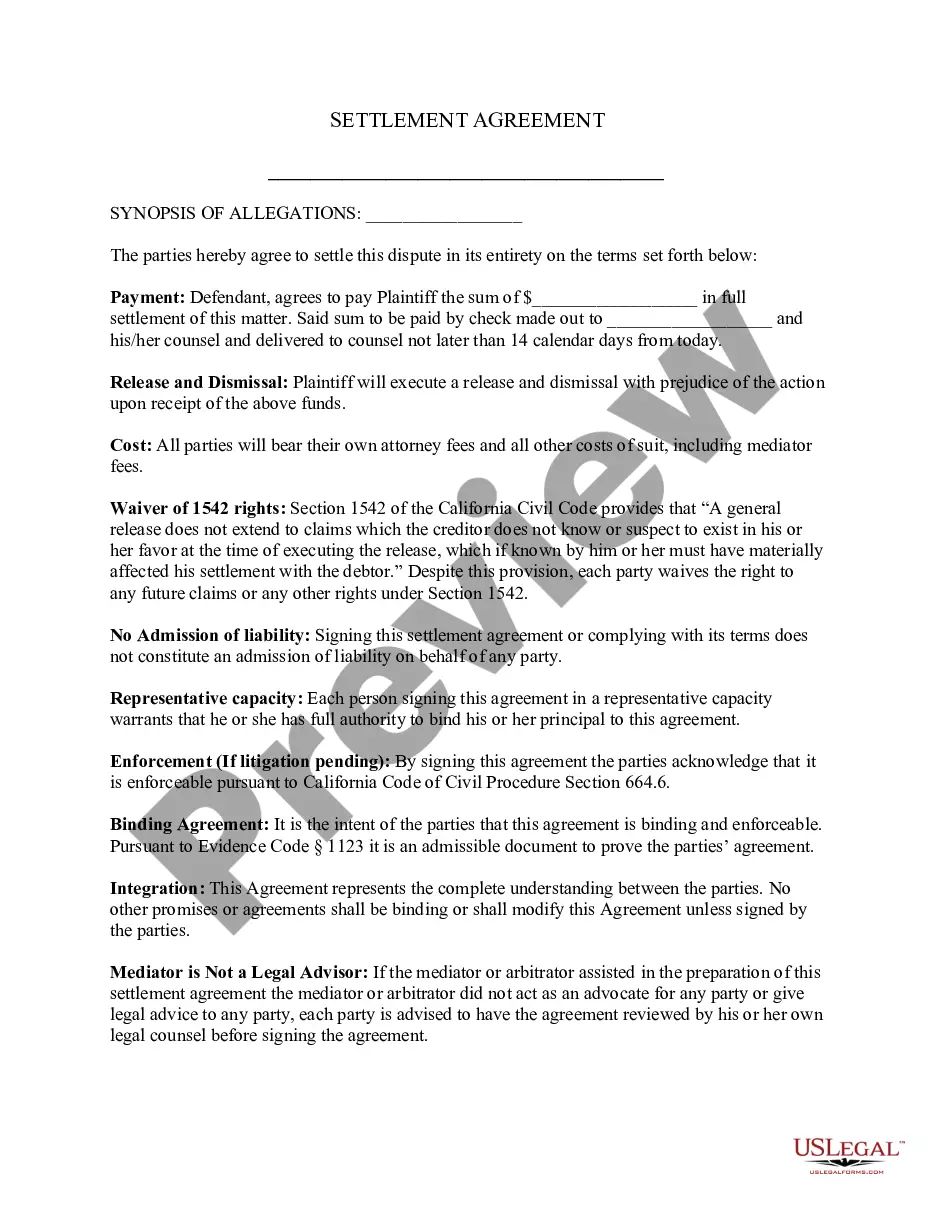
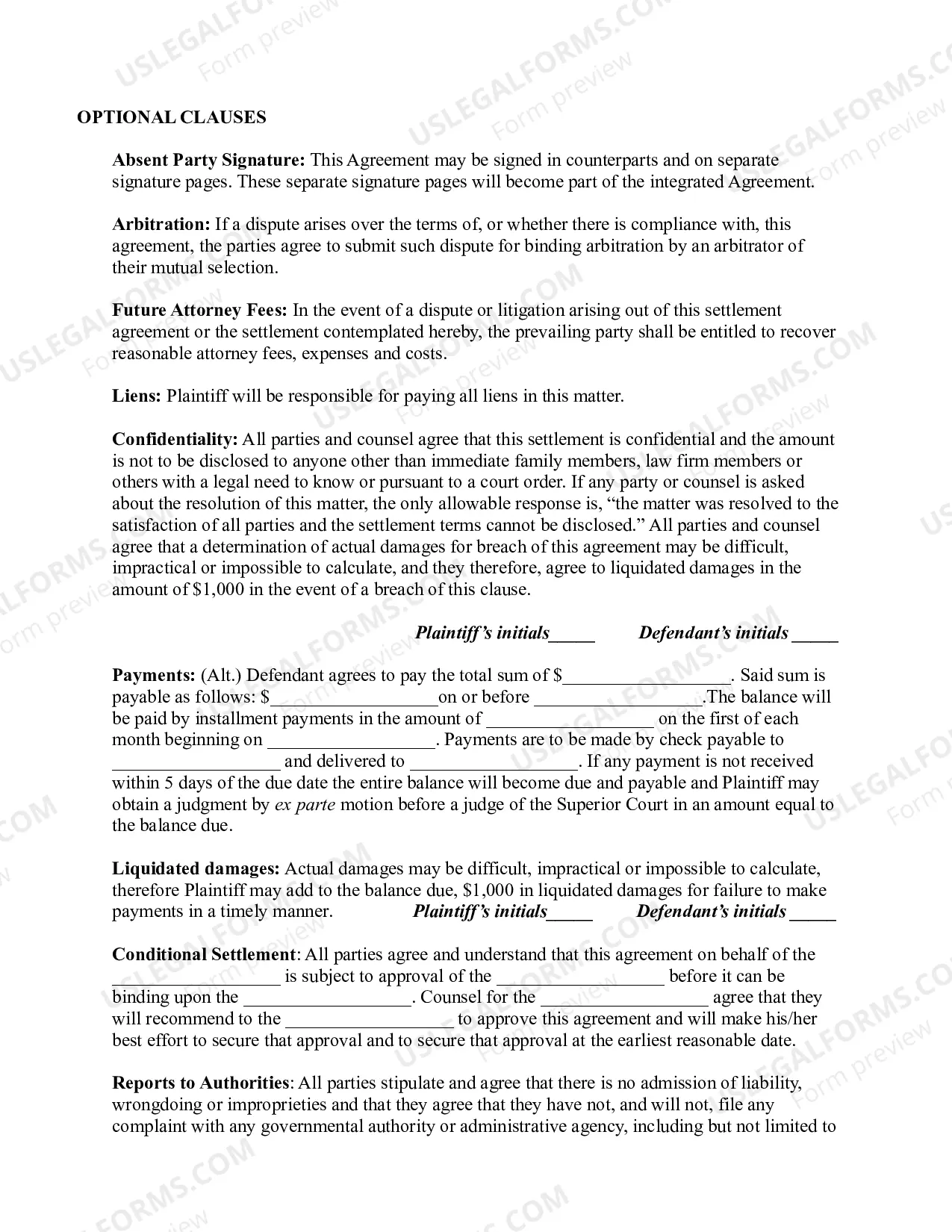
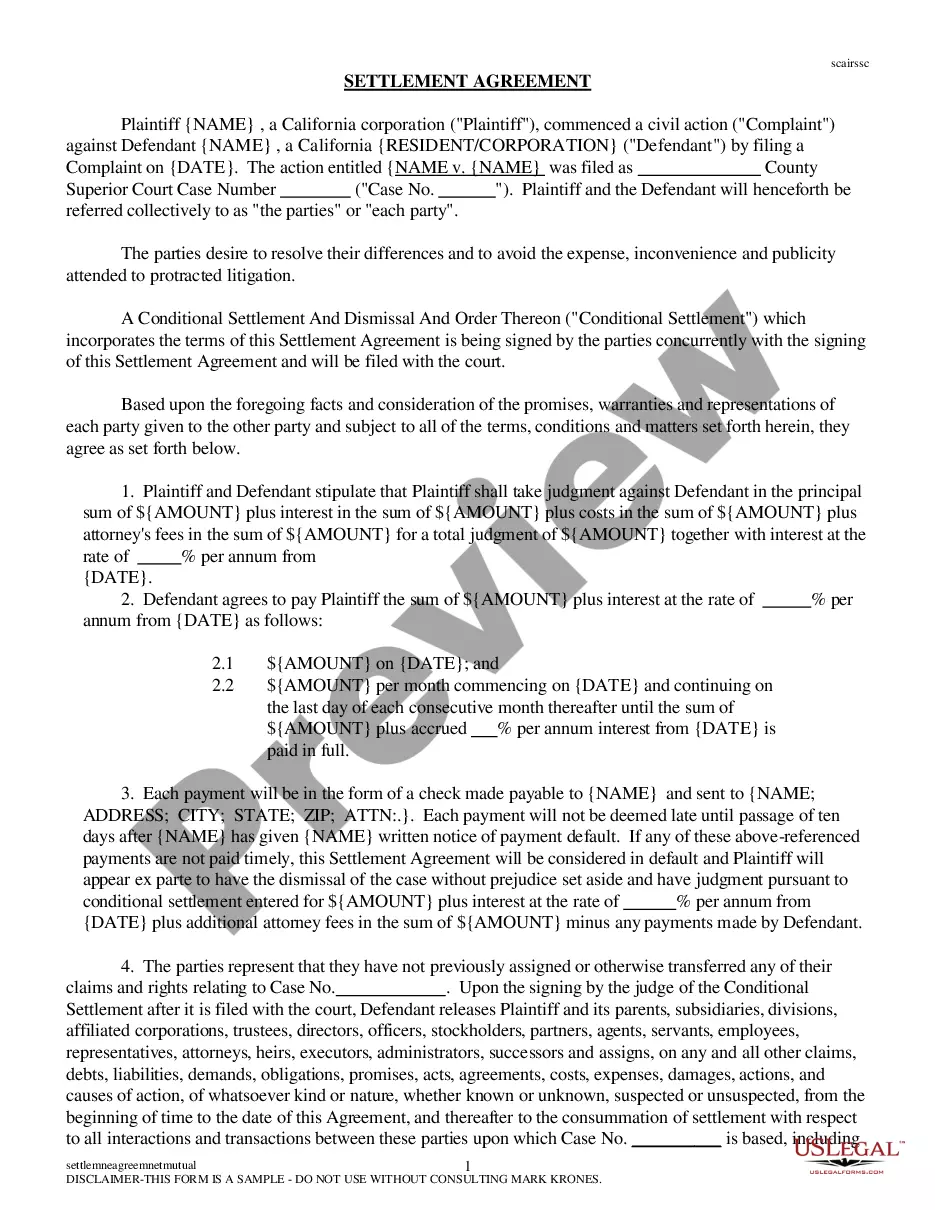
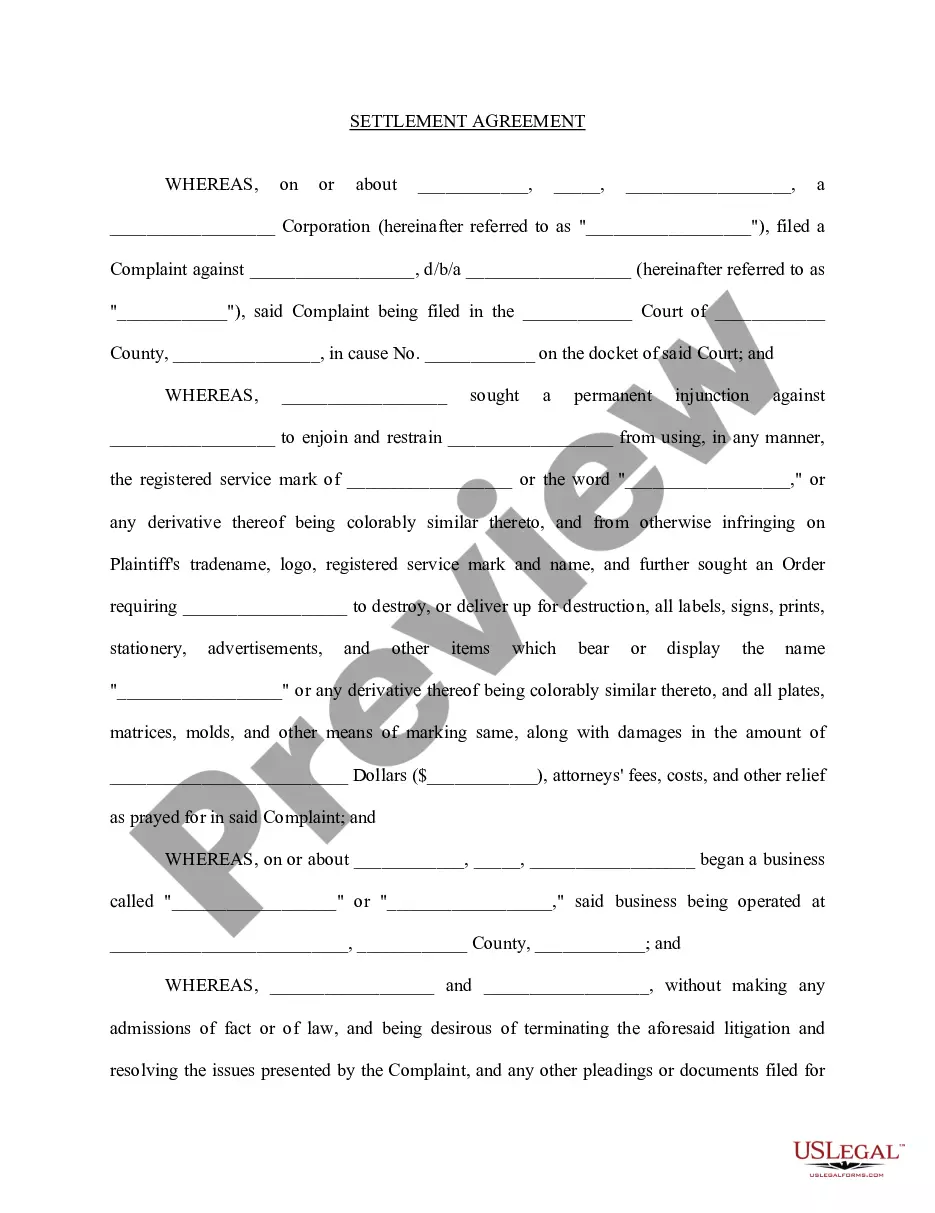
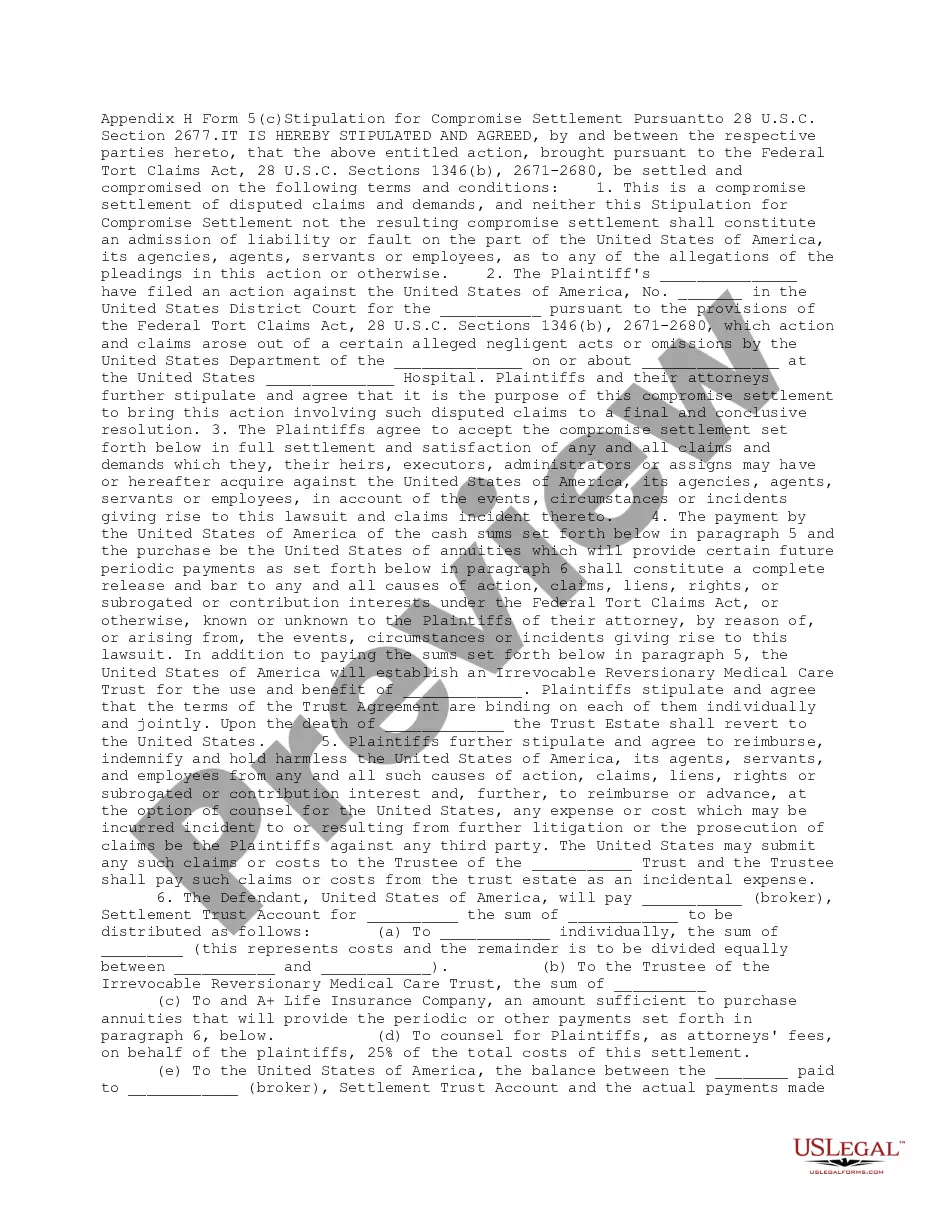
The Settlement Agreement is a legal document that resolves disputes between parties involved in a civil case. Unlike other legal forms, this agreement is designed to prevent the costs associated with litigation by establishing a mutually accepted solution before reaching court. This form outlines payment terms, releases claims, and ensures that all parties agree to the settled terms, making it a crucial tool for avoiding further legal complications.
Key parts of this document
- Synopsis of Allegations: Provides a brief overview of the dispute.
- Payment Terms: Details the amount to be paid by the Defendant to the Plaintiff.
- Release and Dismissal: Conditions for releasing claims upon settlement.
- Waiver of Rights: Acknowledgment of waiving future claims under specific laws.
- No Admission of Liability: Clarifies that signing does not imply fault.
- Binding Agreement: States the agreement's enforceability.

When to use this document
This form is typically used when parties have reached a mutual agreement to resolve a dispute without proceeding to trial. Common situations include personal injury claims, contract disputes, and other civil matters where parties prefer settlement over legal battles. Utilizing this form can save time and resources for all parties involved.
Who can use this document
This form is intended for:
- Individuals or entities involved in a legal dispute.
- Plaintiffs seeking to settle a claim.
- Defendants wishing to resolve a case without litigation.
- Legal representatives of both parties facilitating a settlement.
Completing this form step by step
- Identify the parties involved, including Plaintiff and Defendant.
- Detail the payment agreement, including amount and due dates.
- Include any specific terms related to claims being waived or released.
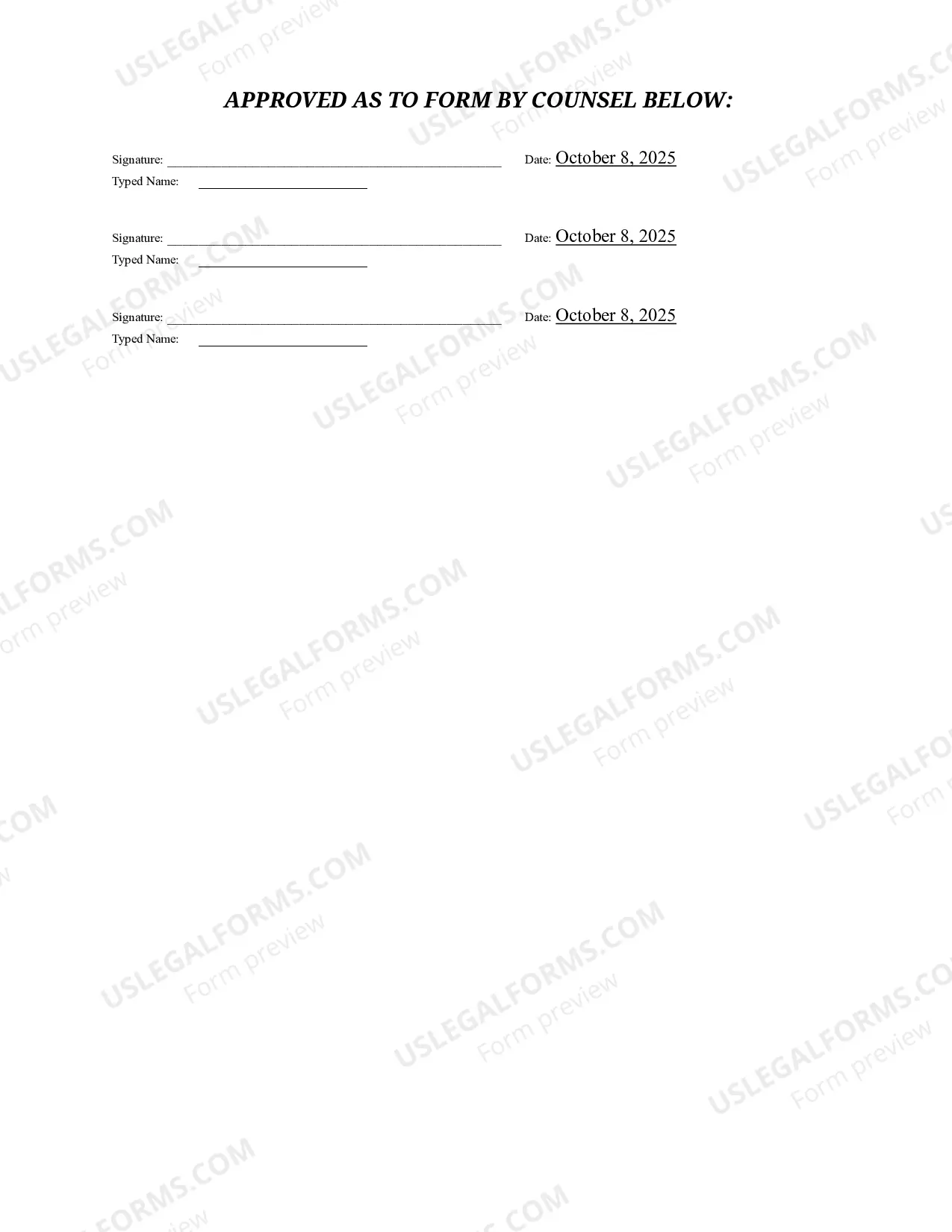
- Ensure all parties sign and date the agreement to validate it.
- Consider consulting legal counsel before finalizing the agreement to ensure all terms are clear and enforceable.
Is notarization required?
This form does not typically require notarization unless specified by local law. It is important to check the requirements in your jurisdiction to ensure compliance.
Get your form ready online
Our built-in tools help you complete, sign, share, and store your documents in one place.
Make edits, fill in missing information, and update formatting in US Legal Forms—just like you would in MS Word.
Download a copy, print it, send it by email, or mail it via USPS—whatever works best for your next step.
Sign and collect signatures with our SignNow integration. Send to multiple recipients, set reminders, and more. Go Premium to unlock E-Sign.
If this form requires notarization, complete it online through a secure video call—no need to meet a notary in person or wait for an appointment.
We protect your documents and personal data by following strict security and privacy standards.

Make edits, fill in missing information, and update formatting in US Legal Forms—just like you would in MS Word.

Download a copy, print it, send it by email, or mail it via USPS—whatever works best for your next step.

Sign and collect signatures with our SignNow integration. Send to multiple recipients, set reminders, and more. Go Premium to unlock E-Sign.

If this form requires notarization, complete it online through a secure video call—no need to meet a notary in person or wait for an appointment.

We protect your documents and personal data by following strict security and privacy standards.
Common mistakes to avoid
- Failing to include all relevant partiesâ signatures.
- Not clearly detailing payment terms or deadlines.
- Neglecting to review the document for legal comprehensiveness.
- Misunderstanding the waiver of rights, leading to future disputes.
- Not seeking legal advice before finalizing the agreement.
Why use this form online
- Convenient access to legal templates drafted by licensed attorneys.
- Ability to customize the agreement to meet specific needs.
- Immediate downloadable format for quick use.
- Reliable formatting that complies with legal standards.
Legal use & context
- This agreement serves as a legally binding contract between parties.
- Enforceable under California Code of Civil Procedure, providing clarity in case of future disputes.
- Establishes a clear understanding of settlement terms, minimizing the risk of further litigation.
Main things to remember
- A Settlement Agreement is essential for resolving disputes amicably.
- The document must be signed by all parties to be enforceable.
- Consultation with legal counsel is recommended for clarity and compliance.
- Ensure all payment and waiver terms are clearly outlined to avoid future disagreements.
Looking for another form?
Form popularity
FAQ
After you agree to a California Settlement Agreement, receiving your settlement check can take some time. Typically, it takes about six to eight weeks after the agreement is finalized and all necessary paperwork is submitted. Factors such as court approvals and insurance processes can influence this timeline. For assistance, explore US Legal Forms to ensure that your agreements are handled efficiently, minimizing delays.
Once the Mediated Settlement Agreement (MSA) is signed in California, both parties are legally bound to the terms outlined in the agreement. If the settlement is part of a lawsuit, the next step usually involves filing the agreement in court for approval. This ensures the court recognizes the agreement and enforces it. If you're navigating this process, consider using US Legal Forms for streamlined documentation.
A notice of settlement is a legal document that informs the court and all parties that a settlement has been reached in a case. It marks the transition from litigation to resolution, highlighting that the parties have agreed on terms. Understanding this notice is crucial for the next steps in finalizing your California Settlement Agreement. For clarity and compliance, consider using services like US Legal Forms to create this document.
To file a notice of settlement in California, you should prepare the document according to the court's requirements. This includes detailing the case information and specifying that a settlement has been reached. Once prepared, file it with the court and serve copies to all parties involved. Templates from US Legal Forms can ensure that you follow the correct format for your California Settlement Agreement.
The plaintiff is responsible for filing the notice of entry of judgment in California. This notice serves to notify the court and involved parties that a judgment has been entered based on the settlement. Filing this correctly is important to finalize the case. Utilizing US Legal Forms can streamline this process, making it easier for you to manage your California Settlement Agreement.
To start a settlement agreement in California, you should first ensure that all parties agree on the terms. You can draft the agreement outlining the key points of the settlement. It’s advisable to use clear and concise language to avoid confusion. US Legal Forms provides templates that simplify this process, ensuring your California Settlement Agreement meets legal standards.
Yes, filing a notice of ruling is usually required in California if the court makes a ruling related to the case. This notice keeps all parties informed about the court's decision. A timely submission of this notice is crucial for legal processes and can be managed smoothly with templates from US Legal Forms. A California Settlement Agreement process often needs this step.
In California, the plaintiff typically files the notice of settlement. This document informs the court and all parties involved that a settlement has been reached. It is essential to file this notice promptly to ensure the court is aware of the resolution. Using a reliable platform like US Legal Forms can help you create and file the necessary documents efficiently.
An MSA, or Marital Settlement Agreement, is not the same as a divorce, but it is often part of the divorce process. An MSA outlines the terms of the divorce, including property division and other arrangements. While a California Settlement Agreement can handle a variety of disputes, an MSA specifically addresses issues arising from marriage dissolution.
A settlement agreement can be considered void for several reasons, including lack of capacity, fraud, or illegal purpose. If one party did not have the legal ability to enter into a California Settlement Agreement, it may not be enforceable. Ensuring clarity and legality from the start is crucial to avoid potential disputes.