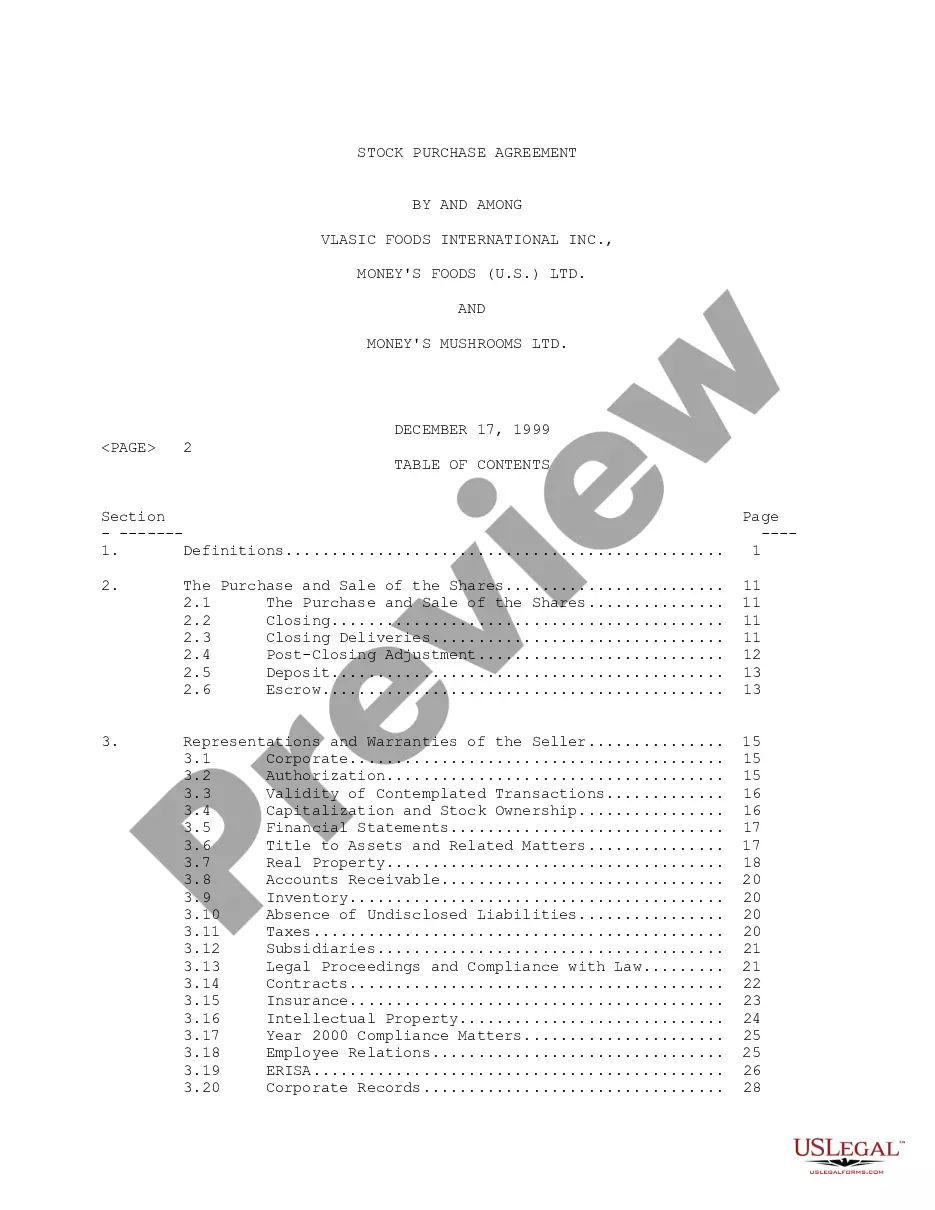
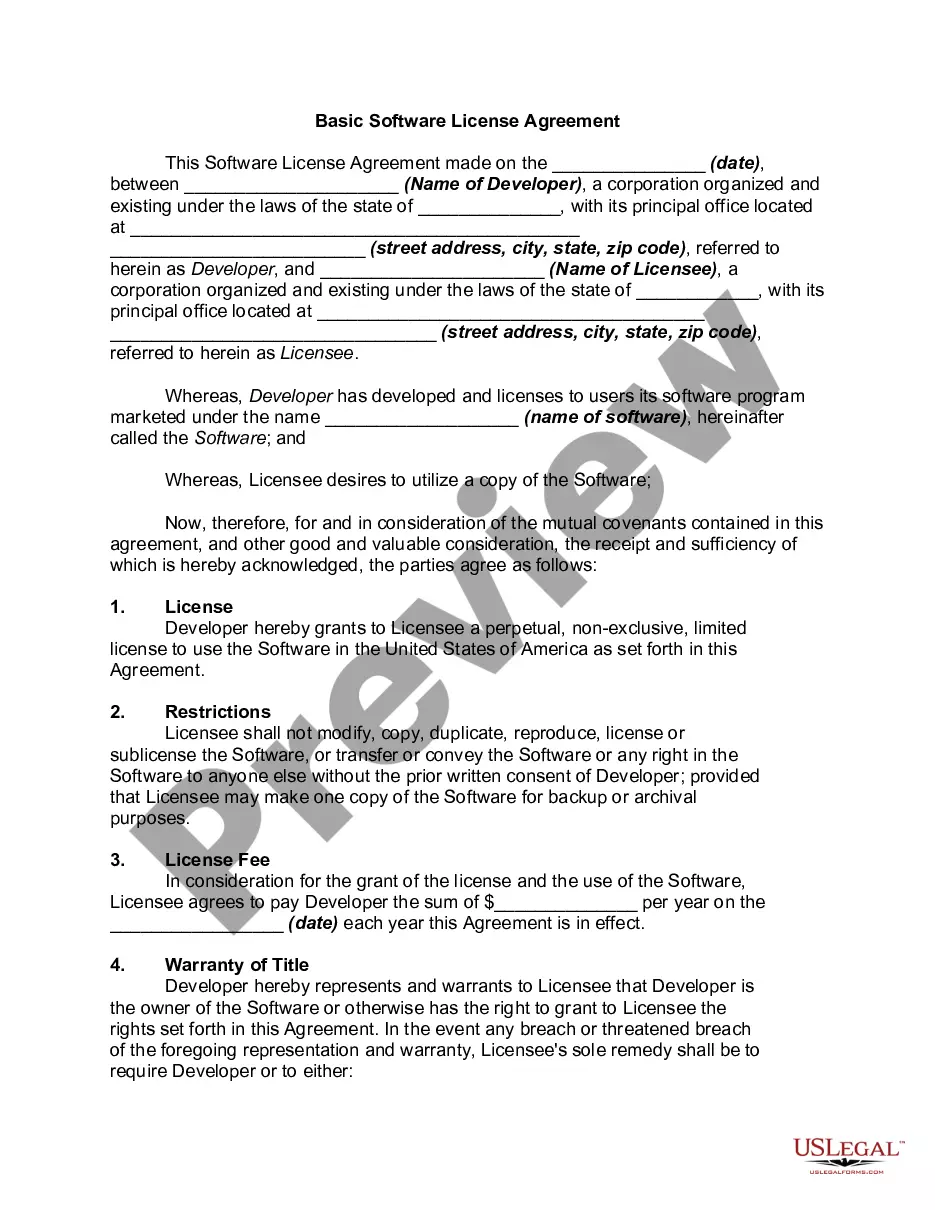
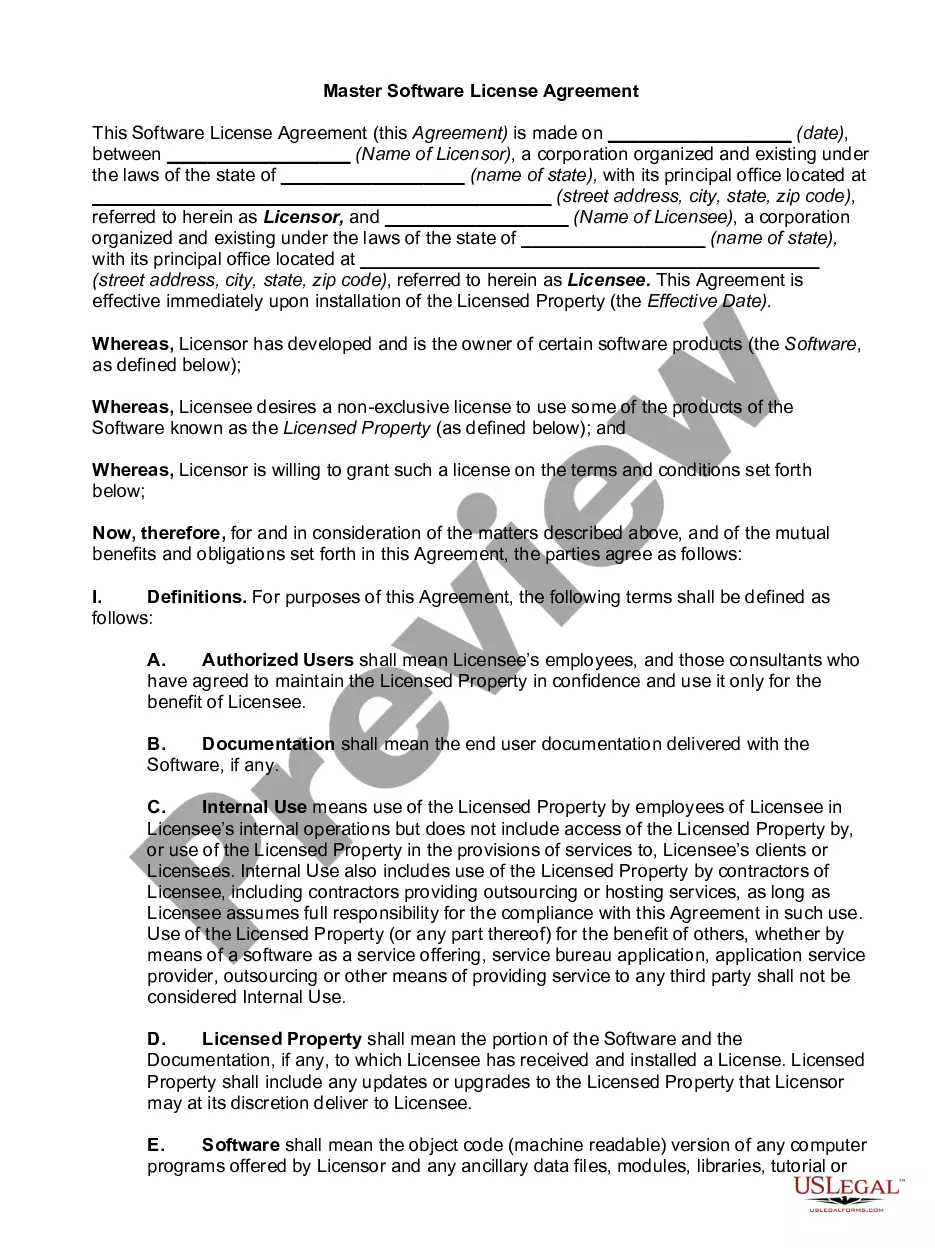
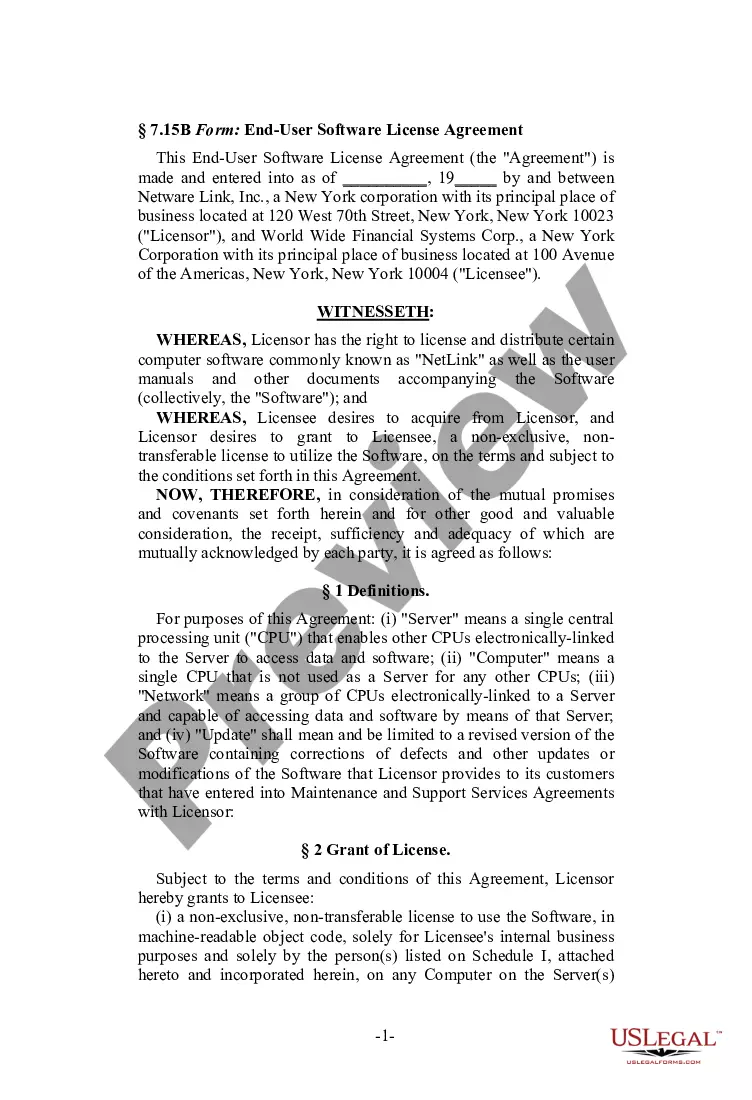
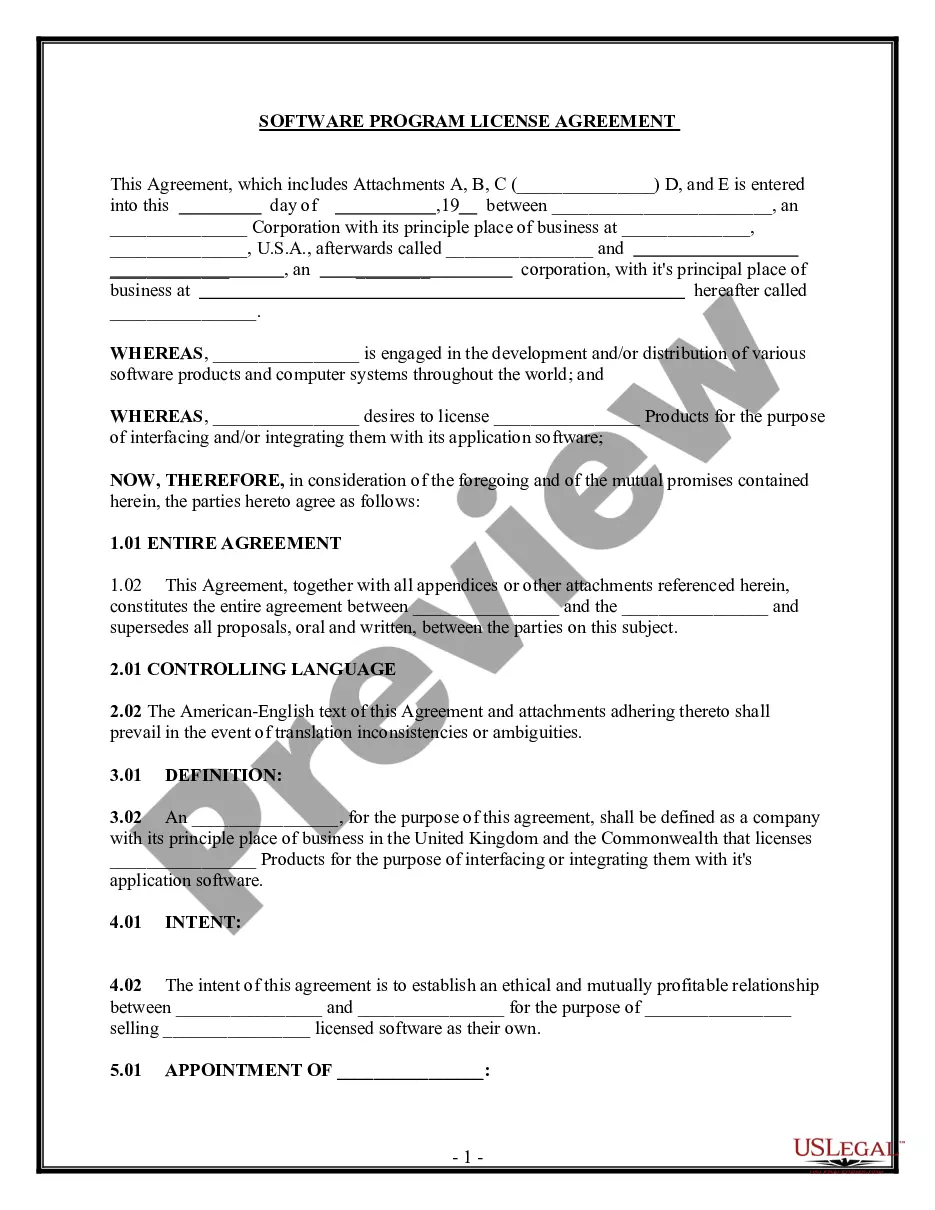
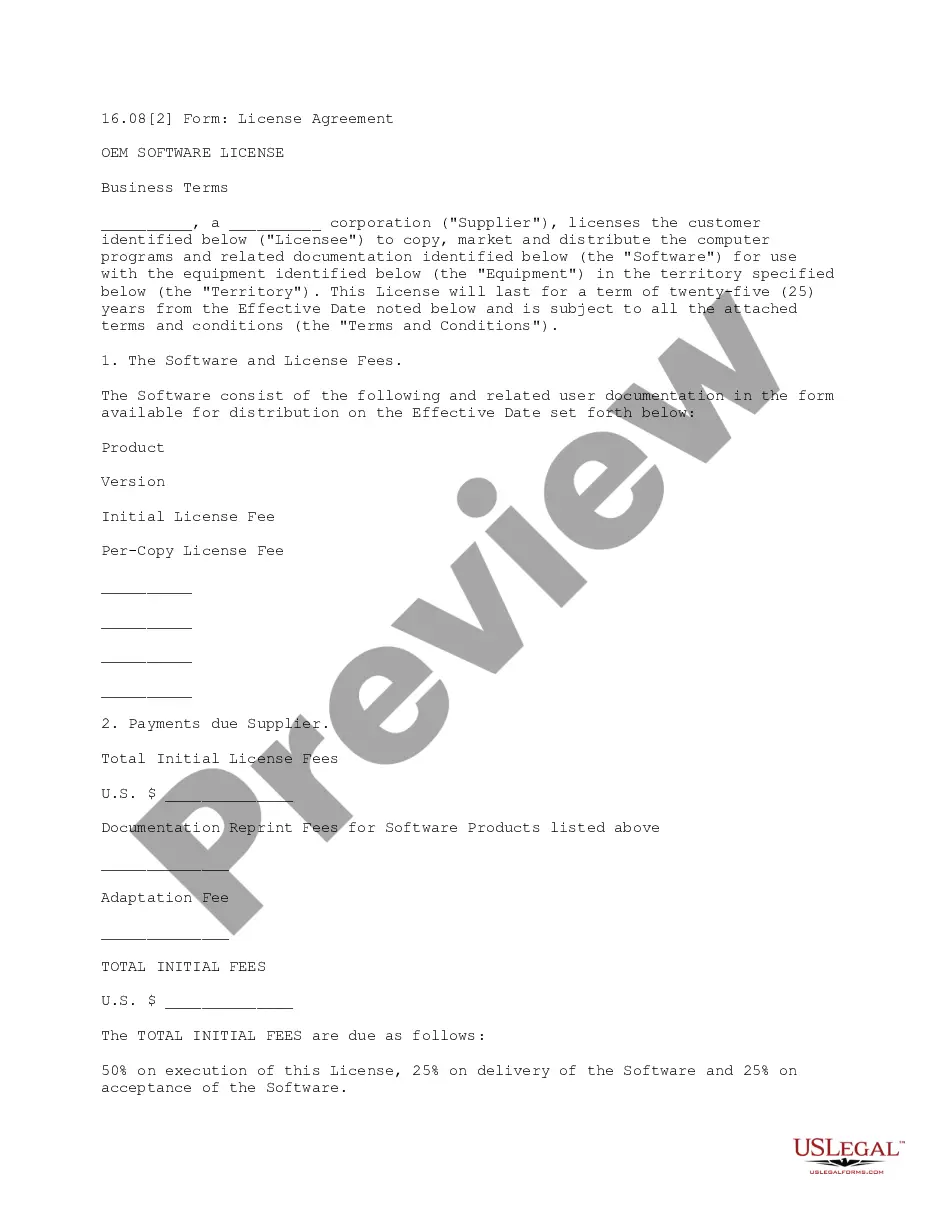
This form is a Program License Agreement. This form is an attachment which grants a nontransferable, nonexclusive license to the software program. The developer warrants that it has the full authority to grant rights to the program without the consent of another party.
Arizona OEM Software Program License Agreement
Instant download
Description
Free preview
Get your form ready online
Our built-in tools help you complete, sign, share, and store your documents in one place.
Built-in online Word editor
Make edits, fill in missing information, and update formatting in US Legal Forms—just like you would in MS Word.
Export easily
Download a copy, print it, send it by email, or mail it via USPS—whatever works best for your next step.
E-sign your document
Sign and collect signatures with our SignNow integration. Send to multiple recipients, set reminders, and more. Go Premium to unlock E-Sign.
Notarize online 24/7
If this form requires notarization, complete it online through a secure video call—no need to meet a notary in person or wait for an appointment.
Store your document securely
We protect your documents and personal data by following strict security and privacy standards.

Make edits, fill in missing information, and update formatting in US Legal Forms—just like you would in MS Word.

Download a copy, print it, send it by email, or mail it via USPS—whatever works best for your next step.

Sign and collect signatures with our SignNow integration. Send to multiple recipients, set reminders, and more. Go Premium to unlock E-Sign.

If this form requires notarization, complete it online through a secure video call—no need to meet a notary in person or wait for an appointment.

We protect your documents and personal data by following strict security and privacy standards.
Looking for another form?

How to fill out OEM Software Program License Agreement?
Locating the appropriate valid document format may pose a challenge.
Of course, numerous templates are available online, but how do you find the authentic document you need.
Utilize the US Legal Forms site. The service offers a plethora of templates, such as the Arizona OEM Software Program License Agreement, which can be utilized for business and personal purposes.
You can browse the form using the Preview feature and review the form description to confirm it's the right one for you.
- All documents are reviewed by professionals and meet state and federal requirements.
- If you are already registered, sign in to your account and click the Download button to access the Arizona OEM Software Program License Agreement.
- Use your account to search through the legal documents you have previously purchased.
- Visit the My documents section of your account to obtain another copy of the document you need.
- If you are a new user of US Legal Forms, follow these simple steps.
- First, ensure you have selected the correct document for your city/state.
Form popularity
FAQ
Licensing agreements can vary widely, but some common examples include software licenses, distribution licenses, and franchise agreements. The Arizona OEM Software Program License Agreement specifically addresses the licensing of software for integration into hardware systems. These agreements help clarify usage rights and responsibilities between the parties involved, protecting their interests. Understanding licensing types can help you choose the right pathway for your business needs.
An OEM (Original Equipment Manufacturer) license refers to a legal agreement that allows manufacturers to integrate software into their hardware products. Through the Arizona OEM Software Program License Agreement, businesses gain the right to distribute software alongside their devices. This type of licensing helps ensure that software developers receive proper compensation while enabling manufacturers to provide added value to customers. If you are considering an OEM license, think about how it can enhance your product offerings.
An OEM agreement is a contract that specifies the terms of collaboration between a software developer and hardware manufacturer. This document typically details licensing rights, distribution limits, and any special conditions. Knowing the intricacies of an OEM agreement, particularly within the context of the Arizona OEM Software Program License Agreement, can lead to a successful partnership.
In Arizona, forming an LLC typically does not mandate an operating agreement, but having one is highly recommended. An operating agreement clarifies the ownership structure and decision-making processes, providing a roadmap for the company's operations. Incorporating this into your strategy can align well with the terms set out in the Arizona OEM Software Program License Agreement.
An OEM license agreement outlines the terms under which software can be distributed or sold along with hardware. It specifies the rights and responsibilities of both the software developer and the hardware manufacturer. Familiarity with the Arizona OEM Software Program License Agreement can help both parties navigate their obligations effectively.
OEM stands for original equipment manufacturer. It's a broad term used to describe a series of relationships between: Information technology component makers. Software and hardware vendors. Distributors and resellers.
A software license is a legally binding agreement made between the owner or developer of a software program and the user, outlining how they can use and distribute the product.
OEM. The Original Equipment Manufacturer (OEM) license. This type of license is acquired when you buy a computer, a laptop, or other device from an e-shop, a physical store, or directly from companies like HP or Dell, and it comes with an already installed operating system, Microsoft apps, or both.
Generally speaking, an EULA is a legally binding agreement between the owner of a product (often software) and the end-user more specifically a contract between the licensor of a product and the licensee.
A software license agreement should include the licensor's reservation of all its rights not specifically granted to the licensee and the licensee's acknowledgment of the licensor's ownership of the licensed software. Payment terms.