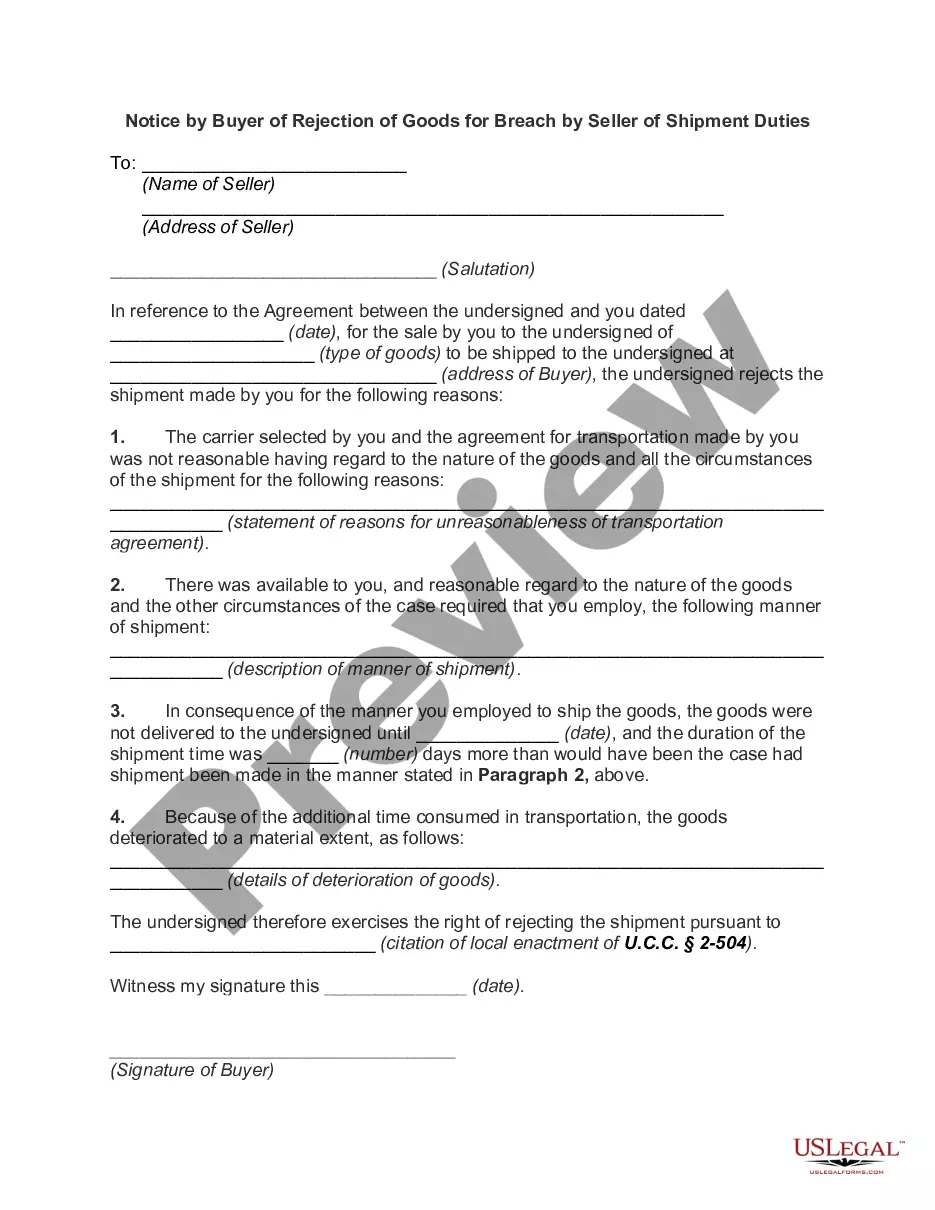
This form is a subpoena for a Rule 2004 examination. The form lists: the place of the testimony, the date, the time, and the signature of the issuing officer.
Arizona Subpoena for Rule 2004 Examination - B 254
Category:
State:
Multi-State
Control #:
US-B-254
Format:
Word;
PDF;
Rich Text
Instant download
This website is not affiliated with any governmental entity
Public form
Description
Get your form ready online
Our built-in tools help you complete, sign, share, and store your documents in one place.
Built-in online Word editor
Make edits, fill in missing information, and update formatting in US Legal Forms—just like you would in MS Word.
Export easily
Download a copy, print it, send it by email, or mail it via USPS—whatever works best for your next step.
E-sign your document
Sign and collect signatures with our SignNow integration. Send to multiple recipients, set reminders, and more. Go Premium to unlock E-Sign.
Notarize online 24/7
If this form requires notarization, complete it online through a secure video call—no need to meet a notary in person or wait for an appointment.
Store your document securely
We protect your documents and personal data by following strict security and privacy standards.

Make edits, fill in missing information, and update formatting in US Legal Forms—just like you would in MS Word.

Download a copy, print it, send it by email, or mail it via USPS—whatever works best for your next step.

Sign and collect signatures with our SignNow integration. Send to multiple recipients, set reminders, and more. Go Premium to unlock E-Sign.

If this form requires notarization, complete it online through a secure video call—no need to meet a notary in person or wait for an appointment.

We protect your documents and personal data by following strict security and privacy standards.
Looking for another form?




How to fill out Subpoena For Rule 2004 Examination - B 254?
US Legal Forms - one of many largest libraries of legal types in the USA - provides a variety of legal file themes you are able to acquire or print out. Making use of the web site, you can find a huge number of types for organization and person purposes, categorized by types, suggests, or key phrases.You will find the most up-to-date versions of types like the Arizona Subpoena for Rule 2004 Examination - B 254 within minutes.
If you currently have a subscription, log in and acquire Arizona Subpoena for Rule 2004 Examination - B 254 through the US Legal Forms local library. The Obtain switch will show up on each and every type you view. You have access to all previously acquired types from the My Forms tab of your respective profile.
If you want to use US Legal Forms initially, listed here are straightforward instructions to help you began:
- Ensure you have picked the best type for the metropolis/area. Go through the Review switch to examine the form`s articles. Look at the type information to actually have selected the correct type.
- When the type doesn`t satisfy your specifications, utilize the Look for industry near the top of the screen to obtain the one which does.
- In case you are content with the form, validate your selection by clicking on the Purchase now switch. Then, opt for the costs strategy you favor and give your references to register to have an profile.
- Procedure the transaction. Make use of your charge card or PayPal profile to finish the transaction.
- Select the structure and acquire the form in your device.
- Make adjustments. Load, edit and print out and indicator the acquired Arizona Subpoena for Rule 2004 Examination - B 254.
Every format you put into your account does not have an expiry date and is also the one you have eternally. So, in order to acquire or print out an additional backup, just proceed to the My Forms portion and click on about the type you require.
Gain access to the Arizona Subpoena for Rule 2004 Examination - B 254 with US Legal Forms, the most substantial local library of legal file themes. Use a huge number of skilled and condition-certain themes that fulfill your small business or person demands and specifications.
Form popularity
FAQ
Under Rule 2004, the bankruptcy court can order testimony or production of documents from anyone with relevant information about the filer's finances.
The pending proceeding rule states that once a separate matter has been commenced (whether in an adversary proceeding, a contested matter, or in a non-bankruptcy forum), discovery should be made pursuant to the discovery rules applicable to the separate proceeding, and not through Rule 2004.
Rule 2004 of the Federal Rules of Bankruptcy Procedure allows any "interested person" to require someone else to testify and produce documents on matters related to your bankruptcy. The 2004 Exam can cover a broad range of issues, including: your actions, conduct or property. your debts and financial condition.
Ordinarily, a party desiring a Rule 2004 examination first seeks authority from the court, then issues a notice of examination and/or requests for production of documents if examining a debtor or a subpoena for examination and/or documents if examining a third party.
Rule 2004 of the Federal Rules of Bankruptcy Procedure allows any "interested person" to require someone else to testify and produce documents on matters related to your bankruptcy. The 2004 Exam can cover a broad range of issues, including: your actions, conduct or property. your debts and financial condition.
Authority to Take a Rule 2004 Exam: FRBP 2004 provides parties with the opportunity to conduct an examination of a person and/or documents, even though an adversary proceeding has not been filed.