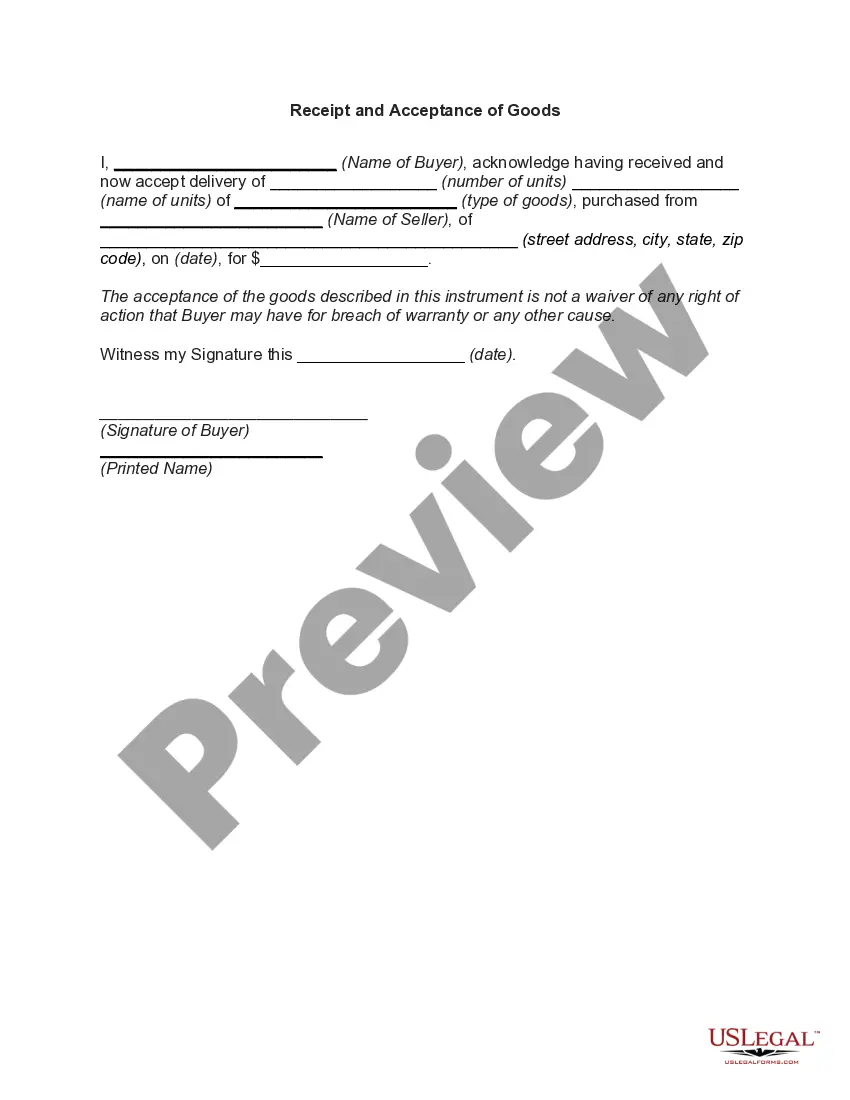
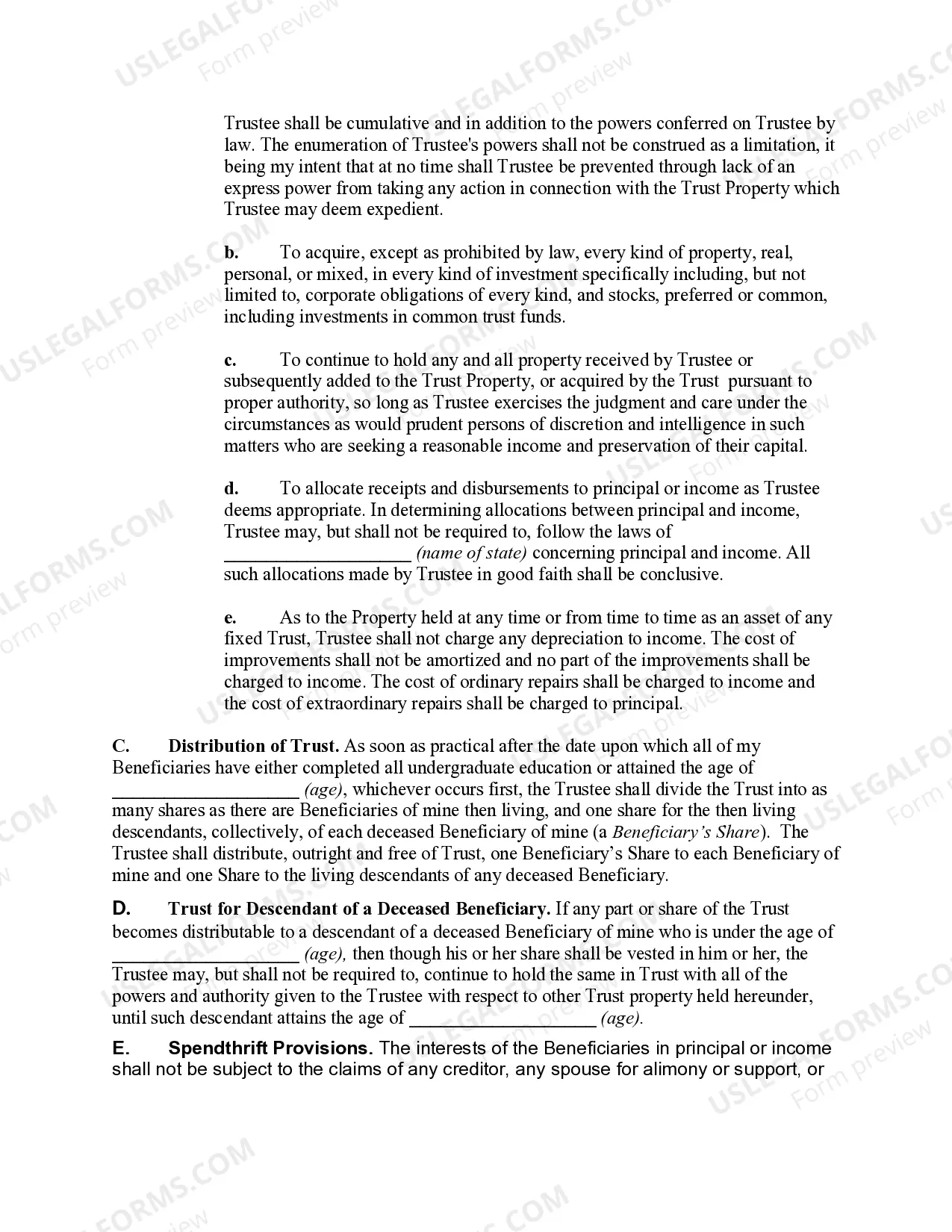
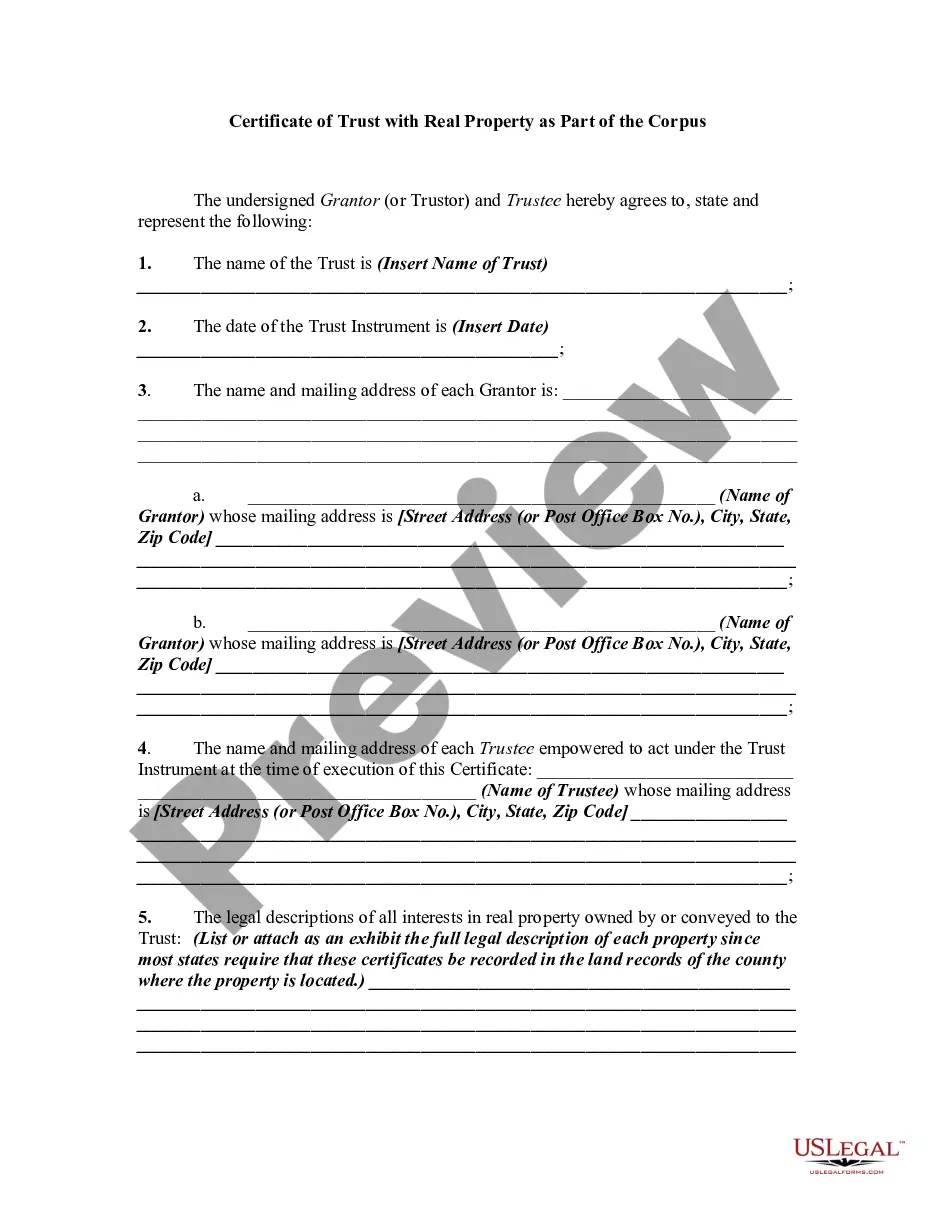
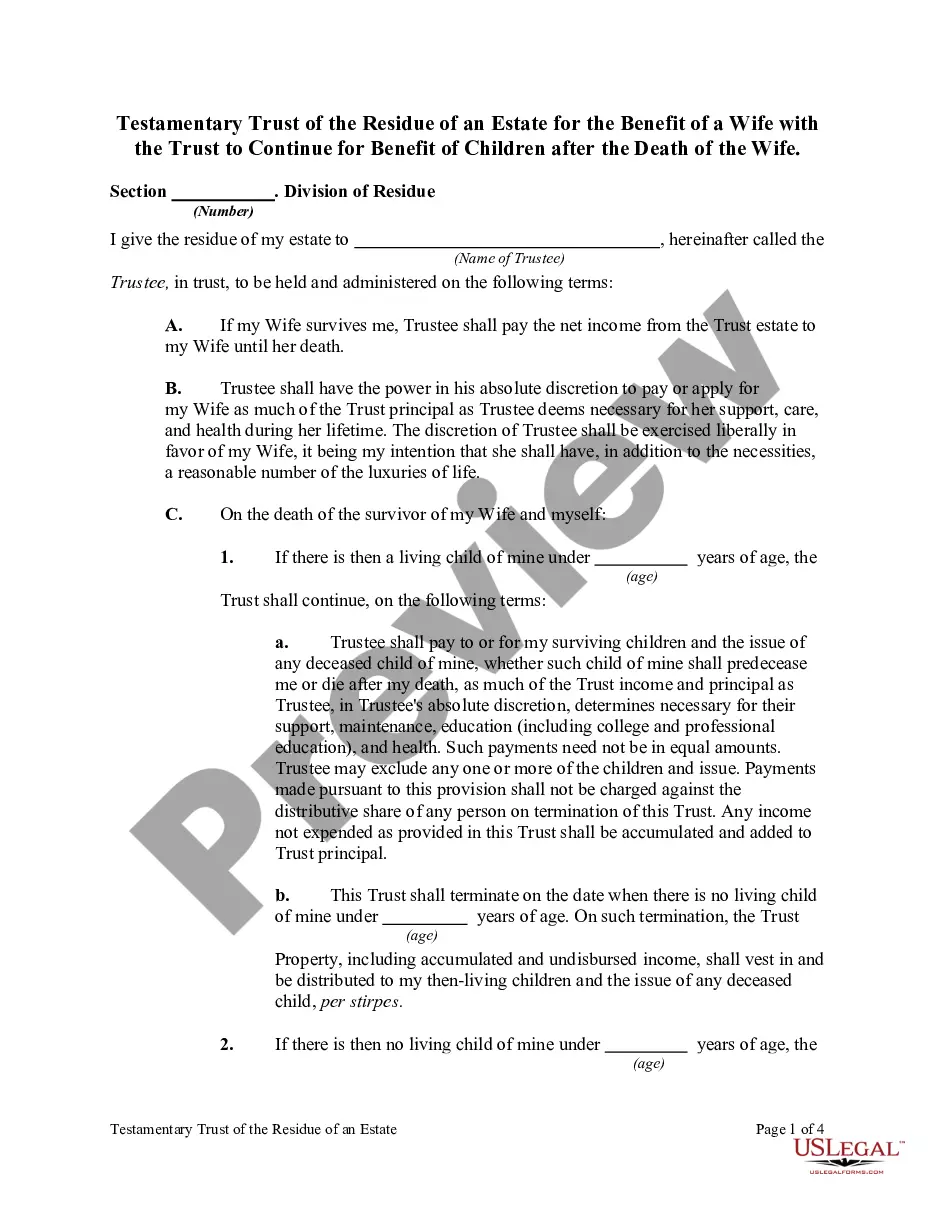
Arizona Pot Testamentary Trust
Description


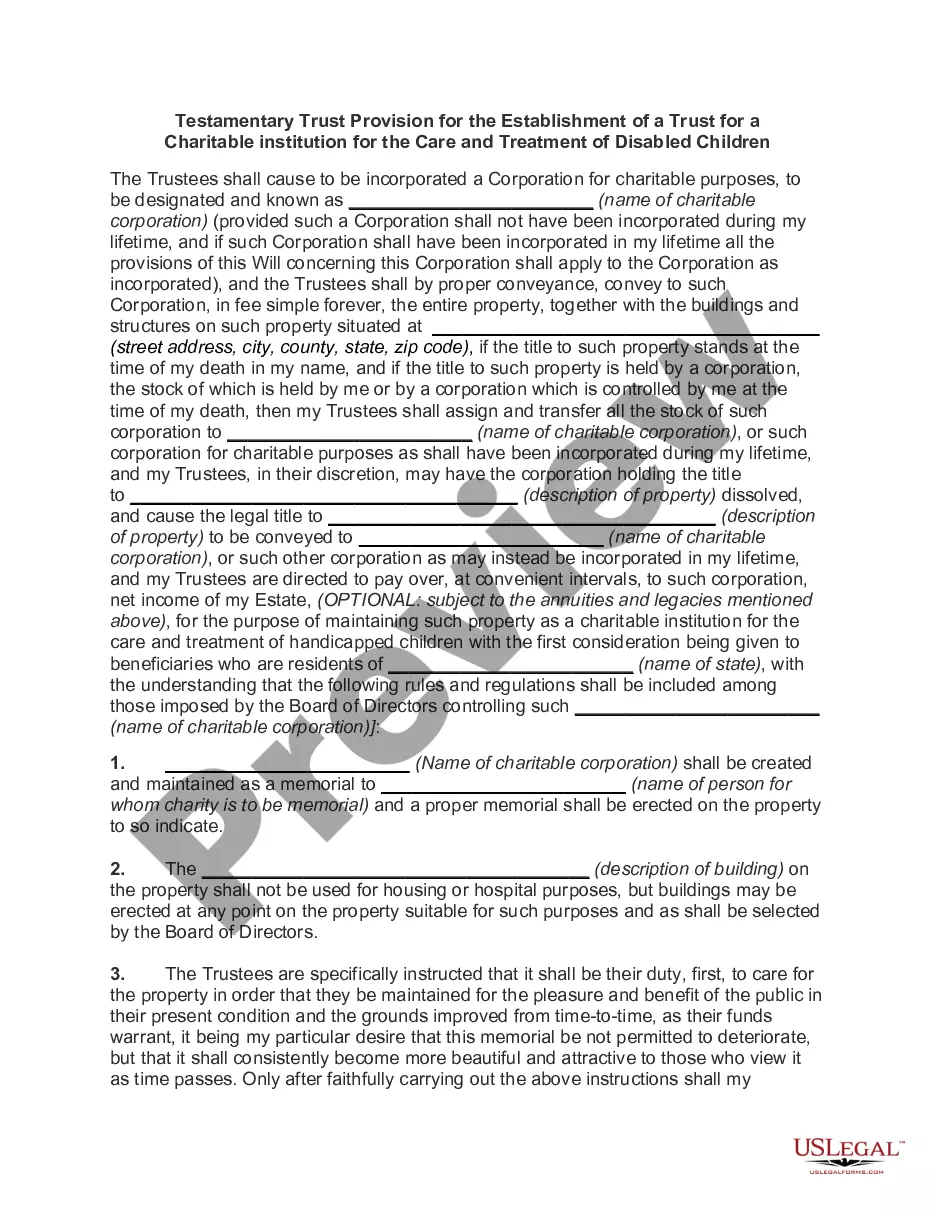
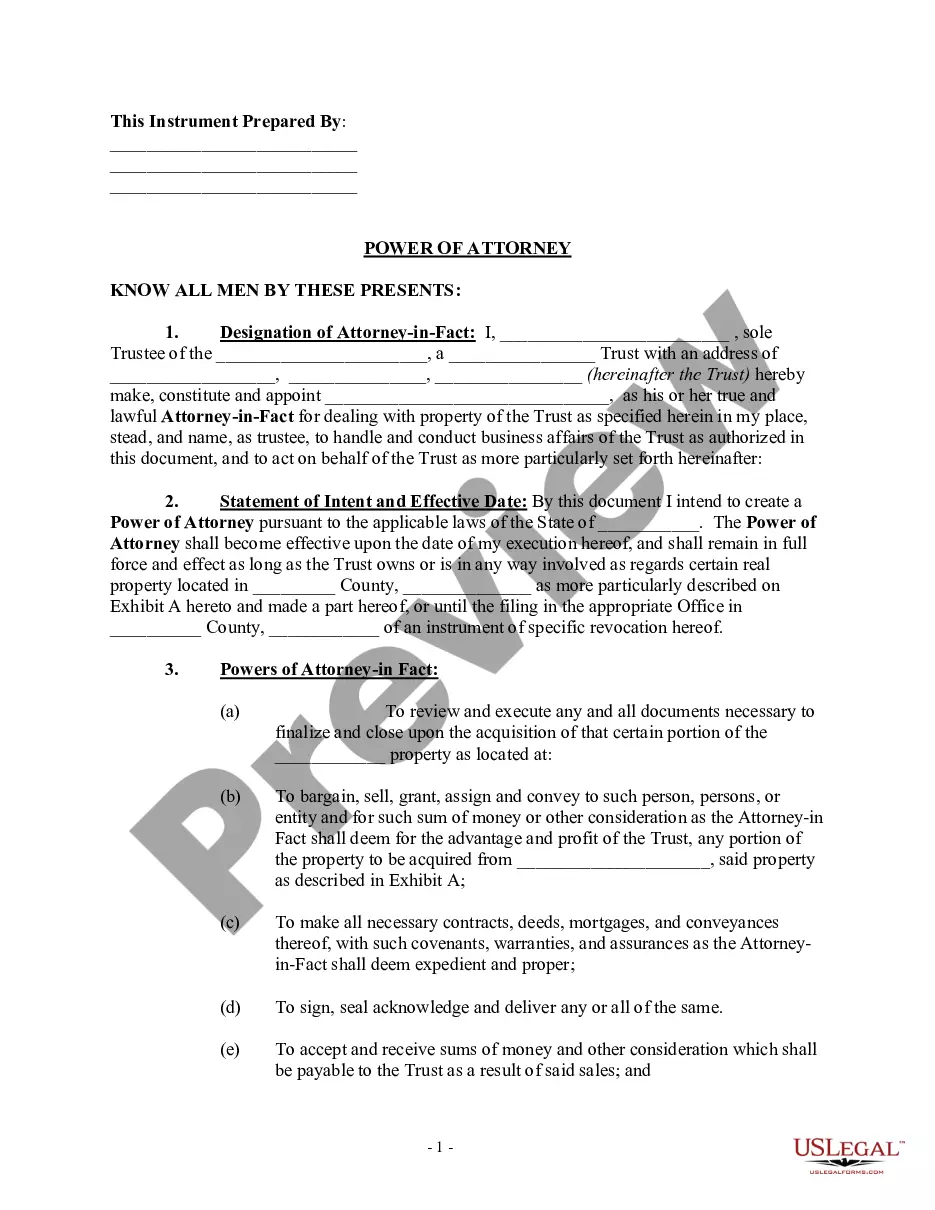
Get your form ready online
Our built-in tools help you complete, sign, share, and store your documents in one place.
Make edits, fill in missing information, and update formatting in US Legal Forms—just like you would in MS Word.
Download a copy, print it, send it by email, or mail it via USPS—whatever works best for your next step.
Sign and collect signatures with our SignNow integration. Send to multiple recipients, set reminders, and more. Go Premium to unlock E-Sign.
If this form requires notarization, complete it online through a secure video call—no need to meet a notary in person or wait for an appointment.
We protect your documents and personal data by following strict security and privacy standards.

Make edits, fill in missing information, and update formatting in US Legal Forms—just like you would in MS Word.

Download a copy, print it, send it by email, or mail it via USPS—whatever works best for your next step.

Sign and collect signatures with our SignNow integration. Send to multiple recipients, set reminders, and more. Go Premium to unlock E-Sign.

If this form requires notarization, complete it online through a secure video call—no need to meet a notary in person or wait for an appointment.

We protect your documents and personal data by following strict security and privacy standards.
Looking for another form?


How to fill out Pot Testamentary Trust?
US Legal Forms - one of the most prominent repositories of legal documents in the United States - provides a variety of legal document templates you can download or print.
By using the website, you can discover a vast array of forms for business and personal purposes, organized by categories, states, or keywords. You can find the most recent versions of forms such as the Arizona Pot Testamentary Trust in no time.
If you already have a monthly subscription, Log In and download the Arizona Pot Testamentary Trust from the US Legal Forms library. The Obtain button will appear on each form you view. You can access all previously saved forms in the My documents section of your account.
Process the payment. Use your credit card or PayPal account to finalize the transaction.
Select the format and download the form to your device. Make changes. Complete, modify, print, and sign the saved Arizona Pot Testamentary Trust. Each template you add to your account has no expiration date and is yours permanently. Therefore, if you wish to download or print another copy, simply visit the My documents section and click on the form you desire. Access the Arizona Pot Testamentary Trust with US Legal Forms, the largest collection of legal document templates. Utilize a multitude of professional and state-specific templates that fulfill your business or personal needs and requirements.
- If you are using US Legal Forms for the first time, here are simple instructions to get you started.
- Ensure you have chosen the correct form for your city/county.
- Click the Review button to check the contents of the form.
- Read the form description to confirm that you have chosen the right one.
- If the form does not meet your requirements, utilize the Search box at the top of the screen to find one that does.
- If you are satisfied with the form, confirm your selection by clicking the Acquire now button.
- Then, select the pricing plan you prefer and provide your credentials to create an account.
Form popularity
FAQ
How does it save tax? A testamentary trust allows the person who controls it to split the income generated by the trust between family members. Importantly, children who receive income from a testamentary trust are taxed at adult tax rates, instead of penalty rates (up to 66%) which apply to other types of trusts.
Arizona has strict laws governing trusts and how they must be run. As a beneficiary, you are legally entitled to know the contents of the trust that you are appointed to receive as well, as you must be provided with up-to-date information regarding their values and any costs needed to maintain the items.
Trusts that hold property will, like other trusts, only need to be registered if the trustees incur a liability to tax. Thus, if the property is occupied by a beneficiary and is not income-producing - no requirement for registration will exist unless a taxable event occurs for IHT, CGT or SDLT purposes.
The new Arizona Trust Code requires the trustee to provide to the trust's beneficiaries an annual report of trust property, including trust liabilities, receipts, disbursements, a list of trust assets and, if feasible, the fair market value of the trust assets.
The will must go through probate, which means the process is overseen by the court. The trust is outside the probate process so the court does not oversee it. Wills are part of the public record. Trusts are private.
Probate is required by Arizona law unless all of a decedent's assets are placed in trust or the decedent has listed beneficiaries for all their assets. However, Arizona has a more straightforward, streamlined probate process for smaller estates.
Following the creation of a trust, you will need to fund your assets to the trust. While there are a few key exceptions to this rule, including qualified retirement plans, a trust will not avoid probate unless it is fully funded.
Testamentary trusts are discretionary trusts established in Wills, that allow the trustees of each trust to decide, from time to time, which of the nominated beneficiaries (if any) may receive the benefit of the distributions from that trust for any given period.
When a trust is set up correctly, there is no need to go through probate. Whoever you have named as the beneficiary of the trust will automatically become the owner of the assets. The court doesn't need to oversee transfer of ownership for the assets, which are placed into the trust.
Do I Need a Living Trust in Arizona? There is no requirement that anyone create a living trust, however many people choose to do so because of the many benefits it offers. Your living trust allows you to control when and how your assets pass to the people you personally select.