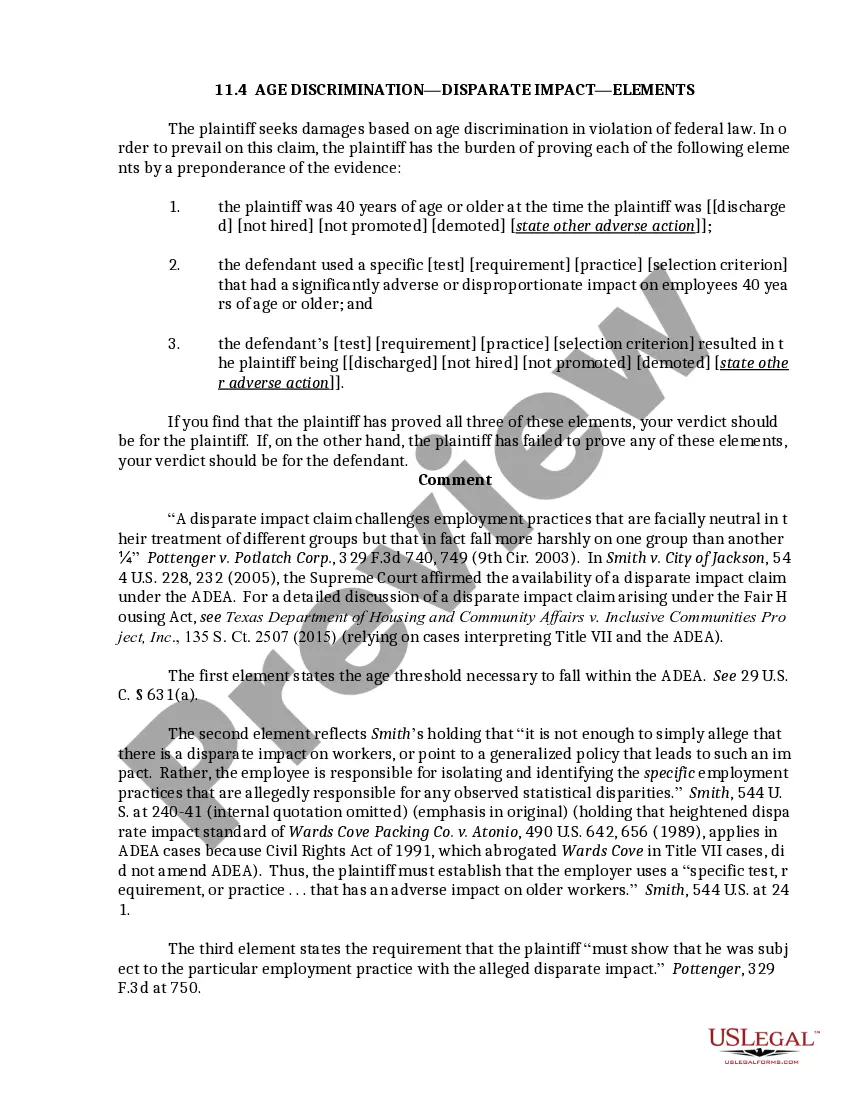
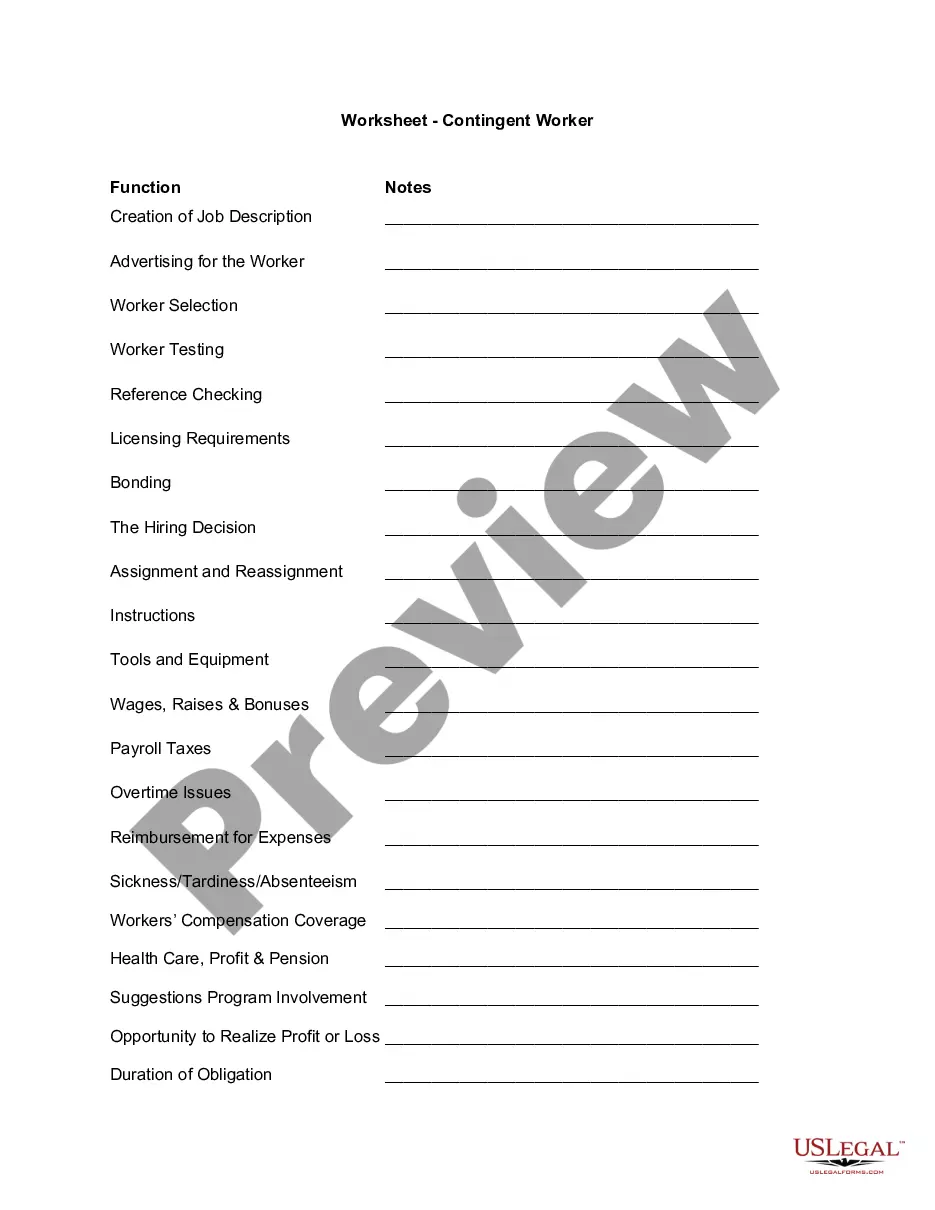
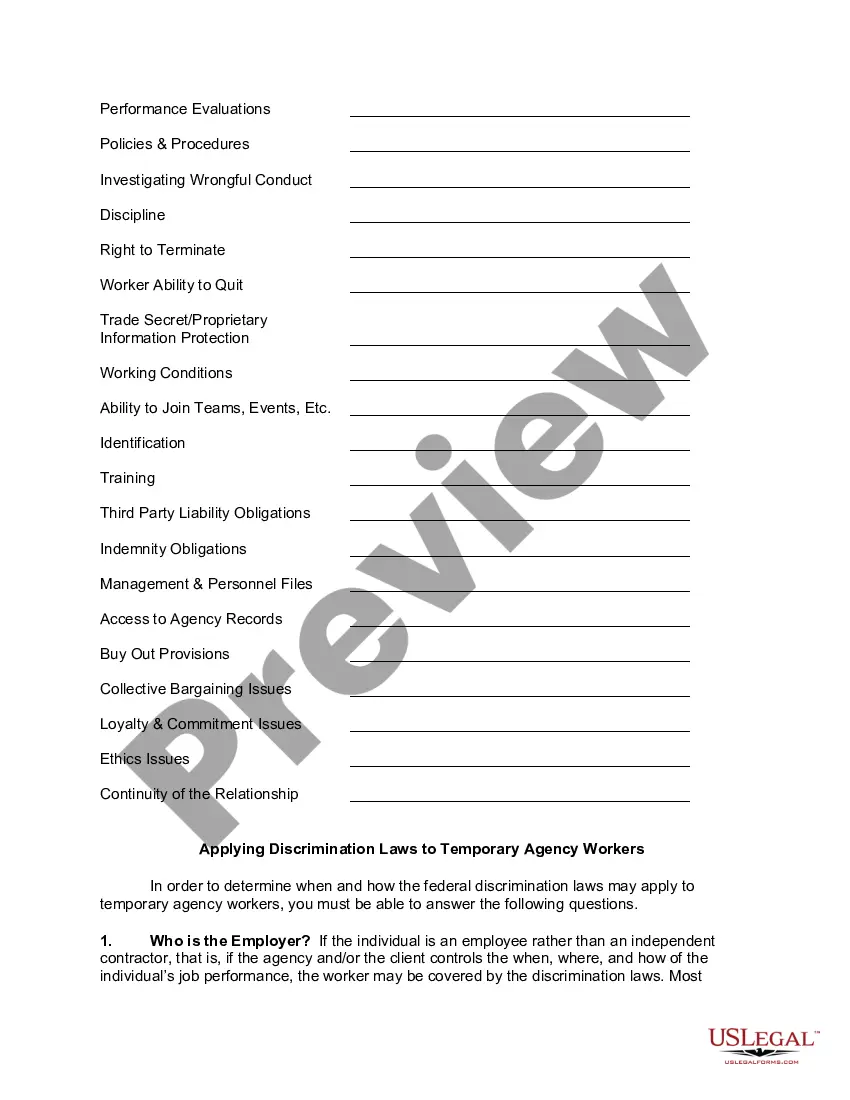
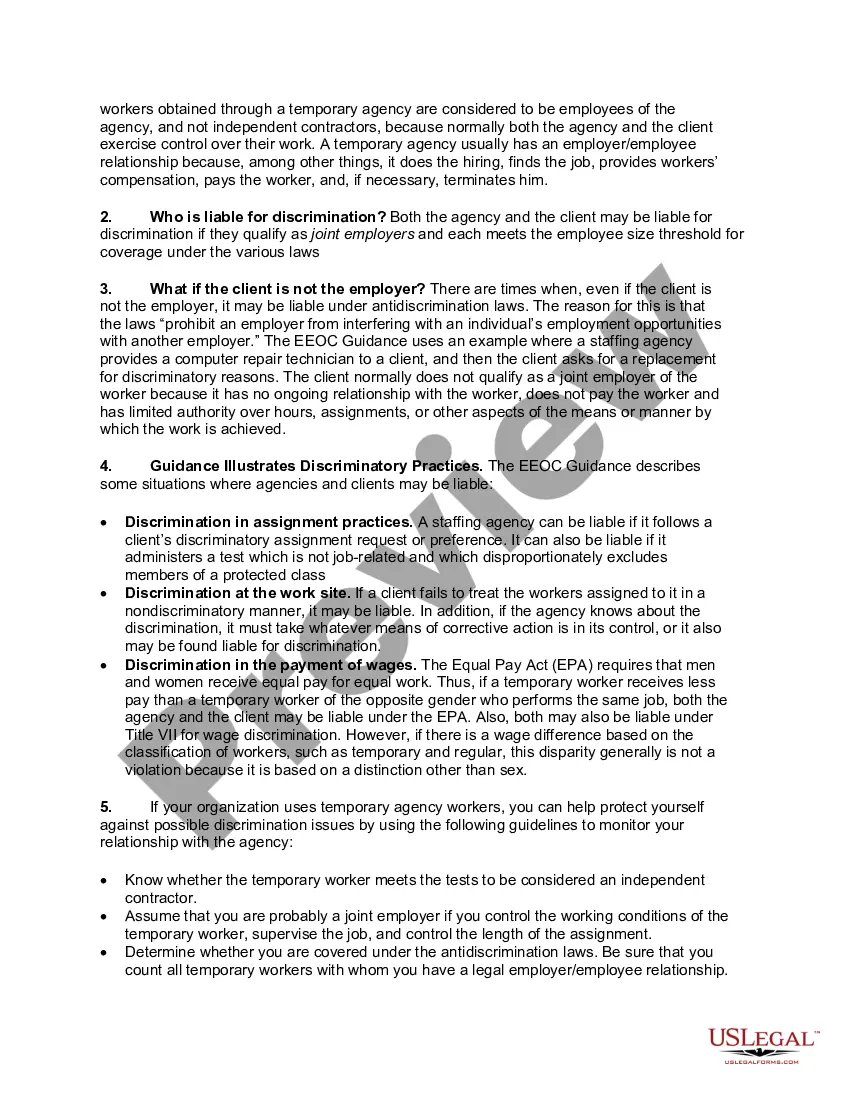
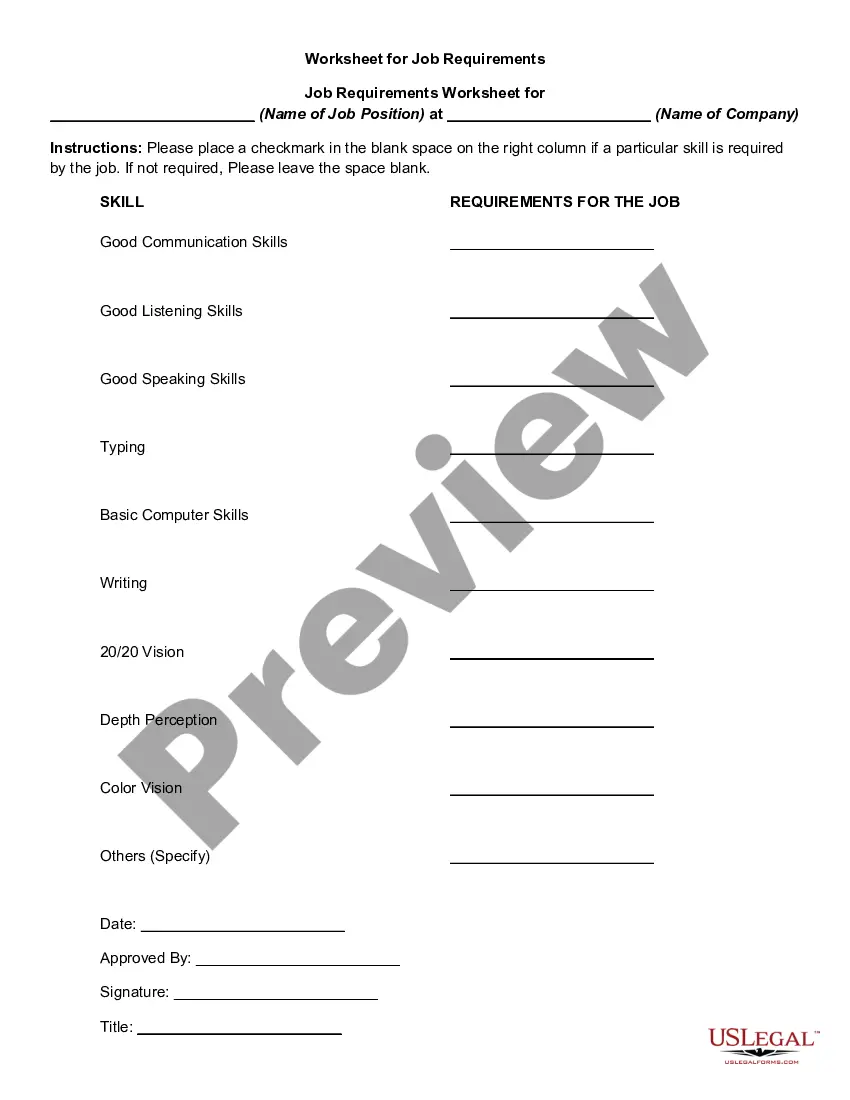
Arizona Worksheet - Contingent Worker
Description

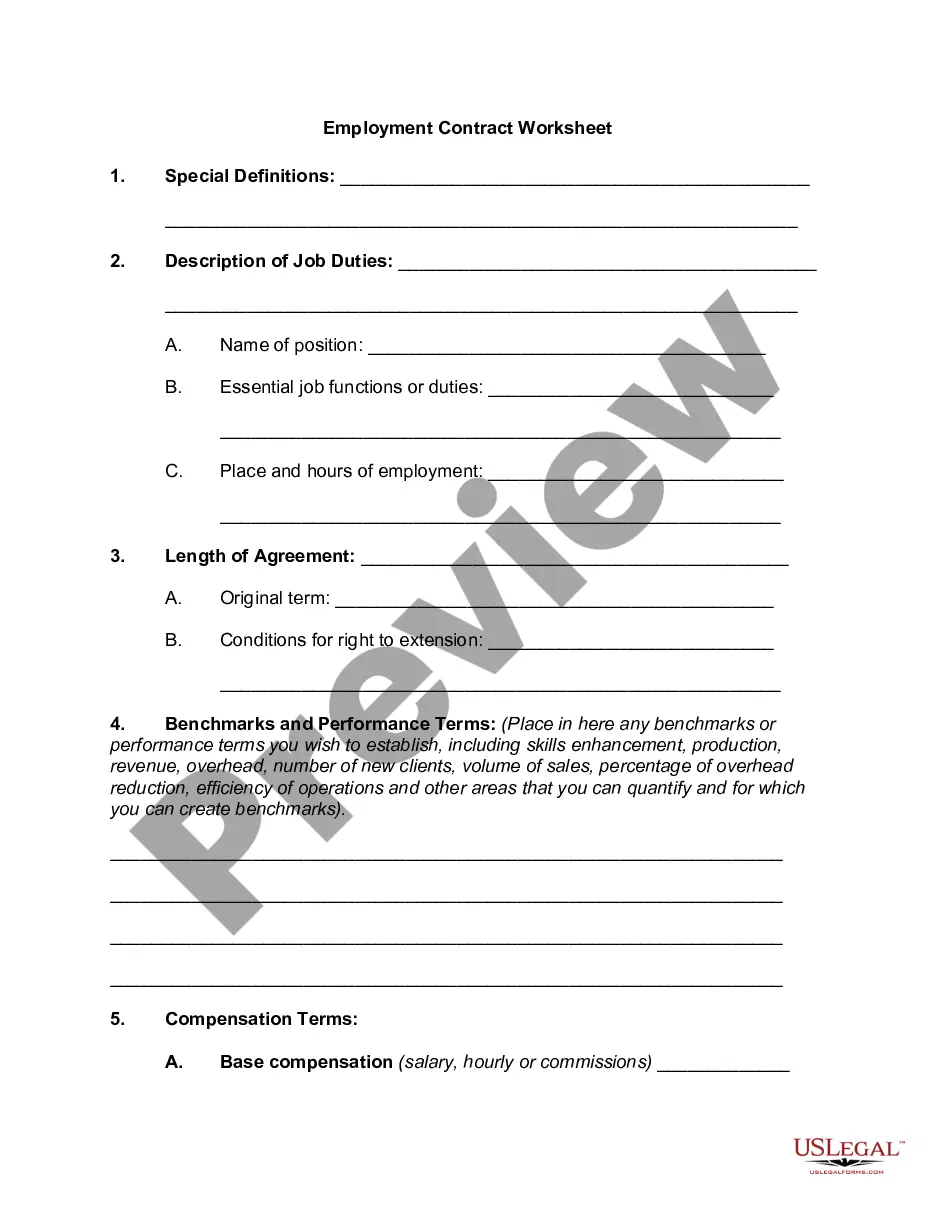
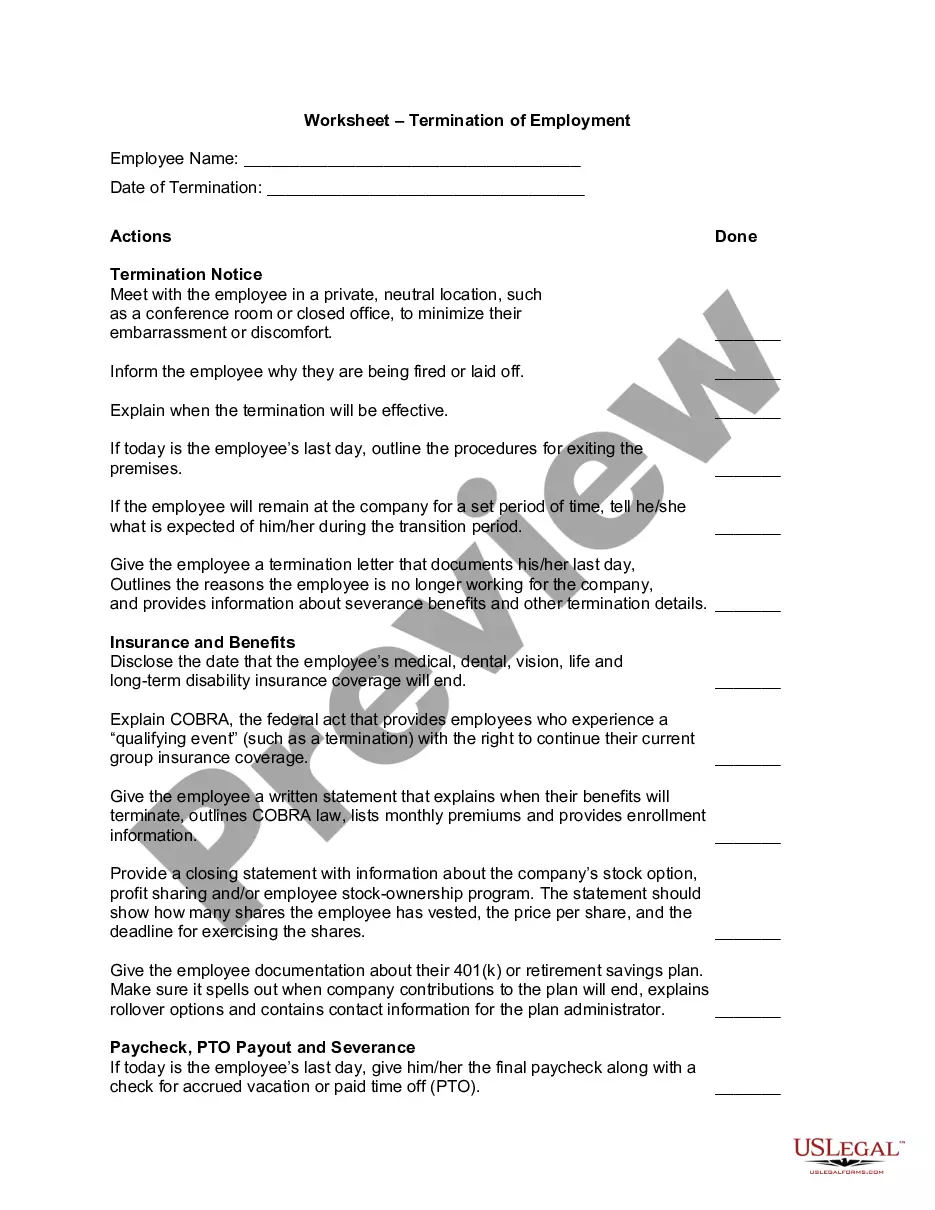
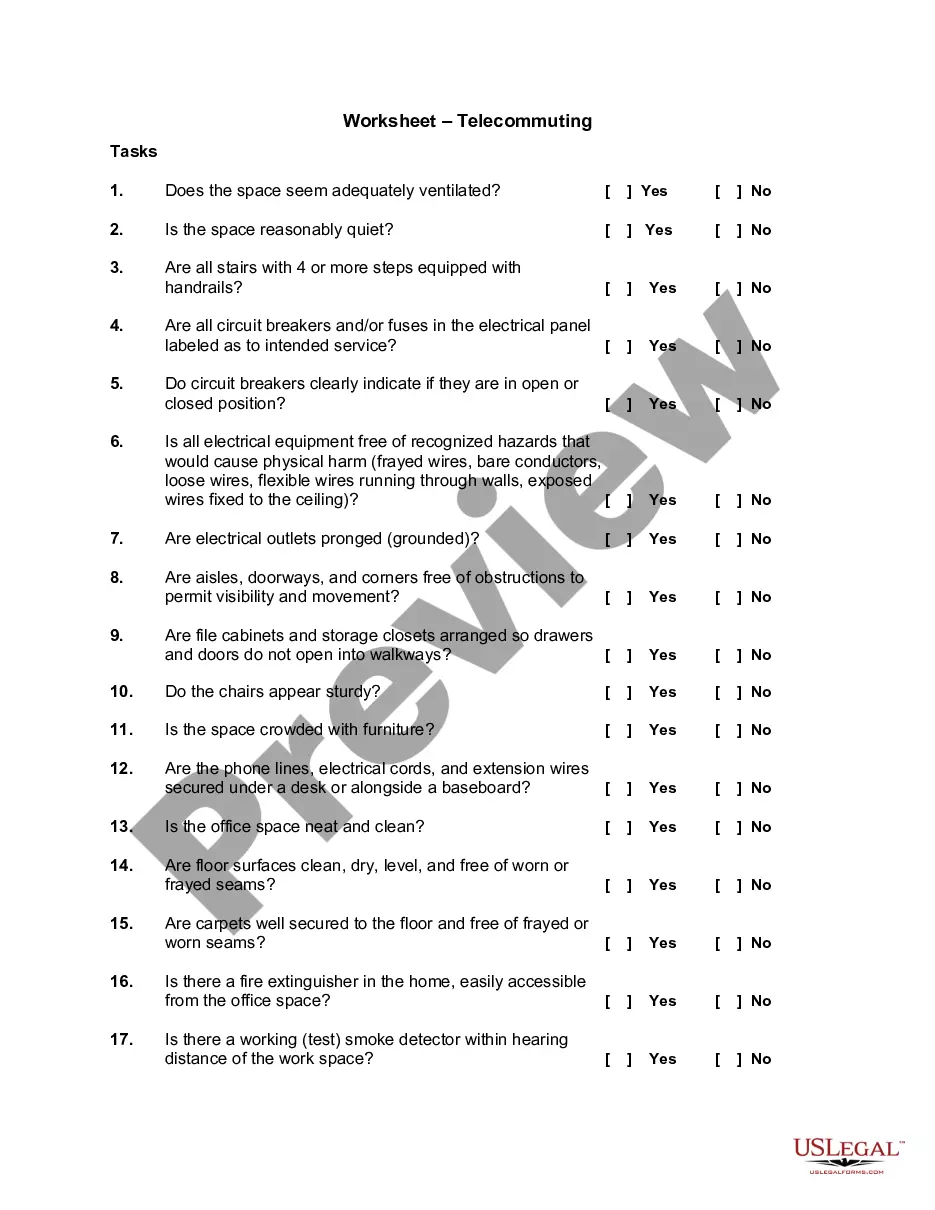
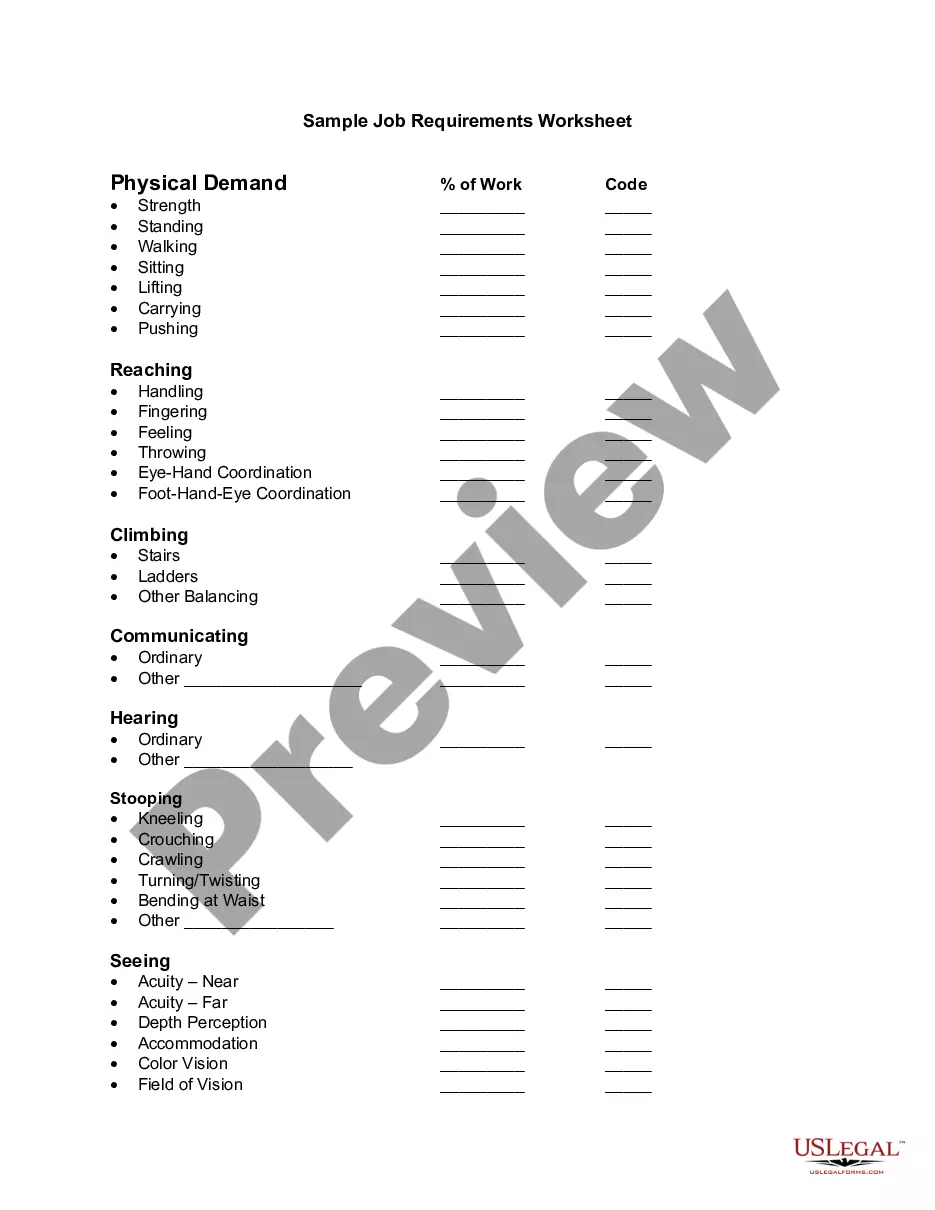
Get your form ready online
Our built-in tools help you complete, sign, share, and store your documents in one place.
Make edits, fill in missing information, and update formatting in US Legal Forms—just like you would in MS Word.
Download a copy, print it, send it by email, or mail it via USPS—whatever works best for your next step.
Sign and collect signatures with our SignNow integration. Send to multiple recipients, set reminders, and more. Go Premium to unlock E-Sign.
If this form requires notarization, complete it online through a secure video call—no need to meet a notary in person or wait for an appointment.
We protect your documents and personal data by following strict security and privacy standards.

Make edits, fill in missing information, and update formatting in US Legal Forms—just like you would in MS Word.

Download a copy, print it, send it by email, or mail it via USPS—whatever works best for your next step.

Sign and collect signatures with our SignNow integration. Send to multiple recipients, set reminders, and more. Go Premium to unlock E-Sign.

If this form requires notarization, complete it online through a secure video call—no need to meet a notary in person or wait for an appointment.

We protect your documents and personal data by following strict security and privacy standards.
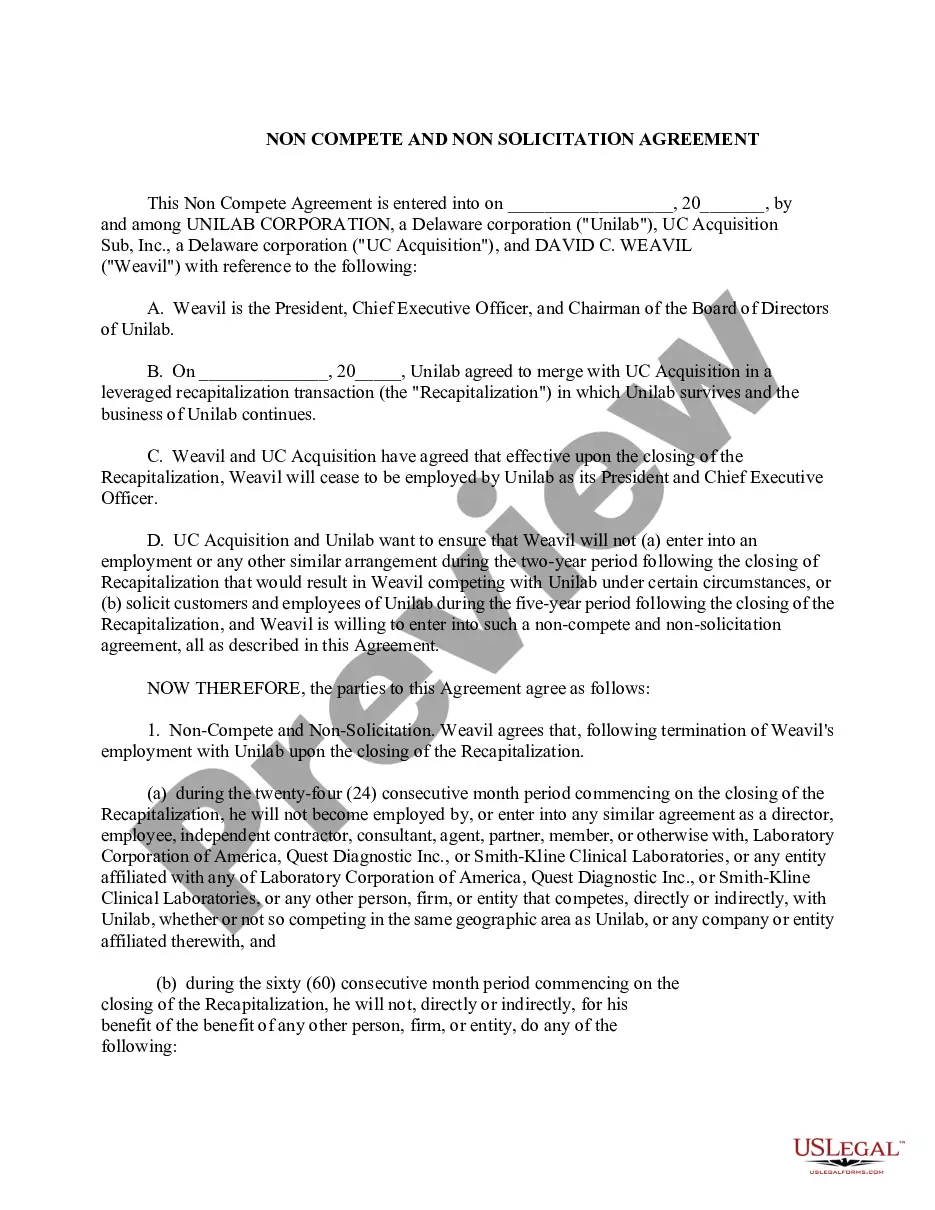
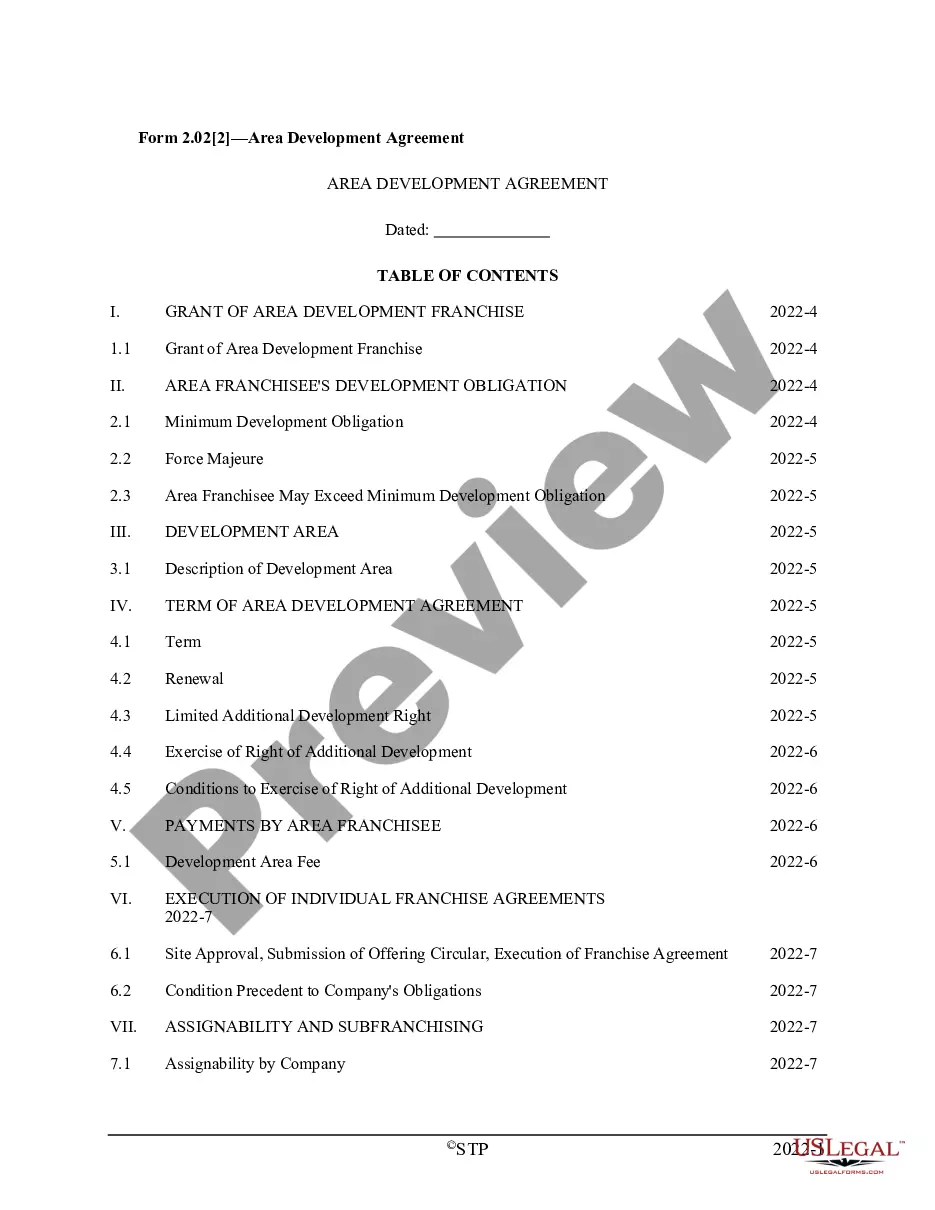
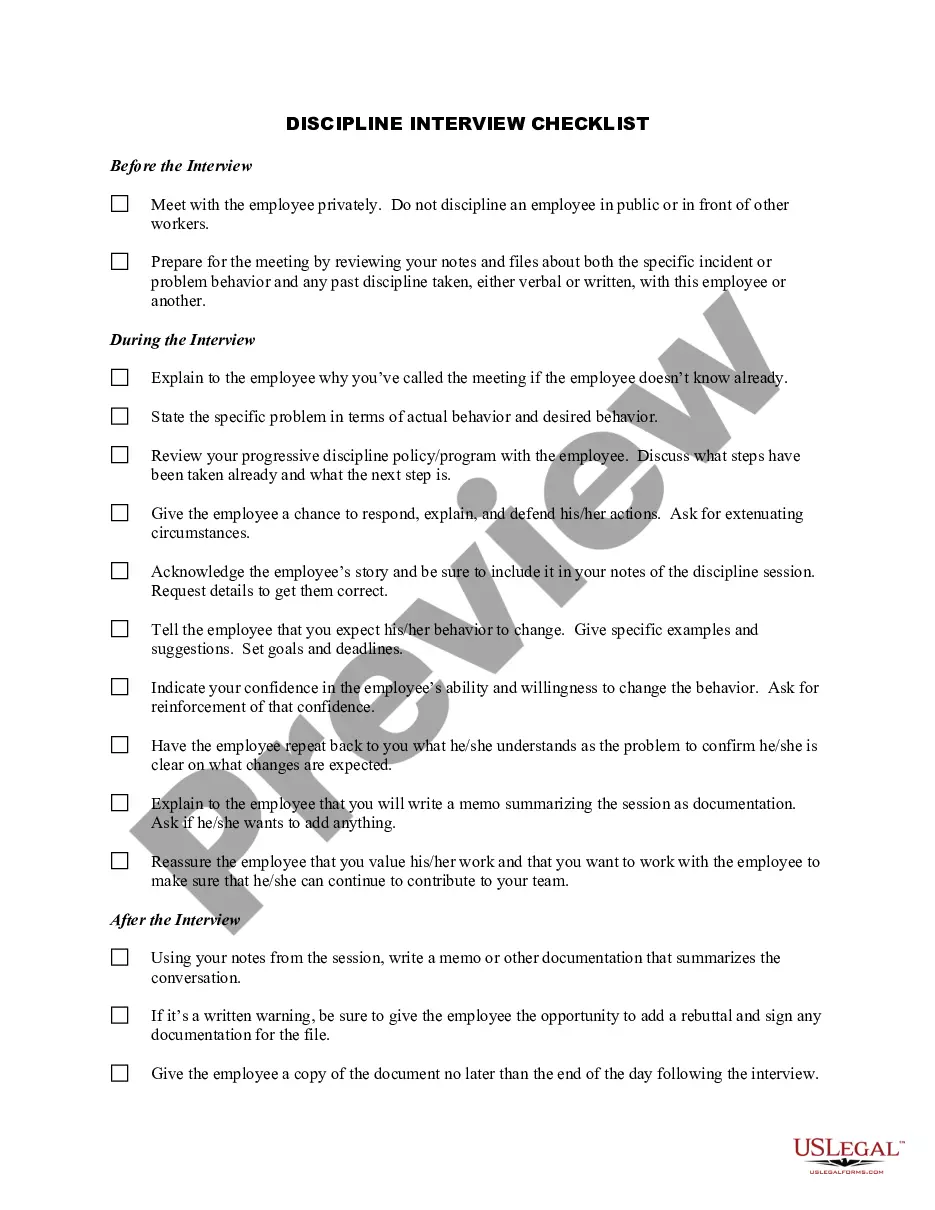
Looking for another form?


How to fill out Worksheet - Contingent Worker?
If you want to gather, retrieve, or print authentic document formats, utilize US Legal Forms, the largest assortment of legal templates accessible online.
Employ the site’s user-friendly and straightforward search to find the documents you require.
A selection of formats for commercial and personal needs is categorized by types and states, or keywords.
Step 3. If you are not satisfied with the form, use the Search area at the top of the screen to find alternative versions of your legal form template.
Step 4. Once you have identified the form you need, click the Buy now button. Choose the pricing plan you prefer and enter your credentials to register for an account. Step 5. Process the payment. You can use your Visa, MasterCard, or PayPal account to complete the transaction.
- Utilize US Legal Forms to acquire the Arizona Worksheet - Contingent Worker with just a couple of clicks.
- If you are already a US Legal Forms user, Log In to your account and hit the Download button to obtain the Arizona Worksheet - Contingent Worker.
- You can also find documents you previously downloaded in the My documents section of your account.
- If you are using US Legal Forms for the first time, follow the instructions outlined below.
- Step 1. Confirm you have selected the form for the correct city/state.
- Step 2. Utilize the Review option to examine the form’s content. Remember to read the information.
Form popularity
FAQ
For instance, contingent workers' tax liability and reporting fall under a 1099-M instead of a W-2. The worker is responsible for the employment taxes generally covered by an organization for a traditional employee.
Contingent workers are hired to help businesses fill gaps such as staff shortages, skills sets, special projects and in remote locations, as well as reduce costs associated with hiring permanent employees. They allow organizations to be more agile in getting work done and meeting objectives.
It is made up of four categories: independent contractors, on-call workers, temporary workers, and contract company workerssometimes called "temps" or "freelancers."
The U.S. Department of Labor defines contingent workers as independent contractors or freelancers as opposed to contracted employees. When a company hires an employee on a permanent or temporary basis, it becomes responsible for ensuring that taxes are deducted and paid for the employee.
A contingent worker is someone who is hired for a fixed period of time, often on a project basis. Examples of contingent workers are freelancers, consultants, part-timers, on-call workers, independent contractors, and people in other types of alternative work arrangements.
Independent contractors, on-call workers, freelancers, contract workers, and any other type of individual hired on a per-project basis are examples of contingent staffing. In most cases, contingent workers have specialized skills, like an accountant or electrician.
A contingent worker may refer to various types of workers, but a common thread is that they are hired on a non-permanent basis to perform certain specific tasks required by the company. Freelancers and independent consultants are two categories of contingent workers.
Independent contractors, on-call workers, freelancers, contract workers, and any other type of individual hired on a per-project basis are examples of contingent staffing. In most cases, contingent workers have specialized skills, like an accountant or electrician.
A contingent workforce consists of freelancers, independent contractors and consultants who are not on the company's payroll because they are not full-time employees of the organization. Organizations can hire a contingent worker directly or from a staffing agency.