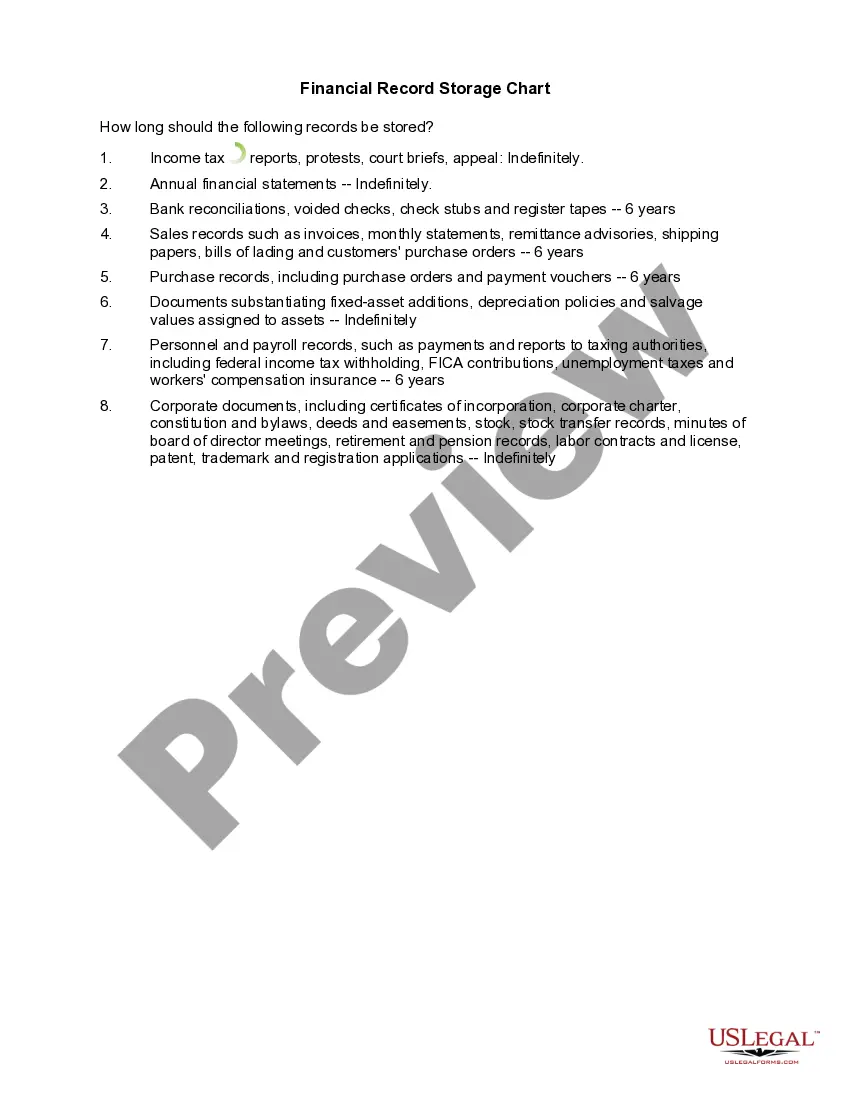
Arizona Financial Record Storage Chart
Description
Get your form ready online
Our built-in tools help you complete, sign, share, and store your documents in one place.
Make edits, fill in missing information, and update formatting in US Legal Forms—just like you would in MS Word.
Download a copy, print it, send it by email, or mail it via USPS—whatever works best for your next step.
Sign and collect signatures with our SignNow integration. Send to multiple recipients, set reminders, and more. Go Premium to unlock E-Sign.
If this form requires notarization, complete it online through a secure video call—no need to meet a notary in person or wait for an appointment.
We protect your documents and personal data by following strict security and privacy standards.

Make edits, fill in missing information, and update formatting in US Legal Forms—just like you would in MS Word.

Download a copy, print it, send it by email, or mail it via USPS—whatever works best for your next step.

Sign and collect signatures with our SignNow integration. Send to multiple recipients, set reminders, and more. Go Premium to unlock E-Sign.

If this form requires notarization, complete it online through a secure video call—no need to meet a notary in person or wait for an appointment.

We protect your documents and personal data by following strict security and privacy standards.
Looking for another form?




How to fill out Financial Record Storage Chart?
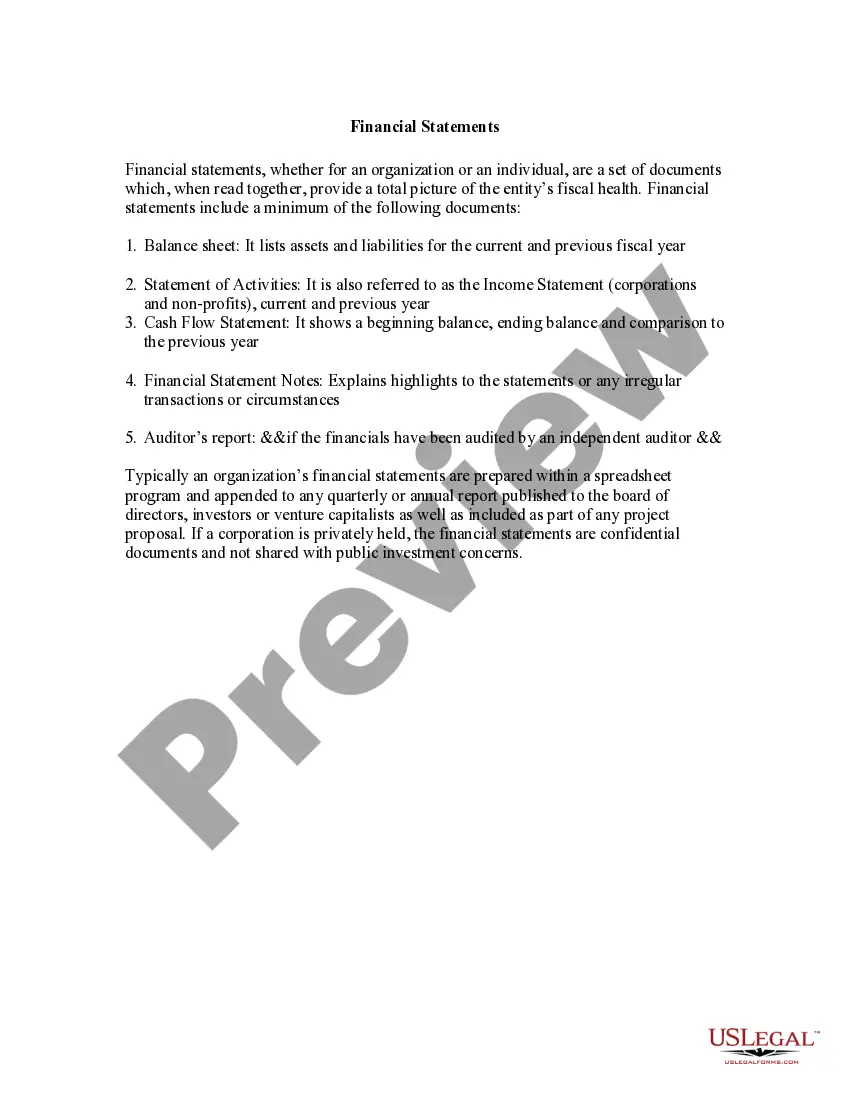
You can spend countless hours online seeking the legal document template that meets the federal and state requirements you need.
US Legal Forms offers a vast array of legal forms that have been verified by professionals.
You can easily download or create the Arizona Financial Record Storage Chart from my service.
If available, use the Review button to view the document template as well.
- If you already have a US Legal Forms account, you may Log In and click the Download button.
- Next, you can complete, modify, create, or sign the Arizona Financial Record Storage Chart.
- Every legal document template you purchase is yours indefinitely.
- To obtain another copy of the purchased form, go to the My documents section and click the corresponding button.
- If you're using the US Legal Forms site for the first time, follow the simple instructions below.
- First, ensure that you have selected the correct document template for your state/region of choice.
- Check the form details to make sure you have chosen the right form.
Form popularity
FAQ
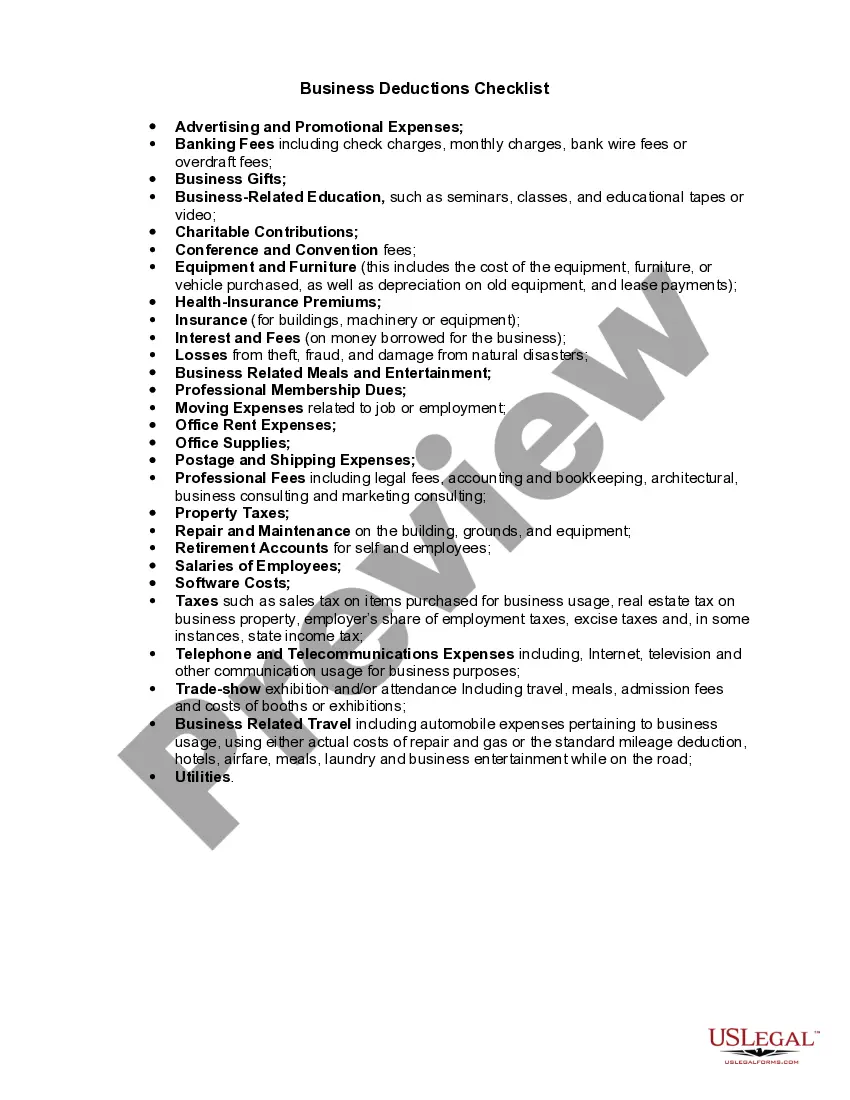
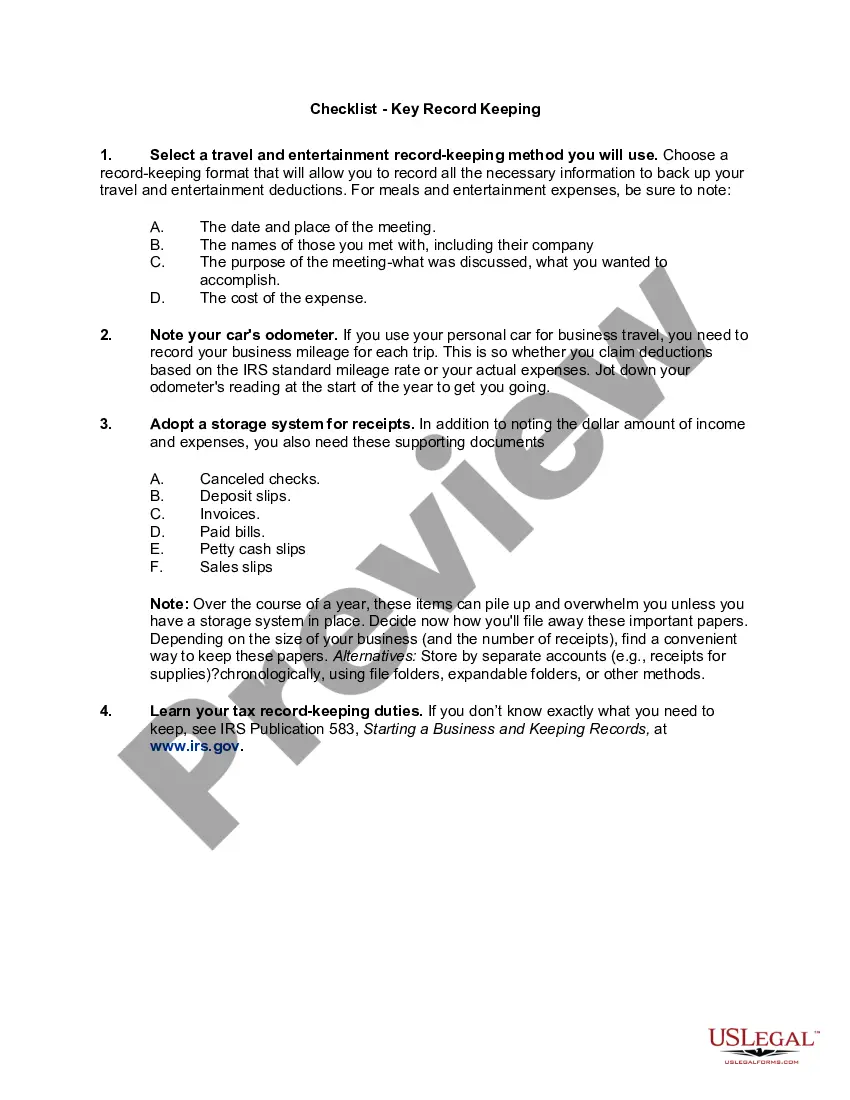
Typically, records that should be kept for at least seven years include tax returns, supporting documents, and any financial statements. Keeping these records is crucial, as they may be required if your business faces an audit. The Arizona Financial Record Storage Chart can help you identify which specific records are essential to retain. Staying informed about these requirements ensures that your business remains compliant with state and federal laws.
Maintaining financial records is generally the duty of the business owner or their appointed finance team. This responsibility includes regular updates and organization of documents. The Arizona Financial Record Storage Chart serves as a useful tool to inform you about the record-keeping obligations businesses face. Consistent maintenance of records contributes to better financial health and regulatory compliance.
In most cases, the financial records of a business are maintained by designated accounting personnel or an external accountant. Business owners may also play a significant role, especially in smaller operations where they oversee all financial activities. You can reference the Arizona Financial Record Storage Chart to understand the specific requirements for maintaining financial records in your state. This ensures you have the proper documentation supporting your financial decisions.
Responsibility for storage usually lies with the individual or team tasked with financial record keeping. This could include business owners, finance managers, or accountants. Utilizing resources like the Arizona Financial Record Storage Chart can clarify storage obligations under state laws. Proper storage protects your financial records from loss, theft, or damage.
Typically, the business owner or manager holds responsibility for financial record keeping. However, if you have an accounting team, they may handle day-to-day management of these records. The Arizona Financial Record Storage Chart can provide insights into the best practices for record keeping specific to Arizona regulations. Ensuring accountability helps maintain accurate records, benefiting your overall operations.
You should store your financial records in a secure location, such as a locked filing cabinet or a safe. For digital records, use cloud storage solutions with strong encryption. The Arizona Financial Record Storage Chart can guide you in choosing the appropriate storage method based on the type of documents. Keeping your records organized and accessible helps ensure compliance and facilitates easy retrieval.
The IRS suggests that businesses maintain certain records for at least three to seven years, depending on the type of document. For example, tax records should be kept for at least seven years if you claim a loss. The Arizona Financial Record Storage Chart can offer clarity on these guidelines and assist in your record-keeping efforts.
You should throw away financial documents once their retention period expires, based on IRS guidelines. Documents like expired warranties or bank statements older than seven years can typically be discarded. The Arizona Financial Record Storage Chart serves as a helpful reference for determining the appropriate time to eliminate various records.
It is advisable to shred 20-year-old bank statements as they often contain sensitive information. Keeping such old records may expose you to identity theft. The Arizona Financial Record Storage Chart provides insights into when you can safely dispose of your financial documents.
Generally, you should keep financial records for at least seven years, but some records must be kept indefinitely. This timeline helps protect against audits and ensures you have access to critical information. The Arizona Financial Record Storage Chart can provide further details on the retention periods for various types of records.