Arizona Covenant Not to Sue
Description
Get your form ready online
Our built-in tools help you complete, sign, share, and store your documents in one place.
Make edits, fill in missing information, and update formatting in US Legal Forms—just like you would in MS Word.
Download a copy, print it, send it by email, or mail it via USPS—whatever works best for your next step.
Sign and collect signatures with our SignNow integration. Send to multiple recipients, set reminders, and more. Go Premium to unlock E-Sign.
If this form requires notarization, complete it online through a secure video call—no need to meet a notary in person or wait for an appointment.
We protect your documents and personal data by following strict security and privacy standards.

Make edits, fill in missing information, and update formatting in US Legal Forms—just like you would in MS Word.

Download a copy, print it, send it by email, or mail it via USPS—whatever works best for your next step.

Sign and collect signatures with our SignNow integration. Send to multiple recipients, set reminders, and more. Go Premium to unlock E-Sign.

If this form requires notarization, complete it online through a secure video call—no need to meet a notary in person or wait for an appointment.

We protect your documents and personal data by following strict security and privacy standards.
Looking for another form?
How to fill out Covenant Not To Sue?
Have you ever found yourself in a scenario where you require documents for either business or personal reasons on a daily basis.
There are numerous legitimate document templates available online, but locating ones you can trust is not easy.
US Legal Forms offers thousands of templates, such as the Arizona Covenant Not to Sue, that are designed to comply with state and federal regulations.
Choose the pricing plan you prefer, provide the necessary information to create your account, and complete your order using PayPal or a credit card.
Select a convenient file format and download your copy. Access all the document templates you have purchased in the My documents section. You can obtain an additional copy of the Arizona Covenant Not to Sue at any time if needed. Just select the desired template to download or print the document. Utilize US Legal Forms, the most comprehensive collection of legal templates, to save time and avoid errors. The service provides properly crafted legal document templates that can be used for various purposes. Create an account on US Legal Forms and start making your life a bit easier.
- If you are already familiar with the US Legal Forms website and have an account, simply Log In.
- After that, you can download the Arizona Covenant Not to Sue template.
- If you don’t have an account and wish to start using US Legal Forms, follow these steps.
- Find the template you need and ensure it is for the correct city/county.
- Use the Preview feature to review the document.
- Read the description to ensure you have selected the right template.
- If the template is not what you are looking for, use the Search section to find the template that meets your needs.
- Once you find the correct template, click Get now.
Form popularity
FAQ
Under Arizona law, you are also required to file a claim with the state agency before you can file a lawsuit. The state only gives you 180 days to file your claim. You must also make sure that your claim is served upon a person in the agency who is actually authorized to accept the notice of the claim.
A covenant not to execute is an agreement by the plaintiff in a lawsuit not to enforce a money judgment against a defendant.
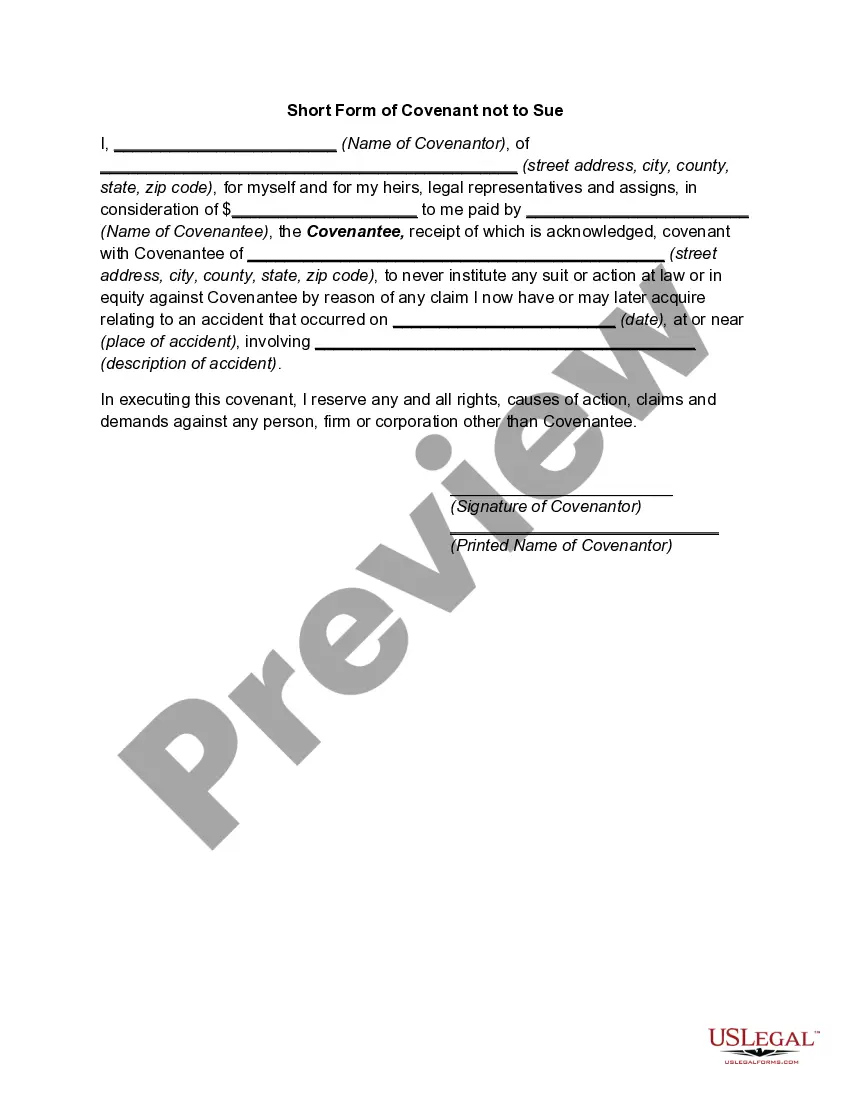
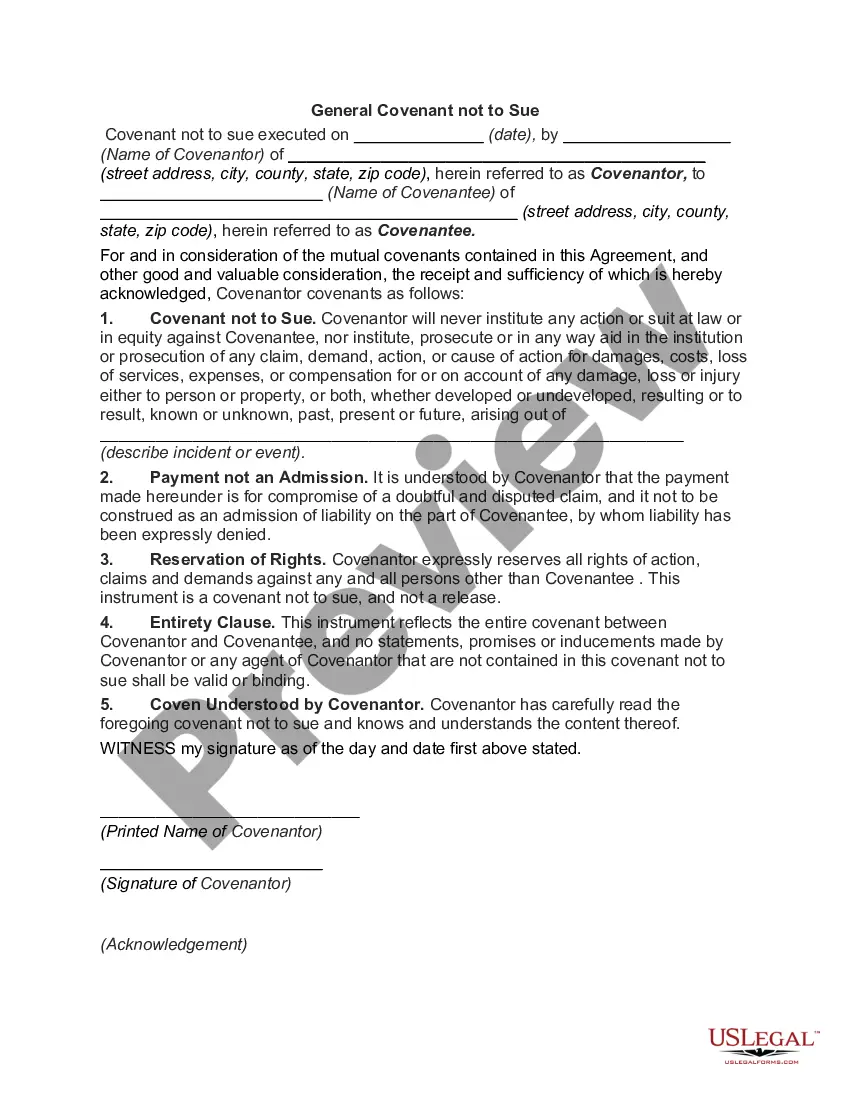
A ?covenant not to sue? is a legal term which means I promise not to file a lawsuit in court.
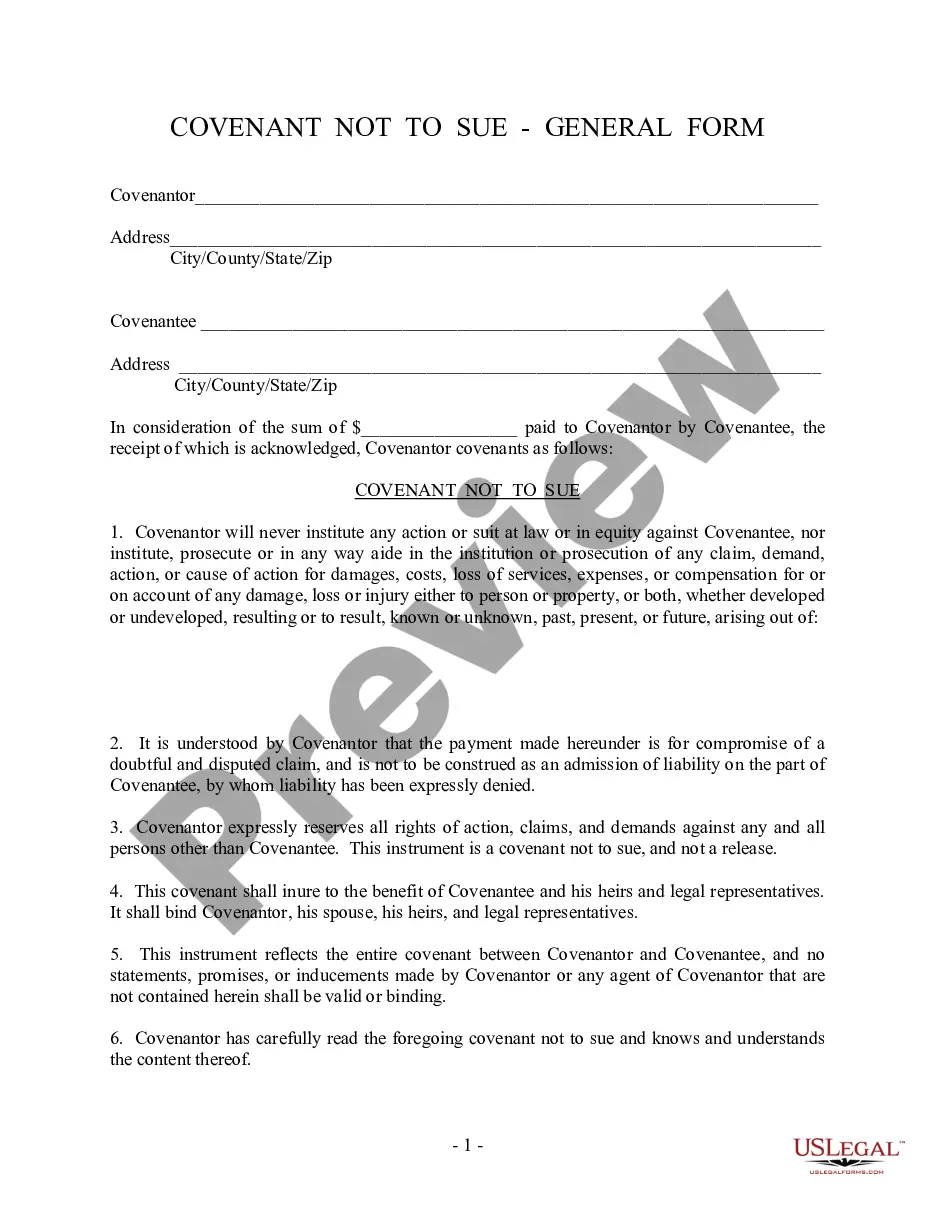
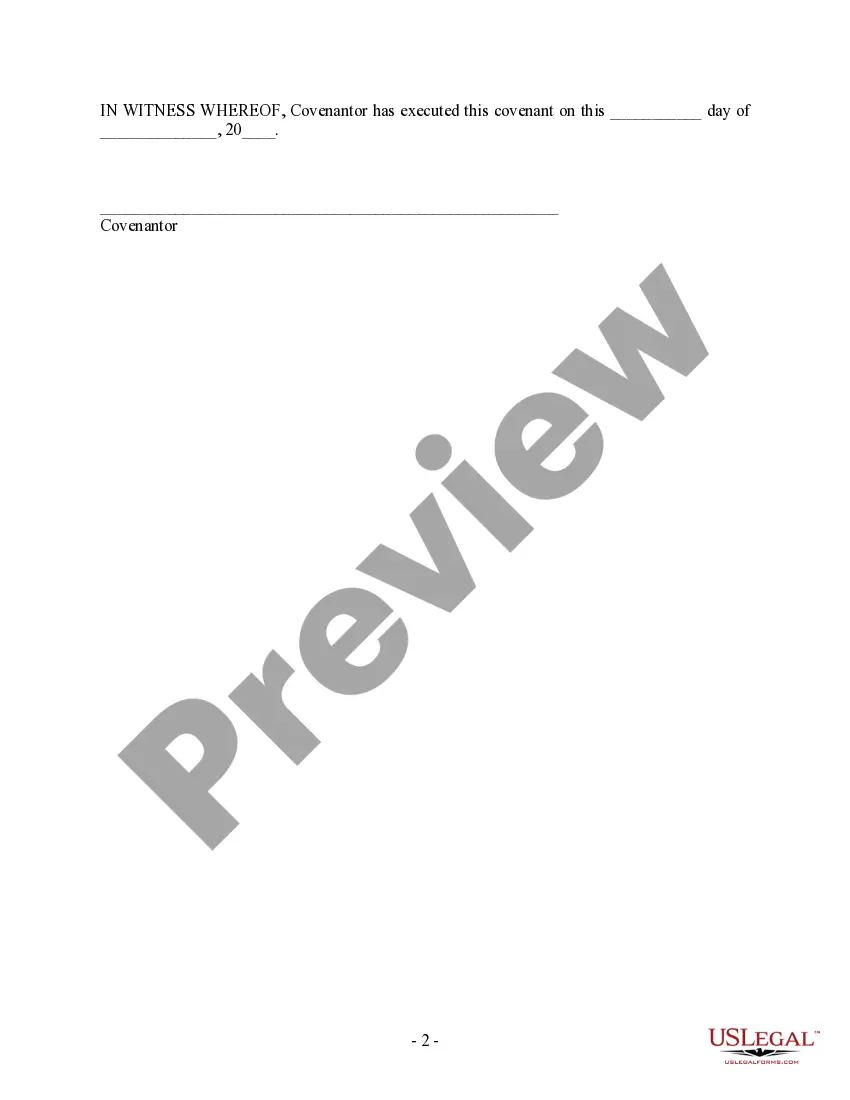
A covenant not to sue is a legal agreement in which the party seeking damages agrees not to sue the party that it has cause against. Covenants not to sue are used to settle specific legal issues outside of the court system.
A covenant not to execute is a contract where a defendant admits to liability and a set amount of damages, and the plaintiff agrees not to seek a judgment against the defendant based on that admission.
A ?covenant judgment? is an arrangement in which an insured defendant settles claims without the insurer's consent in exchange for a release from liability and assignment of potential bad faith claims against the insurer to the plaintiff.