Letter from Tenant to Landlord for Failure of Landlord to Comply with Building Codes
Description
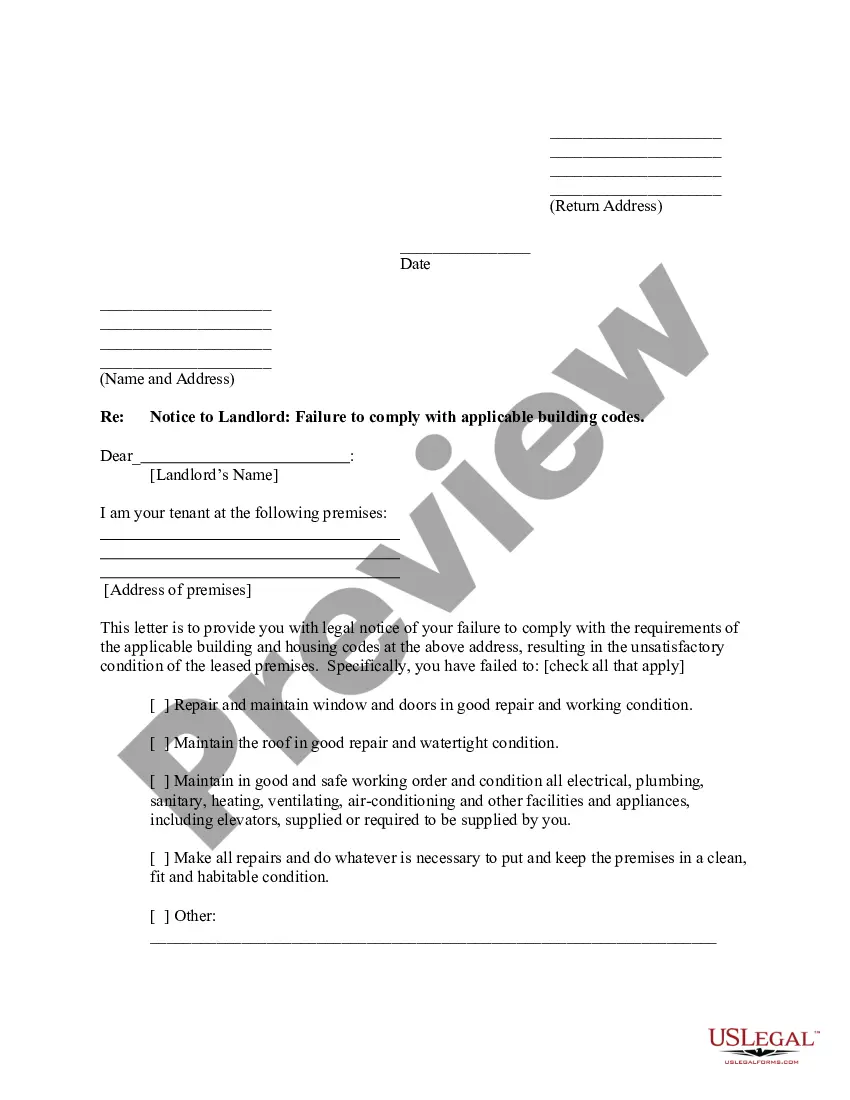
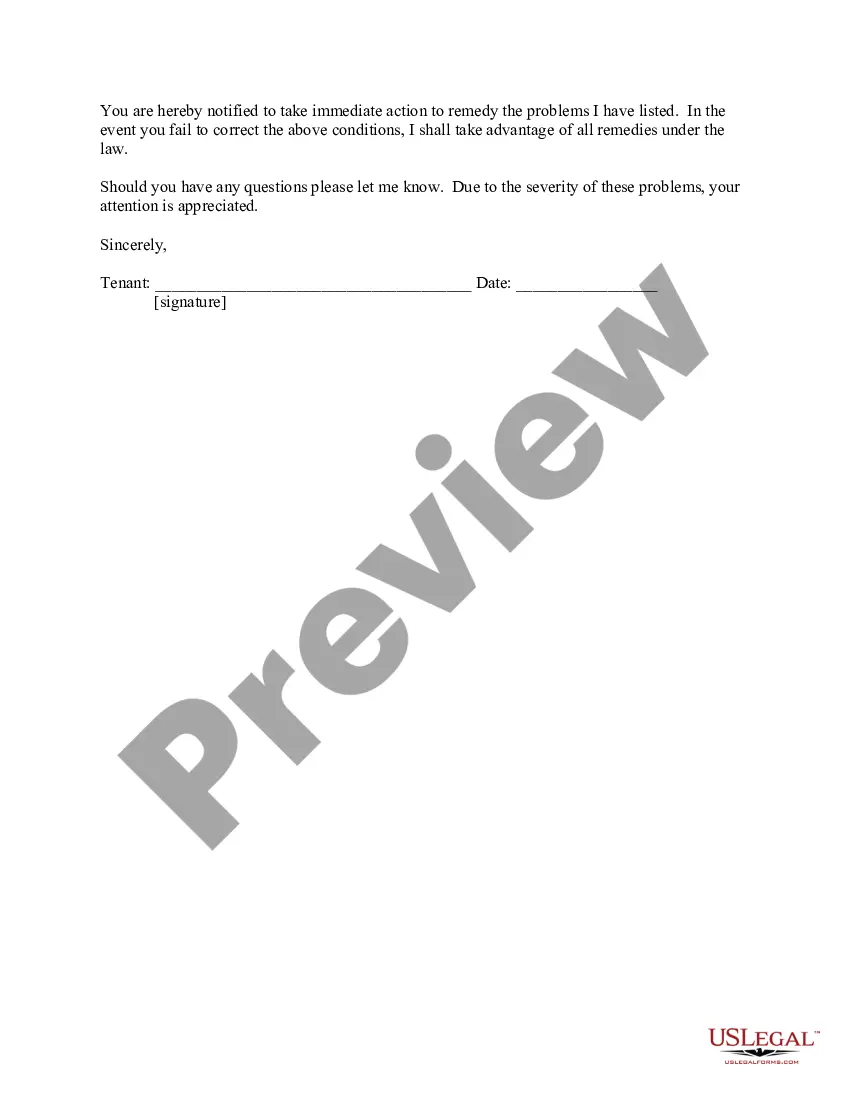
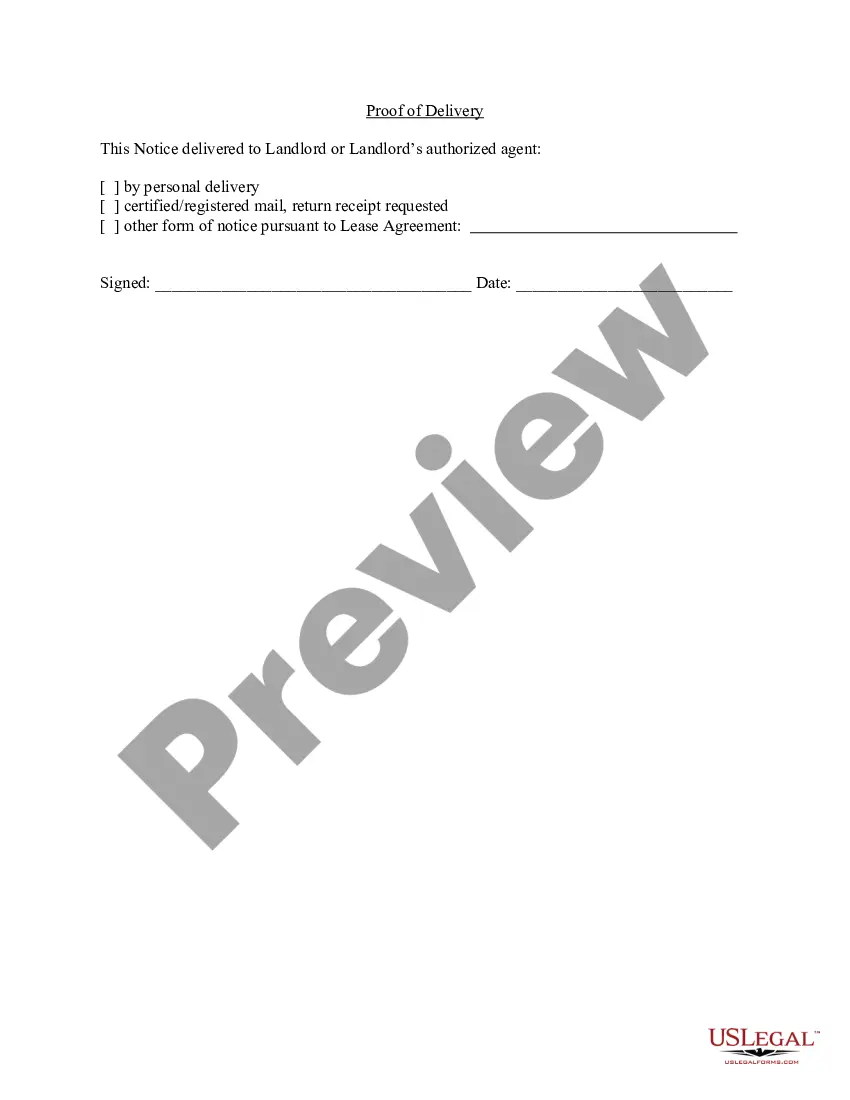
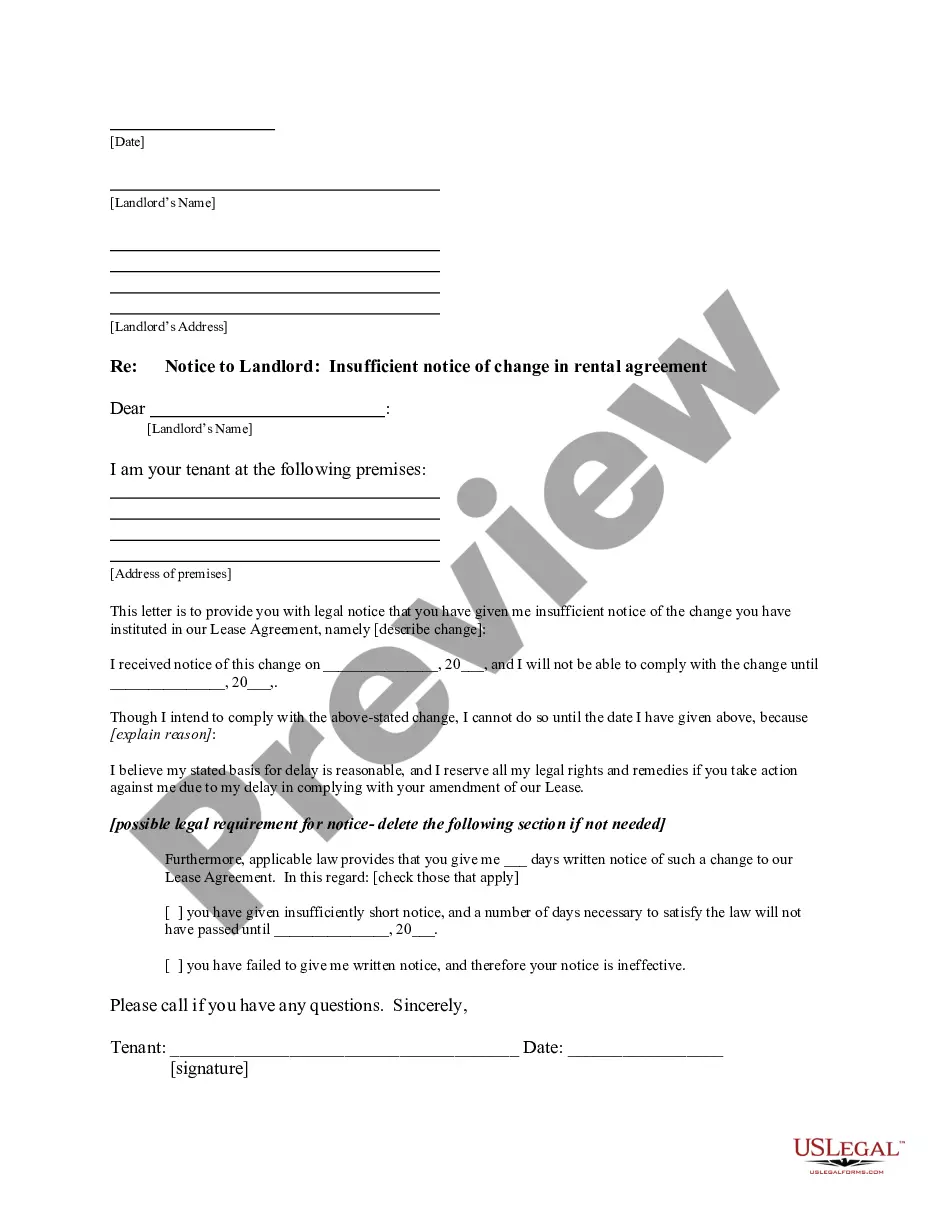
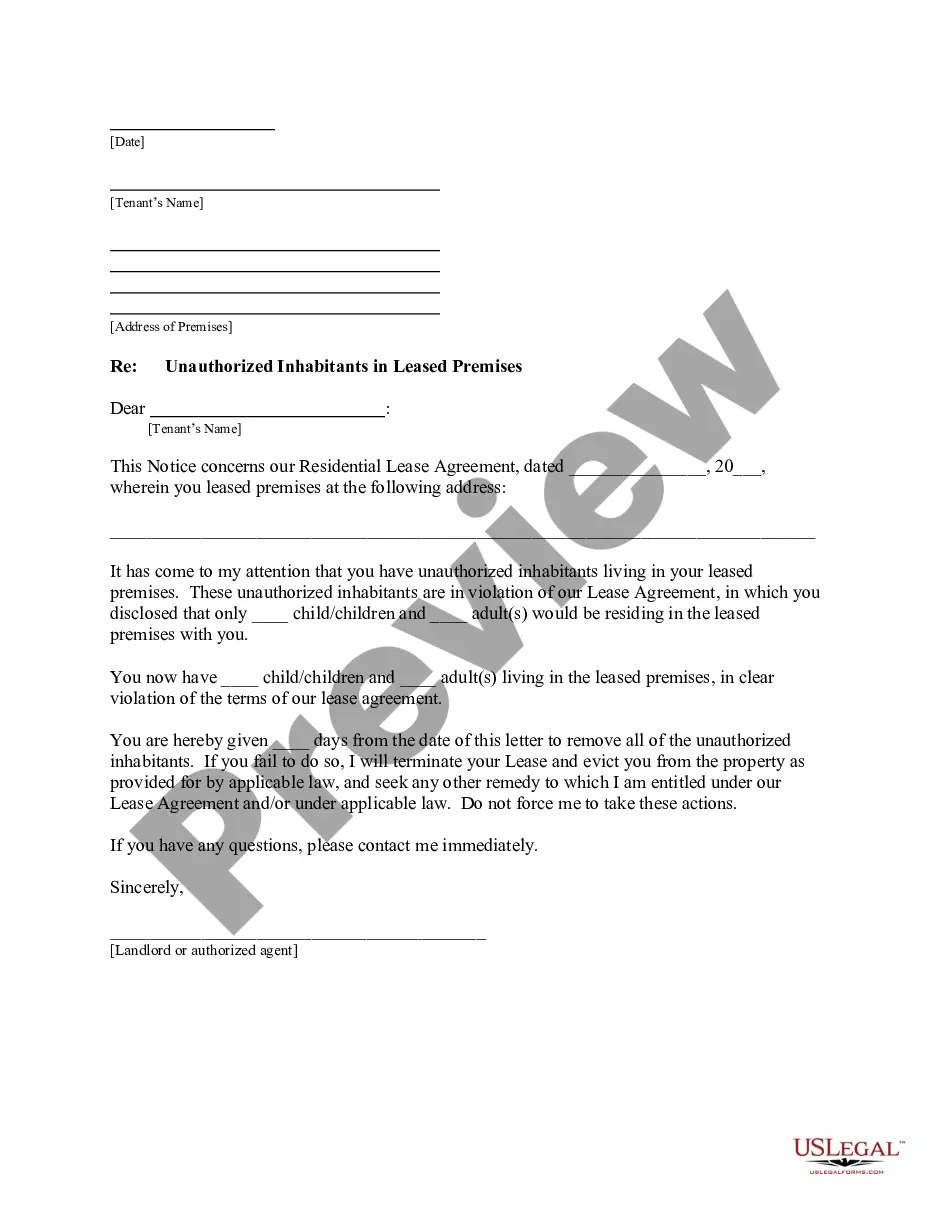
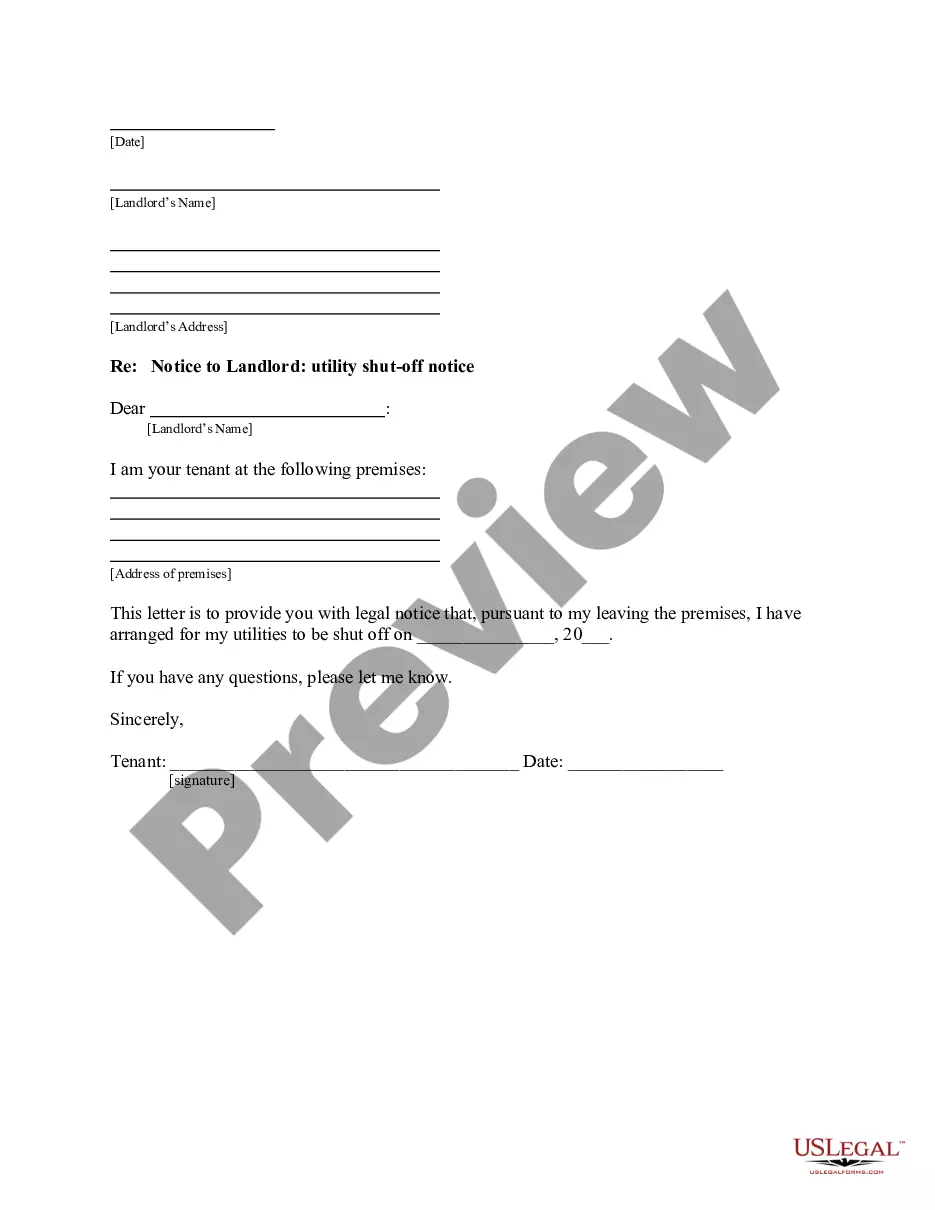
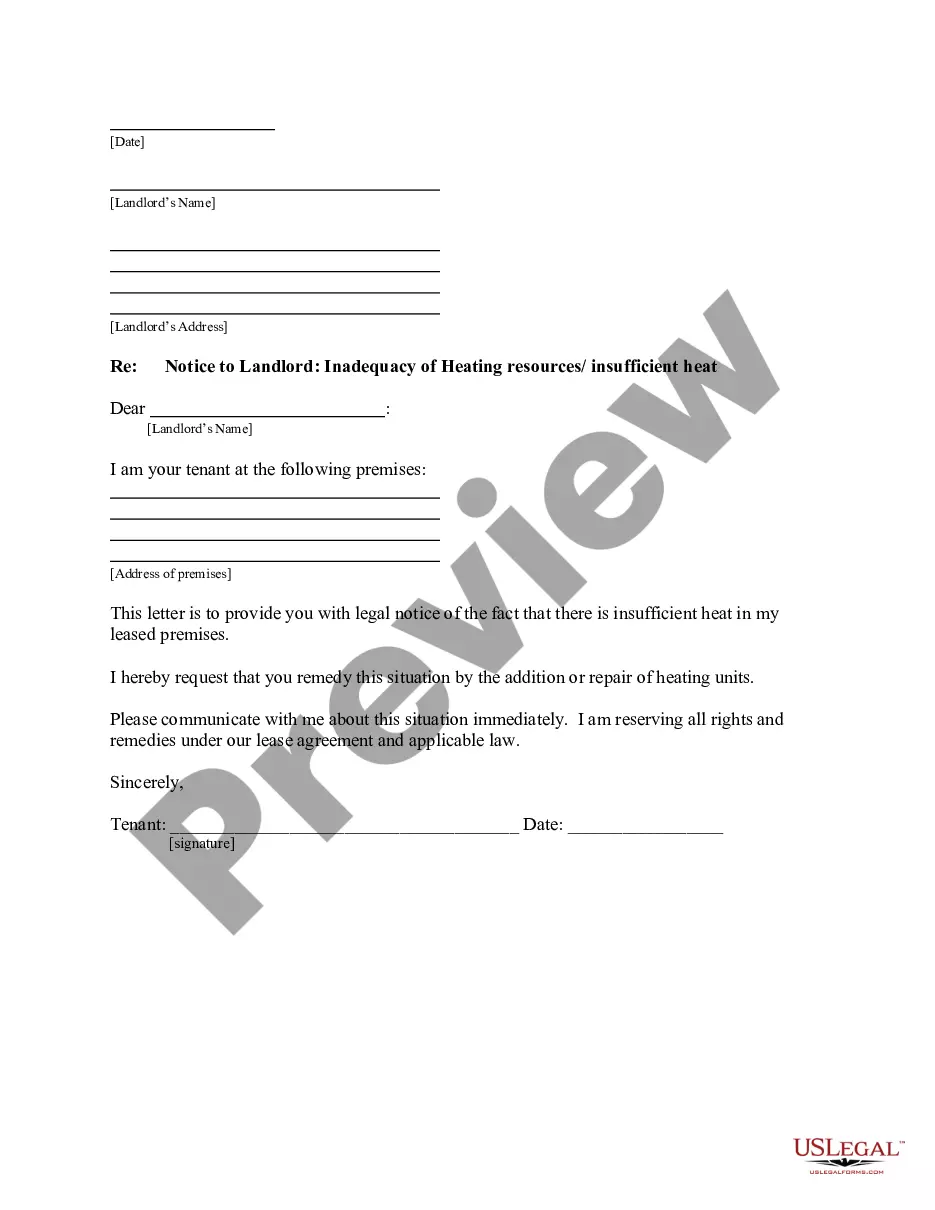

How to fill out Letter From Tenant To Landlord For Failure Of Landlord To Comply With Building Codes?
US Legal Forms is the most simple and profitable way to find suitable legal templates. It’s the most extensive online library of business and individual legal documentation drafted and checked by legal professionals. Here, you can find printable and fillable templates that comply with national and local laws - just like your Letter from Tenant to Landlord for Failure of Landlord to Comply with Building Codes.
Obtaining your template takes only a few simple steps. Users that already have an account with a valid subscription only need to log in to the web service and download the document on their device. Later, they can find it in their profile in the My Forms tab.
And here’s how you can obtain a properly drafted Letter from Tenant to Landlord for Failure of Landlord to Comply with Building Codes if you are using US Legal Forms for the first time:
- Read the form description or preview the document to ensure you’ve found the one meeting your demands, or find another one using the search tab above.
- Click Buy now when you’re sure of its compatibility with all the requirements, and select the subscription plan you prefer most.
- Create an account with our service, log in, and purchase your subscription using PayPal or you credit card.
- Select the preferred file format for your Letter from Tenant to Landlord for Failure of Landlord to Comply with Building Codes and save it on your device with the appropriate button.
Once you save a template, you can reaccess it at any time - simply find it in your profile, re-download it for printing and manual fill-out or upload it to an online editor to fill it out and sign more effectively.
Take full advantage of US Legal Forms, your trustworthy assistant in obtaining the required formal paperwork. Try it out!
Form popularity
FAQ
Go to the Landlord-Tenant Clerk's office and fill out a court form called a Petition in Support of an Order to Show Cause. If you can, bring your lease, rent receipts, utility bills and mail addressed to you at your home. If the Judge signs the Order to Show Cause, you will get a court date a day or two away.
While awaiting action on your rent reduction, call the New York City Citizen Service Center at 311 (TTY 212-504-4115) to reach the NYC Department of Housing Preservation and Development (HPD) Central Complaint Bureau, write by certified mail, return receipt requested, or online at www1.nyc.gov/311.
Discrimination is a big deal in NYC law, and landlords cannot turn people away based on race, religion, age, disability, sexual orientation, gender, or creed. You must talk to a lawyer if you believe you are a victim of discrimination. Without a written court order, they cannot force you to leave your home.
While awaiting action on your rent reduction, call the New York City Citizen Service Center at 311 (TTY 212-504-4115) to reach the NYC Department of Housing Preservation and Development (HPD) Central Complaint Bureau, write by certified mail, return receipt requested, or online at www1.nyc.gov/311.
Below, we have included some general steps to follow to write an effective complaint letter to your landlord. Explain Your Complaint.Explain the Impact.Suggest a Solution.Attach Any Relevant Documentation.Include a Deadline to Respond.
You can file a complaint by: Calling 311 or TTY (212) 504-4115.
In New York City, you can file a so-called ?Housing Part? or ?HP? case in the Housing Court. With an HP claim, you could force your landlord to make the necessary repairs to your rental property and provide basic services such as hot water and heating. Mold or a pest infestation could also qualify for legal action.
You can sue your landlord in housing court to force them to make the repairs. This is a special kind of case called a "Housing Part" case, or more commonly, an "HP action" or "HP case." An HP action is a case that you file against your landlord when the landlord will not make repairs or provide services.