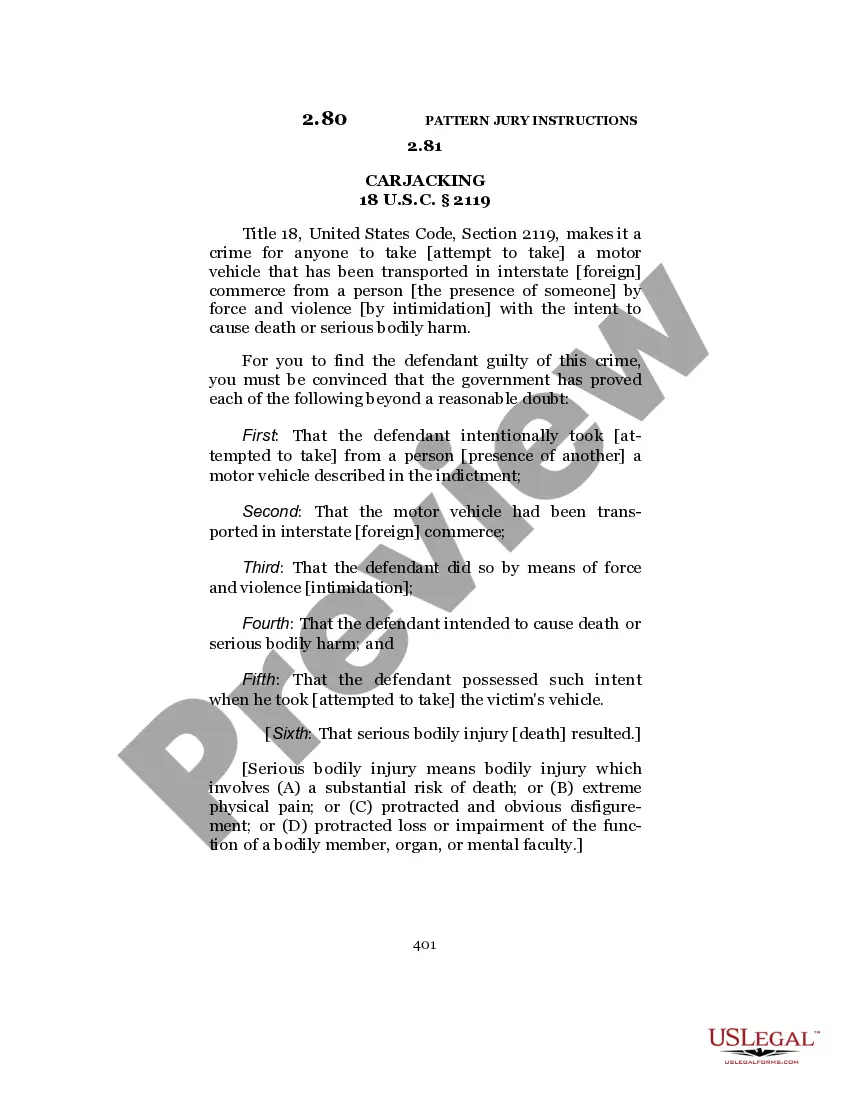
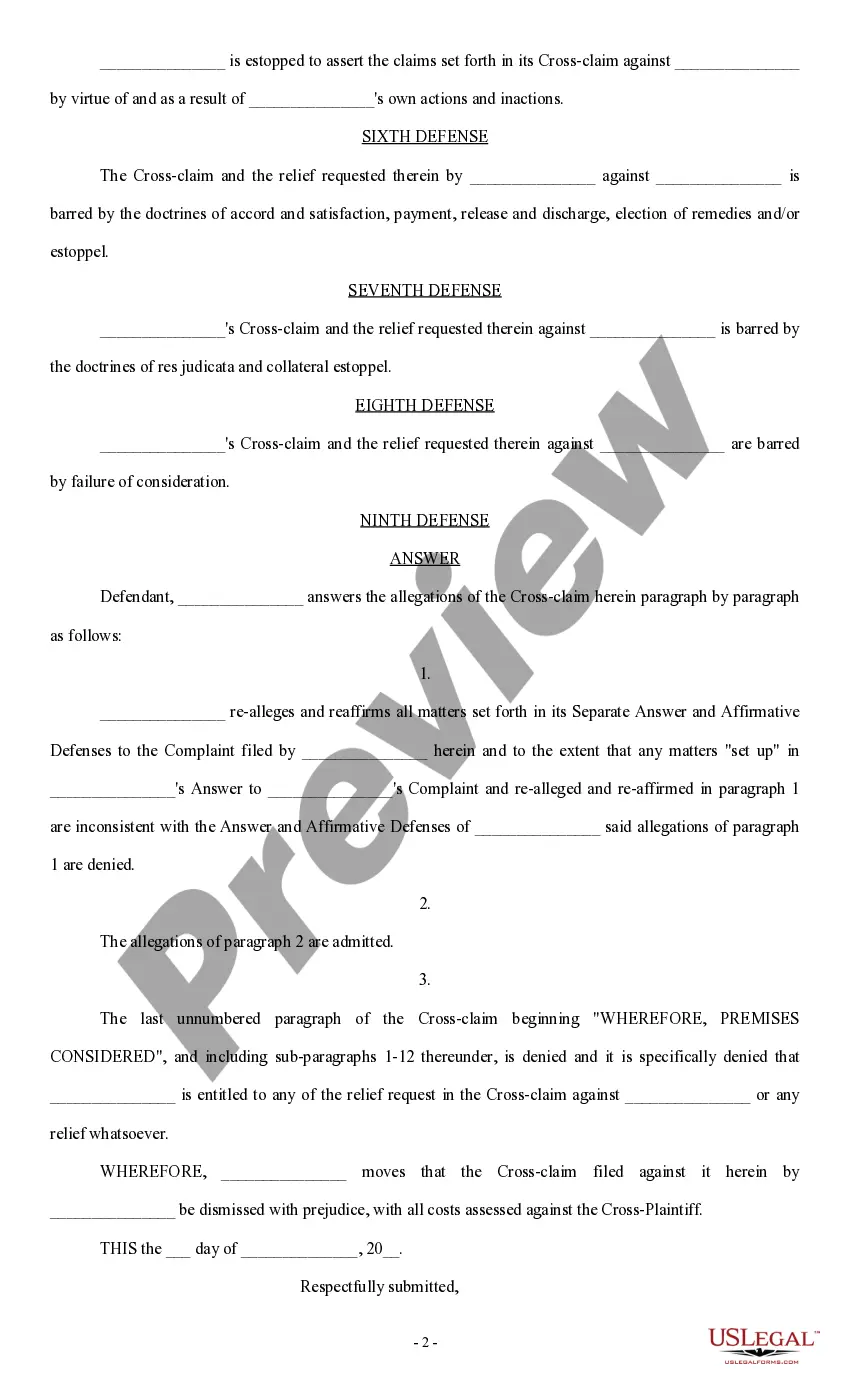
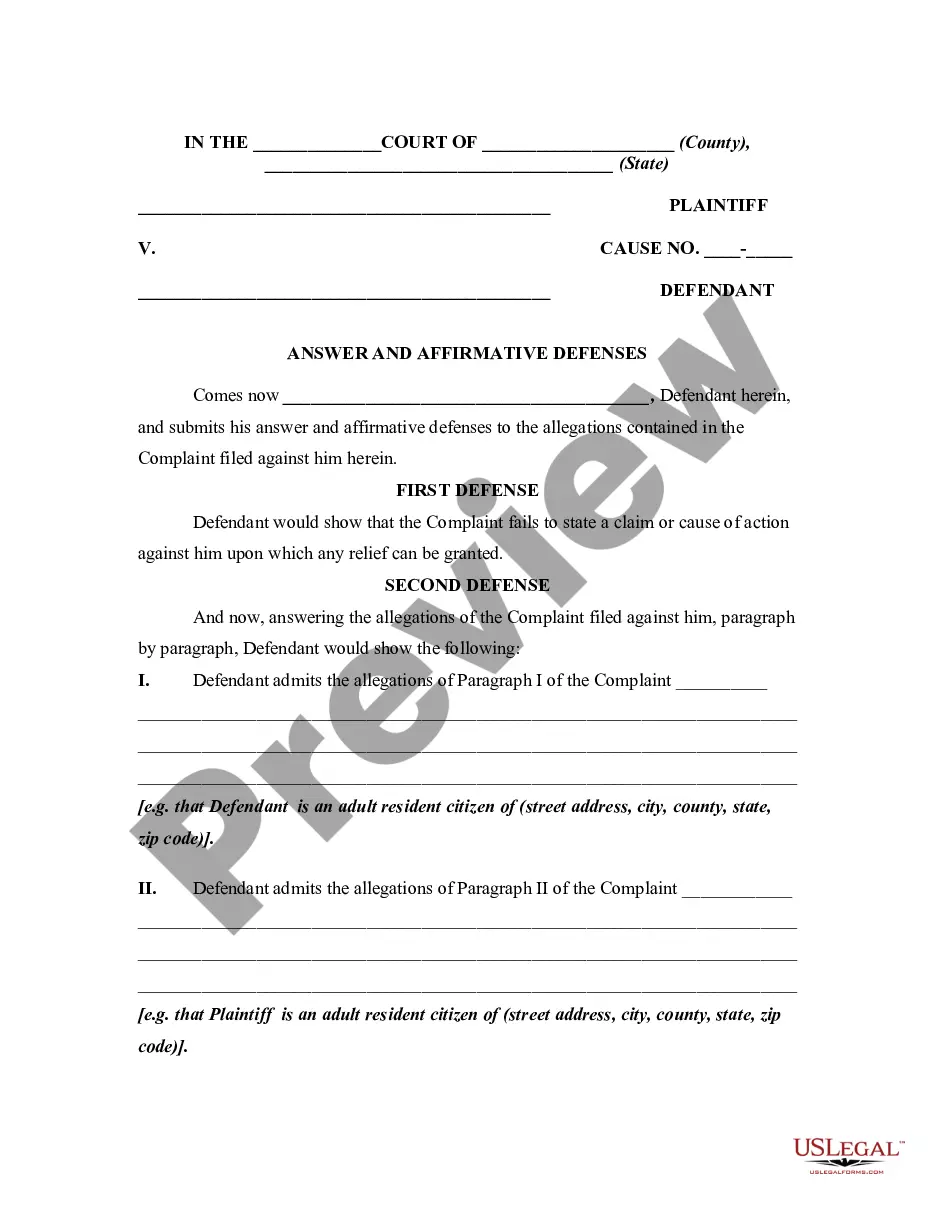
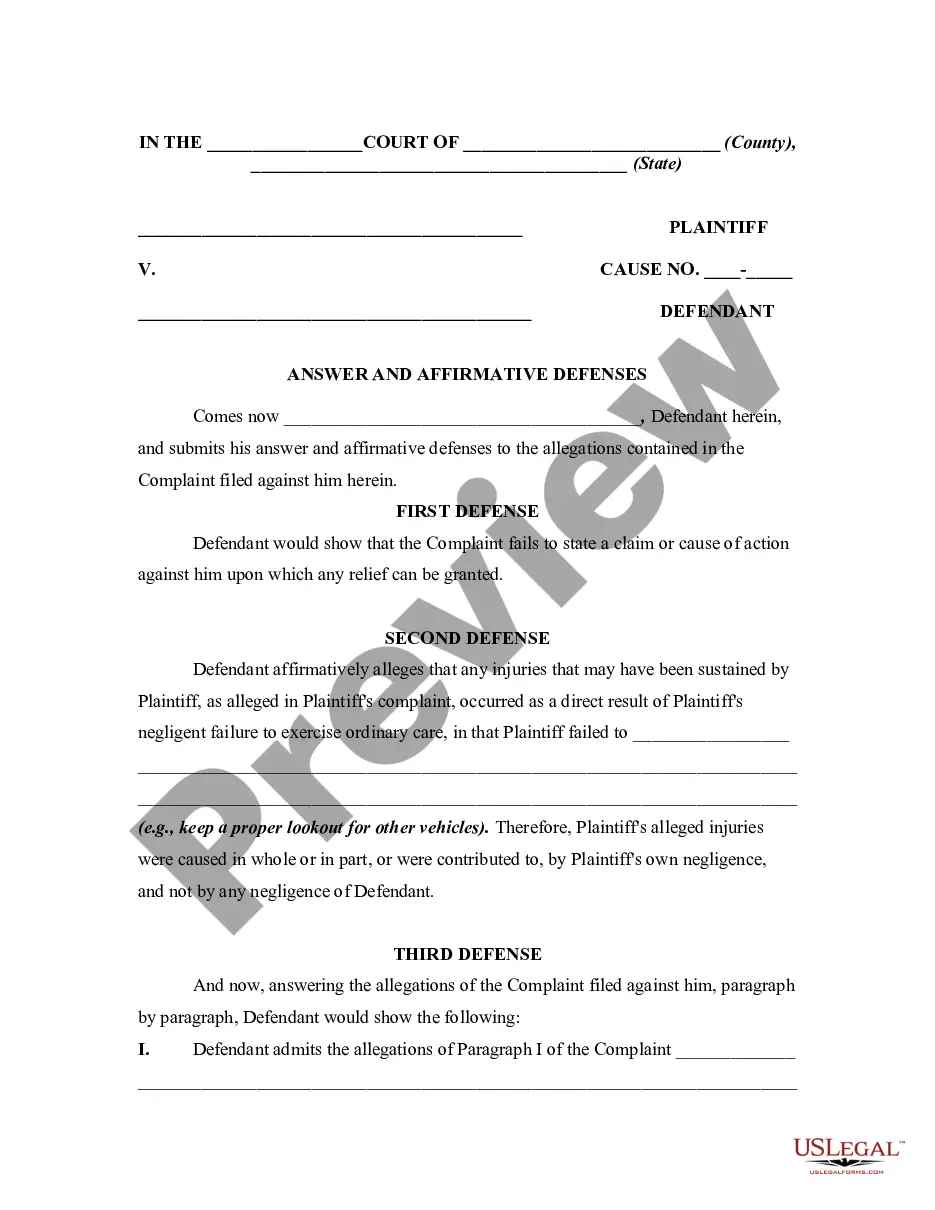
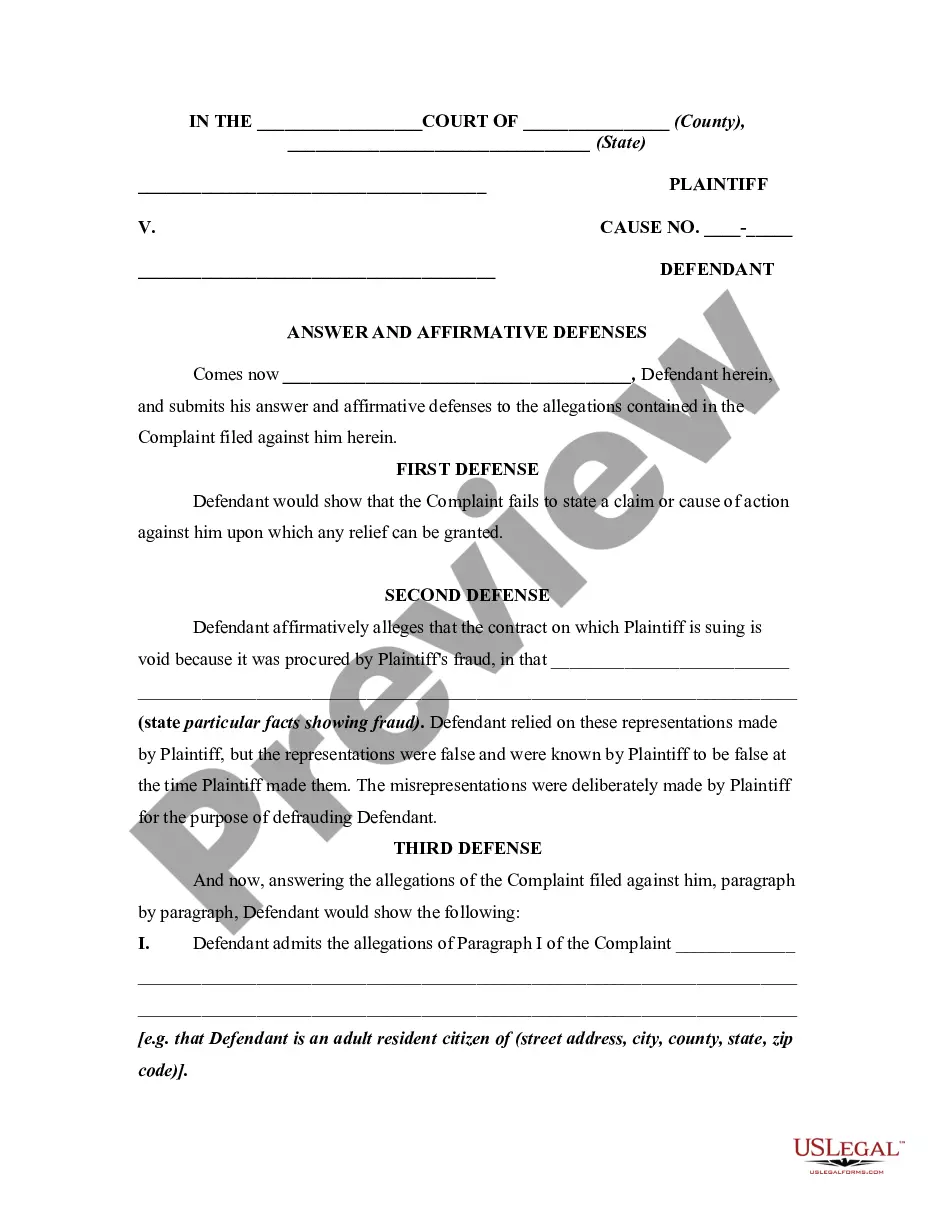
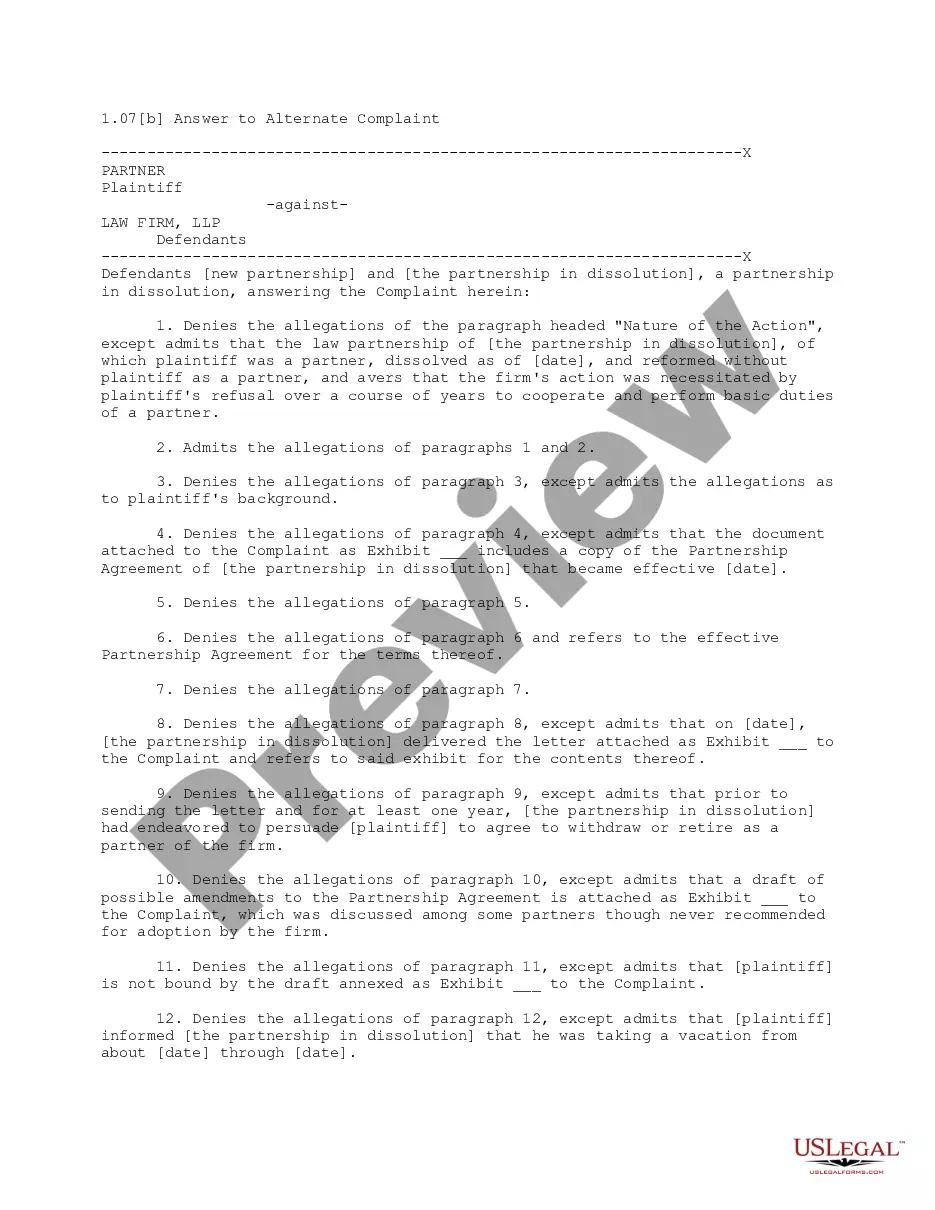
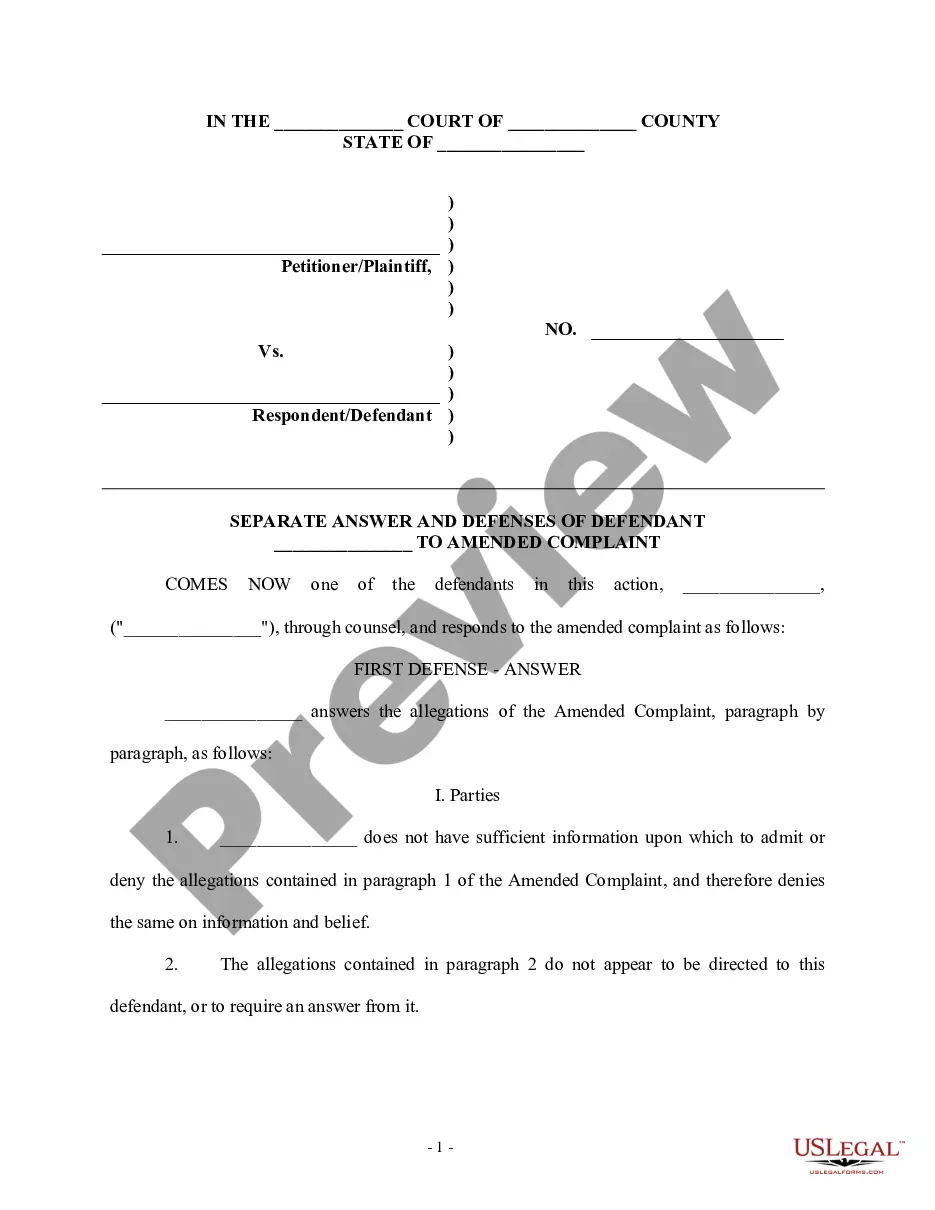
This form is a Separate Answer and Affirmative Defense to a Cross-Claim. The form provides that the cross-claim fails to state a claim upon which relief can be granted. Therefore, it is requested that the cross-claim be dismissed with prejudice, with all costs assessed against the cross-plaintiff.
Arizona Separate Answer and Affirmative Defenses to Crossclaim
Instant download
Description
Free preview

Get your form ready online
Our built-in tools help you complete, sign, share, and store your documents in one place.
Built-in online Word editor
Make edits, fill in missing information, and update formatting in US Legal Forms—just like you would in MS Word.
Export easily
Download a copy, print it, send it by email, or mail it via USPS—whatever works best for your next step.
E-sign your document
Sign and collect signatures with our SignNow integration. Send to multiple recipients, set reminders, and more. Go Premium to unlock E-Sign.
Notarize online 24/7
If this form requires notarization, complete it online through a secure video call—no need to meet a notary in person or wait for an appointment.
Store your document securely
We protect your documents and personal data by following strict security and privacy standards.

Make edits, fill in missing information, and update formatting in US Legal Forms—just like you would in MS Word.

Download a copy, print it, send it by email, or mail it via USPS—whatever works best for your next step.

Sign and collect signatures with our SignNow integration. Send to multiple recipients, set reminders, and more. Go Premium to unlock E-Sign.

If this form requires notarization, complete it online through a secure video call—no need to meet a notary in person or wait for an appointment.

We protect your documents and personal data by following strict security and privacy standards.
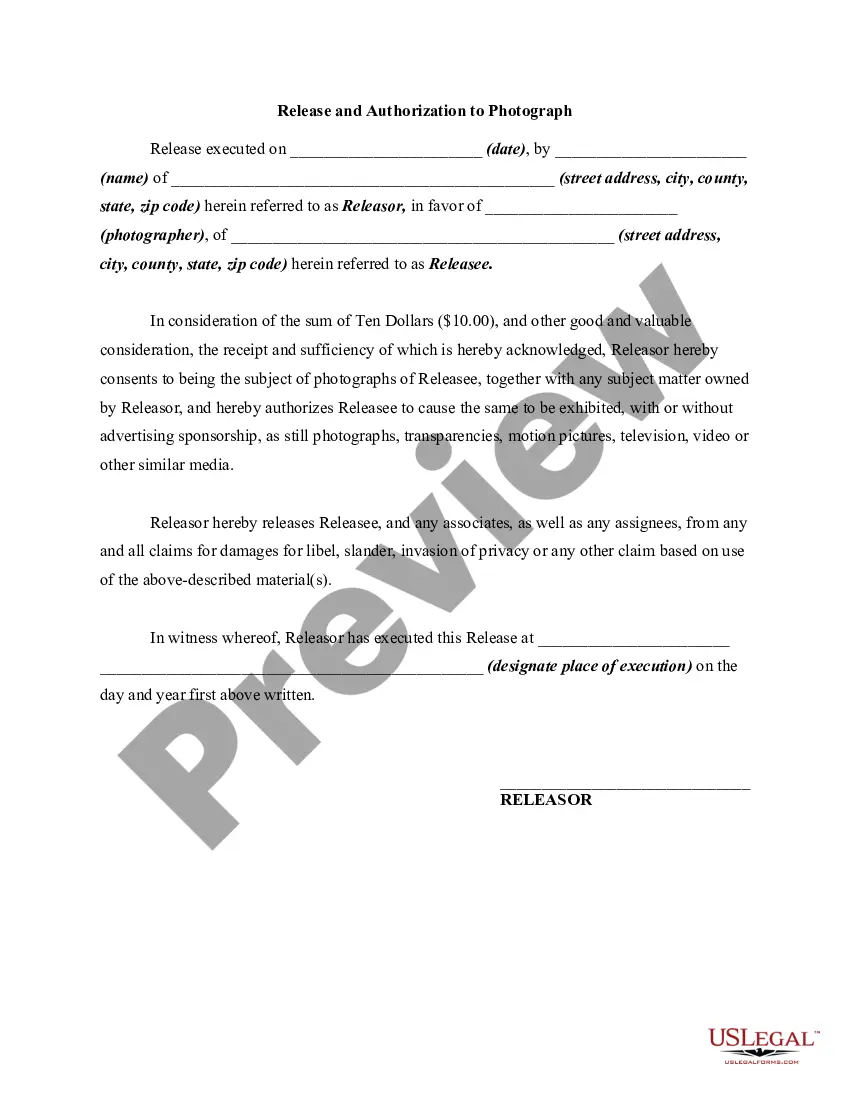
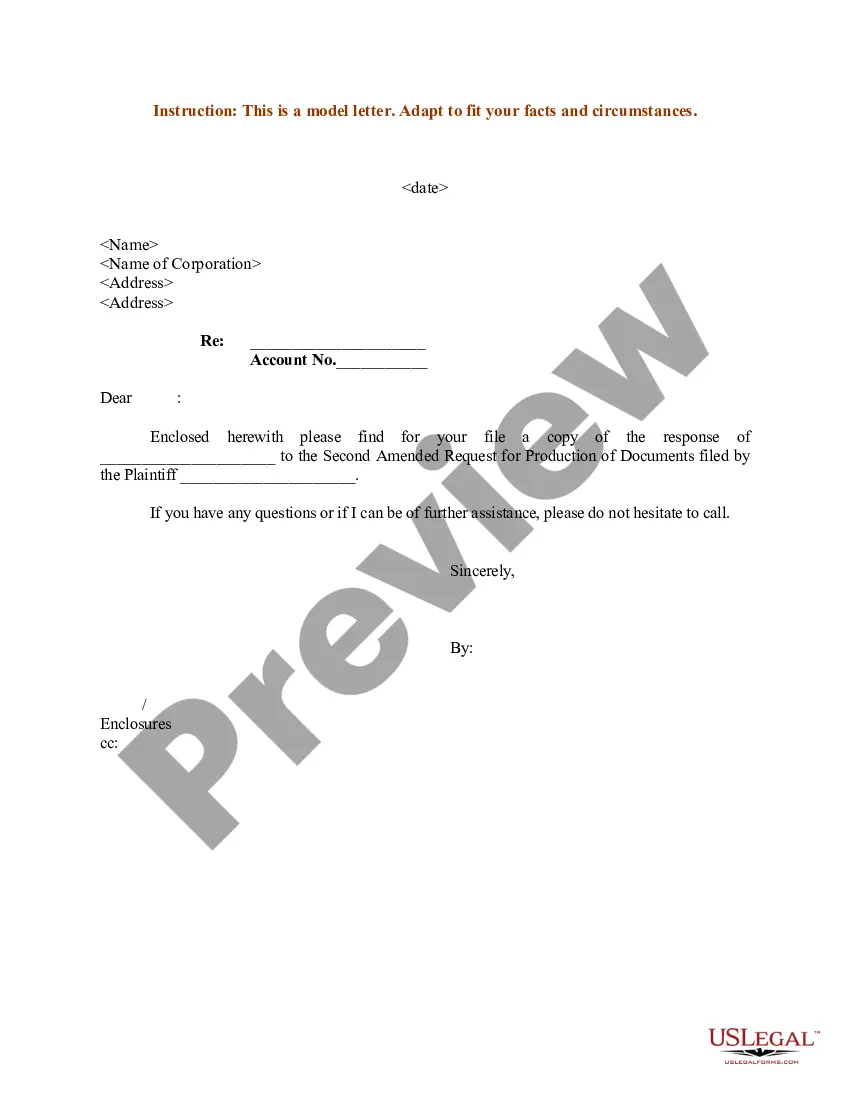
Looking for another form?







How to fill out Separate Answer And Affirmative Defenses To Crossclaim?
Are you in a situation where you require documents for either professional or personal purposes almost all the time.
There are numerous legal document templates accessible online, but finding reliable ones is not easy.
US Legal Forms provides thousands of form templates, including the Arizona Separate Answer and Affirmative Defenses to Crossclaim, which are designed to meet state and federal requirements.
Use US Legal Forms, the most extensive collection of legal forms, to save time and prevent mistakes.
The service provides properly crafted legal document templates that can be utilized for various purposes. Create an account on US Legal Forms and start making your life a bit easier.
- If you are already familiar with the US Legal Forms website and have an account, simply Log In.
- After that, you can download the Arizona Separate Answer and Affirmative Defenses to Crossclaim template.
- If you do not have an account and wish to start using US Legal Forms, follow these steps.
- Find the form you need and ensure it is for the correct area/county.
- Utilize the Review button to evaluate the form.
- Read the description to confirm that you have selected the appropriate form.
- If the form isn’t what you are looking for, use the Research field to find the form that suits your needs and requirements.
- Once you locate the correct form, click Purchase now.
- Select the pricing plan you want, enter the necessary information to create your account, and complete the transaction using your PayPal or Visa or Mastercard.
- Choose a convenient file format and download your copy.
- Access all the document templates you have purchased in the My documents menu. You can obtain another copy of the Arizona Separate Answer and Affirmative Defenses to Crossclaim whenever needed. Just select the required form to download or print the document template.
Form popularity
FAQ
Several defenses can be used in Arizona. These include self-defense, insanity, and justification. Duress belongs under the affirmative defense justification. This means that a crime has been committed but under mitigating circumstances that should negate the guilt of the defendant.
(1) Generally. A party seeking reconsideration of a court order or ruling may file a motion for reconsideration. (2) Procedure. All such motions, however denominated, must be submitted without oral argument and without the filing of a responsive or reply memorandum, unless the court orders otherwise.
List of Affirmative Defenses Abandonment of Trademark. and Satisfaction. Acquiescence. Act of God. Adequate Warning. Adhesion. Adverse Possession. Agency.
(C) A party must file and serve a reply to an answer within 20 days after being served with an order to reply, unless the order specifies a different time.
Rule 8 of the Arizona Rules of Criminal Procedure governs the maximum time limit when a trial must begin after charges have been filed. This is often called the ?Speedy Trial Right?.
A crossclaim seeks affirmative relief against a co-party in the lawsuit such as a co- defendant. Crossclaims are generally permissive in that they may be brought in the same suit if they arise out of the same transaction or occurrence, but some state courts allow cross claims to be brought in a sep- arate suit.
In responding to a pleading, a party must affirmatively state any avoidance or affirmative defense, including: (A) and satisfaction; (B) arbitration and award; (C) assumption of risk; (D) contributory negligence; (E) duress; (F) estoppel; (G) failure of consideration; (H) fraud; (I) illegality; (J) laches; (K) ...
Self-defense, entrapment, insanity, necessity, and respondeat superior are some examples of affirmative defenses. Under the Federal Rules of Civil Procedure Rule 56, any party may make a motion for summary judgment on an affirmative defense.