Arizona Rental Lease Agreement for Roommate
Description
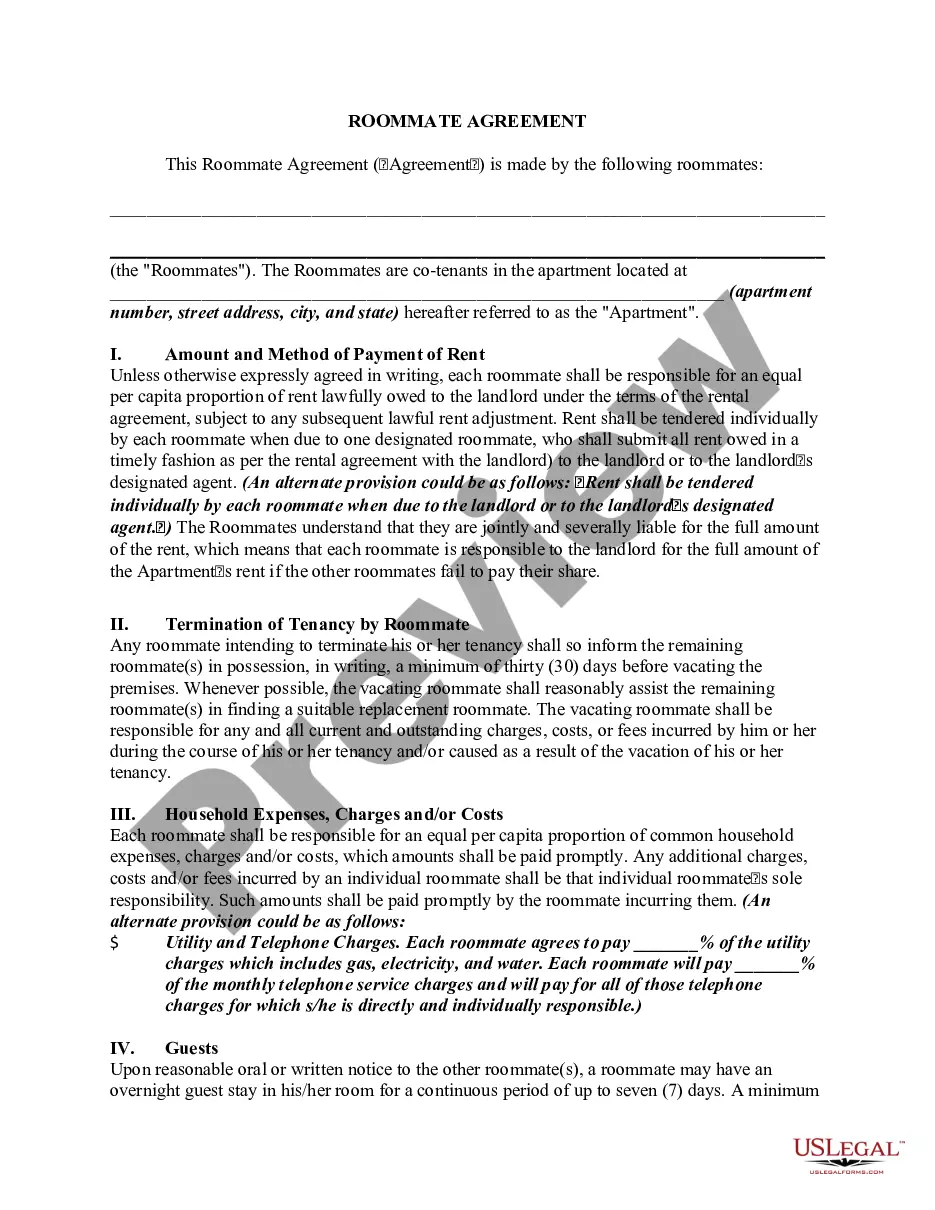
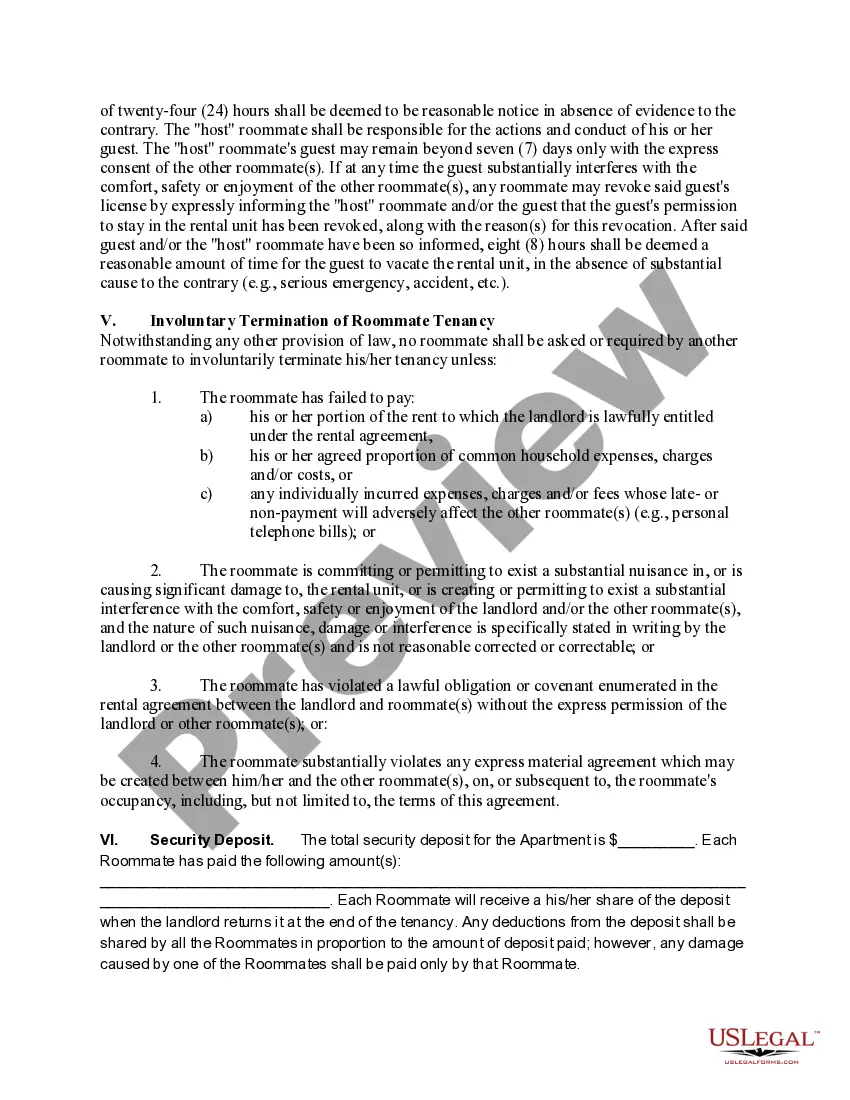
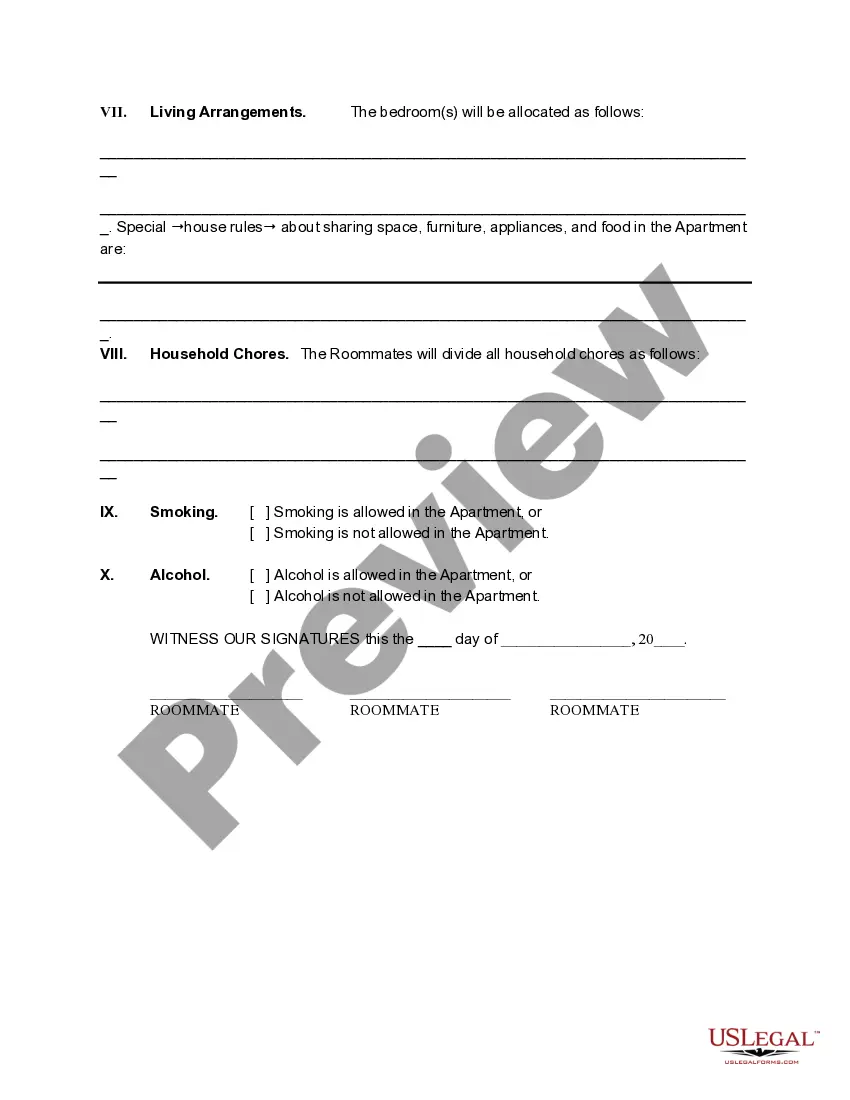
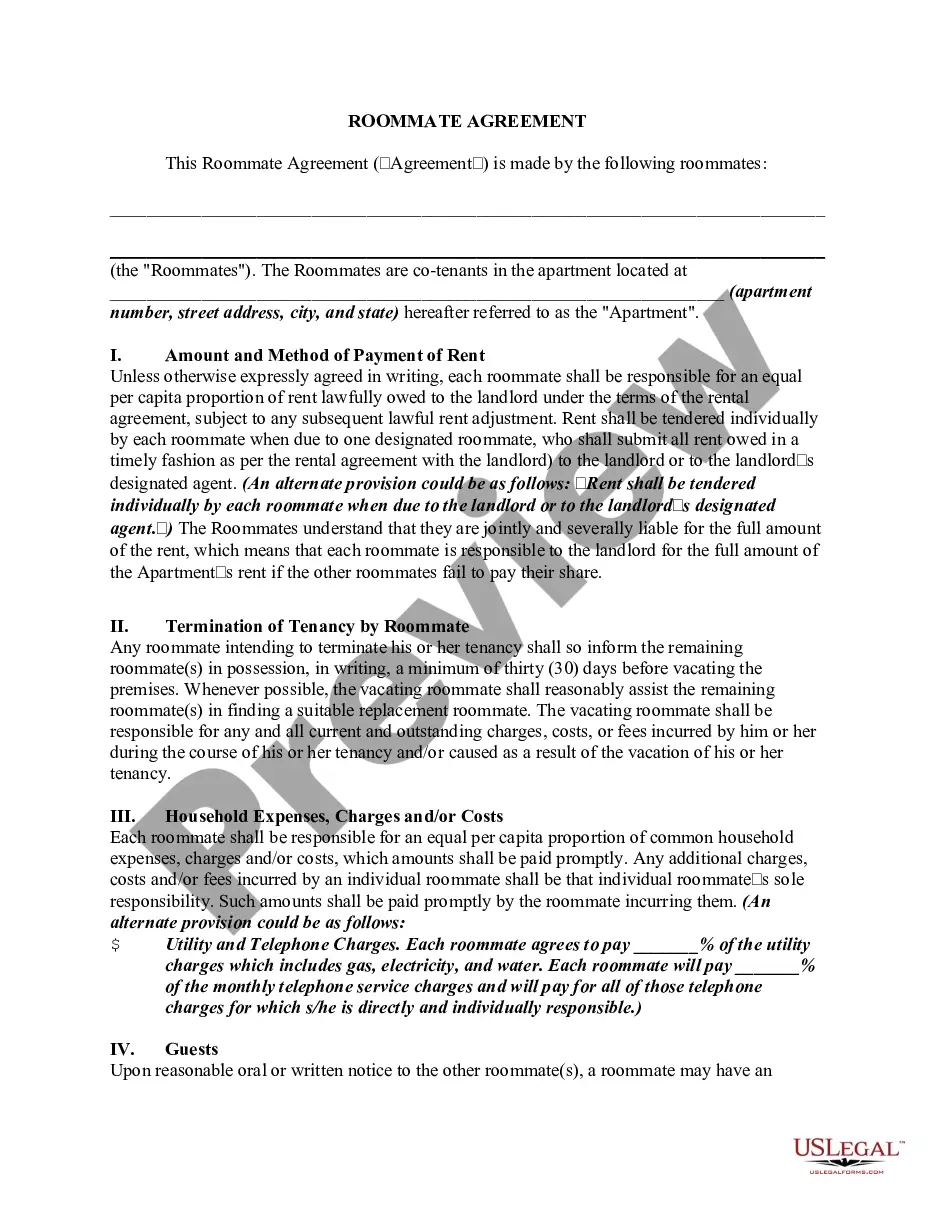
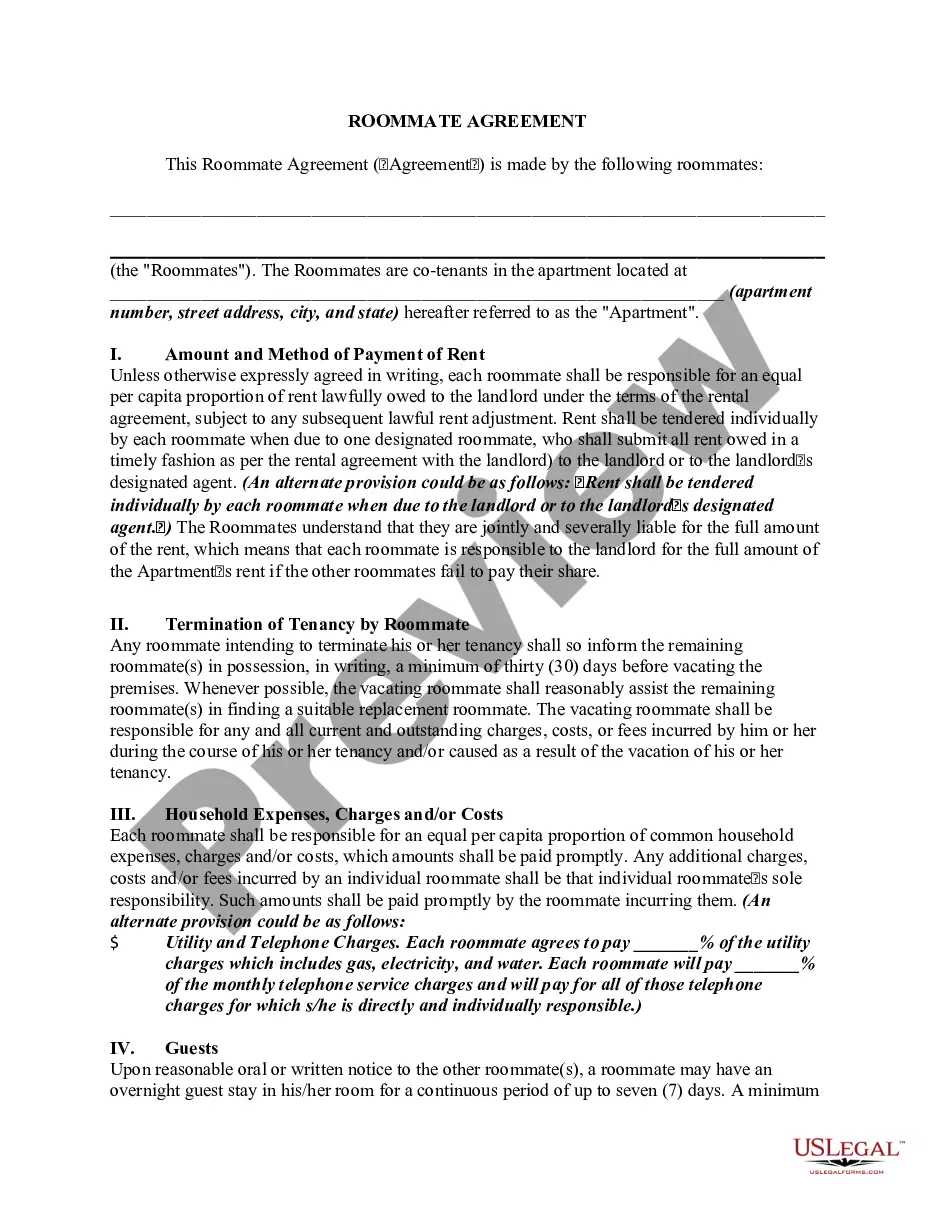
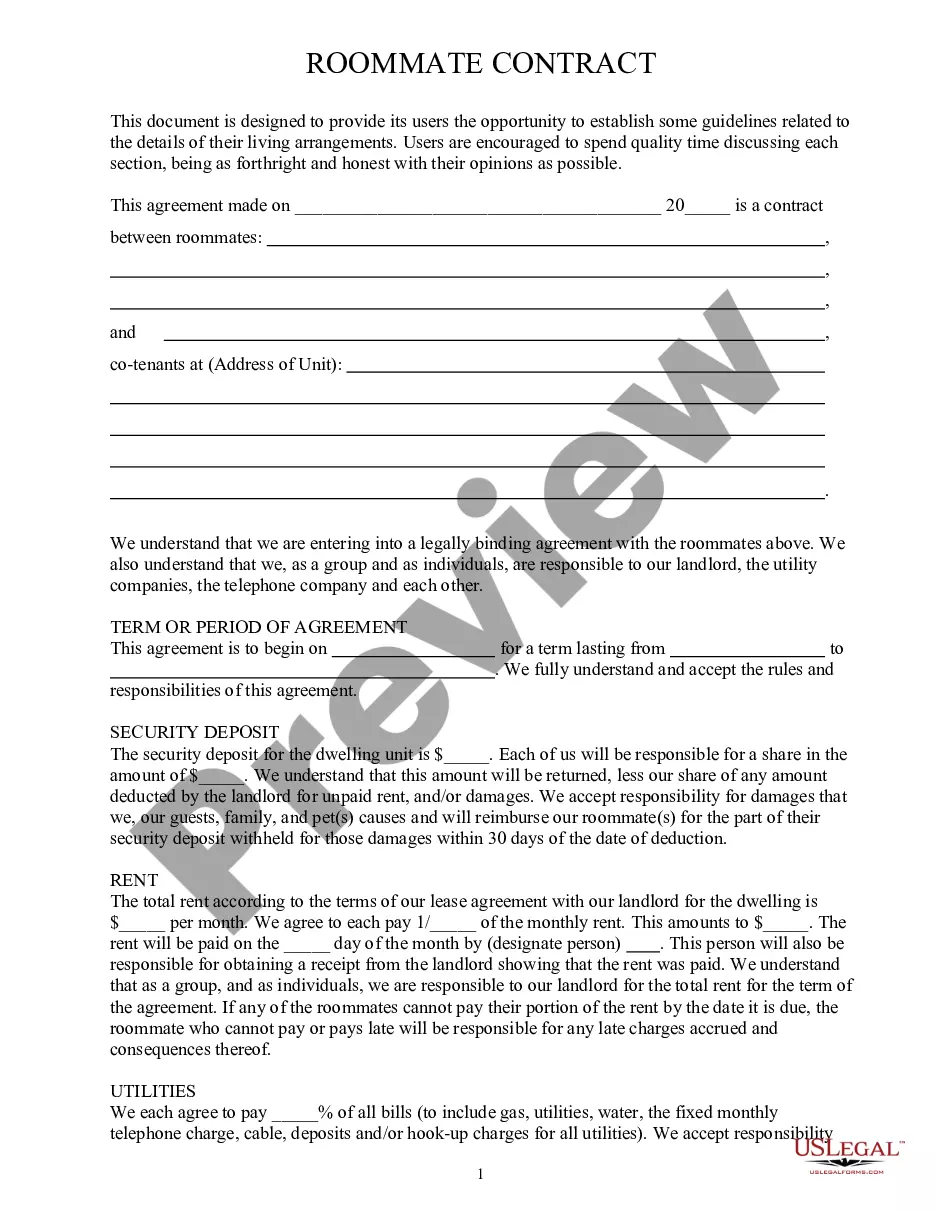
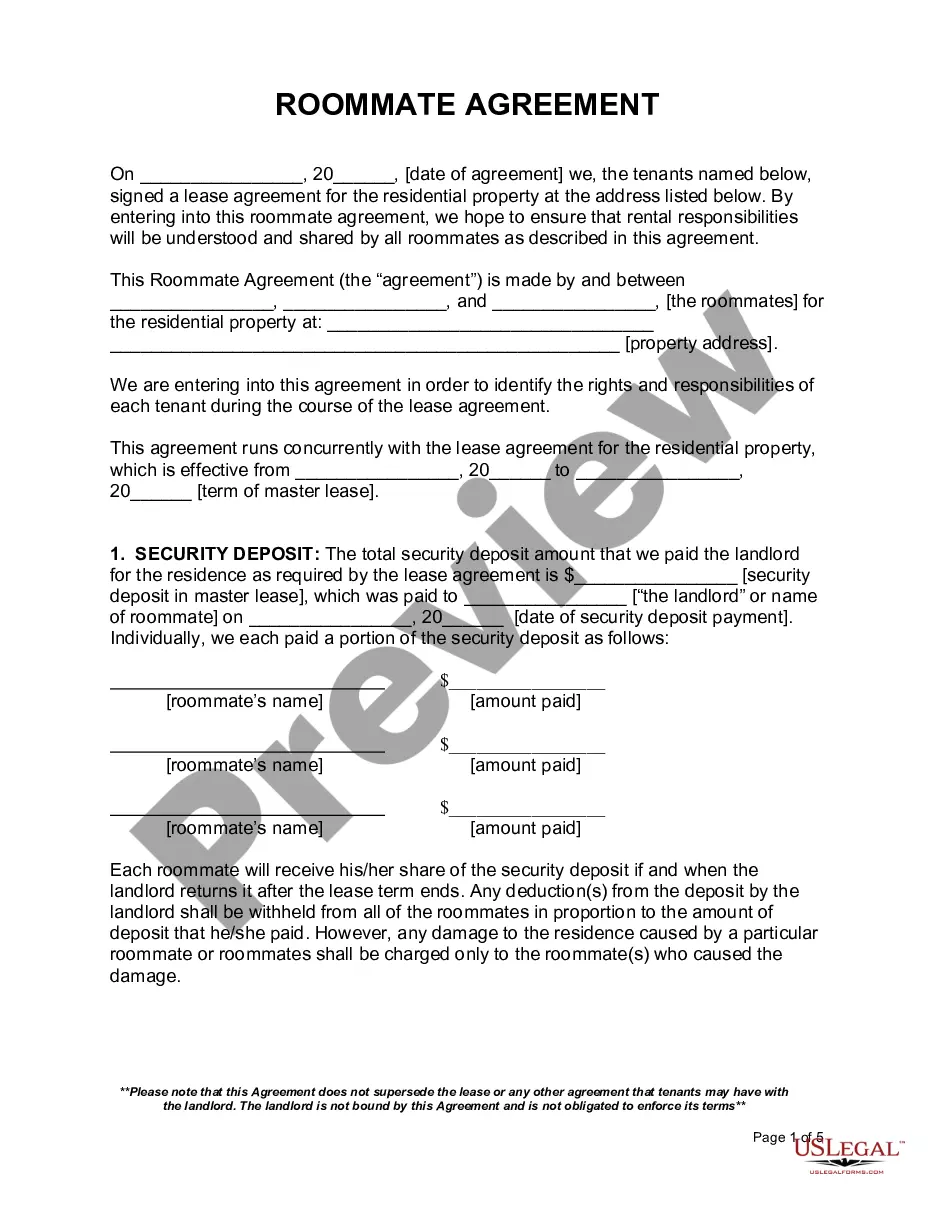
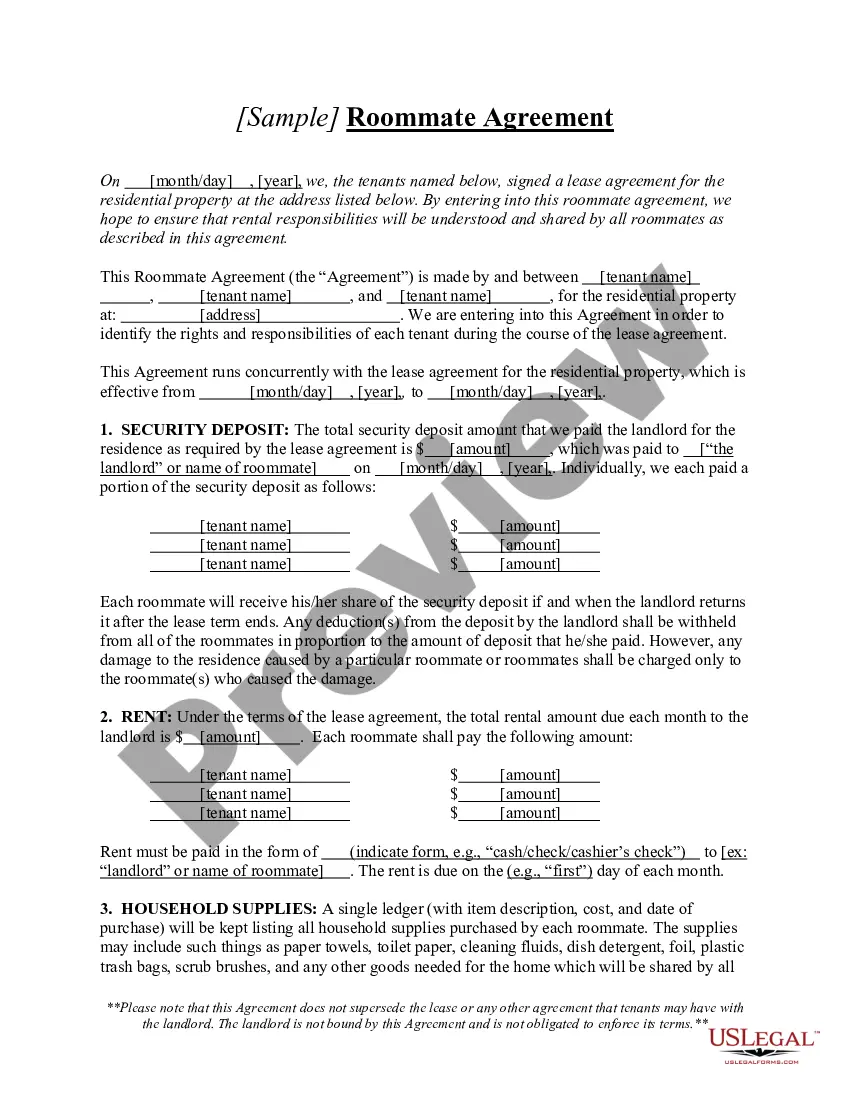
Get your form ready online
Our built-in tools help you complete, sign, share, and store your documents in one place.
Make edits, fill in missing information, and update formatting in US Legal Forms—just like you would in MS Word.
Download a copy, print it, send it by email, or mail it via USPS—whatever works best for your next step.
Sign and collect signatures with our SignNow integration. Send to multiple recipients, set reminders, and more. Go Premium to unlock E-Sign.
If this form requires notarization, complete it online through a secure video call—no need to meet a notary in person or wait for an appointment.
We protect your documents and personal data by following strict security and privacy standards.

Make edits, fill in missing information, and update formatting in US Legal Forms—just like you would in MS Word.

Download a copy, print it, send it by email, or mail it via USPS—whatever works best for your next step.

Sign and collect signatures with our SignNow integration. Send to multiple recipients, set reminders, and more. Go Premium to unlock E-Sign.

If this form requires notarization, complete it online through a secure video call—no need to meet a notary in person or wait for an appointment.

We protect your documents and personal data by following strict security and privacy standards.
Looking for another form?

How to fill out Rental Lease Agreement For Roommate?
Locating the appropriate authentic document format can be a challenge.
Of course, there are numerous templates accessible online, but how do you find the genuine version you require.
Utilize the US Legal Forms website. This service offers a vast assortment of templates, including the Arizona Rental Lease Agreement for Roommate, suitable for both business and personal purposes.
You can view the form using the Preview option and read the form details to confirm it is right for you.
- All forms are evaluated by professionals and comply with federal and state regulations.
- If you are already a registered user, Log In to your account and click the Download button to access the Arizona Rental Lease Agreement for Roommate.
- Use your account to review the official forms you have previously purchased.
- Go to the My documents section of your account to obtain another copy of the file you require.
- If you are a first-time user of US Legal Forms, follow these simple instructions.
- First, ensure you have chosen the correct form for your specific area/state.
Form popularity
FAQ
The primary difference is that a lease agreement is a contract with the landlord, while a roommate agreement is a mutual arrangement between individuals sharing a rental space. An Arizona Rental Lease Agreement for Roommate outlines legal obligations to the landlord, while a roommate agreement focuses on daily living expectations and responsibilities among the roommates. Understanding this distinction helps ensure both documents complement each other effectively.
When drafting a roommate agreement, consider including details about rent payments, shared expenses, cleaning responsibilities, guest policies, and quiet hours. These elements create a clear understanding of expectations. Additionally, make sure both parties agree on the terms to foster a respectful living environment.
A roommate agreement is a legally binding document, but its enforceability can vary based on state laws and specific terms included in the agreement. While it may not carry the same weight as an Arizona Rental Lease Agreement for Roommate, it can still be used to resolve disputes in court. To ensure your agreement holds up legally, consider including clear terms and having it signed by all roommates.
Signing a lease with roommates involves all parties agreeing to the terms outlined in the Arizona Rental Lease Agreement for Roommate. Each roommate is usually responsible for rent and any other obligations specified in the lease. Everyone should review the lease thoroughly to ensure they understand their commitments before signing.
A roommate agreement provides clarity and structure in shared living situations. It helps prevent misunderstandings by detailing responsibilities, rent payments, and house rules between roommates. Additionally, it can serve as a reference point if disputes arise, making living together more harmonious.
Yes, you can break your lease, but the process may depend on your lease terms and local laws. If you have an Arizona Rental Lease Agreement for Roommate, check if it allows for lease termination under certain conditions. It’s best to discuss any changes with your roommate and consult legal or rental guidelines to avoid potential financial penalties.
A roommate agreement is a document that outlines the responsibilities and expectations between roommates living in the same property. In contrast, a lease, such as an Arizona Rental Lease Agreement for Roommate, is a formal contract between a landlord and a tenant. The lease covers the legal obligations of the tenants to the landlord, while the roommate agreement mainly focuses on shared living arrangements.
In Arizona, you can request that someone who is not on the lease leave your home, provided you follow proper legal procedures. However, ensure you are aware of local tenancy laws to avoid potential disputes. An Arizona Rental Lease Agreement for Roommate can help establish clear boundaries and help you navigate these situations effectively.
Yes, you can live with someone without being on the tenancy; however, your rights may be limited if issues arise. Always ensure you understand the lease terms, as some landlords forbid non-tenants from living in the property. Utilizing an Arizona Rental Lease Agreement for Roommate can provide clarity and protection for your living situation.
A lease typically binds the main tenant and the landlord, specifying the terms of the rental property. In contrast, a roommate agreement specifically outlines the relationship between roommates, covering shared responsibilities and rights. Drafting an Arizona Rental Lease Agreement for Roommate helps ensure that all parties agree on how to handle shared living arrangements.