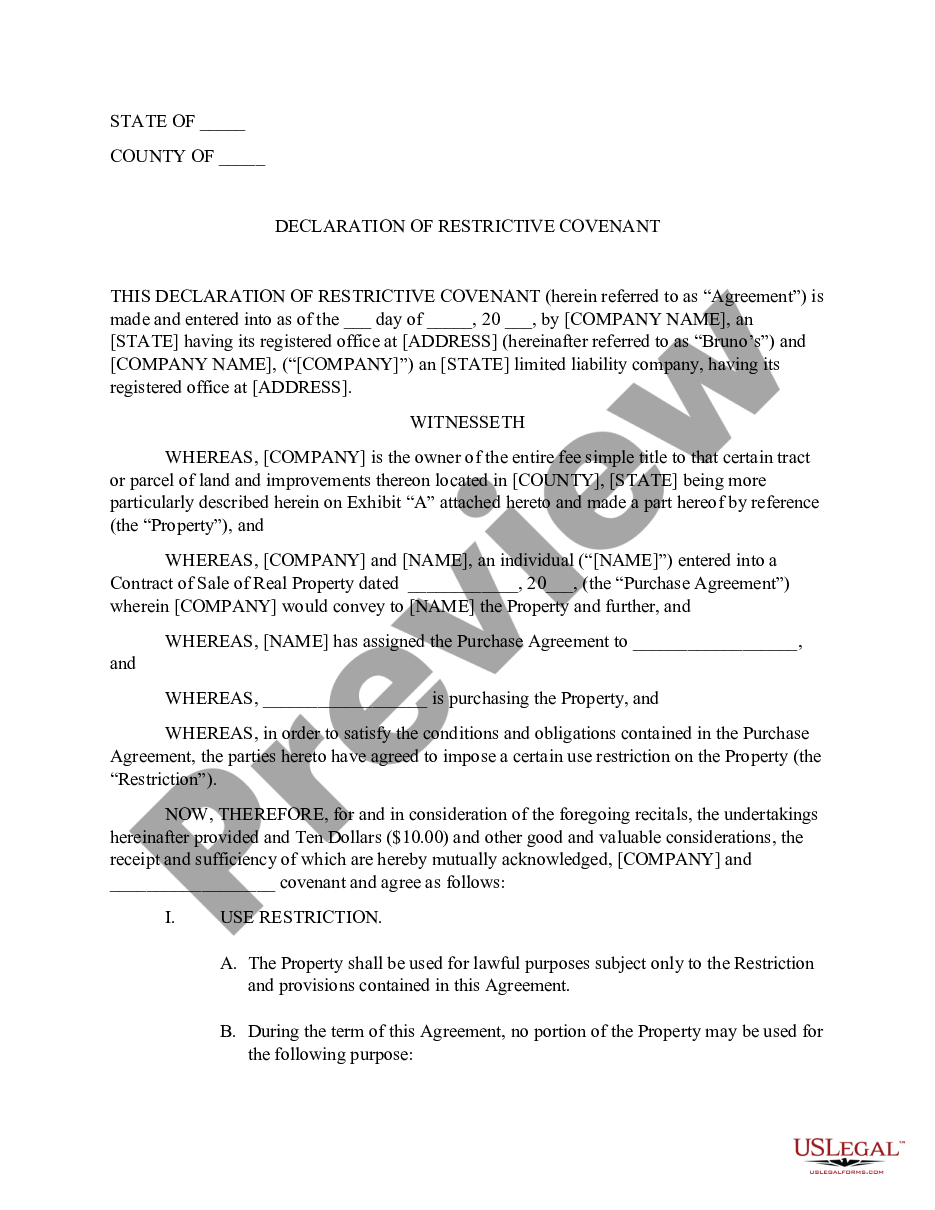
In a deed, a grantee may agree to do something or refrain from doing certain acts. This agreement will become a binding contract between the grantor and the grantee. An example would be an agreement to maintain fences on the property or that the property will only be used for residential purposes. This kind of covenant is binding, not only between the grantor and the grantee, but also runs with the land. This means that anyone acquiring the land from the grantee is also bound by the covenant of the grantee. A covenant that provides that the grantee will refrain from certain conduct is called a restrictive or protective covenant. For example, there may be a covenant that no mobile home shall be placed on the property.
A restrictive or protective covenant may limit the kind of structure that can be placed on the property and may also restrict the use that can be made of the land. For example, when a tract of land is developed for individual lots and homes to be built, it is common to use the same restrictive covenants in all of the deeds in order to cause uniform restrictions and patterns on the property. For example, the developer may provide that no home may be built under a certain number of square feet. Any person acquiring a lot within the tract will be bound by the restrictions if they are placed in the deed or a prior recorded deed. Also, these restrictive covenants may be placed in a document at the outset of the development entitled "Restrictive Covenants," and list all the restrictive covenants that will apply to the tracts of land being developed. Any subsequent deed can then refer back to the book and page number where these restrictive covenants are recorded. Any person owning one of the lots in the tract may bring suit against another lot owner to enforce the restrictive covenants. However, restrictive covenants may be abandoned or not enforceable by estoppel if the restrictive covenants are violated openly for a sufficient period of time in order for a Court to declare that the restriction has been abandoned.
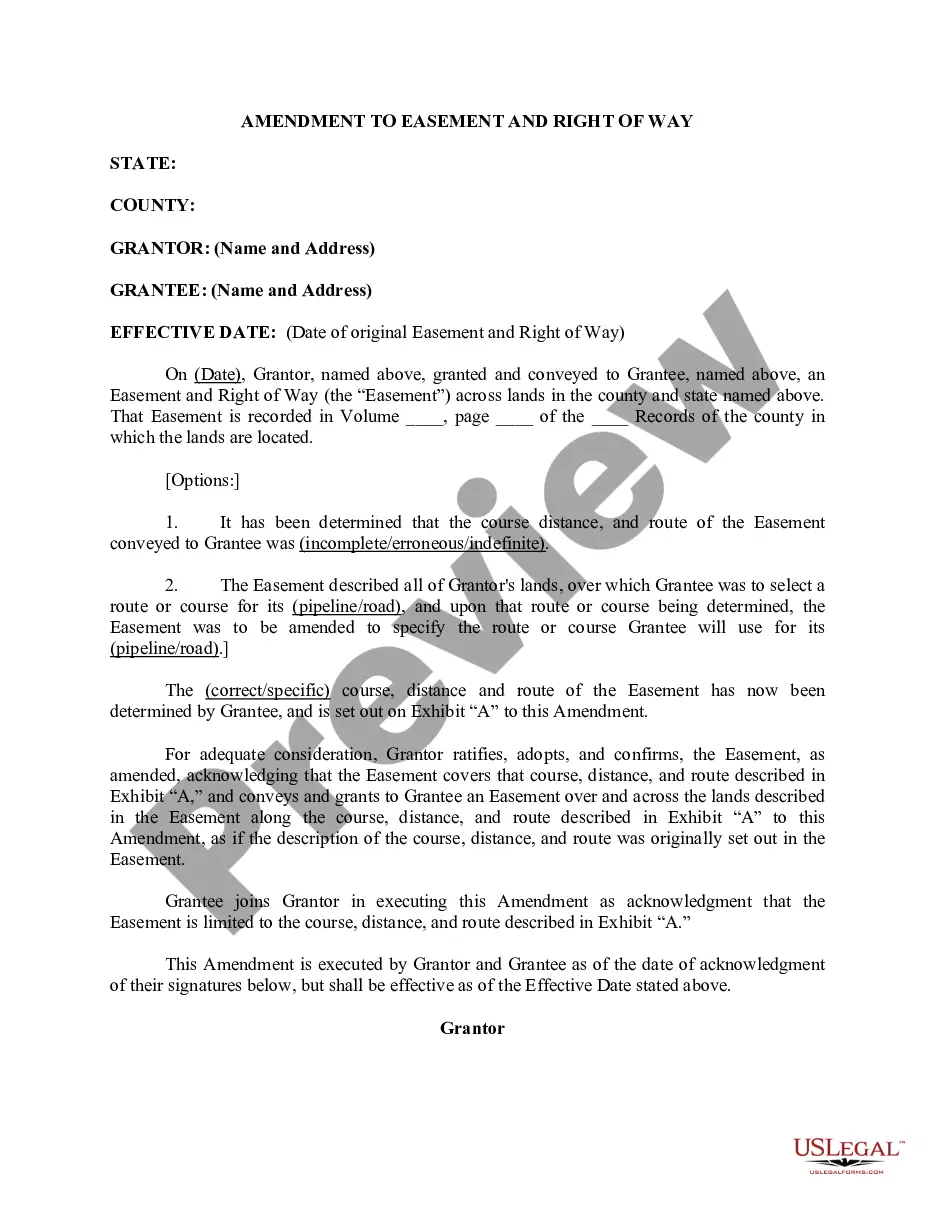
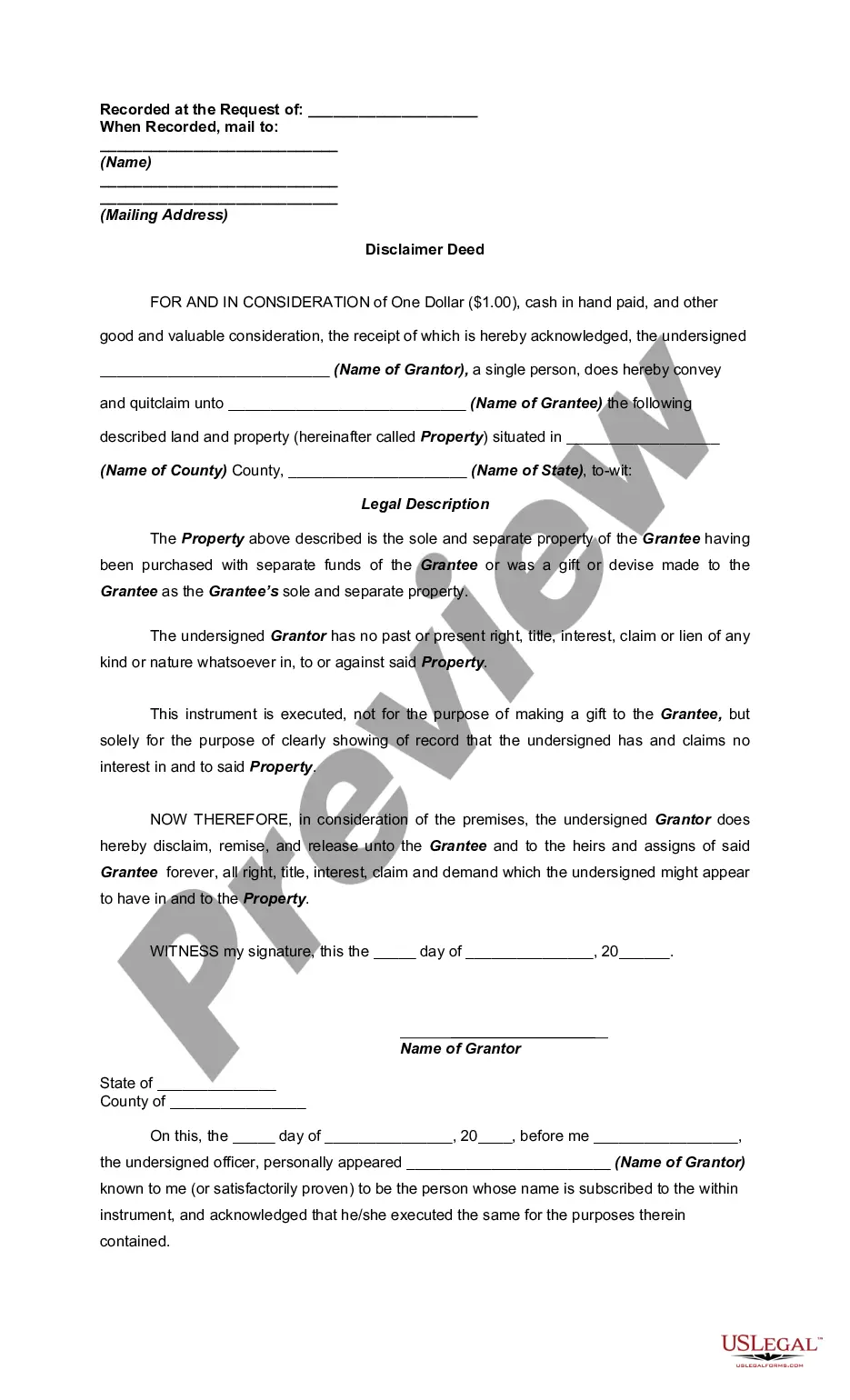
The following form shows one way in which Restrictive or Protective Covenants may be amended.
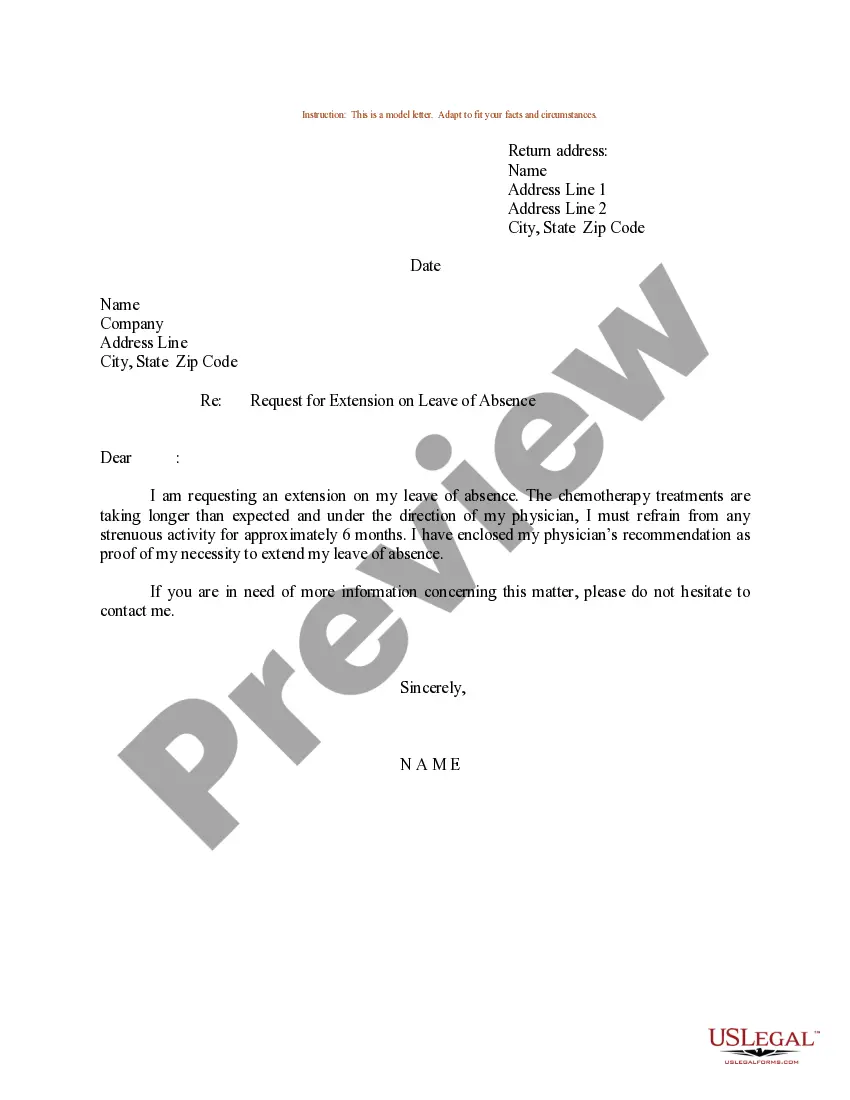
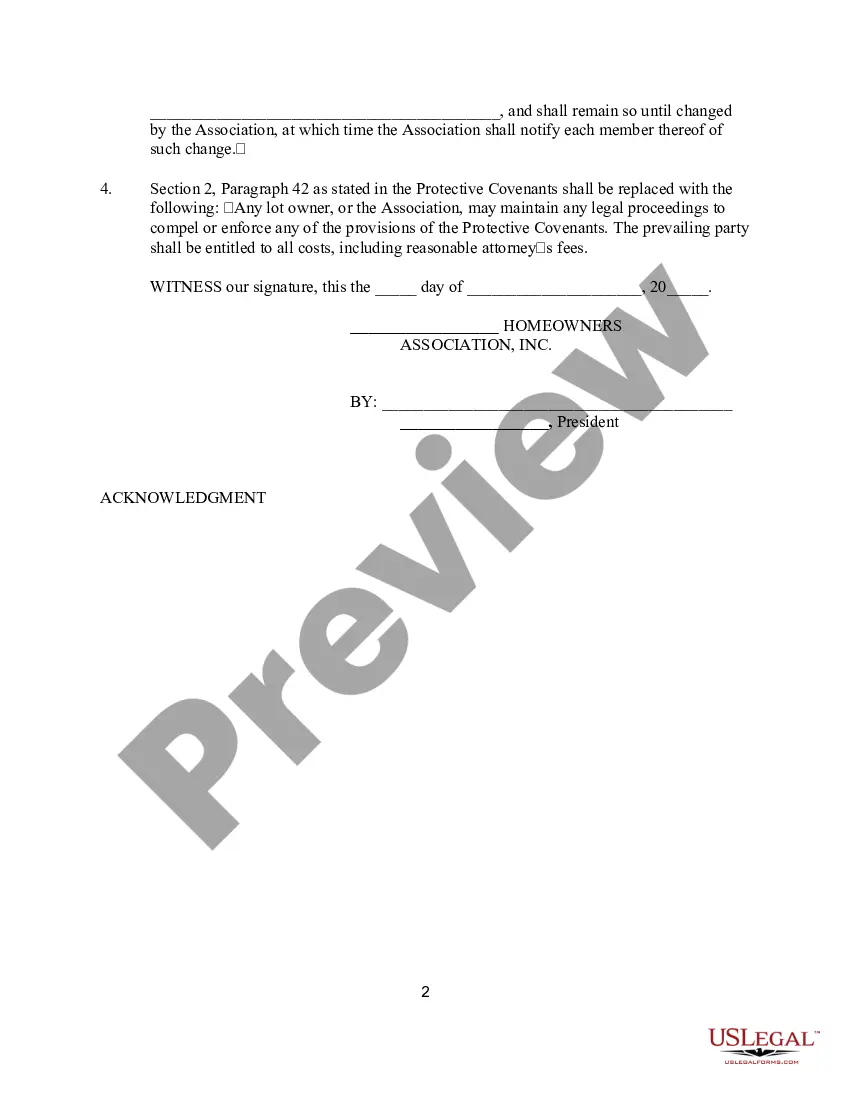
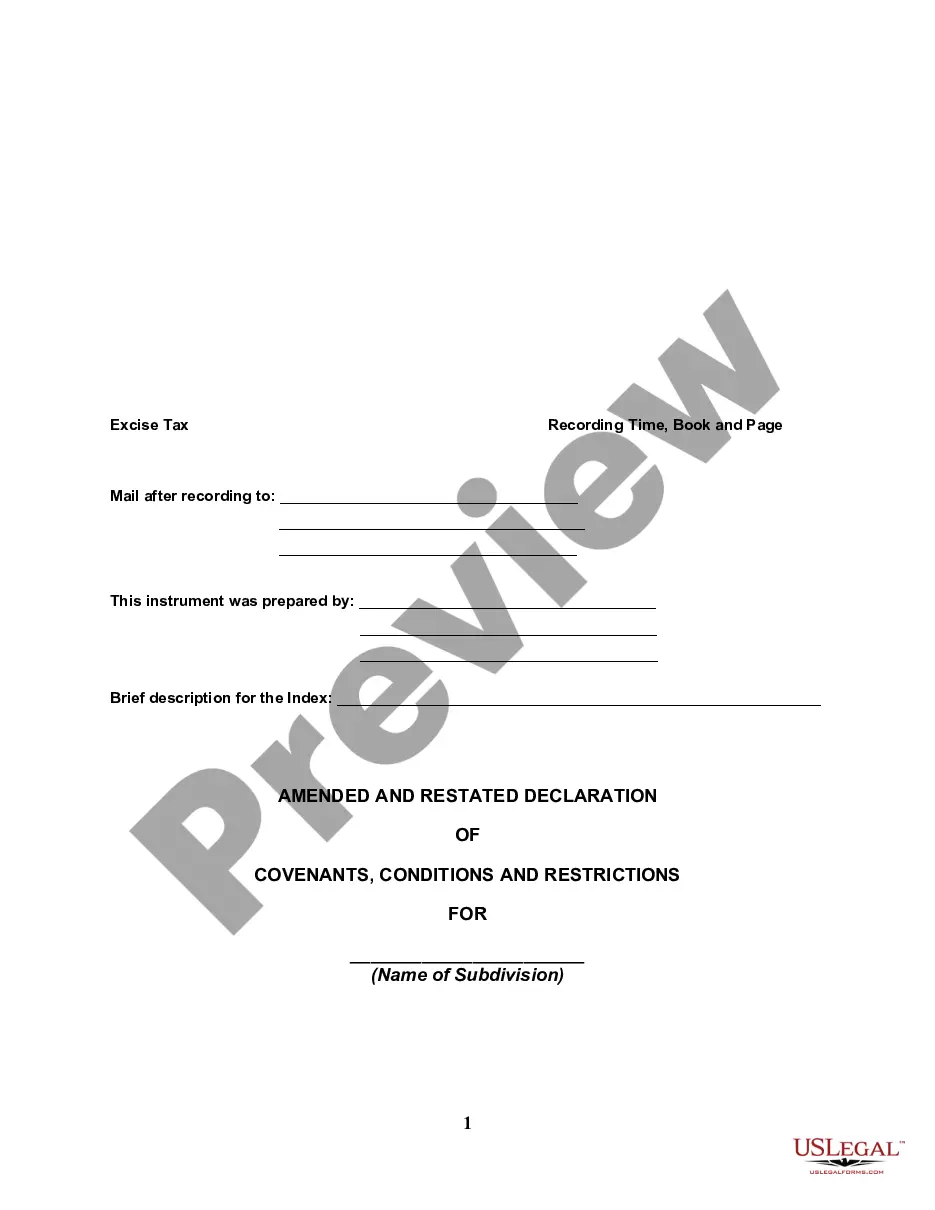
Arizona Amendment to Protective Covenant
Instant download
Description
Free preview

Get your form ready online
Our built-in tools help you complete, sign, share, and store your documents in one place.
Built-in online Word editor
Make edits, fill in missing information, and update formatting in US Legal Forms—just like you would in MS Word.
Export easily
Download a copy, print it, send it by email, or mail it via USPS—whatever works best for your next step.
E-sign your document
Sign and collect signatures with our SignNow integration. Send to multiple recipients, set reminders, and more. Go Premium to unlock E-Sign.
Notarize online 24/7
If this form requires notarization, complete it online through a secure video call—no need to meet a notary in person or wait for an appointment.
Store your document securely
We protect your documents and personal data by following strict security and privacy standards.

Make edits, fill in missing information, and update formatting in US Legal Forms—just like you would in MS Word.

Download a copy, print it, send it by email, or mail it via USPS—whatever works best for your next step.

Sign and collect signatures with our SignNow integration. Send to multiple recipients, set reminders, and more. Go Premium to unlock E-Sign.

If this form requires notarization, complete it online through a secure video call—no need to meet a notary in person or wait for an appointment.

We protect your documents and personal data by following strict security and privacy standards.
Looking for another form?



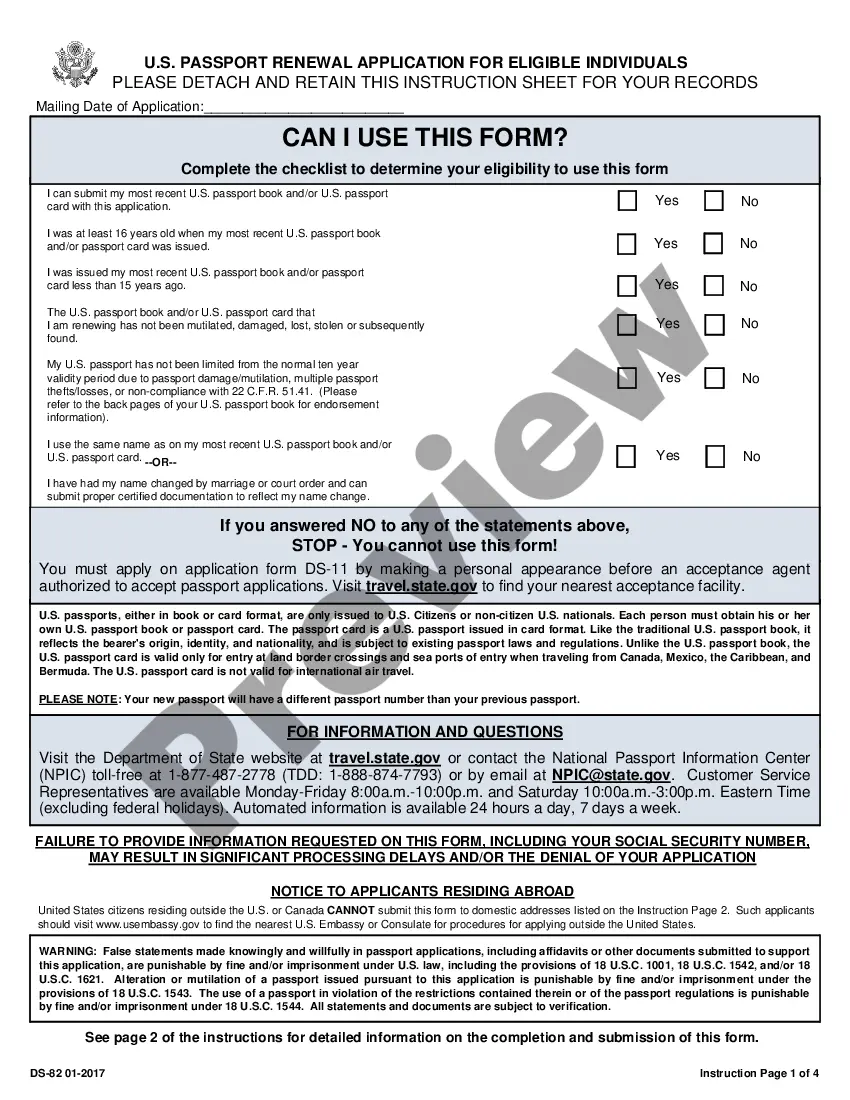



How to fill out Amendment To Protective Covenant?
US Legal Forms - one of the largest collections of legal documents in the United States - provides a plethora of legal document templates that you can download or print.
By utilizing the website, you can discover thousands of forms for business and personal purposes, organized by categories, claims, or keywords. You can find the latest forms such as the Arizona Amendment to Protective Covenant within moments.
If you currently hold a subscription, Log In and download the Arizona Amendment to Protective Covenant from the US Legal Forms archive. The Download option will appear on each form you view. You can access all previously downloaded forms in the My documents section of your account.
Process the transaction. Utilize your credit card or PayPal account to complete the transaction.
Select the format and the form onto your device.
- Ensure you have selected the correct form for your city/state.
- Select the option to analyze the form’s content.
- Review the form to confirm you've chosen the right one.
- If the form doesn’t fulfill your requirements, utilize the area at the top of the screen to find a suitable one.
- If you are satisfied with the form, confirm your choice by clicking the option.
- Then, select the payment plan you prefer and provide your information to register for the account.
Form popularity
FAQ
Although this case relates directly to development of property, it is clear that modifying restrictive covenants of any nature or kind is possible if deemed reasonable in the circumstances by the courts, which will of course be determined on a case-by-case basis.
If there is a restrictive covenant on your property you may be able to remove it. The first step would be to negotiate with the original developer or landowner to enter into a formal agreement to remove the covenants from the title.
Can I get a restrictive covenant removed? If there is a covenant on your property which is obsolete, you can make an application to the Upper Tribunal (Lands Chamber) (which use to be known as the Lands Tribunal) asking for the covenant to be discharged or modified.
If there is a restrictive covenant on your property you may be able to remove it. The first step would be to negotiate with the original developer or landowner to enter into a formal agreement to remove the covenants from the title.
The owner of the land that benefits from the restrictive covenant is the one who can enforce a breach in restrictive covenant, as they potentially stand to lose out as a result of the breach. If they choose to, they are the party that can take legal action against you.
By way of agreement; By way of drawing up a Deed of Release of Restrictive Covenant or; By applying to the Upper Tribunal to have the covenant removed, if it meets certain criteria, such as, the beneficiary is unknown, the covenant cannot be enforced or the covenant is unreasonable.
If a restrictive covenant has been breached, it is open to you to request that the person with the benefit of the covenant takes action to enforce it. To be enforceable, a restrictive covenant must not be: Ambiguous or uncertain. Prohibited by competition law.
What fees will I have to pay? The Lands Chamber is required by law to charge fees. The fee for lodging an application to discharge or modify restrictive covenants is £880. The fee for hearing an application is A£1,100, but this is reduced to A£275 if the Tribunal determines the application without a hearing.
If there is a covenant on your property which is obsolete, you can make an application to the Upper Tribunal (Lands Chamber) (which use to be known as the Lands Tribunal) asking for the covenant to be discharged or modified.