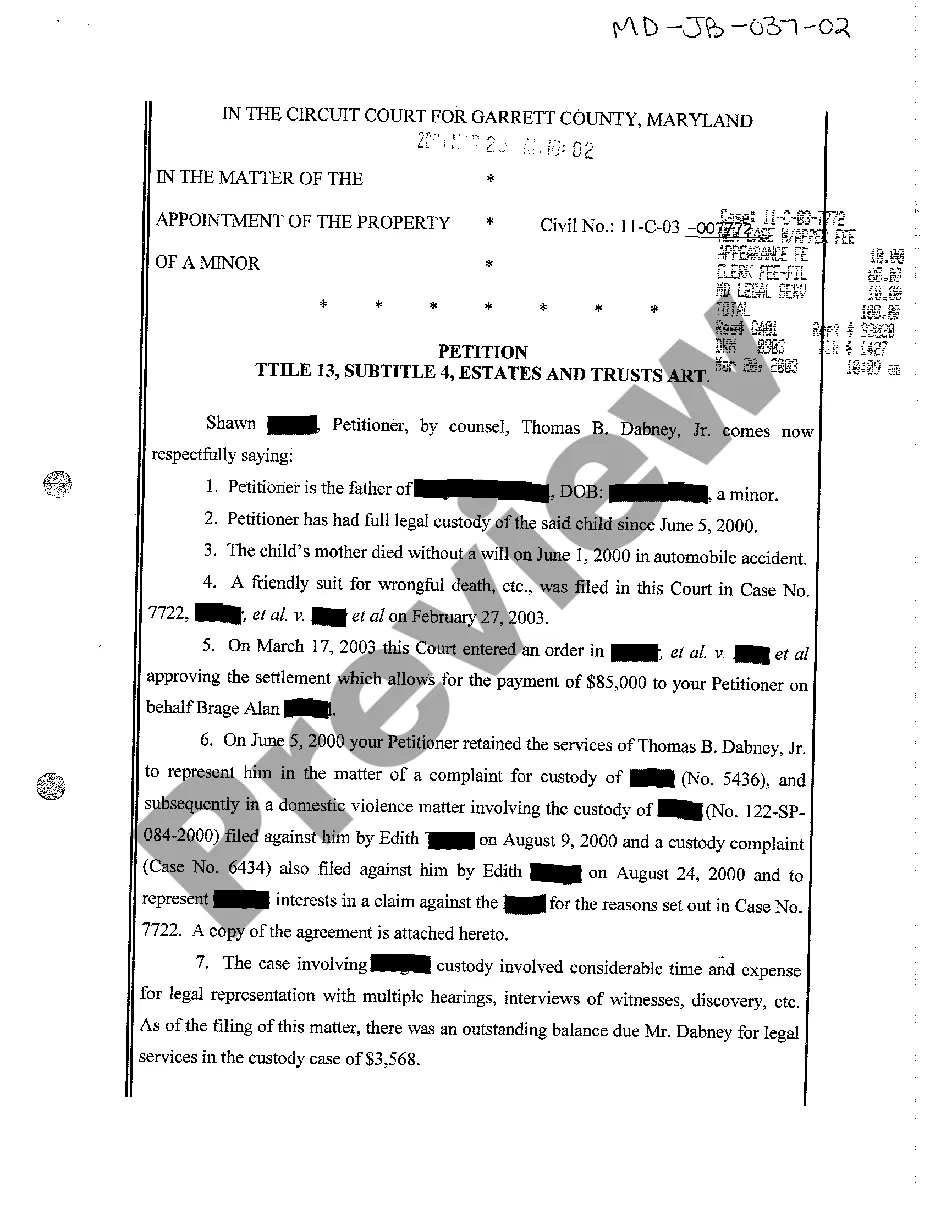
Arizona Overdue Account
Understanding this form
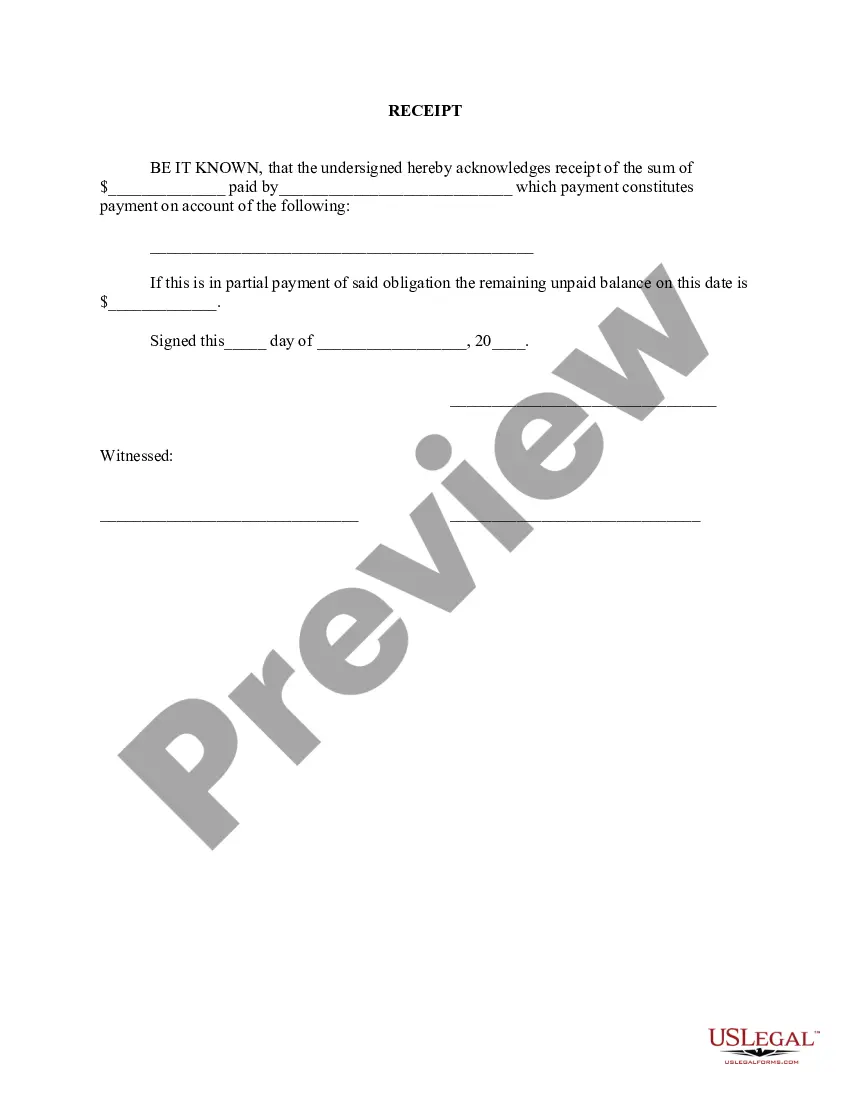
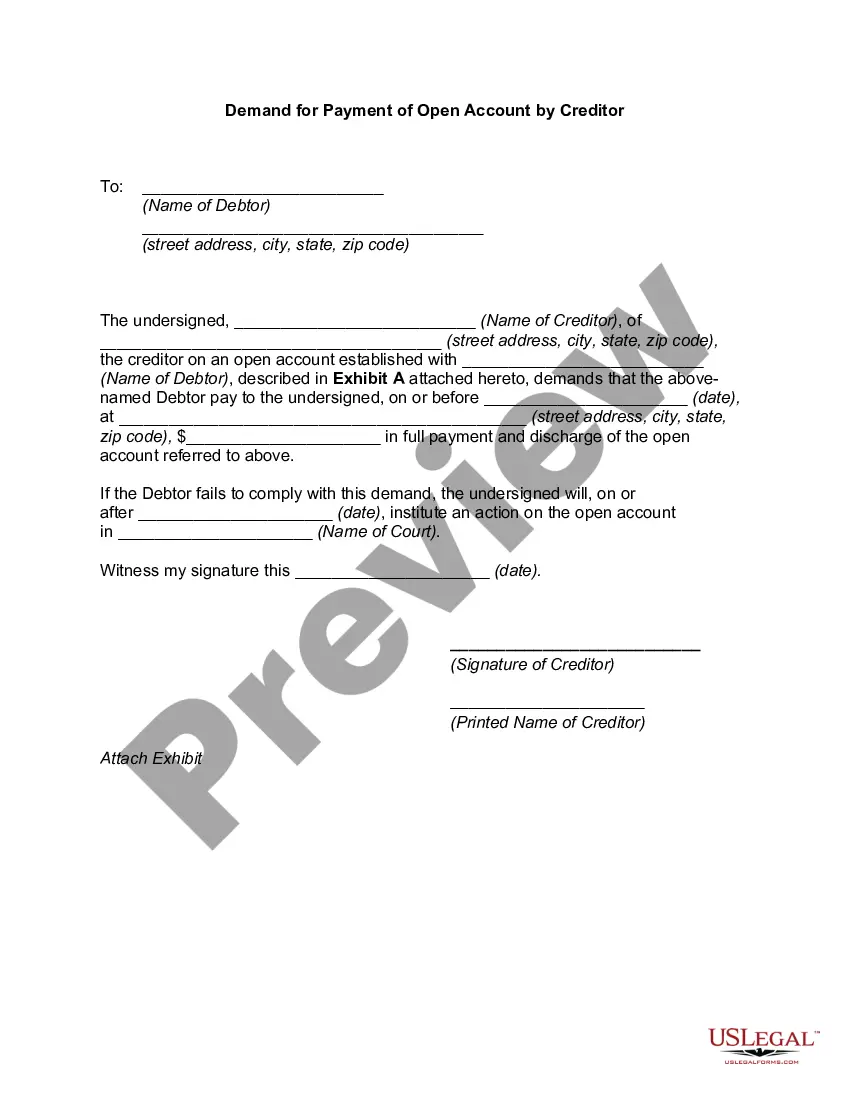
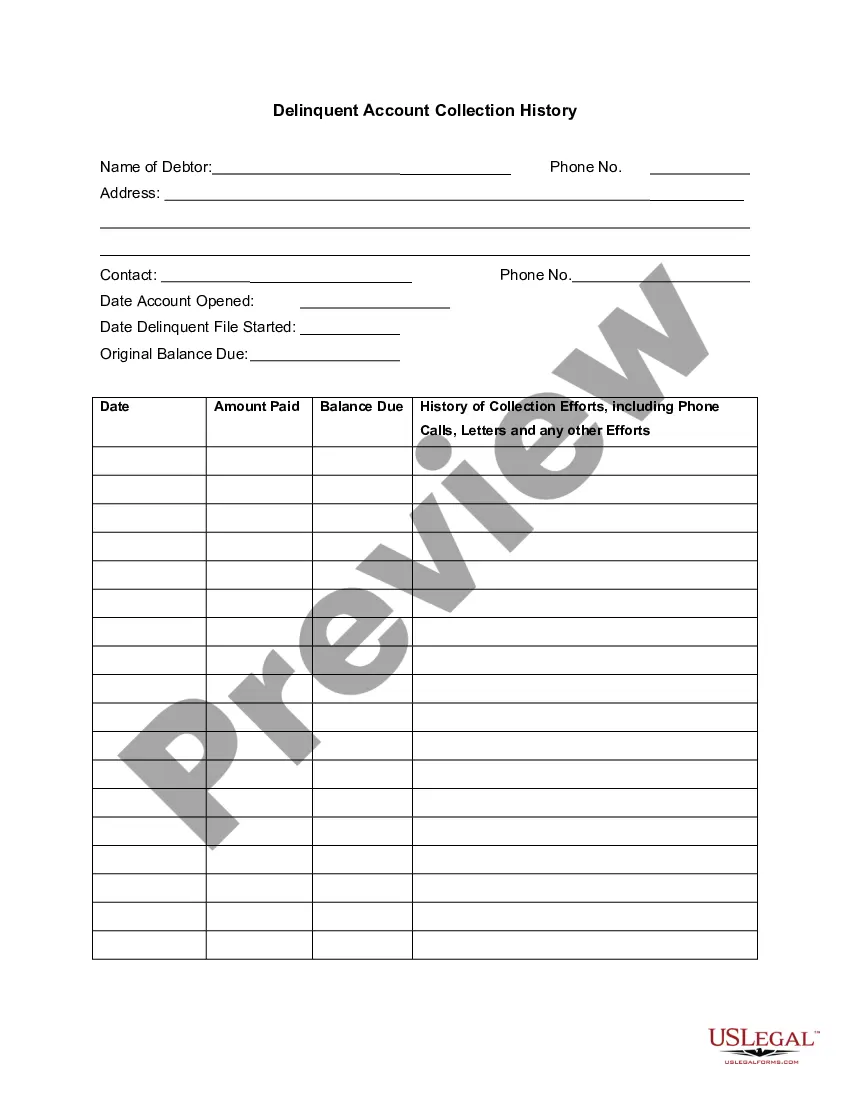
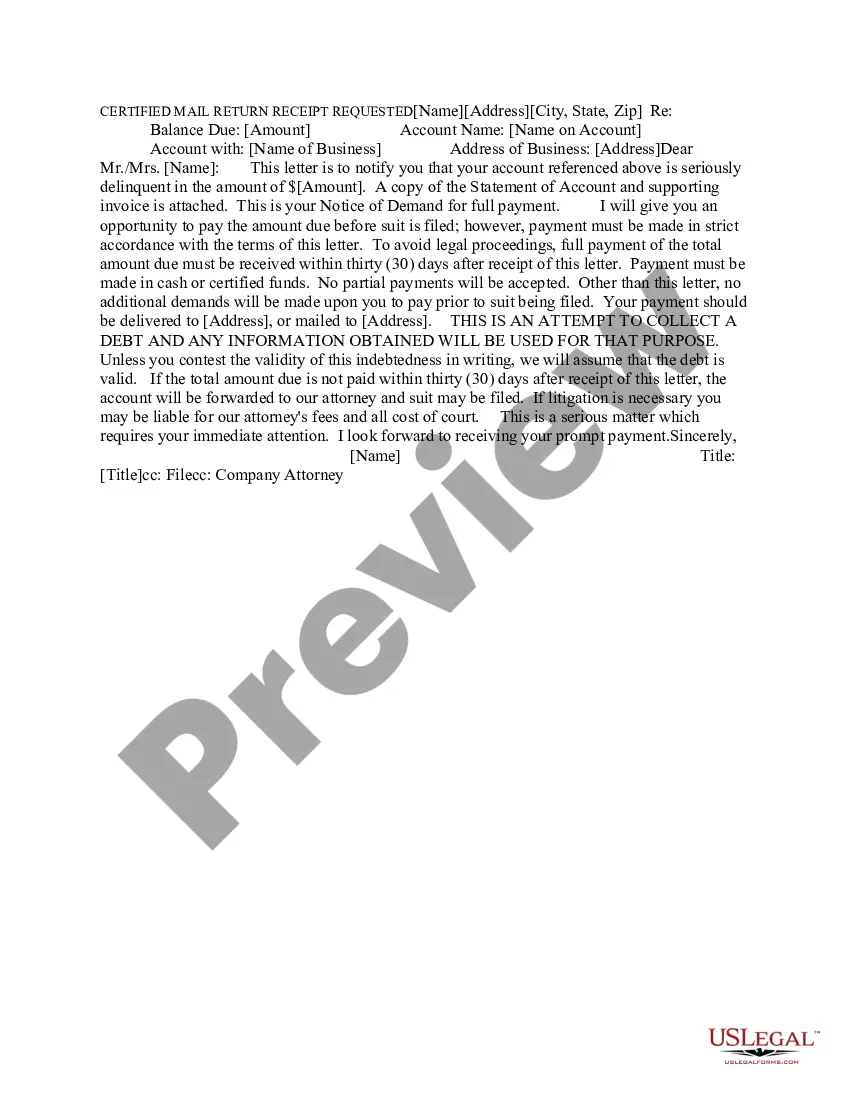
The overdue account form is a notification sent to clients or consumers informing them that their account is past due and immediate payment is required. It serves as a formal reminder of outstanding invoices, facilitating communication about debt obligations. Unlike similar forms, this general notice can be utilized in various consumer situations, making it a versatile tool for creditors seeking to collect overdue payments.
Form components explained
- Date of notice
- Recipient information, including name and address
- List of overdue invoices with corresponding dates and amounts
- Total outstanding amount due
- Creditor's information, including name and address

When to use this form
This form should be used when a consumer has failed to make timely payments on their account. It is suitable in scenarios such as unpaid utility bills, credit card balances, medical bills, or any service or product provided on credit. Using this form helps formally communicate the seriousness of the overdue payment and may prompt quicker action from the consumer.
Who this form is for
The following individuals or entities should consider using the overdue account form:
- Businesses seeking payment from clients for unpaid invoices
- Landlords requesting overdue rent from tenants
- Service providers reminding customers about outstanding bills
- Individuals managing their personal accounts or debts
Completing this form step by step
- Enter the date you are sending the notice.
- Fill in the recipient's name and address accurately.
- List each overdue invoice, along with the corresponding dates and amounts.
- Calculate the total amount that is past due and insert it in the specified field.
- Complete your information as the sender, including your name and address.
Notarization guidance
This form does not typically require notarization unless specified by local law. Always check your local regulations to confirm if notarization is needed for legal enforceability.
Get your form ready online
Our built-in tools help you complete, sign, share, and store your documents in one place.
Make edits, fill in missing information, and update formatting in US Legal Forms—just like you would in MS Word.
Download a copy, print it, send it by email, or mail it via USPS—whatever works best for your next step.
Sign and collect signatures with our SignNow integration. Send to multiple recipients, set reminders, and more. Go Premium to unlock E-Sign.
If this form requires notarization, complete it online through a secure video call—no need to meet a notary in person or wait for an appointment.
We protect your documents and personal data by following strict security and privacy standards.

Make edits, fill in missing information, and update formatting in US Legal Forms—just like you would in MS Word.

Download a copy, print it, send it by email, or mail it via USPS—whatever works best for your next step.

Sign and collect signatures with our SignNow integration. Send to multiple recipients, set reminders, and more. Go Premium to unlock E-Sign.

If this form requires notarization, complete it online through a secure video call—no need to meet a notary in person or wait for an appointment.

We protect your documents and personal data by following strict security and privacy standards.
Typical mistakes to avoid
- Failing to provide complete recipient information, which can delay communication.
- Not listing all overdue invoices or providing incorrect details on amounts due.
- Overlooking the inclusion of a clear due date for payment.
- Using informal language that could undermine the seriousness of the notice.
Why complete this form online
- Convenient access to a professionally drafted notice that saves time and reduces errors.
- Editable formats (Word and Rich Text) allow for easy customization to fit specific needs.
- Quick download ensures immediate availability for urgent situations.
- Reliable legal compliance derived from templates created by licensed attorneys.
What to keep in mind
- The Overdue Account form is essential for notifying consumers about outstanding debts.
- It includes key components such as invoice details and total past due amounts.
- Use this form to facilitate prompt payment and maintain professional communication.
Looking for another form?


Form popularity
FAQ
To obtain an Arizona tax ID number, you can apply online through the Arizona Department of Revenue website, or utilize platforms like US Legal Forms for a streamlined process. You'll need to provide essential information about your business and its owners. Receiving your Arizona tax ID number is crucial for tax reporting and compliance, particularly if you face issues with an overdue account.
Filing your taxes late in Arizona can result in significant penalties, impacting your Arizona overdue account. The penalty may be as high as 5% of the amount owed for each month you delay filing, up to a maximum of 25%. Additionally, interest accrues on the amount due starting from the original due date. To avoid these penalties, it’s wise to file your returns as soon as possible.
Yes, Arizona does recognize federal extensions for filing taxes. If you obtain a federal extension, it also extends your Arizona filing deadline. However, it's essential to ensure that any payments are submitted on time to keep your Arizona overdue account in good standing.
The late filing penalty in Arizona generally stands at 4.5% of unpaid tax for each month the return is overdue, capped at a total of 22.5%. If you find yourself facing this situation, it may be beneficial to consult services like USLegalForms to guide you in resolving any Arizona overdue account issues effectively.
The maximum penalty for filing a late return in Arizona can reach up to 22.5% of the total taxes owed. This penalty accrues at a rate of 4.5% for each month the return is late. To mitigate financial strain on your Arizona overdue account, it’s crucial to file as soon as you can.
To write a waiver letter for a penalty in Arizona, start by clearly stating your request at the top of the letter. Explain the details of your Arizona overdue account and the reasons for your late payment or filing. Include any relevant documentation that might support your case, and conclude by expressing your hope for a favorable review from the department.
To request a penalty waiver in Arizona, you should submit a written request to the Arizona Department of Revenue detailing the reasons for your late filing. Include any supporting documents that highlight the circumstances of your Arizona overdue account. The department will review your request and communicate the outcome.
Penalties for late filing of returns in Arizona can vary. Late filers typically face a 4.5% penalty of the tax owed for each month the return is delayed, with a maximum of 22.5%. Consistently addressing your Arizona overdue account can help you avoid these growing costs.
The penalty on a late filing of your tax return in Arizona is primarily based on the amount you owe. If you file late, you will incur a 4.5% penalty for each month the return is overdue. To avoid increasing your Arizona overdue account and incurring additional penalties, it is wise to file on time or seek extensions.
In Arizona, the penalty for filing taxes late can be significant. Generally, if you fail to file your return by the deadline, you may face a penalty of 4.5% of the taxes owed for each month your return is late, capped at 22.5%. This can add up quickly, so it's important to address any Arizona overdue account as soon as possible.