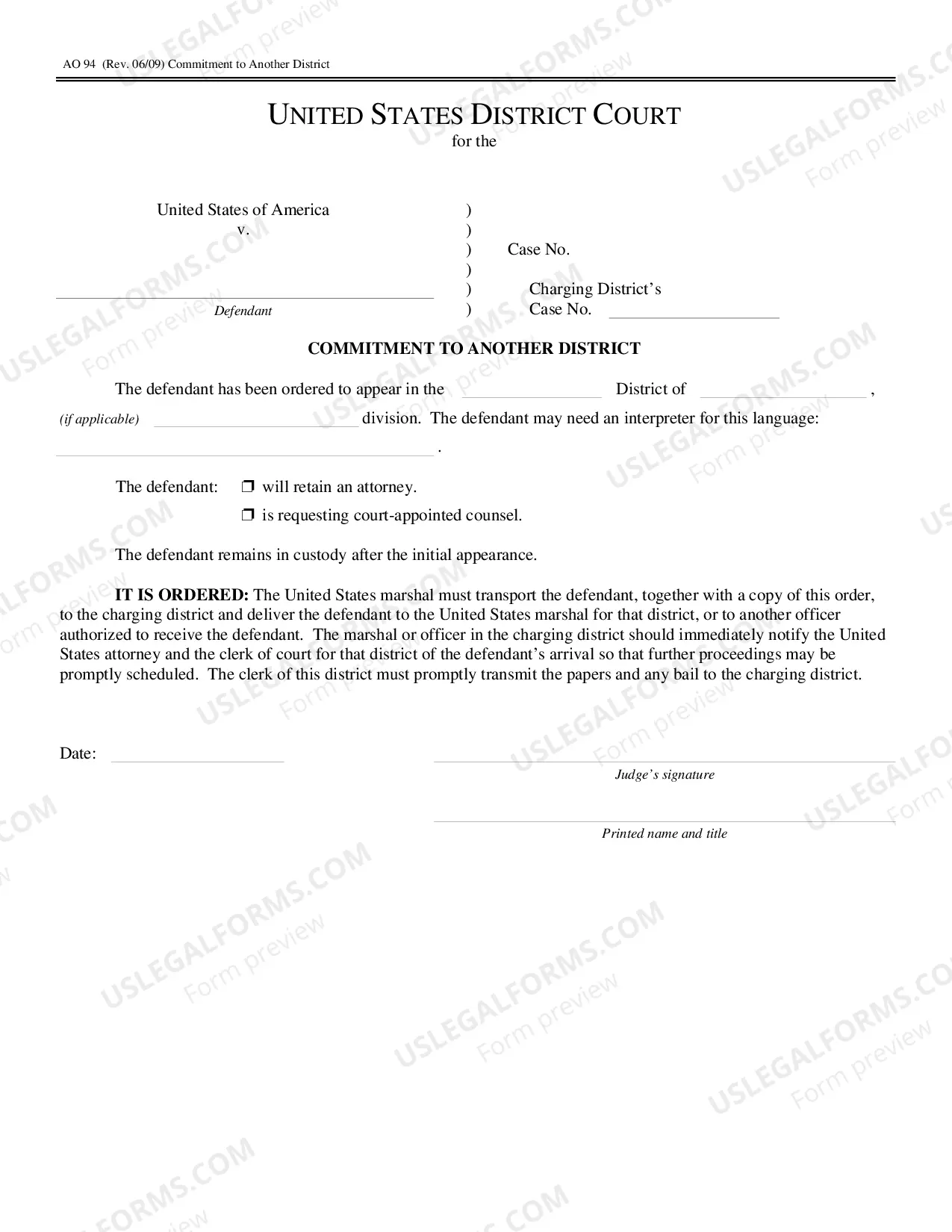
Arizona Information Statement of Judgment Creditor(s)
Understanding this form
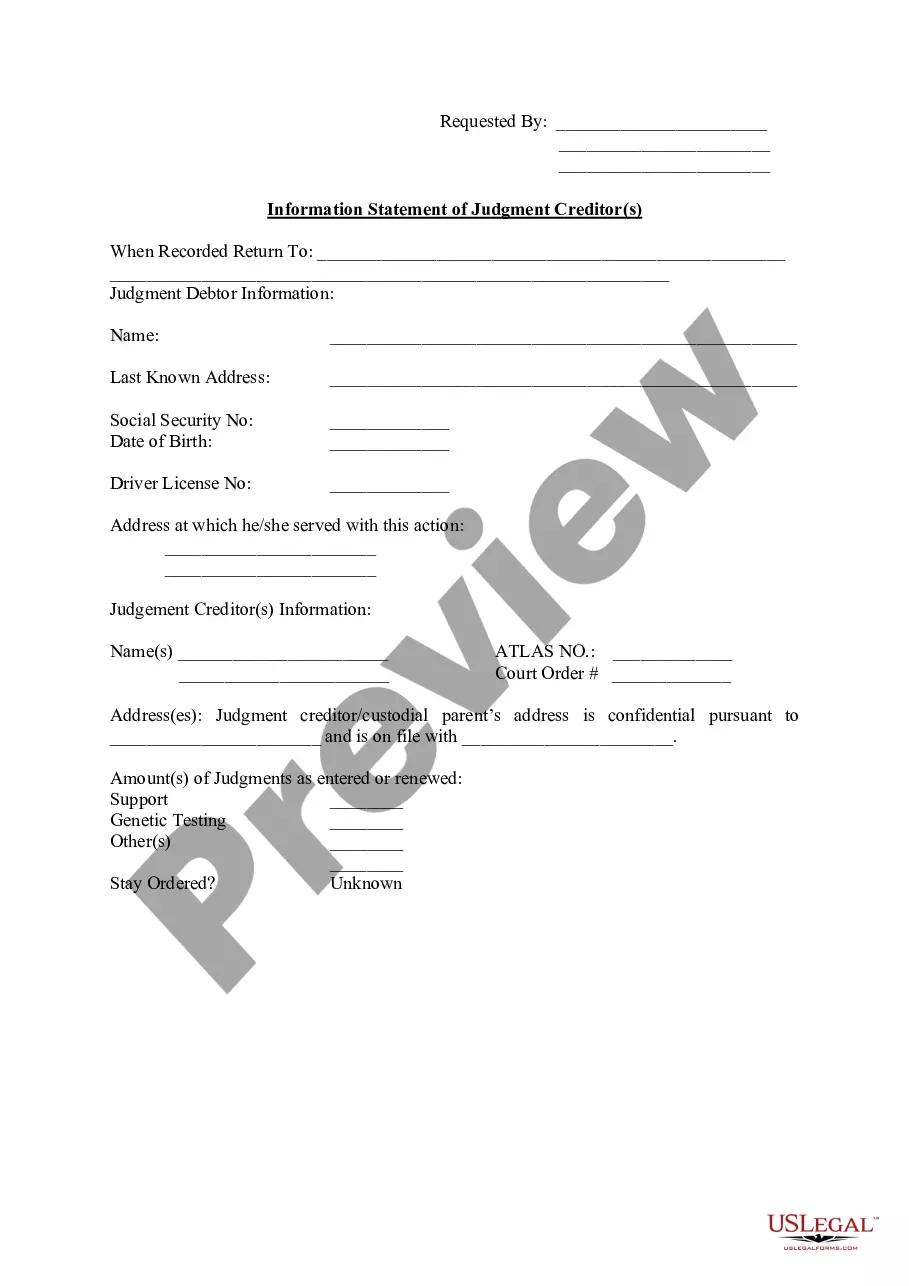
The Information Statement of Judgment Creditor(s) is a legal form used in child support cases to document the judgment of a court regarding child support obligations. This form is essential for establishing and maintaining a clear record of financial responsibilities between parents. Unlike other legal forms, it specifically addresses judgments in support cases, providing detail about the amounts owed and any orders regarding the payment of support and associated costs.
Main sections of this form
- Requesting party information, including names and contact details.
- Information about the judgment debtor, including their name and address.
- Specific details regarding judgment creditor(s), including their names and court order numbers.
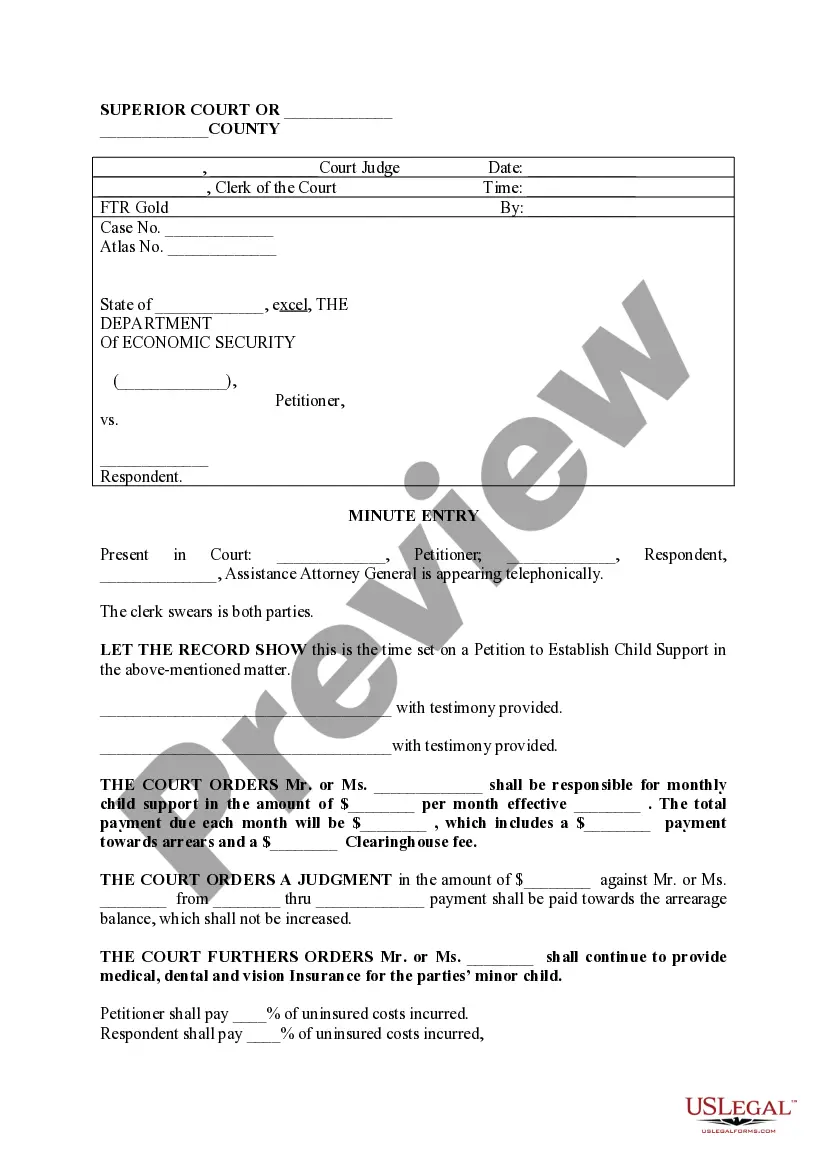
- Financial obligations detailed, including amounts for support and any arrears.
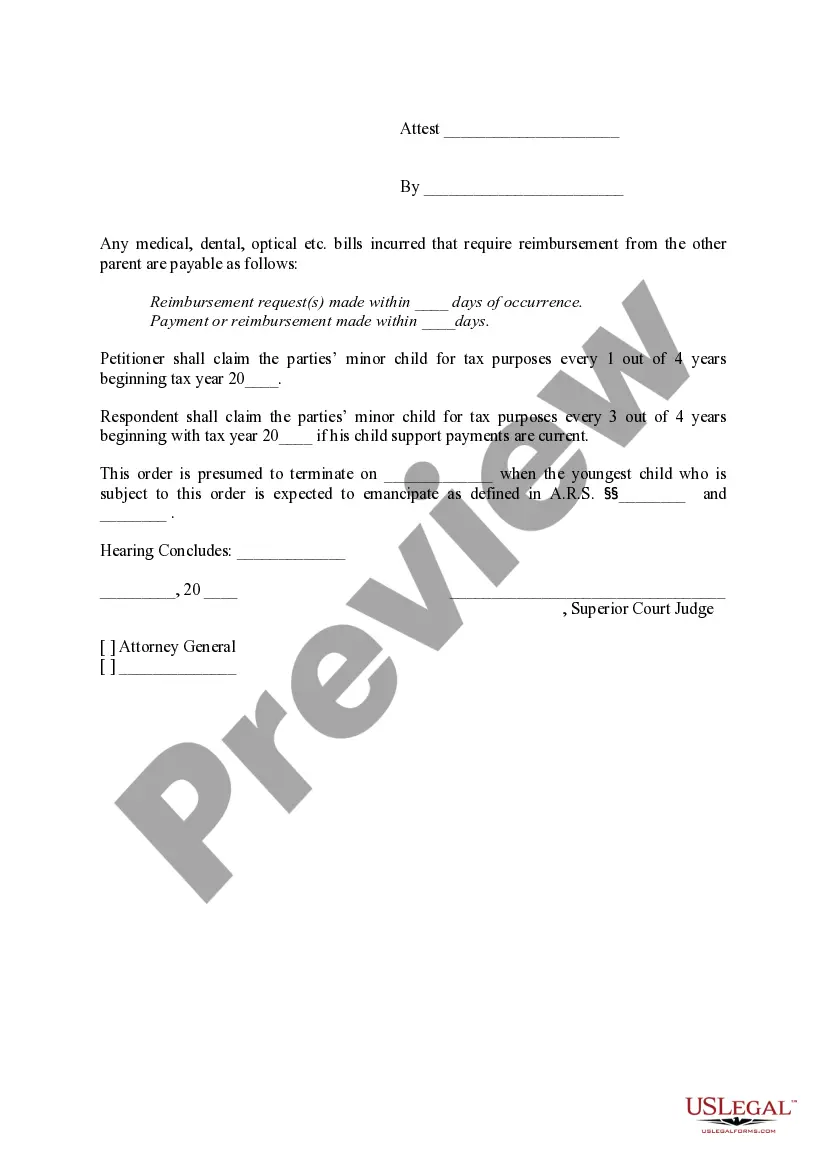
- Information regarding medical and other insurance obligations.
- Provisions for tax claims and timelines for reimbursement of expenses related to the child.
Situations where this form applies
This form should be used when a court has issued a judgment in a child support case. It is required to document financial obligations between the custodial and non-custodial parent. Use this form if you need to establish how child support payments will be made, document arrears, or clarify responsibilities regarding medical insurance for the child.
Who can use this document
- Custodial parents seeking to establish or enforce child support obligations.
- Non-custodial parents who need to understand their financial responsibilities.
- Attorneys representing either parent in child support proceedings.
Instructions for completing this form
- Identify the parties involved and fill in their names and contact information.
- Provide the judgment debtor's name, last known address, Social Security number, and date of birth.
- List the judgment creditor(s) with the appropriate case numbers and amounts for support and any other obligations.
- Include details regarding medical and dental insurance responsibilities.
- Ensure both parties sign and date the form, including the court date.
Notarization guidance
This form does not typically require notarization unless specified by local law. However, to enhance its validity and acceptance, consider having it notarized.
Get your form ready online
Our built-in tools help you complete, sign, share, and store your documents in one place.
Make edits, fill in missing information, and update formatting in US Legal Forms—just like you would in MS Word.
Download a copy, print it, send it by email, or mail it via USPS—whatever works best for your next step.
Sign and collect signatures with our SignNow integration. Send to multiple recipients, set reminders, and more. Go Premium to unlock E-Sign.
If this form requires notarization, complete it online through a secure video call—no need to meet a notary in person or wait for an appointment.
We protect your documents and personal data by following strict security and privacy standards.

Make edits, fill in missing information, and update formatting in US Legal Forms—just like you would in MS Word.

Download a copy, print it, send it by email, or mail it via USPS—whatever works best for your next step.

Sign and collect signatures with our SignNow integration. Send to multiple recipients, set reminders, and more. Go Premium to unlock E-Sign.

If this form requires notarization, complete it online through a secure video call—no need to meet a notary in person or wait for an appointment.

We protect your documents and personal data by following strict security and privacy standards.
Avoid these common issues
- Failing to include complete contact information for all parties involved.
- Omitting signature dates, which can lead to disputes over enforceability.
- Not updating or accurately recording past-due amounts.
- Neglecting to clarify responsibilities around medical expenses and tax claims.
Why complete this form online
- Convenience of instant access and download from home.
- Editability before finalizing, ensuring all information is accurate.
- Reliability of attorney-drafted templates that adhere to legal standards.
Looking for another form?

Form popularity
FAQ
To file a judgment lien in Arizona, you must first obtain a certified copy of your judgment from the court. Then, visit the county recorder's office where the property is located to file the lien. Be sure to include necessary details such as the judgment amount and the property's information. For more guidance throughout this process, the Arizona Information Statement of Judgment Creditor(s) offers valuable resources that simplify filing and managing lien-related documents.
Judgments in Arizona are valid for five years from the date they are entered. After this period, the judgment can be renewed, allowing the creditor to continue pursuing collection. Maintaining accurate records is crucial to prevent lapsing in the pursuit of a judgment. The Arizona Information Statement of Judgment Creditor(s) can guide you on how to manage and renew your judgments effectively.
To answer a summons without an attorney in Arizona, you should carefully read the summons and complaint. Prepare your written response, ensuring you include your name, the date, and a statement denying or admitting the claims. You must file your answer with the court and serve it to the opposing party. Utilizing resources like the Arizona Information Statement of Judgment Creditor(s) can help clarify what details you need to include.
In Arizona, a judgment can be collected for up to five years from the date it is entered. However, if you file for a renewal, you can extend this collection period for another five years. It is essential to keep track of the judgment’s status and remain proactive in your collection efforts. Understanding the Arizona Information Statement of Judgment Creditor(s) will provide better insights into potentially renewing your judgment.
In Arizona, the time limit for collecting a debt generally spans six years from the date of the last payment or activity on the account. After this period, creditors can no longer legally enforce collection actions. Knowing this timeframe can help you manage your financial responsibilities better. If you need assistance, using platforms like USLegal can guide you through understanding your rights related to the Arizona Information Statement of Judgment Creditor(s).
Arizona has specific rules regarding debt collection practices. Creditors must follow fair practices when attempting to collect debts, including providing the necessary Arizona Information Statement of Judgment Creditor(s). Additionally, they cannot harass or threaten you. Familiarizing yourself with these regulations can empower you to defend your rights effectively.
Yes, a creditor can put a lien on your house in Arizona if they obtain a judgment against you. This process usually involves filing an Arizona Information Statement of Judgment Creditor(s) after winning a court case. Once the lien is in place, it secures the debt against your property. Understanding this process can help you take proactive measures to protect your assets.
The default judgment rule in Arizona allows a creditor to obtain a judgment if the debtor fails to respond to the complaint within a specified time frame. This means if a debtor does not take action, the court may grant the creditor's request without a hearing. This process helps streamline collections for Arizona Information Statement of Judgment Creditor(s). Therefore, it’s crucial for debtors to respond promptly to avoid default judgments.
In Arizona, judgments are governed by specific rules that ensure fair and transparent processes. Creditors must follow proper procedures, including providing notice to the debtor and filing necessary documentation. When a creditor obtains a judgment, they can collect on it using various methods, including garnishment or liens. Understanding these rules is essential for navigating the Arizona Information Statement of Judgment Creditor(s) process.
Several assets cannot be seized in Arizona under state law, including retirement accounts, Social Security benefits, and certain types of insurance. These protections are in place to ensure that individuals maintain their basic needs and financial security. Understanding these regulations is vital for anyone facing collection actions. The Arizona Information Statement of Judgment Creditor(s) can provide more detailed information on which assets are safe.