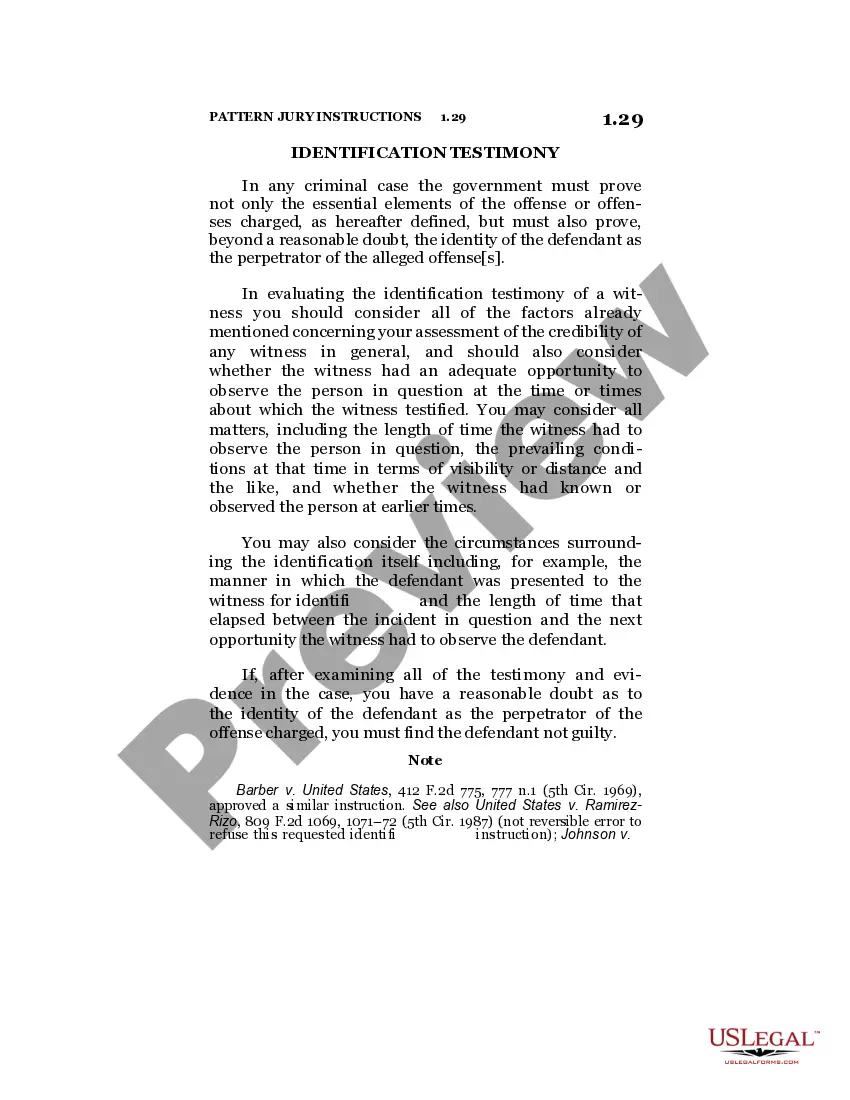
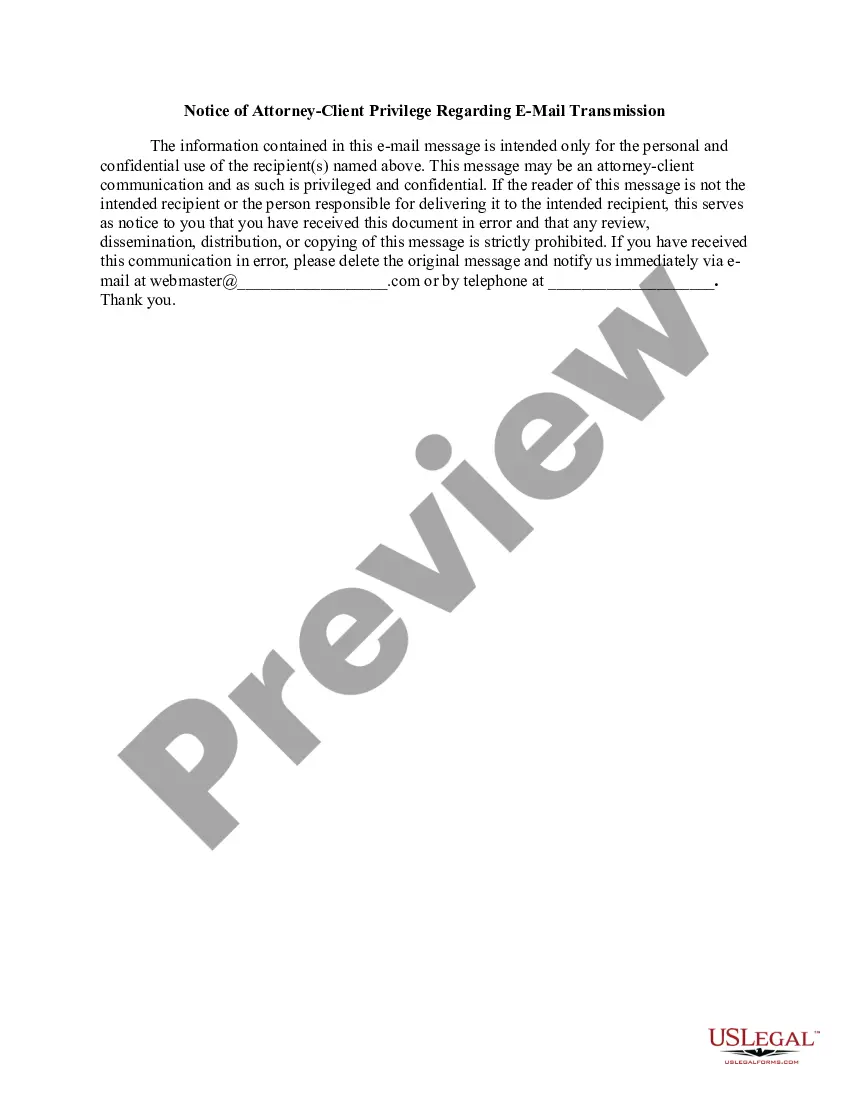
Arkansas Notice of Attorney-Client Privilege Regarding E-Mail Transmission
Description
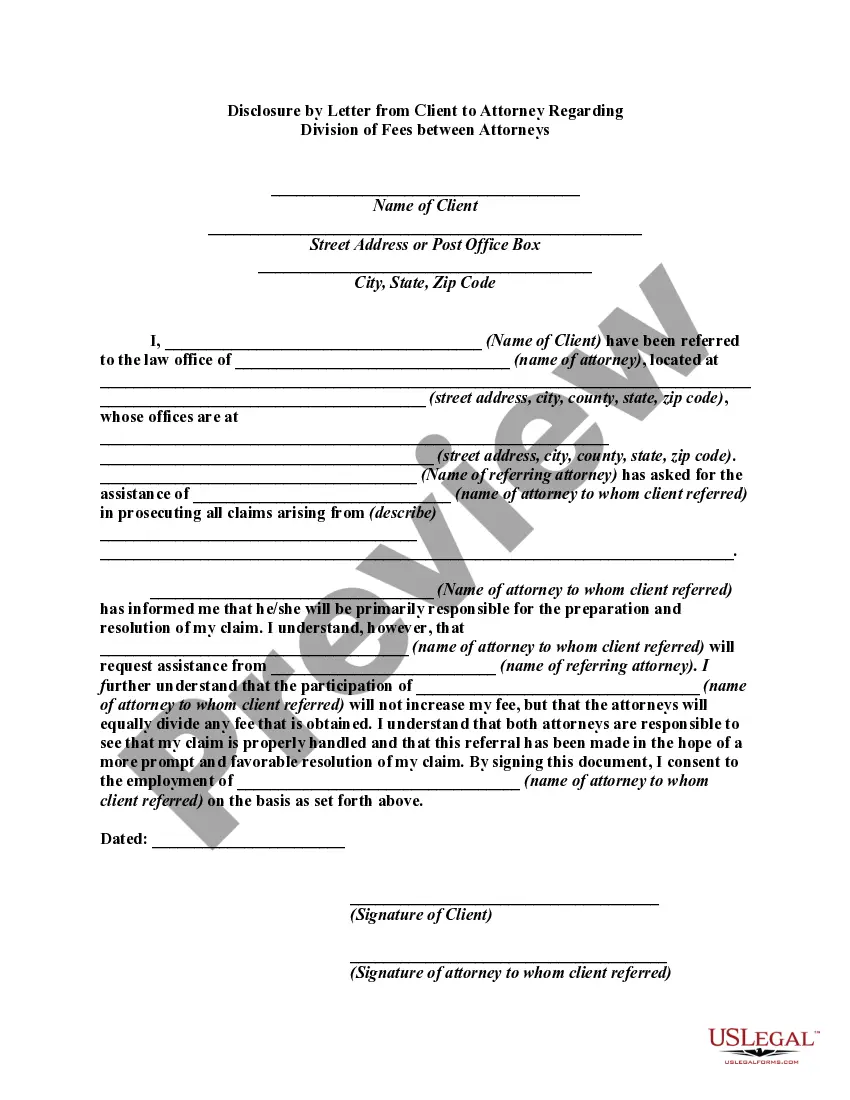
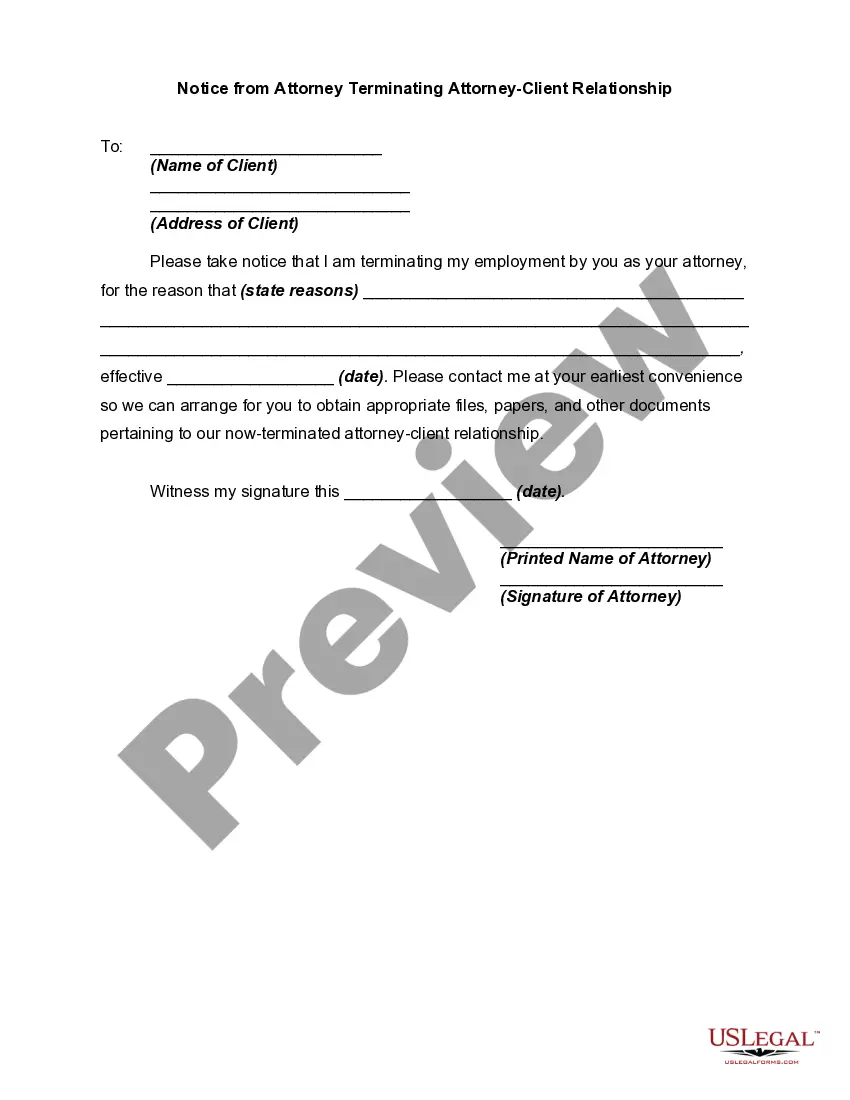
How to fill out Notice Of Attorney-Client Privilege Regarding E-Mail Transmission?
Are you in a scenario where you need documents for either business or personal purposes almost every day.
There are numerous legal document templates accessible online, but finding those you can trust is not easy.
US Legal Forms provides thousands of form templates, such as the Arkansas Notice of Attorney-Client Privilege Regarding E-Mail Transmission, that are designed to meet state and federal requirements.
Once you obtain the right form, click Get now.
Choose a convenient file format and download your copy. Access all the document templates you have purchased in the My documents section. You can download an additional copy of the Arkansas Notice of Attorney-Client Privilege Regarding E-Mail Transmission whenever needed. Just select the necessary form to download or print the document template. Use US Legal Forms, one of the largest collections of legal forms, to save time and avoid errors. The service offers professionally crafted legal document templates that can be utilized for various purposes. Create an account on US Legal Forms and start making your life a bit easier.
- If you are already familiar with the US Legal Forms website and have an account, simply Log In.
- Then, you can download the Arkansas Notice of Attorney-Client Privilege Regarding E-Mail Transmission template.
- If you do not have an account and wish to start using US Legal Forms, follow these steps.
- Find the form you need and ensure it is for your appropriate state/region.
- Utilize the Review button to examine the form.
- Read the description to confirm you have selected the correct document.
- If the form is not what you are looking for, use the Search field to find the form that meets your needs and specifications.
Form popularity
FAQ
Attorney-Client Privilege When the objection from the other lawyer is due with privilege information, the judge will rule objection sustained, which means the question is not permitted, and the witness does not have to respond to the question.
The parameters of the attorney-client privilege are contained in Arkansas Rule of Evidence 502. Rule 502 protects confidential communications made for the purpose of rendering professional legal services between the client (or his representatives) and his lawyers (or his lawyers' representatives).
Most states allow?or require?attorneys to disclose information learned from a client that will prevent death or serious injury. Many have a similar rule where revealing otherwise confidential information would prevent or remedy financial injury due to a crime or fraud.
Understand the limits of the attorney-client privilege Emails between you and your attorney are presumed to be confidential under most circumstances. However, the presence of a third party on your email makes your perceived confidentiality less definite.
Rule 1.6 - Confidentiality of Information (a) A lawyer shall not reveal information relating to representation of a client unless the client gives informed consent, the disclosure is impliedly authorized in order to carry out the representation or the disclosure is permitted by paragraph (b).
It is the purpose of the crime-fraud exception to the attorney-client privilege to assure that the ?seal of secrecy? between lawyer and client does not extend to communications made for the purpose of getting advice for the commission of a fraud or crime.
The attorney-client privilege does not apply when you seek the lawyer's assistance in carrying out or planning a crime or a fraud. There is no lawyer-client privilege if the lawyer reasonably believes that disclosure of confidential attorney-client communication is necessary to prevent death or substantial bodily harm.
Courts in many jurisdictions recognize the ?fiduciary exception? to the attorney-client privilege, which can enable some shareholders and members to obtain their corporation's or LLC's privileged communications, based on a fact-intensive analysis that is difficult to satisfy.