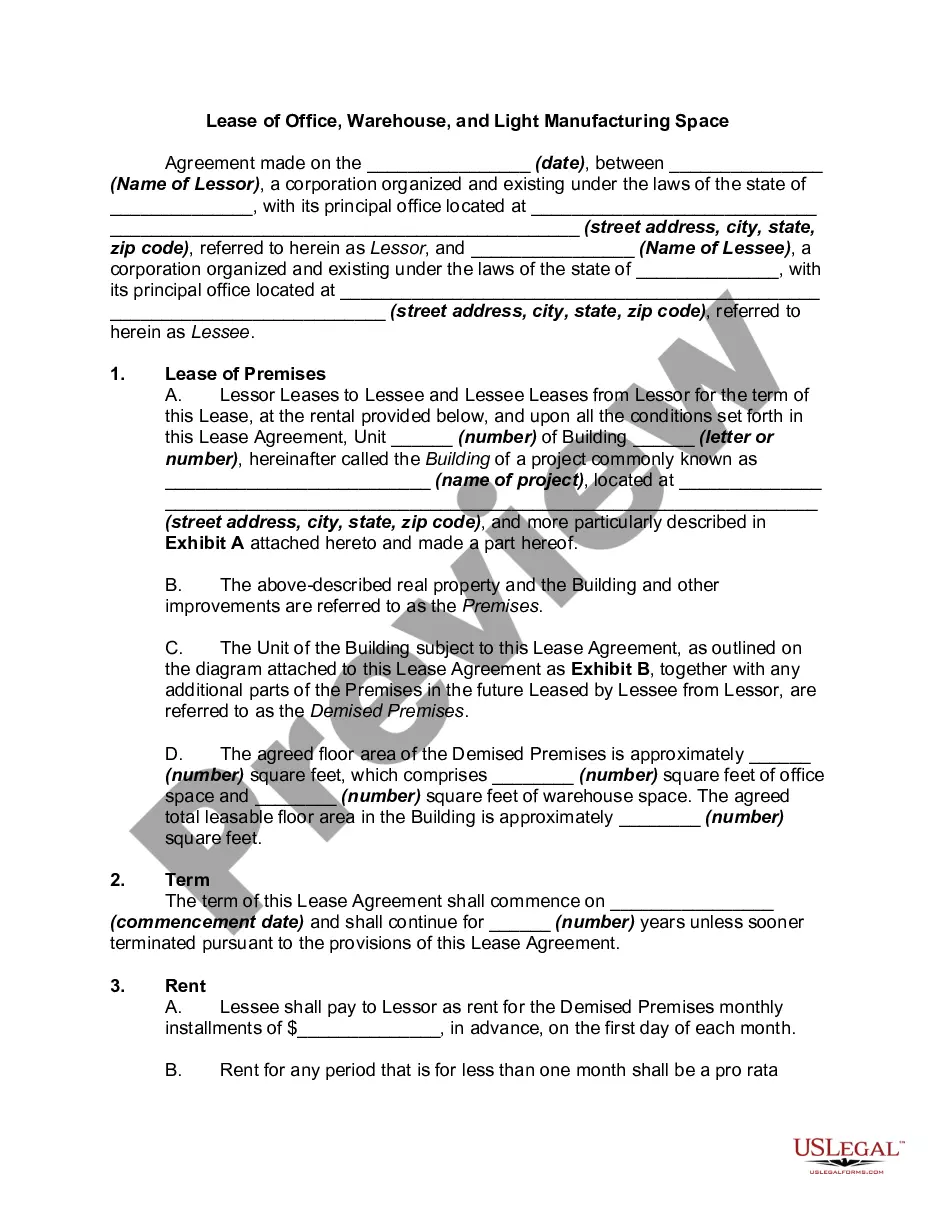
Arkansas Distributorship Agreement
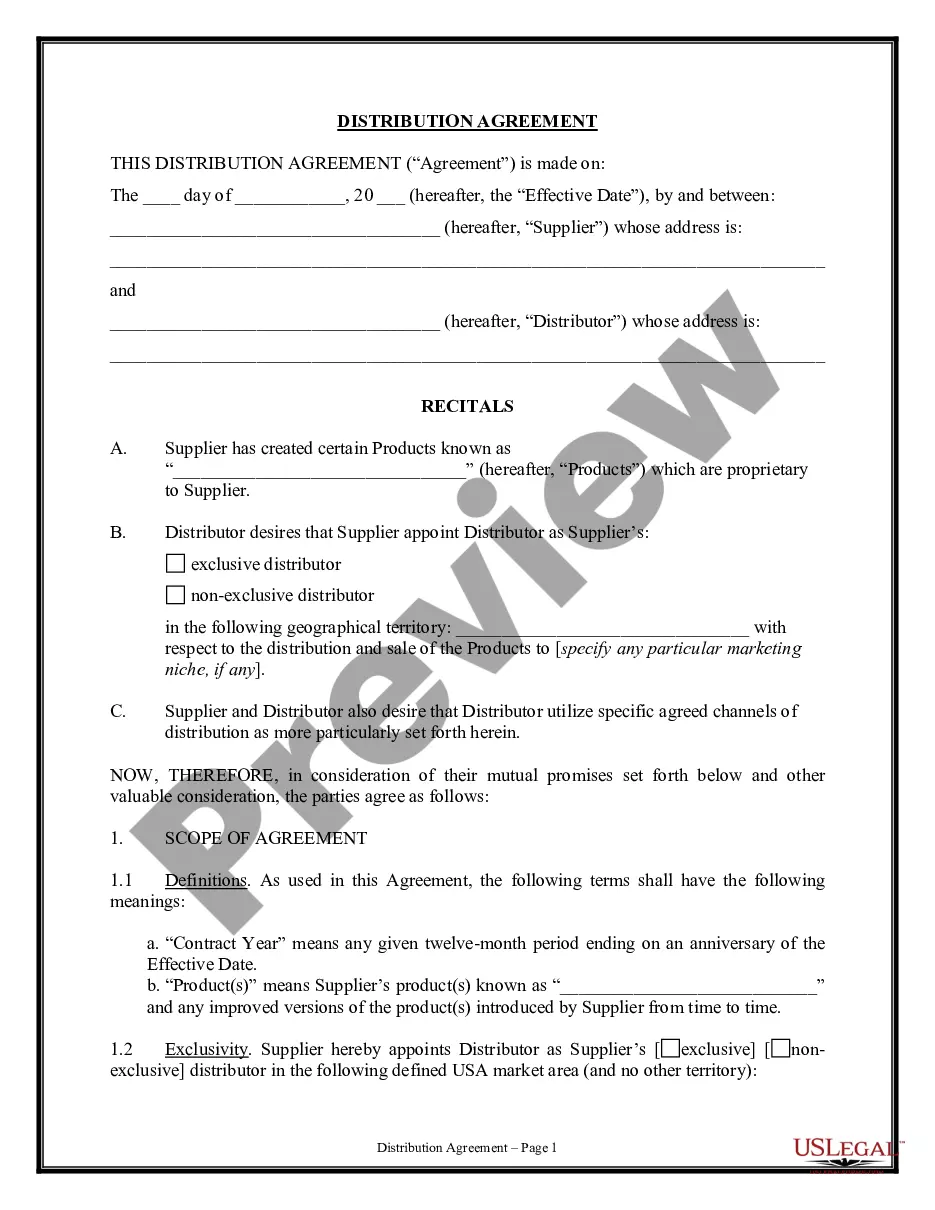
Description
Get your form ready online
Our built-in tools help you complete, sign, share, and store your documents in one place.
Make edits, fill in missing information, and update formatting in US Legal Forms—just like you would in MS Word.
Download a copy, print it, send it by email, or mail it via USPS—whatever works best for your next step.
Sign and collect signatures with our SignNow integration. Send to multiple recipients, set reminders, and more. Go Premium to unlock E-Sign.
If this form requires notarization, complete it online through a secure video call—no need to meet a notary in person or wait for an appointment.
We protect your documents and personal data by following strict security and privacy standards.

Make edits, fill in missing information, and update formatting in US Legal Forms—just like you would in MS Word.

Download a copy, print it, send it by email, or mail it via USPS—whatever works best for your next step.

Sign and collect signatures with our SignNow integration. Send to multiple recipients, set reminders, and more. Go Premium to unlock E-Sign.

If this form requires notarization, complete it online through a secure video call—no need to meet a notary in person or wait for an appointment.

We protect your documents and personal data by following strict security and privacy standards.
Looking for another form?


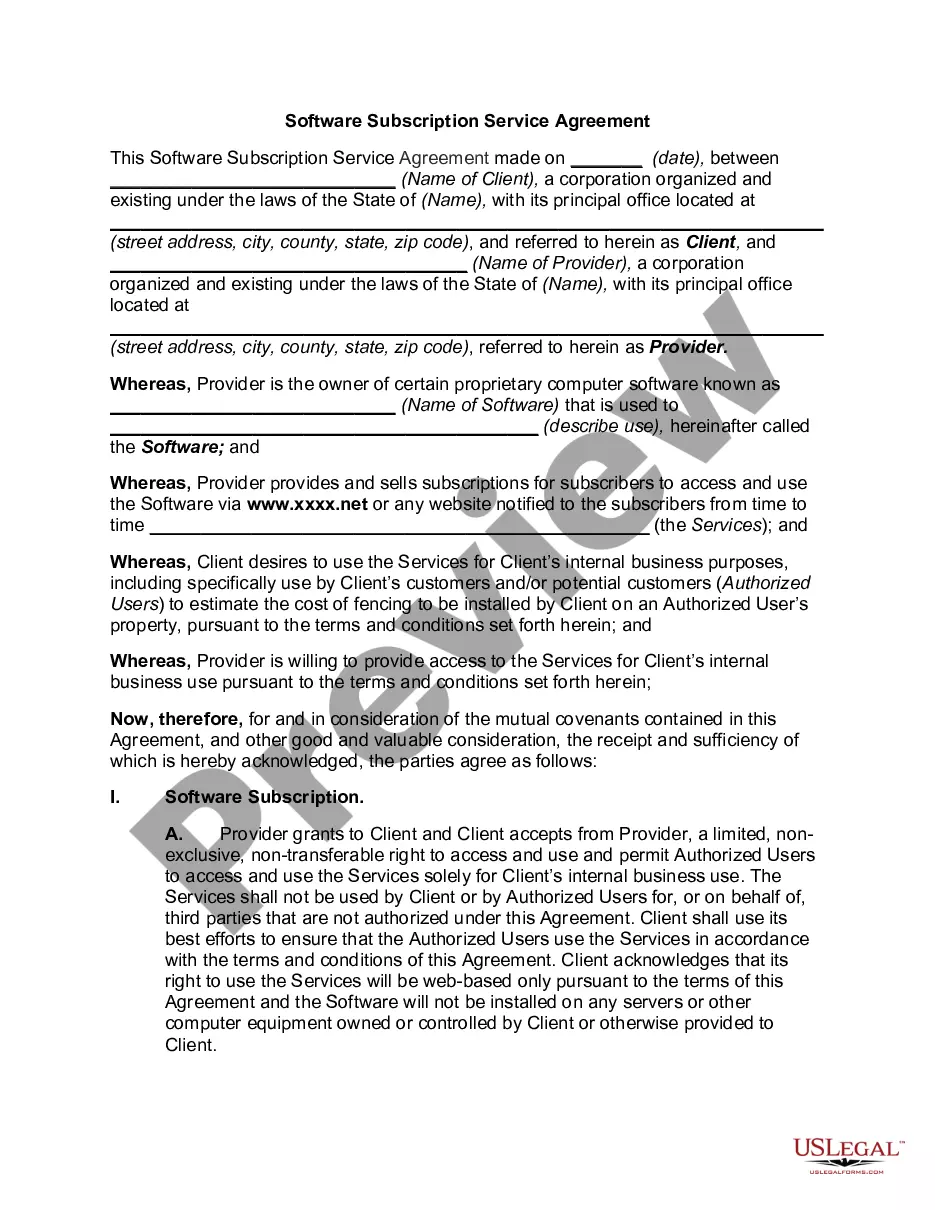
How to fill out Distributorship Agreement?
Locating the appropriate legal document template can be a challenge.
Indeed, there are numerous templates accessible online, but how can you acquire the legal form you require.
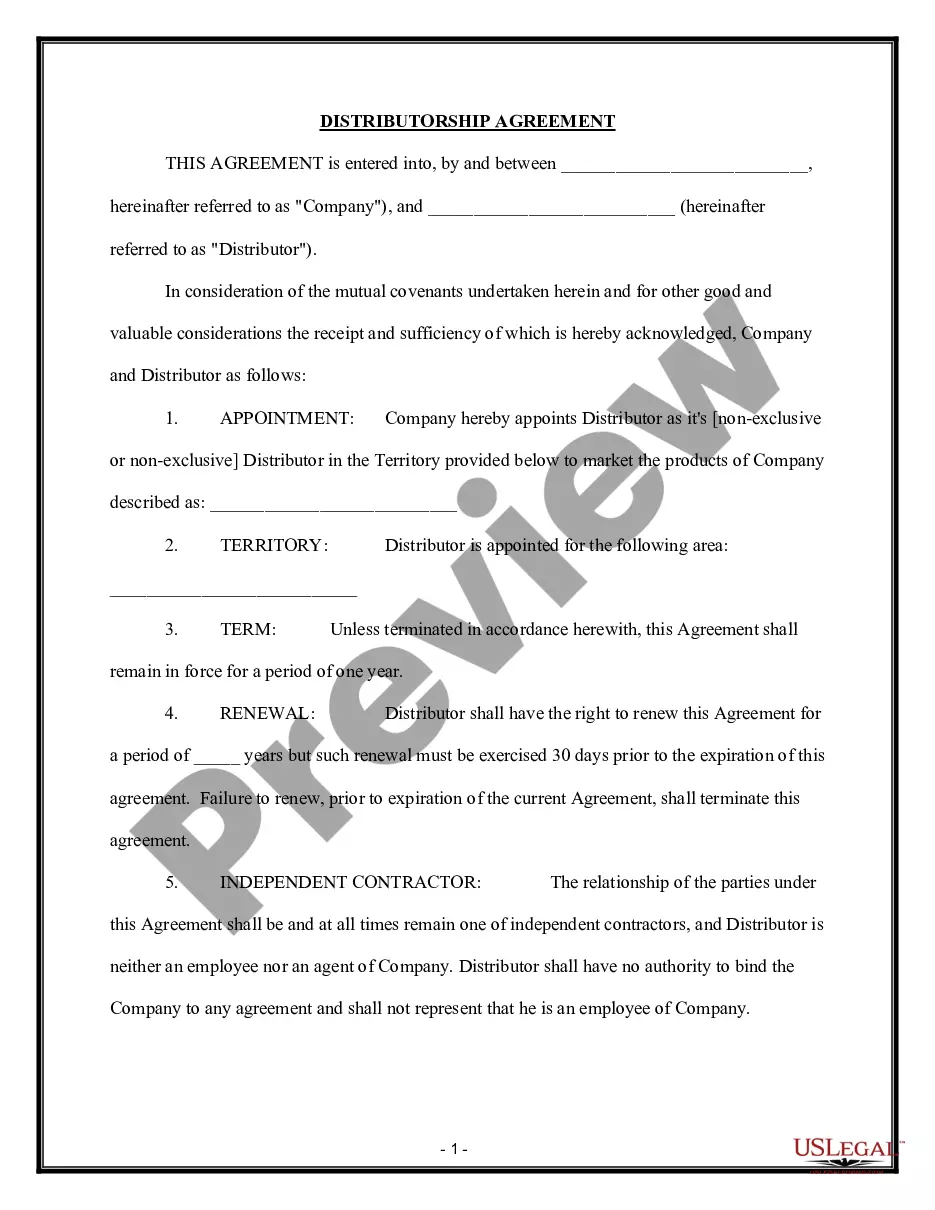
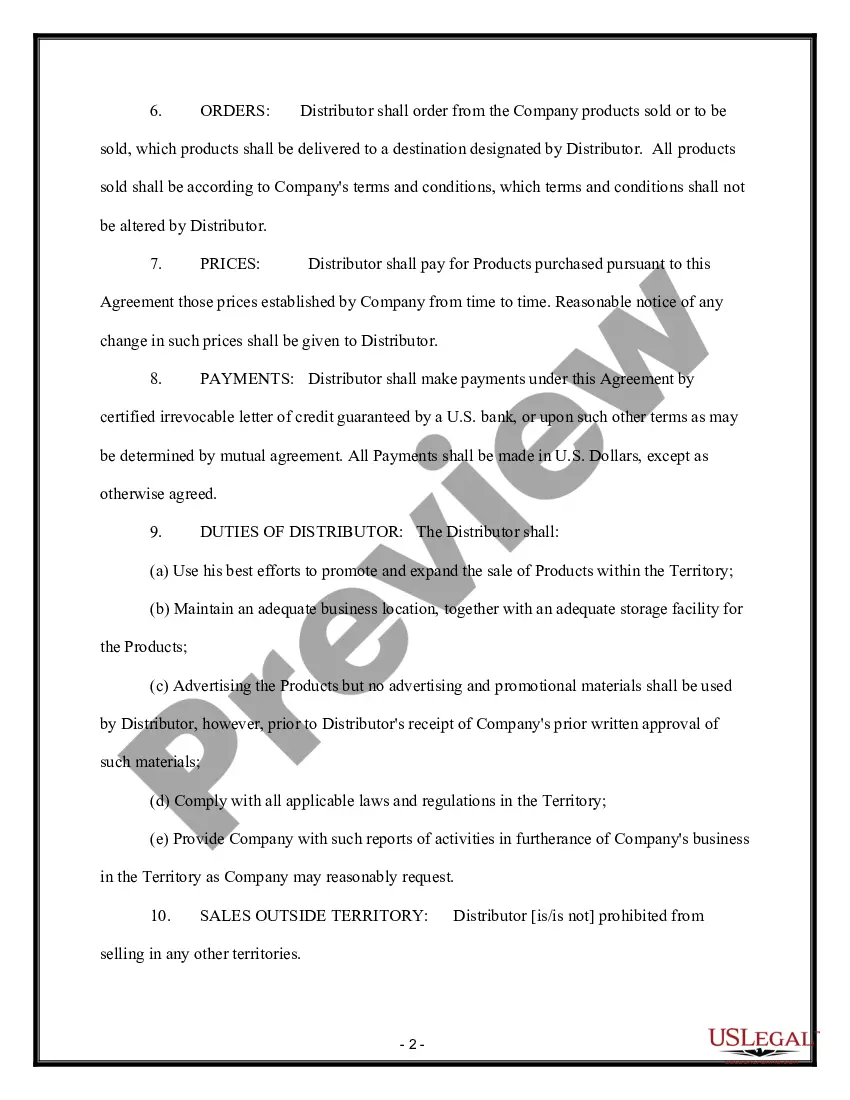
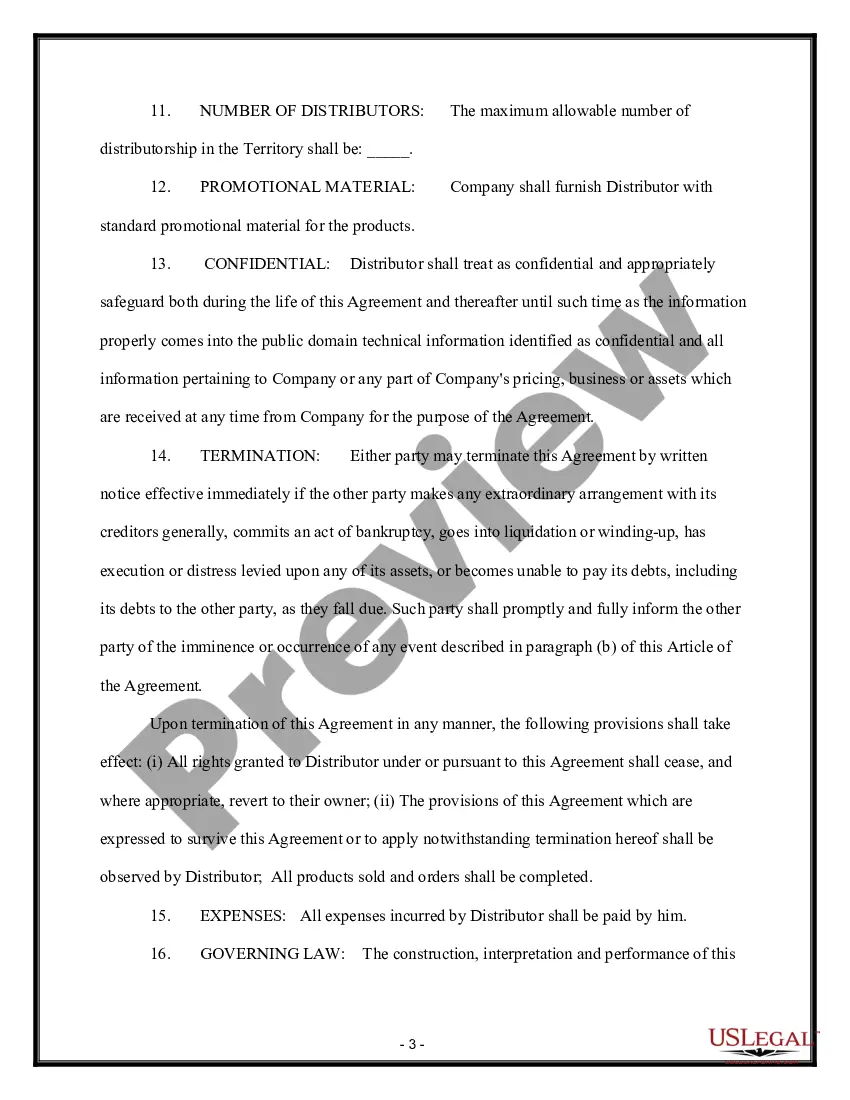
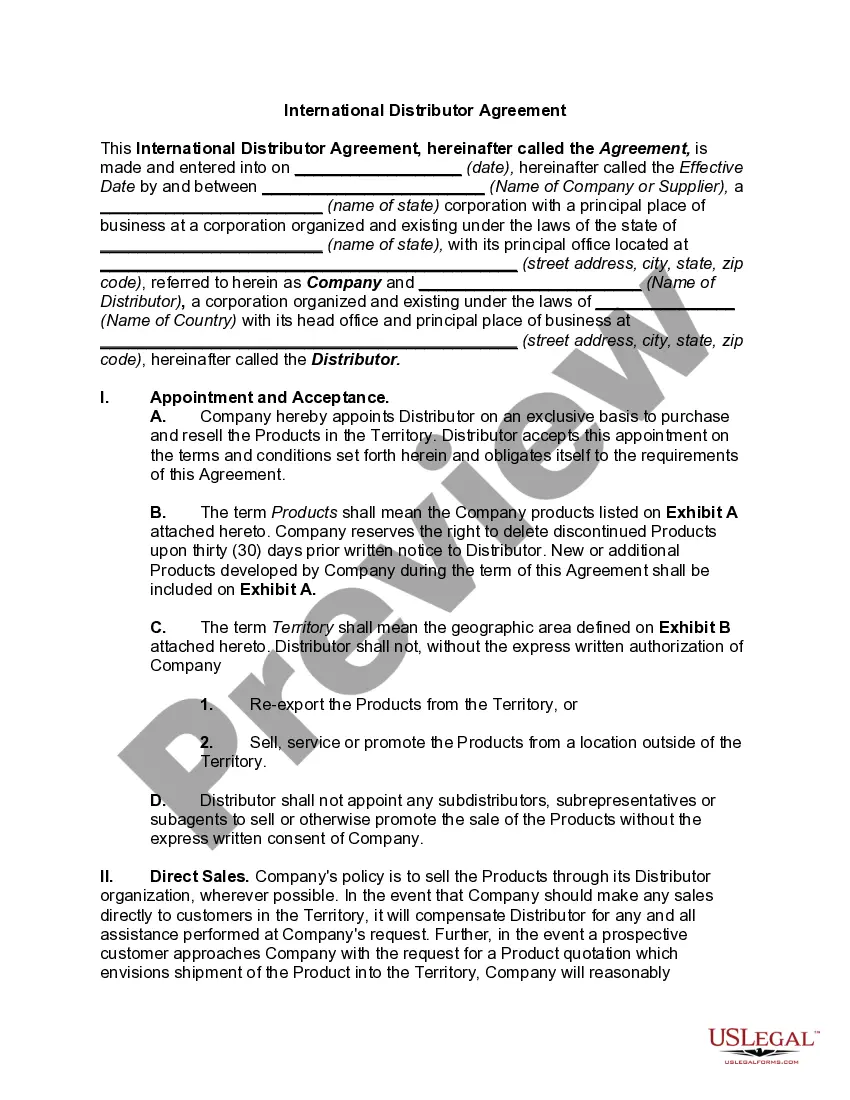
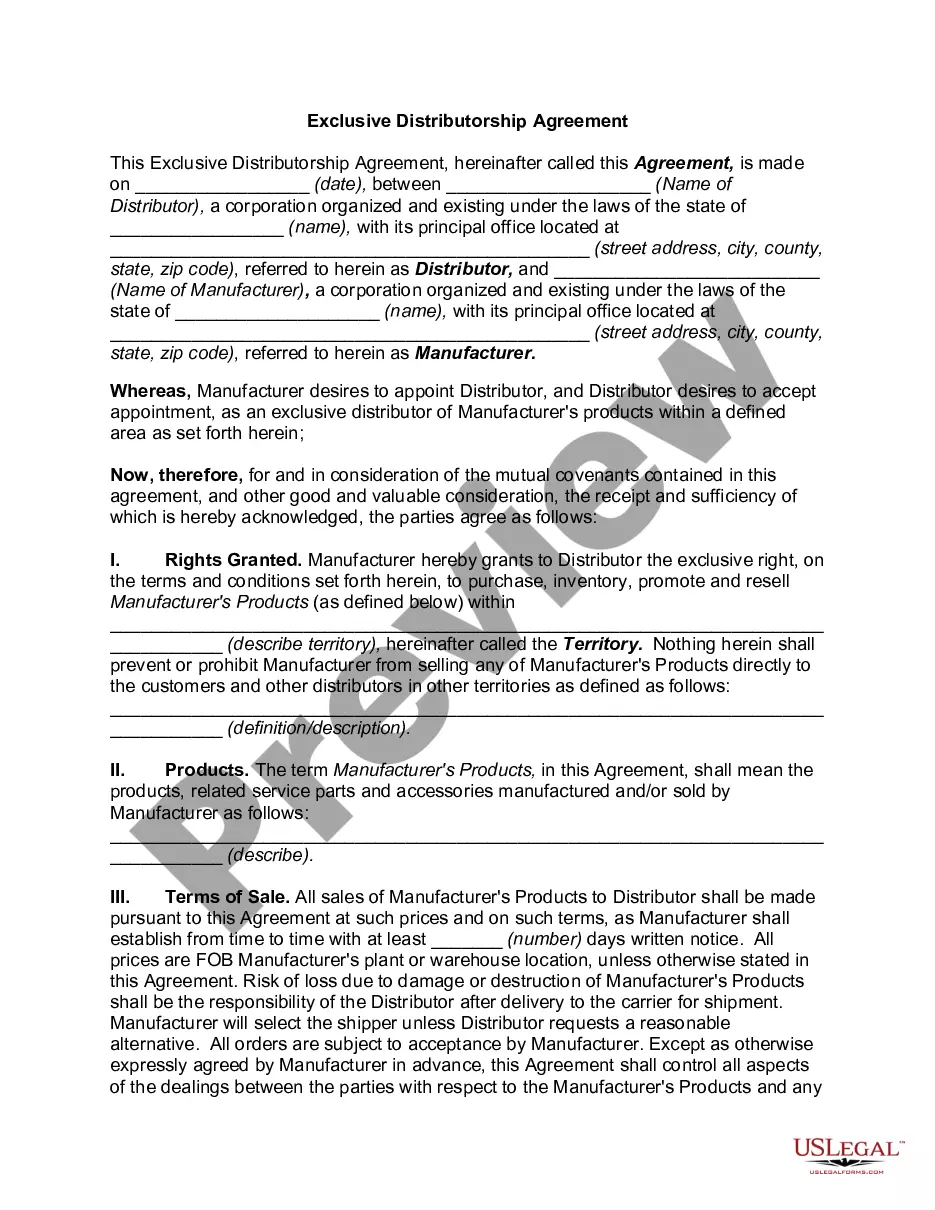
Utilize the US Legal Forms website. The platform provides thousands of templates, including the Arkansas Distributorship Agreement, that you can utilize for both business and personal purposes.
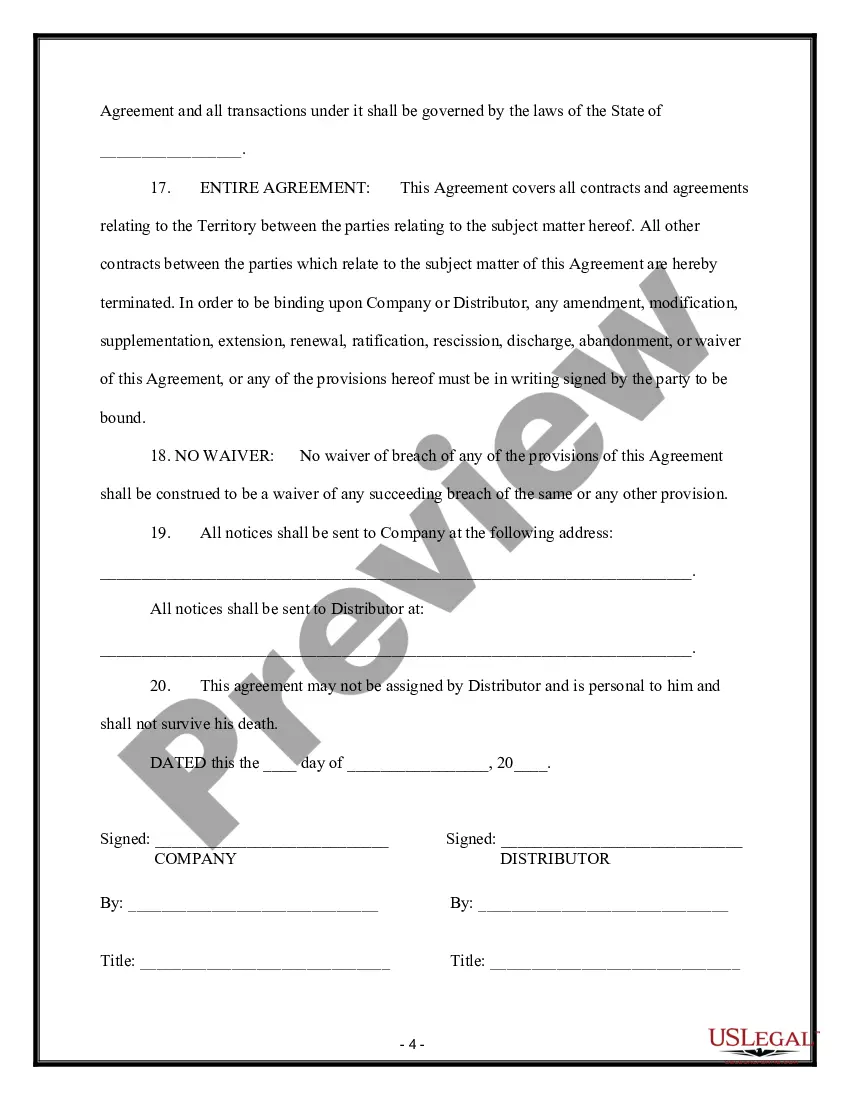
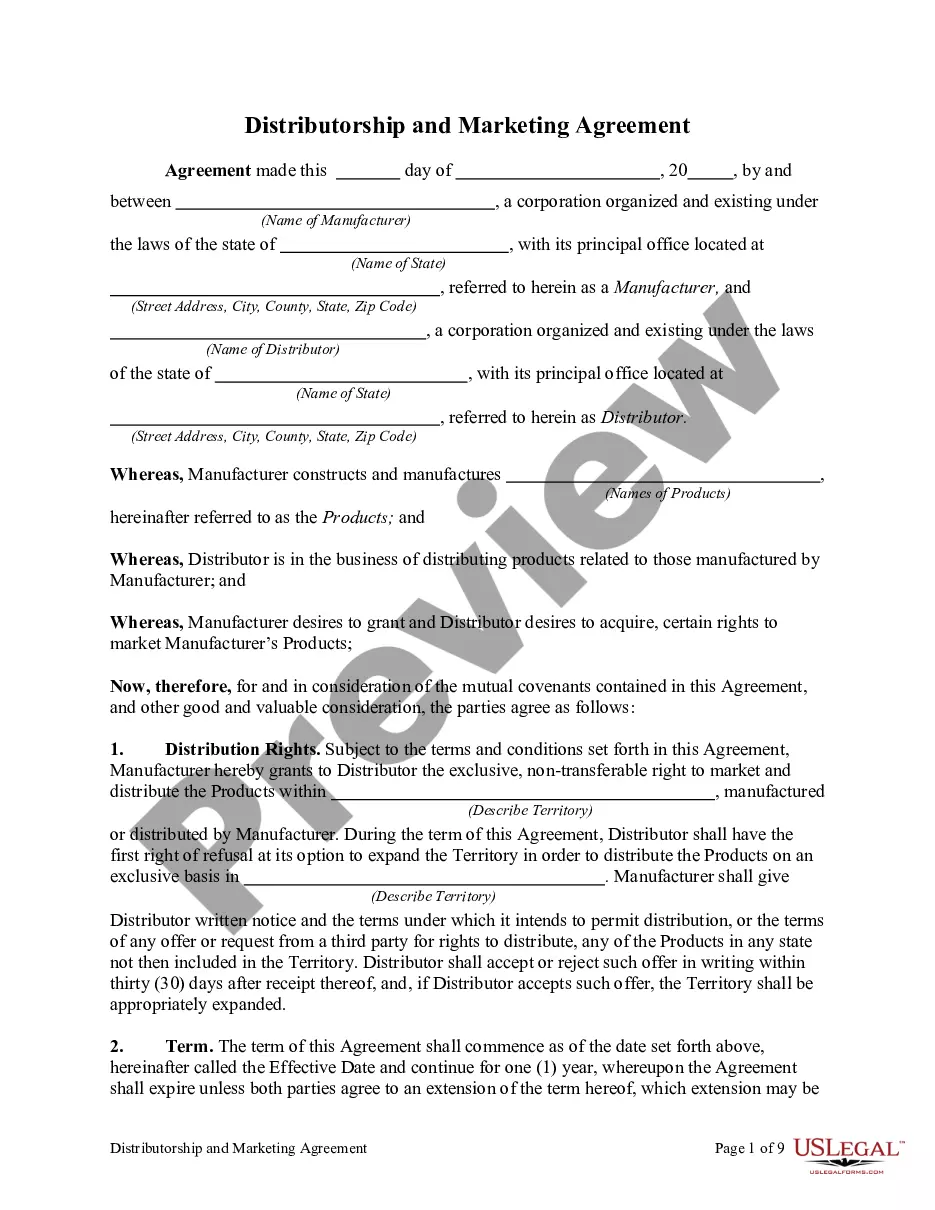
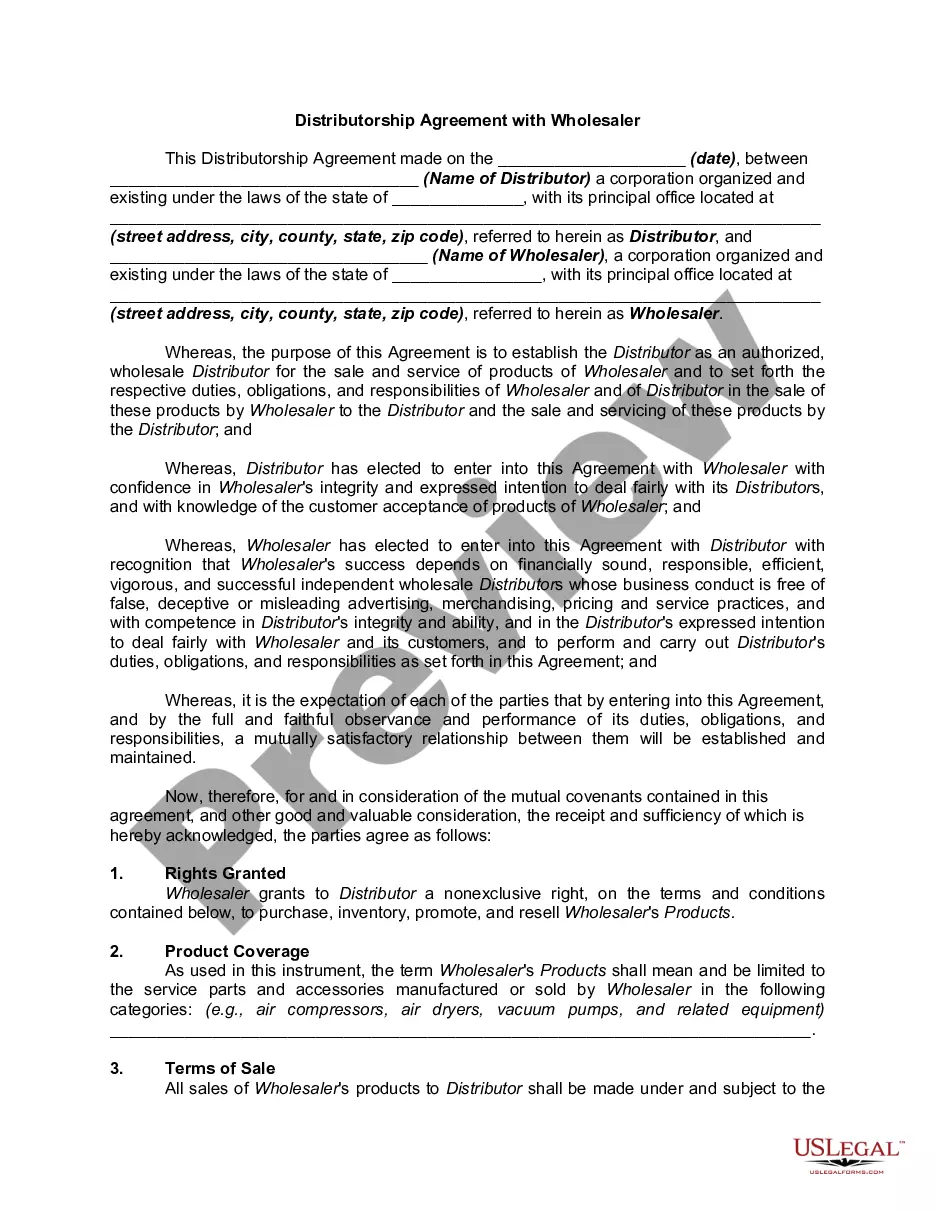
You can view the form using the Preview button and examine the form description to confirm it is appropriate for you.
- All the documents are reviewed by professionals and comply with state and federal regulations.
- If you are already registered, Log In to your account and click the Download button to access the Arkansas Distributorship Agreement.
- Use your account to search the legal documents you have previously purchased.
- Visit the My documents tab of your account to obtain another copy of the document you need.
- If you are a new user of US Legal Forms, here are simple steps for you to follow.
- First, ensure that you have selected the correct form for your city/county.
Form popularity
FAQ
The length of a distribution agreement can vary depending on the specific terms and the relationship between the parties involved. Generally, agreements last from one to five years, but this can be adjusted based on business needs and market conditions. It is crucial to define the duration clearly in your Arkansas Distributorship Agreement to set the right expectations for both parties.
In Arkansas, a verbal agreement can be legally binding, but it often lacks the clarity and enforceability of a written agreement. While certain types of agreements may be upheld, relying solely on a verbal understanding can lead to disputes and misunderstandings. For an Arkansas Distributorship Agreement, having a written contract is advisable to ensure all terms are clearly defined and agreed upon.
In Arkansas, an operating agreement is not legally required, but it is highly recommended for LLCs and partnerships. This document outlines the management structure and operating procedures, providing clarity to all parties involved. Creating an operating agreement complements your Arkansas Distributorship Agreement by ensuring smoother operations and reducing potential conflicts.
Distributor contracts establish the framework for the relationship between a supplier and a distributor, outlining aspects such as payment terms, delivery schedules, and performance expectations. These agreements facilitate transactions and promote accountability among parties. A tailored Arkansas Distributorship Agreement can ensure clarity and protect both parties involved in the distribution process.
A distributor purchases products from manufacturers and sells them to retailers or other businesses, acting as a middleman in the supply chain. In contrast, a dealer typically sells products directly to consumers and often holds an inventory of the items they offer. Understanding these roles is crucial when establishing an Arkansas Distributorship Agreement to ensure that each party's responsibilities are clearly defined.
To become a trailer manufacturer in Arkansas, start by researching the regulations and requirements specific to your business type. You'll need to draft an Arkansas Distributorship Agreement with potential distributors, if applicable, and secure the necessary permits and licenses. Consulting platforms like uslegalforms can simplify this process, guiding you through the legal paperwork required to launch your business.
A distribution agreement is also known as a dealership agreement or supplier agreement. Regardless of the name used, the essence remains the same: it governs the terms under which one party sells the products of another. Understanding these synonymous terms can help when exploring different legal documents.
A standard Arkansas Distributorship Agreement is a template commonly used by manufacturers and distributors to form a business relationship. It outlines essential terms and conditions that govern their partnership. Using a standardized agreement can save time and help ensure that all critical aspects are included.
The primary purpose of an Arkansas Distributorship Agreement is to outline the terms of the relationship between a manufacturer and a distributor. This agreement helps in defining the scope of business, ensuring that both parties comply with their obligations. It serves as a legal framework protecting interests and facilitating smooth operations.
Understanding the Arkansas Distributorship Agreement is crucial for anyone looking to operate as a vehicle dealer or distributor in the state. This agreement outlines the rights and responsibilities of parties involved, ensuring compliance with regulatory requirements. It helps protect your business and guides you through legal obligations. By leveraging resources like the US Legal Forms platform, you can access essential documents and support.