Arkansas Special Warranty Deed
About this form
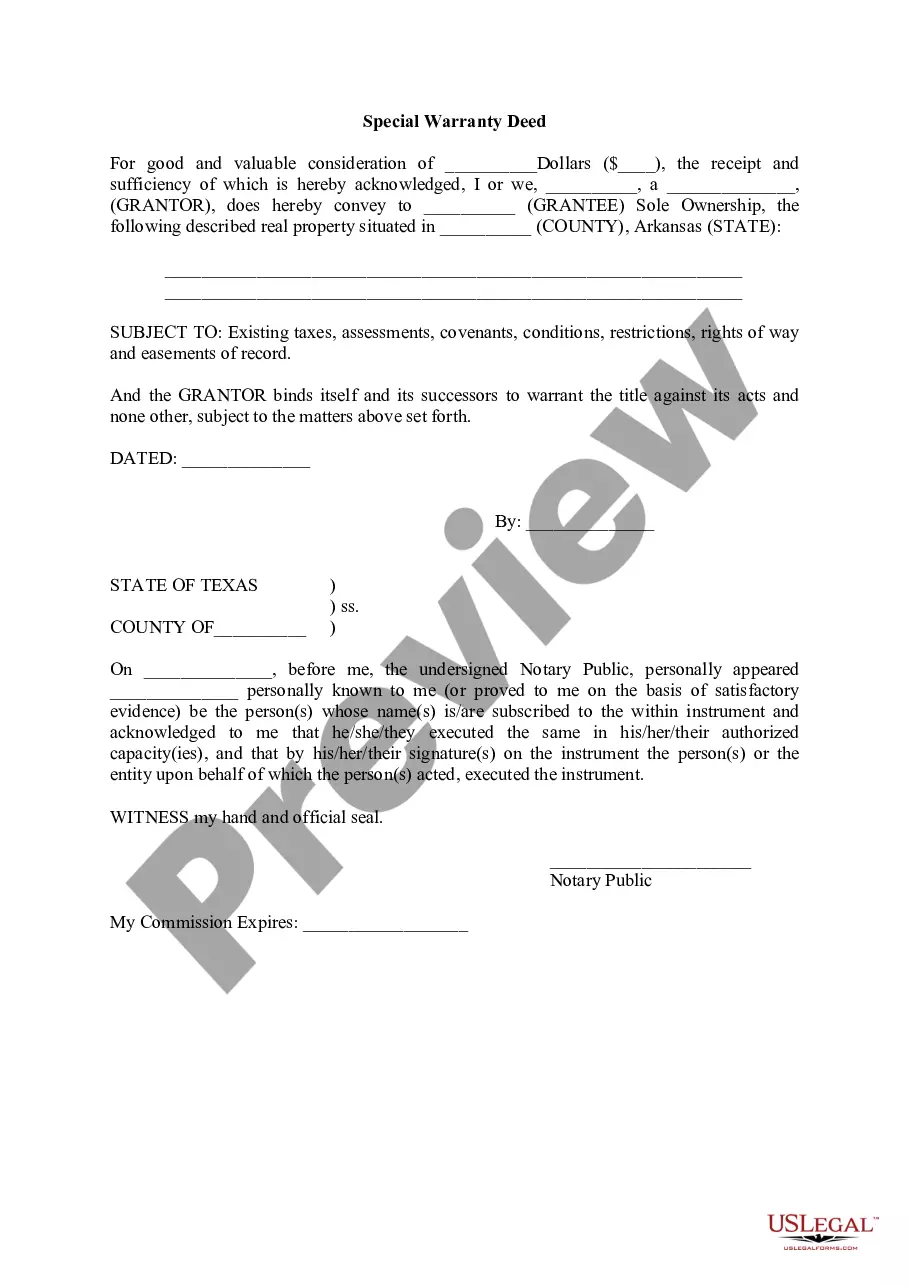
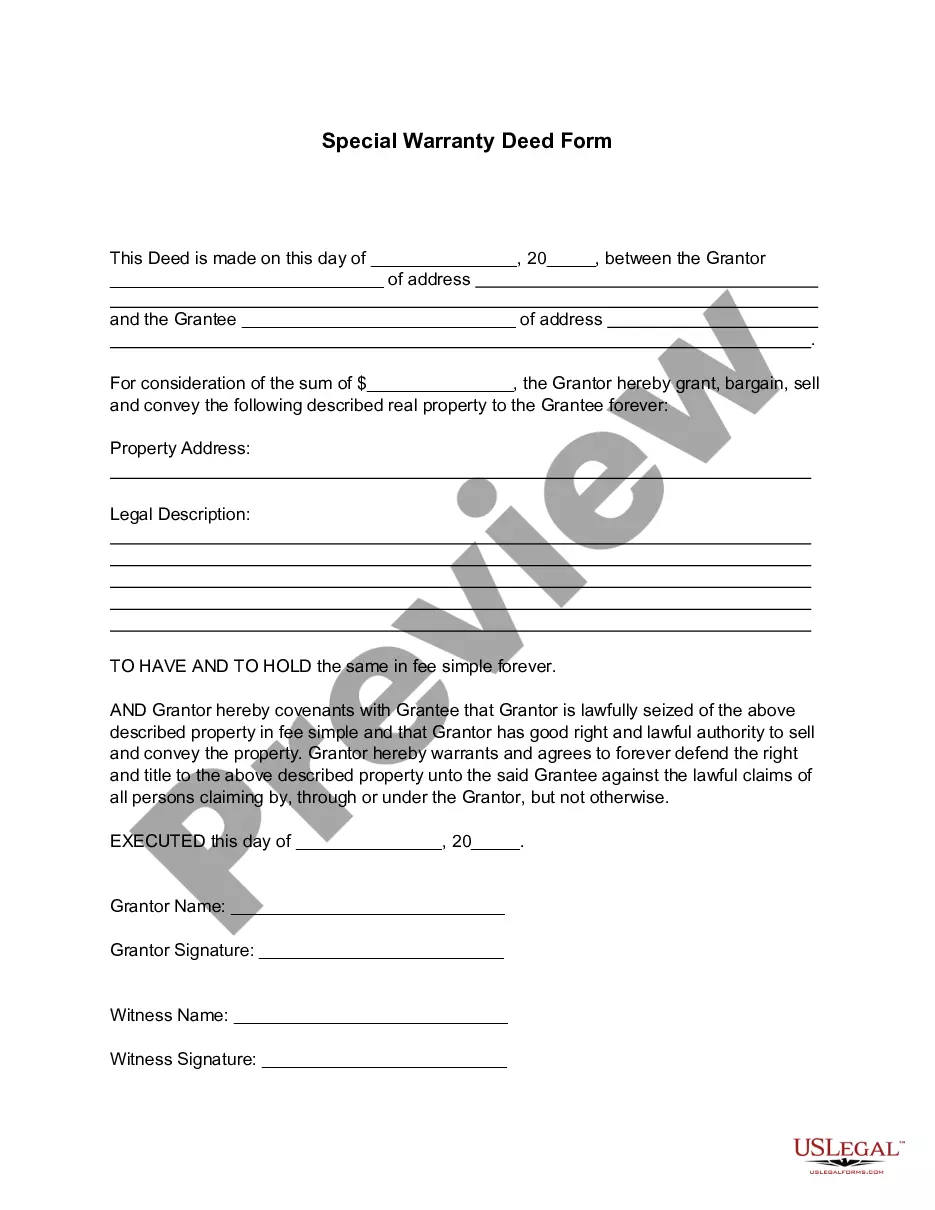
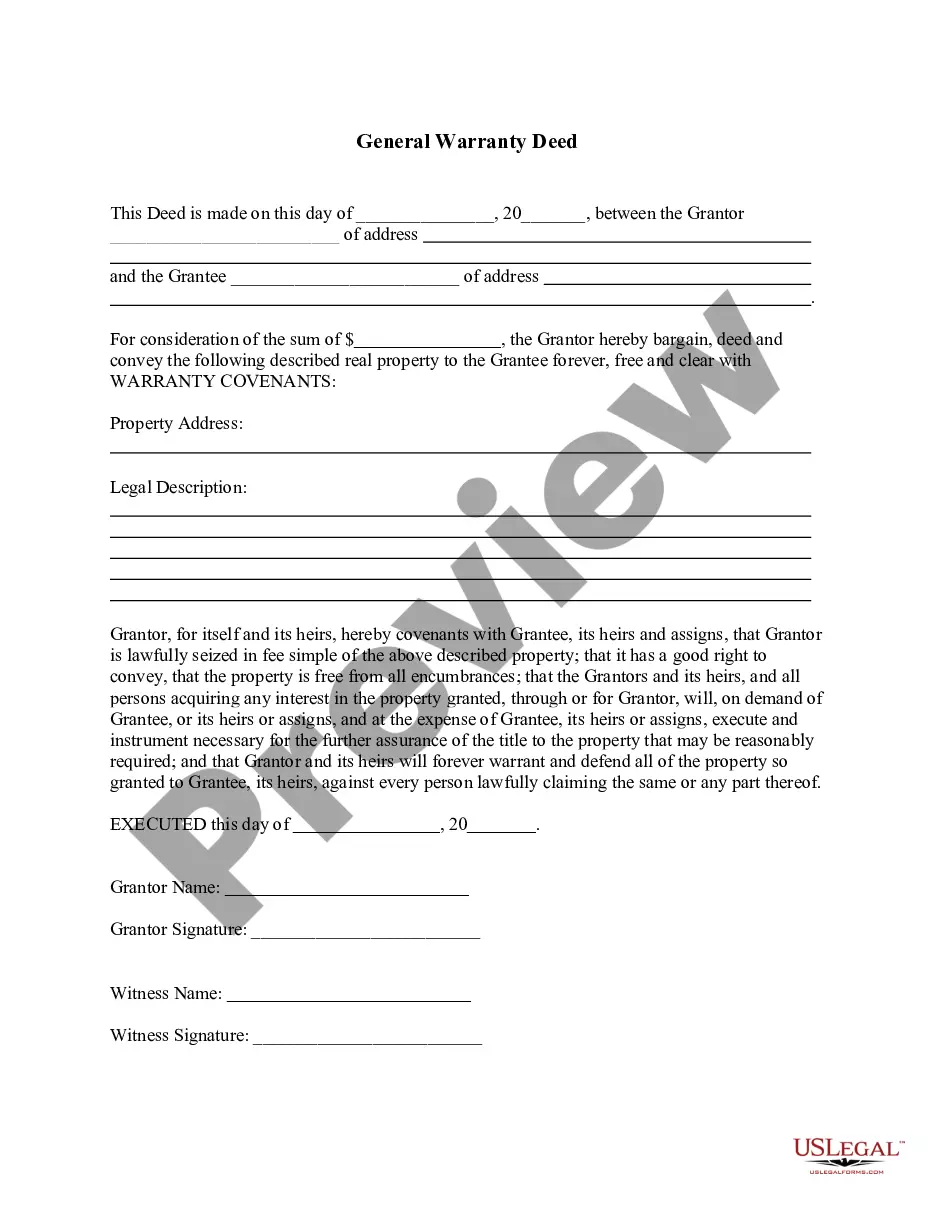
A special warranty deed is a legal document used to convey real property from a husband and wife (the grantors) to a trust (the grantee). This type of deed provides a limited warranty on the property title, ensuring that the grantors will warrant title against their own actions but not against actions taken before they acquired the property. This form is essential when property is conveyed with specific assurances about title ownership, distinguishing it from general warranty deeds that provide broader protections to the grantee.
What’s included in this form
- Grantor and Grantee Information: Identifies the husband and wife as grantors and the trust as the grantee.
- Property Description: Detailed description of the property being conveyed, including its location in Arkansas.
- Consideration Amount: States the monetary value exchanged for the property.
- Title Warrant: The grantors' commitment to warrant the title against their own acts.
- Notary Section: Provides a space for notarization to ensure legal validity.
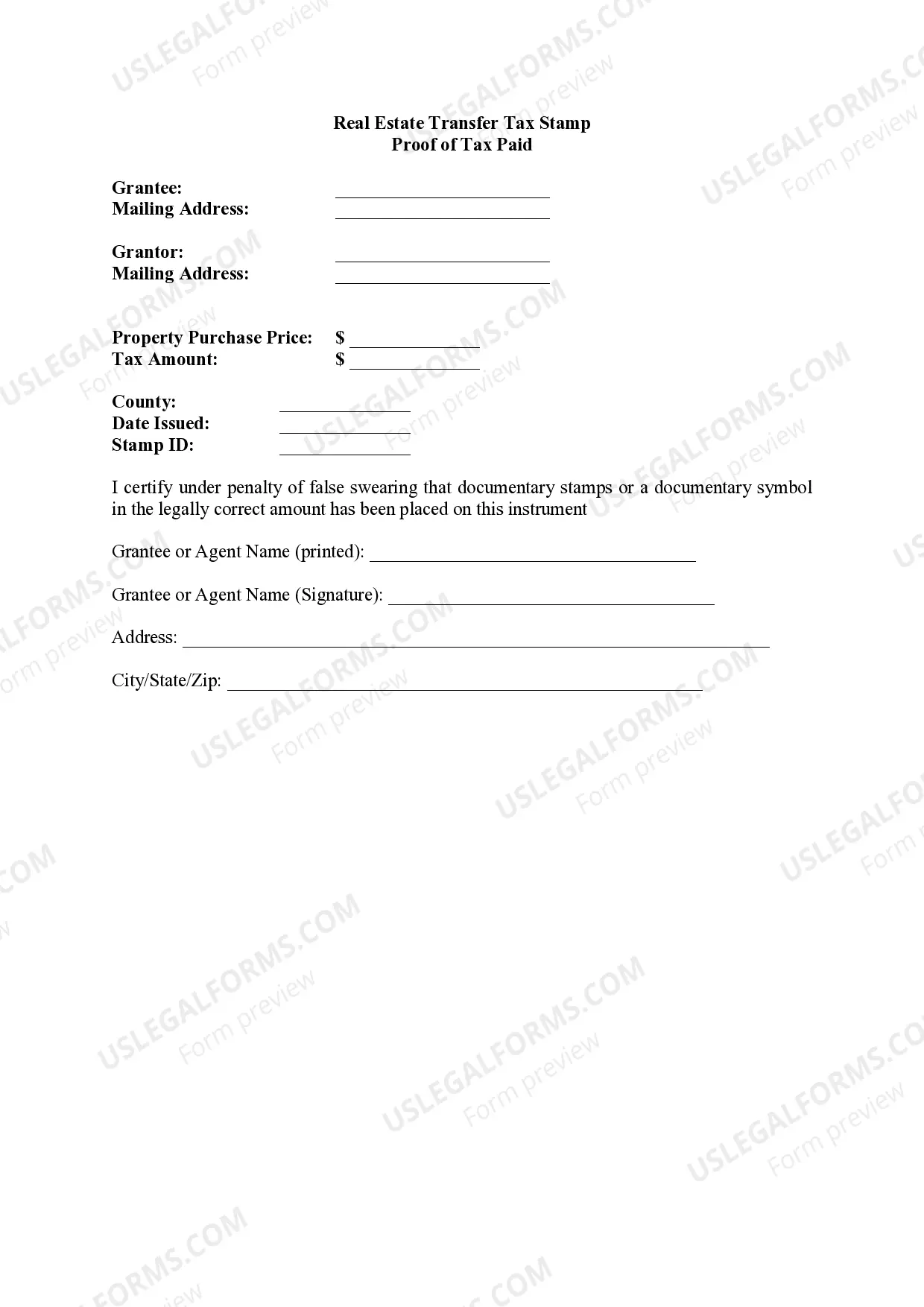
- Real Estate Transfer Tax Stamp: Confirms tax payment and relevant details regarding the property transaction.


When this form is needed
This special warranty deed should be used when a husband and wife wish to transfer property ownership to a trust. It is particularly relevant in estate planning scenarios or when property needs to be managed separately from the owners' personal assets. This document helps assure the trust that there are no claims against the property due to the grantors' actions, providing a degree of security for the trust's future beneficiaries.
Who can use this document
- Couples who jointly own property and intend to transfer it to a trust.
- Trustees managing property held in trust for beneficiaries.
- Individuals seeking to clarify title warranties related to property they previously owned.
- Estate planners coordinating the transfer of assets to avoid probate.
Completing this form step by step
- Identify the grantors by entering the names of the husband and wife.
- Specify the grantee by naming the trust receiving the property.
- Fill in the value of consideration being exchanged for the property.
- Provide a detailed description of the property being conveyed.
- Enter the date of execution and obtain the necessary signatures from the grantors.
- Have the document notarized to ensure its legal validity.
Notarization guidance
Yes, this form must be notarized to be legally valid. Notarization helps verify the identities of the signers and ensures that the document complies with local laws. US Legal Forms offers integrated online notarization, allowing users to securely notarize documents through a video call anytime, facilitating a smooth and efficient process.
Get your form ready online
Our built-in tools help you complete, sign, share, and store your documents in one place.
Make edits, fill in missing information, and update formatting in US Legal Forms—just like you would in MS Word.
Download a copy, print it, send it by email, or mail it via USPS—whatever works best for your next step.
Sign and collect signatures with our SignNow integration. Send to multiple recipients, set reminders, and more. Go Premium to unlock E-Sign.
If this form requires notarization, complete it online through a secure video call—no need to meet a notary in person or wait for an appointment.
We protect your documents and personal data by following strict security and privacy standards.

Make edits, fill in missing information, and update formatting in US Legal Forms—just like you would in MS Word.

Download a copy, print it, send it by email, or mail it via USPS—whatever works best for your next step.

Sign and collect signatures with our SignNow integration. Send to multiple recipients, set reminders, and more. Go Premium to unlock E-Sign.

If this form requires notarization, complete it online through a secure video call—no need to meet a notary in person or wait for an appointment.

We protect your documents and personal data by following strict security and privacy standards.
Common mistakes to avoid
- Failing to provide a complete and accurate property description.
- Not including the correct names of the grantors and grantee.
- Omitting signatures or failing to have the form notarized.
- Leaving out the consideration amount, which is essential for validating the transfer.
- Not checking for compliance with local laws that may require additional information.
Looking for another form?
Form popularity
FAQ
A warranty statement often outlines the guarantees offered by the seller regarding the property's title. For instance, in an Arkansas Special Warranty Deed, the statement may declare that the grantor defends the title against all claims that arose during their ownership. This provides assurance to the grantee and adds legal weight to the transaction.
In Arkansas, a warranty deed typically includes legal language that guarantees the grantor's right to convey the property. The deed should list the names of the parties, property description, and any warranties provided. An Arkansas Special Warranty Deed will also specify any limitations during the grantor's ownership, protecting the grantee from potential future claims.
Filling out a warranty form involves providing accurate information related to the property in question. Be sure to include details such as the property address, the parties involved, and any specific terms of the warranty. If you're using a warranty form related to an Arkansas Special Warranty Deed, consider using professional services like USLegalForms for guidance.
To give a warranty to a customer, provide them with a written document that outlines the warranty terms. This document should specify what is covered, the duration of the warranty, and the process for making a claim. With an Arkansas Special Warranty Deed, clarity in the agreement helps establish trust and minimizes disputes.
To write out a warranty, start by clearly identifying the parties involved in the agreement. Specify the property details and the nature of the coverage provided. For an Arkansas Special Warranty Deed, be sure to include any limitations or guarantees related to the property's title. This ensures all parties understand their rights and responsibilities.
The code 18 12 201 pertains to the statutory requirements for transferring property ownership in Arkansas. This code is relevant to both buyers and sellers when considering an Arkansas Special Warranty Deed. Familiarity with this code can empower you to navigate the legalities involved in real estate transactions more confidently.
In Arkansas, there are several types of deeds, each serving unique purposes. The most common include the General Warranty Deed, the Special Warranty Deed, and the Quitclaim Deed. Specifically, the Arkansas Special Warranty Deed offers limited guarantees, making it crucial for buyers to understand just what protections this type of deed provides during a property transaction.
The code 18 12 102 addresses the different aspects of property transfer under specific conditions in Arkansas. This code is particularly relevant for those dealing with varying types of deeds, including the Arkansas Special Warranty Deed. Knowing this code will help you protect your rights when engaging in property transactions.
The code 12 18 103 relates to the procedural requirements for executing a deed in the state of Arkansas. This code is important for anyone looking to file an Arkansas Special Warranty Deed, as it provides essential guidelines for proper execution. Familiarizing yourself with this code can simplify your understanding of real estate document requirements.
The code 5 12 102 pertains to the requirements for the acknowledgment of a deed in Arkansas. Specifically, this code outlines the necessary procedures for ensuring that a deed, such as an Arkansas Special Warranty Deed, is legally recognized. Understanding this code can help you navigate the process of real estate transactions effectively.