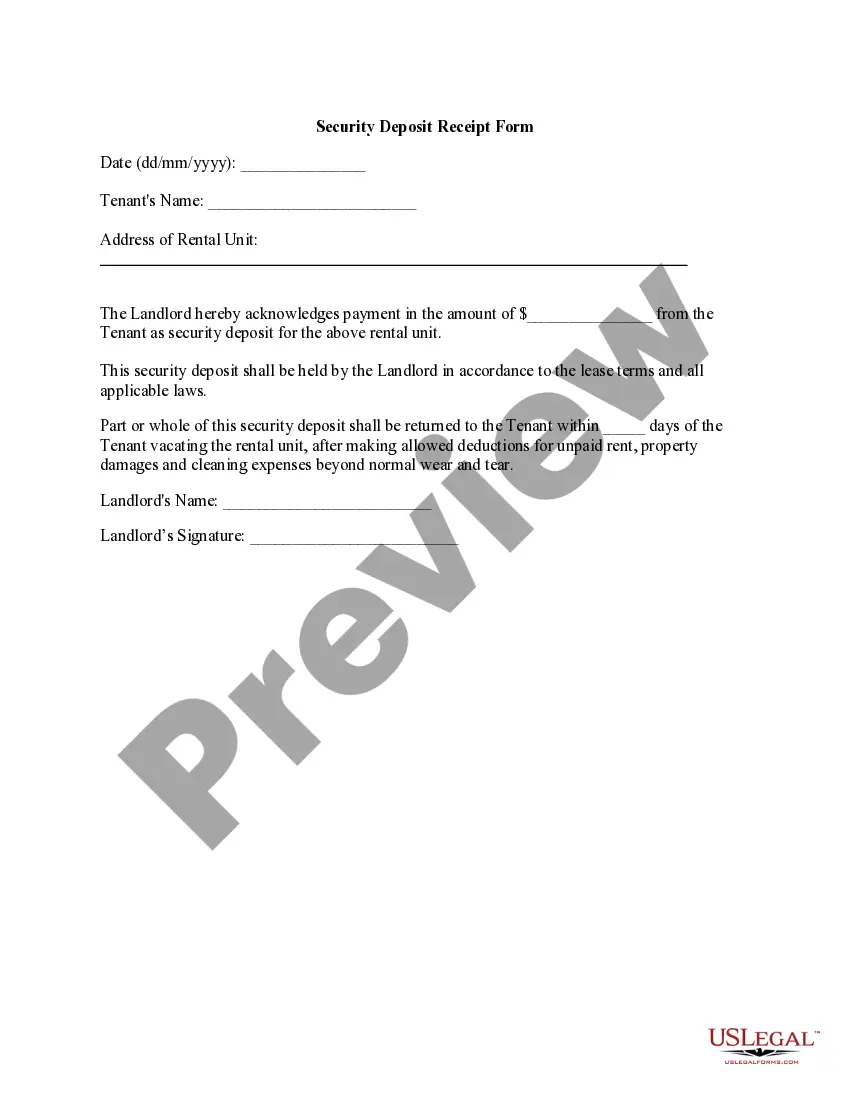
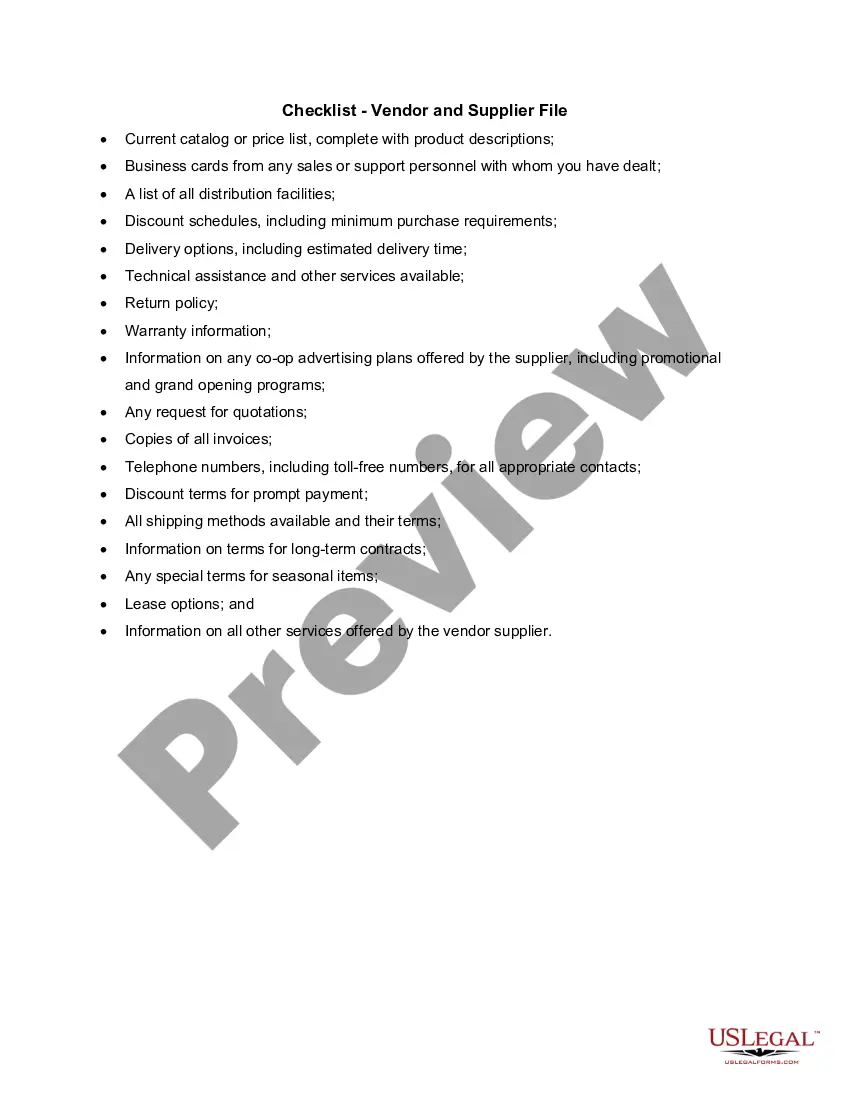
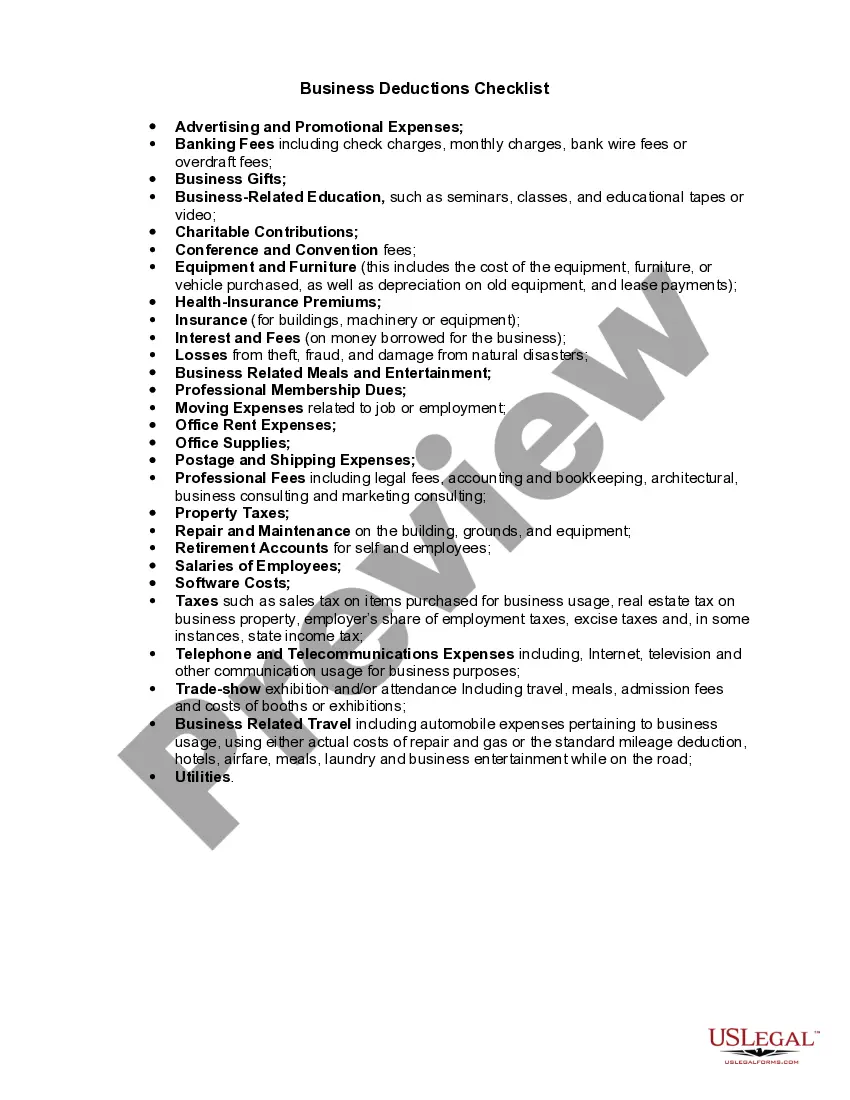
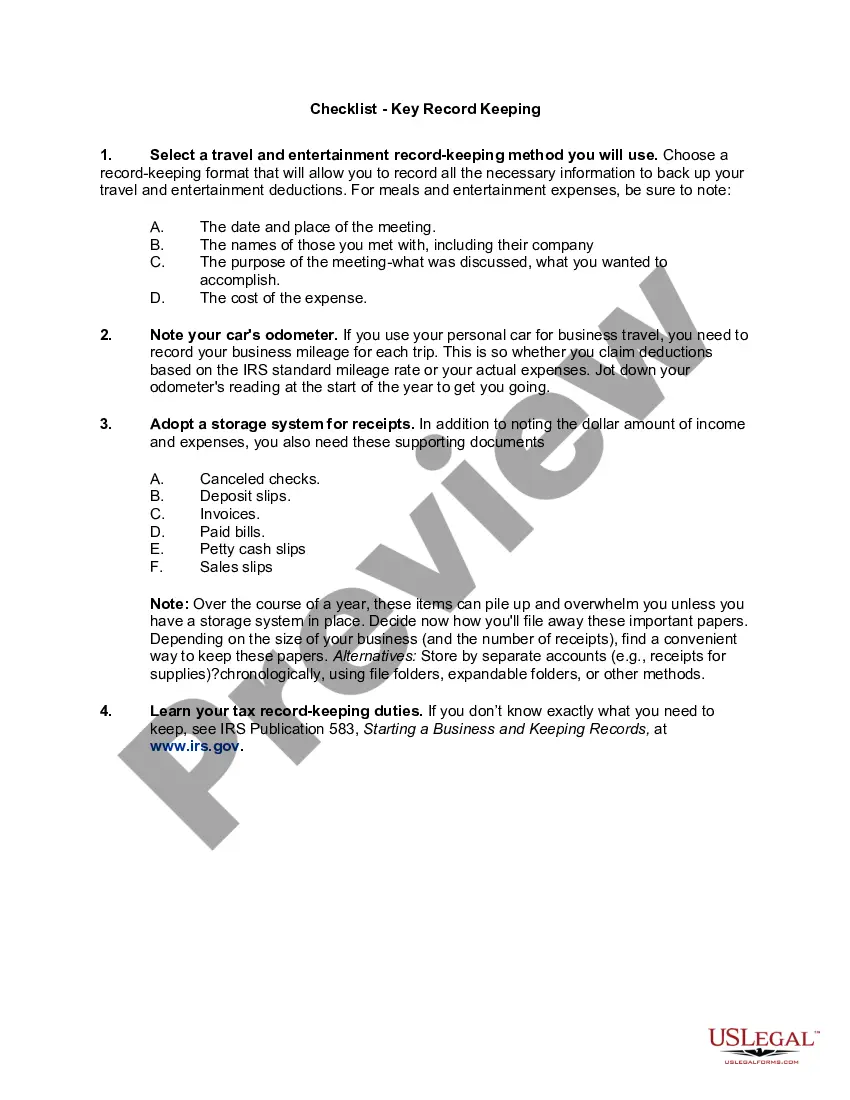
Alabama Checklist - Vendor and Supplier File
Description
Get your form ready online
Our built-in tools help you complete, sign, share, and store your documents in one place.
Make edits, fill in missing information, and update formatting in US Legal Forms—just like you would in MS Word.
Download a copy, print it, send it by email, or mail it via USPS—whatever works best for your next step.
Sign and collect signatures with our SignNow integration. Send to multiple recipients, set reminders, and more. Go Premium to unlock E-Sign.
If this form requires notarization, complete it online through a secure video call—no need to meet a notary in person or wait for an appointment.
We protect your documents and personal data by following strict security and privacy standards.

Make edits, fill in missing information, and update formatting in US Legal Forms—just like you would in MS Word.

Download a copy, print it, send it by email, or mail it via USPS—whatever works best for your next step.

Sign and collect signatures with our SignNow integration. Send to multiple recipients, set reminders, and more. Go Premium to unlock E-Sign.

If this form requires notarization, complete it online through a secure video call—no need to meet a notary in person or wait for an appointment.

We protect your documents and personal data by following strict security and privacy standards.
Looking for another form?


How to fill out Checklist - Vendor And Supplier File?
Are you presently located in a space that requires documentation for either organizational or personal reasons almost every business day.
There is an assortment of legal document templates available online, but locating reliable ones can be challenging.
US Legal Forms offers a wide variety of form templates, including the Alabama Checklist - Vendor and Supplier File, designed to meet state and federal specifications.
Upon finding the appropriate form, click Buy now.
Choose the pricing plan you desire, complete the necessary information to create your account, and finalize the purchase using your PayPal or Visa or Mastercard.
- If you are already acquainted with the US Legal Forms website and possess an account, simply Log In.
- Subsequently, you will be able to download the Alabama Checklist - Vendor and Supplier format.
- If you do not have an account and wish to begin using US Legal Forms, follow these steps.
- Acquire the document you require and ensure it corresponds to the correct city/state.
- Utilize the Review button to assess the form.
- Examine the description to confirm you have selected the correct template.
- If the document does not match your search, use the Search field to find the form that fits your needs.
Form popularity
FAQ
What to Assess in a Supplier EvaluationProduction Capacity. All supplier evaluations should thoroughly appraise the supplier's abilities and limitations.Quality.Performance.Risk.Environmental Impact.
Supplier Performance Evaluation ChecklistStep 1: Establishing Performance Indicators.Step 2: Classifying Suppliers.Step 3: Centralizing and Integrating Data.Step 4: Developing a Solid Evaluation Approach.Step 5: Collaborating with Suppliers for Review/ Feedback.Step 6: Creating an Actionable Plan.
7 Things to Consider When Choosing A VendorPrice. Your goal should always be to get the maximum value for the lowest possible cost.Quality of Product or Service.Check References.Customer Service.Ethics and Integrity of The Vendor.Professional Employees.Recommendations from Others.Existing Relationships.
New Vendor Information Form have vendor complete vendor information form to collect pertinent information about vendor, such as name, address, phone number, email, EIN, bank details, demographic information, etc.
8 Steps to Onboard a New VendorAlways research.Issue a Request for Proposal (RFP).Begin to compare.Complete a vendor risk assessment.Collect due diligence.Obtain references.Develop an exit strategy.Keep senior management and the board informed.
Criteria for selecting a supplierprice.value for money.quality.reliability.responsiveness.flexibility.
The first step in supplier selection and evaluation is situation analysis. 11. Trade shows, trade publications, and the Internet are sources that can be used to identify possible suppliers.
Look for customers whose needs and values are similar to yours, to ensure that the information you gather is relevant to your organization.Capacity. The supplier needs to have enough capacity to handle your company's requirements.Commitment.Control.Cash.Cost.Consistency.Culture.Clean.More items...
Vendor rating is the result of a formal vendor evaluation system. Vendors or suppliers are given standing, status, or title according to their attainment of some level of performance, such as delivery, lead time, quality, price, or some combination of variables.
Create specific performance criteria for tracking and evaluating your suppliers and vendors on a regular basismonthly, quarterly, and/or annually. Considerations include size of the company, number of certifications, quality management systems, complaint history, and financial stability.