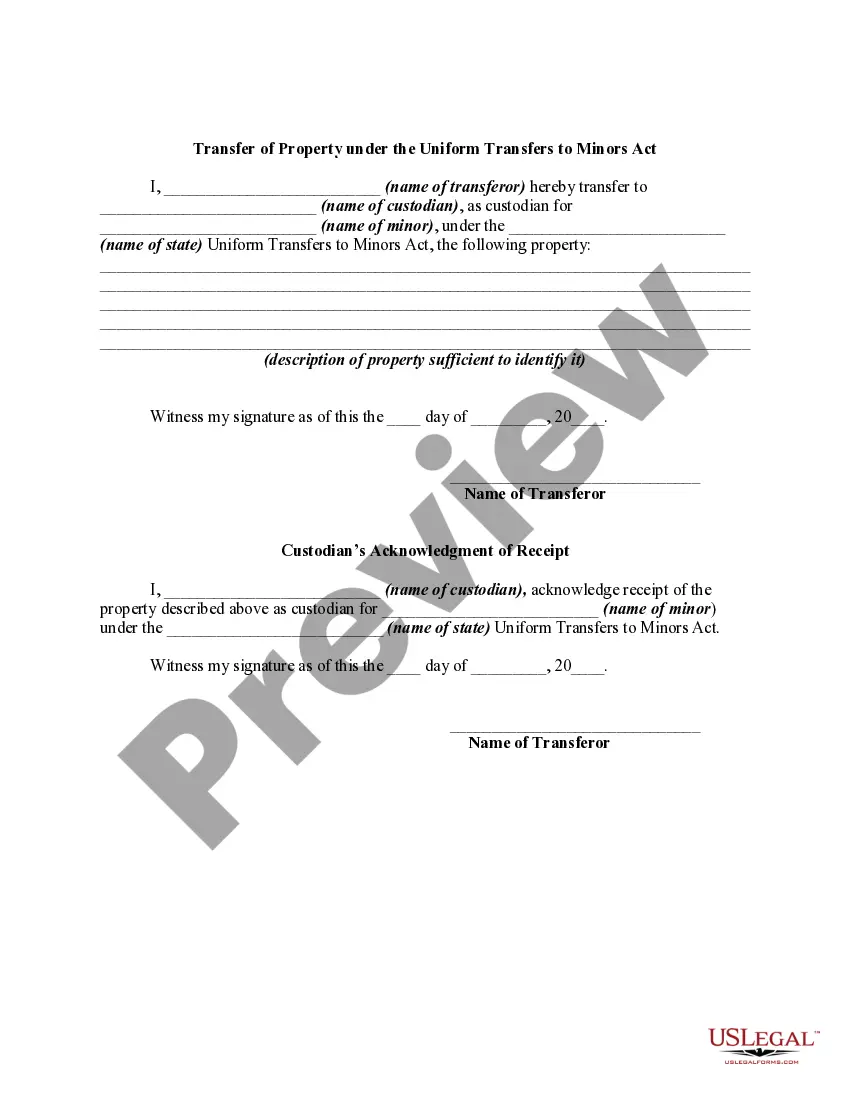
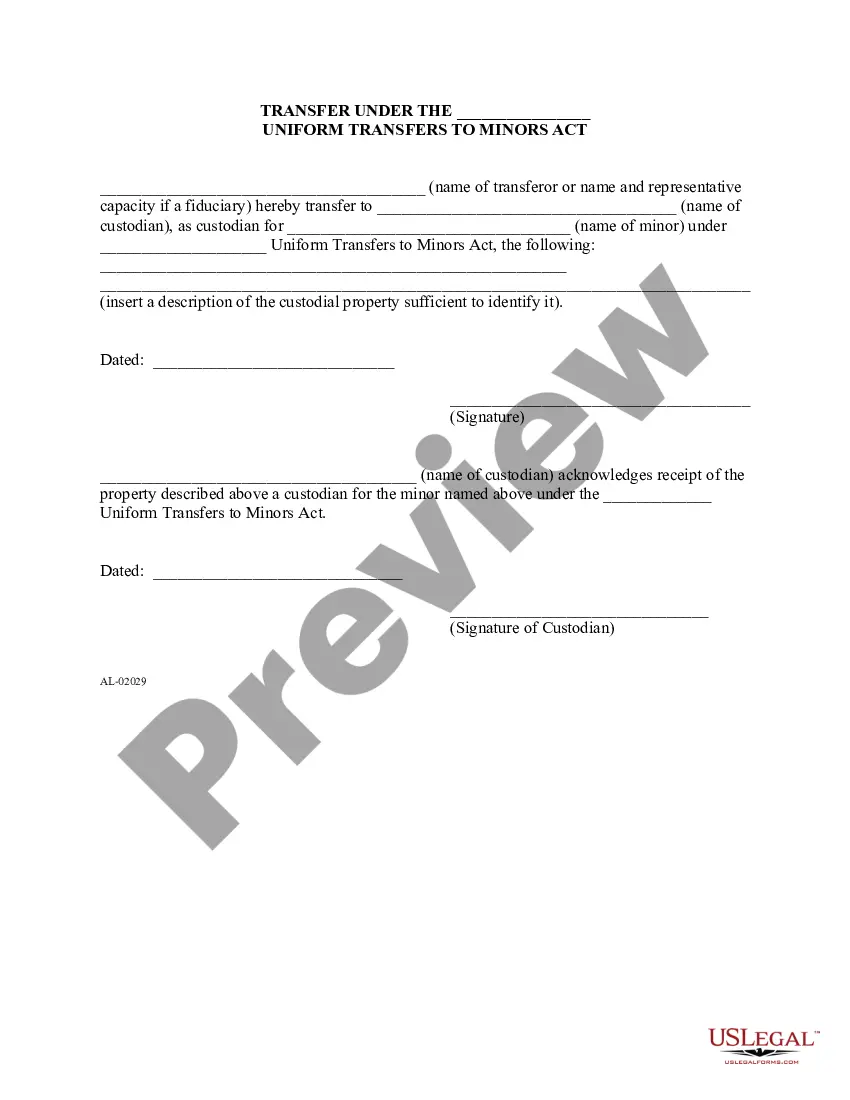
Alabama Transfer of Property under the Uniform Transfers to Minors Act
Description
Get your form ready online
Our built-in tools help you complete, sign, share, and store your documents in one place.
Make edits, fill in missing information, and update formatting in US Legal Forms—just like you would in MS Word.
Download a copy, print it, send it by email, or mail it via USPS—whatever works best for your next step.
Sign and collect signatures with our SignNow integration. Send to multiple recipients, set reminders, and more. Go Premium to unlock E-Sign.
If this form requires notarization, complete it online through a secure video call—no need to meet a notary in person or wait for an appointment.
We protect your documents and personal data by following strict security and privacy standards.

Make edits, fill in missing information, and update formatting in US Legal Forms—just like you would in MS Word.

Download a copy, print it, send it by email, or mail it via USPS—whatever works best for your next step.

Sign and collect signatures with our SignNow integration. Send to multiple recipients, set reminders, and more. Go Premium to unlock E-Sign.

If this form requires notarization, complete it online through a secure video call—no need to meet a notary in person or wait for an appointment.

We protect your documents and personal data by following strict security and privacy standards.
Looking for another form?
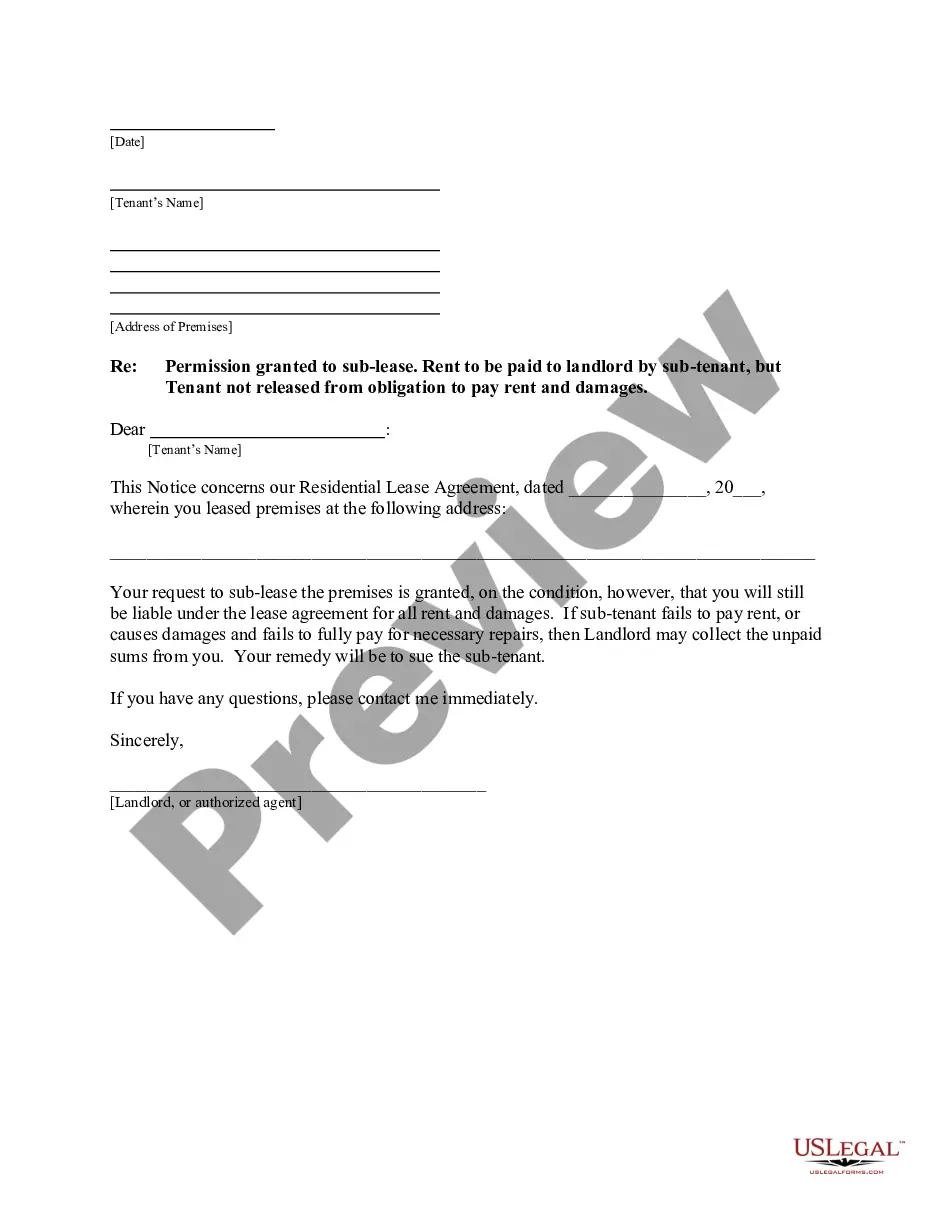
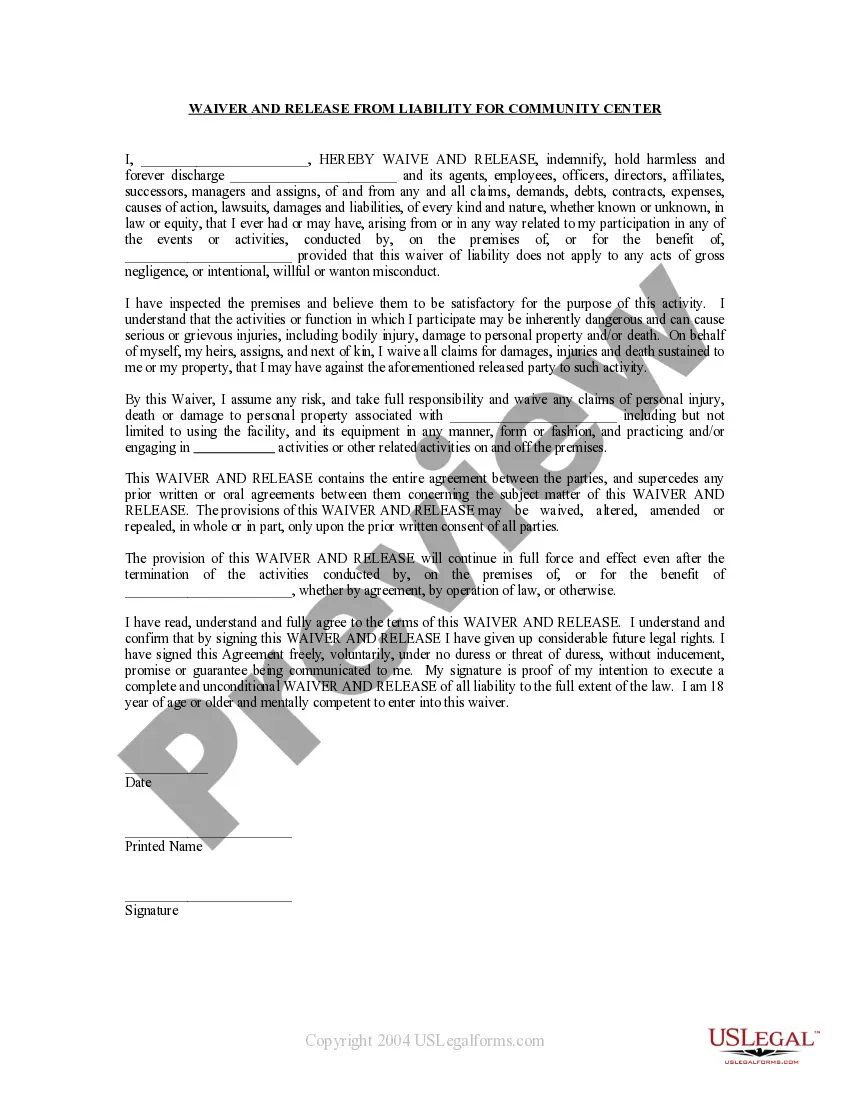
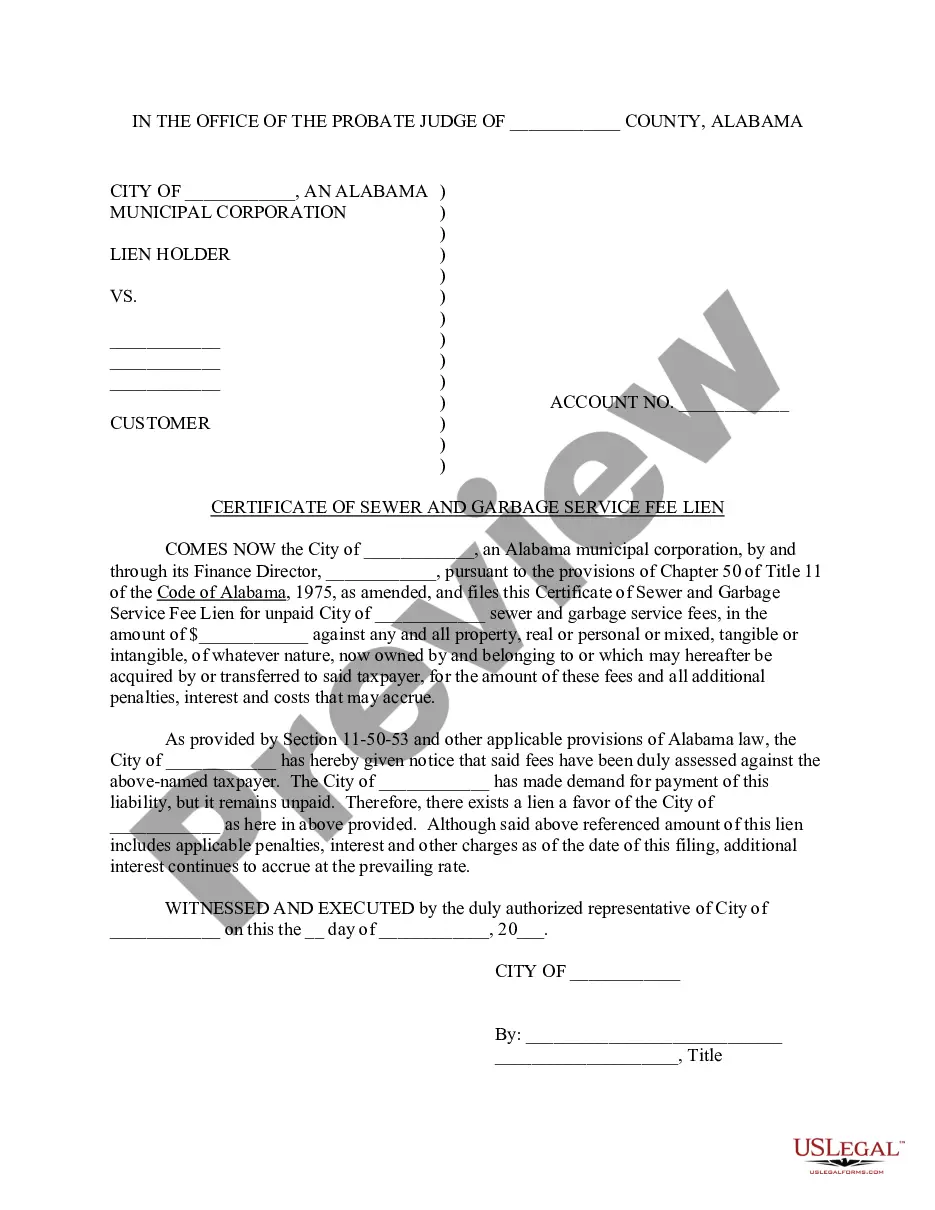
How to fill out Transfer Of Property Under The Uniform Transfers To Minors Act?
Have you ever found yourself needing to obtain documents for potential business or particular purposes almost constantly.
There are numerous legal document templates accessible online, but finding forms you can trust is not simple.
US Legal Forms offers a vast array of form templates, such as the Alabama Transfer of Property under the Uniform Transfers to Minors Act, which are designed to comply with both federal and state regulations.
Choose the pricing plan you desire, provide the required information to create your account, and complete the purchase using your PayPal or credit card.
Select a preferred file format and download your copy. Access all the document templates you have purchased in the My documents menu. You can obtain another copy of the Alabama Transfer of Property under the Uniform Transfers to Minors Act at any time if necessary. Simply navigate to the required form to download or print the document template.
- If you are already familiar with the US Legal Forms website and possess an account, simply Log In.
- After that, you can download the Alabama Transfer of Property under the Uniform Transfers to Minors Act template.
- If you do not have an account and wish to start using US Legal Forms, follow these steps.
- Select the form you need and ensure it corresponds to your correct region/state.
- Utilize the Preview button to review the form.
- Read the description to make sure you have chosen the correct form.
- If the form does not meet your expectations, use the Lookup field to find the form that suits your needs.
- Once you find the appropriate form, click Buy now.
Form popularity
FAQ
The Uniform Gifts to Minors Act (UGMA) allows individuals to give or transfer assets to underage beneficiaries. The act, which was developed in 1956 and revised in 1966, is commonly used to transfer assets from parents to their children.
The Uniform Transfers To Minors Act (UTMA) is a uniform act drafted and recommended by the National Conference of Commissioners on Uniform State Laws in 1986, and subsequently enacted by all U.S. States, which provides a mechanism under which gifts can be made to a minor without requiring the presence of an appointed ...
The Uniform Gift to Minors Act (UGMA) was created to provide a means by which title to property could be passed to minors by use of a custodian. The nature of property which could be transferred under the UGMA was limited to securities, cash or other personal property.
UTMA allows the property to be gifted to a minor without establishing a formal trust. The donor or a custodian manages the property for the minor's benefit until the minor reaches a certain age. Once the child reaches a specified age set by the state, the child will have full control over the property.
The UTMA allows the donor to name a custodian, who has the fiduciary duty to manage and invest the property on behalf of the minor until that minor becomes of legal age.
The term Uniform Transfers to Minors Act (UTMA) refers to a law that allows a minor to receive gifts without the aid of a guardian or trustee. Gifts can include money, patents, royalties, real estate, and fine art.
A Uniform Gifts to Minors Act (UGMA) or Uniform Transfers to Minors Act (UTMA) account is an account into which property is set aside for a minor's benefit. Whether a UGMA or UTMA account is used depends on the law of the state in which the account is established.
A Uniform Gifts to Minors Act (UGMA) or Uniform Transfers to Minors Act (UTMA) account is an account into which property is set aside for a minor's benefit. Whether a UGMA or UTMA account is used depends on the law of the state in which the account is established.