Alabama Affidavit For Search Warrant
About this form
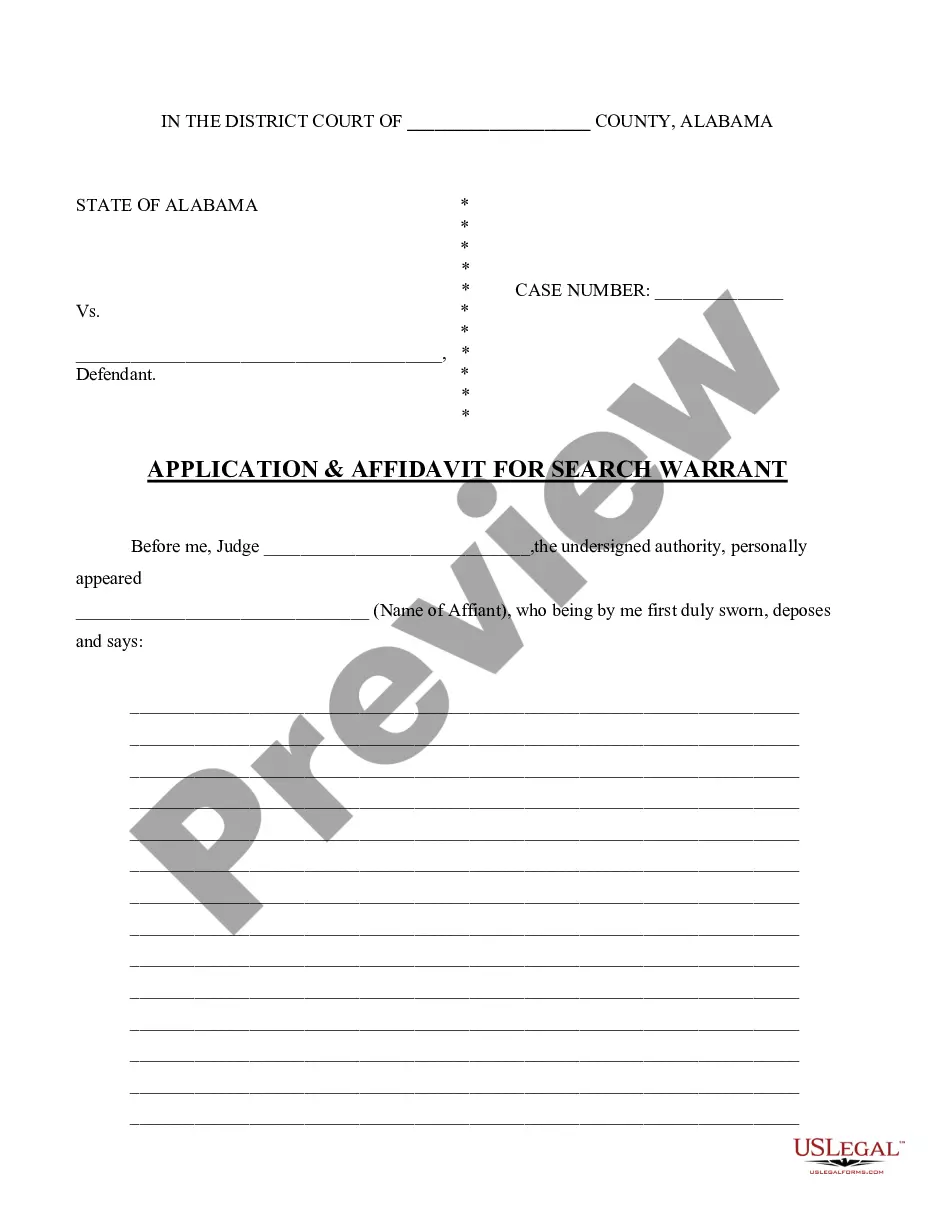
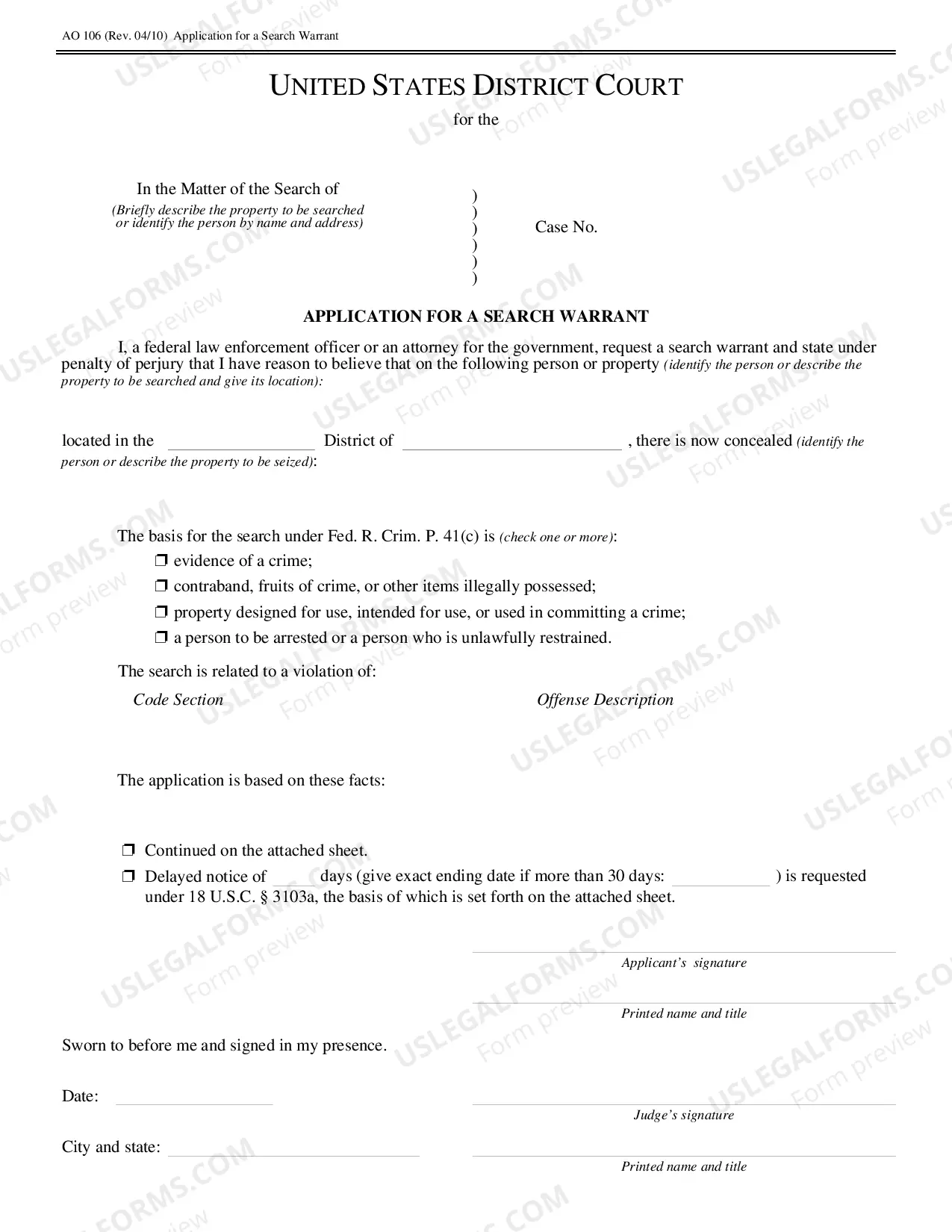
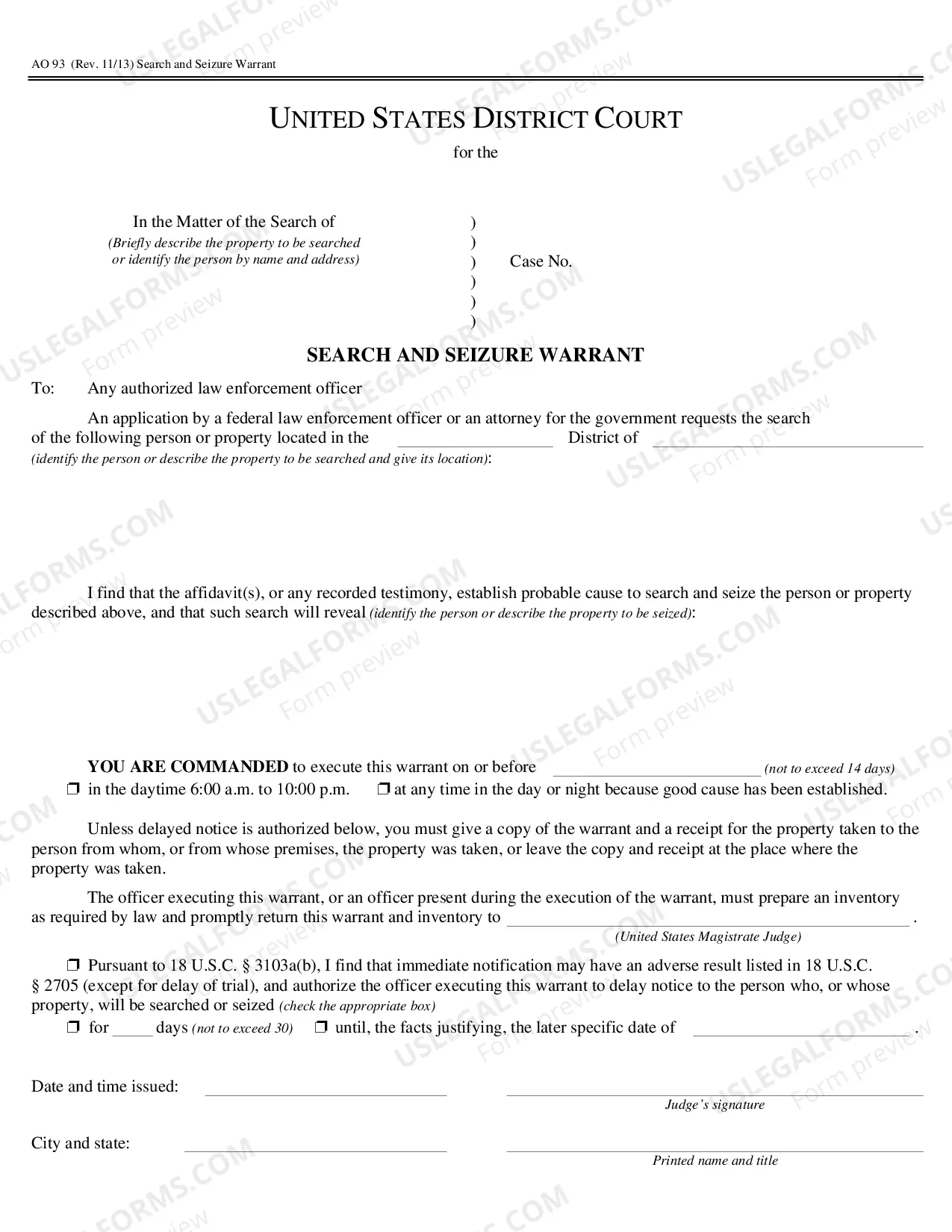
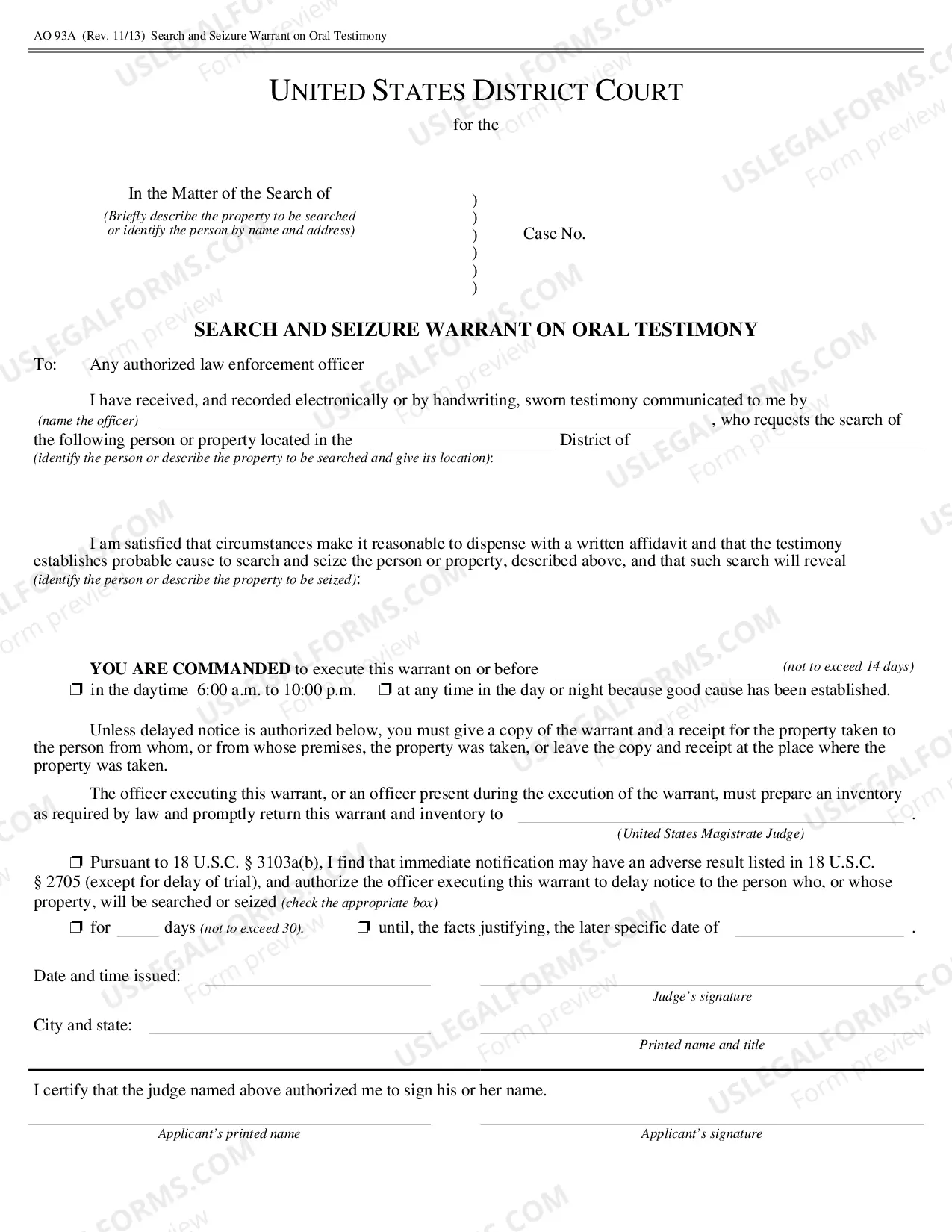
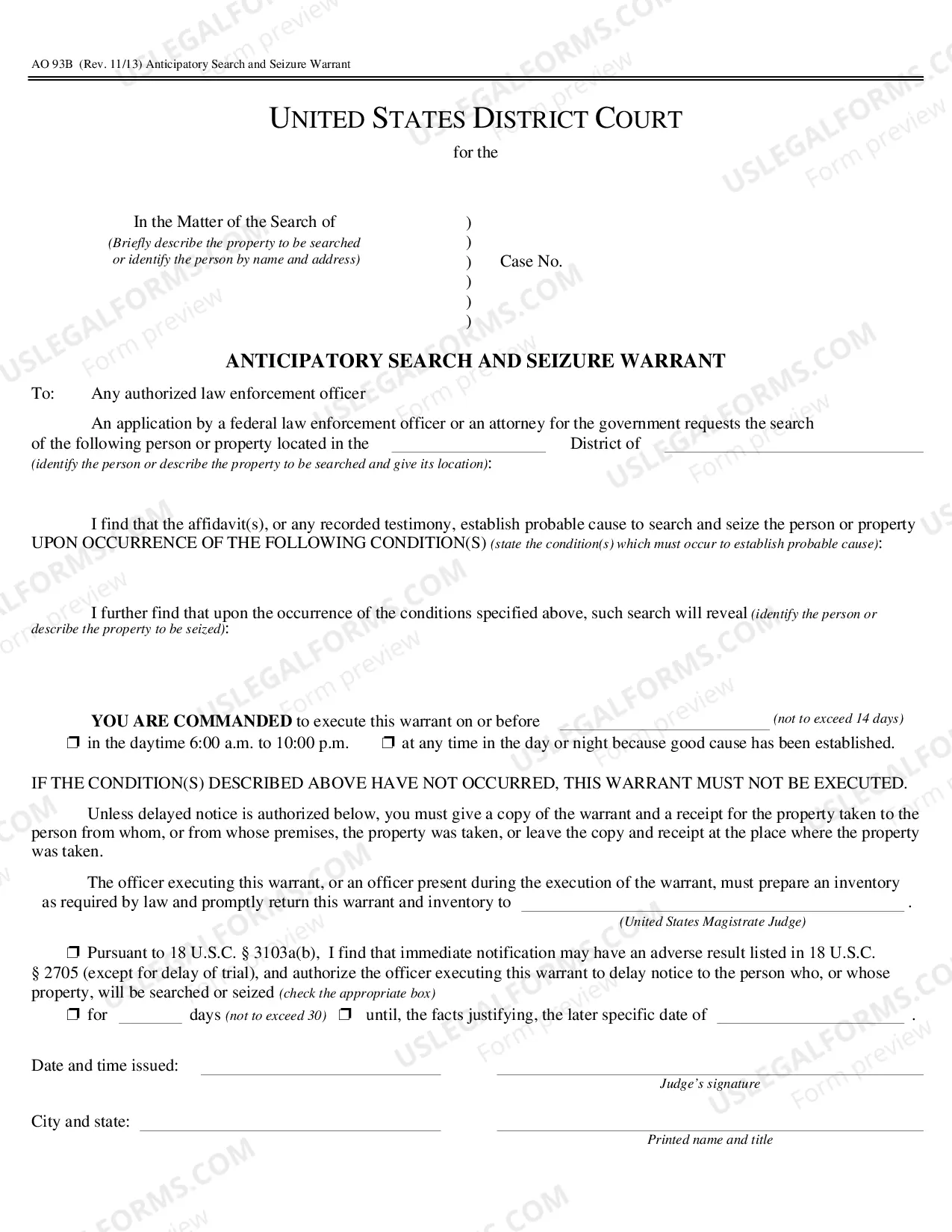
The Affidavit For Search Warrant is a legal document that allows law enforcement to request a court order for a search of a specified location and the seizure of evidence. This form is distinct from general affidavits as it specifically pertains to the authorization process for searches in criminal investigations.
Key parts of this document
- Details of the affiant, including name and title.
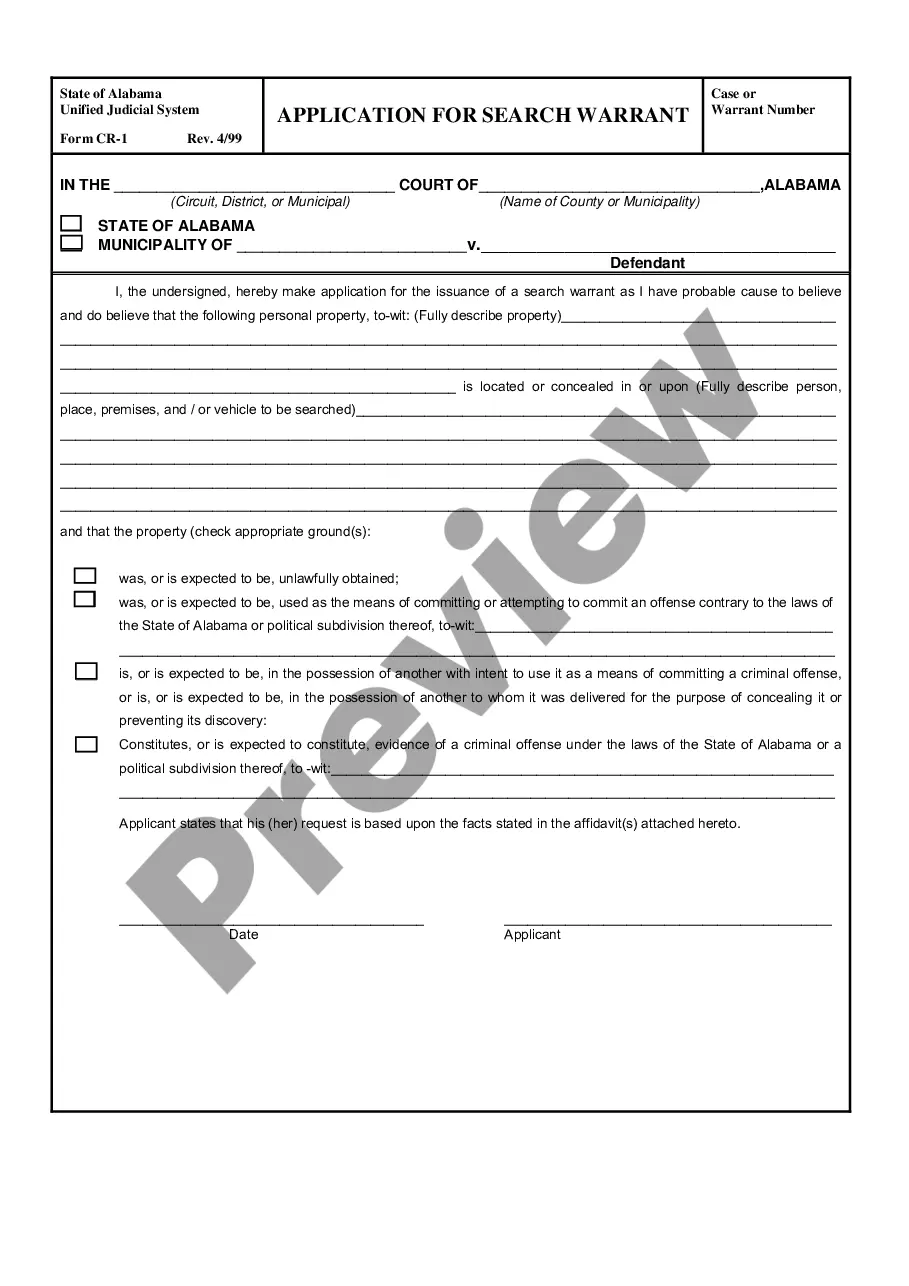
- Description of the premises to be searched.
- Outline of the evidence expected to be found.
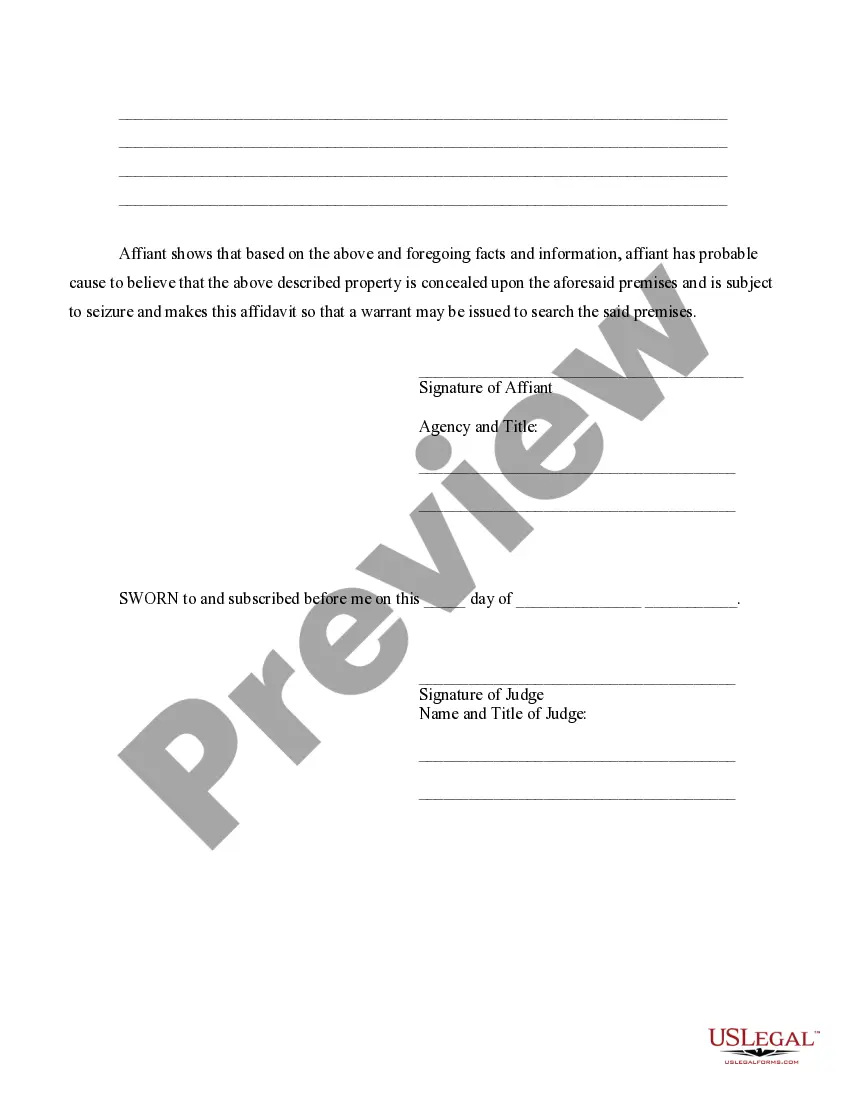
- Statement supporting probable cause for the search.
- Signature line for the affiant and the judge.
Situations where this form applies
This form is used when law enforcement officers need to obtain a legal authorization to search a specific location for evidence related to a crime. It is crucial in situations where immediate access to a property is necessary to prevent the destruction of evidence or to apprehend suspects.
Who needs this form
Eligible individuals include:
- Law enforcement officers seeking a search warrant.
- Authorized legal representatives involved in the investigation.
- Prosecutors needing to establish probable cause before a judge.
Completing this form step by step
- Identify the affiantâthis is the individual requesting the search warrant.
- Clearly describe the premises to be searched, including the address.
- Detail the property or evidence expected to be seized during the search.
- Provide a statement of facts that establishes probable cause for the search.
- Have the affiant sign the form in the presence of a judge or notary public.
Does this form need to be notarized?
Yes, this form must be notarized to be legally valid. US Legal Forms offers integrated online notarization, allowing you to securely video call with a notary anytime, ensuring the entire process is quick and efficient without requiring travel.
Get your form ready online
Our built-in tools help you complete, sign, share, and store your documents in one place.
Make edits, fill in missing information, and update formatting in US Legal Forms—just like you would in MS Word.
Download a copy, print it, send it by email, or mail it via USPS—whatever works best for your next step.
Sign and collect signatures with our SignNow integration. Send to multiple recipients, set reminders, and more. Go Premium to unlock E-Sign.
If this form requires notarization, complete it online through a secure video call—no need to meet a notary in person or wait for an appointment.
We protect your documents and personal data by following strict security and privacy standards.

Make edits, fill in missing information, and update formatting in US Legal Forms—just like you would in MS Word.

Download a copy, print it, send it by email, or mail it via USPS—whatever works best for your next step.

Sign and collect signatures with our SignNow integration. Send to multiple recipients, set reminders, and more. Go Premium to unlock E-Sign.

If this form requires notarization, complete it online through a secure video call—no need to meet a notary in person or wait for an appointment.

We protect your documents and personal data by following strict security and privacy standards.
Common mistakes to avoid
- Failing to provide specific details about the premises being searched.
- Not adequately establishing probable cause with sufficient evidence.
- Leaving out signatures from both the affiant and the judge.
- Using vague language that does not clearly articulate the reasons for the search.
Advantages of online completion
- Convenience of instant access to a downloadable template.
- Editability allows users to customize the form as needed.
- Reliability of obtaining a document drafted with legal standards in mind.
Looking for another form?

Form popularity
FAQ
The Alabama Affidavit For Search Warrant is a sworn written statement used to request a judge’s order authorizing a search and seizure. It presents the facts and basis for probable cause that evidence or contraband is at a specific location. Law enforcement or prosecutors file it to obtain a court-approved search under Alabama criminal procedure.
Challenging a search warrant is a separate legal step from filing this affidavit. If a warrant has been issued, the next step usually involves seeking relief from the court through appropriate post-issuance motions or appellate procedures, with legal counsel guiding the process. This form itself focuses on obtaining the warrant, not challenging it.
Some searches may proceed without a warrant under recognized exceptions, such as consent or exigent circumstances; however, this form is designed to support obtaining a warrant based on probable cause. It does not govern non-warrant searches. For Alabama-specific guidance on exceptions, consult a licensed attorney.
The form includes identifying information (names of the affiant and the defendant), the case number, a sworn statement of facts, a probable cause declaration, and signature lines for the affiant and the judge. Together, these elements justify the request for a court order authorizing the search and seizure.
This form should be used by law enforcement officers seeking judicial approval for a search, prosecutors preparing to gather evidence in a criminal case, and legal practitioners representing the state in search warrant proceedings. It documents the basis for the requested search and helps ensure the judge has sufficient information to consider issuing a warrant.
The affidavit is the sworn statement used to persuade a judge to issue a search warrant, outlining facts and probable cause. The actual warrant is the court order that authorizes the search. The form’s components — identifying information, case number, facts, probable cause, and signatures — support that request.