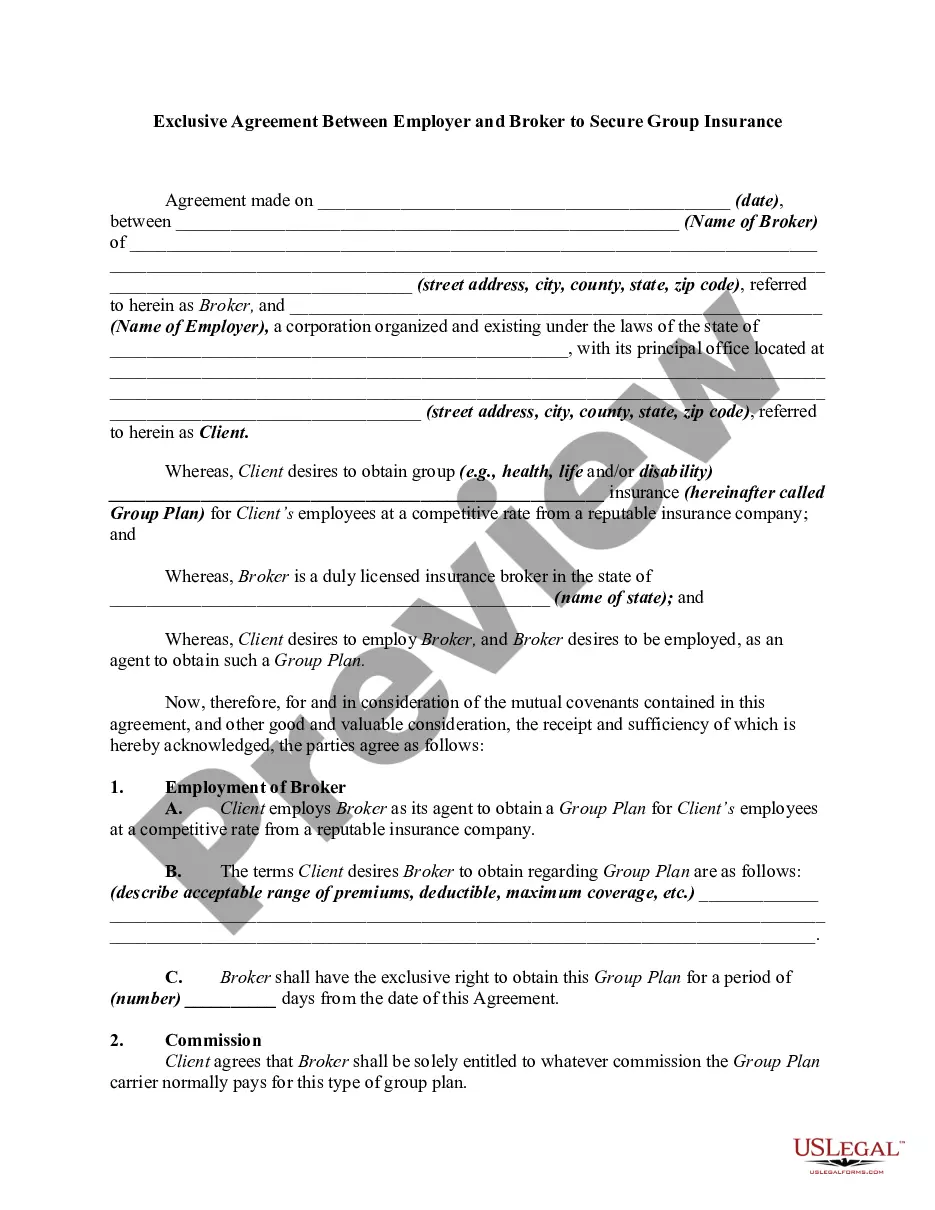
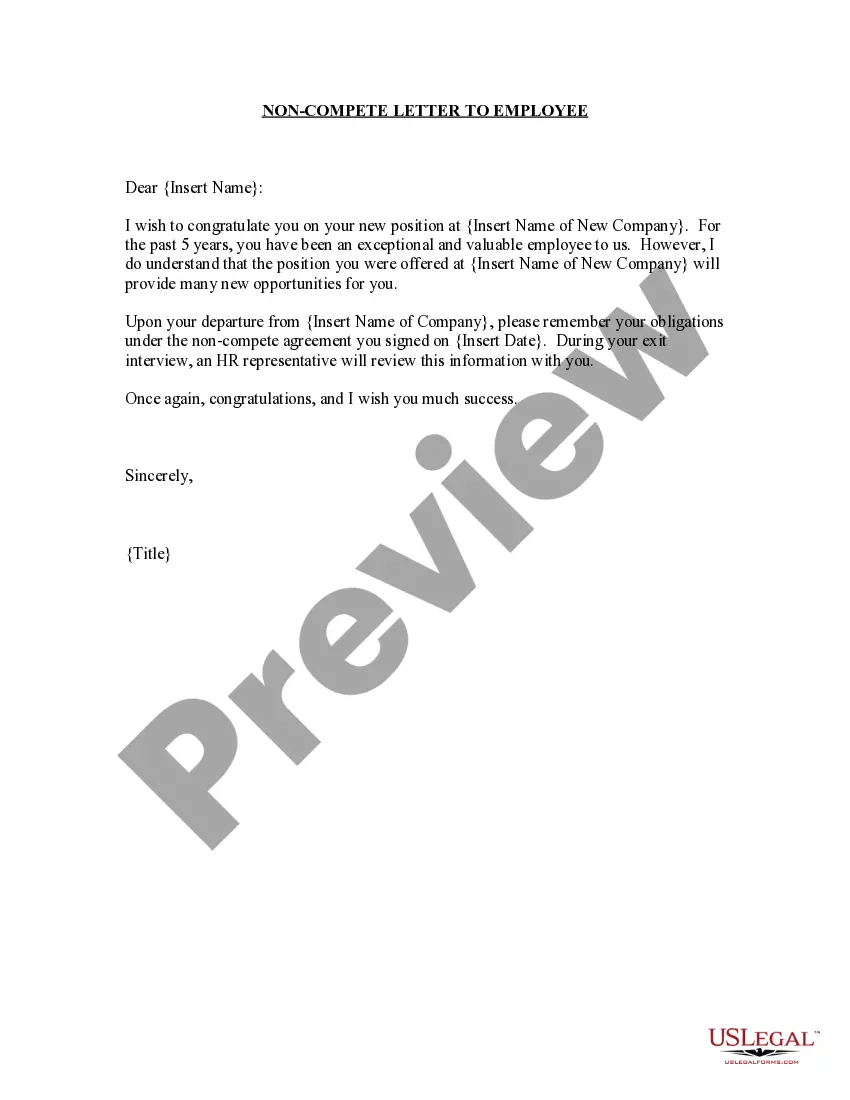
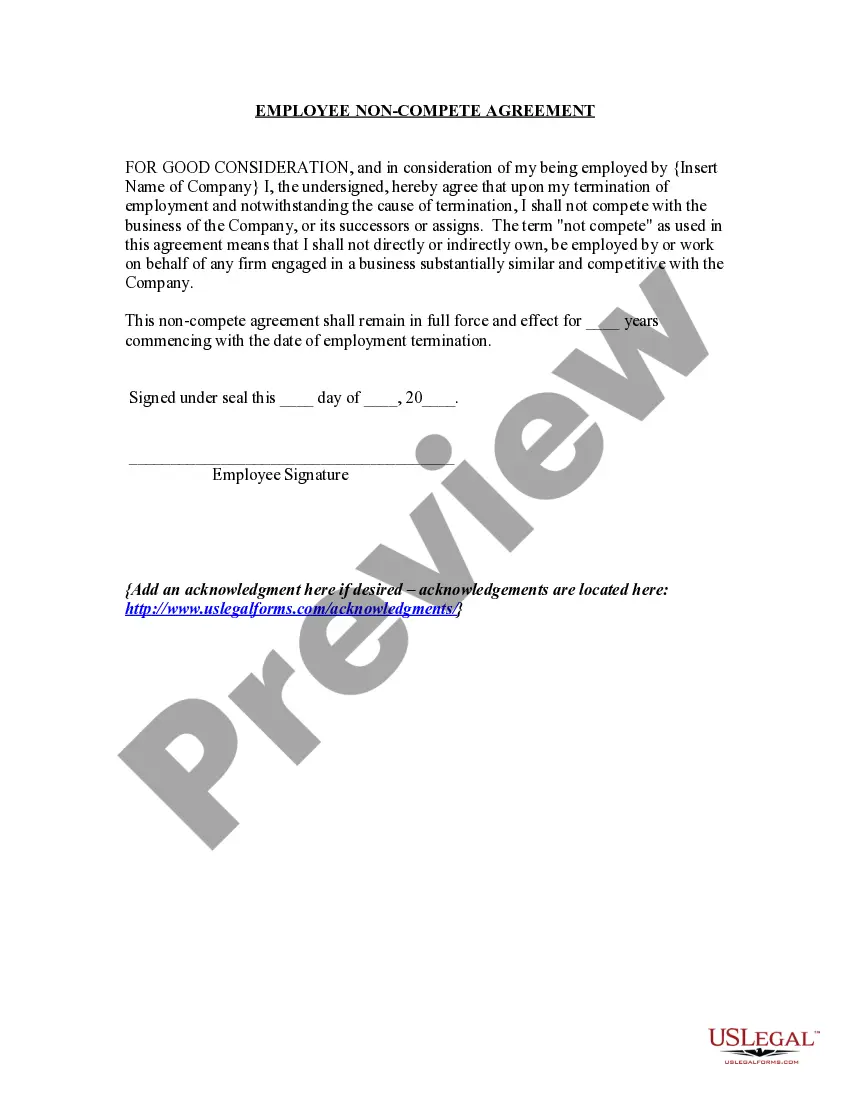
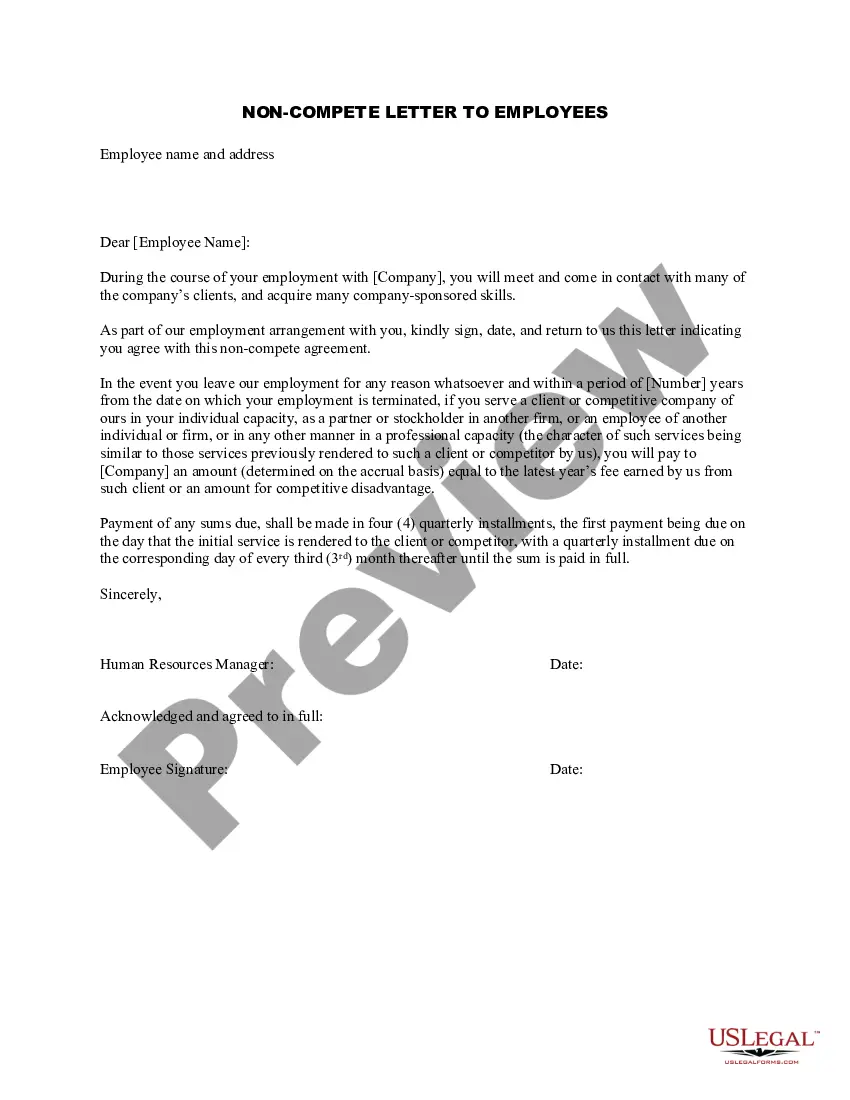
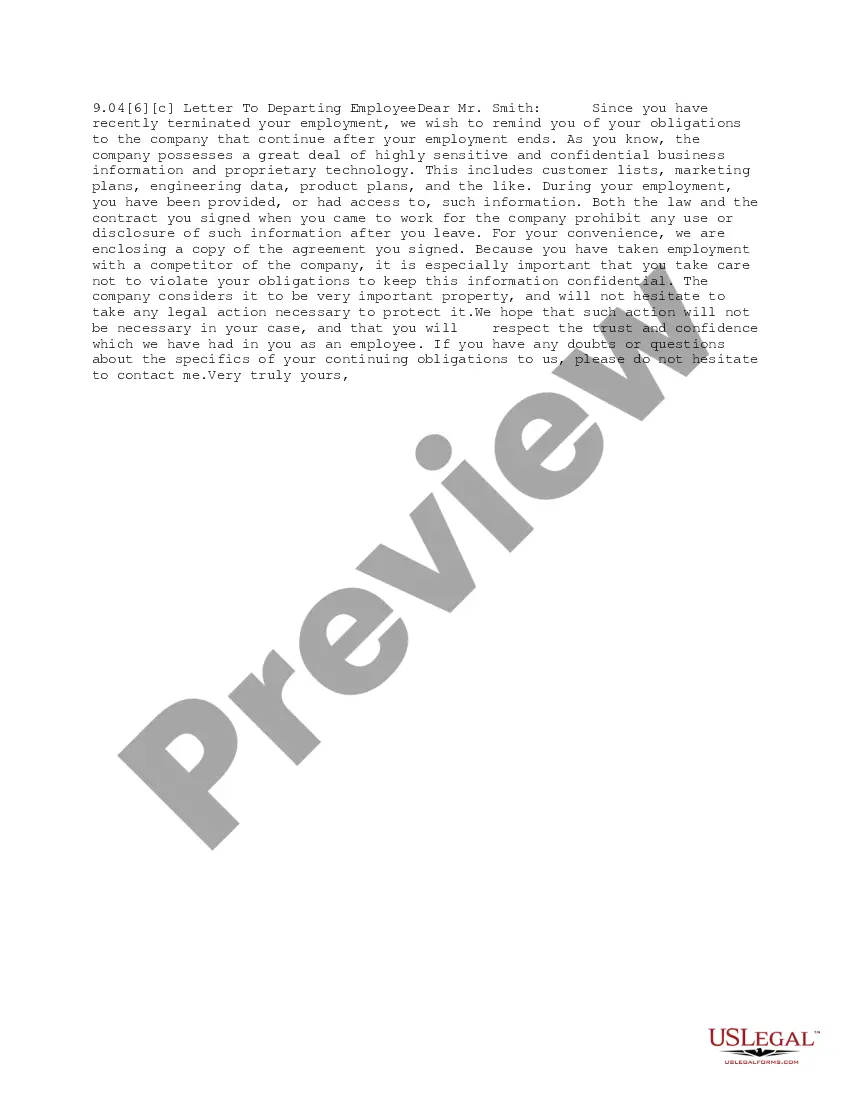
Alaska Noncompete Letter to Departing Employee
Description
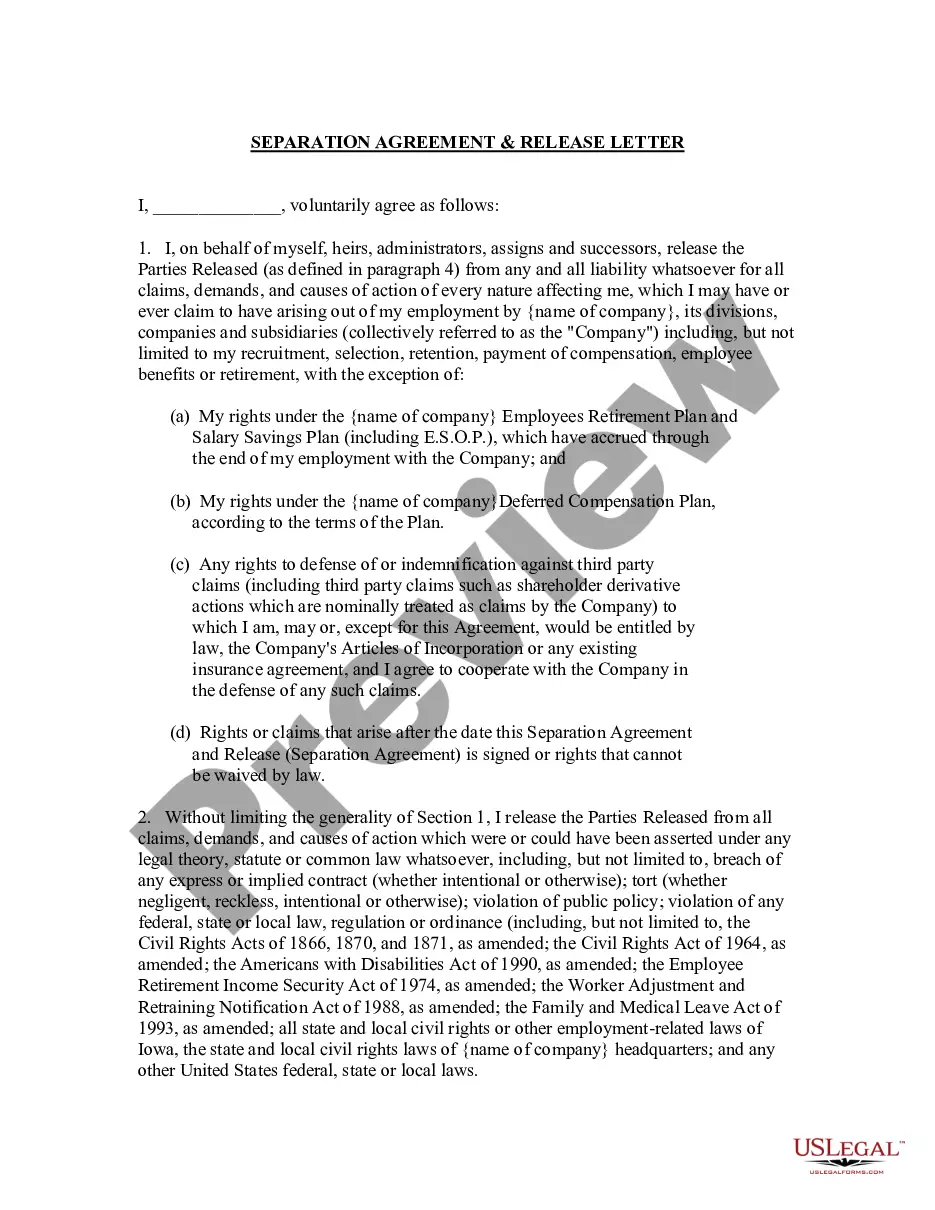
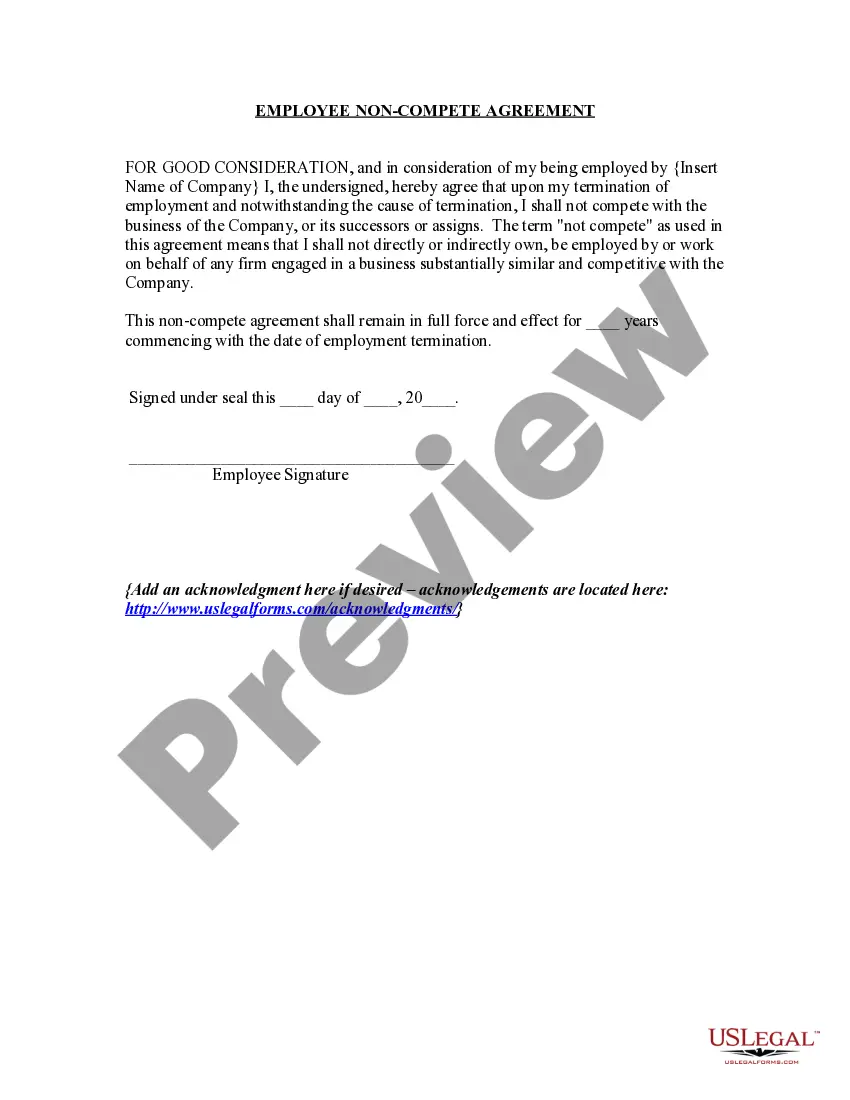

How to fill out Noncompete Letter To Departing Employee?
US Legal Forms - one of the largest collections of legal documents in the United States - offers a broad selection of legal form templates you can acquire or print. By utilizing the website, you will find thousands of forms for business and personal purposes, organized by categories, states, or keywords.
You can access the most current versions of forms such as the Alaska Noncompete Letter to Departing Employee within minutes.
If you have a subscription, Log In and retrieve the Alaska Noncompete Letter to Departing Employee from the US Legal Forms library. The Download button will appear on every form you view. You have access to all formerly downloaded forms in the My documents section of your account.
Complete the transaction. Use your credit card or PayPal account to finalize the transaction.
Choose the format and download the form to your device. Edit. Fill out, modify, print, and sign the downloaded Alaska Noncompete Letter to Departing Employee. Every form you added to your account has no expiration date and is yours forever. Therefore, if you wish to obtain or print another copy, simply visit the My documents section and click on the form you need. Access the Alaska Noncompete Letter to Departing Employee with US Legal Forms, the most extensive library of legal document templates. Utilize thousands of professional and state-specific templates that meet your business or personal requirements.
- Make sure you have selected the correct form for your city/state.
- Click the Review button to examine the form's content.
- Check the form description to ensure you have selected the right form.
- If the form does not meet your needs, use the Search box at the top of the screen to locate one that does.
- If you are satisfied with the form, confirm your choice by clicking the Purchase now button.
- Then, select your preferred pricing plan and provide your details to register for an account.
Form popularity
FAQ
By Janet A. In California, North Dakota, the District of Columbia, and Oklahoma, non-competes are either entirely or largely unenforceable as against public policy. Other states, including Maine, Maryland, New Hampshire, Rhode Island, and Washington, have banned non-compete agreements for low-wage workers.
You Can Void a Non-Compete by Proving Its Terms Go Too Far or Last Too Long. Whether a non-compete is unenforceable because it covers too large of a geographical area or it lasts too long can depend on many factors. Enforceability can depend on your industry, skills, location, etc.
If You Feel Comfortable, Ask For A Release stress your desire to leave the company on good terms. Your employer will appreciate your openness and willingness to come to a mutual understanding, and they may release you from the agreement. This release should be in writing and signed by both you and your employer.
If the court finds the non-compete too restricting, it won't hold up. Too broad or unnecessary: If the employer has created unnecessary restrictions on its employees, the court will not uphold the non-competition clauses.
Alaska. In Alaska, although Non-Competes are not favored by courts, they are permitted, as long as they are narrowly tailored and reasonable with regard to the restrictions, and they are trying to protect a legitimate interest of the employer.
Russell Beck: So there is no federal law on noncompetes; every state has its own noncompete law. Some states, like California, don't enforce noncompetes at all; they favor employee mobility over the protection of former employer's information.
Here are five ways to beat a non-compete agreement.Prove your employer is in breach of contract.Prove there is no legitimate interest to enforce the non-compete agreement.Prove the agreement is not for a reasonable amount of time.Prove that the confidential information you had access to isn't special.More items...
It is possible to find non-compete loopholes in certain circumstances in order to void a non-compete contract. For instance, if you can prove that you never signed the contract, or if you can demonstrate that the contract is against the public interest, you may be able to void the agreement.
Non-compete agreements are legally binding restrictive contracts between an employer and an employee. These agreements typically prohibit an employee from directly or indirectly competing with the business for a specific length of time after employment has ended.
If You Feel Comfortable, Ask For A Release Go through the reasons why you believe the non-compete is unenforceable (we can help you organize your argument) and this is very important! stress your desire to leave the company on good terms.