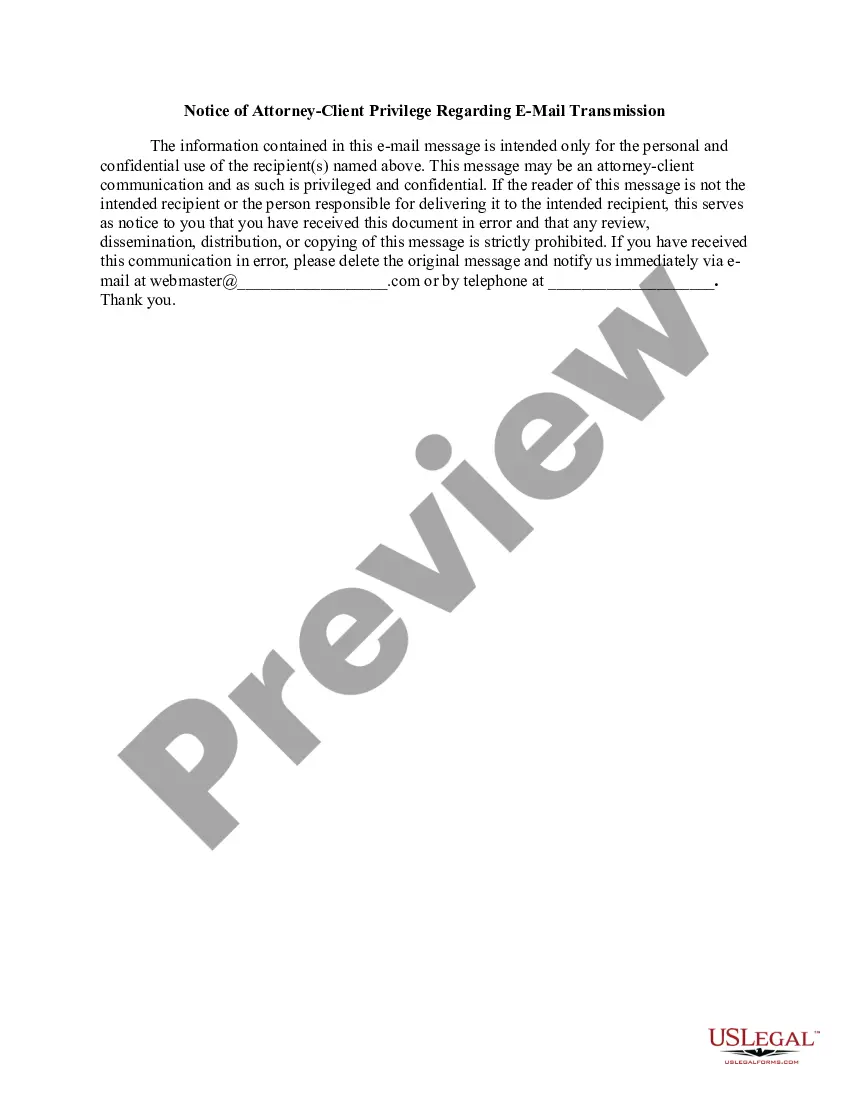
Alaska Notice of Attorney-Client Privilege Regarding E-Mail Transmission
Description
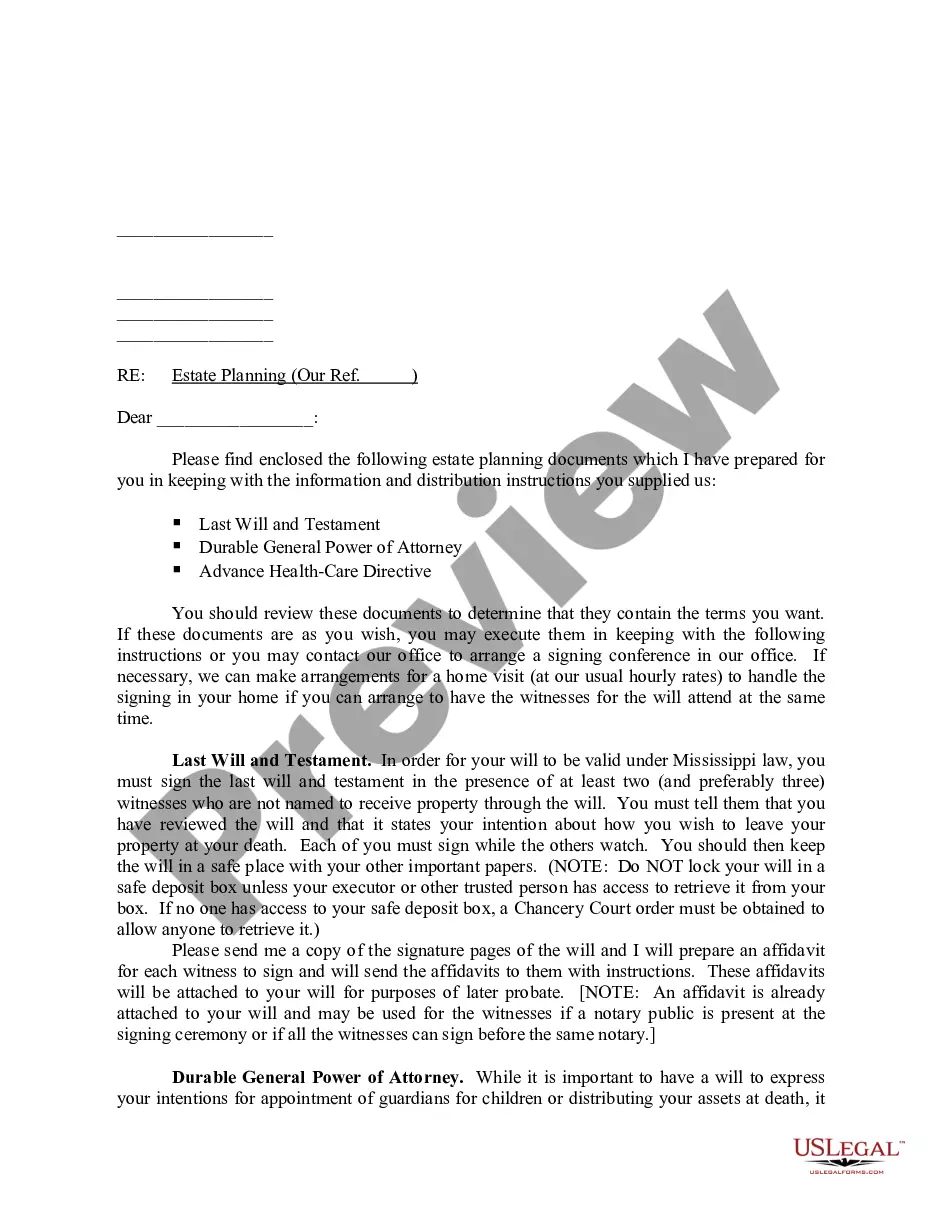
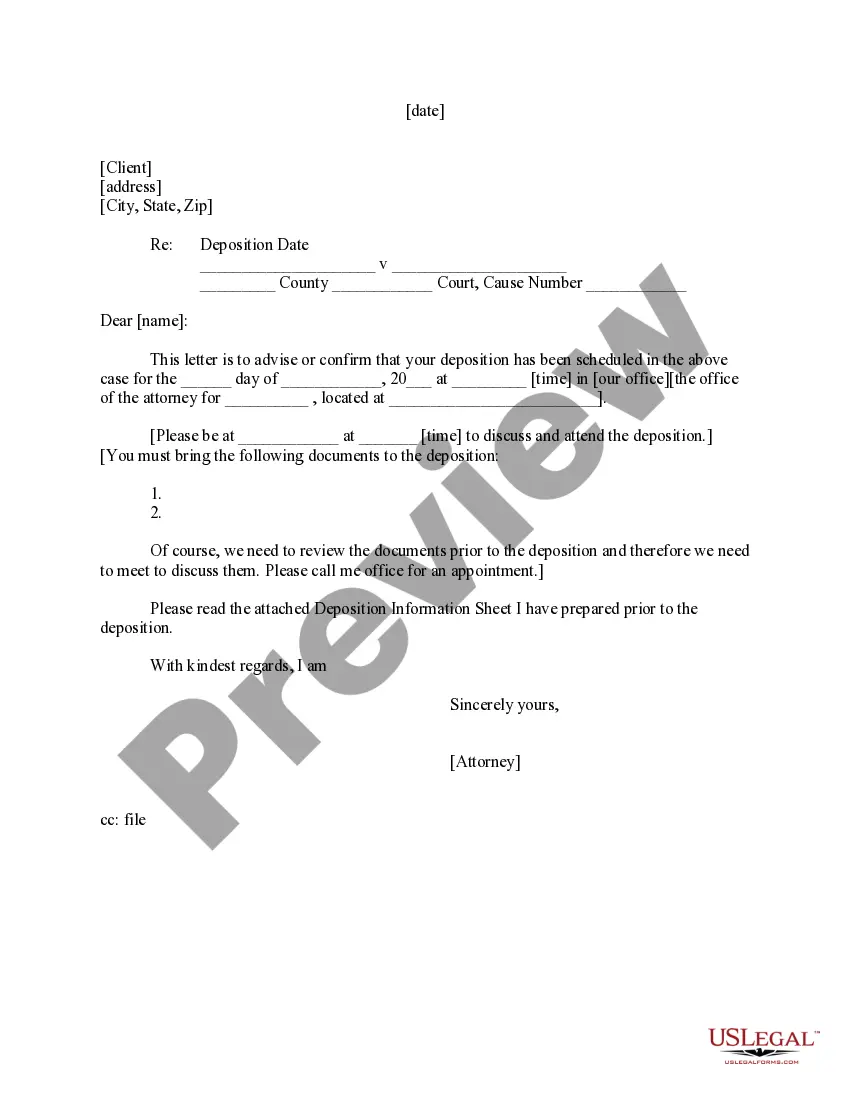
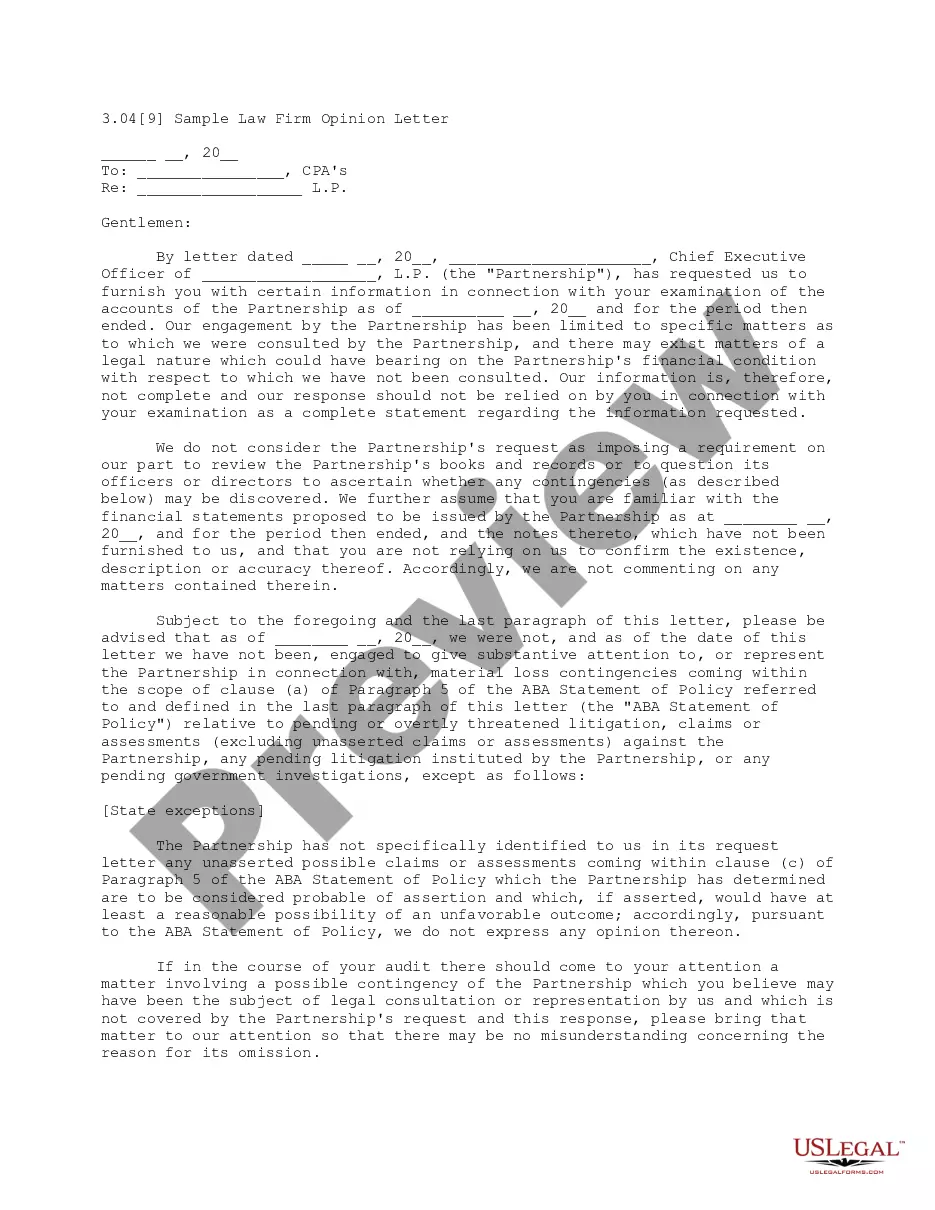
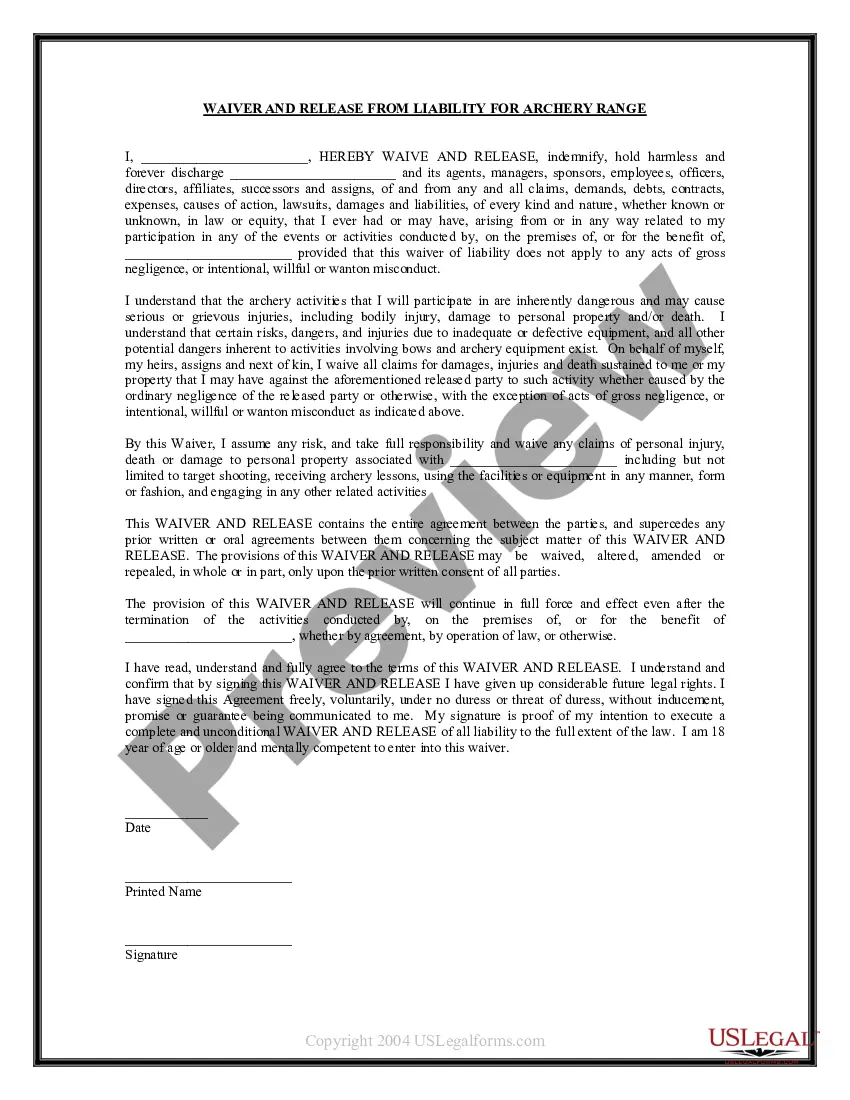

How to fill out Notice Of Attorney-Client Privilege Regarding E-Mail Transmission?
You might spend hours online searching for the legal document template that complies with the state and federal requirements you need.
US Legal Forms offers thousands of legal forms that have been reviewed by experts.
You can easily download or print the Alaska Notice of Attorney-Client Privilege Regarding E-Mail Transmission from the service.
If available, use the Review button to inspect the document template as well. If you wish to find another version of the form, utilize the Search field to locate the template that fits your needs and criteria. Once you have found the template you want, click on Buy now to proceed. Select the pricing plan you prefer, enter your credentials, and sign up for your account on US Legal Forms. Complete the transaction. You can use your credit card or PayPal account to pay for the legal document. Choose the format of your document and download it to your device. Make edits to your document if necessary. You can complete, modify, sign, and print the Alaska Notice of Attorney-Client Privilege Regarding E-Mail Transmission. Download and print thousands of document templates using the US Legal Forms website, which provides the largest collection of legal forms. Utilize professional and state-specific templates to meet your business or personal needs.
- If you possess a US Legal Forms account, you can Log In and select the Download button.
- Subsequently, you can complete, edit, print, or sign the Alaska Notice of Attorney-Client Privilege Regarding E-Mail Transmission.
- Every legal document template you obtain is yours permanently.
- To retrieve another copy of a purchased form, navigate to the My documents tab and click the corresponding button.
- If you are using the US Legal Forms site for the first time, follow the simple instructions below.
- First, ensure you have selected the correct document template for the region/city of your choice.
- Review the form details to confirm you have chosen the correct template.
Form popularity
FAQ
503(b)(1). A communication is ?confidential? if it is not intended to be disclosed to third persons other than those to whom disclosure is made in furtherance of the rendition of professional legal services to the client or those reasonably necessary for the transmission of the communication. Id. 503(a)(5).
You also must maintain the confidentiality of a communication. If you share the communication with a third party ? for example, by forwarding an email to someone outside of your business ? you can lose the protection of attorney-client privilege.
In a criminal case, a client has a privilege to prevent a lawyer or lawyer's representative from disclosing any other fact that came to the knowledge of the lawyer or the lawyer's representative by reason of the attorney-client relationship.
A client has a privilege to refuse to disclose and to prevent any other person from disclosing confidential communications made for the purpose of facilitating the rendition of professional legal services to the client, (1) between the client or the client's representative and the client's lawyer or the lawyer's ...
Rule 503 - Motions (a) General. An application for relief of any kind from either appellate court ancillary to a case in that court shall be made by written motion. A stipulation is not sufficient.
In fact, simply adding an attorney to an email does not invoke the attorney-client privilege at all. Rather, the privilege extends only to communications with counsel for the purpose of obtaining legal advice.
A parent or guardian of a minor who has a claim against another person has the power to execute a full release or a covenant not to sue, or to execute a stipulation for entry of judgment on such claim.
1002. This rule, modeled after Federal Rule 1002, is the familiar part of the Best Evidence Rule requiring the production of the original to prove the contents of a writing, recording or photograph. See Rule 1001(1) and 1001(2) for definitions of the terms used in this rule.