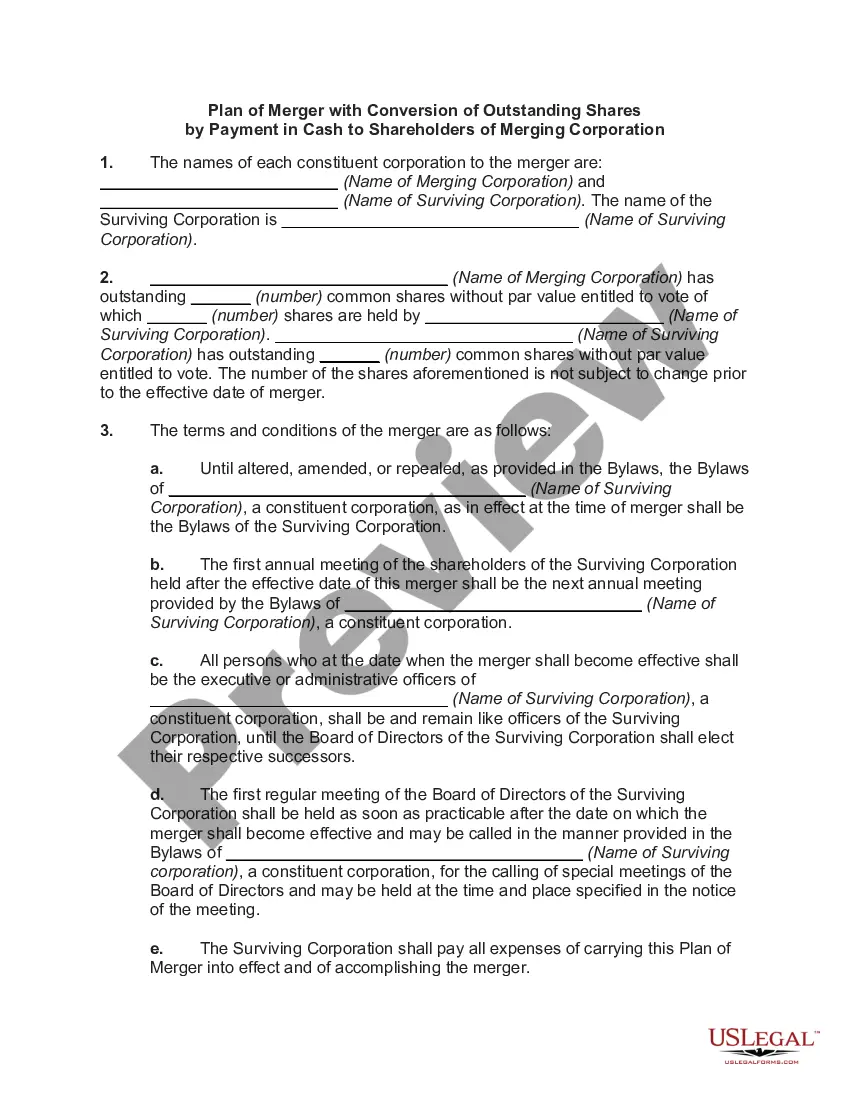
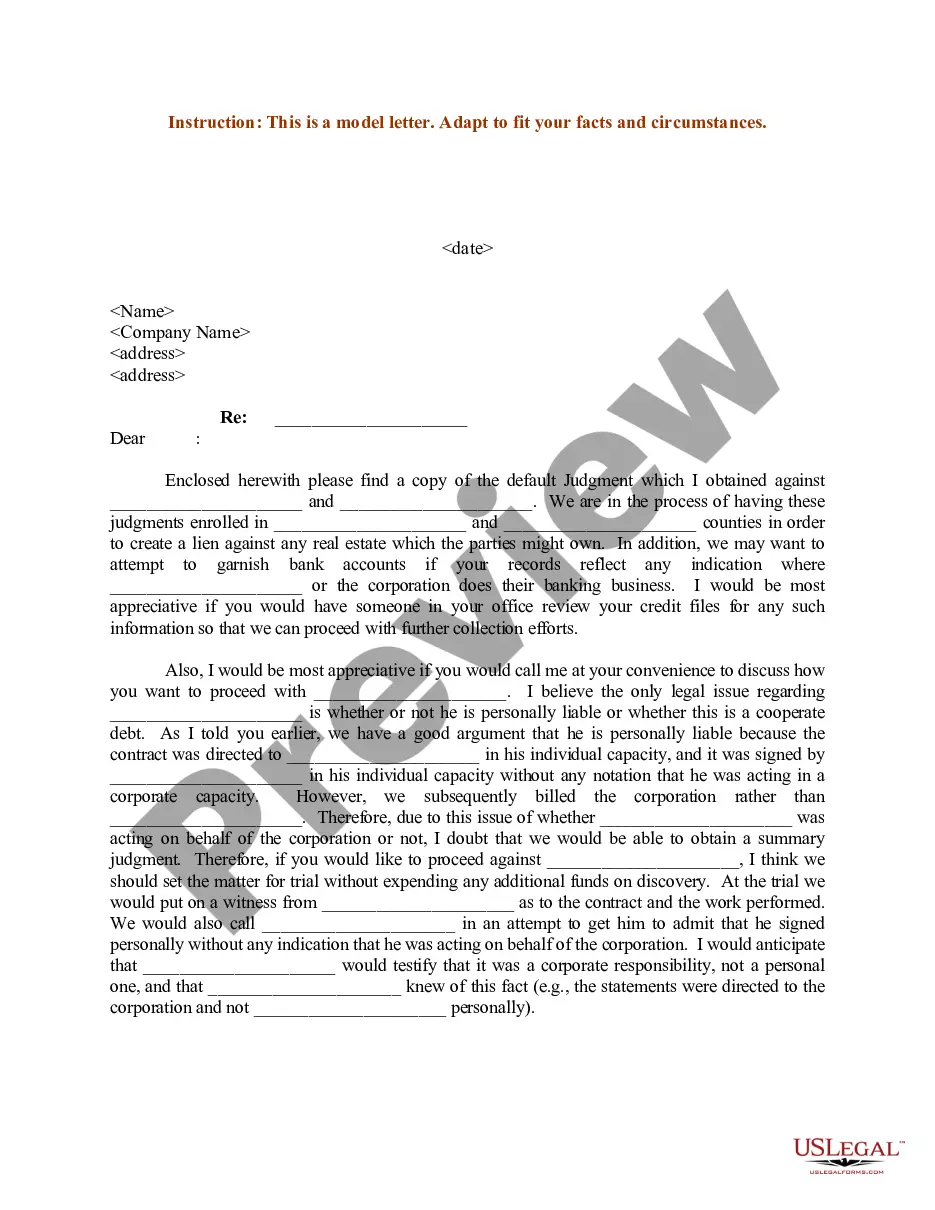
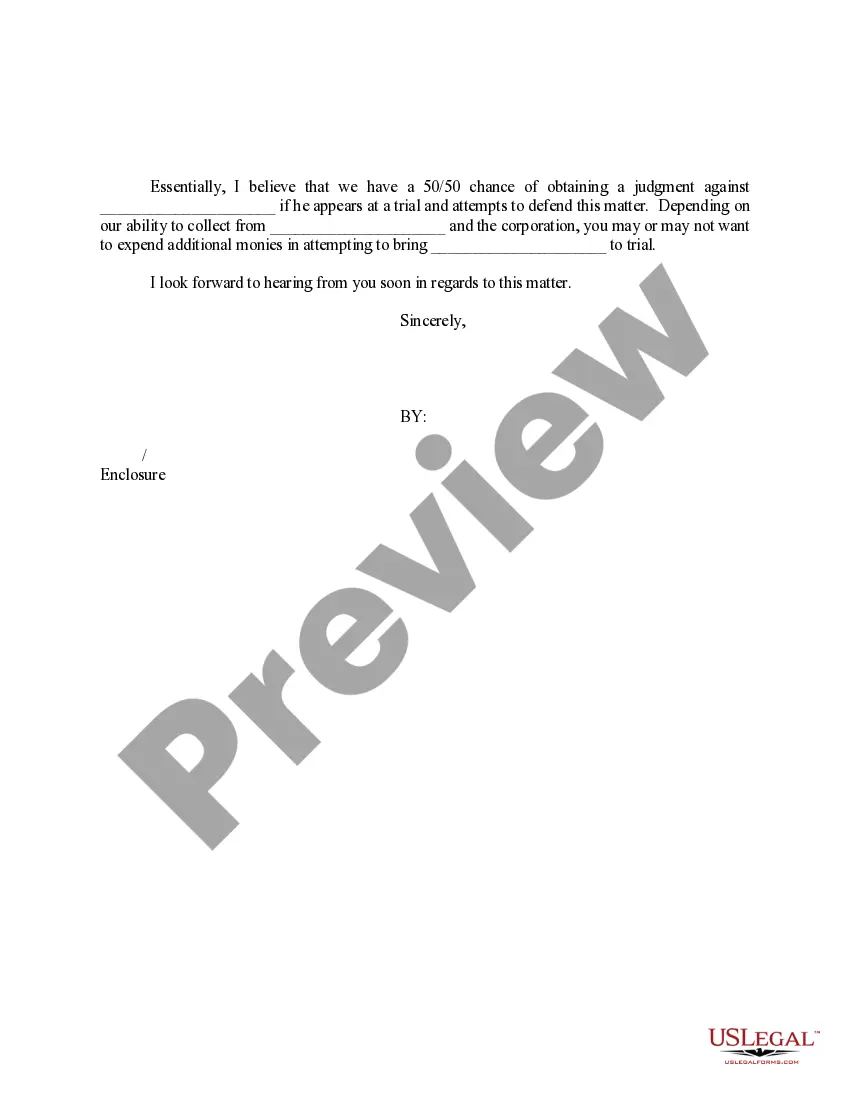
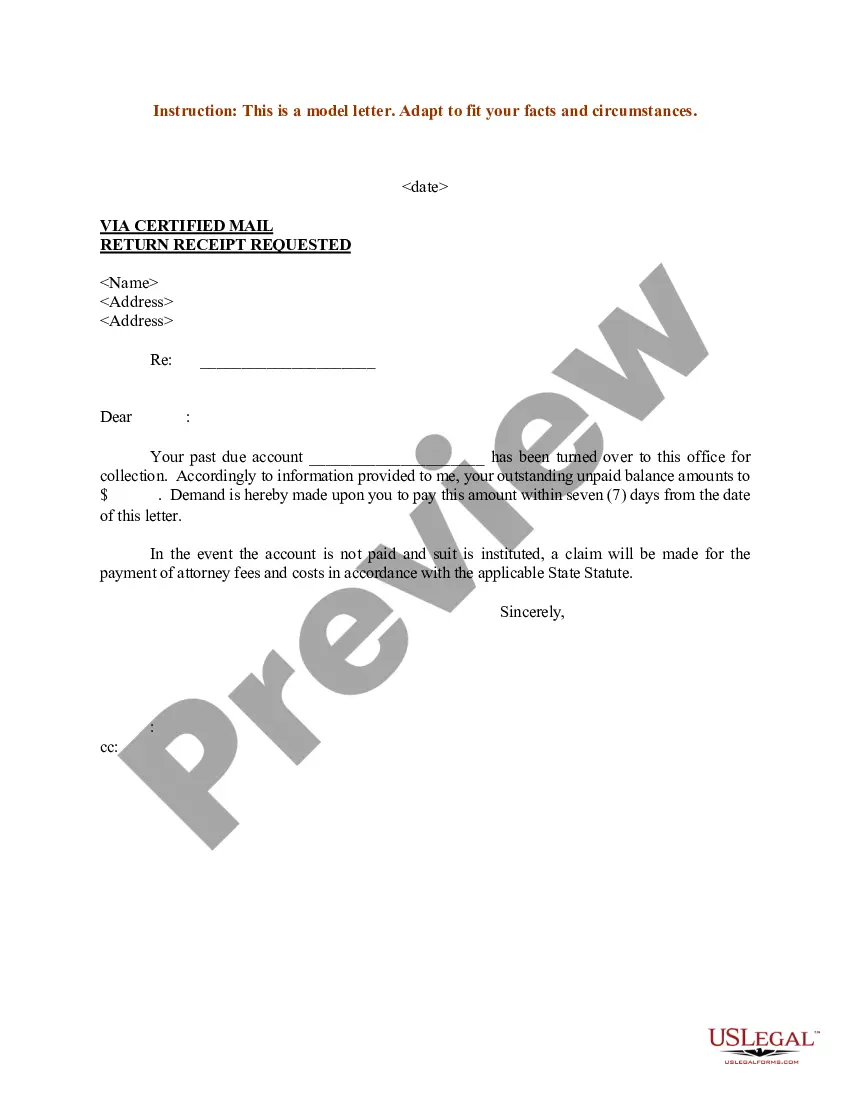
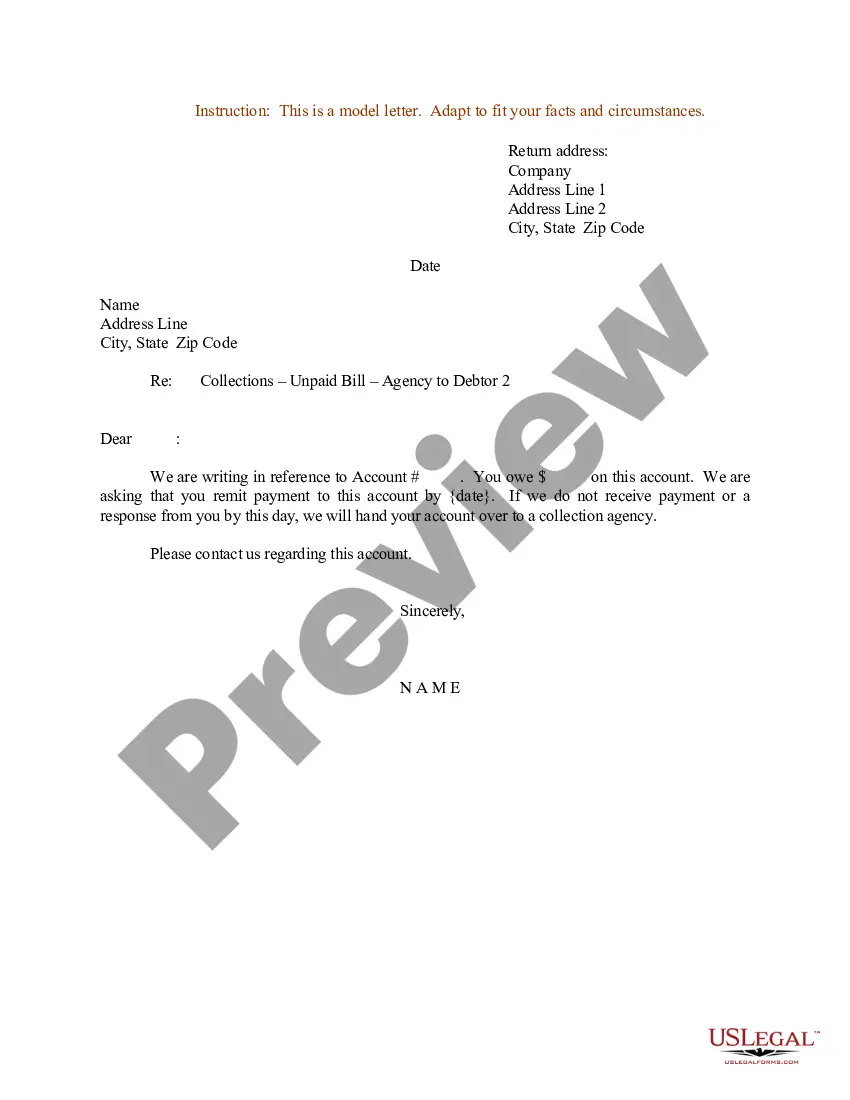
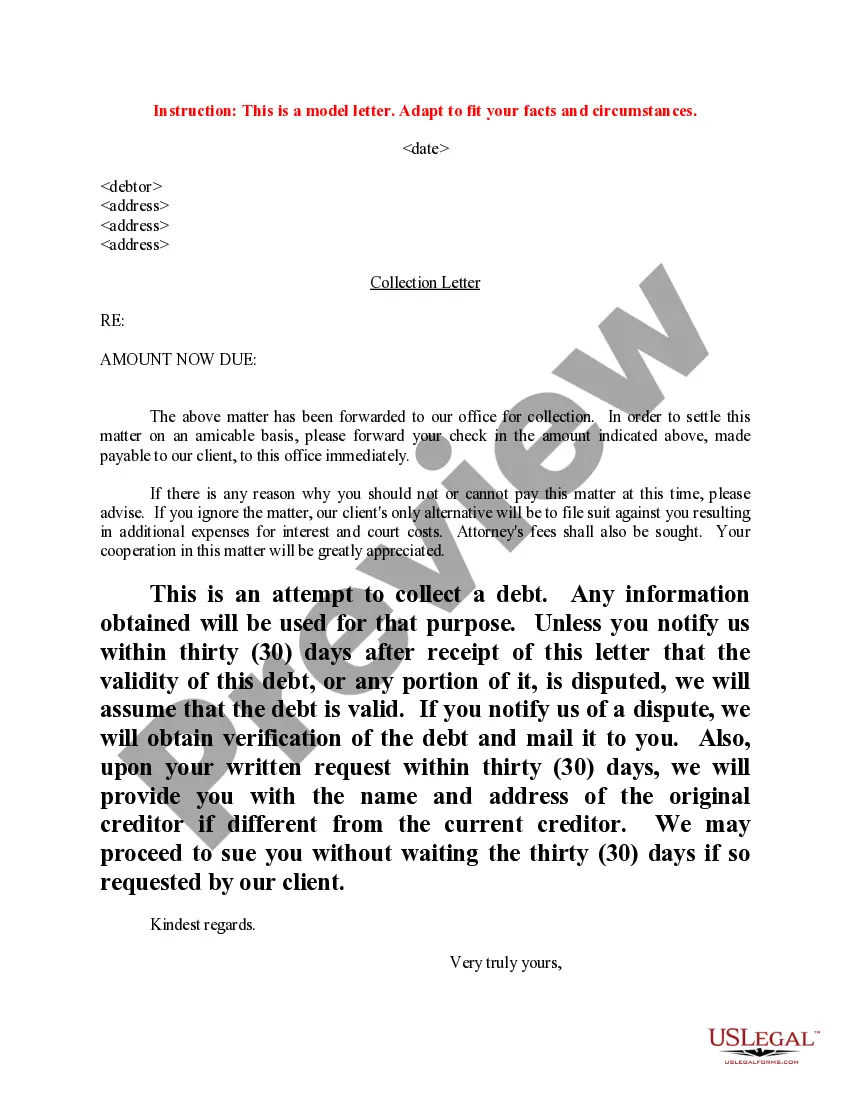
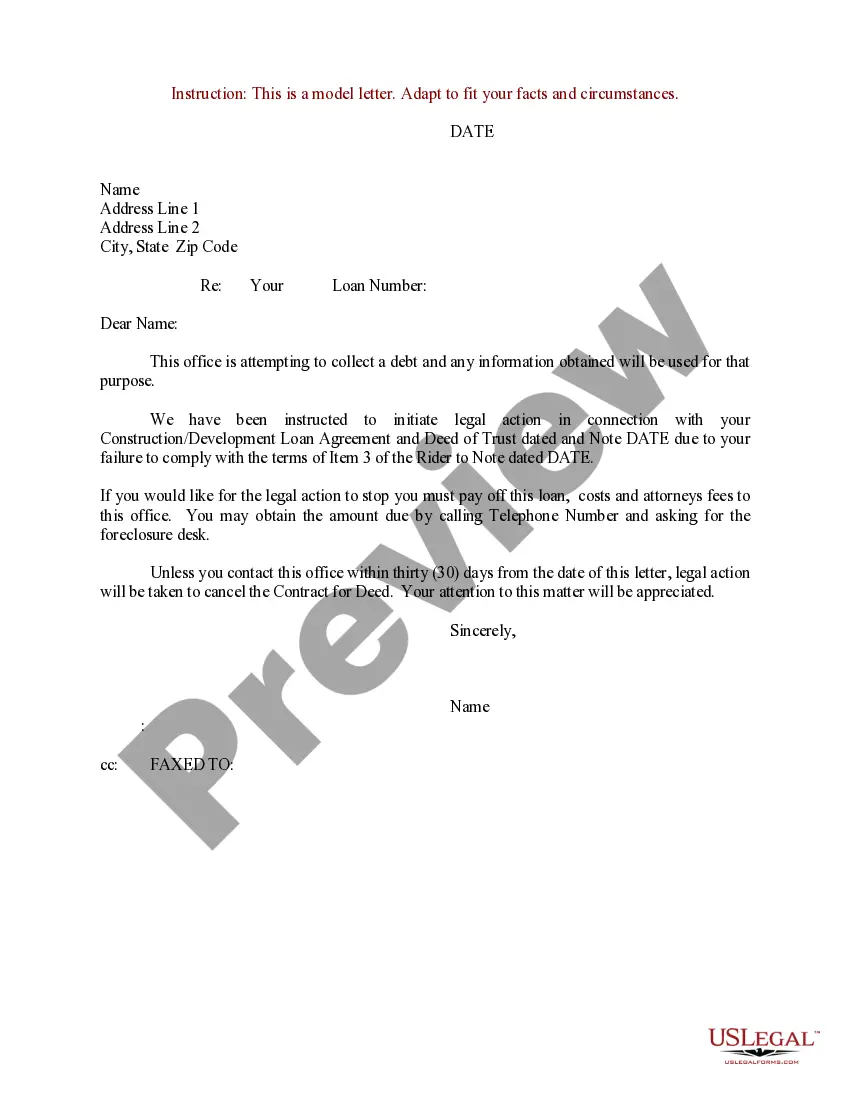
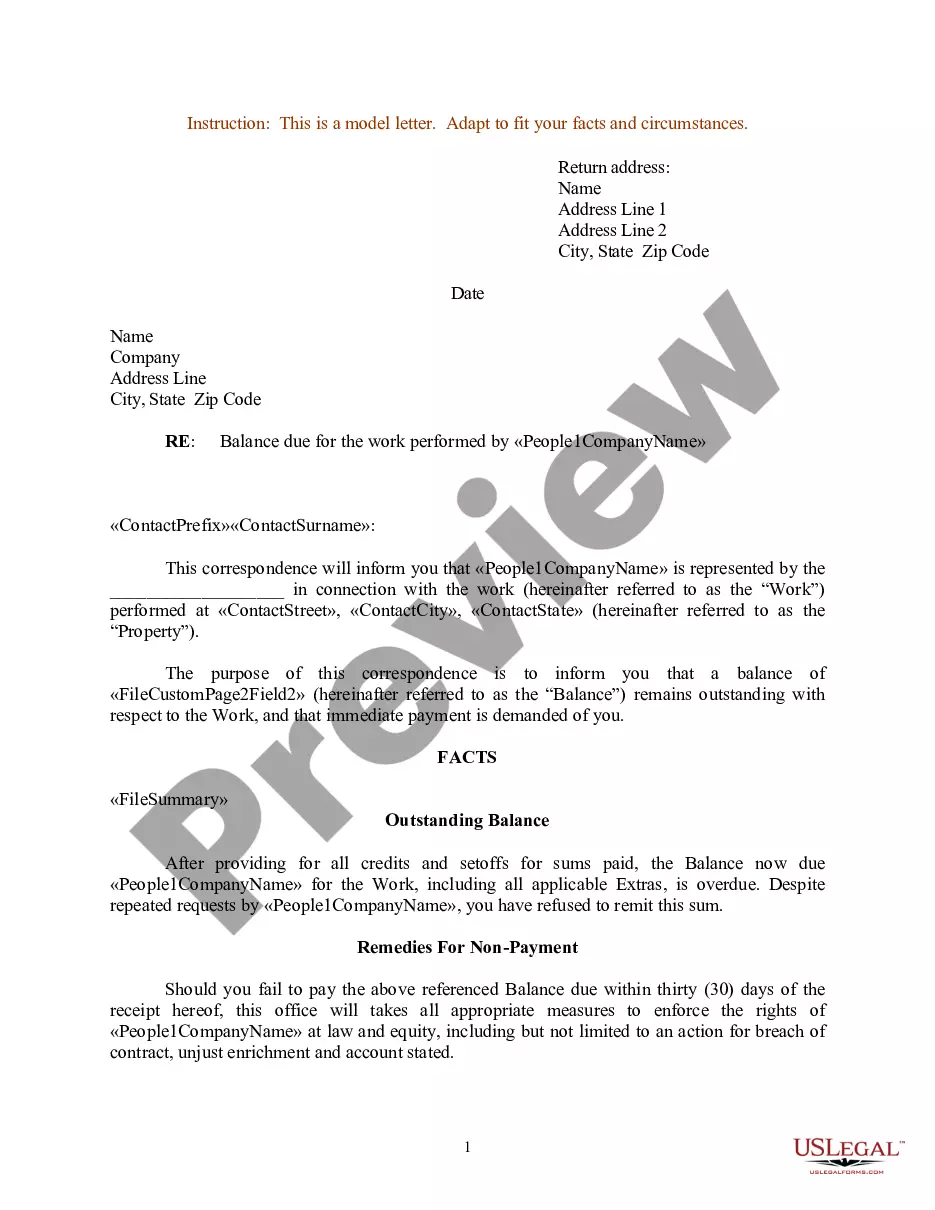
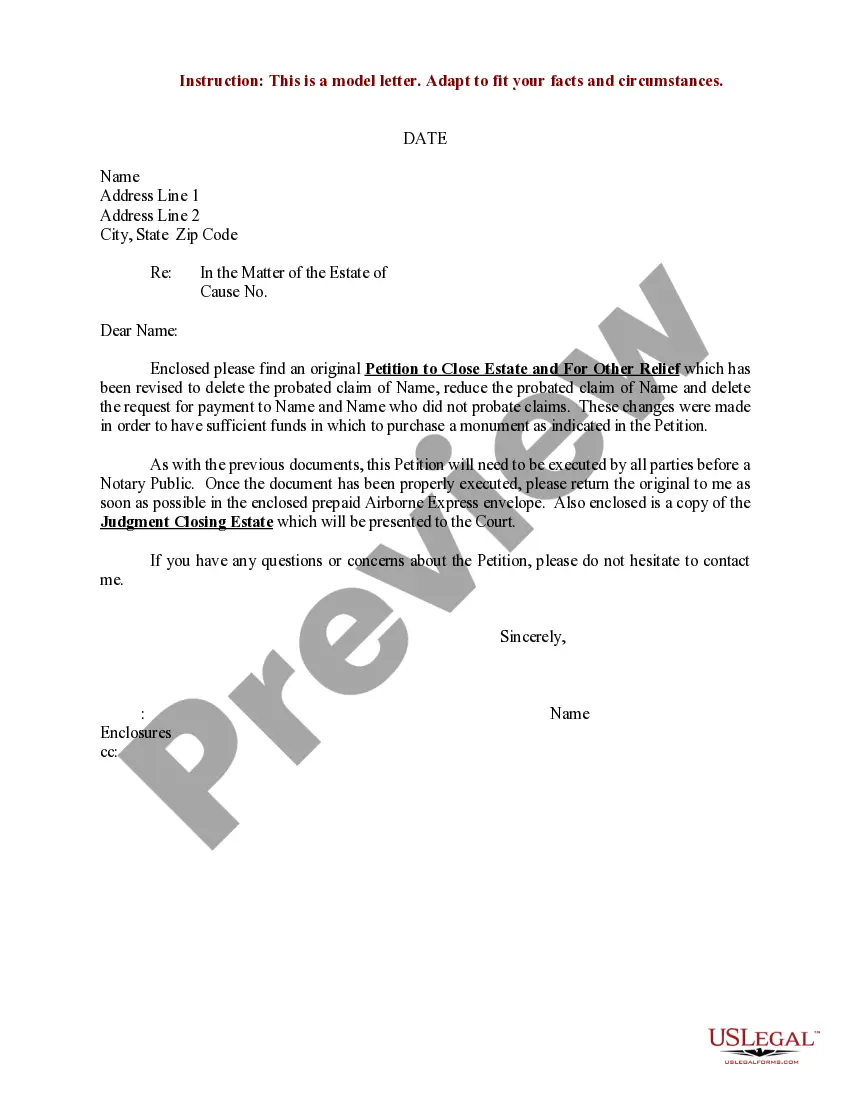
This form is a sample letter in Word format covering the subject matter of the title of the form.
Alaska Sample Letter for Collection Efforts
Category:
State:
Multi-State
Control #:
US-0027LTR
Format:
Word;
Rich Text
Instant download
Description
Free preview
Get your form ready online
Our built-in tools help you complete, sign, share, and store your documents in one place.
Built-in online Word editor
Make edits, fill in missing information, and update formatting in US Legal Forms—just like you would in MS Word.
Export easily
Download a copy, print it, send it by email, or mail it via USPS—whatever works best for your next step.
E-sign your document
Sign and collect signatures with our SignNow integration. Send to multiple recipients, set reminders, and more. Go Premium to unlock E-Sign.
Notarize online 24/7
If this form requires notarization, complete it online through a secure video call—no need to meet a notary in person or wait for an appointment.
Store your document securely
We protect your documents and personal data by following strict security and privacy standards.

Make edits, fill in missing information, and update formatting in US Legal Forms—just like you would in MS Word.

Download a copy, print it, send it by email, or mail it via USPS—whatever works best for your next step.

Sign and collect signatures with our SignNow integration. Send to multiple recipients, set reminders, and more. Go Premium to unlock E-Sign.

If this form requires notarization, complete it online through a secure video call—no need to meet a notary in person or wait for an appointment.

We protect your documents and personal data by following strict security and privacy standards.
Looking for another form?

How to fill out Sample Letter For Collection Efforts?
Are you in a situation where you require documentation for potential business or specific tasks nearly every day? There are numerous legal document templates accessible online, but finding ones you can trust is challenging. US Legal Forms offers a vast array of template forms, such as the Alaska Sample Letter for Collection Efforts, designed to meet federal and state regulations.
If you are already familiar with the US Legal Forms site and possess an account, simply Log In. Afterwards, you can download the Alaska Sample Letter for Collection Efforts template.
If you do not have an account and wish to begin using US Legal Forms, follow these steps: Find the form you need and ensure it is for your specific city/region. Utilize the Review feature to examine the form. Check the description to confirm that you have selected the correct form. If the form is not what you are looking for, use the Lookup field to find the form that suits your needs and specifications. Once you obtain the correct form, click Purchase now. Choose the pricing plan you want, enter the required details to create your account, and pay for your order using PayPal or a credit card. Select a convenient file format and download your version. Access all the document templates you have purchased in the My documents section. You can obtain another copy of the Alaska Sample Letter for Collection Efforts at any time if needed. Just click on the required form to download or print the document template.
Utilize US Legal Forms, the most extensive collection of legal documents, to save time and avoid mistakes. The service offers professionally crafted legal document templates suitable for various purposes. Create an account on US Legal Forms and begin simplifying your life.
- Make sure you are in need of documentation for daily tasks.
- Explore the variety of available legal templates online.
- Log into your account to access downloaded templates.
- Follow the steps to create an account on US Legal Forms.
- Select and review the appropriate document for your requirements.
- Confirm your selection and proceed to purchase.
- Download the document in your preferred format.
Form popularity
FAQ
Don't provide personal or sensitive financial information Never give out or confirm personal or sensitive financial information ? such as your bank account, credit card, or full Social Security number ? unless you know the company or person you are talking with is a real debt collector.
You have the right to send what's referred to as a ?drop dead letter. '' It's a cease-and-desist motion that will prevent the collector from contacting you again about the debt. Be aware that you still owe the money, and you can be sued for the debt.
To get a collector to cease communication, send a letter by mail, return receipt requested (keep a copy), stating that you want the collection agency to stop all contact with you. You can also send this letter electronically if the collector uses that way of accepting communications from consumers.
You can sue the debt collector for violating the FDCPA. If you sue under the FDCPA and win, the debt collector must generally pay your attorney's fees and may also have to pay you damages. If you're having trouble with debt collection, you can submit a complaint with the CFPB.
The collection dispute letter to debt collectors should include the following information: Your details ? name, address, official email address, etc. Request for more information about the creditor. Amount of debt owed. A request note to not report the matter to the credit reporting agency until the matter is resolved.
If you are struggling with debt and debt collectors, Farmer & Morris Law, PLLC can help. As soon as you use the 11-word phrase ?please cease and desist all calls and contact with me immediately? to stop the harassment, call us for a free consultation about what you can do to resolve your debt problems for good.
This first collection letter should include important points, such as: Days past due. Amount due. Note previous attempts to collect. Summary of account. Instructions- what would you like them to do next? Due date for payment- it is important to use an actually date, not ?in the next 7 business days? as this can be vauge.
In this letter, you should include: Your name and address. Collection agency's name and address. Acknowledgment of contact from a collection agency, including the date they contacted you. A statement saying you dispute the debt. Request for proof that the debt is valid and belongs to you.