Alaska Notice of Non-Liability
About this form
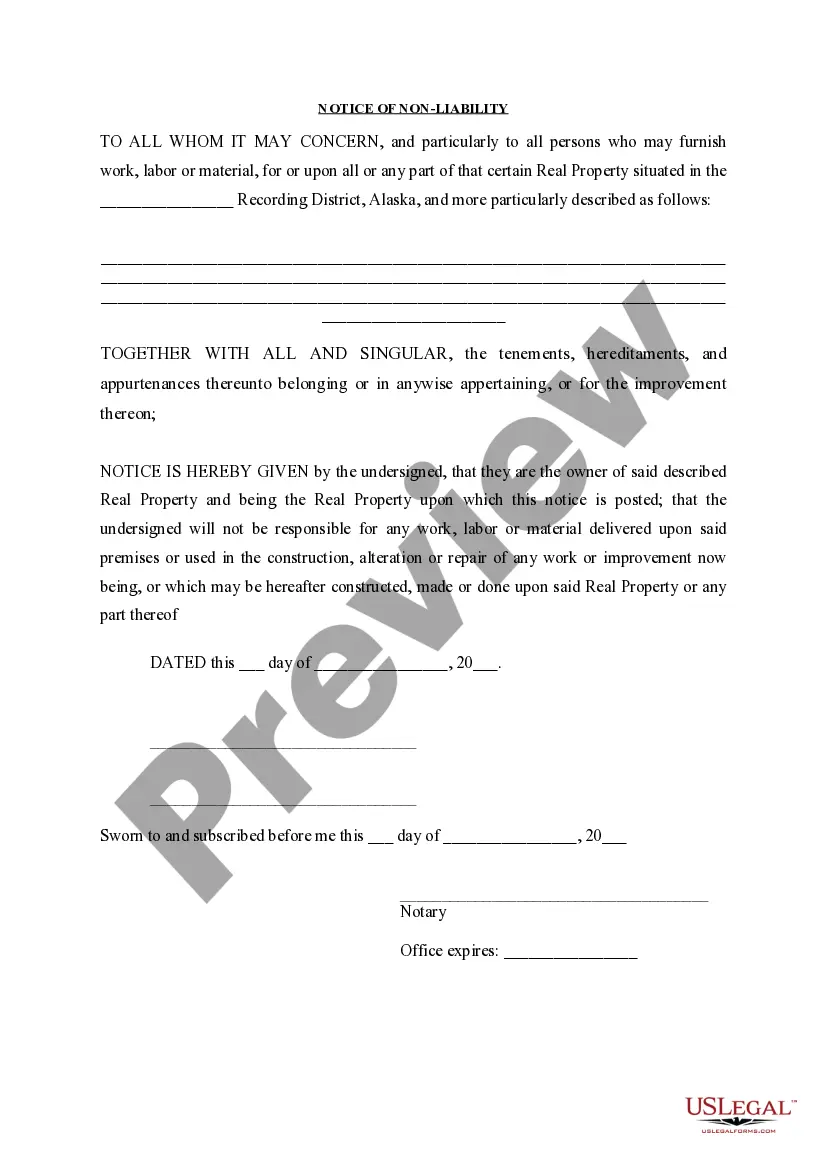
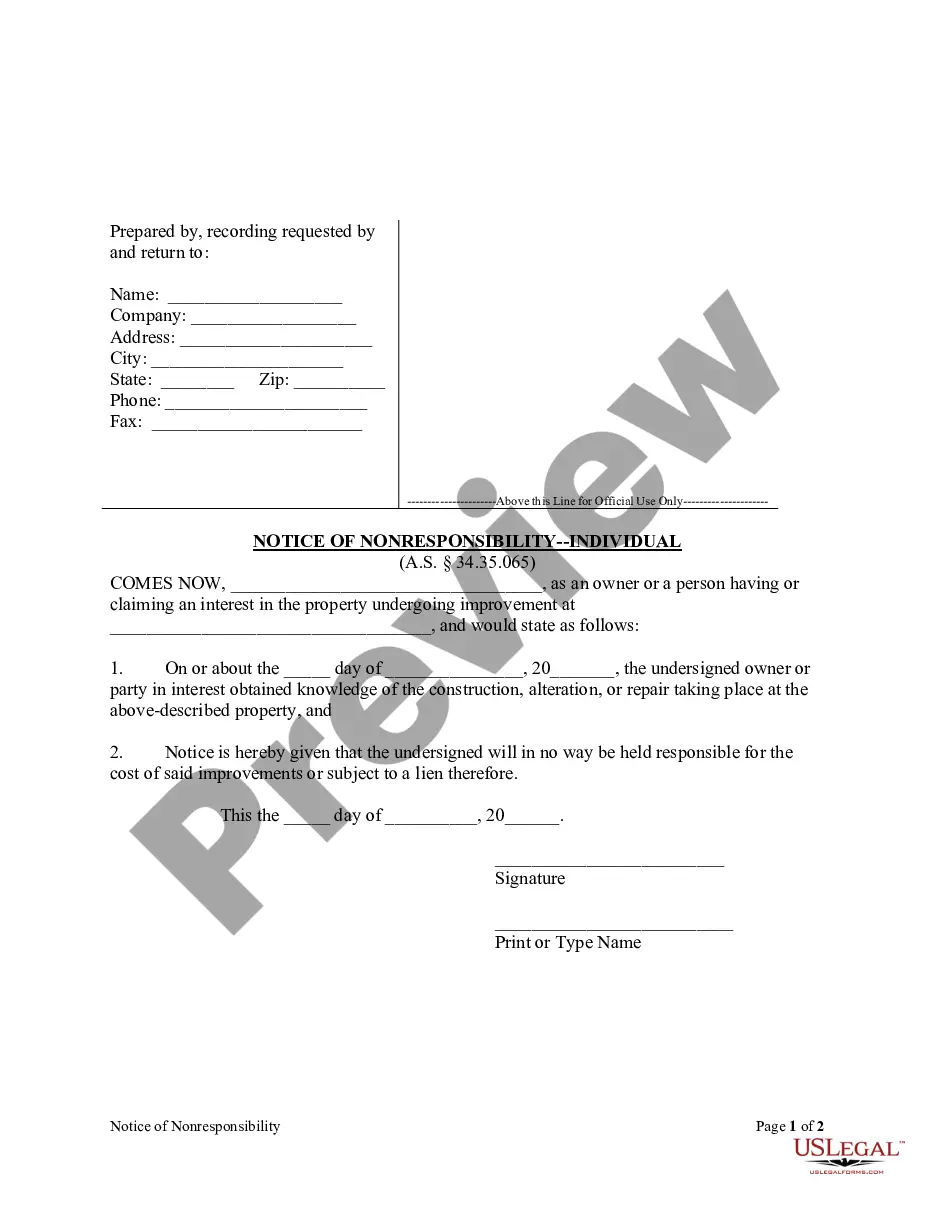
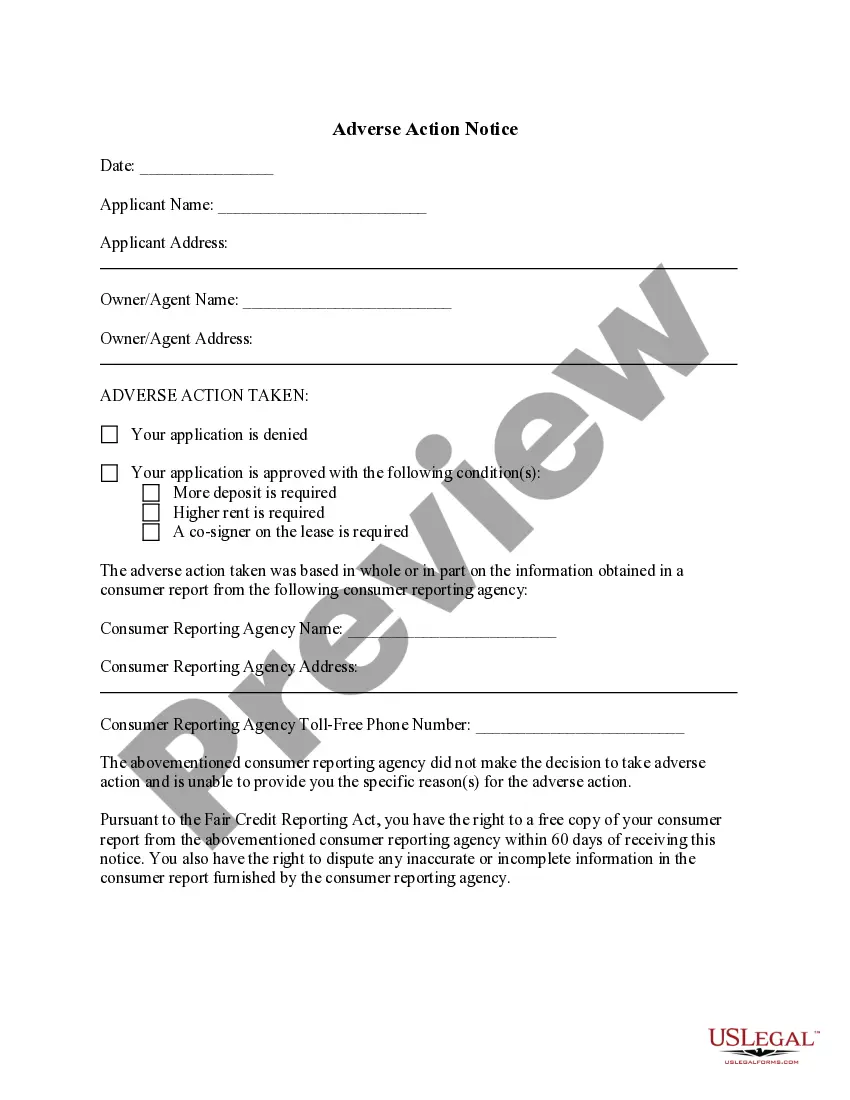
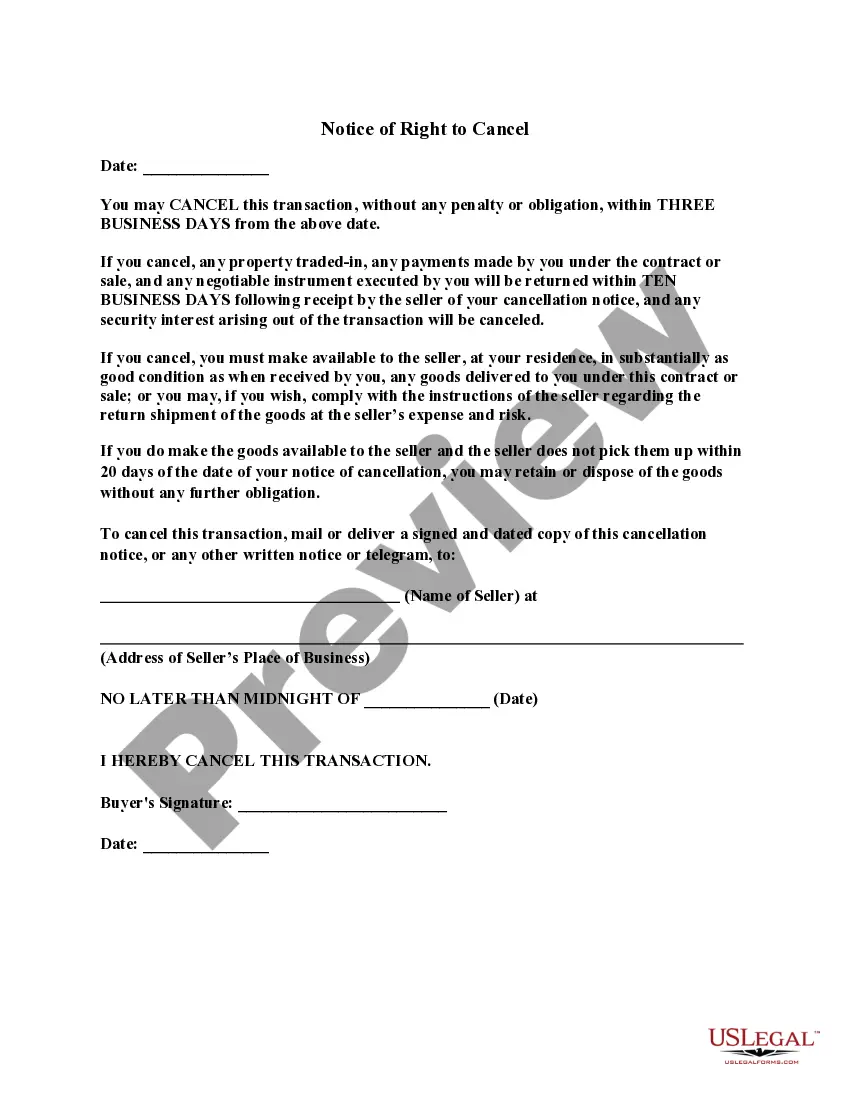
The Notice of Non-Liability is a legal document used by property owners to declare that they are not responsible for any claims of nonpayment for services or materials provided to improve their property. Unlike other liability release forms, this document focuses specifically on protecting owners from financial responsibility for work performed by tenants or lessees without the owner's consent.
Key parts of this document
- Property Description: Details the property covered by the notice to specify the location and ownership.
- Liability Declaration: States that the property owner will not be liable for work or materials provided without their authorization.
- Date and Signatures: Requires the date of the declaration and signatures of the property owner and a notary public.

When to use this form
This form should be used when a property owner wants to safeguard themselves against claims for work done by a tenant or lessee on the property. It is particularly important when a tenant commissions services without the owner's knowledge, as it clarifies that the owner is not liable for any associated costs.
Who needs this form
- Property owners who rent or lease their property to tenants.
- Landlords who want to protect themselves from claims made by contractors hired by tenants.
- Individuals managing rental units who require clarity on liability concerning property improvements.
How to prepare this document
- Identify the property: Fill in the exact location and description of the property where the notice will be posted.
- Declare ownership: State that you are the owner of the property and are providing this notice.
- Specify the date: Enter the date when the notice is being issued.
- Sign the notice: The property owner should sign the document to validate the declaration.
- Get notarization: If required, have the document signed in front of a notary public to ensure its legal validity.
Notarization requirements for this form
This form does not typically require notarization unless specified by local law. However, having it notarized can enhance its legal standing.
Get your form ready online
Our built-in tools help you complete, sign, share, and store your documents in one place.
Make edits, fill in missing information, and update formatting in US Legal Forms—just like you would in MS Word.
Download a copy, print it, send it by email, or mail it via USPS—whatever works best for your next step.
Sign and collect signatures with our SignNow integration. Send to multiple recipients, set reminders, and more. Go Premium to unlock E-Sign.
If this form requires notarization, complete it online through a secure video call—no need to meet a notary in person or wait for an appointment.
We protect your documents and personal data by following strict security and privacy standards.

Make edits, fill in missing information, and update formatting in US Legal Forms—just like you would in MS Word.

Download a copy, print it, send it by email, or mail it via USPS—whatever works best for your next step.

Sign and collect signatures with our SignNow integration. Send to multiple recipients, set reminders, and more. Go Premium to unlock E-Sign.

If this form requires notarization, complete it online through a secure video call—no need to meet a notary in person or wait for an appointment.

We protect your documents and personal data by following strict security and privacy standards.
Avoid these common issues
- Failing to provide a full and accurate property description.
- Not signing the form, which can render it invalid.
- Neglecting to notarize the document if required by local laws.
Benefits of using this form online
- Convenience: Download and complete the form from anywhere at any time.
- Editability: Customize the form to fit specific property details easily.
- Reliability: Access professionally drafted templates created by licensed attorneys.
Looking for another form?

Form popularity
FAQ
Under California law, if a property owner has rented out a property to a tenant, and then the tenant contracts with a construction company to improve the property without the owner's consent, the property owner has ten days to file a notice of non-responsibility with the county clerk's office and post it at the
A notice of completion is a document recorded against the property by its owner, that announces that the construction project has been completed. Normally, contractors have 90 days after completion of a project to record Mechanics liens or serve Stop Payment Notices.
Alaska state law limits how much a landlord can charge for a security deposit (two months' rent, unless the monthly rent exceeds $2,000), when it must be returned (within 14 days after a tenant moves if the tenant has given proper notice to end the tenancy or 30 days if the tenant has not), and sets other restrictions
Your Landlord is legally obligated to return your deposit within 10 days of you both agreeing how much you'll get back (after the tenancy has ended, of course).
To review, a Notice of Completion in California is a document that the owner may file at the end of the project. Its main function is to set the date of completion of the construction project in stone.
When there is no lease agreement (like in the case of weekly rentals), you can instead use the Alaska Notice to Vacate to inform the other party in advance that you wish to end the tenancy agreement and vacate the premises.
Date of Cessation means (i) the date on which the employee-employer relationship between the Grantee and the Company ceases to exist, or (ii) if the Grantee is a contractor or consultant - the date on which the consulting or contractor agreement between the Grantee and the Company expires, or the date on which either
If your deposit didn't need to be protected and your landlord refuses to give it back, you might have to take them to court.You'll need to take your landlord to the small claims court to get your money back.
A notice issued to concerning parties by the contractee stating that no work has taken place at the site of the project for a certain period of time. In addition, the period within which the concerned parties can exerciset their lien rights is also stated in the notice.