Alaska Letter from Tenant to Landlord containing Notice to landlord to withdraw improper rent increase during lease
Overview of this form
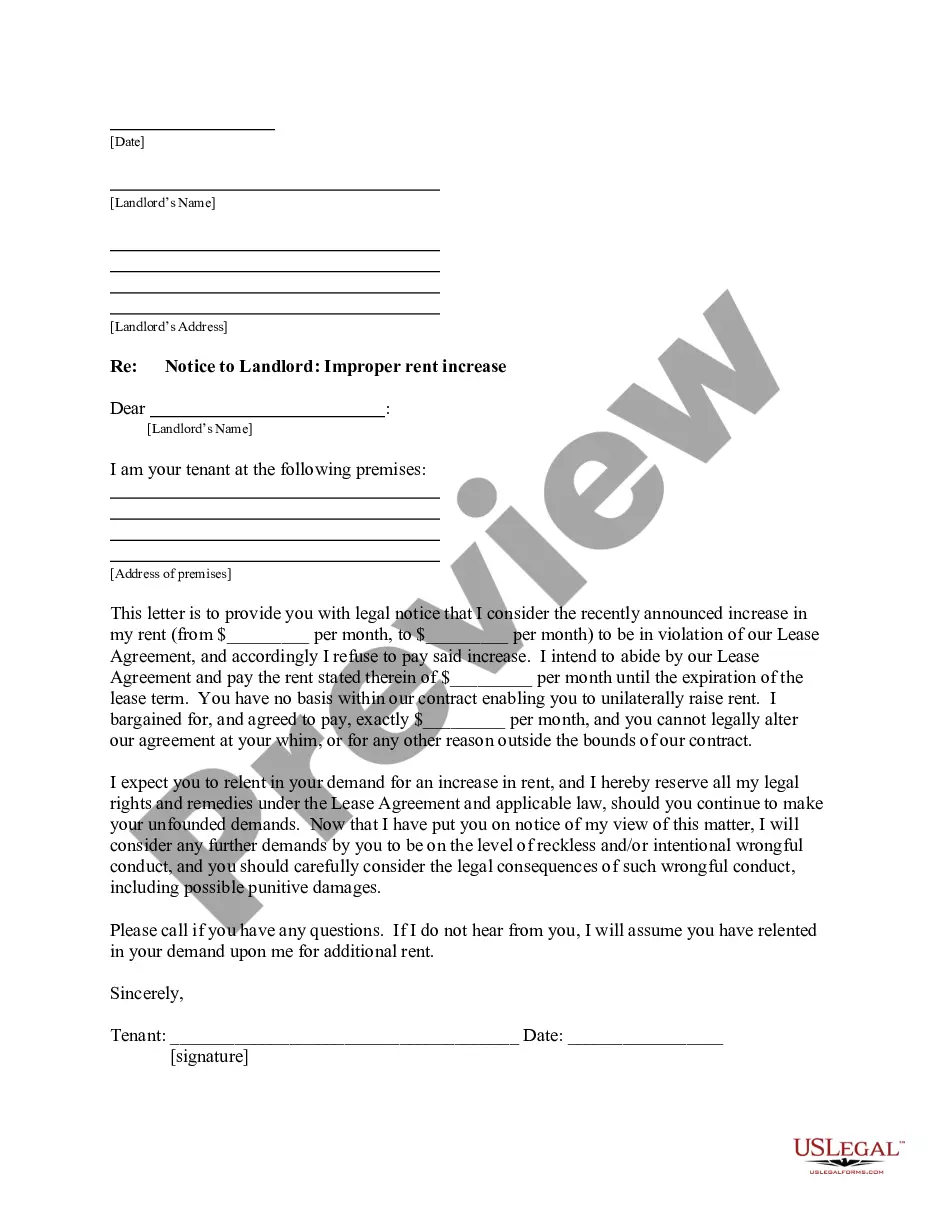
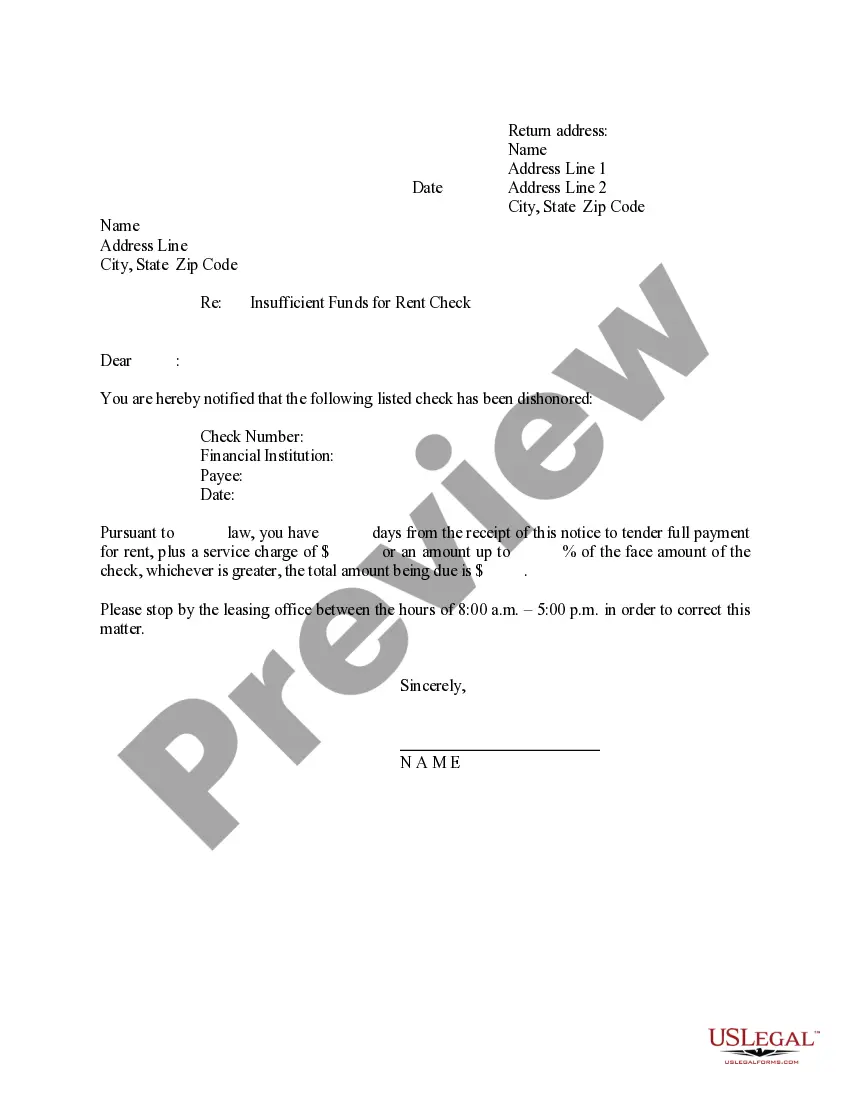
This form is a Letter from Tenant to Landlord containing Notice to withdraw an improper rent increase during the lease period. It serves to formally communicate the tenant's objection to a proposed rent increase that is deemed unreasonable or unfounded. This letter may differ from other tenant communication forms by specifically addressing rent increase disputes from landlords while clarifying the tenantâs rights and remedies under the lease agreement.
What’s included in this form
- Identification of the tenant and landlord.
- Statement of objection to the proposed rent increase.
- Reservation of rights under the lease agreement.
- Notice for the landlord to reconsider the rent increase demand.
- Signature line for the tenant and date of the notice.
When to use this form
This form should be used when a tenant receives a notice from their landlord regarding a rent increase that the tenant believes is improper or unjustified. It is appropriate in situations where the tenant wants to formally communicate their objection and preserve their legal rights before agreeing to any changes in rental terms. Using this letter can help prevent potential disputes and misunderstandings related to rent increases.
Who can use this document
- Tenants currently in a lease agreement who have received a rent increase notice.
- Individuals seeking to assert their rights regarding rental terms.
- Renters aware of local rental laws and their rights under lease agreements.
How to complete this form
- Start by entering the name and address of the tenant at the top of the letter.
- Clearly state the landlord's name and address.
- Express your objection to the rent increase, citing your legal rights.
- Include a line for your signature and the date of signing.
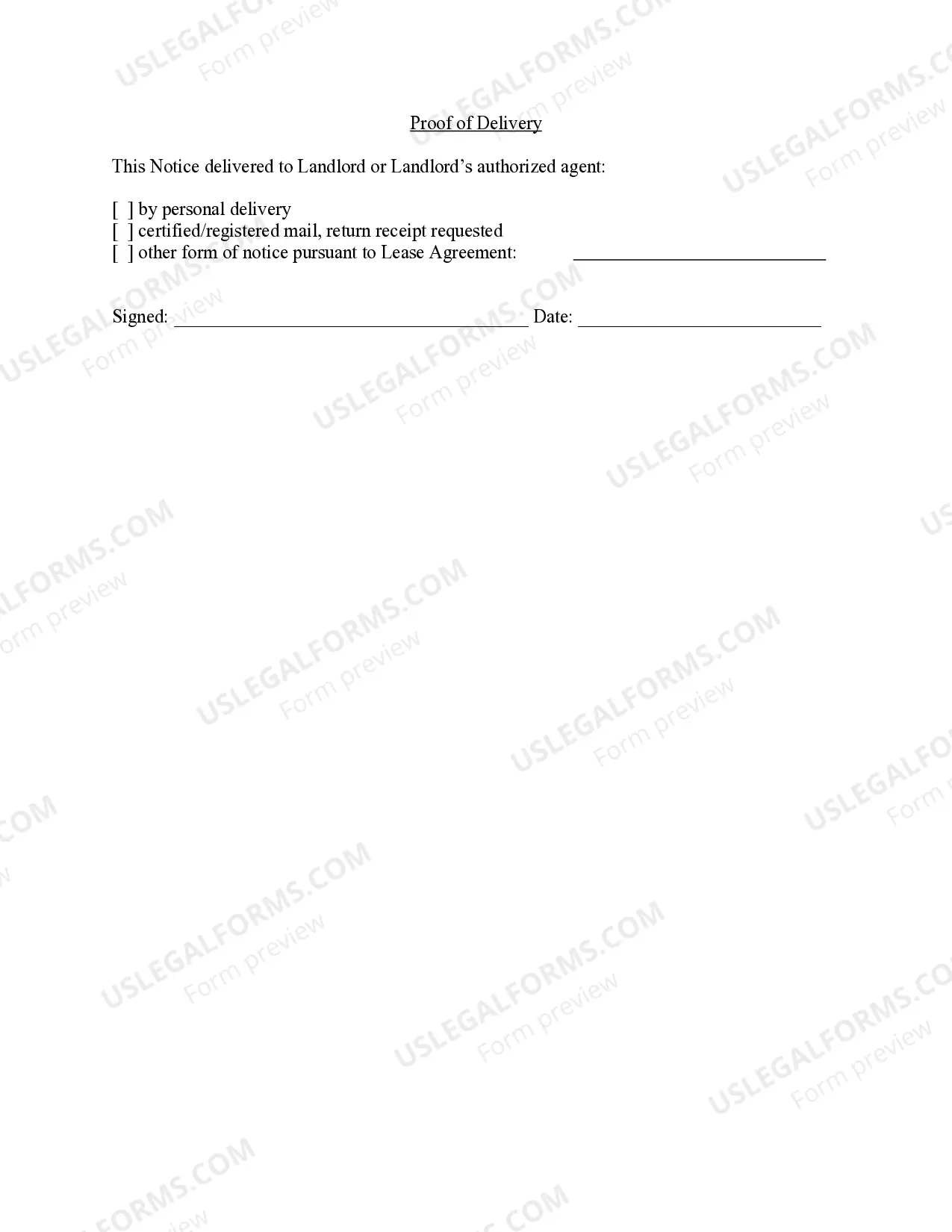
- Deliver the letter to the landlord or their authorized agent as per the proof of delivery requirements.
Notarization guidance
This form does not typically require notarization unless specified by local law. Tenants should verify local regulations to ensure compliance.
Get your form ready online
Our built-in tools help you complete, sign, share, and store your documents in one place.
Make edits, fill in missing information, and update formatting in US Legal Forms—just like you would in MS Word.
Download a copy, print it, send it by email, or mail it via USPS—whatever works best for your next step.
Sign and collect signatures with our SignNow integration. Send to multiple recipients, set reminders, and more. Go Premium to unlock E-Sign.
If this form requires notarization, complete it online through a secure video call—no need to meet a notary in person or wait for an appointment.
We protect your documents and personal data by following strict security and privacy standards.

Make edits, fill in missing information, and update formatting in US Legal Forms—just like you would in MS Word.

Download a copy, print it, send it by email, or mail it via USPS—whatever works best for your next step.

Sign and collect signatures with our SignNow integration. Send to multiple recipients, set reminders, and more. Go Premium to unlock E-Sign.

If this form requires notarization, complete it online through a secure video call—no need to meet a notary in person or wait for an appointment.

We protect your documents and personal data by following strict security and privacy standards.
Common mistakes to avoid
- Failing to include the correct address of the landlord.
- Not reserving legal rights explicitly within the letter.
- Missing the date of the notice, which is crucial for record-keeping.
- Neglecting to keep a copy of the sent letter for personal records.
Why use this form online
- Quick and easy access to a professionally drafted legal document.
- Immediate download for personalized editing specific to your situation.
- Convenience of managing legal correspondence without needing a lawyer.
- Reliability of using a form created by licensed attorneys.
Summary of main points
- The letter serves as a formal method for tenants to dispute improper rent increases.
- Key components include a demand to withdraw the increase and a statement of legal rights.
- Proof of delivery is essential for documenting the communication.
Looking for another form?
Form popularity
FAQ
Flat Fee to Break a LeaseMany leases include a flat fee to break the lease. In these cases, the cost is typically the equivalent of two or three months' rent. For example, if you're rent is $1,000 per month and the early termination penalty is two months' rent, you'd need to hand over $2,000 to cover that fee.
A landlord can't force you to move out before the lease ends, unless you fail to pay the rent or violate another significant term, such as repeatedly throwing large and noisy parties. In these cases, landlords in California must follow specific procedures to end the tenancy.
Once rent is past due, the landlord must provide tenants with a 7-Day Notice to Pay if the landlord wants to file an eviction action with the court. Alaska landlords must provide tenants with a 10-Day Notice to Comply, giving tenants 10 days to correct the issue in order to avoid eviction.
Your landlord discriminates against you. Your landlord takes your security deposit illegally. Your rental unit is inhabitable. The property owner interferes with your right to quiet enjoyment. Your landlord fails to make the necessary repairs.
A landlord can't force you to move out before the lease ends, unless you fail to pay the rent or violate another significant term, such as repeatedly throwing large and noisy parties. In these cases, landlords in California must follow specific procedures to end the tenancy.
If you think your landlord is violating the Fair Housing Act, you can get that landlord in trouble by filing a complaint at HUD.gov. Your remedy for breach of quiet enjoyment is to terminate the lease and move or sue in small claims court.
Review Your Lease Before You Sign. Research Local Laws. Keep Records. Pay Your Rent. Maintain Respectful Communication. Seek an Agreeable Solution. Request Repairs in Writing. What Do You Think?
While a landlord has a right of entry, this is balanced against your right to privacy as a tenant. Landlords are not entitled to go through your unit and belongings at will. They generally must have a valid reason to enter the unit and give you proper notice, unless you gave them permission in advance.
A lease is a binding contract.Once you've signed a lease, you're on the hook for the remainder of the lease termunless your landlord agrees to let you out of it early.