Alaska Declaration relating to use of life sustaining procedures - Do Not Resuscitate - DNR - Optional Donation of tissues
What this document covers
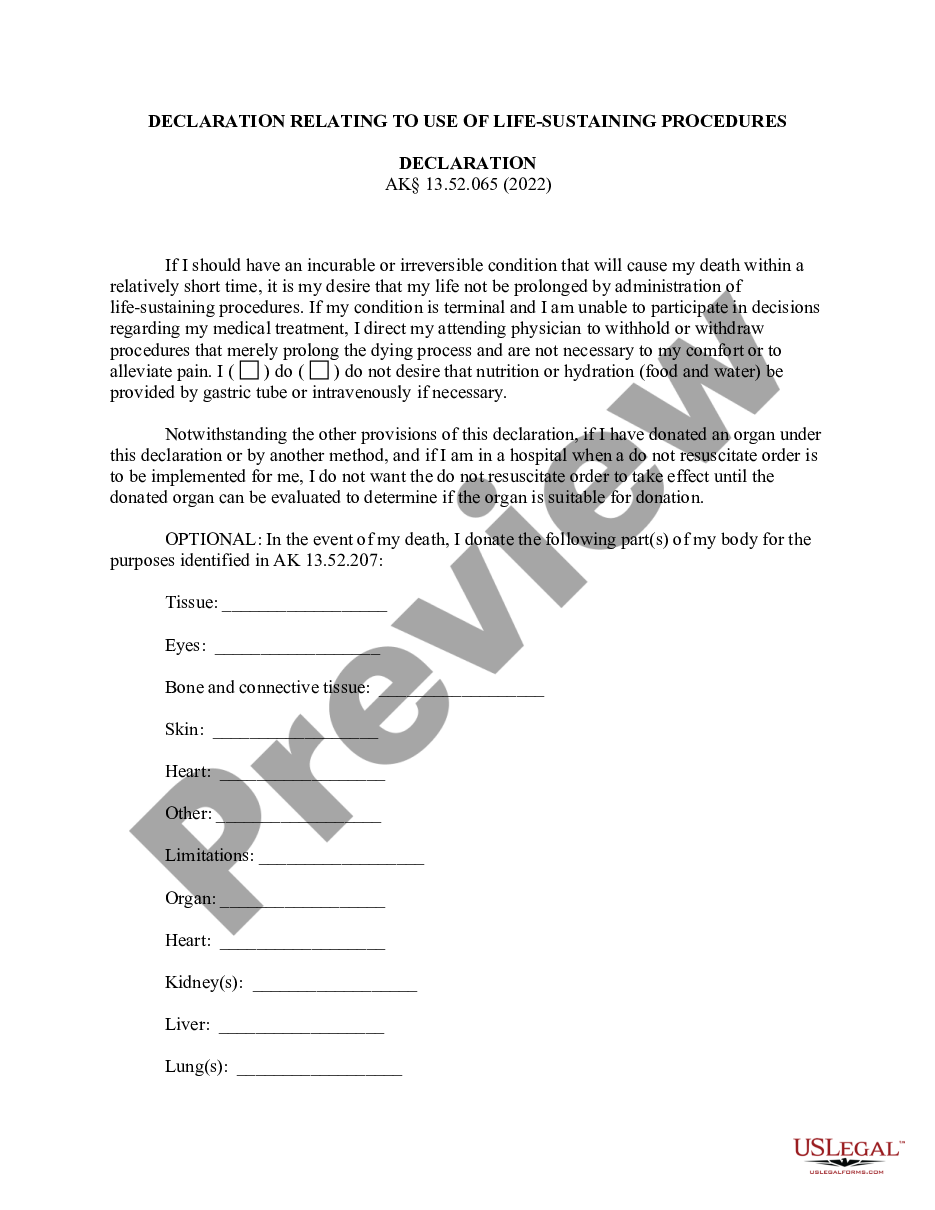
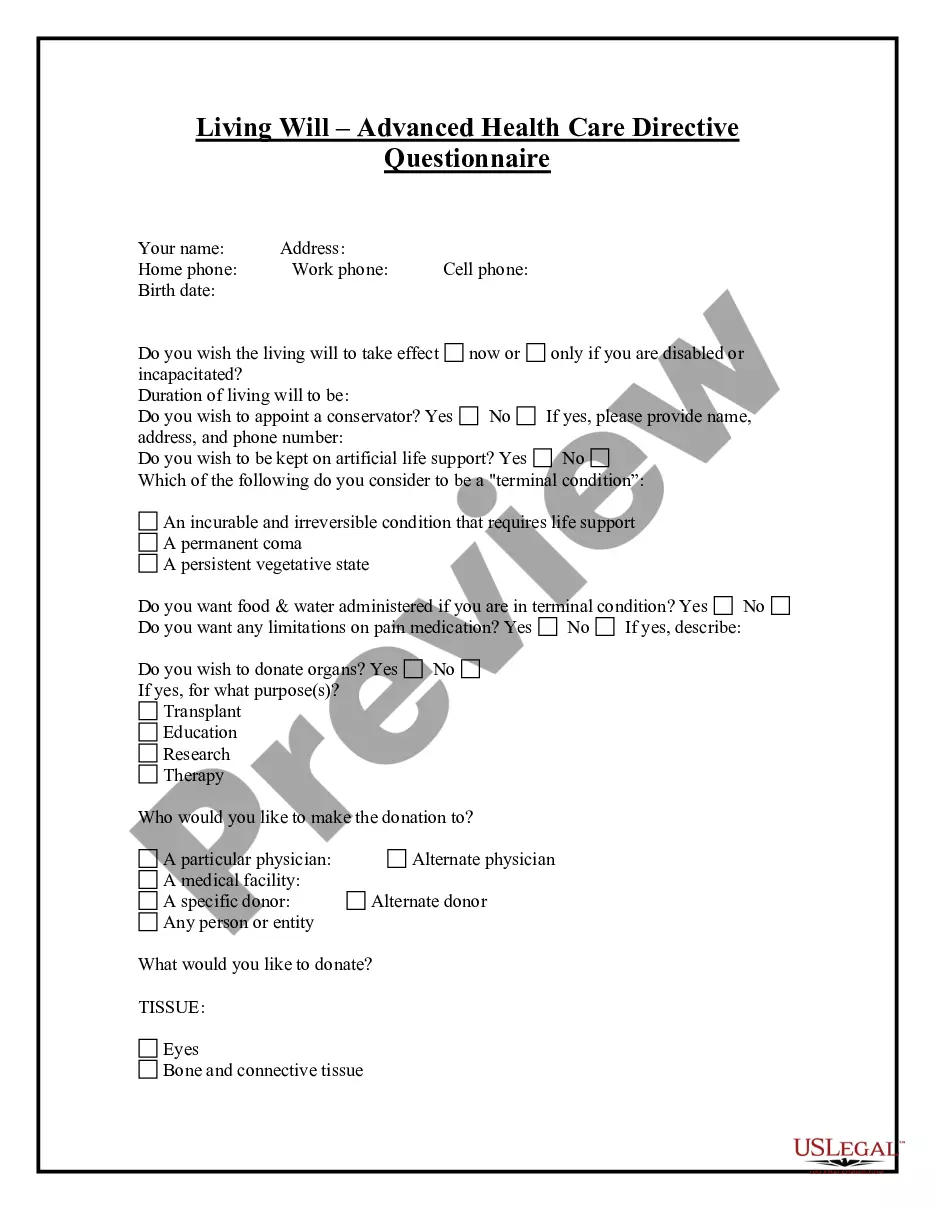
This Declaration Relating to Use of Life Sustaining Procedures, commonly known as a Do Not Resuscitate (DNR) order, is designed for residents of Alaska. The form allows individuals to express their wishes regarding the prolongation of life through medical procedures when facing an incurable condition. It also provides options for donating specific body parts upon death, distinguishing it from other advance directives that do not include such provisions.
Key components of this form
- A declaration stating the desire not to prolong life through life-sustaining procedures.
- Options regarding the provision of nutrition and hydration.
- Clauses for organ donation and the order of operations for DNR implementation.
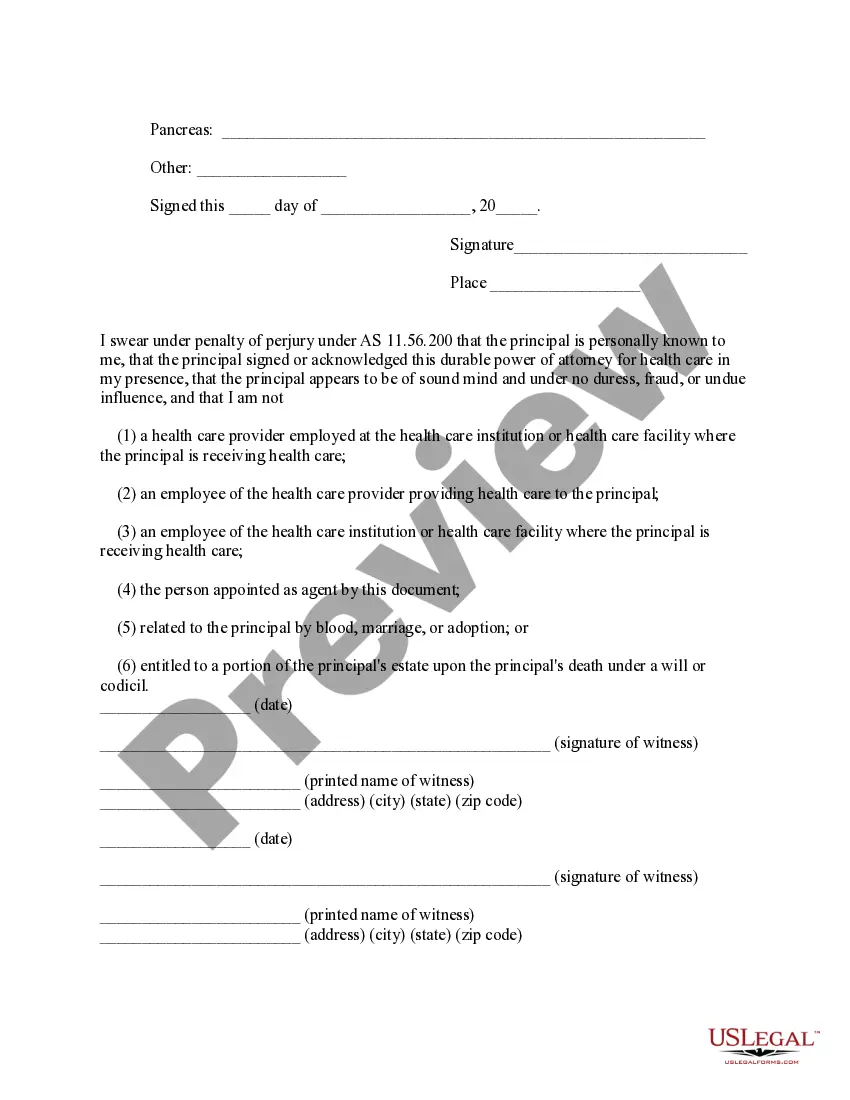
- Space for witnesses to sign, ensuring the authenticity of the document.
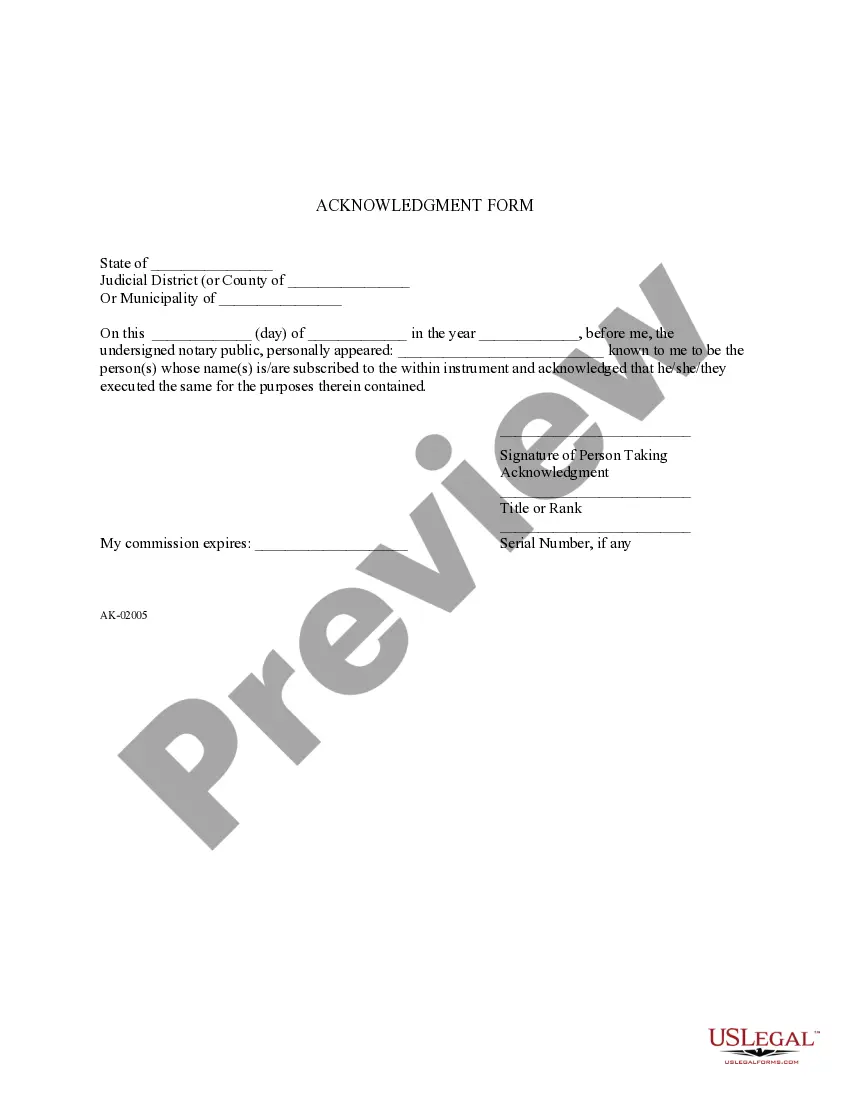
- A section for the acknowledgment of the declaration by a notary public.
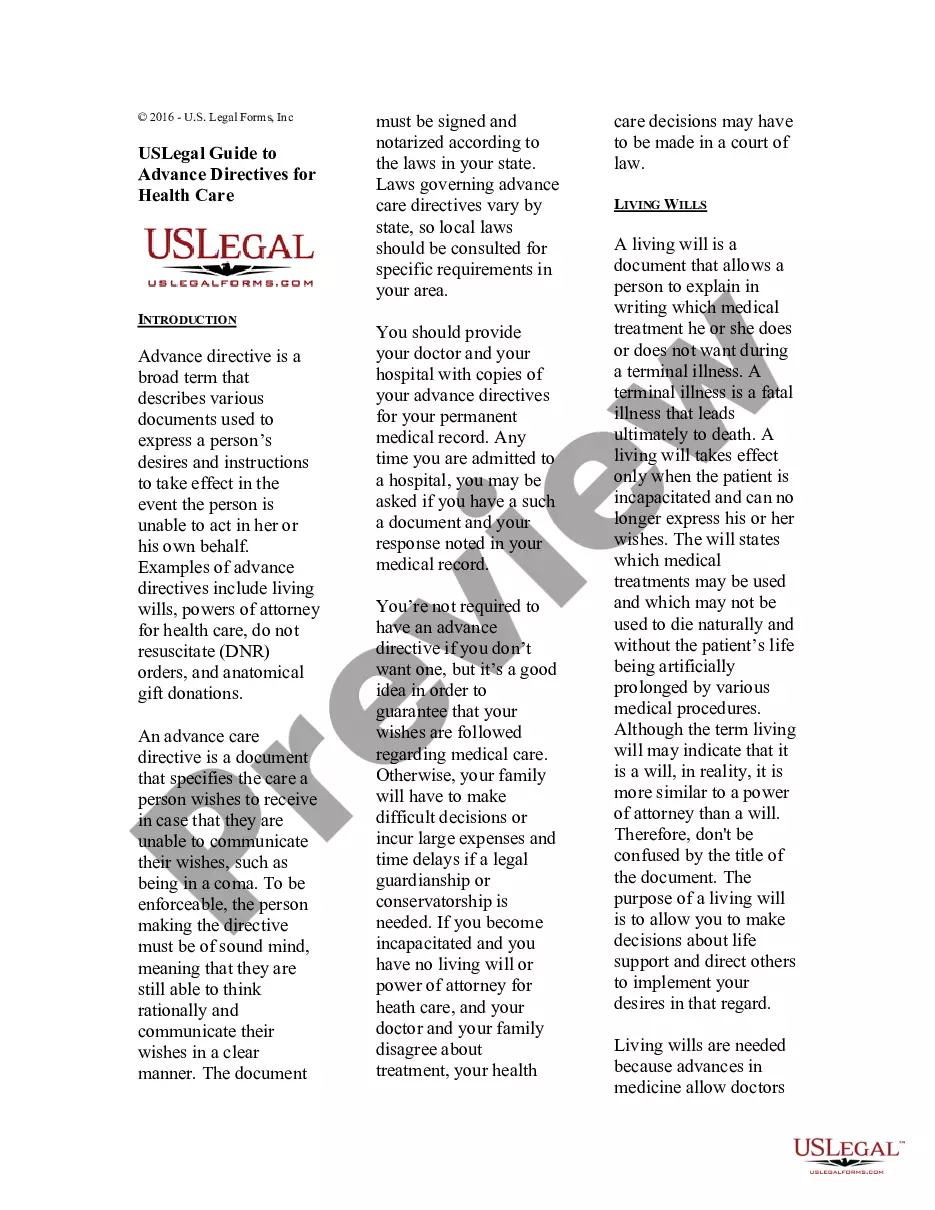
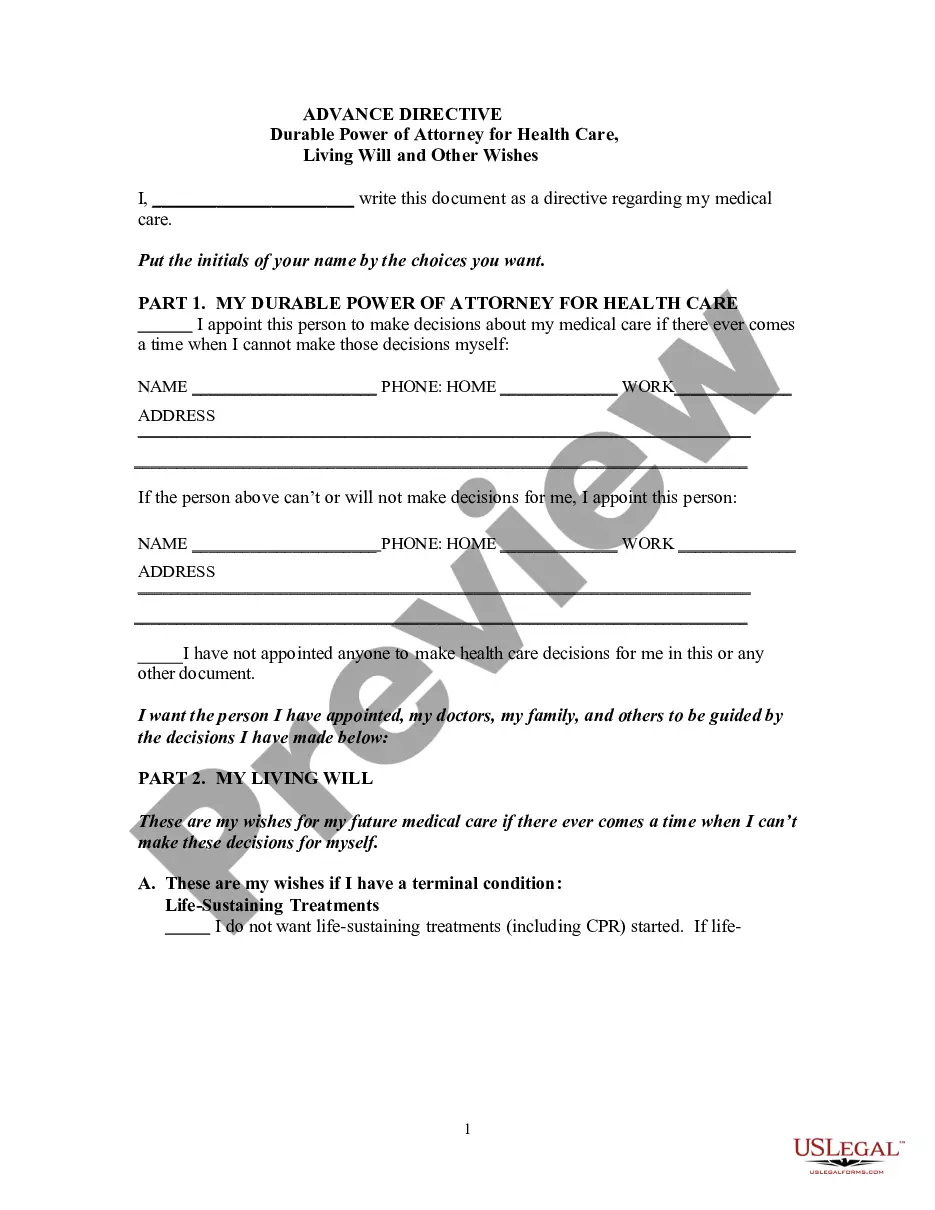
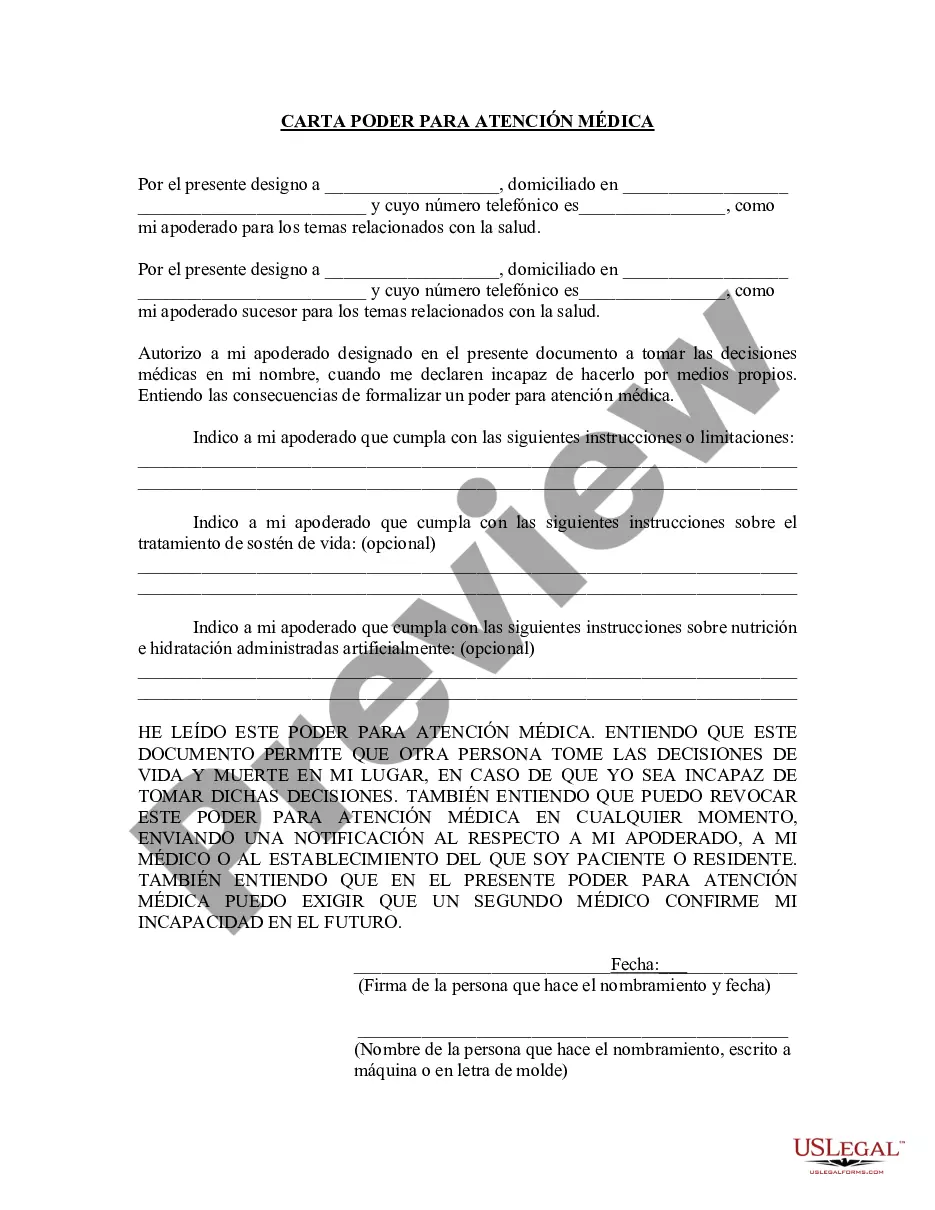
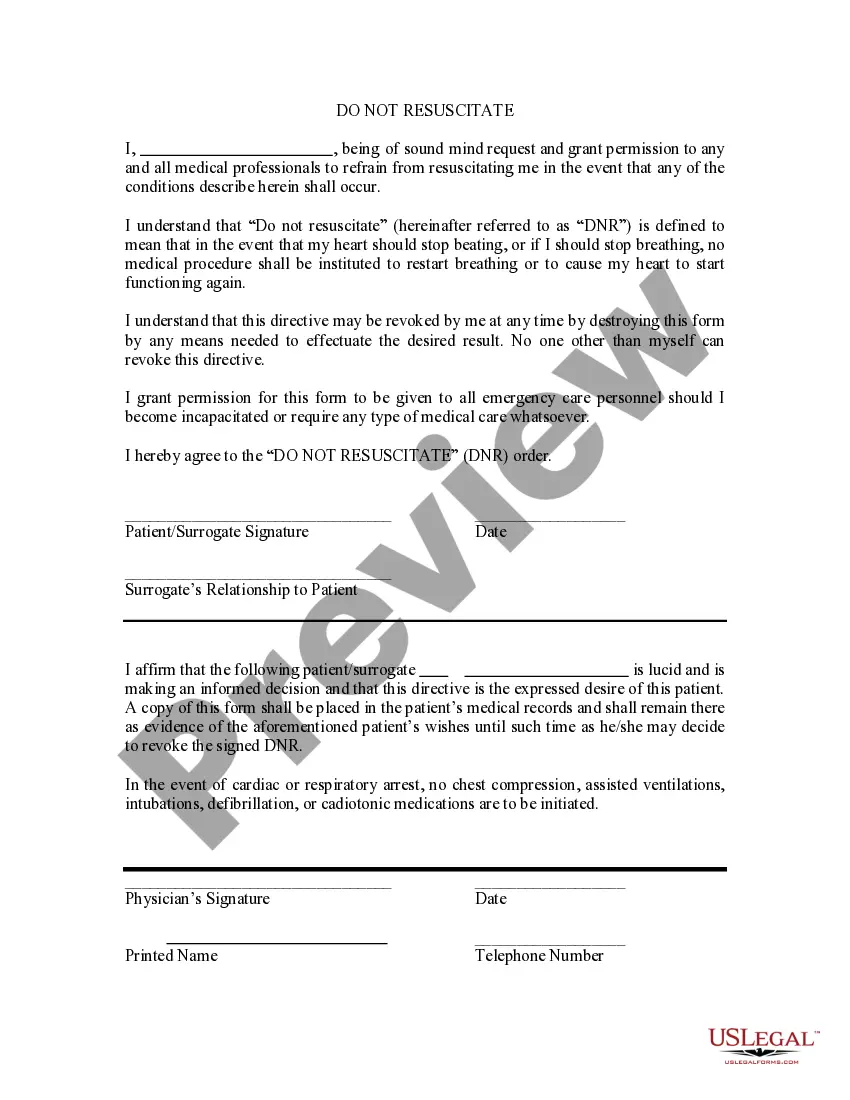
Situations where this form applies
This form should be used when an individual wishes to specify their preferences for medical treatment in the event of a terminal illness or a situation where they cannot make medical decisions. It is particularly relevant for individuals facing an incurable or irreversible condition and may wish for comfort-focused care rather than aggressive life-sustaining measures.
Who this form is for
- Individuals diagnosed with terminal illness or incurable conditions.
- People who wish to have a say in their end-of-life medical care.
- Anyone interested in organ donation following their passing.
- Residents of Alaska seeking a legally binding document regarding medical procedures.
Steps to complete this form
- Read the declaration section carefully to understand your preferences.
- Indicate whether you wish to receive nutrition or hydration.
- Identify any specific organs or tissues you wish to donate.
- Sign and date the document in the presence of at least two witnesses.
- Ensure witnesses also sign and provide their information.
- Have the document acknowledged by a notary public if required.
Does this form need to be notarized?
This form needs to be notarized to ensure legal validity. US Legal Forms provides secure online notarization powered by Notarize, allowing you to complete the process through a verified video call, available anytime.
Get your form ready online
Our built-in tools help you complete, sign, share, and store your documents in one place.
Make edits, fill in missing information, and update formatting in US Legal Forms—just like you would in MS Word.
Download a copy, print it, send it by email, or mail it via USPS—whatever works best for your next step.
Sign and collect signatures with our SignNow integration. Send to multiple recipients, set reminders, and more. Go Premium to unlock E-Sign.
If this form requires notarization, complete it online through a secure video call—no need to meet a notary in person or wait for an appointment.
We protect your documents and personal data by following strict security and privacy standards.

Make edits, fill in missing information, and update formatting in US Legal Forms—just like you would in MS Word.

Download a copy, print it, send it by email, or mail it via USPS—whatever works best for your next step.

Sign and collect signatures with our SignNow integration. Send to multiple recipients, set reminders, and more. Go Premium to unlock E-Sign.

If this form requires notarization, complete it online through a secure video call—no need to meet a notary in person or wait for an appointment.

We protect your documents and personal data by following strict security and privacy standards.
Common mistakes
- Failing to have the document witnessed by the required number of individuals.
- Not clearly indicating preferences regarding nutrition and hydration.
- Leaving donation options blank or incomplete.
- Not signing or dating the declaration properly.
Benefits of completing this form online
- Access legal forms anytime and anywhere, providing convenience.
- Editable templates allow you to customize according to your wishes.
- Answers to common questions provided, reducing confusion regarding legal terms.
- Access to legal guidance online for completion.
Legal use & context
- This form serves as a legally binding document expressing your healthcare preferences.
- It is advisable to keep copies of the form in visible places and share them with family and medical providers.
- Local laws may affect how the form is implemented, so consult with a legal professional if in doubt.
Main things to remember
- The Declaration relating to use of life sustaining procedures is critical for individuals wishing to outline their medical preferences.
- It is important to ensure that all sections of the form are filled out correctly and witnessed.
- Proper completion of this declaration can provide peace of mind for both the individual and their loved ones during critical medical situations.
Looking for another form?
Form popularity
FAQ
A POLST form is a legal document for people with an advanced progressive or terminal illnesses and specifies the type of care a person would like in an emergency medical situation.
The DNR guides Emergency Medical Service (EMS) providers and can give EMS permission not to perform cardiopulmonary resuscitation (CPR), whereas a POLST might include a DNR instruction regarding CPR, but provides more instructions regarding additional medical interventions.
Anyone who has a chronic or life-limiting illness or anyone with advanced age should consider having a POLST document.
The POLST form is completed by a patient's physician (or by someone who has undergone special training about POLST and who works with the patient's physician) in conjunction with thorough conversation with the patient regarding the patient's current and future health conditions and treatment preferences.
How to Order the National POLST Form. Visit your program website or reach out to your program contact to order POLST forms (www.polst.org/map). Forms are not available to individuals since they are medical orders that should be completed by providers.
A POLST form is a medical order that tells emergency health care professionals what to do during a medical crisis where the patient cannot speak for him or herself.
The California POLST form is valid in California. If you are traveling to another state, it is a good idea to take both your Advance Directive and your POLST form with you. Both documents, even if not legally binding, will help health care providers know your wishes. How can I find out more about POLST?
The DNR guides Emergency Medical Service (EMS) providers and can give EMS permission not to perform cardiopulmonary resuscitation (CPR), whereas a POLST might include a DNR instruction regarding CPR, but provides more instructions regarding additional medical interventions.