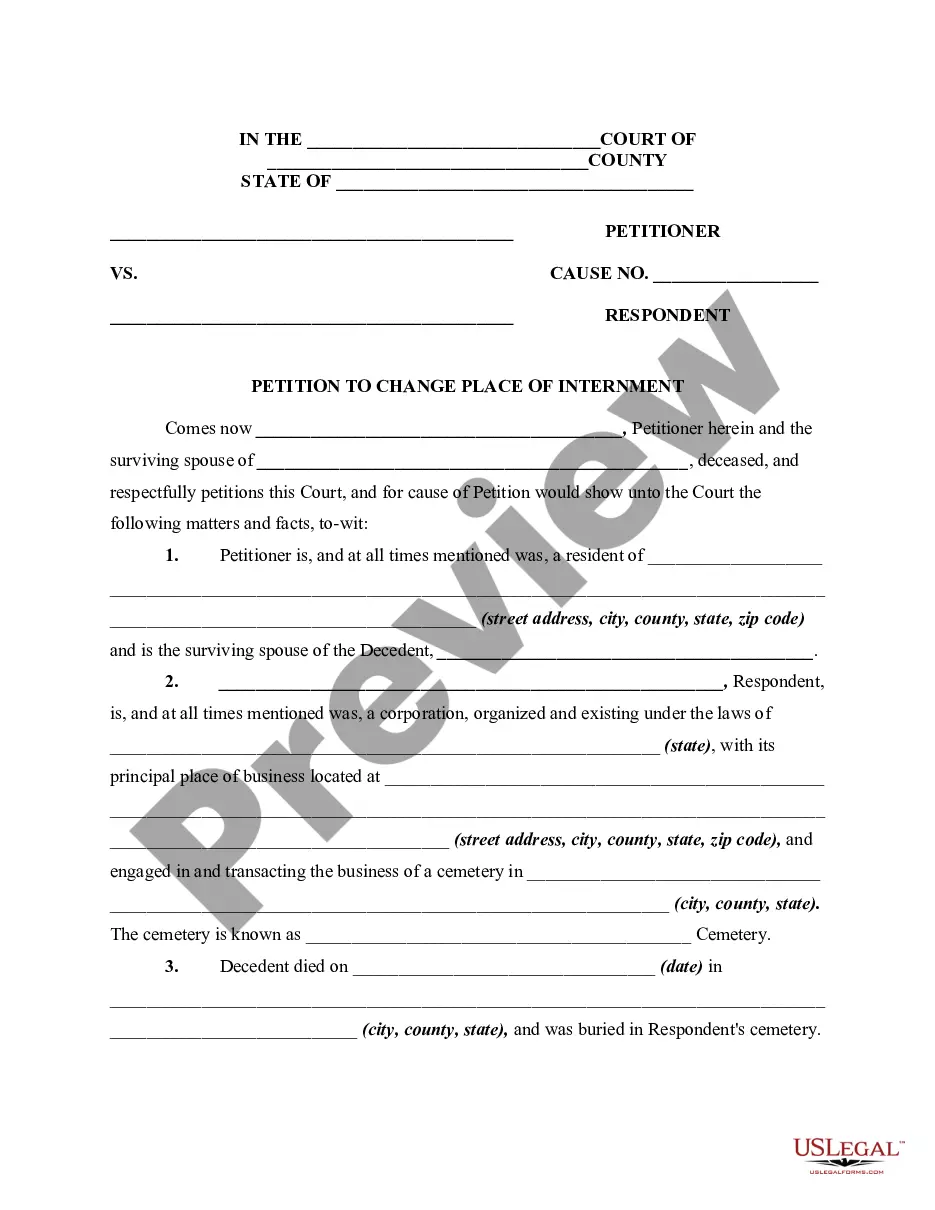
Wyoming Letter from Landlord to Tenant as Notice to remove unauthorized pets from premises
Understanding this form
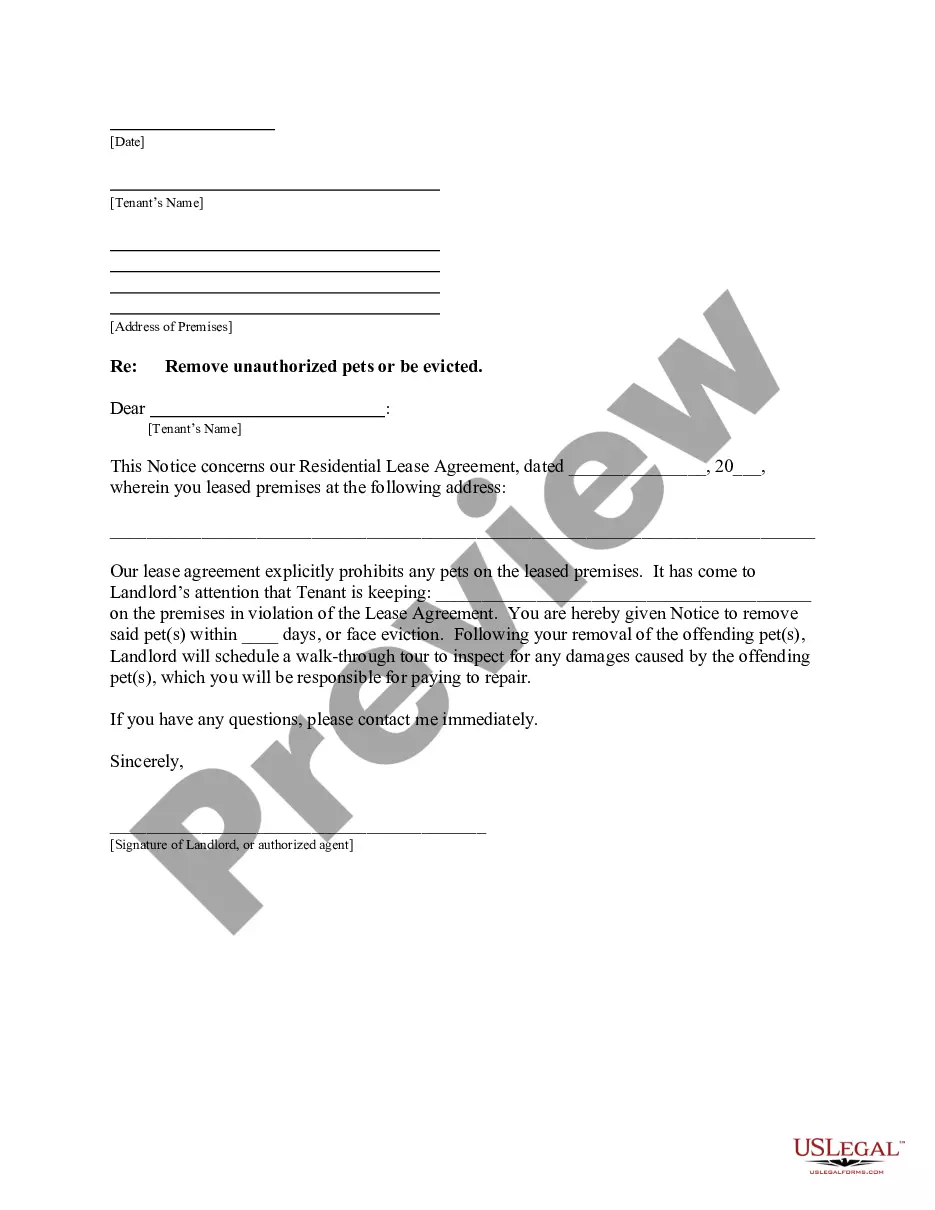
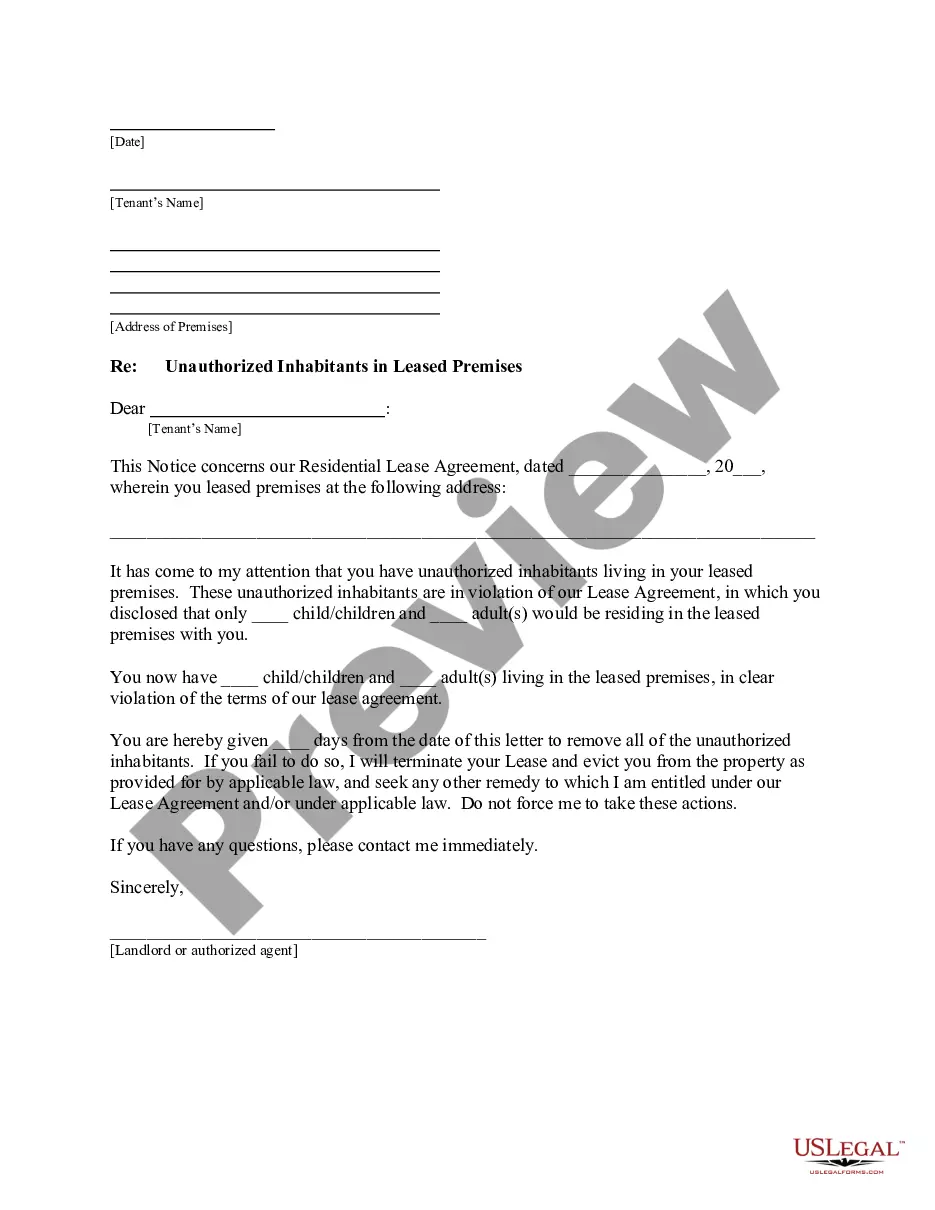
This Letter from Landlord to Tenant serves as a formal notice demanding the removal of unauthorized pets from the leased premises. The purpose of this letter is to notify the tenant that keeping pets violates the lease agreement, which explicitly prohibits pets. By using this form, landlords can make tenants aware of their breach of contract, allowing them a set period to comply before legal action may be taken.
Key parts of this document
- Reference to the Residential Lease Agreement date and details.
- Identification of the unauthorized pets being kept on the premises.
- A deadline for the removal of unauthorized pets.
- Notification of potential eviction and responsibilities for damages caused by pets.
- Contact information for the landlord for any questions.
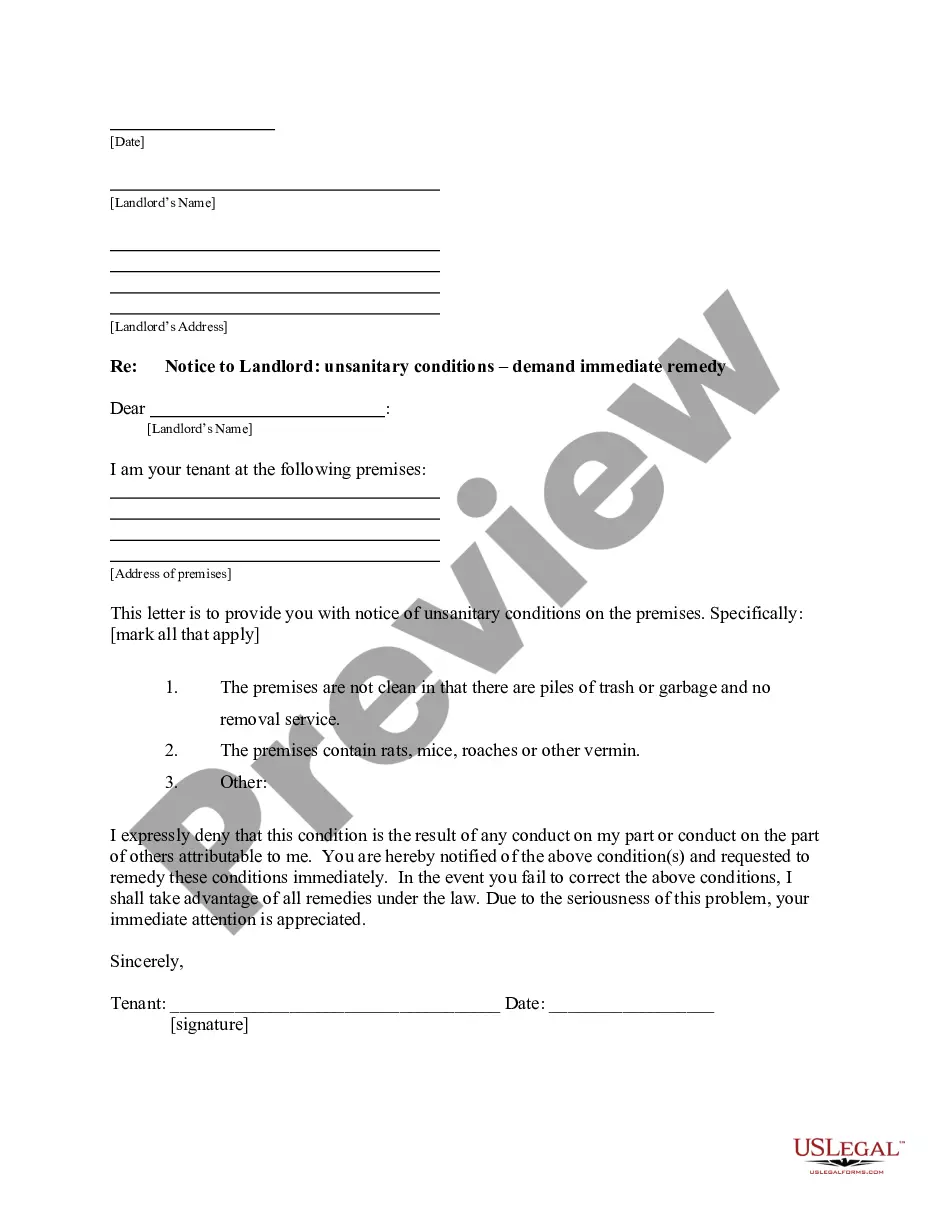
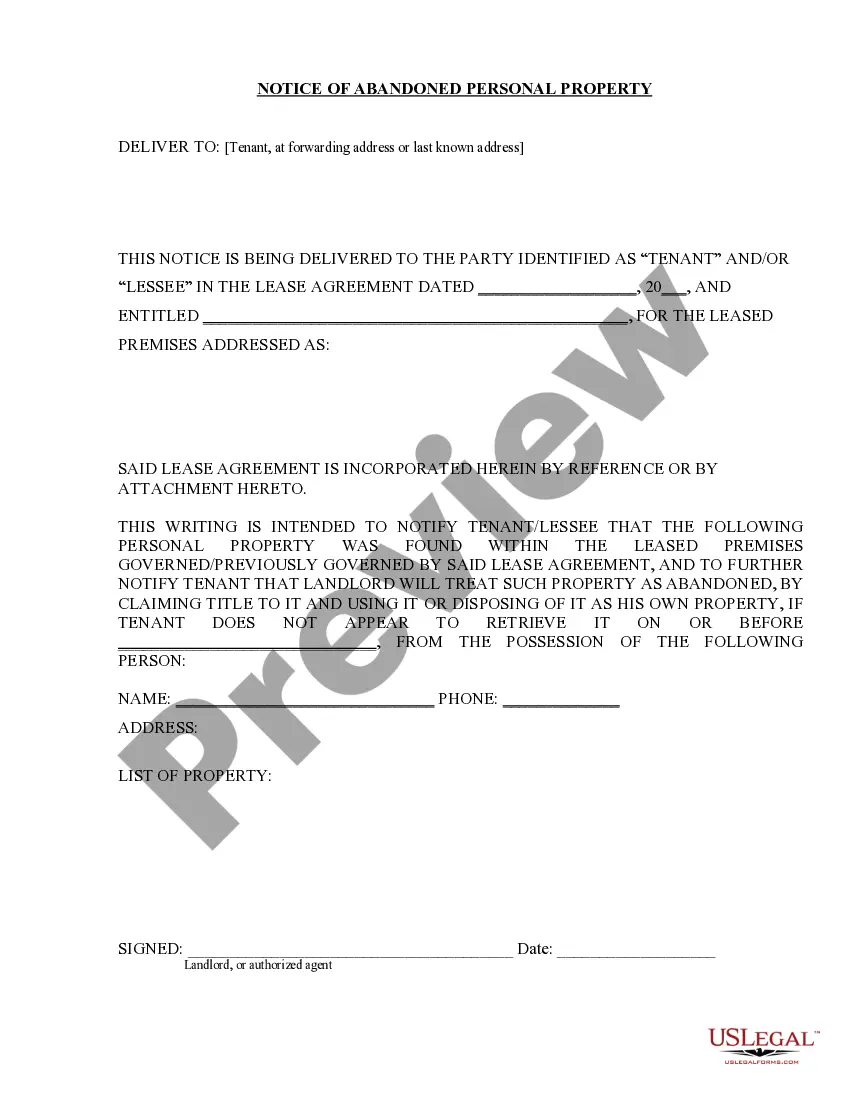
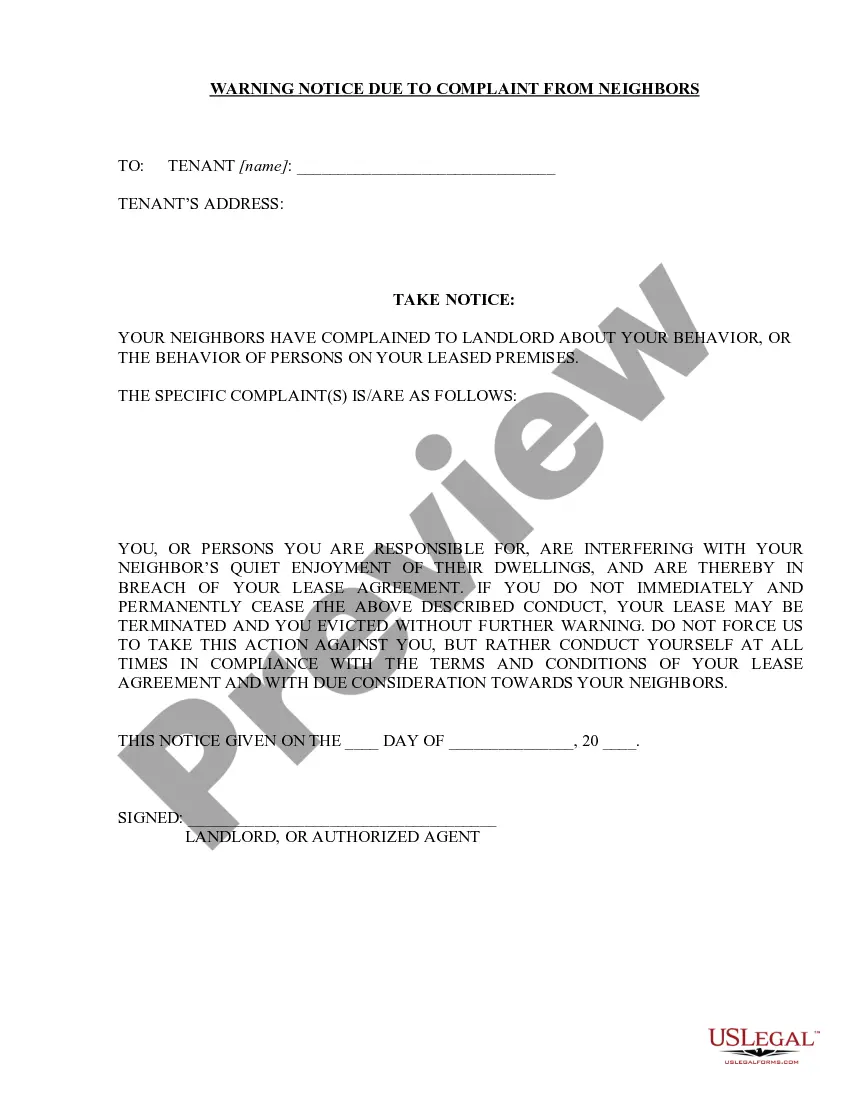
When this form is needed
This form should be used when a landlord discovers that a tenant is keeping pets on the rental property in violation of the lease agreement. It is essential to provide tenants with formal notice, allowing them time to comply with the lease terms before initiating eviction proceedings.
Who needs this form
- Landlords who have a lease agreement prohibiting pets.
- Property managers acting on behalf of landlords to enforce lease terms.
- Tenants who need to inform landlords of unauthorized pets and seek resolution.
Instructions for completing this form
- Enter the date of the Residential Lease Agreement.
- Specify the address of the leased premises.
- Describe the unauthorized pet(s) being kept on the property.
- Indicate the number of days the tenant has to remove the pets.
- Sign the letter as the landlord or authorized agent.
Does this form need to be notarized?
This form does not typically require notarization unless specified by local law. It is advisable to check local regulations to ensure compliance with any specific requirements.
Get your form ready online
Our built-in tools help you complete, sign, share, and store your documents in one place.
Make edits, fill in missing information, and update formatting in US Legal Forms—just like you would in MS Word.
Download a copy, print it, send it by email, or mail it via USPS—whatever works best for your next step.
Sign and collect signatures with our SignNow integration. Send to multiple recipients, set reminders, and more. Go Premium to unlock E-Sign.
If this form requires notarization, complete it online through a secure video call—no need to meet a notary in person or wait for an appointment.
We protect your documents and personal data by following strict security and privacy standards.
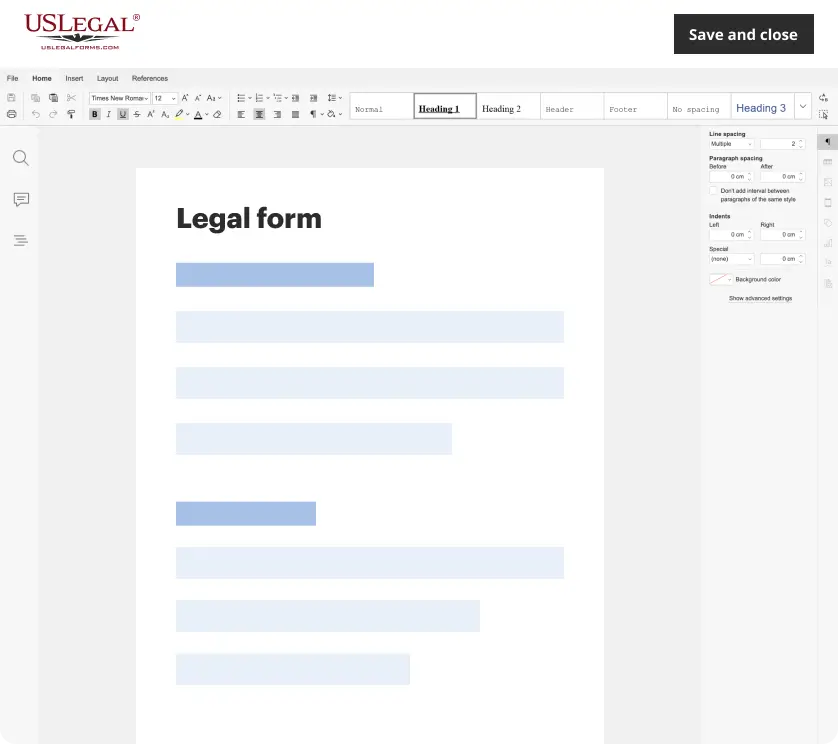
Make edits, fill in missing information, and update formatting in US Legal Forms—just like you would in MS Word.
Download a copy, print it, send it by email, or mail it via USPS—whatever works best for your next step.
Sign and collect signatures with our SignNow integration. Send to multiple recipients, set reminders, and more. Go Premium to unlock E-Sign.
If this form requires notarization, complete it online through a secure video call—no need to meet a notary in person or wait for an appointment.
We protect your documents and personal data by following strict security and privacy standards.
Common mistakes to avoid
- Failing to include the correct address of the leased premises.
- Not providing a clear deadline for pet removal.
- Neglecting to sign the notice before sending it to the tenant.
- Using vague language when describing unauthorized pets.
Advantages of online completion
- Access to professionally drafted templates created by licensed attorneys.
- Convenience of downloading forms anytime, anywhere.
- Editability allows landlords to customize the notice for specific situations.
Legal use & context
- This form serves as written evidence that the landlord has notified the tenant about the violation.
- Failure to follow proper notice procedures may hinder eviction processes.
- It's essential to adhere to state regulations regarding lease agreements and eviction notices.
Looking for another form?
Form popularity
FAQ
1- Vermont. 2- Delaware. 3- Oregon. 4- Rhode Island. 5- Nevada.
Wyoming is a landlord-friendly state, that doesn't mess around when it comes to late rent. Landlords have the right to enter a tenant's apartment without notice if the tenant is more than three days late on the rent, and landlords can terminate a lease after three days of nonpayment of rent.
In some circumstances, a tenant can break a fixed-term agreement early without penalty. A tenant can give 14 days' written notice to end an agreement early without penalty if: they have accepted an offer of social housing (e.g. from DCJ Housing)
When you rent a property from a landlord it becomes your home. They should only enter the property without you being present, if you have given permission for them to do so, or in a genuine emergency.
The big take-away is that in most circumstances a landlord cannot enter a property without agreement from the tenant. And If the landlord ignores the law and enters the property without permission, the tenant may be able to claim damages or gain an injunction to prevent the landlord doing it again.
Yes, your tenant is within their rights to refuse you access to the property. In a lot of cases, tenants will refuse because the date and time isn't convenient for them and will suggest an alternative date or ask you to rearrange. However, some tenants will persistently try to obstruct you from entering the property.
Give the landlord/agent a written termination notice and vacate move out and return the keys according to your notice, and/or. apply to the NSW Civil & Administrative Tribunal (NCAT) for a termination order.
A Notice to Quit is the first step a landlord must take to evict tenants from the property. A notice to quit asks the tenant to quit, leave, and vacate the premises. This does not mean the lease is automatically terminated. Rather, a notice to quit gives the landlord the right to go to court.
Indiana. Indiana laws allow landlords to hold on to security deposits for 45 days to give them time to determine any damages caused by tenants. Colorado. Colorado is one of few states that allow landlords to access the rental property without an advance notice requirement. Georgia.
Entry Allowed with Notice for Maintenance and Repairs (non-emergency): Yes. In general, tenants are prohibited from unreasonably denying access to the rental unit or refusing a landlord entry (Wyo. Stat. § 1-21-1205).