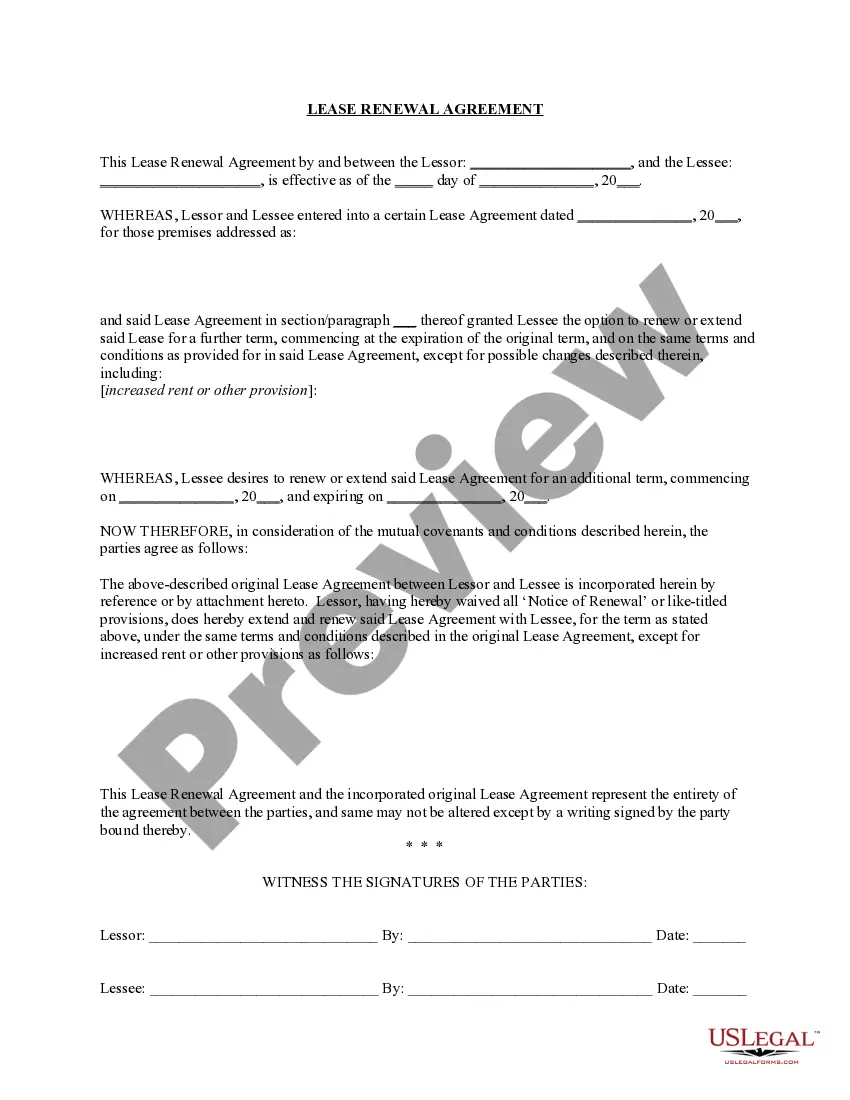
Wisconsin Letter from Tenant to Landlord about Illegal entry by landlord
What is this form?
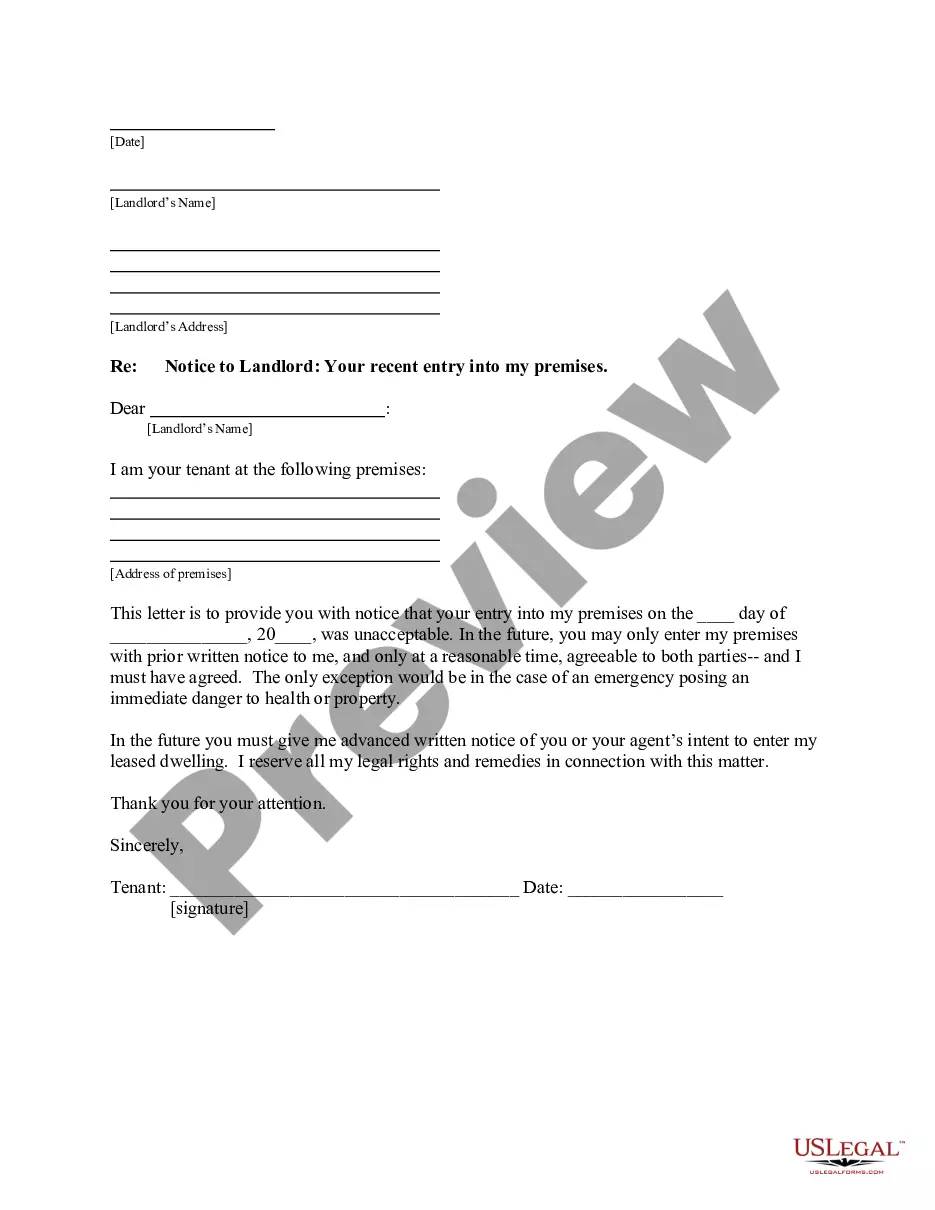
This letter from Tenant to Landlord addresses illegal entry by the landlord into the tenant's leased dwelling. It serves to formally request that the landlord provides advanced written notice of any planned entry, except in emergency situations. This form is essential for tenants wishing to assert their right to privacy and ensure that their landlord follows proper notification procedures.
Form components explained
- Tenant's request for written notice before landlord's entry.
- Clear definition of reasonable entry times that are agreeable to both parties.
- Exception clause for emergencies posing immediate danger to health or property.
- Statement preserving legal rights and remedies regarding the matter.
- Signature and date fields for the tenant's acknowledgment.
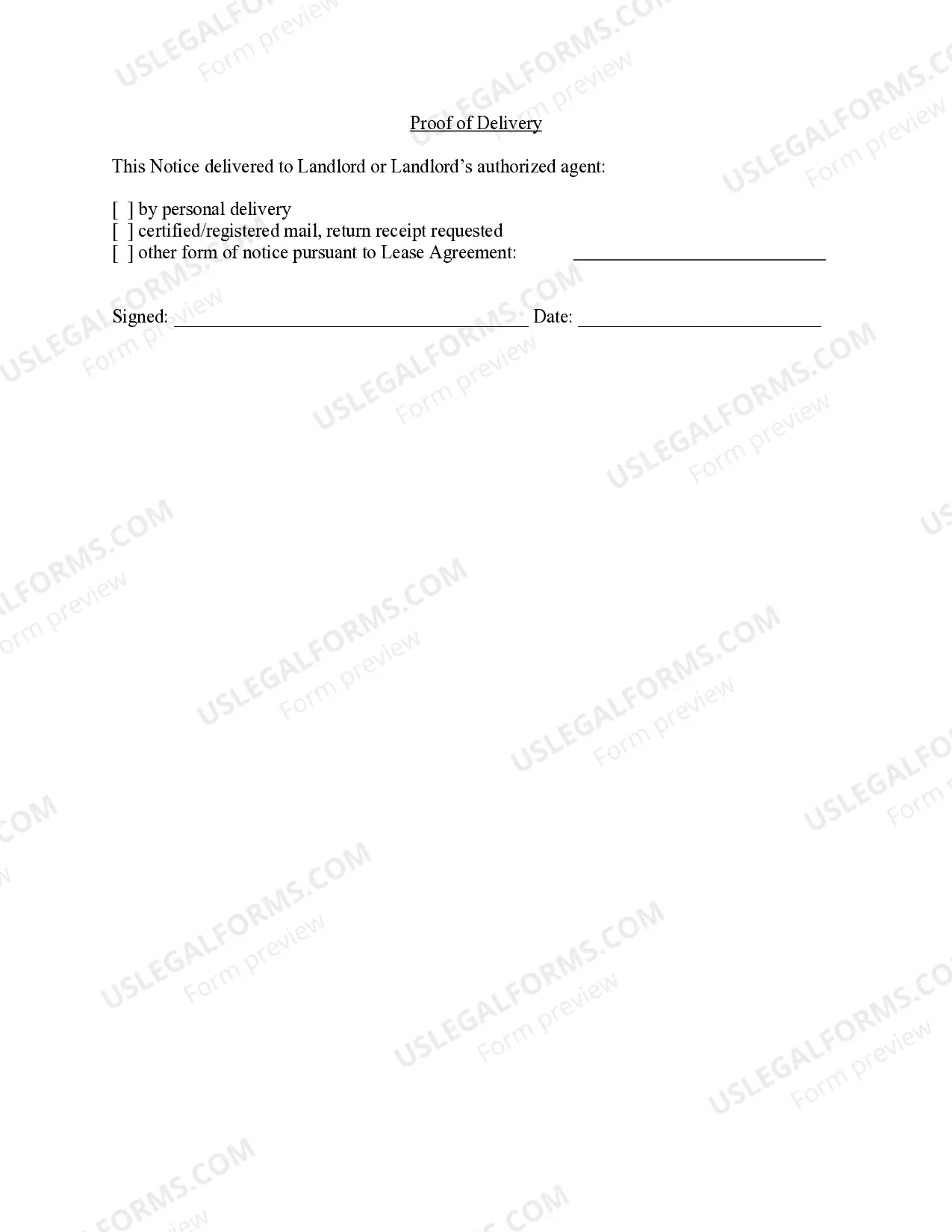
- Proof of delivery section to confirm notice has been sent to the landlord.

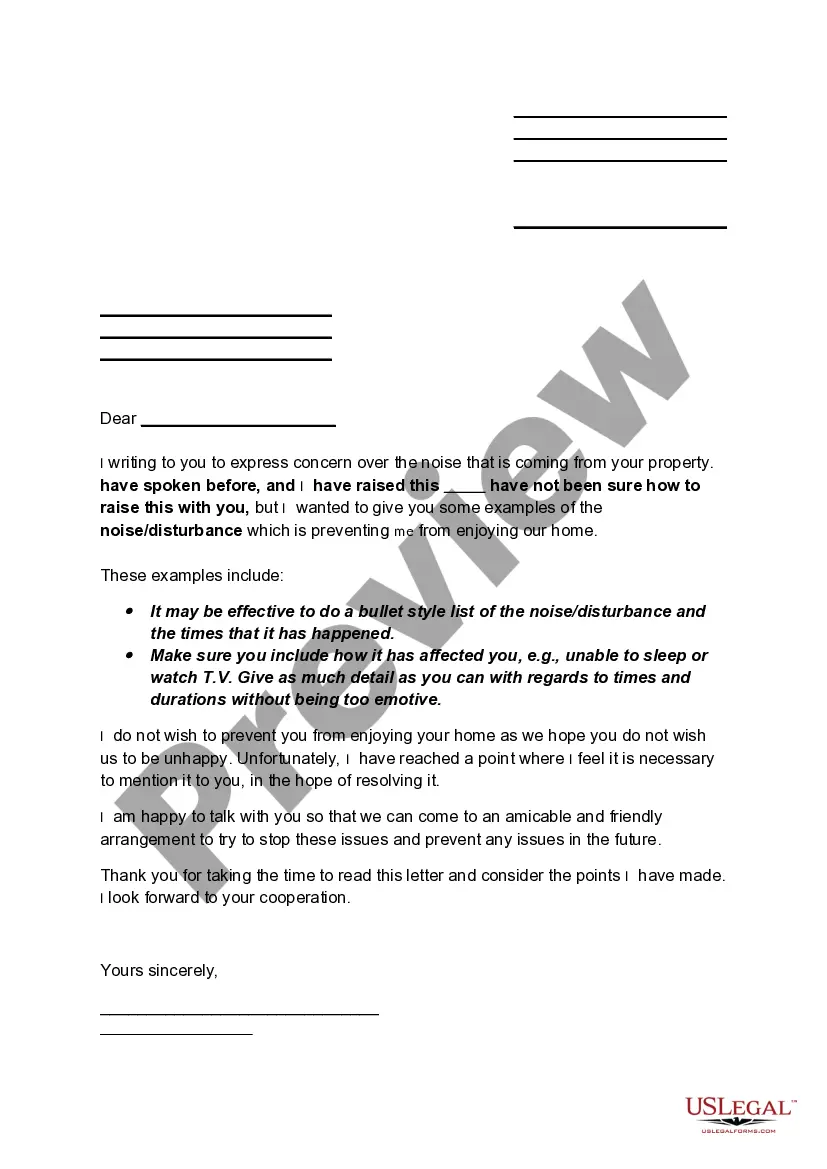
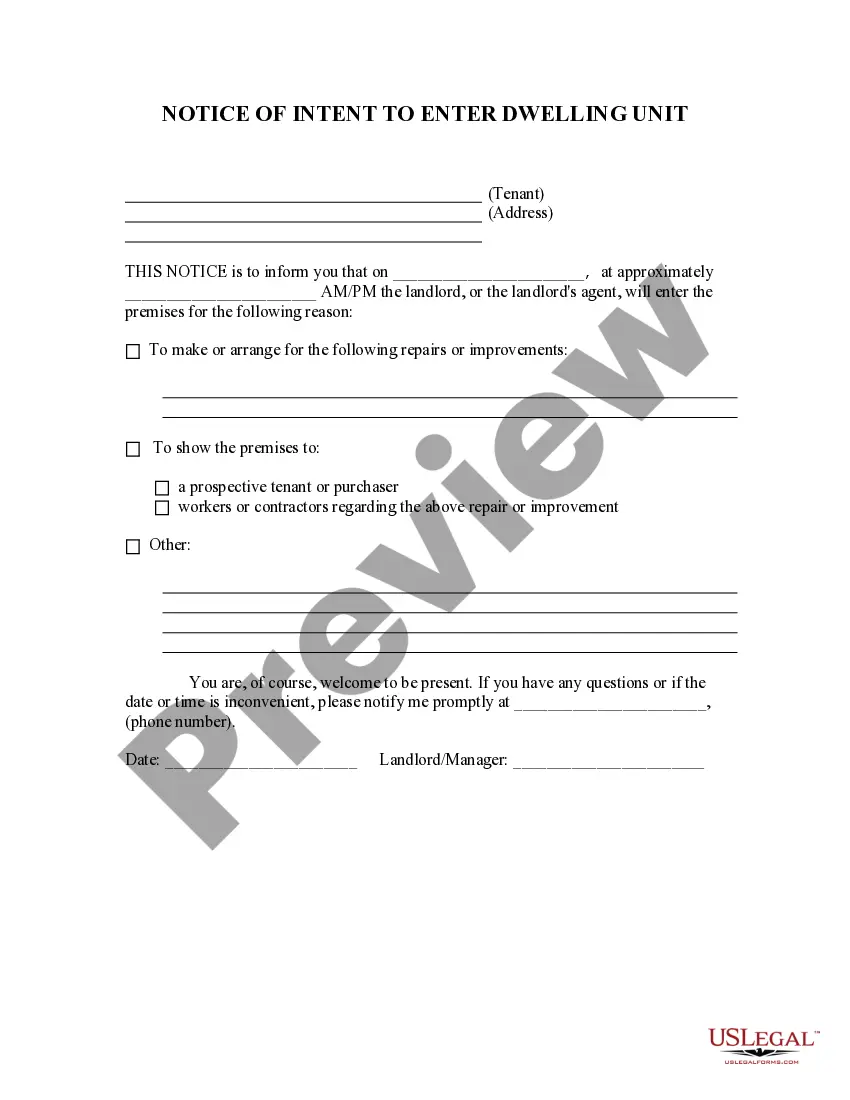
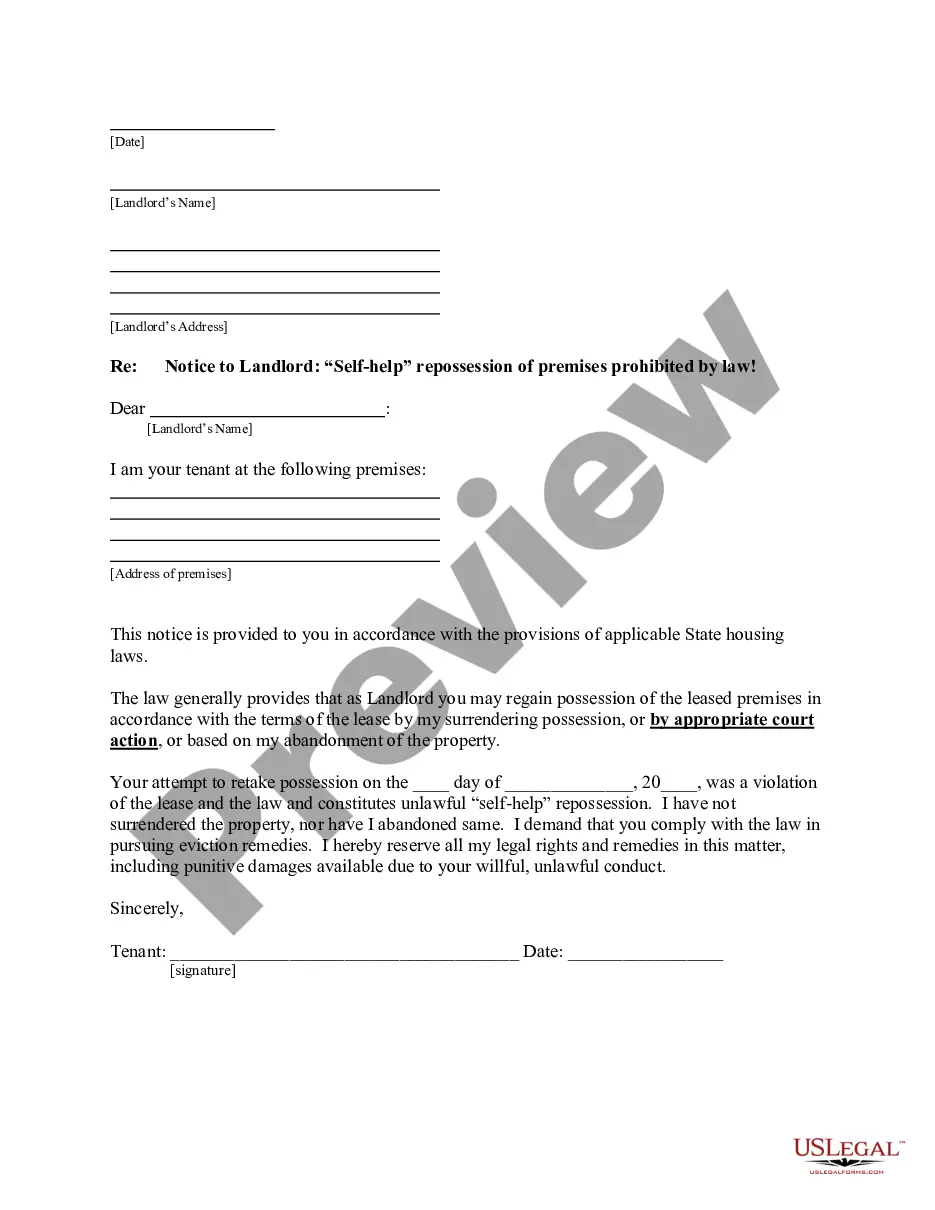
Situations where this form applies
This form is particularly useful when a tenant believes their landlord has entered the property without proper notice or consent. It should be used to establish clear communication regarding entry policies to prevent further unauthorized visits. This letter can also protect the tenant's rights by documenting the request for notification in writing.
Intended users of this form
This form is suitable for:
- Residential tenants who have experienced unauthorized entry by their landlord.
- Tenants seeking to establish clear communication and boundaries with their landlords.
- Individuals renting property under lease agreements where privacy rights are a concern.
How to complete this form
- Enter the tenant's name and contact information at the top of the letter.
- Clearly state the request for advanced written notice before any landlord entry.
- Specify what constitutes a reasonable time for entry.
- Include a statement of rights to reserve legal options related to the matter.
- Sign and date the letter, ensuring it's delivered to the landlord's authorized agent.
- Choose the method of delivery (personal, certified, or registered mail) and provide documentation if applicable.
Notarization requirements for this form
Notarization is not commonly needed for this form. However, certain documents or local rules may make it necessary. Our notarization service, powered by Notarize, allows you to finalize it securely online anytime, day or night.
Get your form ready online
Our built-in tools help you complete, sign, share, and store your documents in one place.
Make edits, fill in missing information, and update formatting in US Legal Forms—just like you would in MS Word.
Download a copy, print it, send it by email, or mail it via USPS—whatever works best for your next step.
Sign and collect signatures with our SignNow integration. Send to multiple recipients, set reminders, and more. Go Premium to unlock E-Sign.
If this form requires notarization, complete it online through a secure video call—no need to meet a notary in person or wait for an appointment.
We protect your documents and personal data by following strict security and privacy standards.

Make edits, fill in missing information, and update formatting in US Legal Forms—just like you would in MS Word.

Download a copy, print it, send it by email, or mail it via USPS—whatever works best for your next step.

Sign and collect signatures with our SignNow integration. Send to multiple recipients, set reminders, and more. Go Premium to unlock E-Sign.

If this form requires notarization, complete it online through a secure video call—no need to meet a notary in person or wait for an appointment.

We protect your documents and personal data by following strict security and privacy standards.
Avoid these common issues
- Failing to provide complete contact information for the tenant.
- Not specifying the hours considered reasonable for landlord entry.
- Omitting the statement preserving legal rights and remedies.
- Neglecting to deliver the letter properly or document the delivery method.
Benefits of completing this form online
- Convenient access to professionally drafted legal forms.
- Easy to download and edit to meet individual needs.
- Reliable templates that ensure compliance with current legal standards.
- Quick turnaround time for obtaining necessary documentation.
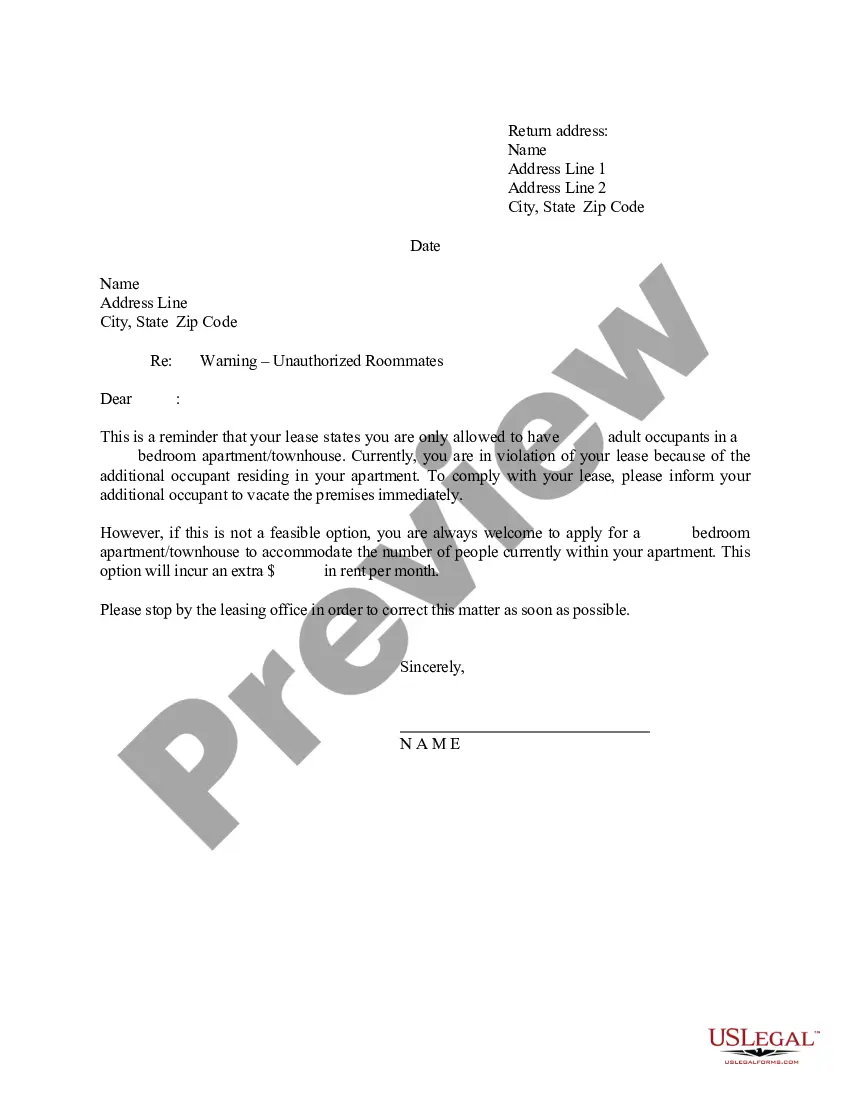
Looking for another form?

Form popularity
FAQ
The landlord can enter at reasonable times to inspect the premises, make repairs, or show the premises to prospective tenants. The landlord usually must give 12 hours notice before entry, unless immediate entry is necessary to preserve or protect the premises, such as in case of a fire or a burst water pipe.
Apply to the Tribunal for orders: to stop the landlord/agent entering the premises. (Apply within 3 months after you become aware of the landlord's/agent's breach.) report trespass to the police. complain to NSW Fair Trading.
The big take-away is that in most circumstances a landlord cannot enter a property without agreement from the tenant. And If the landlord ignores the law and enters the property without permission, the tenant may be able to claim damages or gain an injunction to prevent the landlord doing it again.
Put cameras everywhere (Nest Cam is a good brand), make sure you put signs "Premises secured by video surveillance" and you will be good to go. While it won't prevent the landlord from entering, it will prevent the landlord from doing anything funky, and who knows, with time even stop.
Wisconsin landlords must provide at least 12 hours' notice before entering a property. This notice requirement does not apply in the case of emergencies.
In all states, a landlord can enter the property in an emergency without notice or permission.Even if your landlord gives you notice, he or she must have a good reason to enter the property. In most cases, your landlord can enter your home: In an emergency.