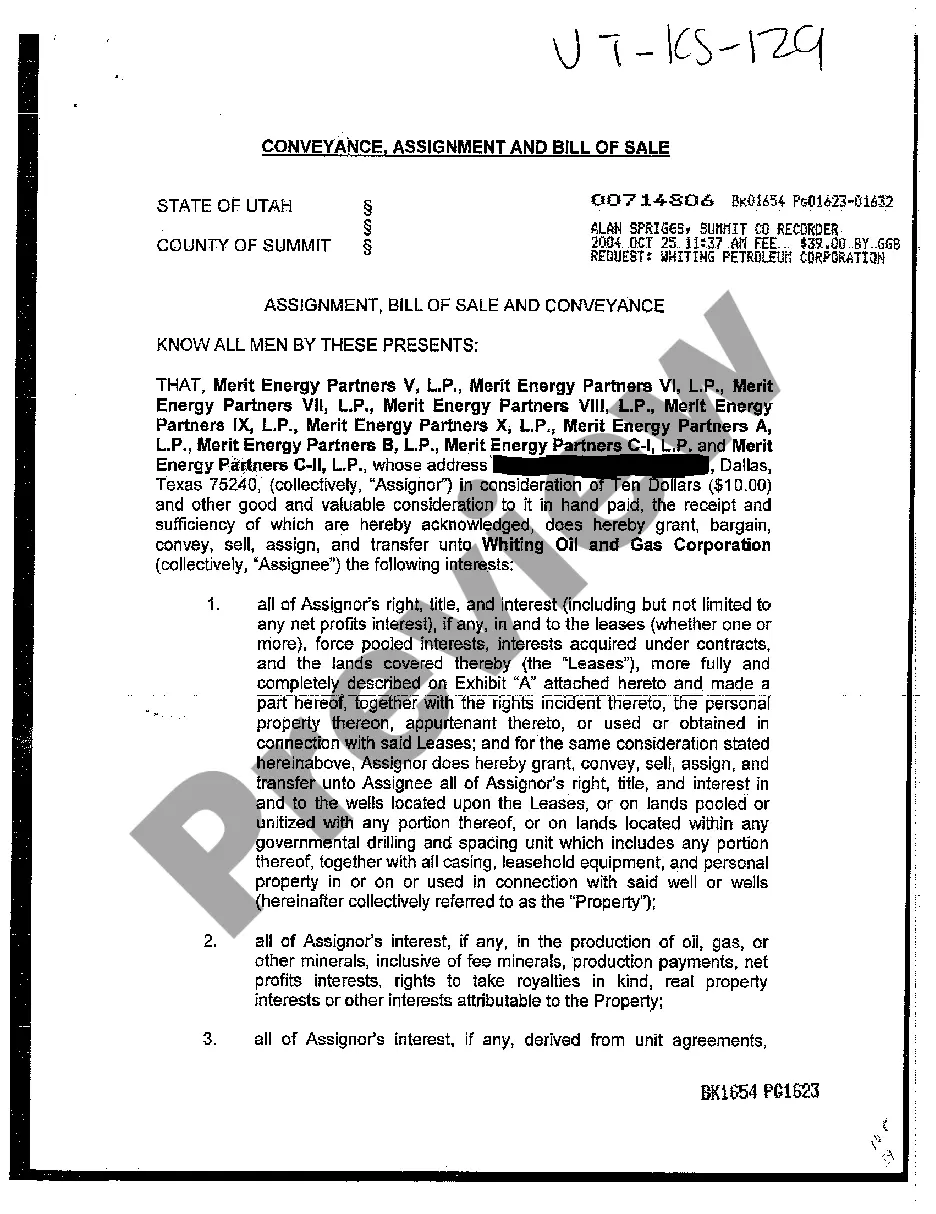
Washington Notice of Intent to Enforce Forfeiture Provisions of Contact for Deed
Overview of this form
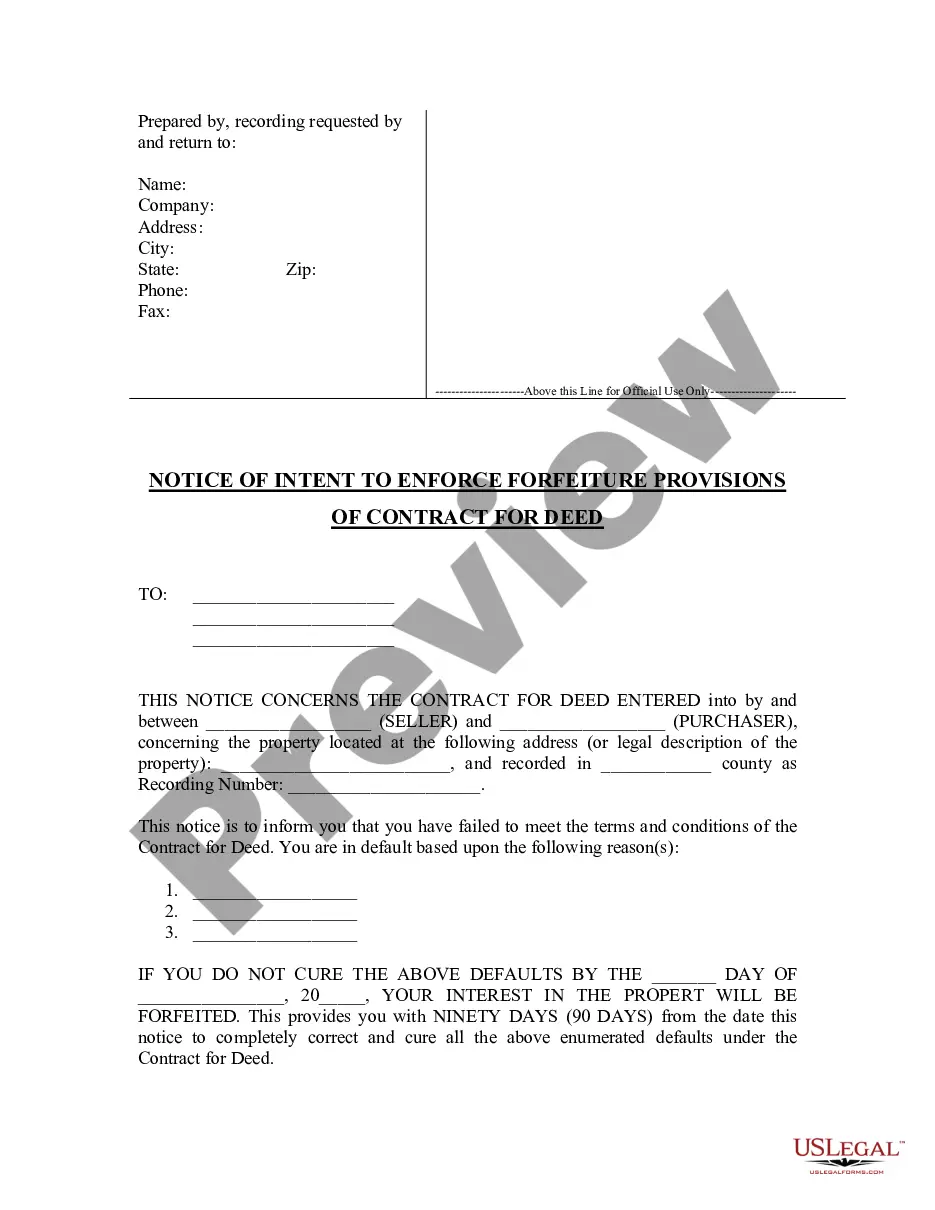
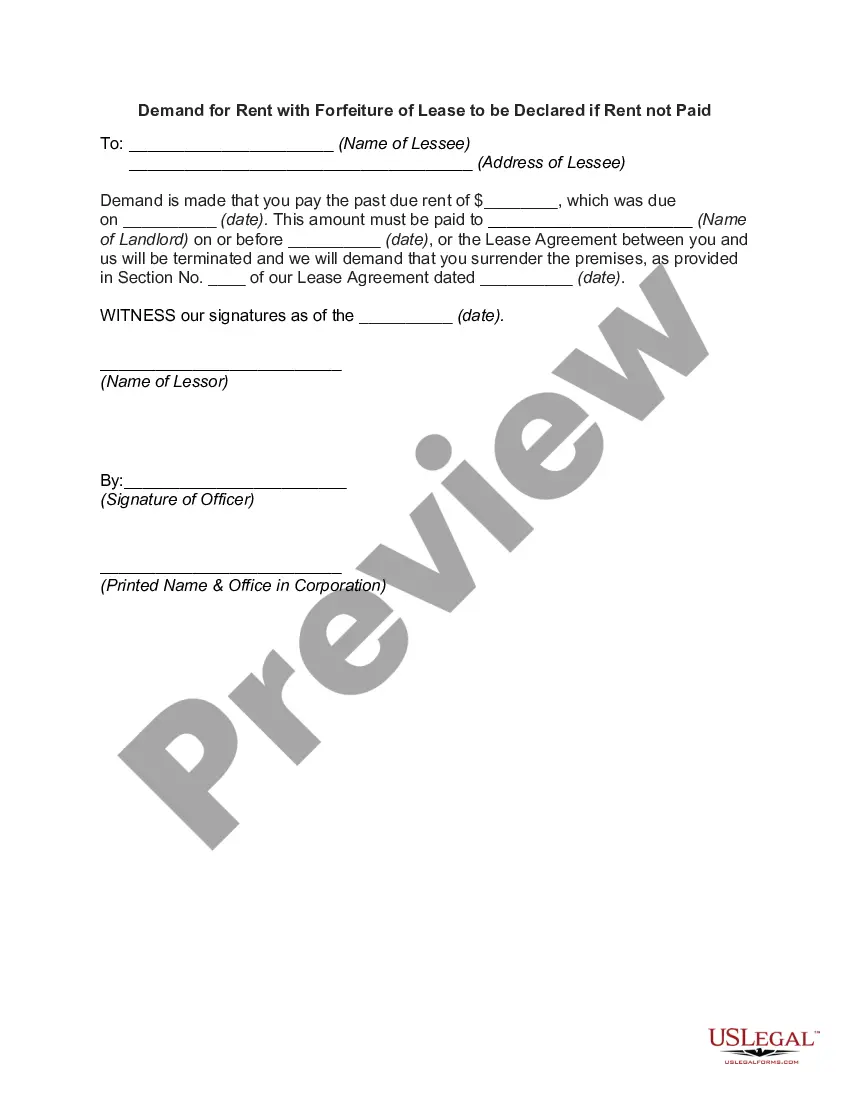
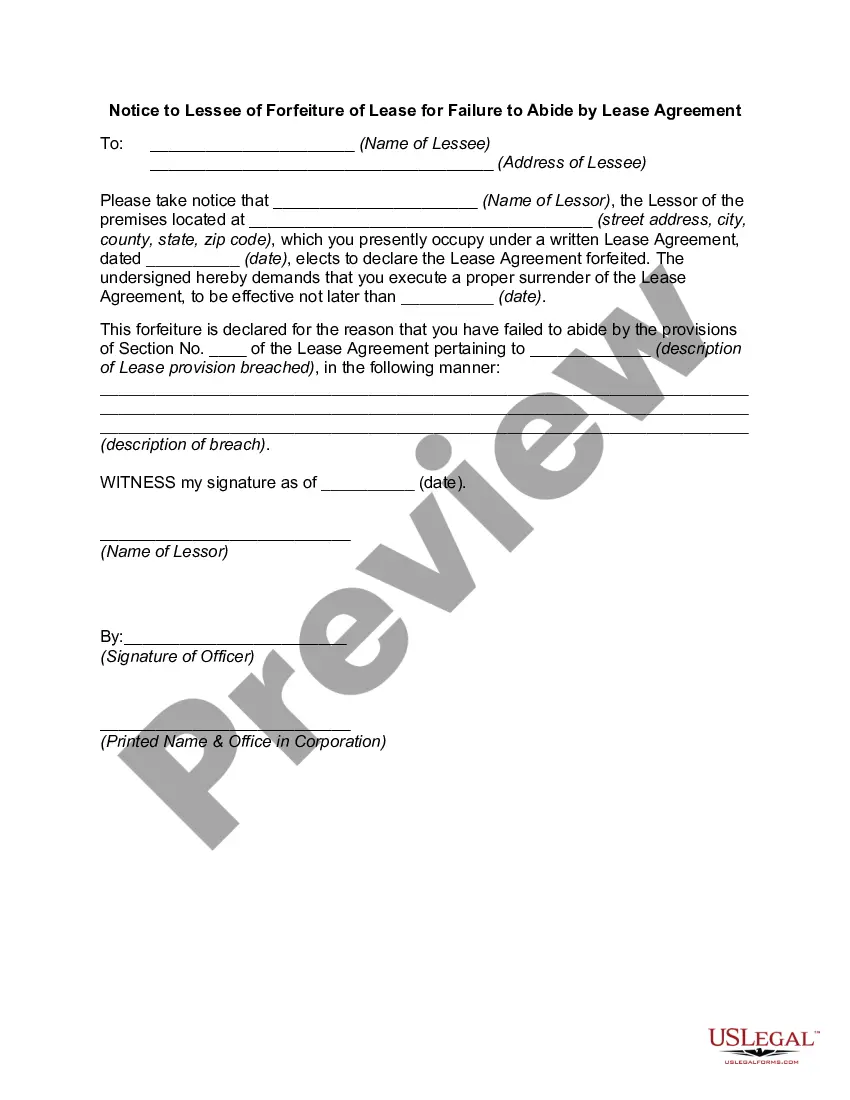
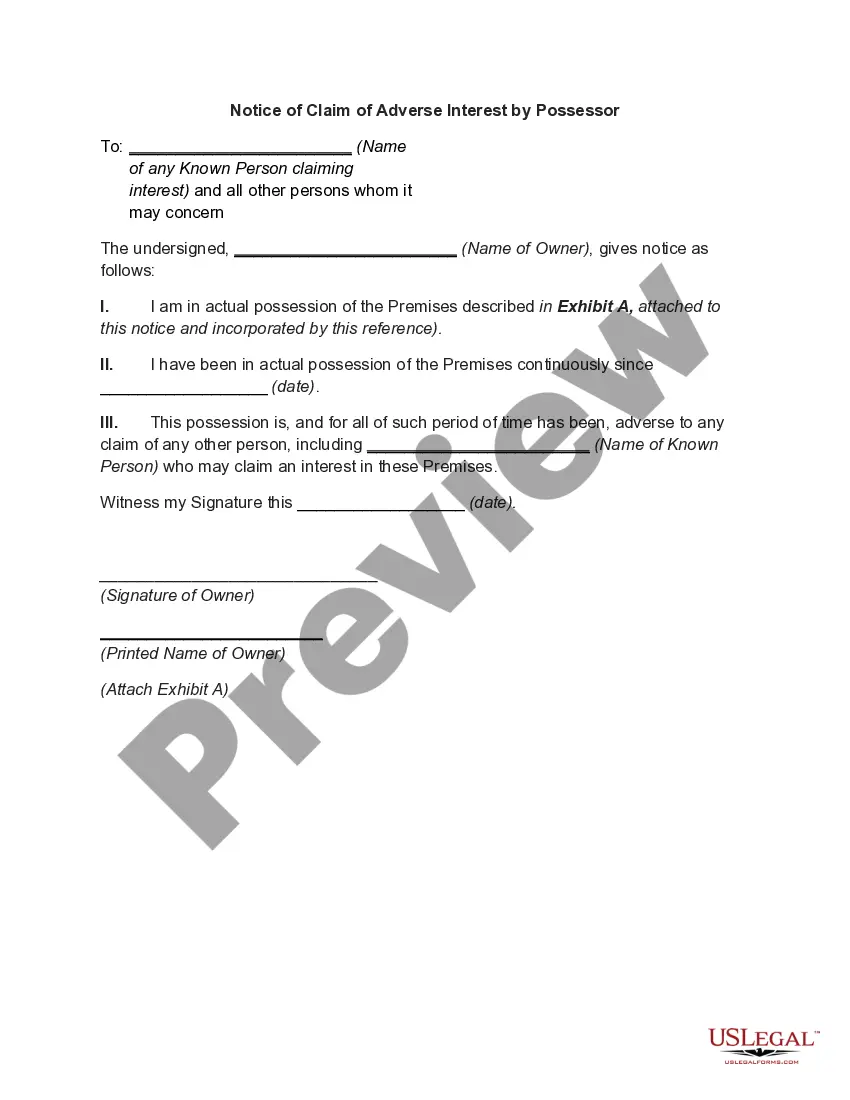
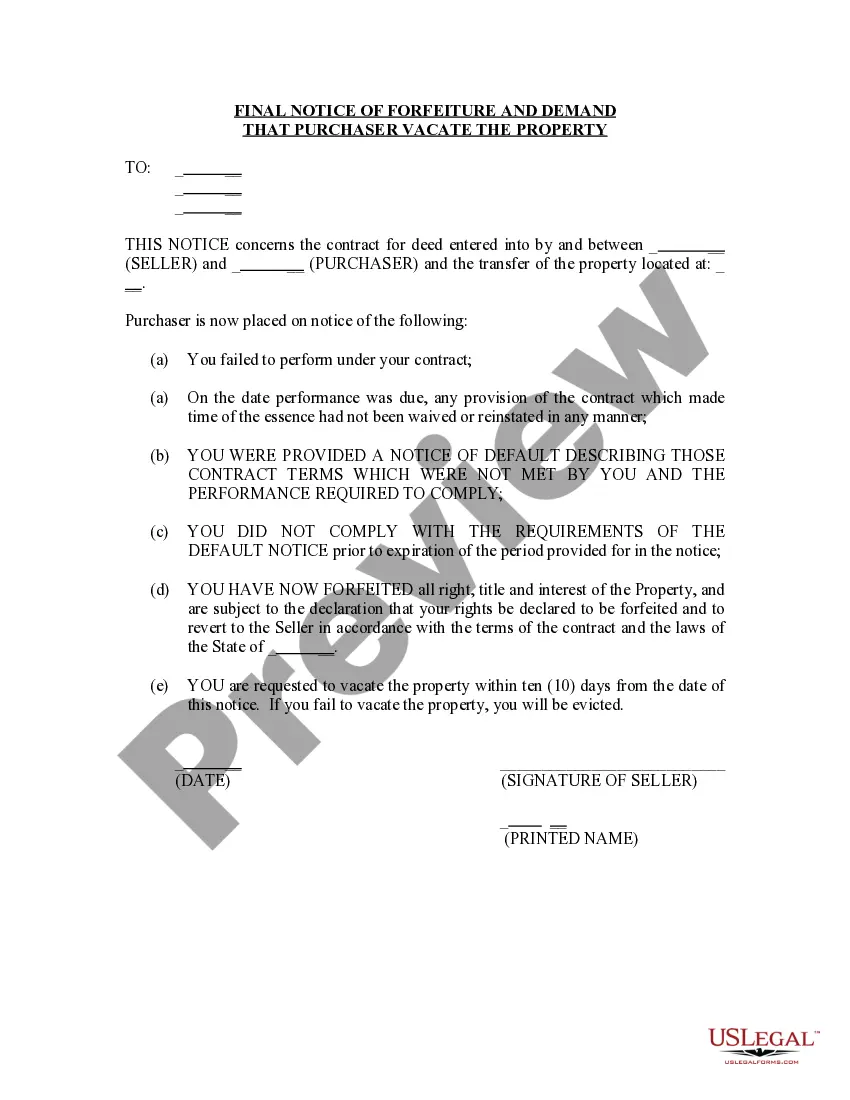
The Notice of Intent to Enforce Forfeiture Provisions of Contract for Deed is a formal document indicating the seller's intent to pursue the forfeiture remedy in response to a buyer's default. This notice serves as a crucial step for sellers to inform buyers about their failure to adhere to the terms of the Contract for Deed. Unlike other forms, this notice specifically addresses nonpayment or breaches of contract, allowing sellers to take appropriate action to enforce their rights.
Form components explained
- Identification of the seller and buyer involved in the contract.
- Details of the breach of contract, including the specific terms violated.
- Deadline for the buyer to cure the breach before forfeiture is enforced.
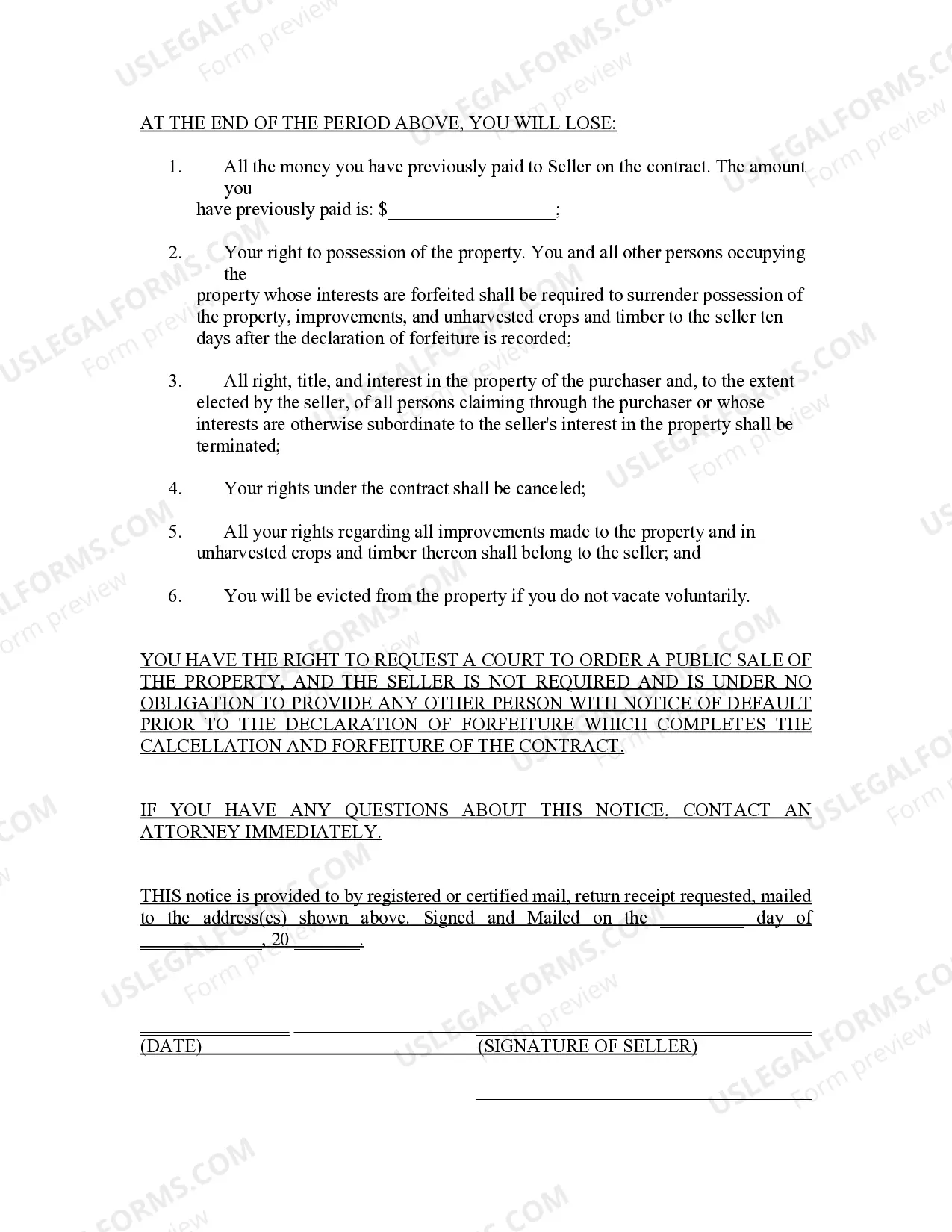
- Consequences of failing to remedy the breach, including potential forfeiture of interests.
Common use cases
This form is used when a seller believes that a buyer has defaulted on the terms of a Contract for Deed. For example, if a buyer has not made timely payment or has violated other contractual obligations, the seller must issue this notice to formally communicate the breach and provide an opportunity for the buyer to rectify the situation before more severe actions are taken.
Who can use this document
- Sellers of property under a Contract for Deed who wish to enforce contract provisions.
- Real estate professionals advising clients on enforcing contract rights.
- Buyers who have received a notice and need to understand their obligations and options.
How to complete this form
- Identify the seller and buyer by including their full names and addresses.
- Specify the property covered by the Contract for Deed.
- Clearly outline the nature of the breach, referencing specific terms from the contract.
- Set a deadline for the buyer to remedy the breach, ensuring it aligns with local laws.
- Include the seller's signature and the date of issuance.
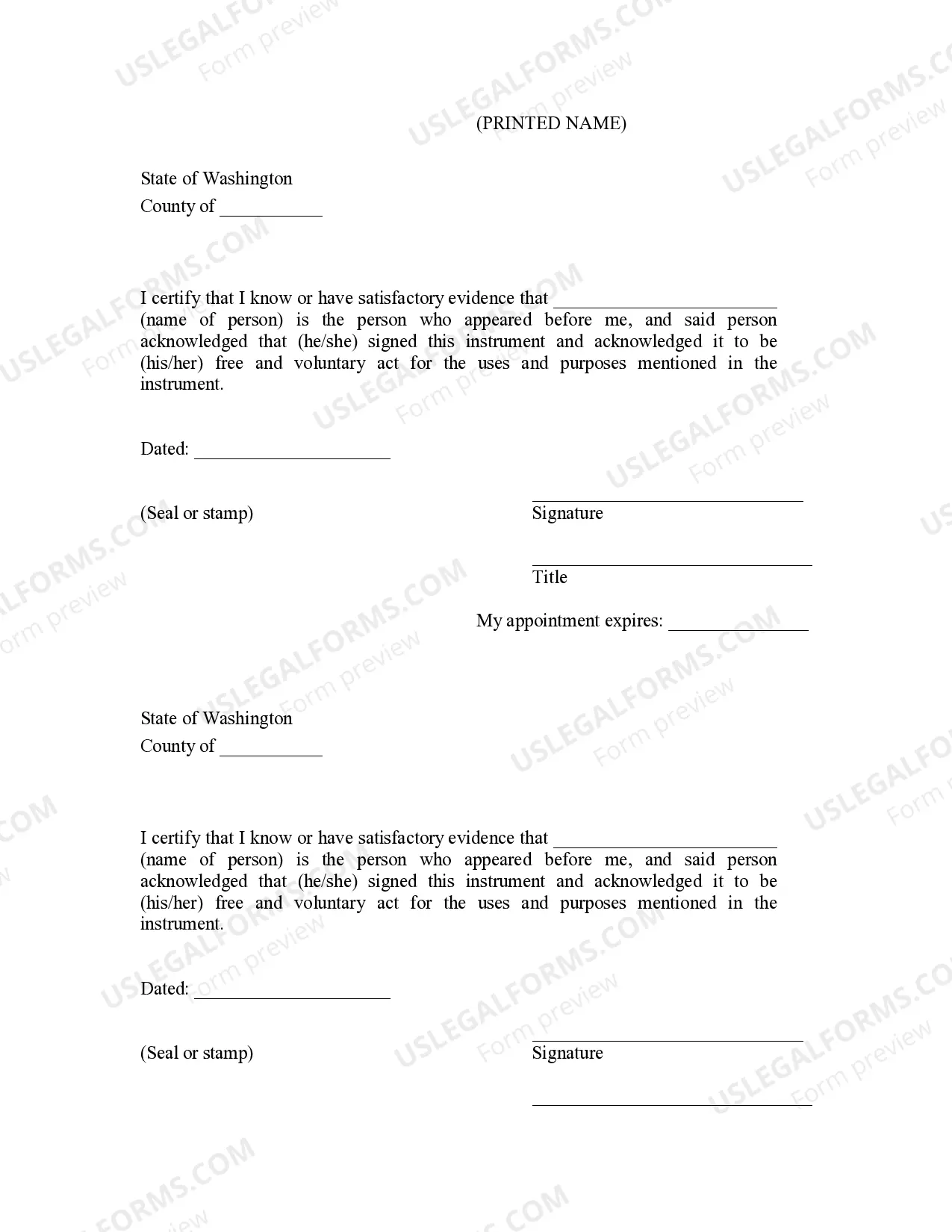
Does this document require notarization?
In most cases, this form does not require notarization. However, some jurisdictions or signing circumstances might. US Legal Forms offers online notarization powered by Notarize, accessible 24/7 for a quick, remote process.
Get your form ready online
Our built-in tools help you complete, sign, share, and store your documents in one place.
Make edits, fill in missing information, and update formatting in US Legal Forms—just like you would in MS Word.
Download a copy, print it, send it by email, or mail it via USPS—whatever works best for your next step.
Sign and collect signatures with our SignNow integration. Send to multiple recipients, set reminders, and more. Go Premium to unlock E-Sign.
If this form requires notarization, complete it online through a secure video call—no need to meet a notary in person or wait for an appointment.
We protect your documents and personal data by following strict security and privacy standards.

Make edits, fill in missing information, and update formatting in US Legal Forms—just like you would in MS Word.

Download a copy, print it, send it by email, or mail it via USPS—whatever works best for your next step.

Sign and collect signatures with our SignNow integration. Send to multiple recipients, set reminders, and more. Go Premium to unlock E-Sign.

If this form requires notarization, complete it online through a secure video call—no need to meet a notary in person or wait for an appointment.

We protect your documents and personal data by following strict security and privacy standards.
Common mistakes to avoid
- Failing to provide accurate names and addresses of the parties involved.
- Not clearly specifying the breach or violation of contract terms.
- Ignoring local laws regarding notification periods and delivery methods.
- Omitting the seller's signature or the date on the notice.
Benefits of using this form online
- Convenience of completing the form from anywhere at any time.
- Editable templates that allow for customization to meet specific situation needs.
- Access to forms drafted by licensed attorneys, ensuring legal accuracy.
Legal use & context
- This notice provides a legal pathway for sellers to pursue enforcement of the contract.
- Proper issuance can help avoid lengthy legal disputes by giving buyers a chance to correct defaults.
- Understanding the enforceability of contract terms is vital in real estate transactions.
Quick recap
- The notice serves as a critical first step for sellers addressing contract defaults.
- Clear documentation and adherence to state laws help protect the seller's interests.
- Buyers should respond promptly to avoid forfeiture of their rights under the contract.
Looking for another form?
Form popularity
FAQ
Forfeiture. A foreclosure action extinguishes any claim the mortgagor may have to the real property securing a defaulted loan, whereas a forfeiture refers generally to the loss of a right to something as a result of nonperformance of an obligation or condition.
Forfeiture is the loss of any property without compensation as a result of defaulting on contractual obligations, or as a penalty for illegal conduct.
If a seller defaults, he must return all deposits, plus added reasonable expenses, to the buyer. The other party may also seek to compel the erring party to complete the deal under specific performance. From a buyer's point of view, it is advisable to get the sale agreement registered.
Forfeiture is a means for a landlord to terminate a lease, in the event of some default by the tenant.
Forfeiture refers to a loss of any property, money, or assets without consideration or compensation in return. A forfeiture generally occurs due to default in complying with repayment obligations under a contract. It can also be used as a penalty for an illegal way of conducting business.
Monetary Damages If the Seller decides to breach the contract and keep their home, they may do so, but the court may order the Buyer receive money for the resulting breach. Generally, the money owed to Buyer may include reimbursing the Buyer with: The buyer's temporary housing costs.
What is the result of courts and legislators limiting sellers' rights to forfeiture under land contracts? The simplicity of the alternative financing through land contracts may be disappearing.
A foreclosure action extinguishes any claim the mortgagor may have to the real property securing a defaulted loan, whereas a forfeiture refers generally to the loss of a right to something as a result of nonperformance of an obligation or condition.
Seizure is the act of taking property.Forfeiture occurs when your rights to the seized property are permanently lost through a court order or judgment. Forfeiture occurs after seizure, and seizure does not always end in forfeiture. In our example, the seizure takes place when Officer Potts takes the money from Steve.