Vermont Final Stipulation of Divorce and Separation Agreement with Adult Children
About this form
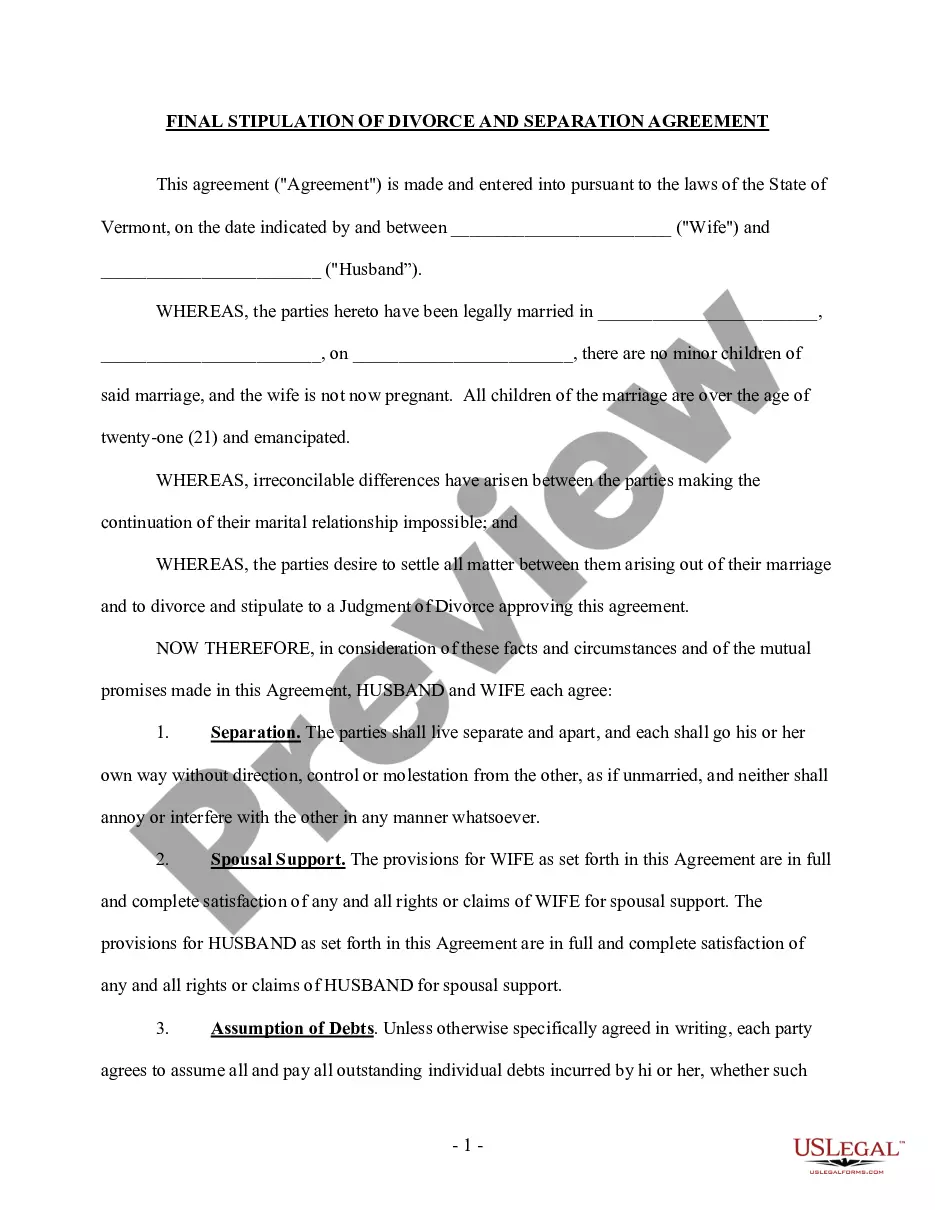
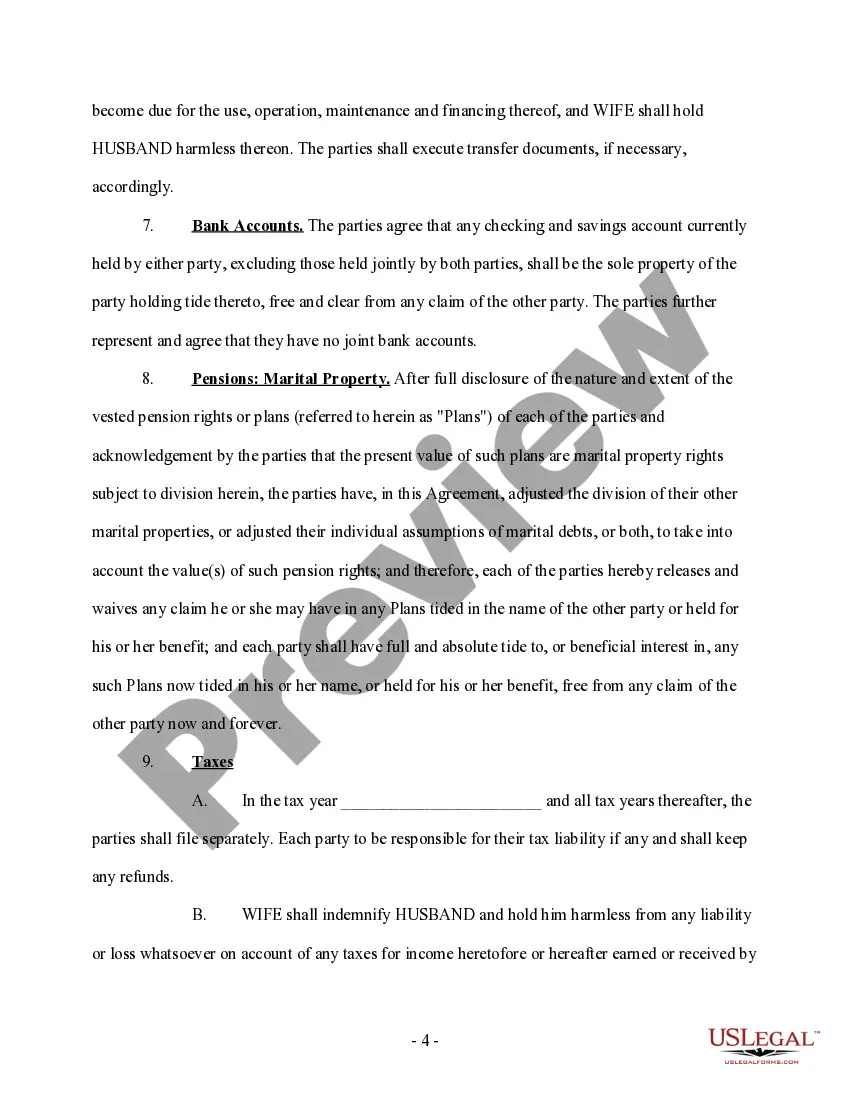
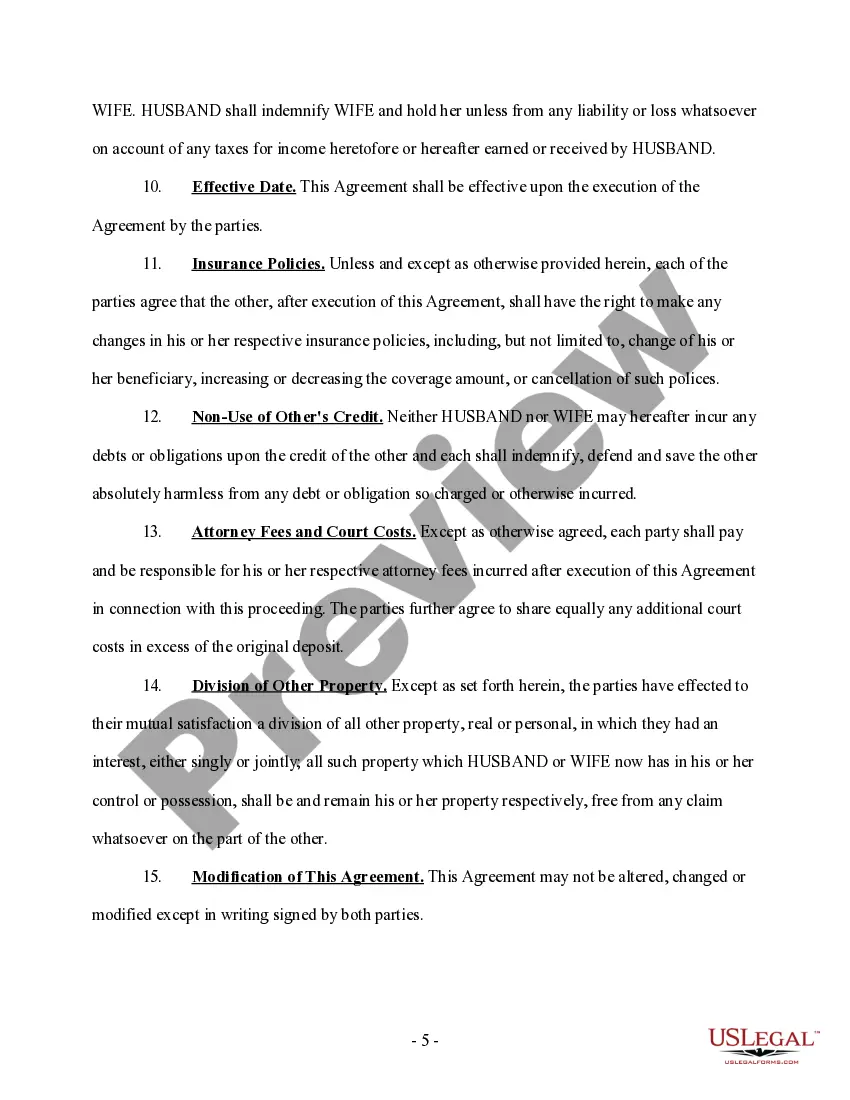
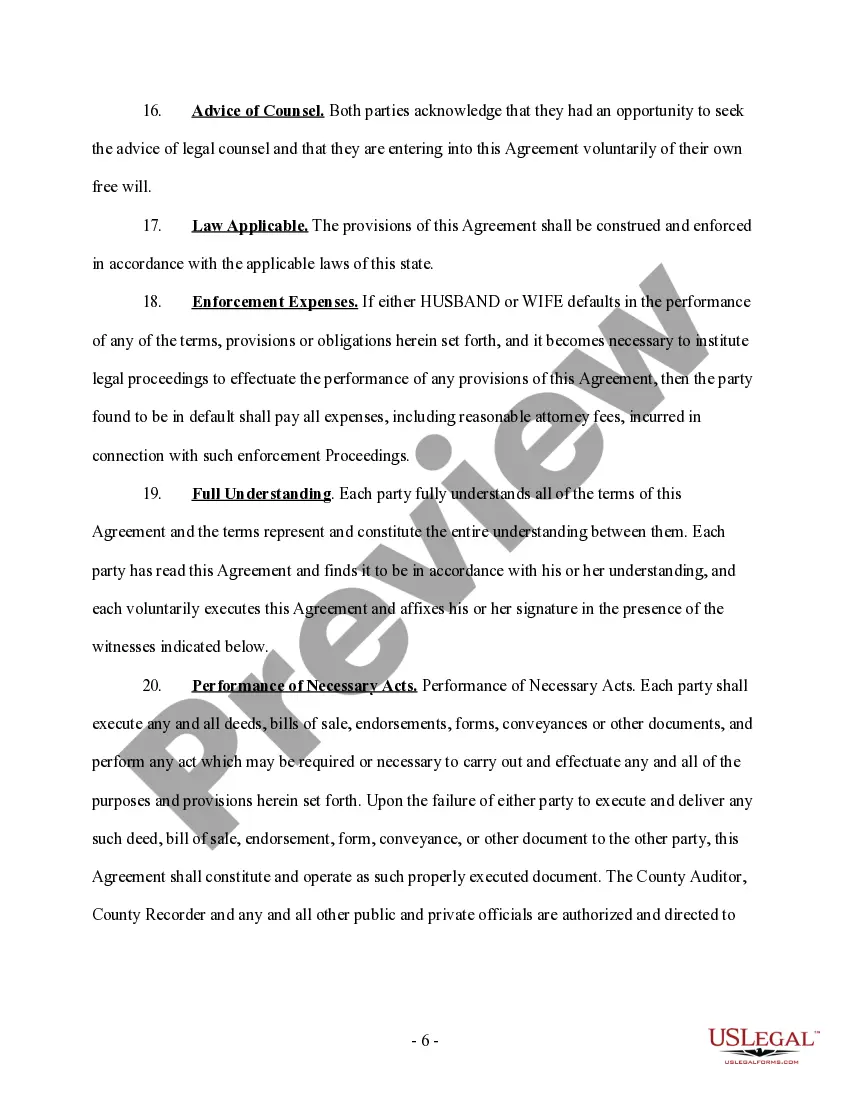
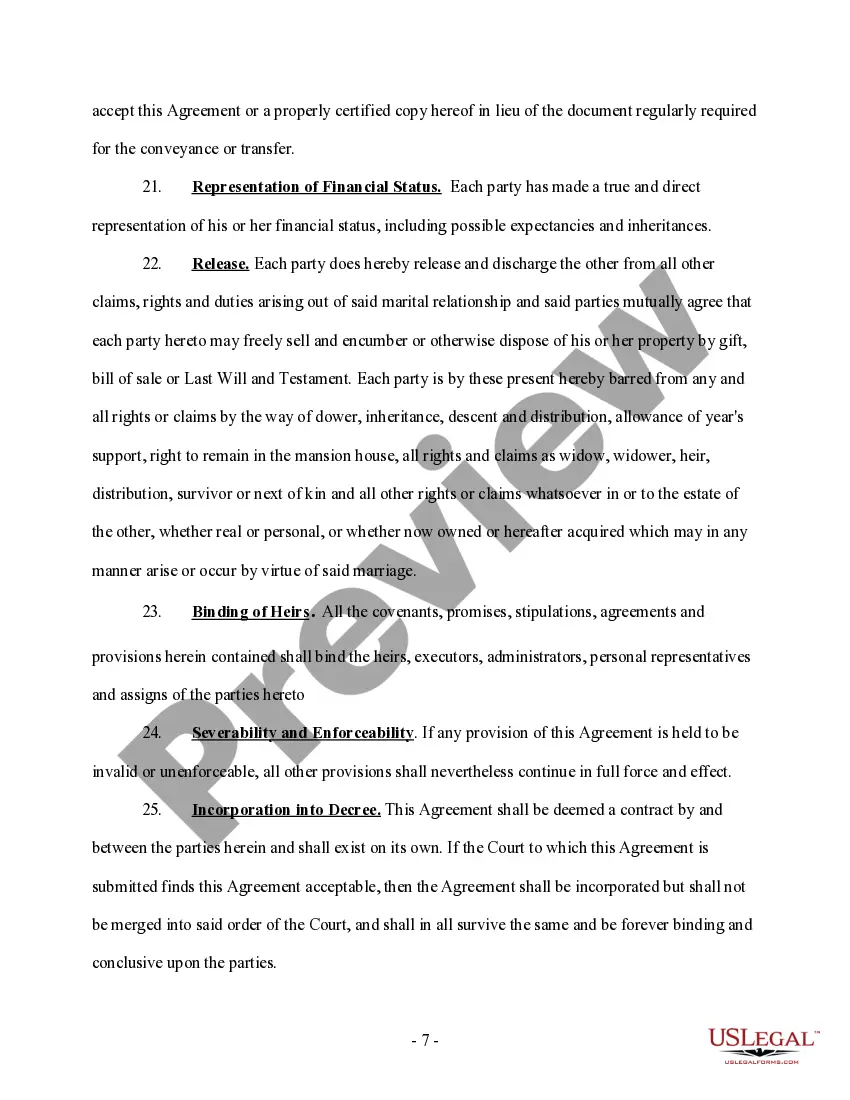
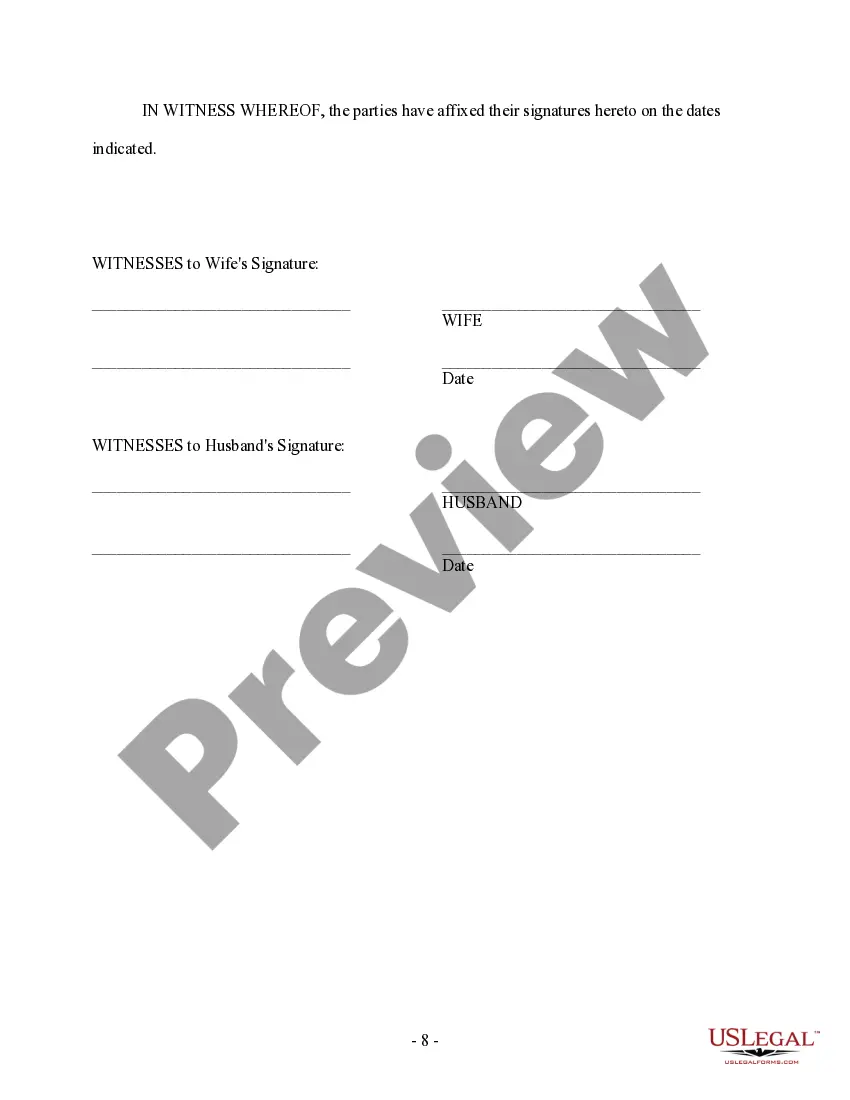
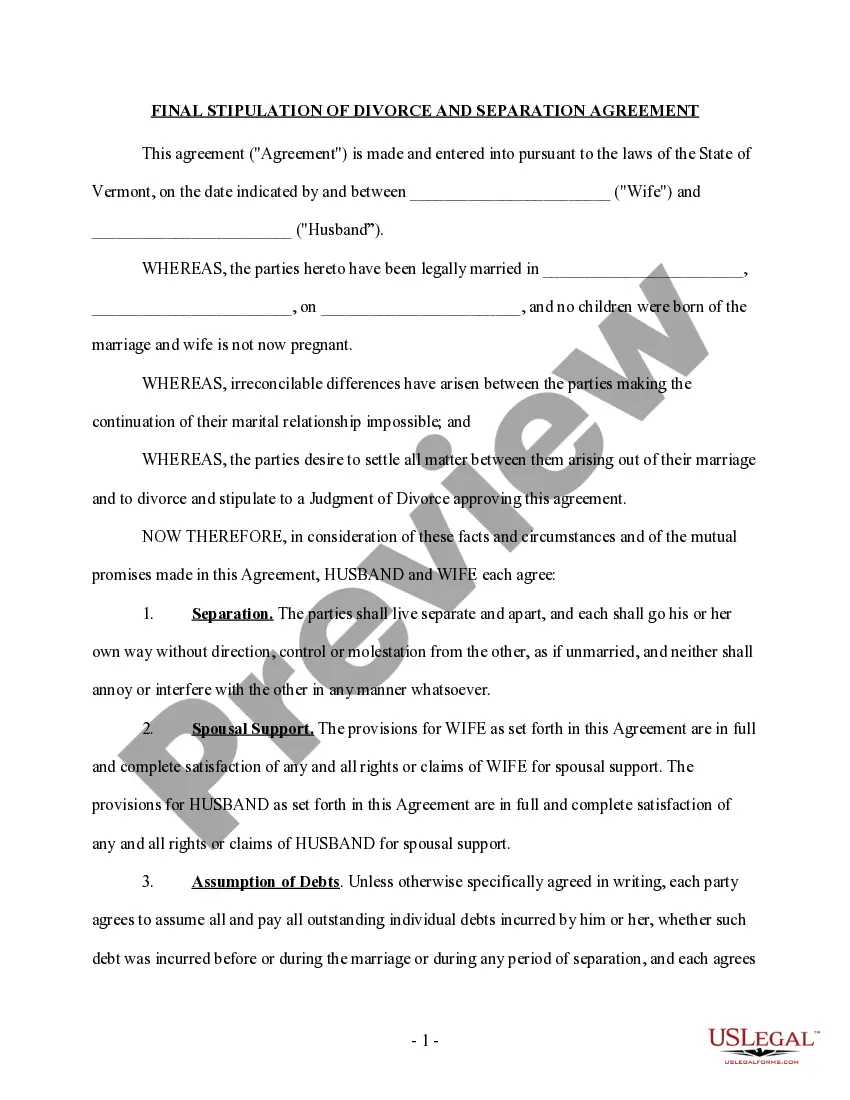
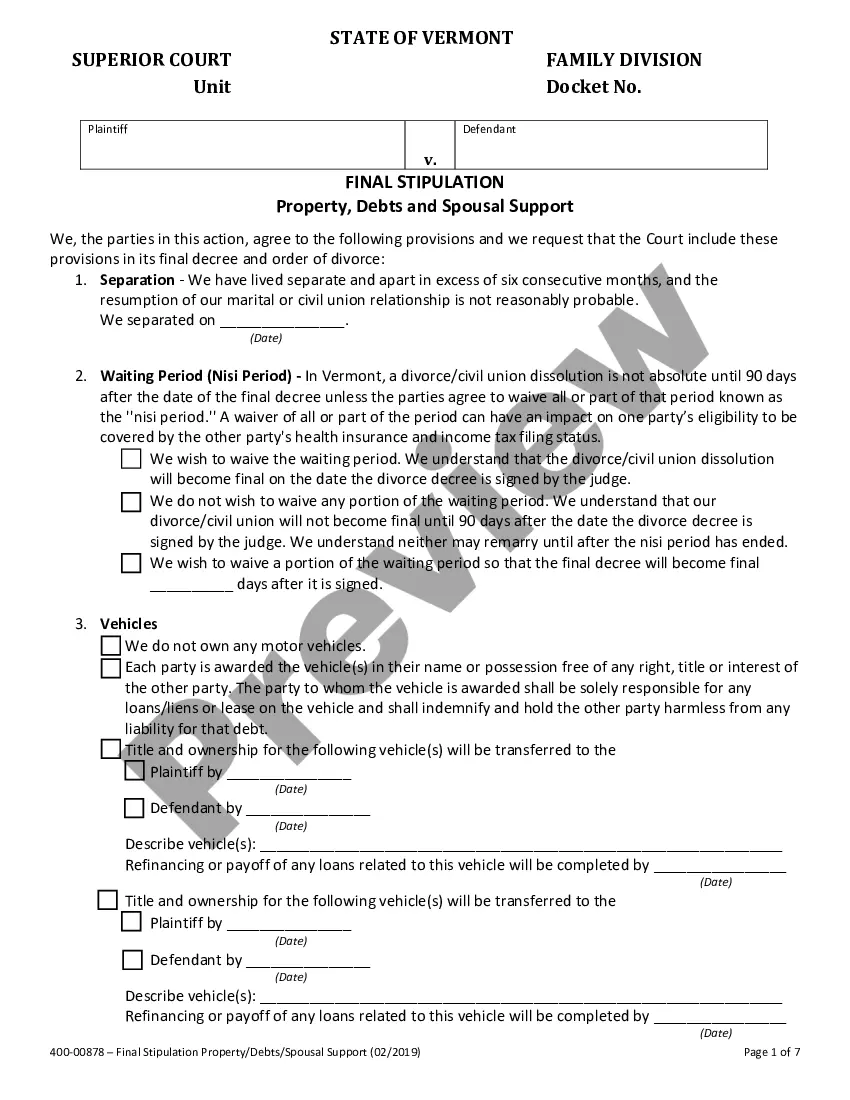
The Final Stipulation of Divorce and Separation Agreement with Adult Children is a legal contract used by married couples to finalize their divorce. This form outlines the division of property and debts between spouses, emphasizing that the agreement is created with adult children in mind. Upon approval by the court, this agreement becomes part of the final divorce decree, ensuring a legally binding resolution to the couple's financial and property matters.
Key parts of this document
- Identification of both parties: Names and contact details of the husband and wife.
- Separation provisions: Agreement on living separately without interference.
- Spousal support terms: Clear stipulations regarding waiving spousal support rights.
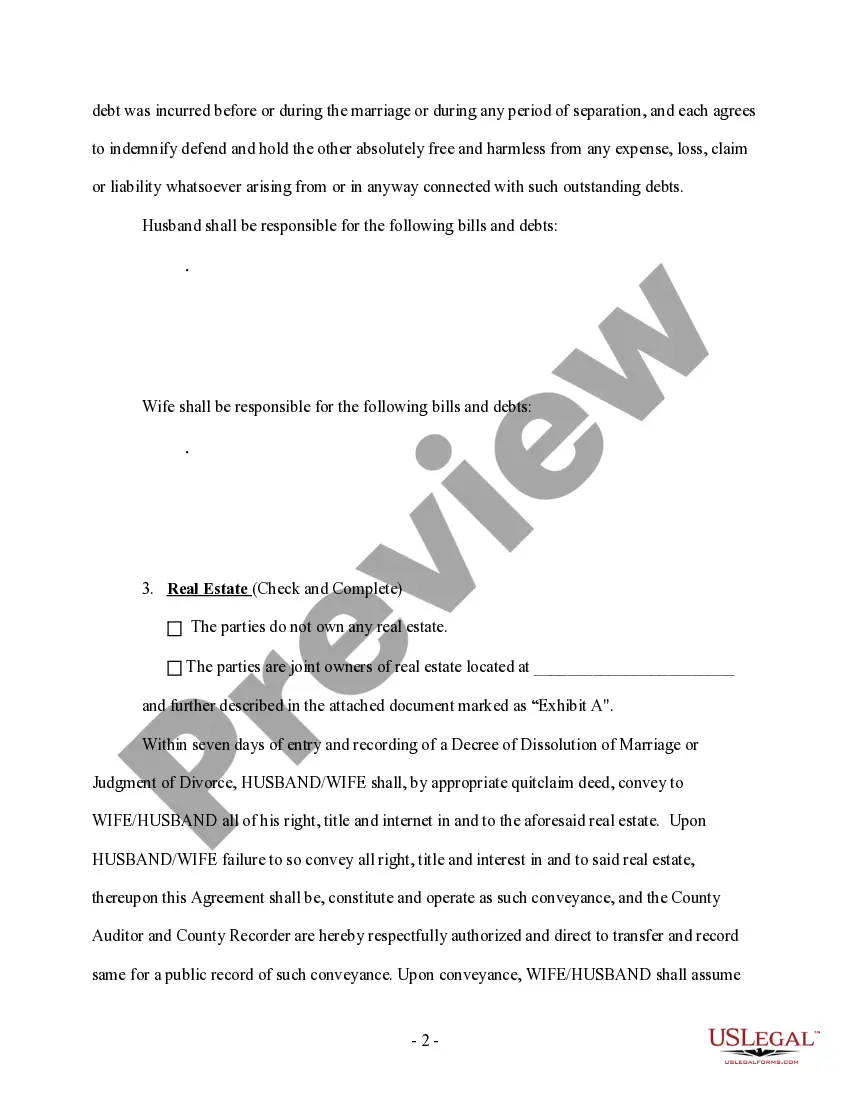
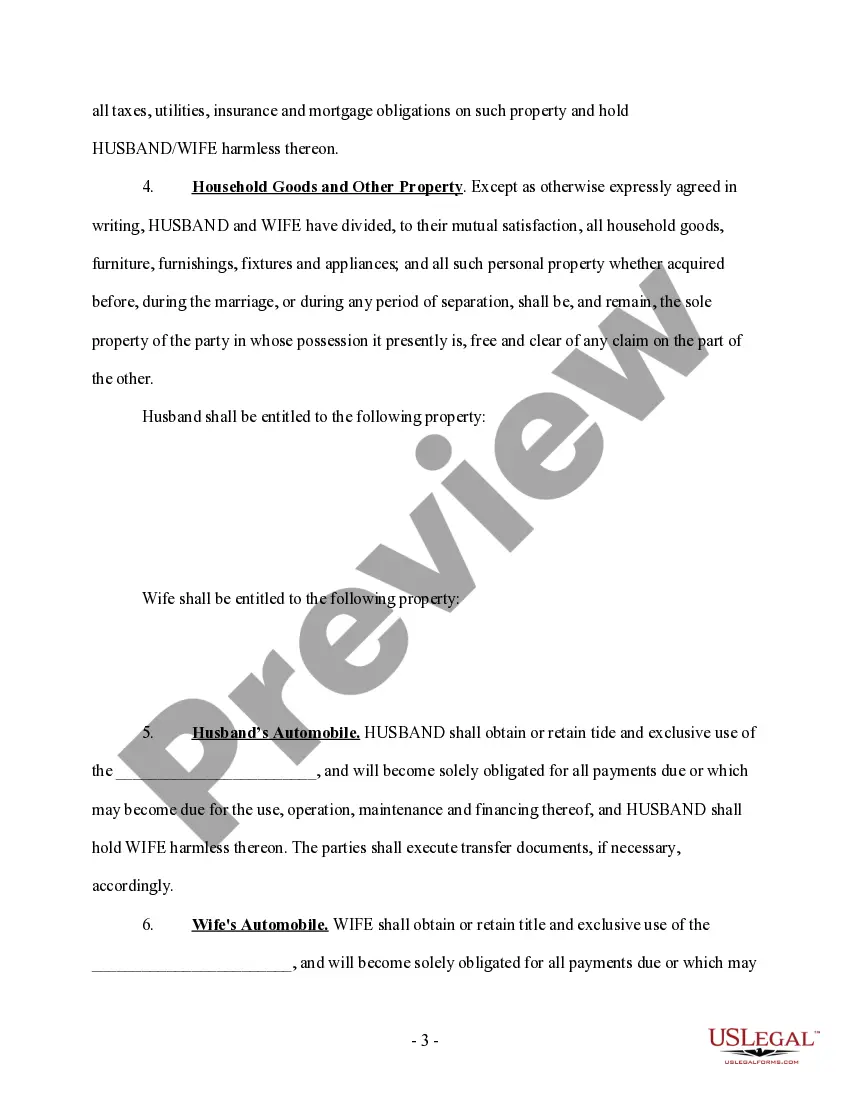
- Property division: Detailed descriptions of how assets, including real estate and personal property, are divided.
- Tax responsibilities: Designation of how taxes will be filed and liabilities handled by each spouse.
- Mutual release of claims: Each party releases any claims against the other concerning marital property.
When this form is needed
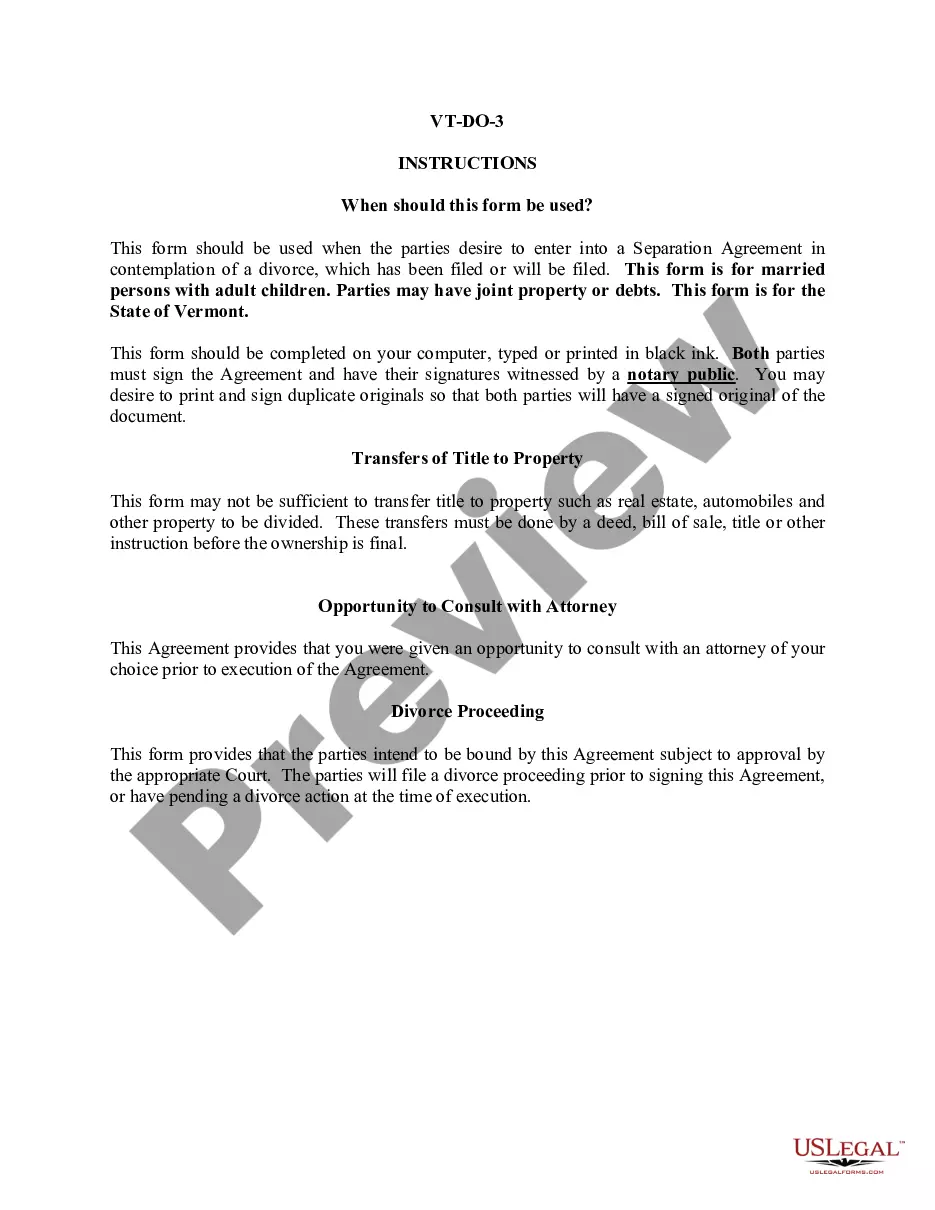
This form should be used when a married couple is seeking a divorce and has no minor children. It is appropriate for couples who wish to amicably divide their assets and debts, ensuring clear terms are set and agreed upon before finalizing their divorce in court. It is especially important in cases where the couple has adult children, as it helps outline their separation without impacting the children significantly.
Who this form is for
- Couples seeking a divorce with no minor children involved.
- Individuals looking to establish clear terms for property and debt division.
- Spouses wishing to waive spousal support rights voluntarily.
- Parents of adult children seeking a clean break while maintaining a respectful relationship.
Steps to complete this form
- Identify the parties by entering the names and contact information of both the husband and wife.
- Specify the separation date and total agreement regarding asset division.
- Fill in details about property and debts, noting who will receive what items, including vehicles and bank accounts.
- Sign the agreement in the presence of witnesses, ensuring all required signatures are obtained.
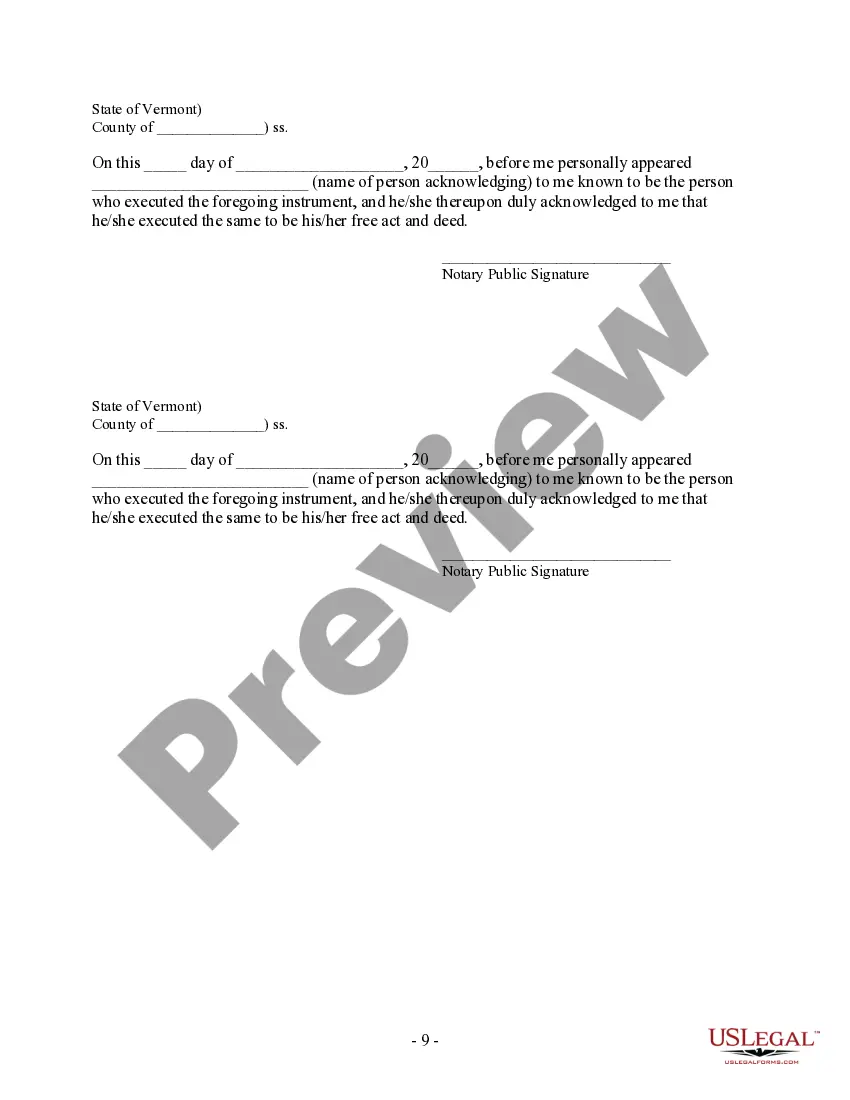
- Have the document notarized if necessary to authenticate the agreement before presenting it to the court.
Notarization requirements for this form
This form needs to be notarized to ensure legal validity. US Legal Forms provides secure online notarization powered by Notarize, allowing you to complete the process through a verified video call, available anytime.
Get your form ready online
Our built-in tools help you complete, sign, share, and store your documents in one place.
Make edits, fill in missing information, and update formatting in US Legal Forms—just like you would in MS Word.
Download a copy, print it, send it by email, or mail it via USPS—whatever works best for your next step.
Sign and collect signatures with our SignNow integration. Send to multiple recipients, set reminders, and more. Go Premium to unlock E-Sign.
If this form requires notarization, complete it online through a secure video call—no need to meet a notary in person or wait for an appointment.
We protect your documents and personal data by following strict security and privacy standards.

Make edits, fill in missing information, and update formatting in US Legal Forms—just like you would in MS Word.

Download a copy, print it, send it by email, or mail it via USPS—whatever works best for your next step.

Sign and collect signatures with our SignNow integration. Send to multiple recipients, set reminders, and more. Go Premium to unlock E-Sign.

If this form requires notarization, complete it online through a secure video call—no need to meet a notary in person or wait for an appointment.

We protect your documents and personal data by following strict security and privacy standards.
Common mistakes
- Failing to fully disclose all assets and debts, which can lead to disputes later.
- Not having the agreement notarized when required, potentially rendering it unenforceable.
- Leaving out important clauses related to spousal support or property division.
- Neglecting to update the agreement after significant life changes, such as new assets or income adjustments.
Why complete this form online
- Convenient access allows you to complete the form at your own pace.
- Editable templates ensure that you can personalize the agreement to fit your specific needs.
- Provides peace of mind knowing the form has been drafted by licensed attorneys.
What to keep in mind
- The Final Stipulation of Divorce and Separation Agreement is essential for couples without minor children who want to formalize their divorce terms.
- It includes critical components like property division, spousal support, and tax responsibilities.
- Using the form correctly can prevent future disputes and ensure a smoother divorce process.
Looking for another form?

Form popularity
FAQ
Can a spouse successfully prevent a court from granting a divorce? One spouse cannot stop a no fault divorce.A spouse can prevent a fault divorce, however, by convincing the court that he or she is not at fault.
When a spouse refuses to sign divorce papers, the spouse seeking a divorce will need to obtain what is called a contested divorce. To file a contested divorce, the party who wishes to obtain the divorce must file a petition in the family court in their jurisdiction.
The fact is that California is a no fault state and you do not need your spouse's signature in order to get a divorce.If your spouse fails to file and serve you with a response, you can file a request for default against your spouse after 30 days. You can also file a proposed judgment for the court to approve.
In cases where parents can't agree, a judge will decide visitation and custody based on the child's best interests.Both parents are bound by the terms of a custody order. If your child refuses to go to visits with the other parent, you could still be on the hook for failing to comply with a custody order.
1 attorney answer Although a child's wishes are one factor among many the court must consider in determining the child's best interests, a minor child never gets to "decide" which parent to live with.
Generally speaking, even if the consent of only one parent is required, it is clinically appropriate to obtain the consent of both parents. Therapists can inadvertently alienate a parent by failing to seek the consent of that parent prior to the commencement of treatment.
When Will the Court Consider a Child's Preference? When a child has reached the age of 14 in Vermont, the child can choose his or her guardian, subject to the court's approval. Children who are younger than 14 don't have the right to select the parent who they would like to have custody.
Although the law specifically permits children at least 14-years-old to express an opinion, there is no specific age when a judge will listen to a child's opinion. California statutes also permit a child younger than 14 years old to testify regarding a custodial preference, unless the court decides it's not in the
Once the papers have been filed with the court, the question, "How long does an uncontested divorce take?" is completely out of the parties' hands. The amount of time it will take to finalize the divorce by having a judge approve and sign the judgment can take anywhere from six weeks to 12 months.