Vermont Paternity Law and Procedure Handbook
What this document covers
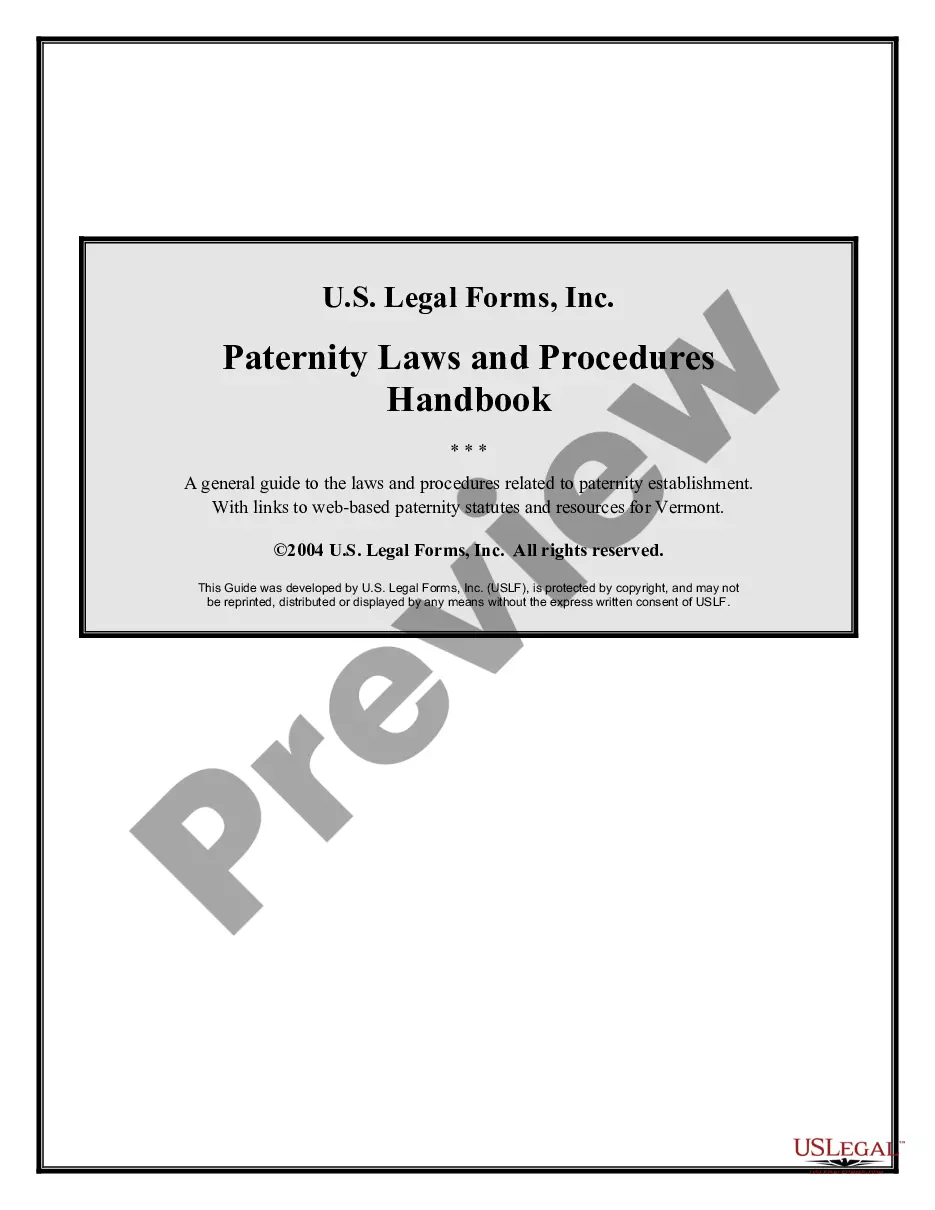
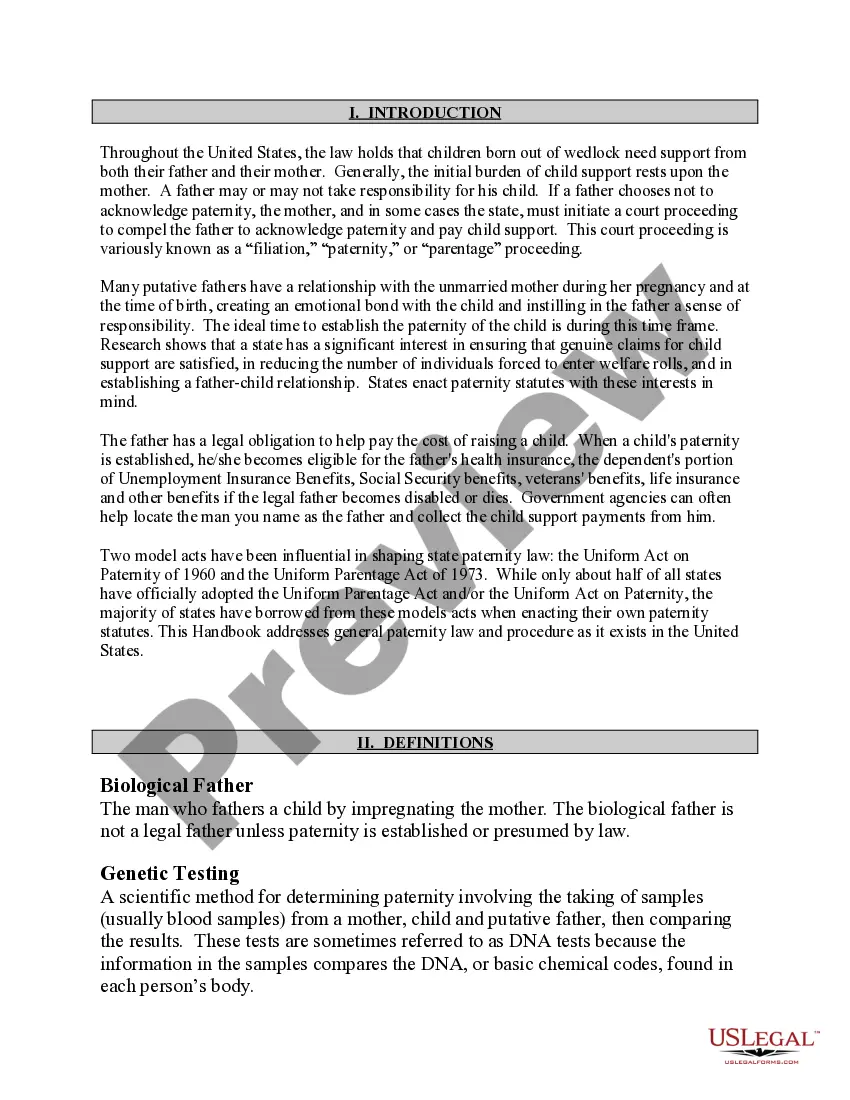
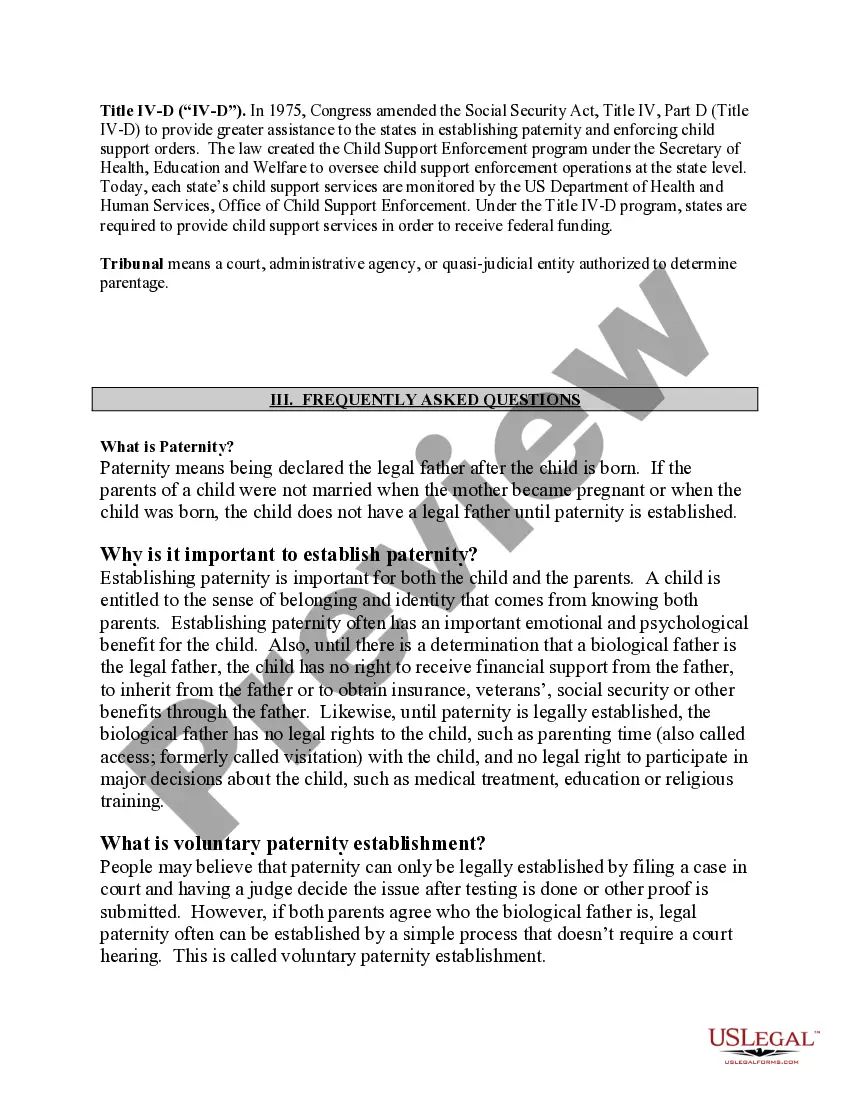
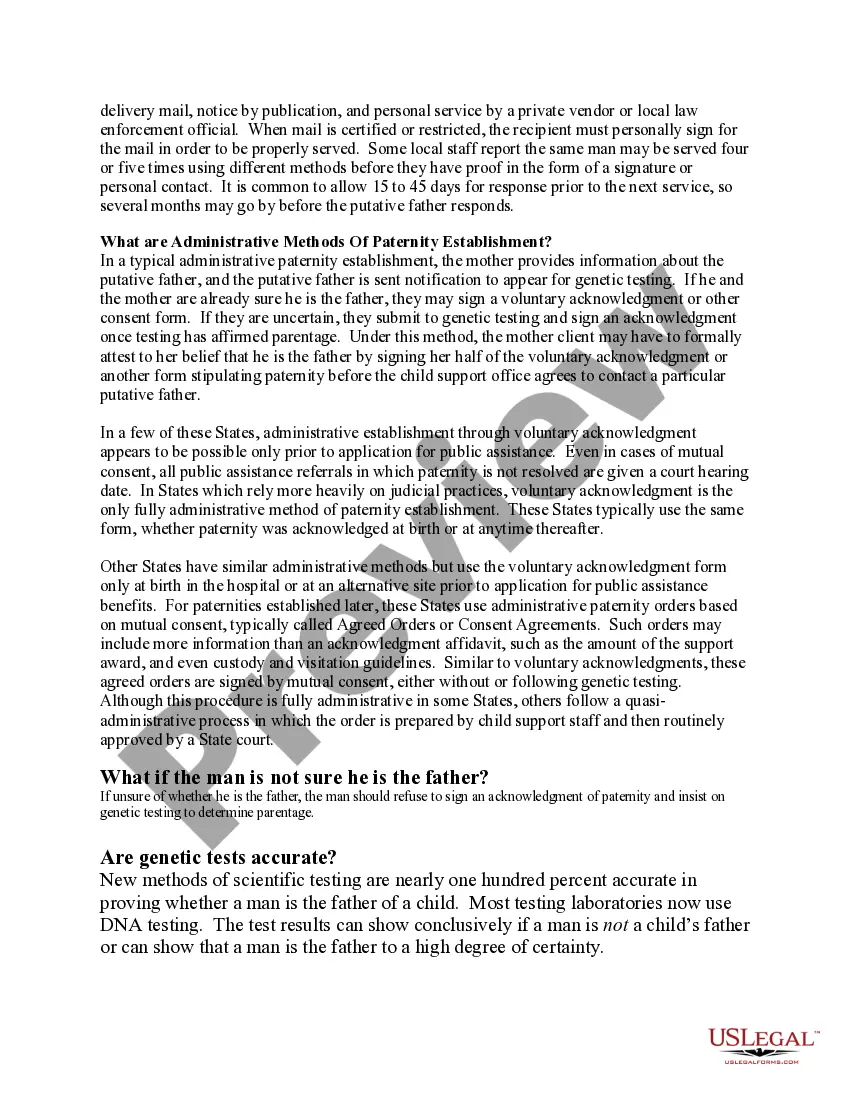
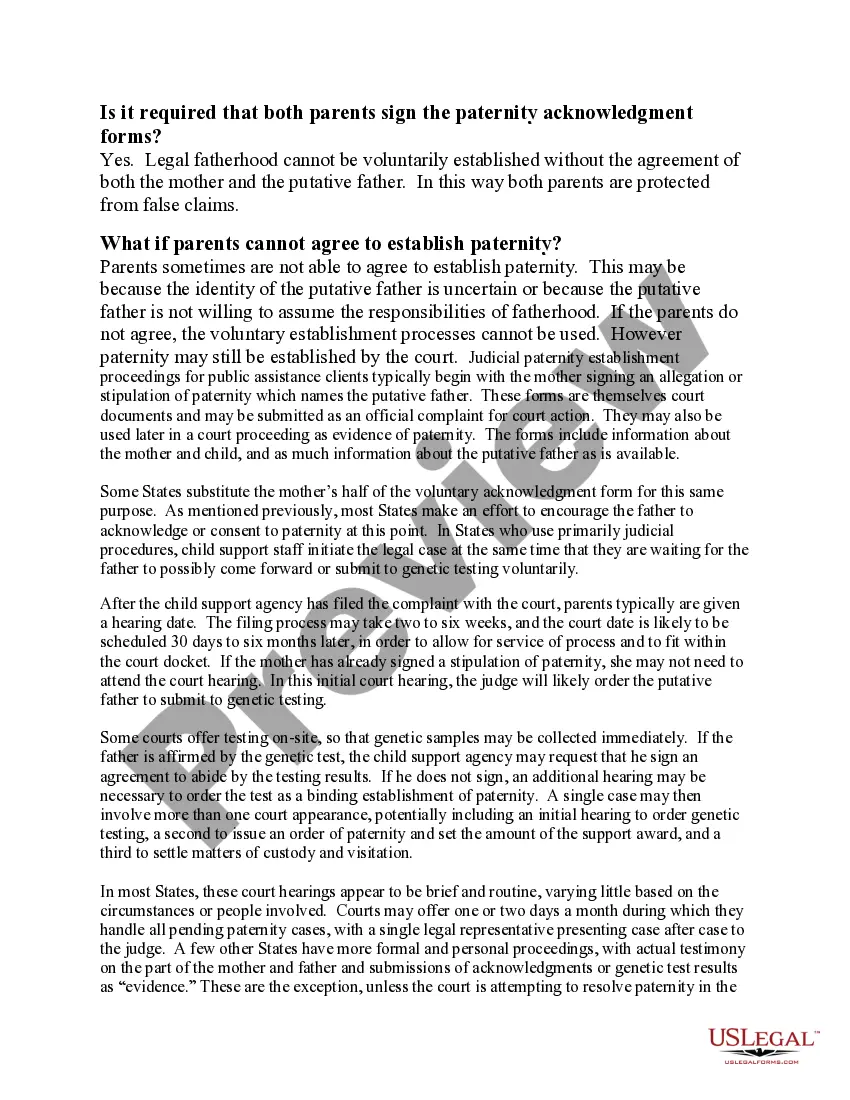
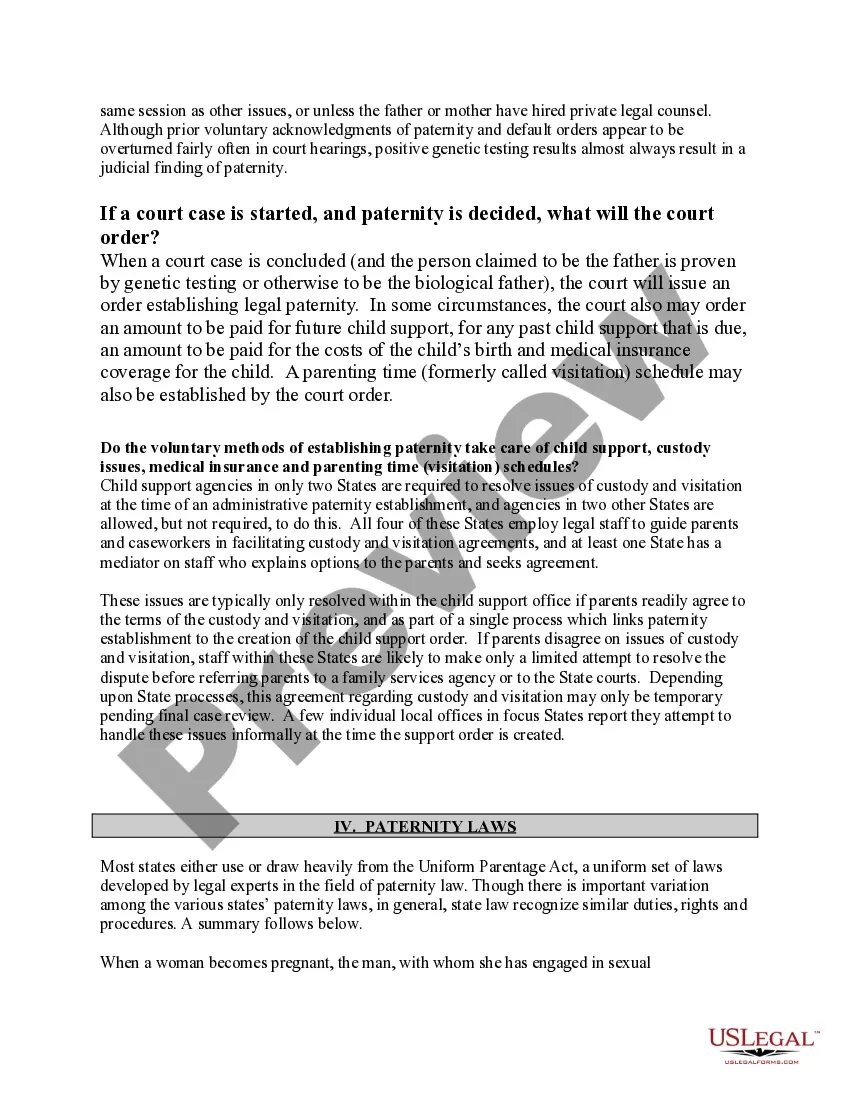
The Paternity Law and Procedure Handbook is a comprehensive resource that helps unmarried parents establish paternity for their children. This handbook distinguishes itself by providing state-specific information regarding paternity laws and procedures, making it easier for individuals to navigate the legal landscape surrounding paternity and child support. Understanding and establishing legal fatherhood is vital for both the child's well-being and the father's legal responsibilities.
Key parts of this document
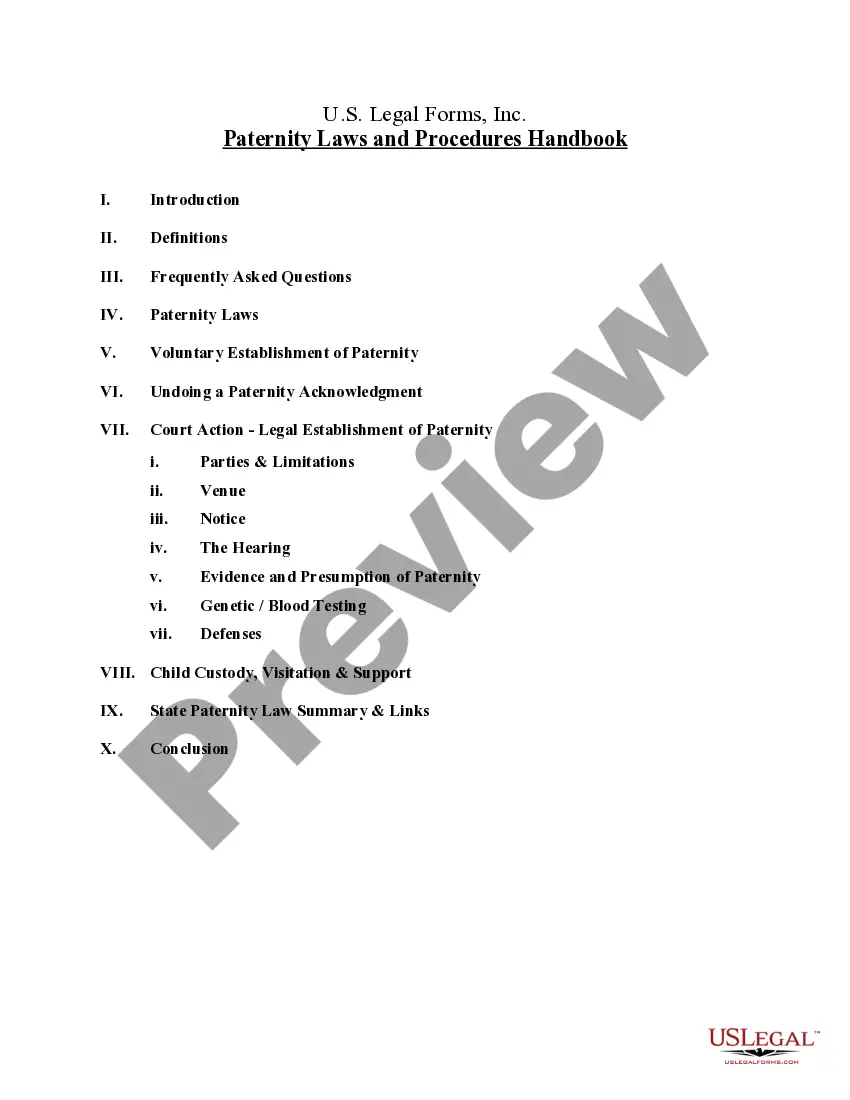
- Introduction to paternity laws and their importance.
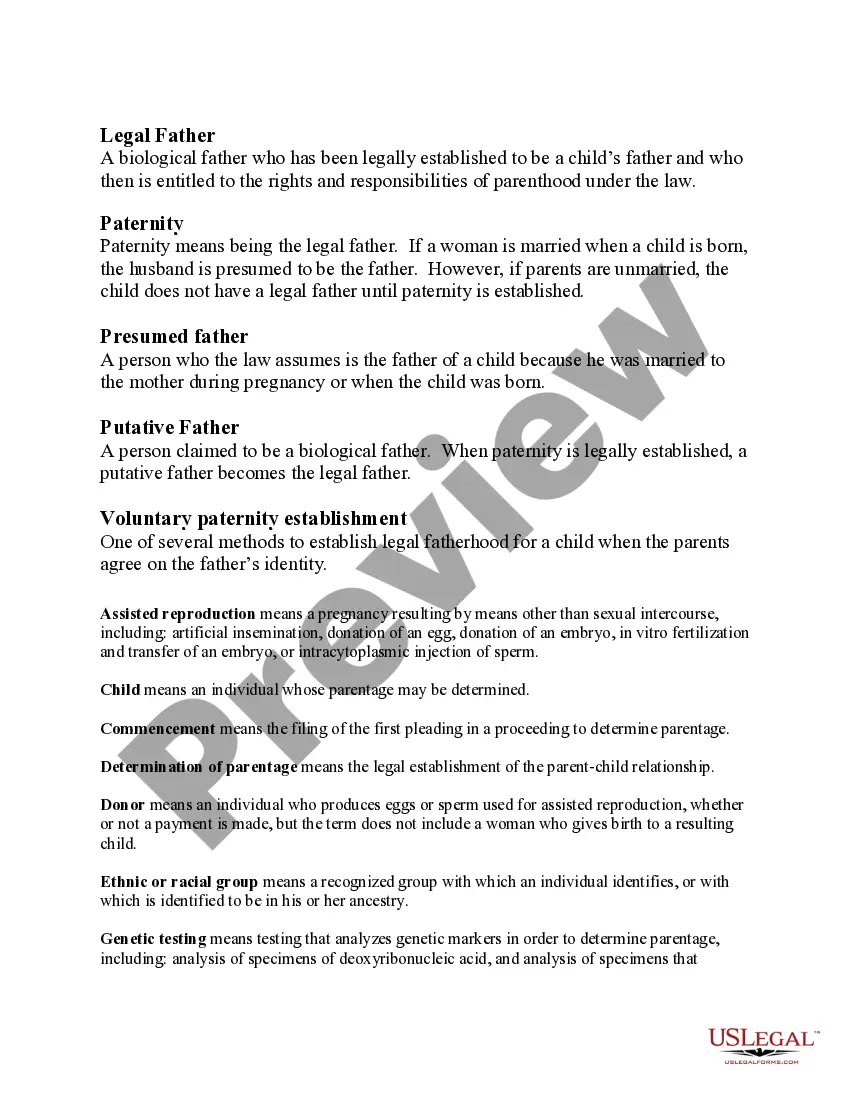
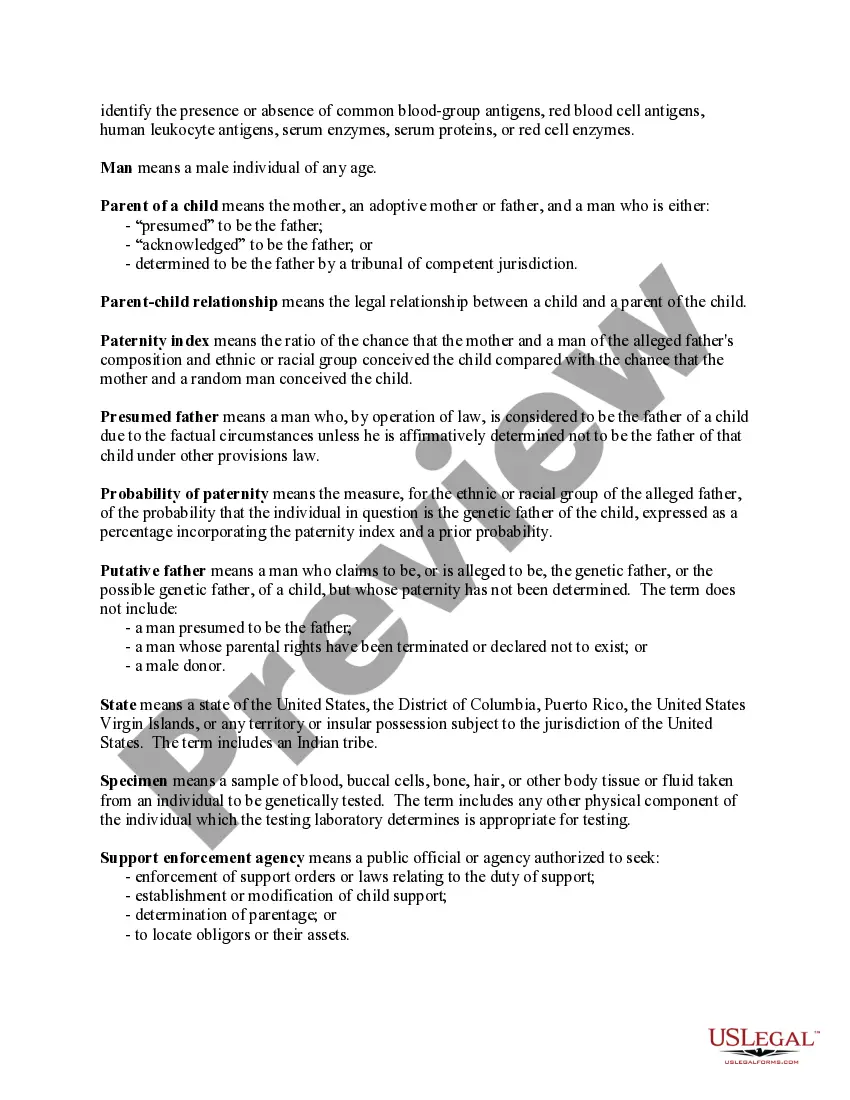
- Definitions of key terms such as biological father, genetic testing, and voluntary paternity establishment.
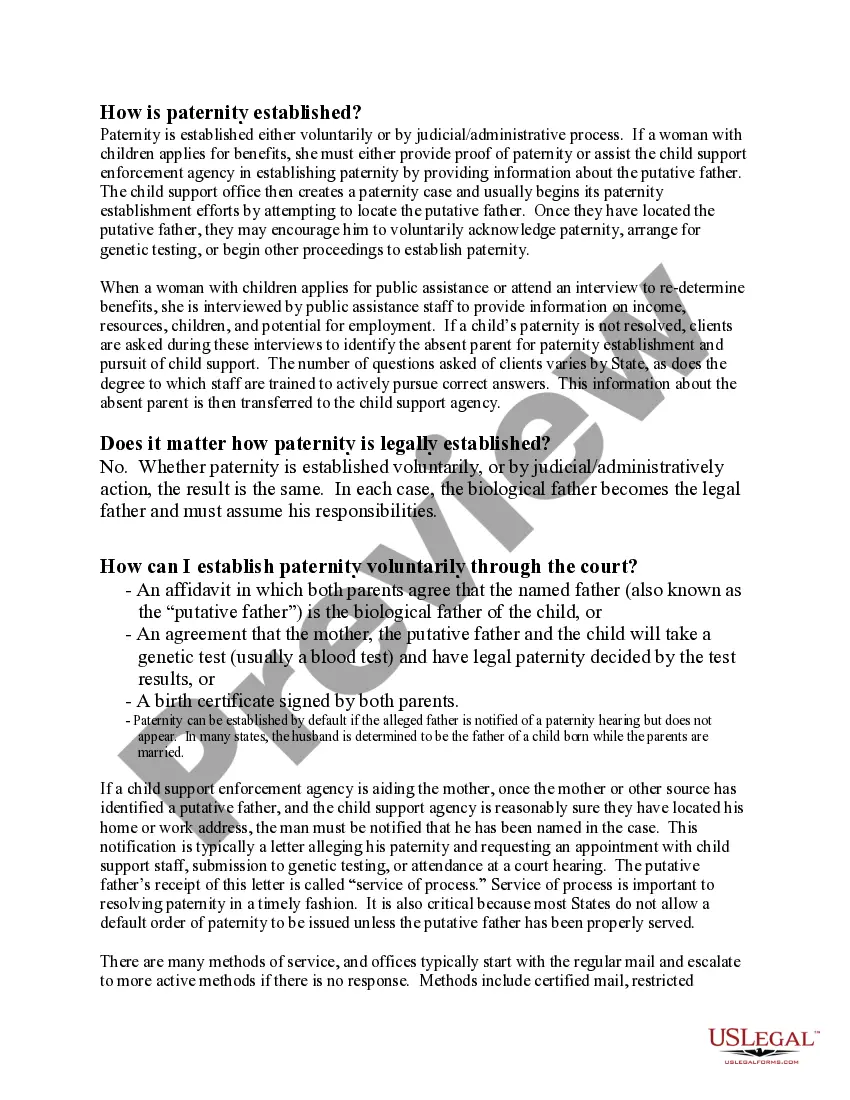
- Step-by-step guidance on both voluntary and court-based paternity establishment processes.
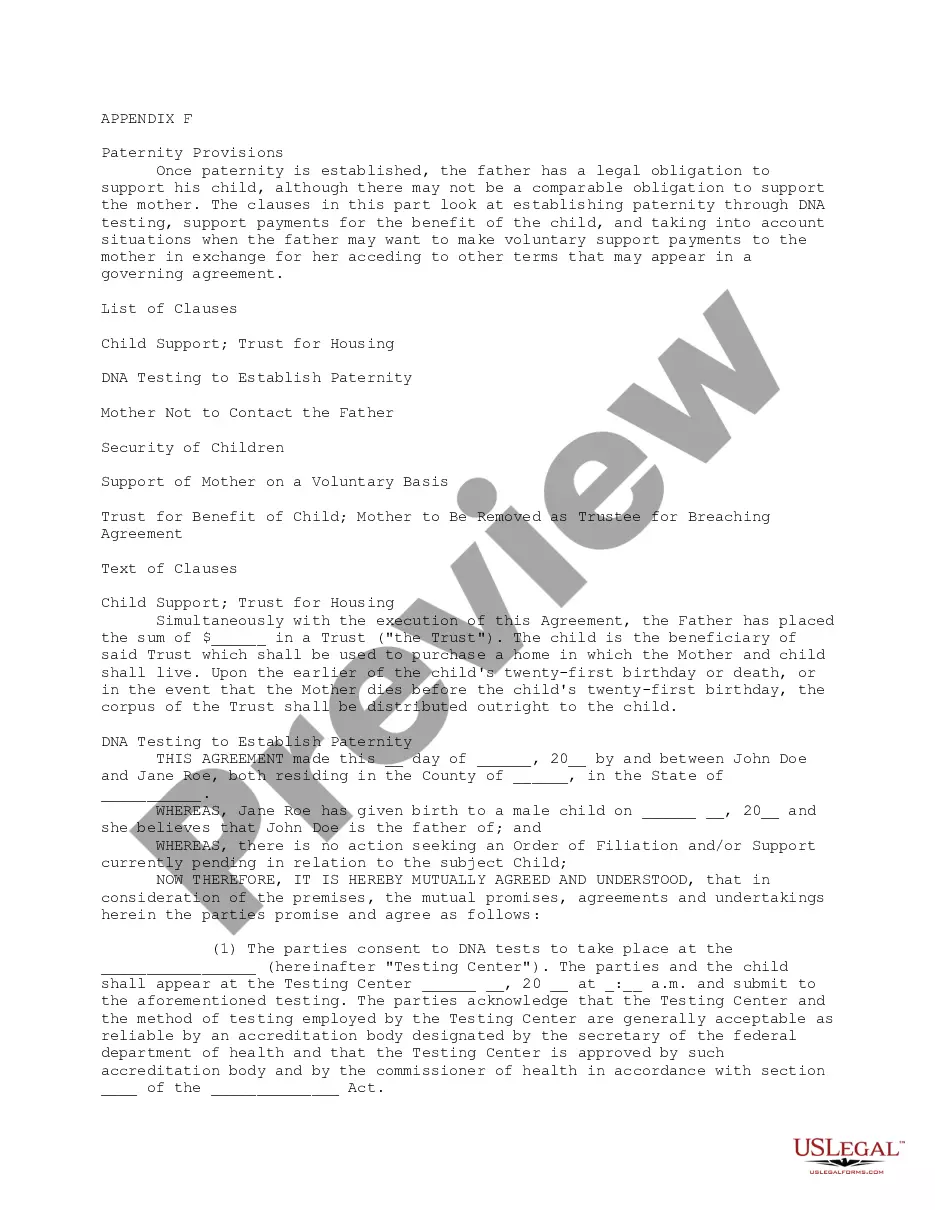
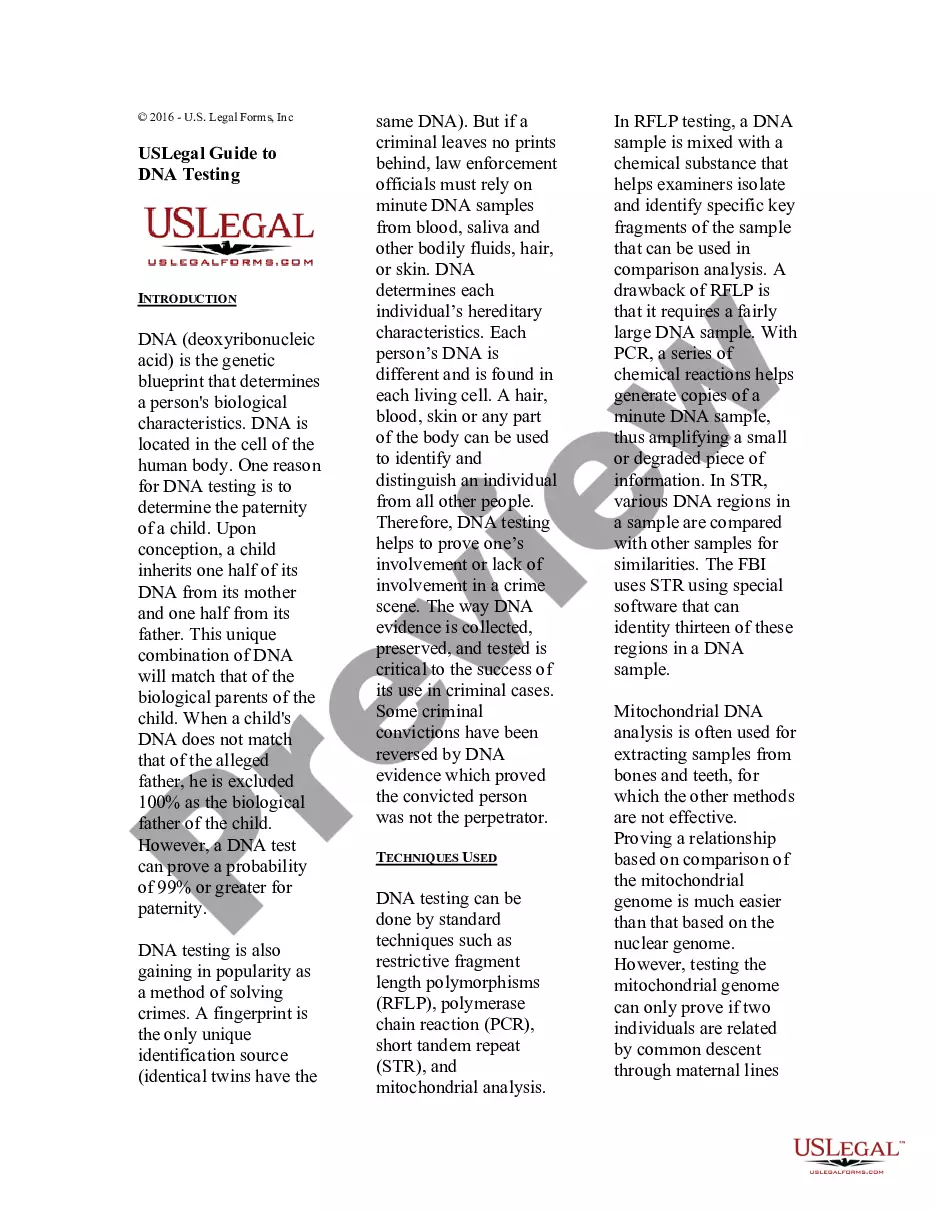
- Information on genetic testing procedures and their evidentiary value in court.
- State-specific paternity law summaries for individual guidance.
- Frequently asked questions addressing common concerns about establishing paternity.

When this form is needed
This handbook is essential for unmarried parents who need to establish paternity for their child. It is particularly useful when the father is reluctant to acknowledge paternity or when legal action is necessary to ensure child support is provided. Additionally, it serves as a resource for understanding the rights and responsibilities of both parents regarding custody, visitation, and financial support.
Who can use this document
- Unmarried mothers seeking to ensure that their child's paternity is legally established.
- Unmarried fathers who want to acknowledge their legal responsibilities and rights as a parent.
- Legal professionals assisting clients with child support and paternity issues.
- Government agencies involved in child support enforcement.
How to prepare this document
- Identify the parties involved, including the mother, father, and child, and ensure their agreement on paternity.
- Select the method of establishing paternity: voluntary acknowledgment or court action if necessary.
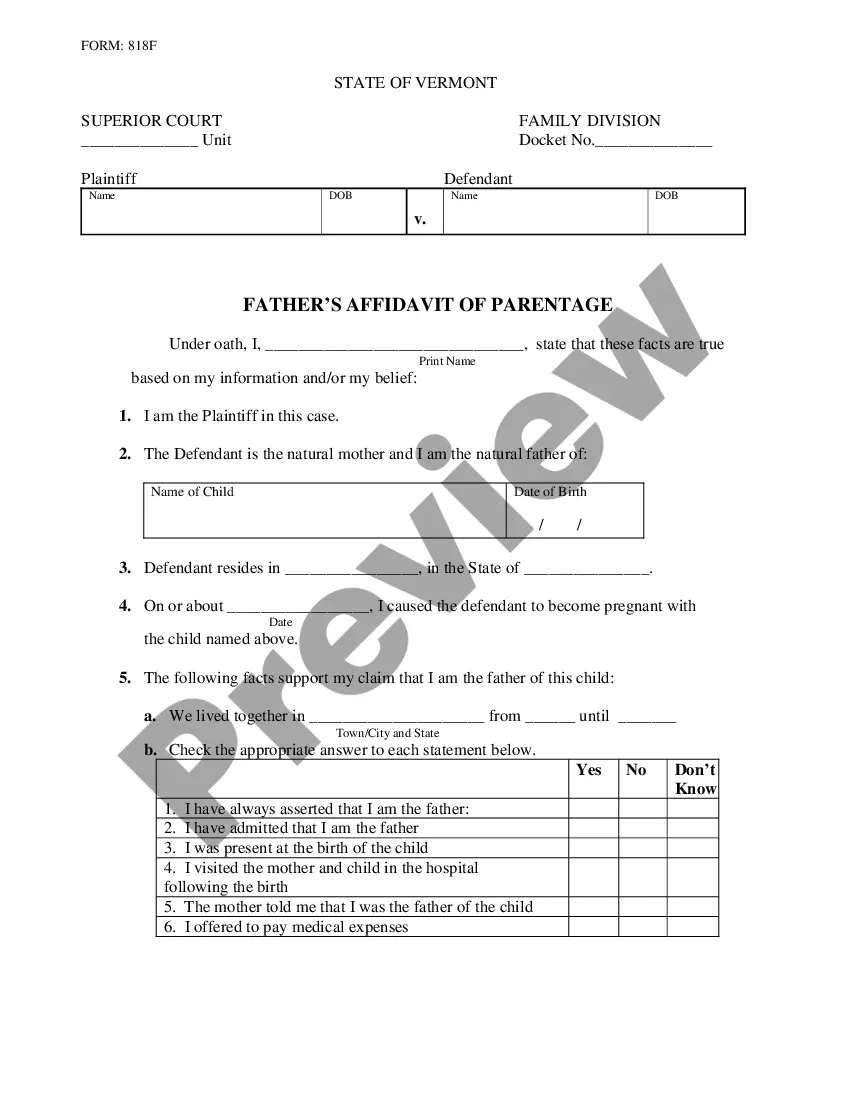
- If opting for voluntary acknowledgment, complete the required form with both parents' signatures.
- Prepare for genetic testing if there is any doubt about paternity, as it may be ordered by the court if needed.
- File any necessary legal documents with the appropriate court or state agency if pursuing a court-based paternity establishment.
Notarization requirements for this form
In most cases, this form does not require notarization. However, some jurisdictions or signing circumstances might. US Legal Forms offers online notarization powered by Notarize, accessible 24/7 for a quick, remote process.
Get your form ready online
Our built-in tools help you complete, sign, share, and store your documents in one place.
Make edits, fill in missing information, and update formatting in US Legal Forms—just like you would in MS Word.
Download a copy, print it, send it by email, or mail it via USPS—whatever works best for your next step.
Sign and collect signatures with our SignNow integration. Send to multiple recipients, set reminders, and more. Go Premium to unlock E-Sign.
If this form requires notarization, complete it online through a secure video call—no need to meet a notary in person or wait for an appointment.
We protect your documents and personal data by following strict security and privacy standards.

Make edits, fill in missing information, and update formatting in US Legal Forms—just like you would in MS Word.

Download a copy, print it, send it by email, or mail it via USPS—whatever works best for your next step.

Sign and collect signatures with our SignNow integration. Send to multiple recipients, set reminders, and more. Go Premium to unlock E-Sign.

If this form requires notarization, complete it online through a secure video call—no need to meet a notary in person or wait for an appointment.

We protect your documents and personal data by following strict security and privacy standards.
Common mistakes
- Failing to complete all necessary forms properly, which may lead to delays in establishing paternity.
- Not consulting state-specific laws, leading to misunderstandings about rights and responsibilities.
- Not pursuing genetic testing promptly if paternity is disputed.
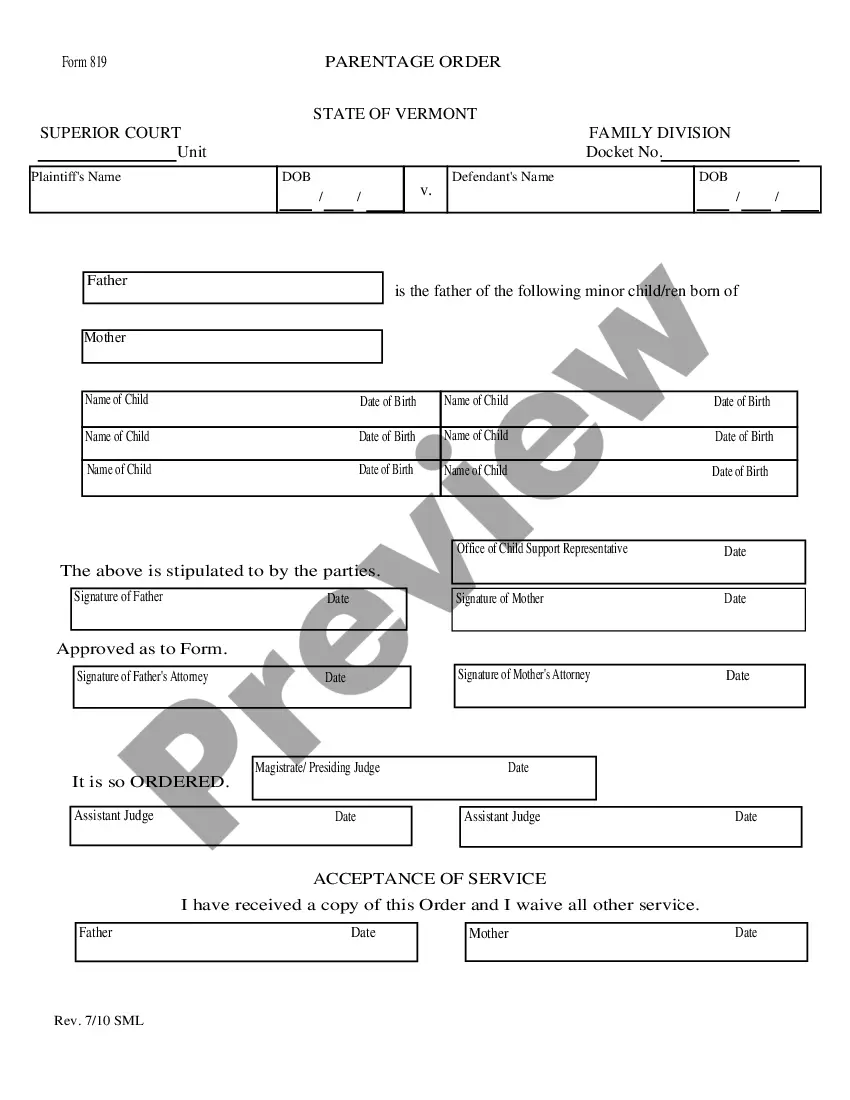
- Assuming that signing a voluntary acknowledgment is sufficient for resolving custody and support issues without a follow-up court order.
Benefits of using this form online
- Immediate access to comprehensive resources and state-specific guidelines.
- Convenient download of legal forms that can be completed at your own pace.
- Reliable information curated by licensed attorneys to ensure accuracy and legality.
- The ability to edit forms according to your specific circumstances before finalizing.
Legal use & context
- Establishing paternity grants legal rights to both parents regarding decision-making for the child.
- Failure to establish paternity may result in the biological father's inability to secure visitation or custody rights.
- Paternity acknowledgment forms must be signed by both parents to be legally binding.
What to keep in mind
- Legal acknowledgment of paternity is crucial for both child support and parental rights.
- Understanding state-specific laws can significantly streamline the paternity establishment process.
- Parents should utilize genetic testing when there are doubts about paternity to ensure legal clarity.
Glossary of terms used in this form
- Biological father: The man who fathers a child biologically.
- Genetic testing: A scientific method used to determine paternity based on DNA samples.
- Legal father: A man who has been legally recognized as a child's father through court order or acknowledgment.
- Voluntary paternity establishment: The process through which parents agree on the child's paternity without court intervention.