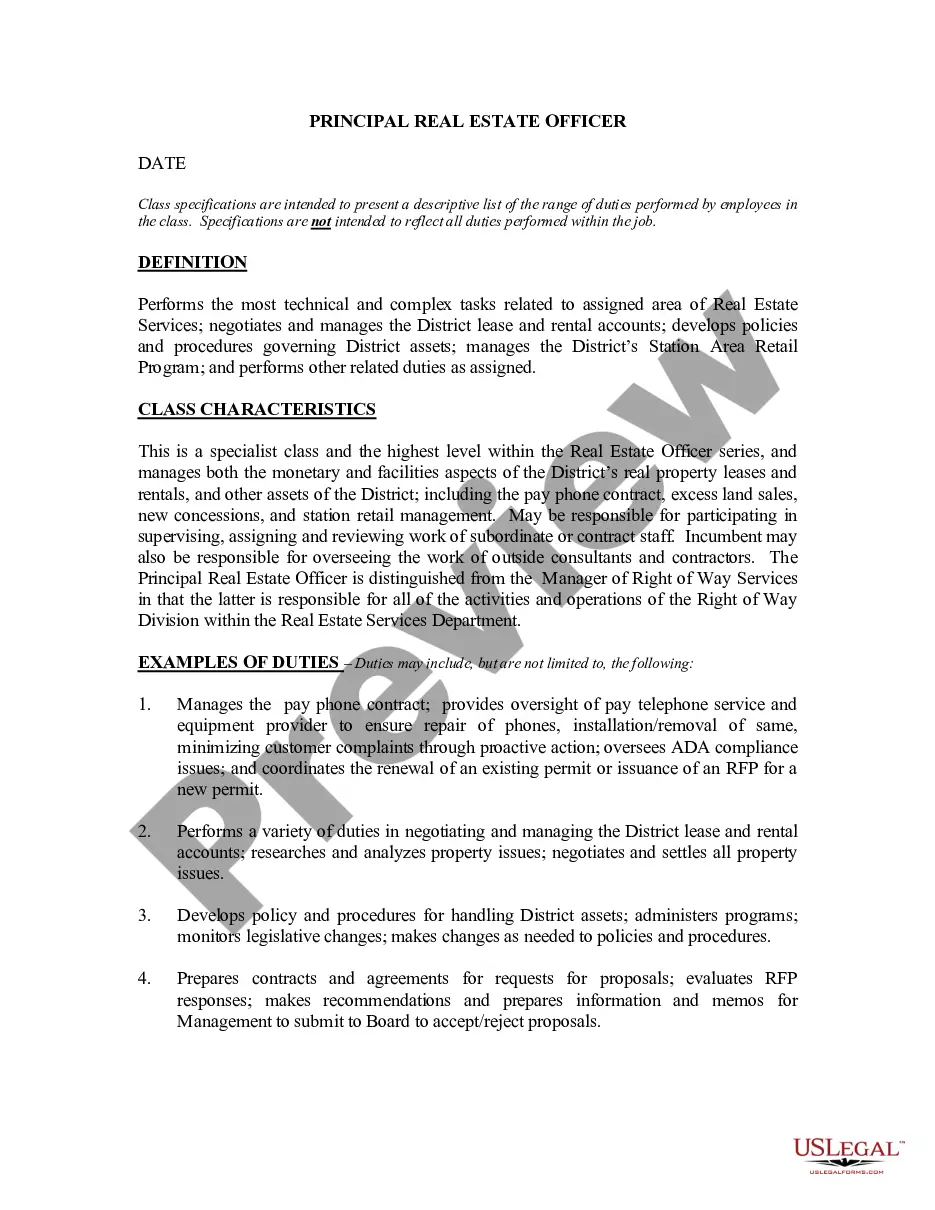
Vermont Letter from Landlord to Tenant for Failure of to dispose all ashes, rubbish, garbage or other waste in a clean and safe manner in compliance with community rules
What is this form?
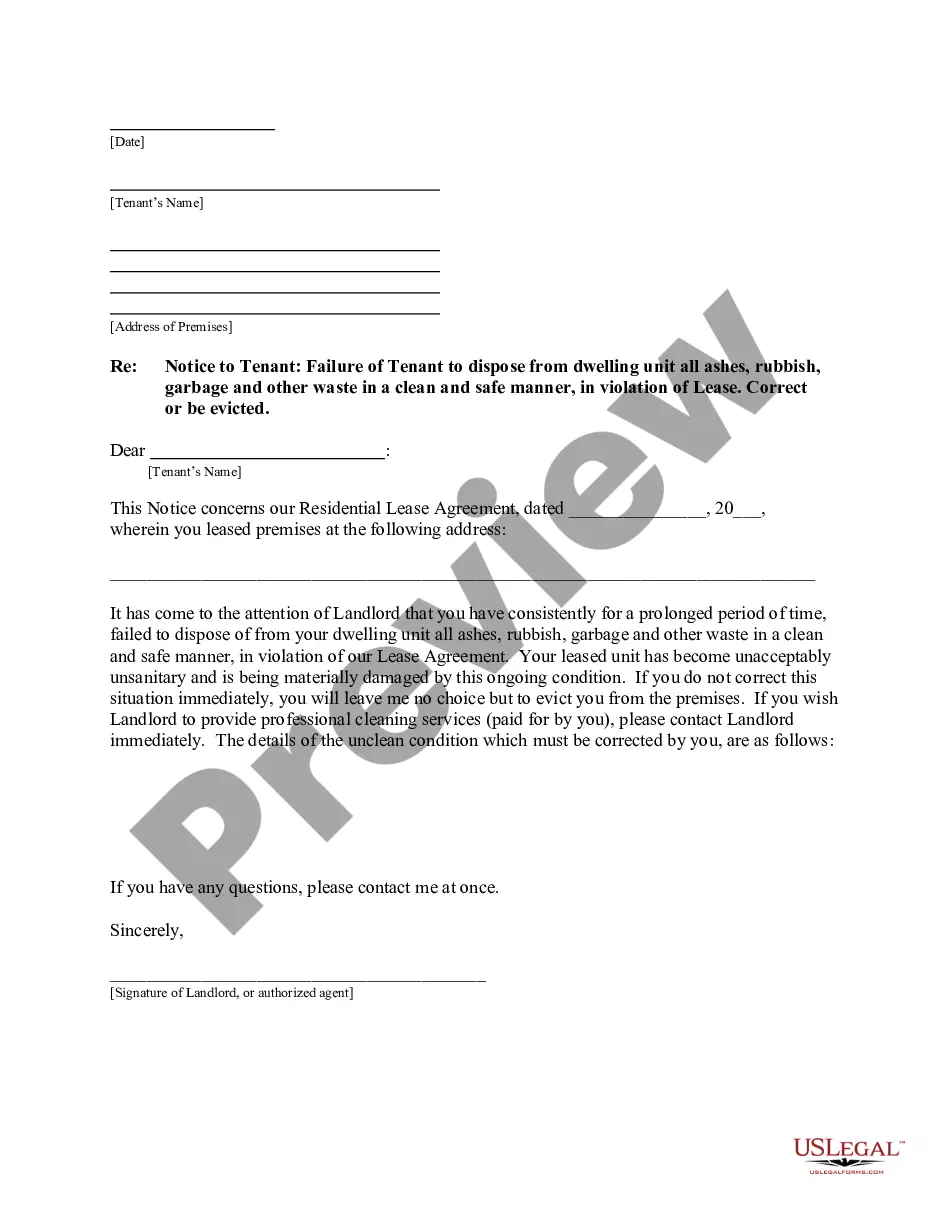
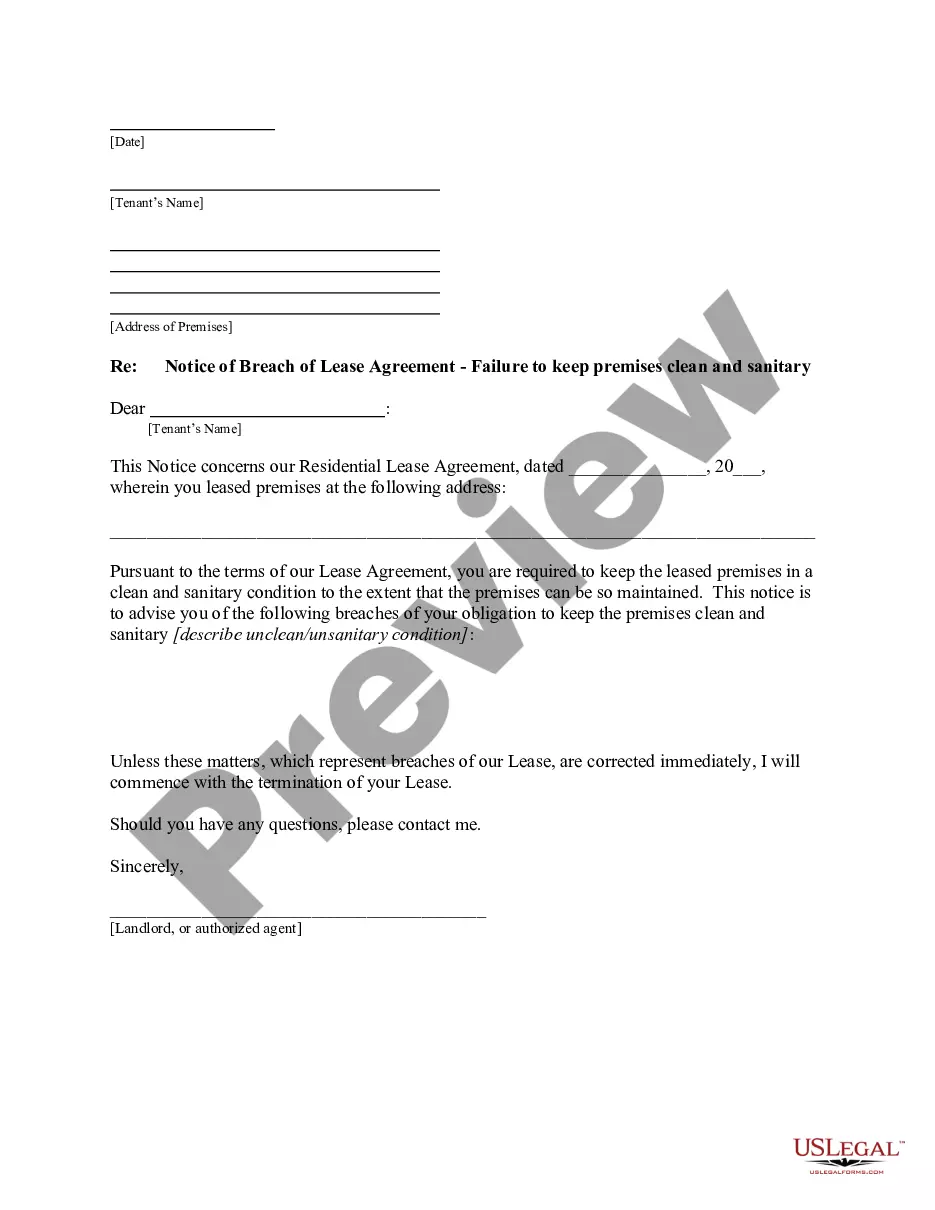
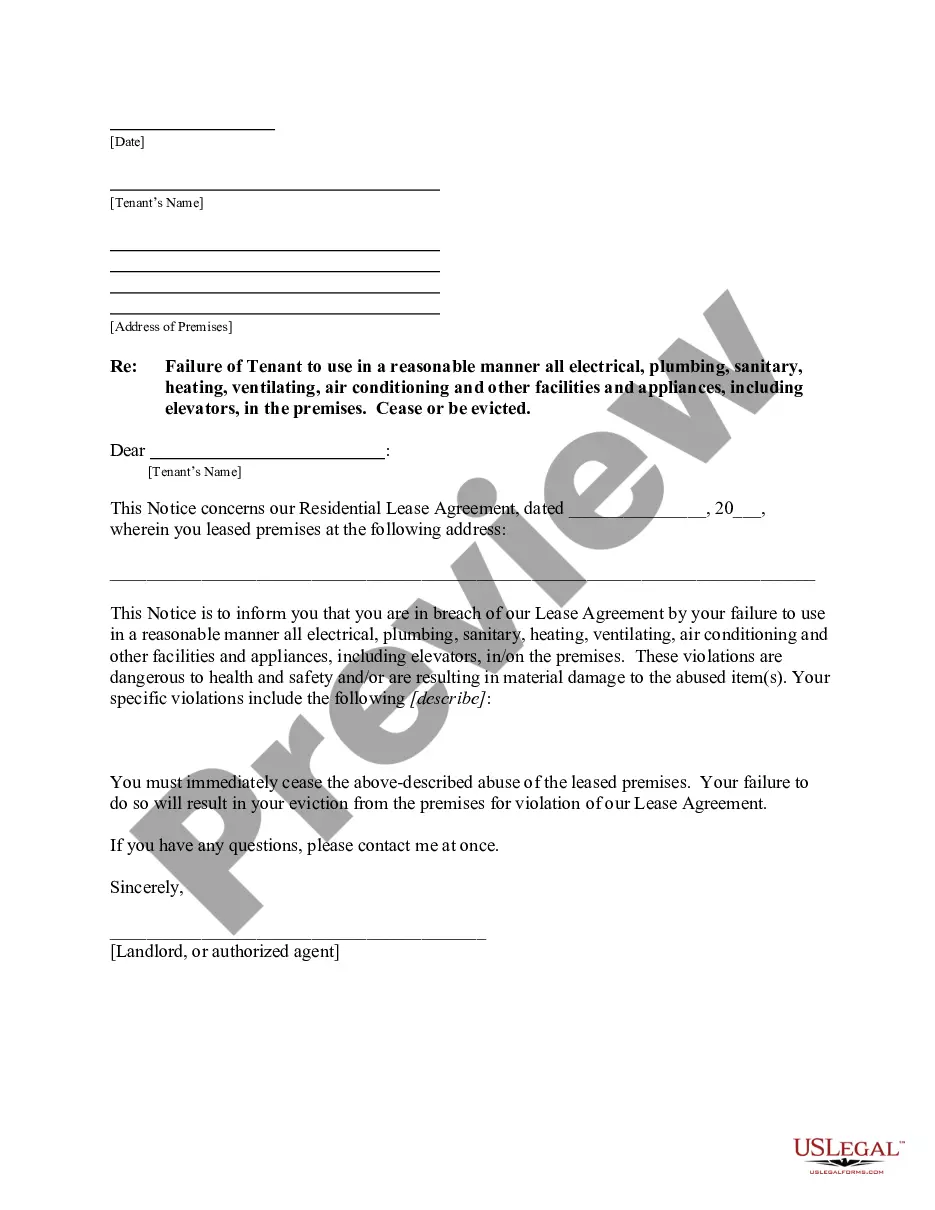
This form is a letter from a landlord to a tenant addressing the failure to dispose of waste in a clean and safe manner. It serves as a formal notice demanding compliance with community standards, and can lead to eviction if the tenant does not correct the situation. This letter is an essential tool for landlords seeking to maintain the cleanliness and safety of their rental properties and differs from eviction notices as it primarily emphasizes required corrective actions rather than immediate eviction.
Main sections of this form
- Date of notice
- Name and contact information of the landlord
- Name and contact information of the tenant
- Description of the unclean conditions
- Consequences if the issue is not resolved


When this form is needed
Who this form is for
- Landlords managing rental properties
- Property managers overseeing tenant compliance
- Individuals or organizations renting properties
Completing this form step by step
- Enter the date of the notice.
- Provide the landlordâs name and contact information.
- Include the tenantâs name and contact information.
- Describe the specific issues related to waste disposal that need to be addressed.
- Set a clear deadline for the tenant to correct the issues.
- Specify the consequences of failing to comply, including potential eviction.
Does this document require notarization?
In most cases, this form does not require notarization. However, some jurisdictions or signing circumstances might. US Legal Forms offers online notarization powered by Notarize, accessible 24/7 for a quick, remote process.
Get your form ready online
Our built-in tools help you complete, sign, share, and store your documents in one place.
Make edits, fill in missing information, and update formatting in US Legal Forms—just like you would in MS Word.
Download a copy, print it, send it by email, or mail it via USPS—whatever works best for your next step.
Sign and collect signatures with our SignNow integration. Send to multiple recipients, set reminders, and more. Go Premium to unlock E-Sign.
If this form requires notarization, complete it online through a secure video call—no need to meet a notary in person or wait for an appointment.
We protect your documents and personal data by following strict security and privacy standards.
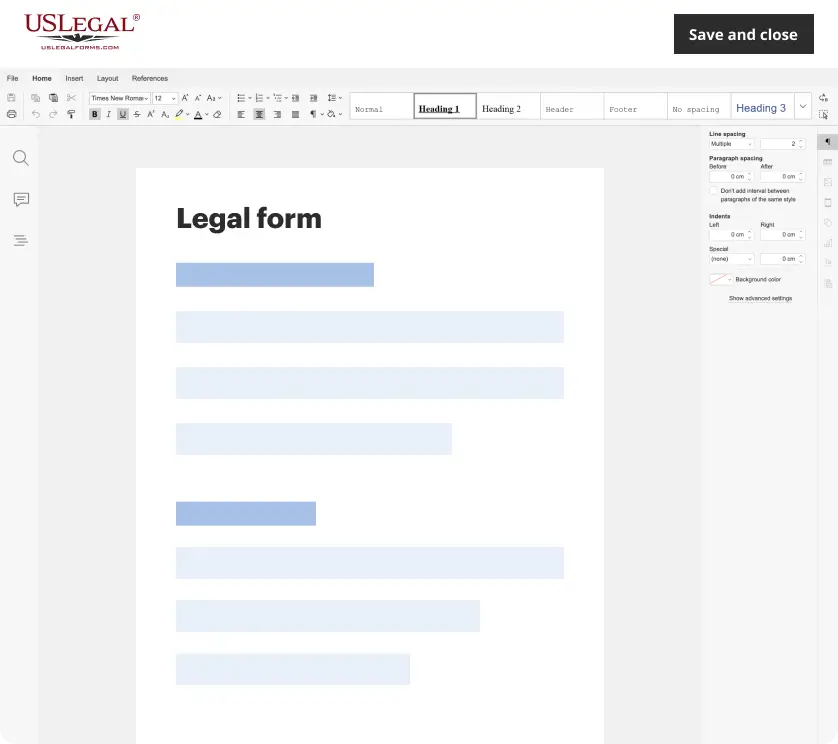
Make edits, fill in missing information, and update formatting in US Legal Forms—just like you would in MS Word.
Download a copy, print it, send it by email, or mail it via USPS—whatever works best for your next step.
Sign and collect signatures with our SignNow integration. Send to multiple recipients, set reminders, and more. Go Premium to unlock E-Sign.
If this form requires notarization, complete it online through a secure video call—no need to meet a notary in person or wait for an appointment.
We protect your documents and personal data by following strict security and privacy standards.
Mistakes to watch out for
- Failing to provide a precise description of the waste disposal issues.
- Omitting the deadline for compliance.
- Not mentioning the consequences of non-compliance.
Why complete this form online
- Easy access and download of customizable templates.
- Time-saving compared to drafting a letter from scratch.
- Designed by licensed attorneys for legal accuracy and compliance.
Looking for another form?

Form popularity
FAQ
Although the landlord is legally responsible for ensuring that you as a tenant have enough bins to dispose of household waste properly and are informed about where to dispose of your waste, you as a tenant have a responsibility to make every effort to dispose of your own household waste.
Typically, local governments are responsible for the collection and disposal of the wastes generated within their jurisdiction, as well as for the operation and maintenance of their equipment. However, local governments usually lack the authority and resources to provide a satisfactory and economically viable service.
As a landlord, you're not technically liable for nuisance tenants or occupiers of your property. However, you may be liable if you've allowed the tenants to cause the nuisance or if, when renting out your property, you were aware that nuisance was inevitable or almost certainly going to occur.
Over time, such wastes might cause issues such as liver failure, breathing problems or even cancer. Prolonged exposure may even harm off-spring, causing birth defects and reproductive disorders. At worst, failing to dispose of hazardous wastes correctly can even lead to death.
From being an eyesore to releasing toxins, improper waste disposal on any scale can create environmental problems, health problems and even economic concerns. This is also true for older landfill sites, which are often unlined. The lining of landfills prevents toxic substances from being released into the ground water.
Benefits of Effective Waste Disposal Environmental protection from pollution or contamination. Money generation companies may buy recyclable materials due to their value. Additionally, the waste management industry creates employment opportunities. Safety irresponsibly disposed of waste can harm people.
Answer. If waste materials are not properly disposed, it may cause floods since it may get stuck in waterways. Hazardous waste may also cause poisoning or diseases.
Fundamental responsibilities of landlords include: providing and maintaining the property in a clean and reasonable standard; giving proper receipts and maintaining records of all transactions pertaining to the tenancy; paying council rates and taxes; maintaining locks to ensure the property's security; and lodging the
Waste producers have a duty of care under the Environmental Protection Act 1990 to ensure that their waste is disposed of safely, appropriately and responsibly. Under the duty, waste producers must: prevent the escape or release of waste into the environment.