Virginia Notice of Dishonored Check - Civil - Keywords: bad check, bounced check
Understanding this form
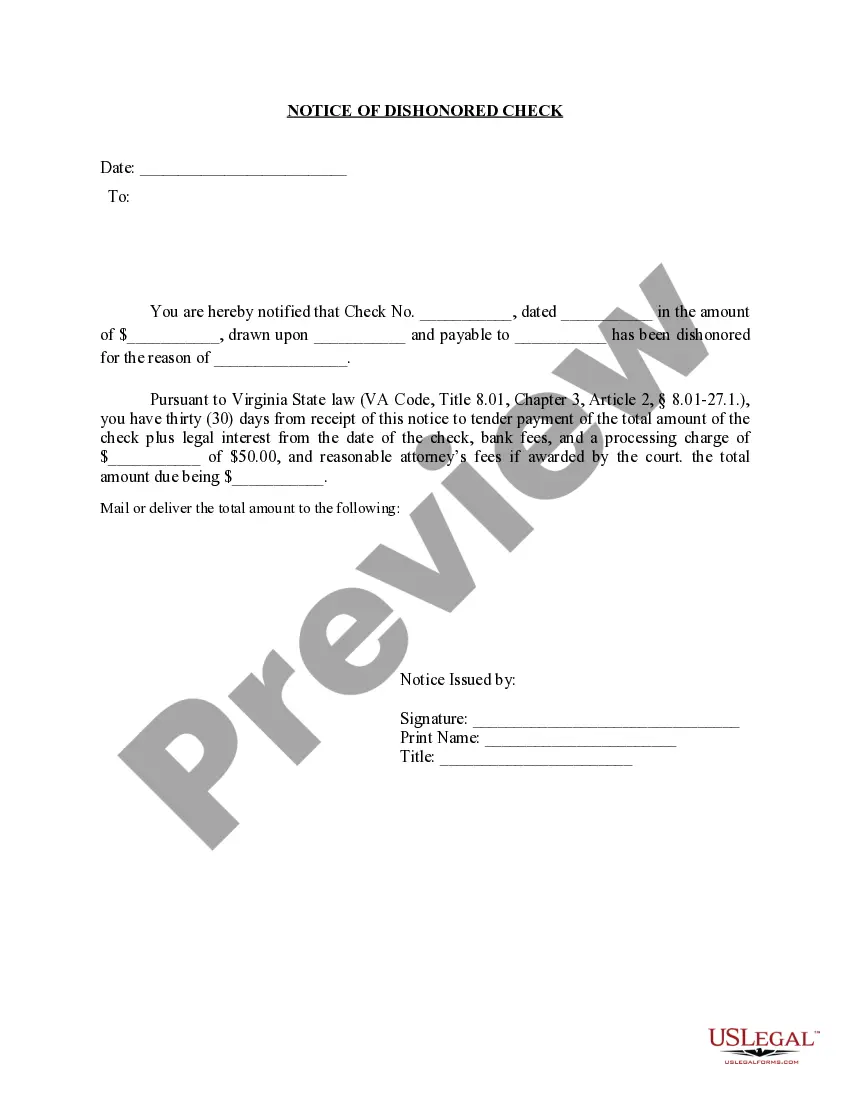
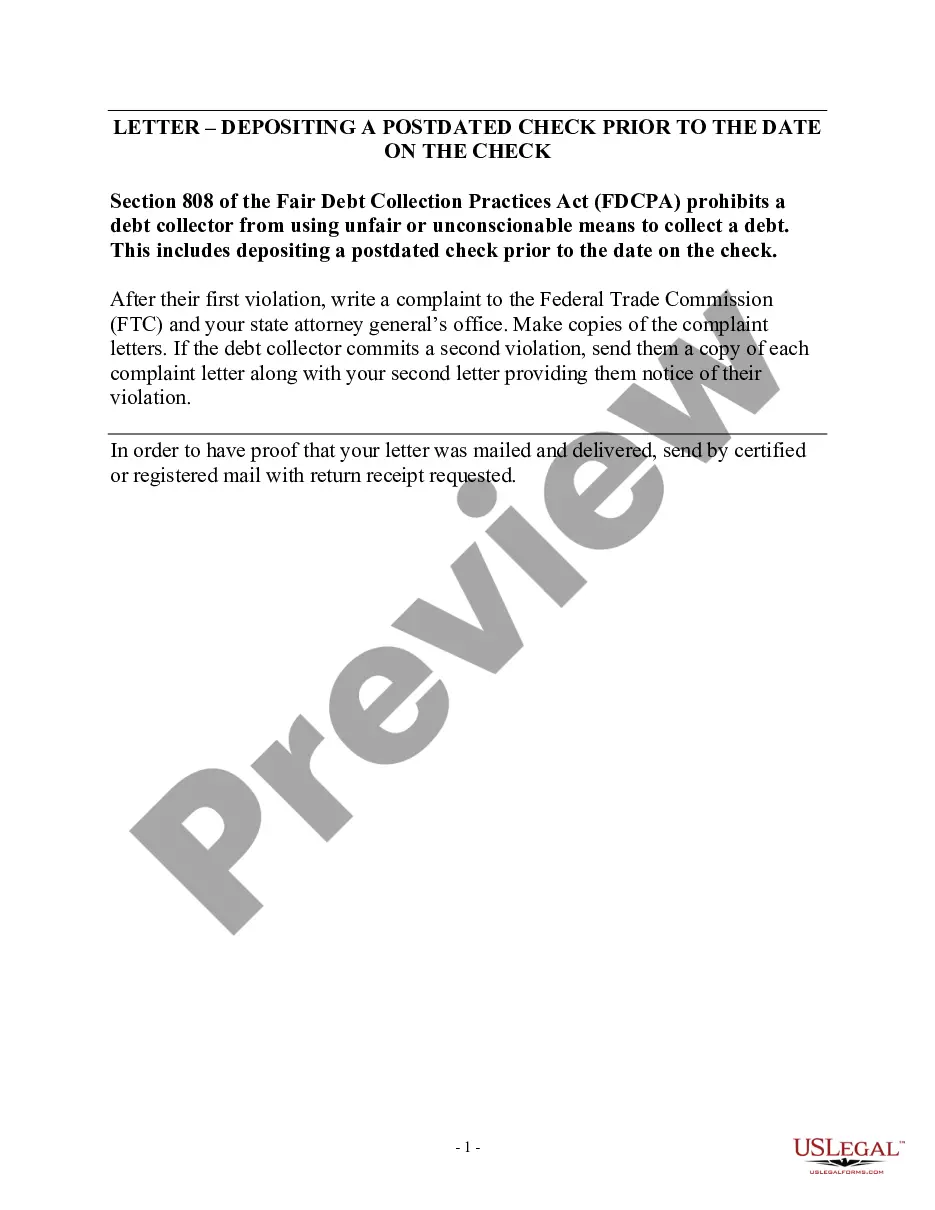
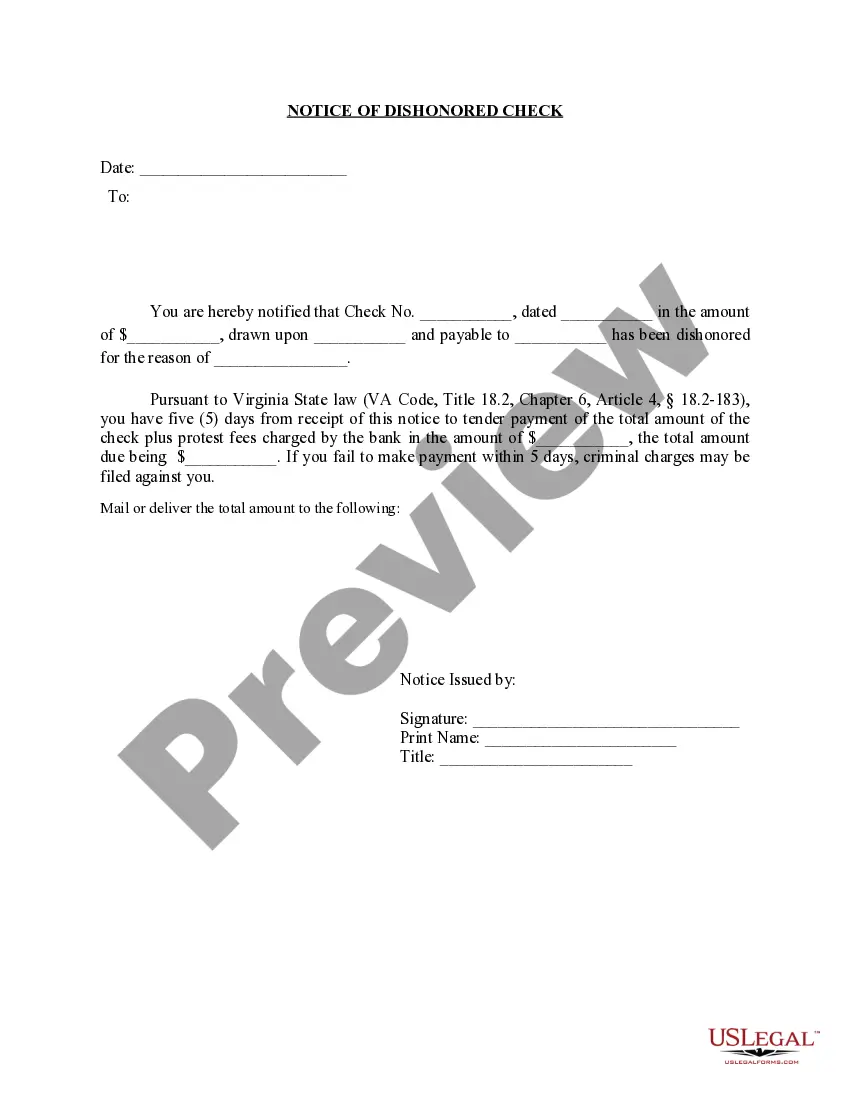
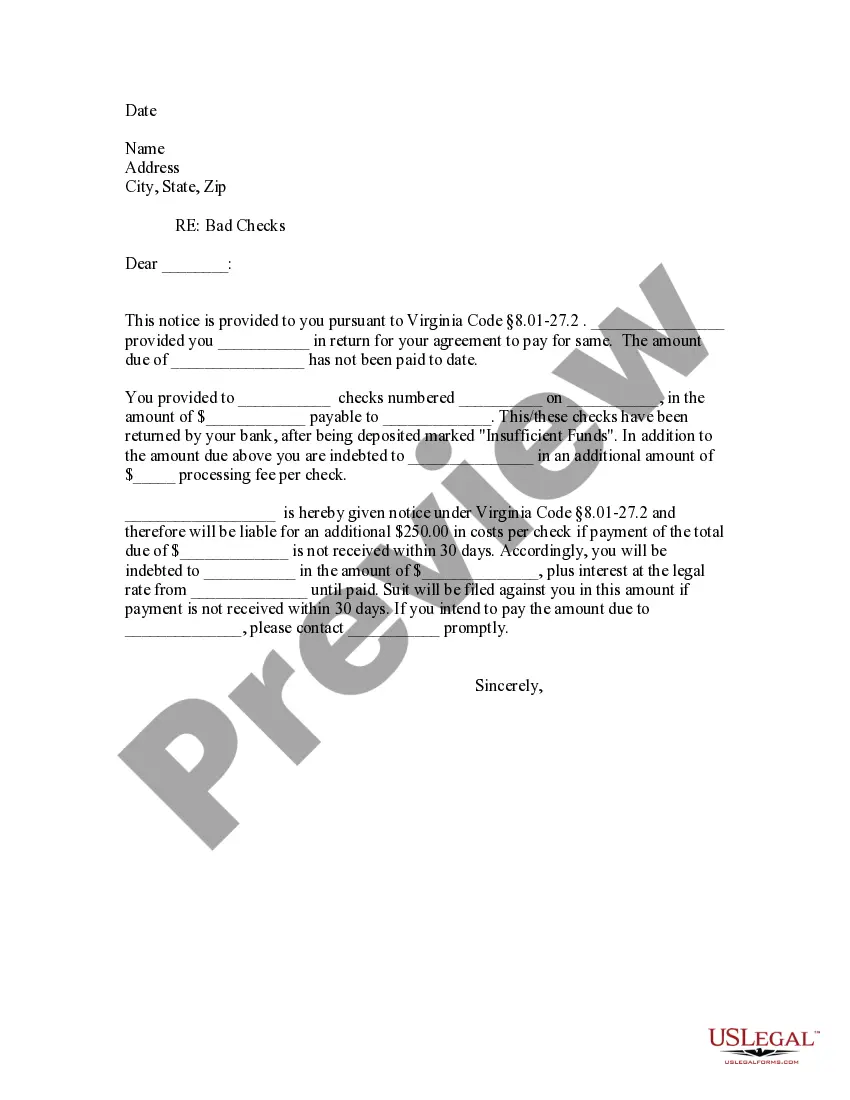
This is a Notice of Dishonored Check - Civil. A dishonored check, commonly referred to as a bad check or bounced check, is issued when the bank refuses to honor it due to reasons such as insufficient funds or a non-existent account. This form serves as an official notification to the debtor, informing them that their check has been dishonored. Notifying the debtor is often required by state law to allow for recovery of the owed amount and any associated fees.
Form components explained
- Party Identification: Names and addresses of the check issuer and the payee.
- Check Details: Information including the amount, check number, and date of issue.
- Payment Terms: Includes the total amount due, including legal interest and any applicable fees.
- Notice Period: Specifies the time frame for the debtor to respond before further action is taken.
- Consequences of Non-Payment: Outlines potential damages and legal fees if payment is not made.
Situations where this form applies
This form is necessary when a check has been returned unpaid. It is often used by businesses or individuals who have received a bad check and need to formally notify the check issuer. Using this notice helps establish a record of the dishonored transaction and prompts timely payment, potentially avoiding legal disputes.
Who can use this document
- Business owners who have accepted a bounced check as payment.
- Individuals who have received a bad check for personal transactions.
- Any recipient of a dishonored check seeking recovery of funds.
Instructions for completing this form
- Identify the parties: Enter the names and addresses of the debtor and creditor.
- Specify the check details: Fill in the check amount, check number, and the date it was issued.
- Calculate the total amount due: Include the original check amount, legal interest, processing fee, and any bank charges.
- Include notifications: Clearly state the consequences of failing to respond to the notice.
- Sign and date: Ensure the form is signed and dated by the notifying party.
Does this form need to be notarized?
This form usually doesn’t need to be notarized. However, local laws or specific transactions may require it. Our online notarization service, powered by Notarize, lets you complete it remotely through a secure video session, available 24/7.
Get your form ready online
Our built-in tools help you complete, sign, share, and store your documents in one place.
Make edits, fill in missing information, and update formatting in US Legal Forms—just like you would in MS Word.
Download a copy, print it, send it by email, or mail it via USPS—whatever works best for your next step.
Sign and collect signatures with our SignNow integration. Send to multiple recipients, set reminders, and more. Go Premium to unlock E-Sign.
If this form requires notarization, complete it online through a secure video call—no need to meet a notary in person or wait for an appointment.
We protect your documents and personal data by following strict security and privacy standards.
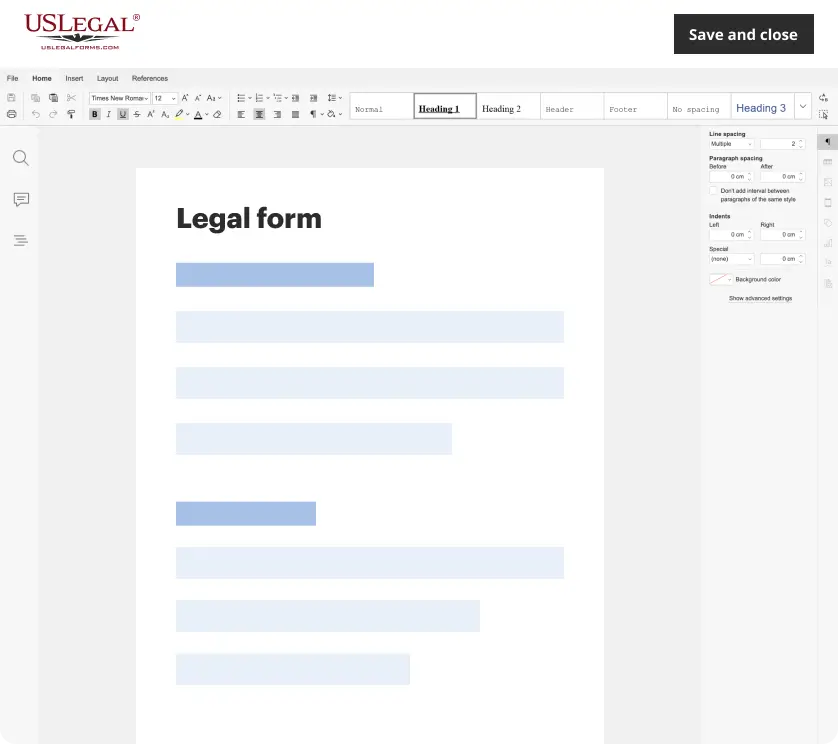
Make edits, fill in missing information, and update formatting in US Legal Forms—just like you would in MS Word.
Download a copy, print it, send it by email, or mail it via USPS—whatever works best for your next step.
Sign and collect signatures with our SignNow integration. Send to multiple recipients, set reminders, and more. Go Premium to unlock E-Sign.
If this form requires notarization, complete it online through a secure video call—no need to meet a notary in person or wait for an appointment.
We protect your documents and personal data by following strict security and privacy standards.
Typical mistakes to avoid
- Failing to include all necessary details about the bounced check.
- Not specifying the correct payment terms and total amount due.
- Neglecting to keep a copy of the notice for personal records.
Benefits of completing this form online
- Convenience: Download and complete the form at your own pace.
- Editability: Easily customize the form to fit your specific situation.
- Reliability: Forms are drafted by licensed attorneys to ensure legal compliance.
Looking for another form?
Form popularity
FAQ
Writing a bad check, also known as a hot check, is illegal. Banks normally charge a fee to anyone who writes a bad check unintentionally. The punishment for trying to pass a bad check intentionally ranges from a misdemeanor to a felony.
When there are insufficient funds in an account, and a bank decides to bounce a check, it charges the account holder an NSF fee. If the bank accepts the check, but it makes the account negative, the bank charges an overdraft (OD) fee. If the account stays negative, the bank may charge an extended overdraft fee.
Writing bad checks can lead to several theft charges, but with the help of a skilled defense attorney, you can work to reduce or even dismiss charges.
If the tellers at the checks bank tell you there ARE sufficient funds you have three options: cash the check immediately (actually get cash - probably not recommended if it's several thousand dollars), take the check to YOUR bank and deposit the funds (this will take 2-3 days for the check to clear - not recommended),
Penal Code 476a PC is the California statute that makes it a crime for a person to write or pass a bad check, knowing there are insufficient funds to cover payment of the check. The offense can be charged as a felony if the value of the bad checks is more than $950.00. Otherwise, the offense is only a misdemeanor.
A bounced check occurs when the writer of the check has insufficient funds available to fulfill the payment amount on the check to the payee. When a check bounces, they are not honored by the depositor's bank, and may result in fees and banking restrictions.
Writing bad checks in the Commonwealth of Virginia can be considered a felony offense or a misdemeanor.However, if you wrote a bad check for over $200, then this would be considered a crime and tried as a Class 6 felony offense, with a prison term.
Bouncing a check can happen to anyone. Write one and you'll owe your bank an NSF fee of between $27 and $35, and the recipient of the check is permitted to charge a returned-check fee of between $20 and $40 or a percentage of the check amount.
People who write bad checks are normally charged fees by their banks and could be on the hook for any fees incurred by the payee. Knowingly writing a bad check may constitute a misdemeanor or felony, depending on the amount of the check and the state in which it was written.