Utah Letter from Landlord to Tenant for Failure of to dispose all ashes, rubbish, garbage or other waste in a clean and safe manner in compliance with community rules
What this document covers
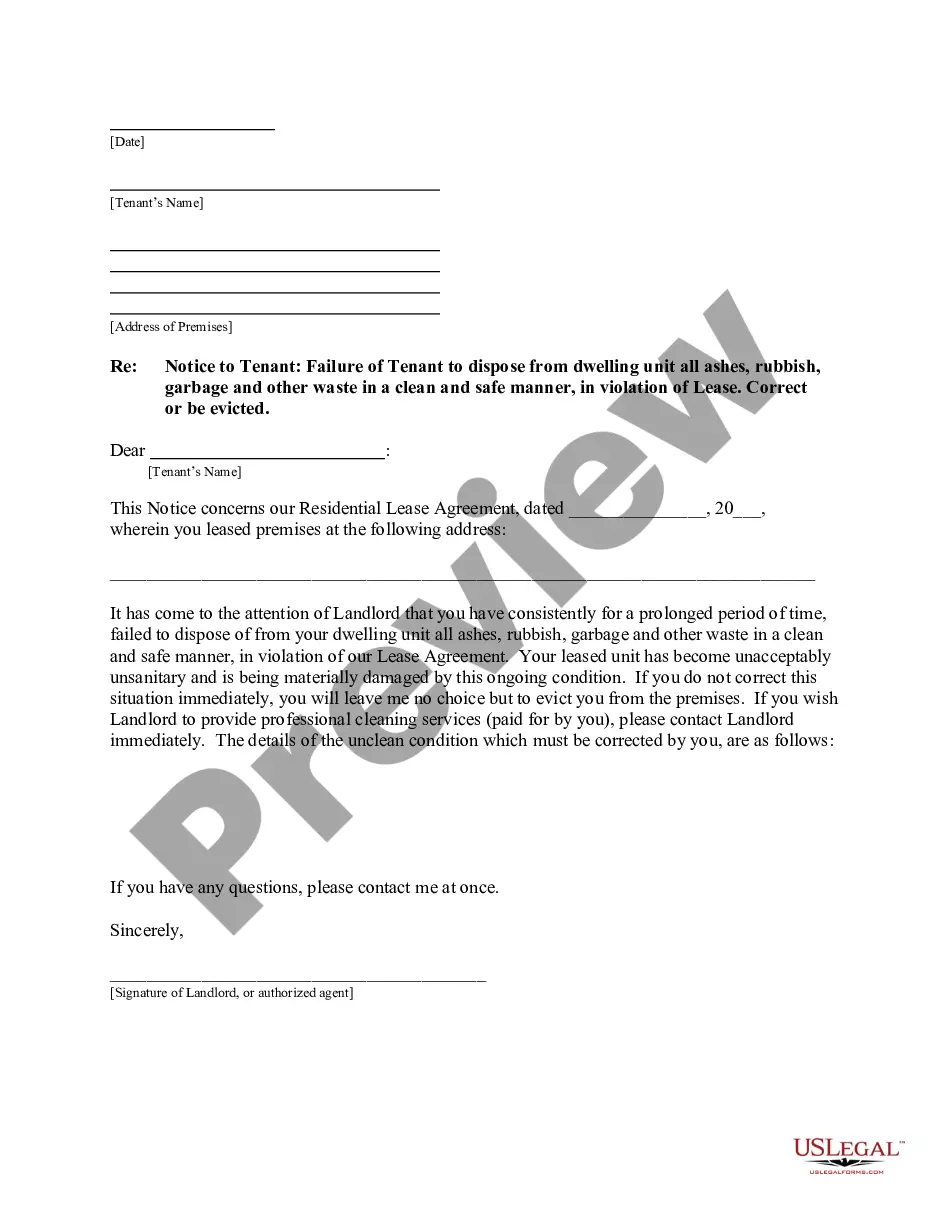
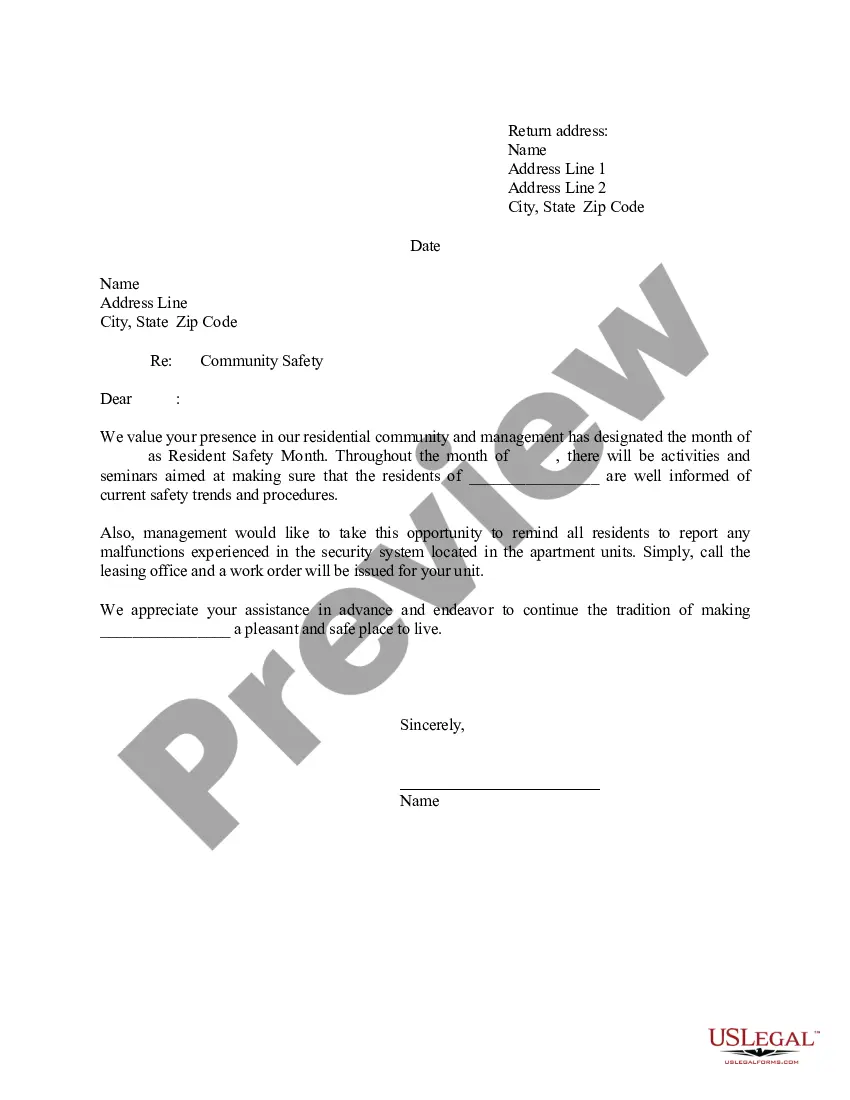
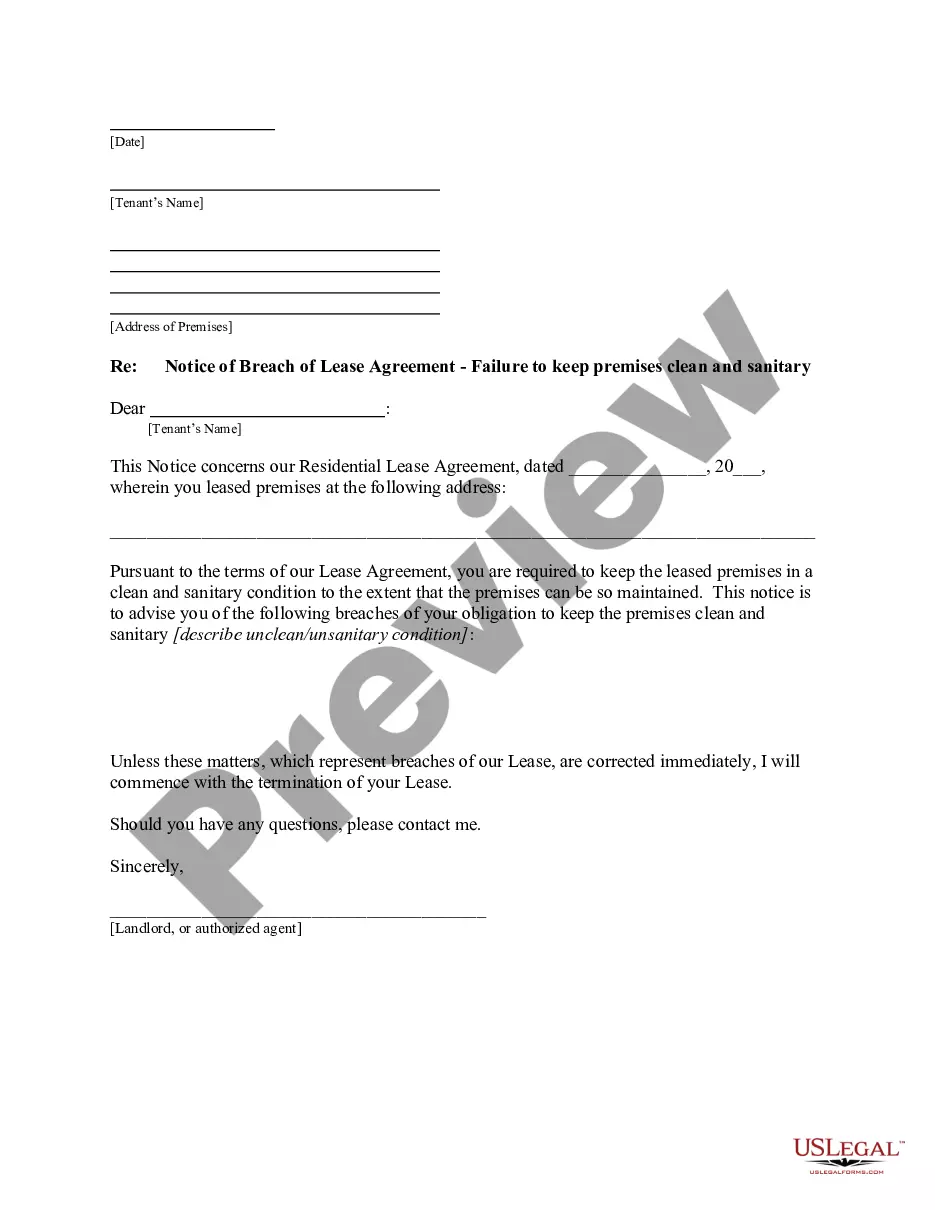
This form, formally titled "Letter from Landlord to Tenant for Failure to Dispose All Ashes, Rubbish, Garbage or Other Waste in a Clean and Safe Manner," is a legal notice that a landlord uses to address a tenant's failure to maintain cleanliness in compliance with community standards. The purpose of this notice is to urge the tenant to rectify unsanitary conditions and comply with the lease agreement. If the tenant does not take action, the landlord may pursue eviction. This form is essential for landlords seeking to uphold community rules and protect property value while providing tenants with an opportunity to correct their behavior before more drastic measures are taken.
What’s included in this form
- Recipient details: Name and address of the tenant.
- Landlord's contact information and signature.
- Description of the sanitation issues and violations of the lease agreement.
- Deadline for the tenant to address the issues.
- Consequences of failing to comply, including potential eviction.
- Offer for professional cleaning services, if applicable.


Situations where this form applies
This form should be used when a landlord recognizes ongoing sanitation issues within the tenant's rented unit that violate community rules and the lease agreement. Typical scenarios for its use include consistent failure to dispose of garbage or waste, complaints from neighbors about unsanitary conditions, or instances where the tenant's actions have resulted in property damage due to neglect. This letter serves as an official demand for correction before eviction proceedings may be initiated.
Intended users of this form
This letter is intended for:
- Residential landlords managing rental properties.
- Property managers overseeing tenant relations and adherence to community standards.
- Tenants who have received this notice in order to understand their rights and obligations.
How to prepare this document
- Identify the parties: Fill in the names and addresses of both the landlord and tenant.
- Detail the sanitation issues: Clearly describe the specific problems related to waste disposal.
- Set a deadline: Specify how much time the tenant has to rectify the issues.
- Include consequences: State that failure to comply may result in eviction.
- Provide contact information: Ensure the landlord's contact details are included for further communication.
- Sign and date the letter: The landlord should sign the notice to validate it.
Notarization guidance
Notarization is generally not required for this form. However, certain states or situations might demand it. You can complete notarization online through US Legal Forms, powered by Notarize, using a verified video call available anytime.
Get your form ready online
Our built-in tools help you complete, sign, share, and store your documents in one place.
Make edits, fill in missing information, and update formatting in US Legal Forms—just like you would in MS Word.
Download a copy, print it, send it by email, or mail it via USPS—whatever works best for your next step.
Sign and collect signatures with our SignNow integration. Send to multiple recipients, set reminders, and more. Go Premium to unlock E-Sign.
If this form requires notarization, complete it online through a secure video call—no need to meet a notary in person or wait for an appointment.
We protect your documents and personal data by following strict security and privacy standards.
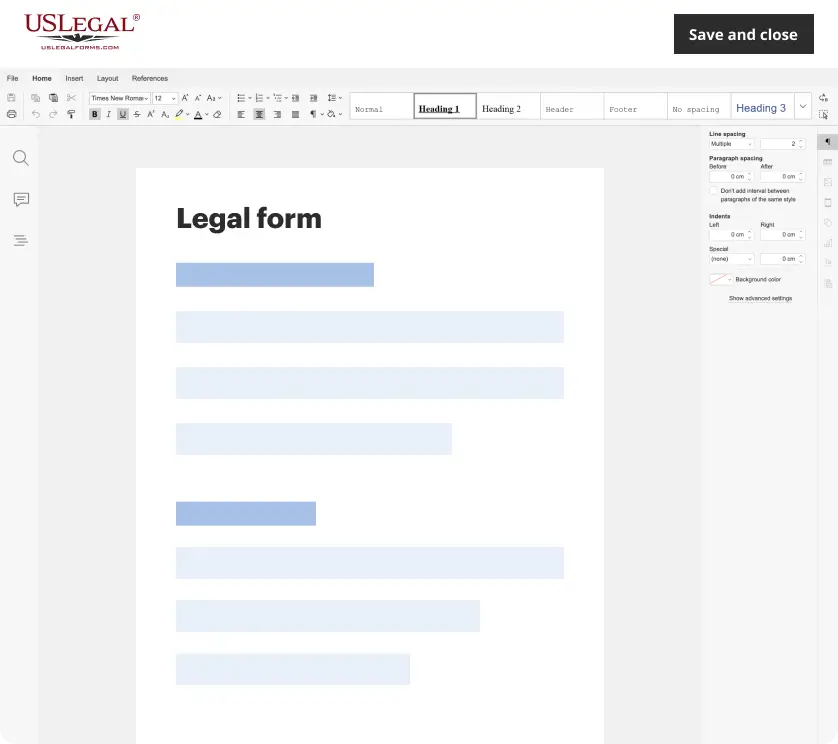
Make edits, fill in missing information, and update formatting in US Legal Forms—just like you would in MS Word.
Download a copy, print it, send it by email, or mail it via USPS—whatever works best for your next step.
Sign and collect signatures with our SignNow integration. Send to multiple recipients, set reminders, and more. Go Premium to unlock E-Sign.
If this form requires notarization, complete it online through a secure video call—no need to meet a notary in person or wait for an appointment.
We protect your documents and personal data by following strict security and privacy standards.
Avoid these common issues
- Failing to specify the sanitation issues clearly.
- Not providing a reasonable deadline for correction.
- Omitting contact information for follow-up.
- Not signing the notice before sending it.
- Not saving a copy for personal records.
Why complete this form online
- Convenience of completing the form at your own pace.
- Editable templates that allow for customization to fit specific circumstances.
- Accessible anytime, reducing the need for in-person visits or meetings.
- Secure storage options for completed forms to ensure compliance and proper record keeping.
Main things to remember
- This form is essential for addressing tenant sanitation issues that violate lease agreements.
- Proper completion and delivery of the form can help in resolving issues before further action is taken.
- Landlords should always keep a copy of the notice for their records.
Looking for another form?

Form popularity
FAQ
Know your state's landlord/tenant laws. Read and respond to the court summons. Try to work out a settlement. Consider legal counsel. Show up for court. Look sharp and provide evidence.
Tell Them The Problem & Consequences. Explain the reason that you want the tenant to go. Offer Them a Way Out. Let the tenant know that you are willing to give them a lump sum of cash in agreement for leaving the property. The Release.
You'll have to follow a due process, and possibly get the local government involved depending on the total value of the abandoned property. Simply put, you'll need to inventory the belongings, safely store them, and then either return, sell, keep, donate, or trash them after a certain amount of time.
If you're seeking damages for emotional distress caused by a landlord's discrimination, or punitive damages for especially blatant and intentional discrimination, a lawsuit may well be your best bet. Understand what's involved in suing your landlord. You may file a lawsuit in either federal or state court.
Uninhabitable conditions can include dangerous ones, such as holes in the floor, unsafe or exposed wiring, or non-working air conditioning in dangerously hot summer months. Gross infestations of roaches, fleas or other pests are also uninhabitable conditions.
The landlord had a duty to reasonably maintain the property; The landlord knew or should have known of the dangerous condition; The landlord breached their duty by failing to repair/fix the dangerous condition;
Negligent Landlords Depending on the type of problem, the duration of neglect and the severity of its effect on health or safety, tenants can file a lawsuit against their landlords.Tenants can file a lawsuit in California's small claims court or even Superior Court if the negligence is severe enough.
Tenants have been forced to live in terrible housing, and neighborhoods have suffered from housing eyesores. HUD calls this a double crime: one against both tenants and taxpayers. To report a bad landlord to the Multifamily Housing Complaint Line call toll-free at (800) MULTI-70 (800) 685-8470) / TTY (800) 432-2209.
What do the laws say in regard to bad tenants?While landlords have a difficult job in trying to make every tenant happy, they must at least make a good faith effort to resolve any problems you may be having. They must also be able to foresee certain situations. Otherwise, they can be sued and held liable.