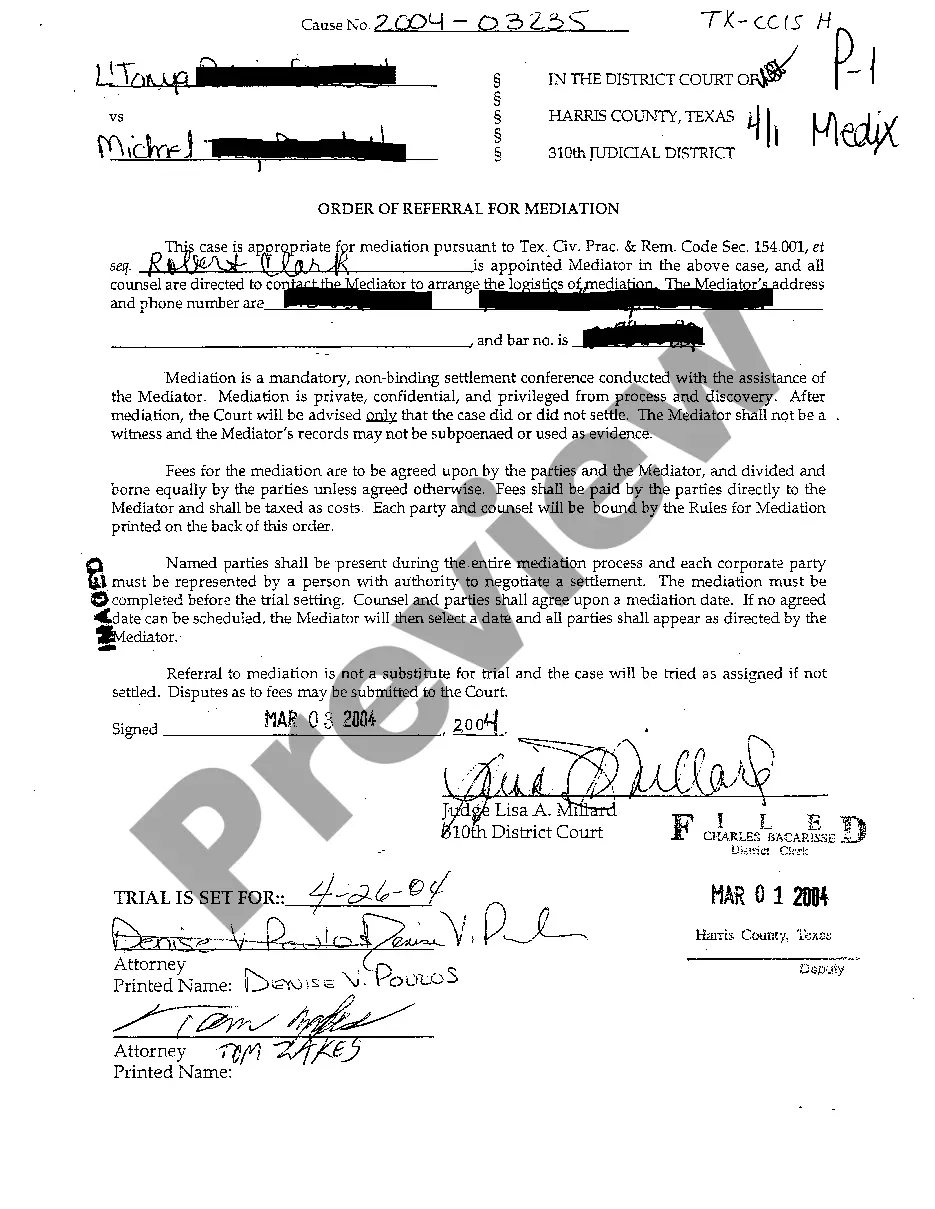
Texas Letter from Tenant to Landlord about Landlord's refusal to allow sublease is unreasonable
What this document covers
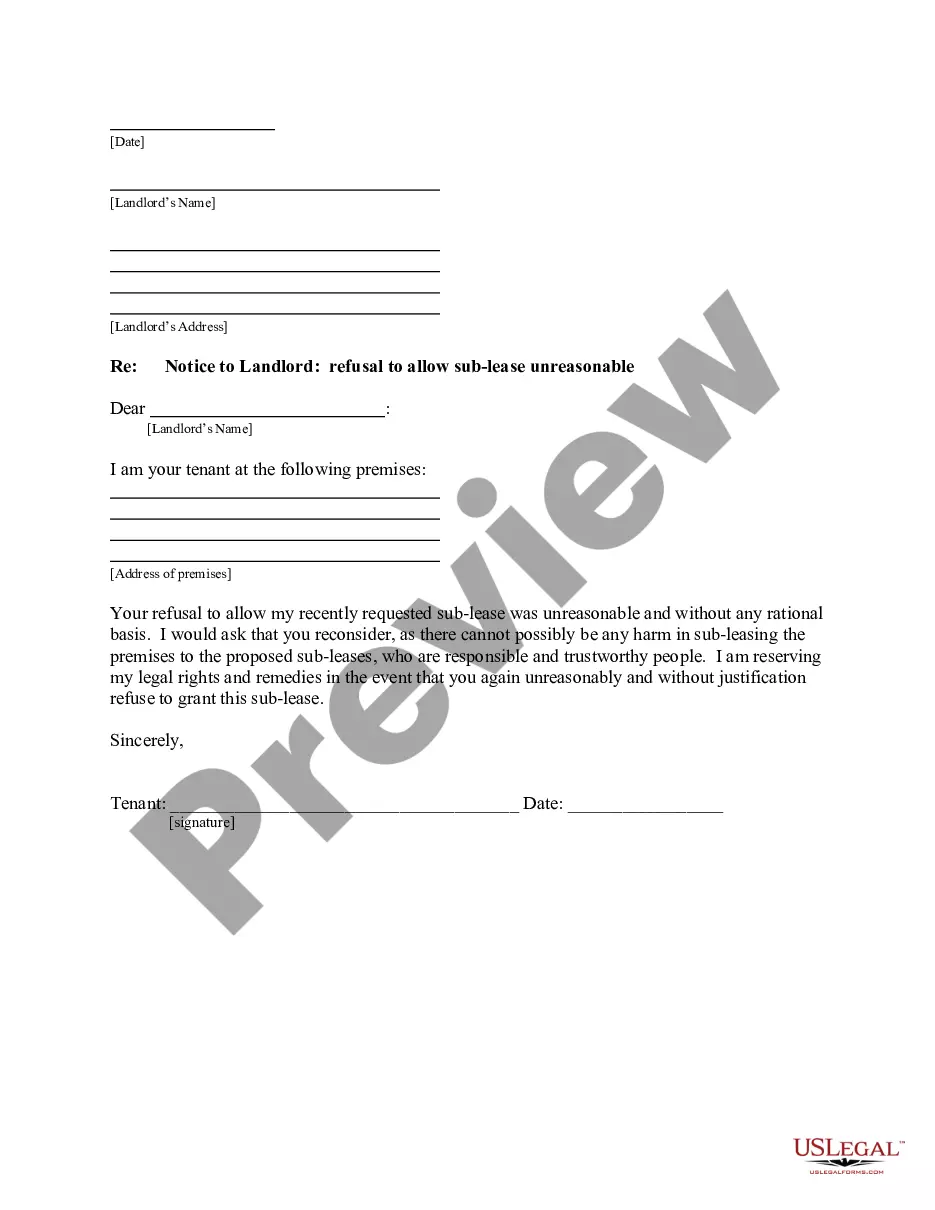
This letter from tenant to landlord addresses the landlord's unreasonable refusal to allow the tenant to sublease the property. This form enables a tenant to formally inform the landlord of their legal rights and remedies, should the refusal continue. Unlike other landlord-tenant correspondence, this letter specifically focuses on the subleasing issue and the legal implications of the landlord's decision.
Key parts of this document
- Identifying information for the tenant and landlord
- Date of the letter
- Statement of the landlord's refusal to permit sublease
- Reference to legal rights of the tenant
- Signature section for the tenant

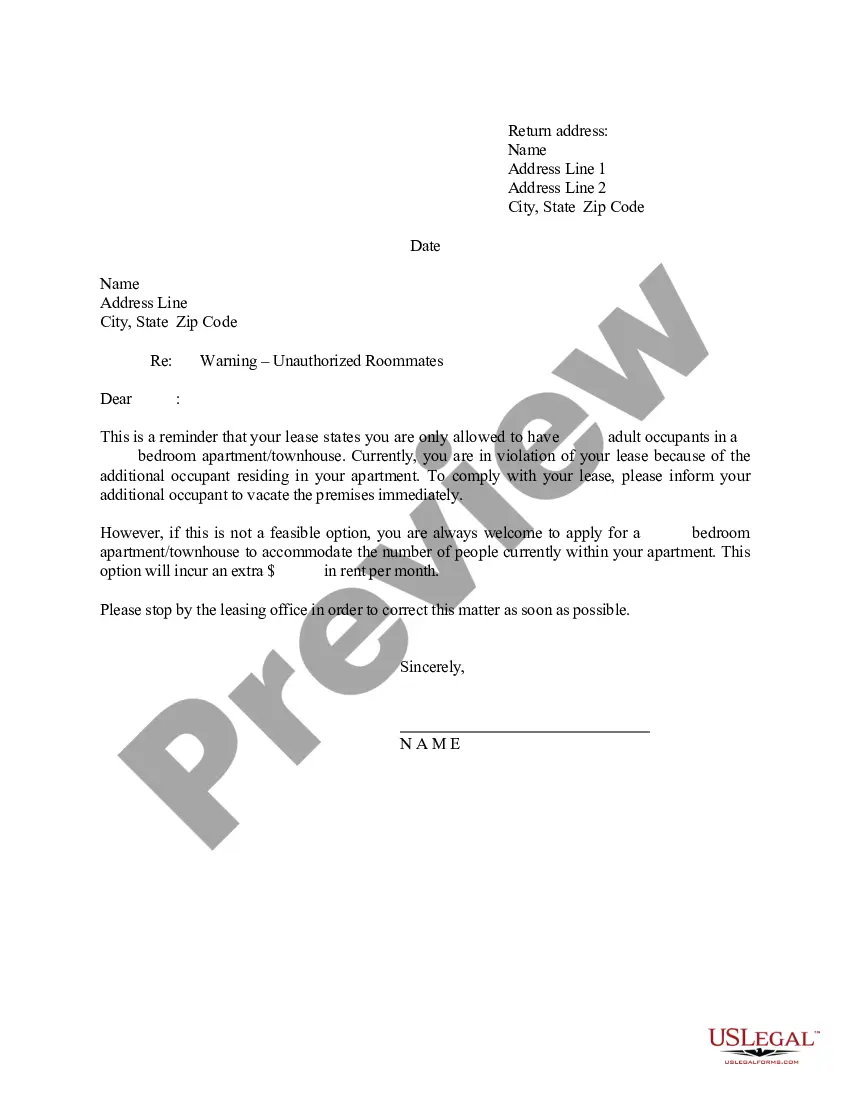
When this form is needed
This form should be used when a tenant has requested to sublet their rental unit and the landlord has denied the request without a valid reason. It serves as a formal notification that the tenant believes the refusal is unreasonable and intends to reserve their legal rights. This can be essential to protect the tenant's right to sublease in the future or to address the landlord's unreasonable actions.
Who needs this form
This form is intended for:
- Tenants who have been denied permission to sublease their rental unit
- Individuals seeking to assert their rights in a landlord-tenant relationship
- Any tenant wishing to document communications regarding subleasing with their landlord
Instructions for completing this form
- Identify the parties involved by including the names and addresses of both the tenant and landlord.
- Enter the date of the letter.
- Clearly state the landlord's refusal to allow the sublease and the tenant's view of this refusal as unreasonable.
- Include a statement that reserves the tenant's legal rights regarding the matter.
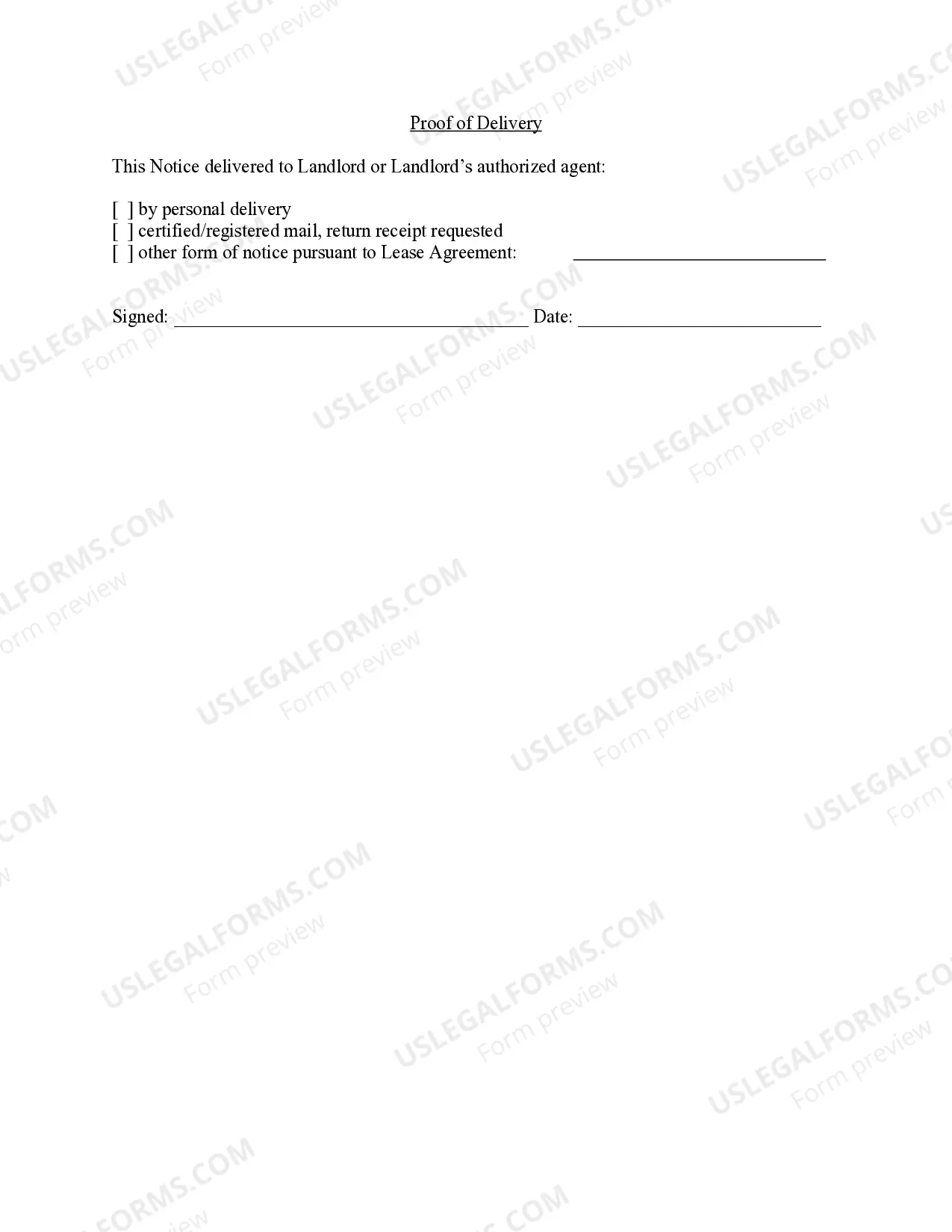
- Sign the letter and provide a space for proof of delivery, if applicable.
Notarization requirements for this form
This form does not typically require notarization unless specified by local law. However, having a notarized letter can add an extra layer of authenticity to the communication.
Get your form ready online
Our built-in tools help you complete, sign, share, and store your documents in one place.
Make edits, fill in missing information, and update formatting in US Legal Forms—just like you would in MS Word.
Download a copy, print it, send it by email, or mail it via USPS—whatever works best for your next step.
Sign and collect signatures with our SignNow integration. Send to multiple recipients, set reminders, and more. Go Premium to unlock E-Sign.
If this form requires notarization, complete it online through a secure video call—no need to meet a notary in person or wait for an appointment.
We protect your documents and personal data by following strict security and privacy standards.

Make edits, fill in missing information, and update formatting in US Legal Forms—just like you would in MS Word.

Download a copy, print it, send it by email, or mail it via USPS—whatever works best for your next step.

Sign and collect signatures with our SignNow integration. Send to multiple recipients, set reminders, and more. Go Premium to unlock E-Sign.

If this form requires notarization, complete it online through a secure video call—no need to meet a notary in person or wait for an appointment.

We protect your documents and personal data by following strict security and privacy standards.
Avoid these common issues
- Failing to include accurate contact information for both the tenant and landlord.
- Not clearly stating the reasons why the tenant believes the landlord's refusal is unreasonable.
- Omitting a date, which can create confusion about the timeline of events.
Benefits of completing this form online
- Convenience: Download the letter anytime, anywhere.
- Editability: Customize the form to fit your specific situation.
- Reliability: Use attorney-drafted templates to ensure legal compliance.
Legal use & context
- Legally reserves the tenant's rights regarding subleasing.
- Improves the tenant's position in any potential disputes with the landlord.
- Documents informal communications, which can be useful if legal action becomes necessary.
Key takeaways
- This form asserts the tenant's rights against an unreasonable refusal to sublease.
- It is important to document all communications with the landlord regarding this issue.
- Understanding state-specific regulations can enhance the effectiveness of this letter.
Looking for another form?
Form popularity
FAQ
No Texas statute addresses landlord's entry, but Texas courts have held that a landlord may not enter the rental property unless entry is authorized by the lessee.Since no Texas laws state when a landlord can enter a rental property, the rules default to the lease agreement.
Your rights as a tenant include the right to "quiet enjoyment," a legal term. This means your landlord cannot evict you without cause or otherwise disturb your right to live in peace and quiet. If other tenants in your building are disturbing you, you should complain to the landlord.
Texas. Despite having a slightly higher property tax rate of 1.83%, landlord-tenant laws in the Lone Star State are generally landlord-friendly.Texas state laws also allow landlords and tenants to enter into their own agreements for repairs; landlords can refuse to pay for repairs if tenants are behind on rent payment
Notice to Vacate The amount of time the tenant has to move out or fix a certain problem before an eviction suit is filed. This must be at least 3 days unless the lease specifically states otherwise.