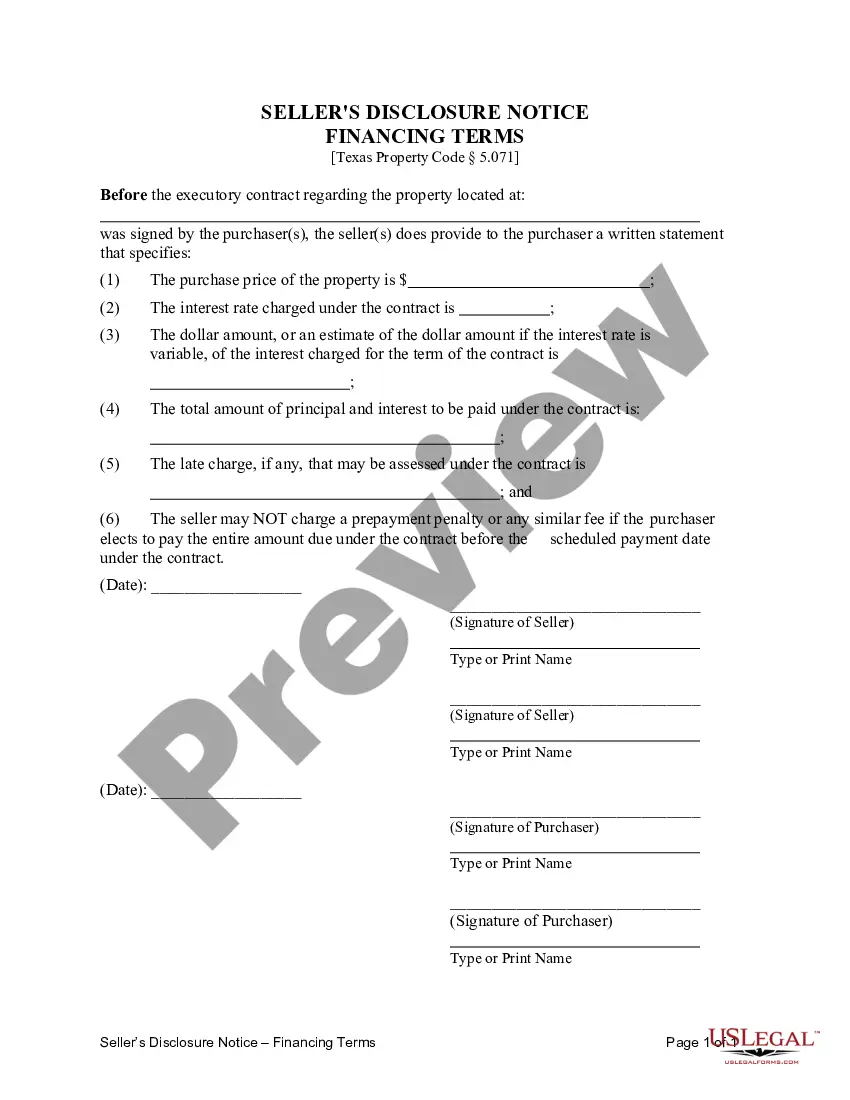
Texas Seller's Disclosure of Financing Terms for Residential Property in connection with Contract or Agreement for Deed a/k/a Land Contract
What is this form?
This Seller's Disclosure of Financing Terms for Residential Property is a legal document that outlines the purchase price, payment schedule, and terms associated with a Contract for Deed, also known as a land contract. This form specifically informs the purchaser about how payments, interest rates, and any late charges will be structured. It is essential for the seller to complete this document and provide it to the purchaser before the contract signing, ensuring transparency in the financing terms.
What’s included in this form
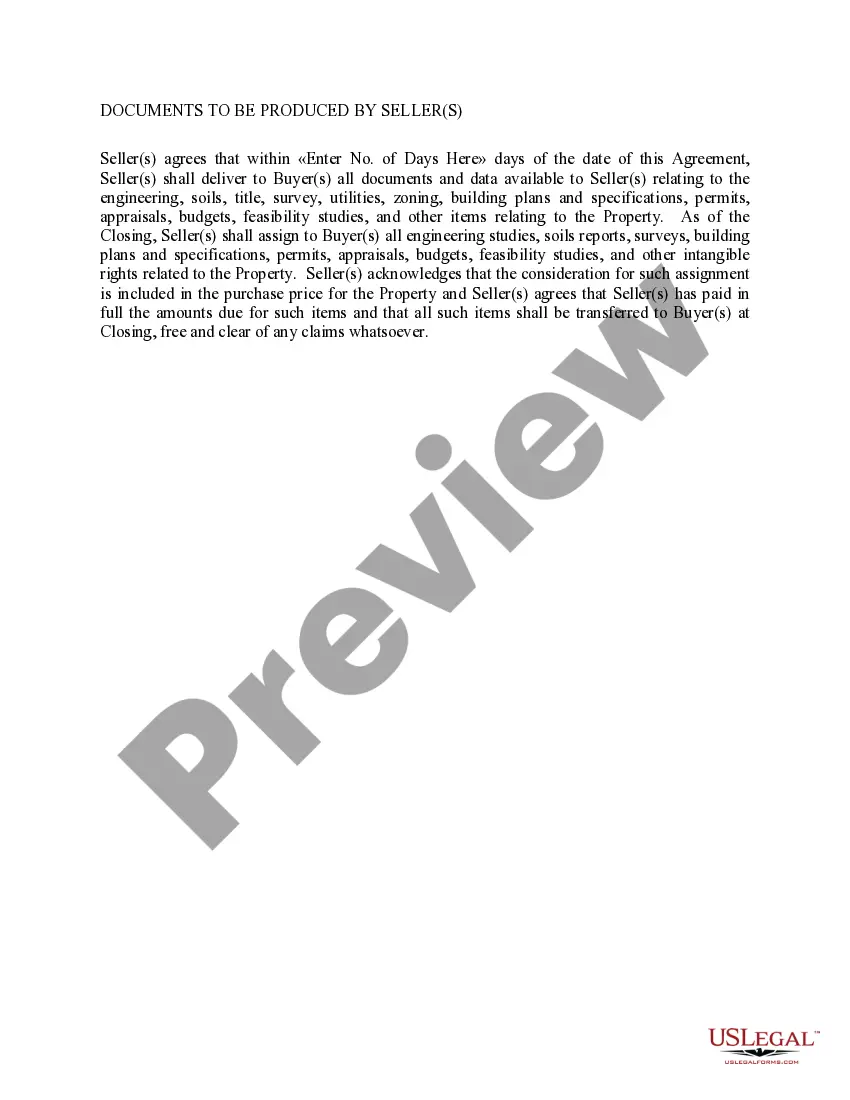
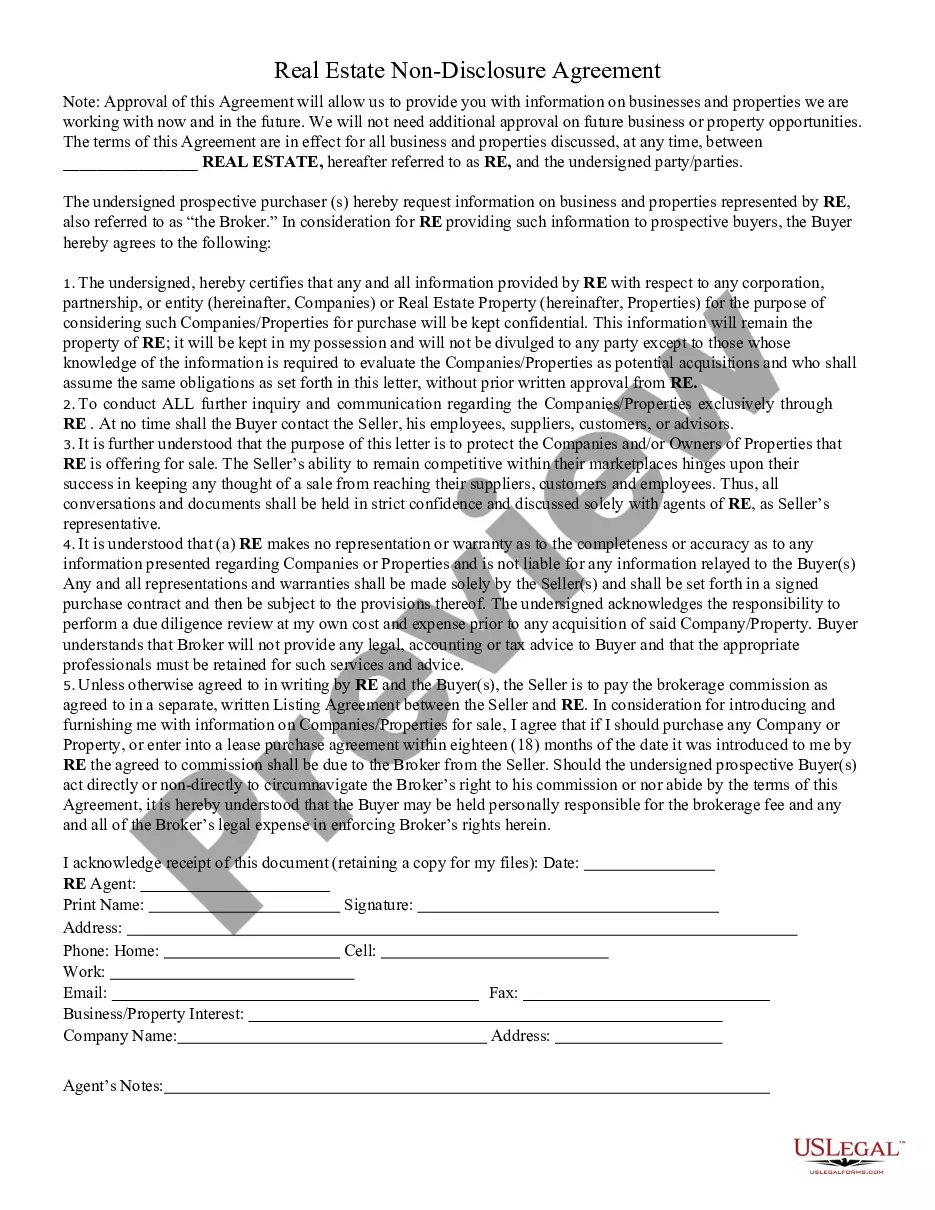
- Property purchase price: Specifies the total cost of the property being sold.
- Payment schedule: Outlines the dates and amounts of scheduled payments.
- Interest rates: Details the interest terms applied to the financing agreement.
- Late charges: Describes any penalties incurred for late payments.
- Seller and purchaser information: Identifies the parties involved in the transaction.
Situations where this form applies
This form is needed when a seller is financing the sale of residential property through a Contract for Deed. It is particularly useful in situations where traditional bank financing is not utilized, and an owner-financed sale is being negotiated. Use this form to clearly communicate the financing terms to the buyer, promoting transparency and understanding in the purchase agreement.
Who should use this form
- Sellers of residential property who are offering a land contract to buyers.
- Purchasers looking to understand the financing terms before finalizing the contract.
- Real estate agents assisting clients in creating owner-financed agreements.
Completing this form step by step
- Identify the parties: Enter the names and addresses of both the seller and purchaser.
- Specify the property: Provide a detailed description of the property being sold.
- Enter purchase price: Fill in the total amount for the purchase price of the property.
- Outline payment terms: Detail the payment schedule, including amounts, dates, and any interest rates.
- Include late charges: Specify any late fees that may apply if payments are missed.
Notarization requirements for this form
This form must be notarized to be legally valid. US Legal Forms provides secure online notarization powered by Notarize, allowing you to complete the process through a verified video call.
Get your form ready online
Our built-in tools help you complete, sign, share, and store your documents in one place.
Make edits, fill in missing information, and update formatting in US Legal Forms—just like you would in MS Word.
Download a copy, print it, send it by email, or mail it via USPS—whatever works best for your next step.
Sign and collect signatures with our SignNow integration. Send to multiple recipients, set reminders, and more. Go Premium to unlock E-Sign.
If this form requires notarization, complete it online through a secure video call—no need to meet a notary in person or wait for an appointment.
We protect your documents and personal data by following strict security and privacy standards.

Make edits, fill in missing information, and update formatting in US Legal Forms—just like you would in MS Word.

Download a copy, print it, send it by email, or mail it via USPS—whatever works best for your next step.

Sign and collect signatures with our SignNow integration. Send to multiple recipients, set reminders, and more. Go Premium to unlock E-Sign.

If this form requires notarization, complete it online through a secure video call—no need to meet a notary in person or wait for an appointment.

We protect your documents and personal data by following strict security and privacy standards.
Mistakes to watch out for
- Failing to provide complete seller and purchaser information.
- Not disclosing all relevant financing terms, such as interest rates and late charges.
- Using vague descriptions of the property instead of specific details.
- Neglecting to provide the form to the purchaser before signing the contract.
Why complete this form online
- Convenience of immediate access to the latest legal form templates.
- Editability to customize the form to fit individual circumstances.
- Reliability, as the forms are drafted and reviewed by licensed attorneys.
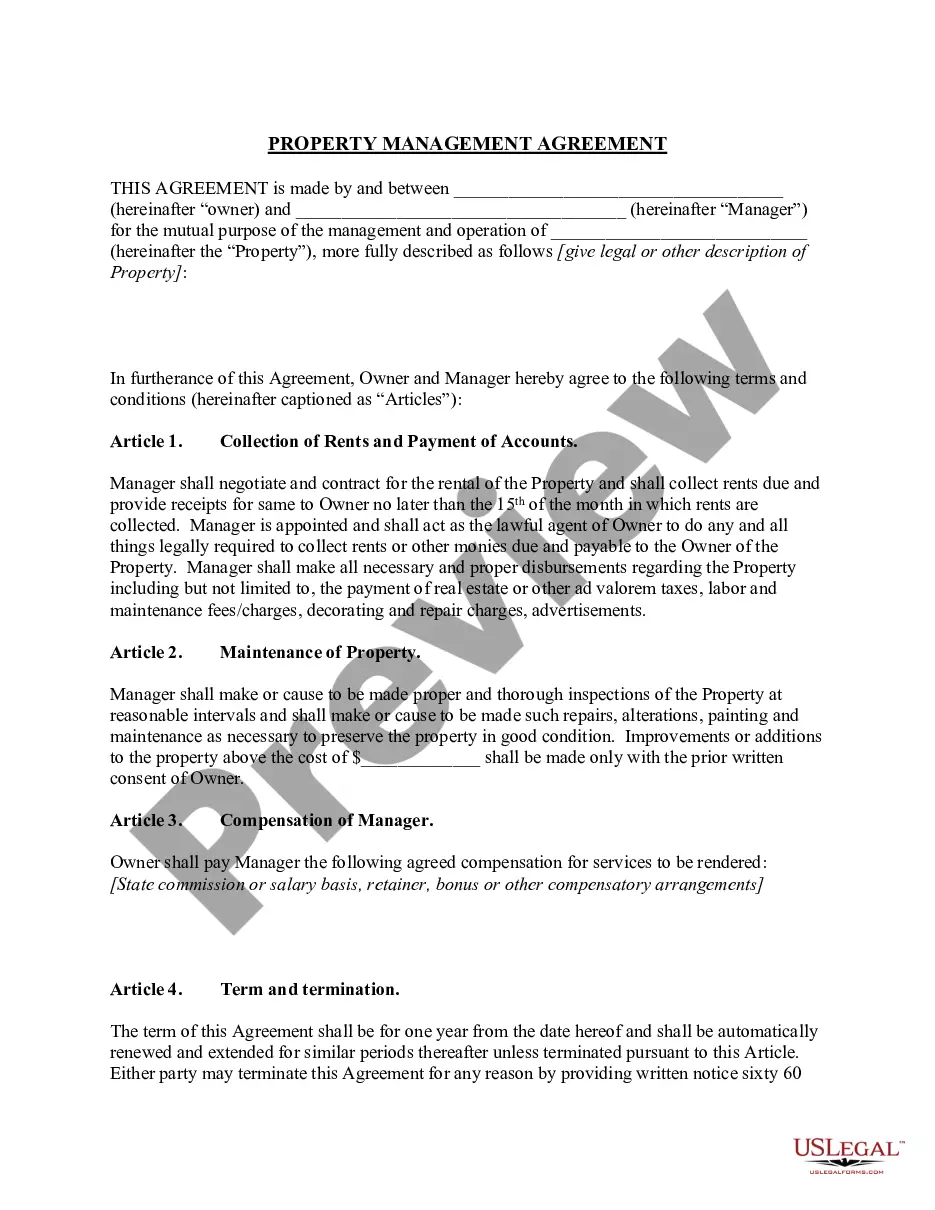
Looking for another form?
Form popularity
FAQ
Who Must Make These Seller Disclosures in California. As a broad rule, all sellers of residential real estate property containing one to four units in California must complete and provide written disclosures to the buyer.
The seller financing addendum outlines the terms at which the seller of the property agrees to loan the money to the buyer in order to purchase their property.Once complete, this addendum should be signed and attached to the purchase agreement made between the parties.
When is a seller exempt from providing a seller's disclosure?Another seller hadn't even lived in the property they were selling; it was an investment property and they didn't have enough first-hand knowledge of the property's history to provide a disclosure.
In seller financing, the seller takes on the role of the lender. Instead of giving cash to the buyer, the seller extends enough credit to the buyer for the purchase price of the home, minus any down payment. The buyer and seller sign a promissory note (which contains the terms of the loan).
What's a Seller Addendum? It's an addition to the normal sale and purchase agreement that severely limits Seller's liability during and after the sale process. For example, the Seller Addendum might limit damages to which Buyer is entitled in the event Seller fails to disclose some problem with the property.
Step 1 Get the Original Purchase Agreement. The buyer and seller should get a copy of the original purchase agreement. Step 2 Write the Addendum. Complete a blank addendum (Adobe PDF, Microsoft Word (. Step 3 Parties Agree and Sign. Step 4 Add to the Purchase Agreement.
Complete the addendum, including your name, the purchaser's name and a description of the property. Include the type of financing that you are providing, such as first mortgage, second mortgage or deed of trust. List the terms of the loan.
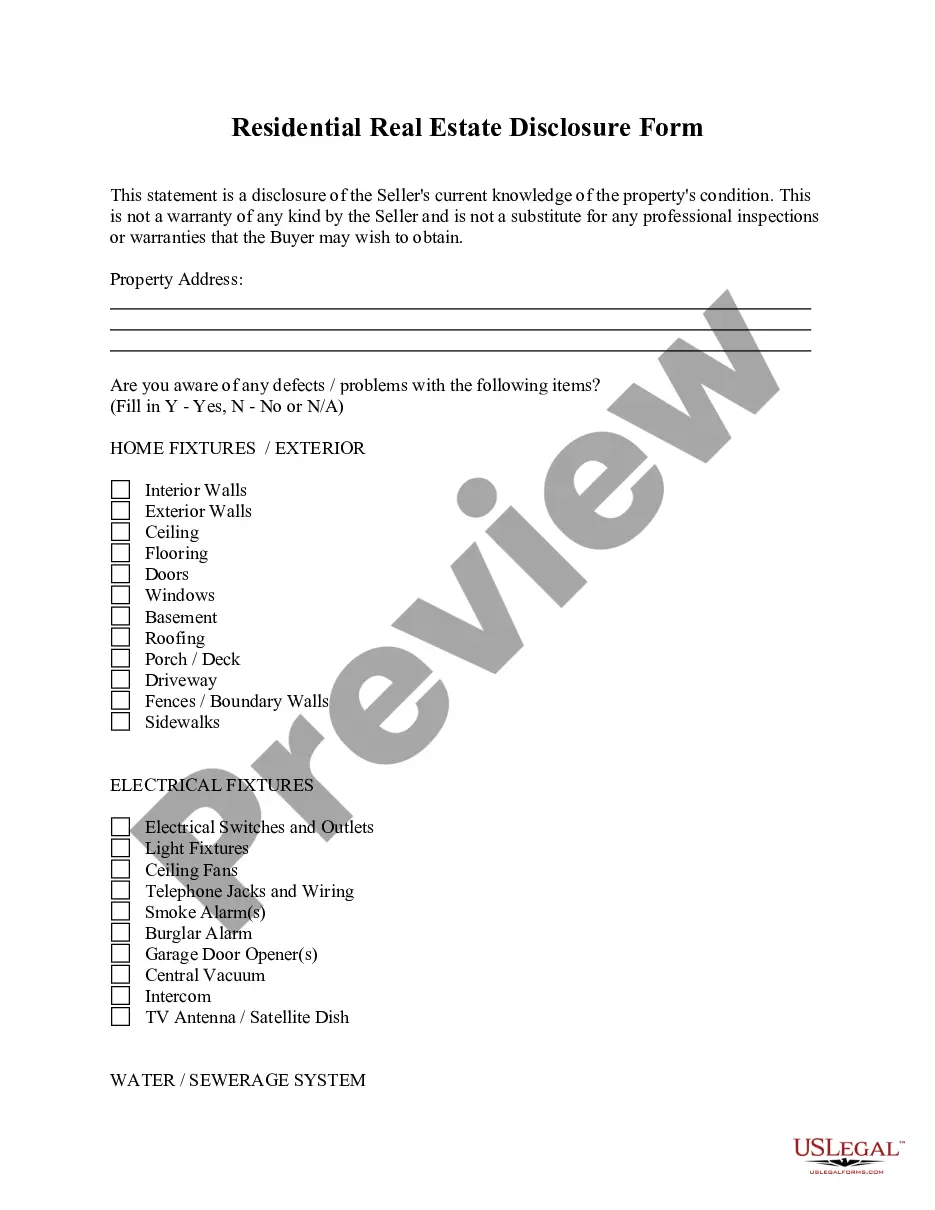
The typical seller disclosure form is several pages long, and it asks the seller to report known defects in the home. This will include the appliances, as well as information about electrical, heating, sewer, water or other mechanical systems.
If a seller fails to disclose, or actively conceals, problems that affect the value of the property; they are violating the law, and may be subject to a lawsuit for recovery of damages based on claims of fraud and deceit, misrepresentation and/or breach of contract.