Tennessee Landlord Tenant Closing Statement to Reconcile Security Deposit
Understanding this form
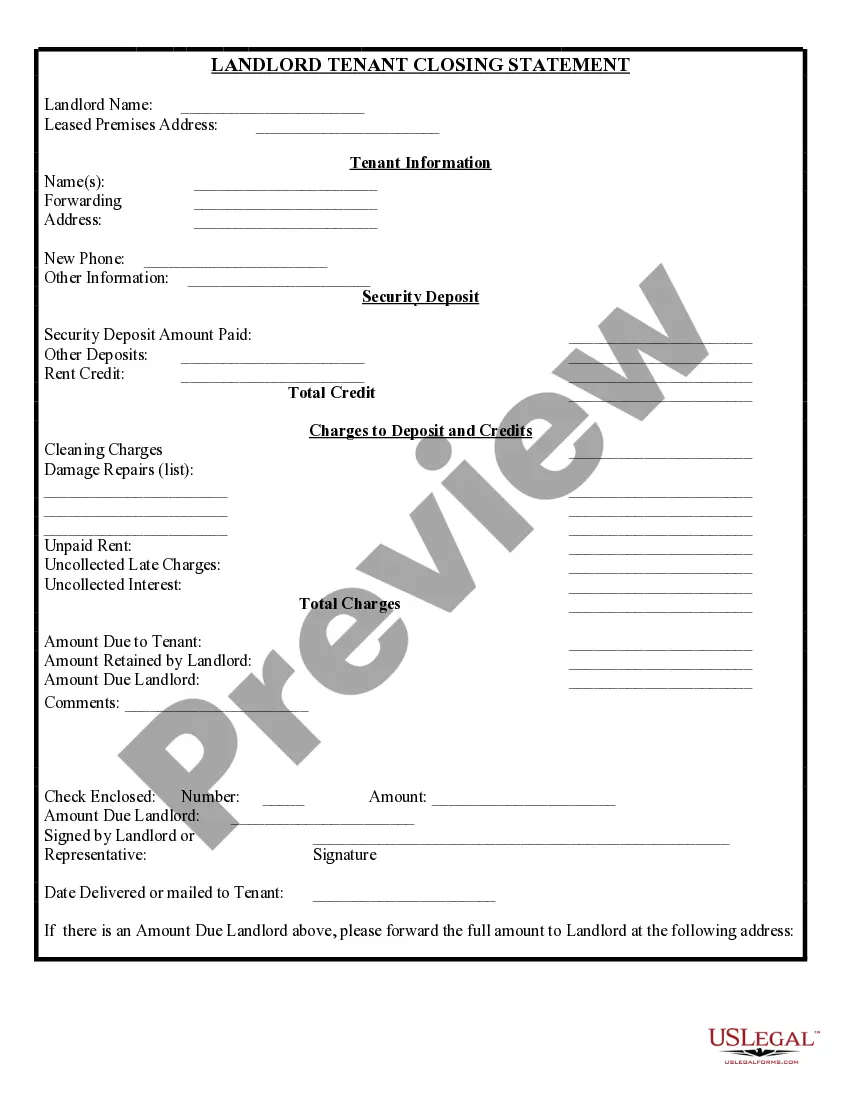
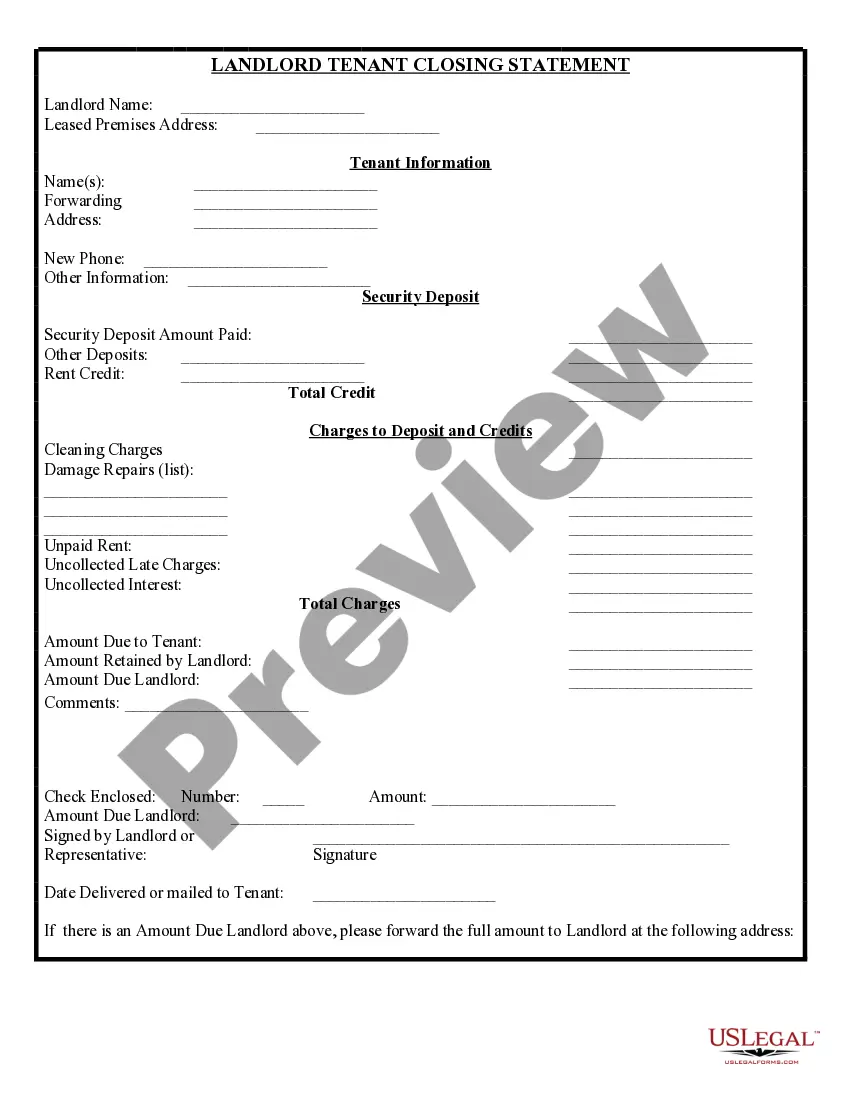
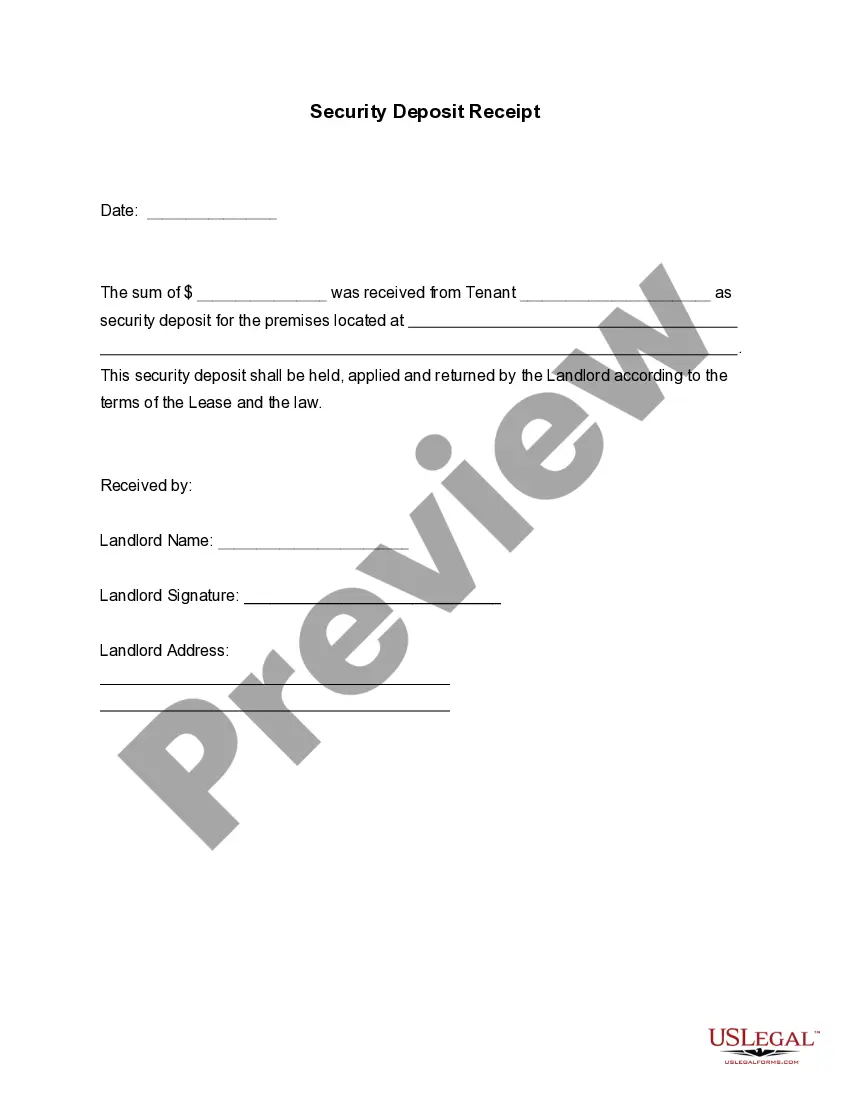
The Landlord Tenant Closing Statement to Reconcile Security Deposit is a crucial document for landlords and tenants. This form details the security deposits held by the landlord, any credits applicable, and deductions made for damages beyond normal wear and tear. It serves to clarify the financial arrangements between the landlord and tenant, ensuring transparency and accountability, particularly when a tenant vacates the rental property.
Form components explained
- Identification of the landlord and tenant involved.
- Detailed record of the security deposit amount.
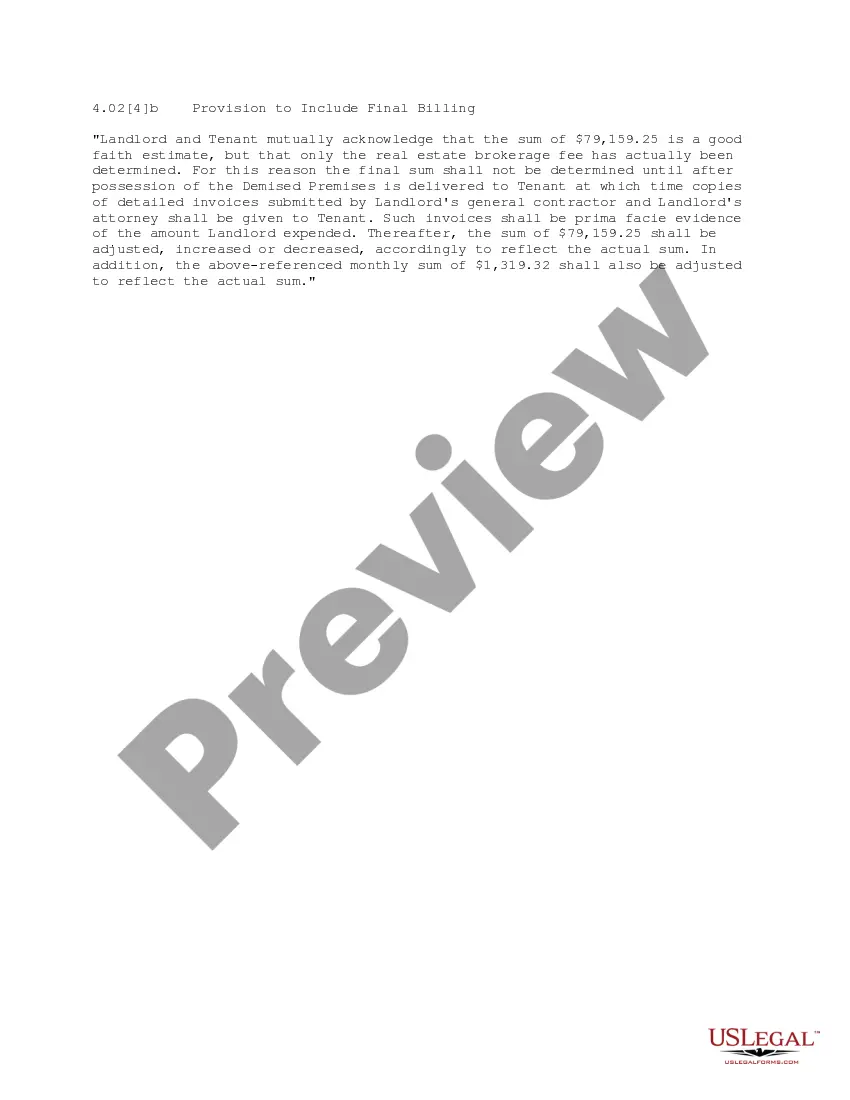
- List of any deductions taken from the security deposit.
- Summary of final credits and amounts due to the tenant.
- Signature lines for both parties to acknowledge the statement.
Common use cases
This form should be used when a tenant is moving out of a rental property and a security deposit reconciliation is necessary. It is particularly relevant when there are deductions for damages or other expenses that may not qualify as normal wear and tear. The closing statement helps prevent disputes by documenting the financial aspects of the security deposit return process.
Who can use this document
- Landlords who need to document the final settlement of a security deposit.
- Tenants who wish to understand the deductions being made on their security deposit.
- Property managers overseeing the rental properties and managing security deposits.
How to complete this form
- Identify and enter the names and contact information of both the landlord and tenant.
- Document the total amount of the security deposit collected.
- List all deductions being taken from the deposit, including specific reasons and amounts.
- Calculate and record the remaining balance owed to the tenant after deductions.
- Both parties should sign and date the statement to confirm their agreement with the reconciled amounts.
Is notarization required?
This form does not typically require notarization unless specified by local law. It is recommended to check your state regulations to ensure compliance.
Get your form ready online
Our built-in tools help you complete, sign, share, and store your documents in one place.
Make edits, fill in missing information, and update formatting in US Legal Forms—just like you would in MS Word.
Download a copy, print it, send it by email, or mail it via USPS—whatever works best for your next step.
Sign and collect signatures with our SignNow integration. Send to multiple recipients, set reminders, and more. Go Premium to unlock E-Sign.
If this form requires notarization, complete it online through a secure video call—no need to meet a notary in person or wait for an appointment.
We protect your documents and personal data by following strict security and privacy standards.

Make edits, fill in missing information, and update formatting in US Legal Forms—just like you would in MS Word.

Download a copy, print it, send it by email, or mail it via USPS—whatever works best for your next step.

Sign and collect signatures with our SignNow integration. Send to multiple recipients, set reminders, and more. Go Premium to unlock E-Sign.

If this form requires notarization, complete it online through a secure video call—no need to meet a notary in person or wait for an appointment.

We protect your documents and personal data by following strict security and privacy standards.
Common mistakes to avoid
- Failing to accurately document all deductions, leading to disputes.
- Not providing a clear explanation for deductions taken from the security deposit.
- Neglecting to obtain both parties' signatures, which can invalidate the document.
Benefits of using this form online
- Convenient access from anywhere, allowing tenants and landlords to complete the form at their convenience.
- Editability enables users to adjust the form as necessary to meet specific circumstances.
- Reliable templates drafted by licensed attorneys, ensuring that the document meets legal standards.
Legal use & context
Using the Landlord Tenant Closing Statement to Reconcile Security Deposit helps establish a clear record of transactions between landlords and tenants, aiding in the enforcement of rights related to security deposits. This form can protect against potential disputes by ensuring both parties agree on the financial details of the tenancy.
Quick recap
- The Landlord Tenant Closing Statement is crucial for managing security deposit reconciliation.
- It helps clarify funds owed to the tenant and document any deductions made.
- Understanding state-specific rules is essential for compliance.
Looking for another form?
Form popularity
FAQ
Tennessee state law does not limit how much a landlord can charge for a security deposit. However, it does limit when it must be returned (within 30 days after a tenant moves) and sets other restrictions on deposits. See Tennessee Security Deposit Limits and Deadlines for more on the subject.
Concisely review the main facts and lay out the reasons your landlord owes you money. Include copies of relevant letters and agreements, such as your notice to move out. Ask for exactly what you want, such as the full amount of your deposit within ten days. Cite state security deposit law.
Tenant's name and new address, or address he gave for return of the security deposit. Commencement date of the lease and date it ended. Amount of the security deposit when the tenant moved in. Amount of interest accrued.
A landlord should keep accurate accounting records related to a rental business, including the tenant security deposit. Again, many states have rules about how to handle the money. Some of them require the landlord to keep the tenant security deposit with a local bank in an interest-bearing account.
Notice Requirements for Tennessee Landlords A landlord can simply give you a written notice to move, allowing you 30 days as required by Tennessee law and specifying the date on which your tenancy will end.
Date. Date format is month/day/year. Payee. Write the name of the person or company to whom you are paying money with the check. Amount in numbers. Write the amount in numbers e.g. $375.00. Amount in words. This will be the same amount that you wrote in the numbers area. Memo. Signature.
You should usually get your deposit back within 10 days of agreeing on the amount with your landlord. It can take a lot longer if you and your landlord disagree on the amount that's being taken off.
You may rent without any formal agreement, or you may have a lease agreement. The most common type of renter in Tennessee is a renter who signs a lease agreement to pay rent each month throughout the year. Renters may be asked to provide a security deposit. Lease agreements are legally binding contracts.
Don't be afraid to negotiate. Know how much of a security deposit you'll need to pay. Read your lease before you sign it. Think twice before paying less than a month's rent as a security deposit. Understand any additional fees that you might be charged when you leave.