Tennessee Special Warranty Deed - Life Estate to Grantee with Remainder in Grantor
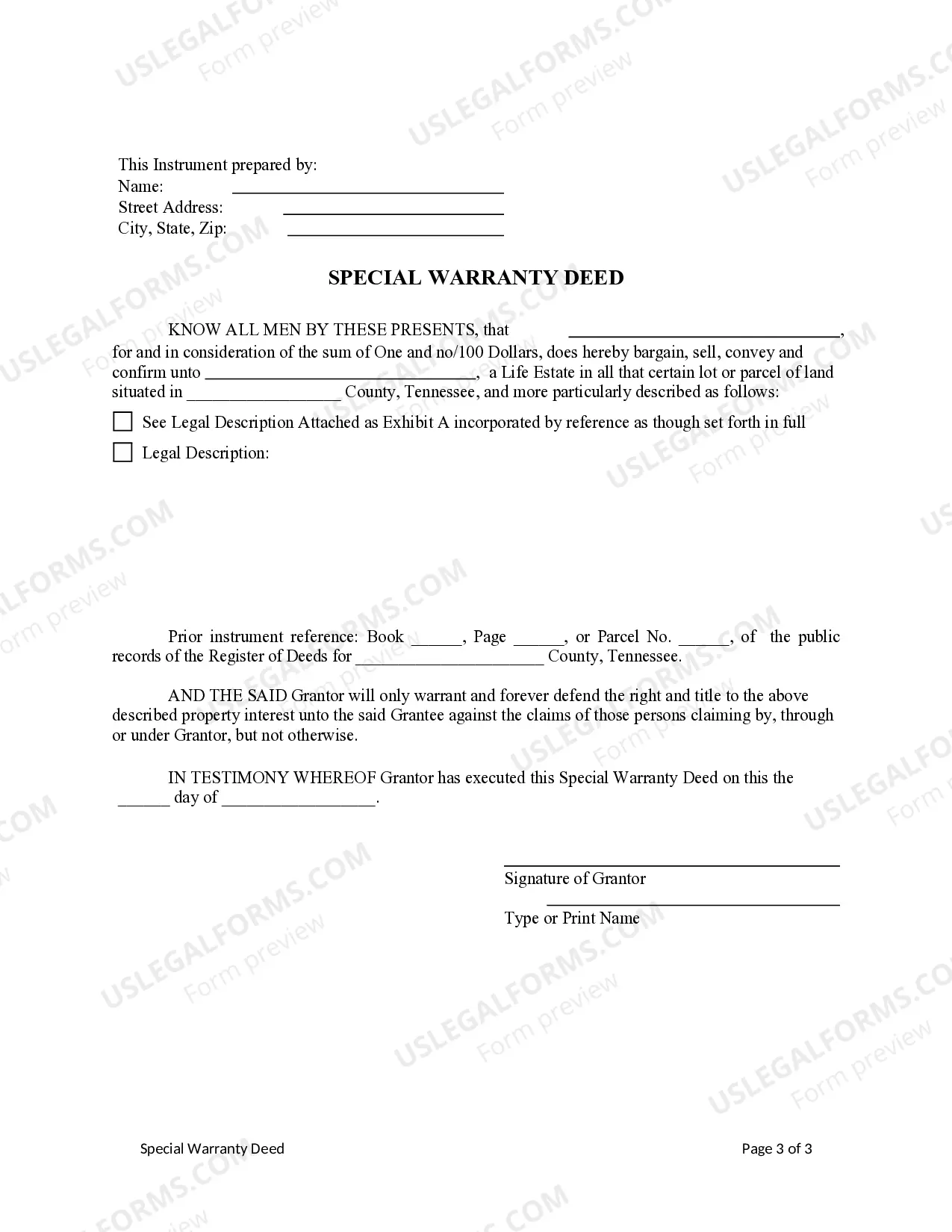
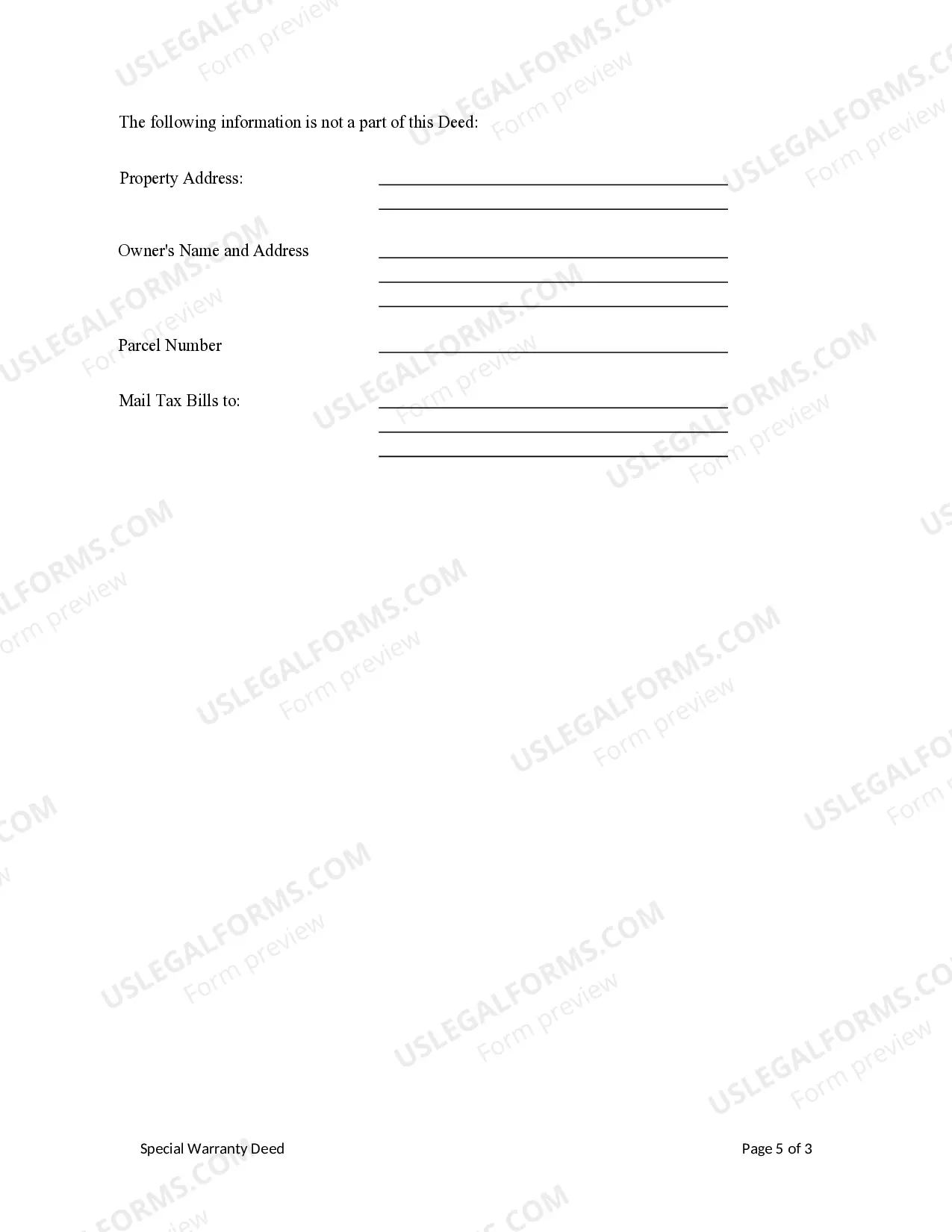
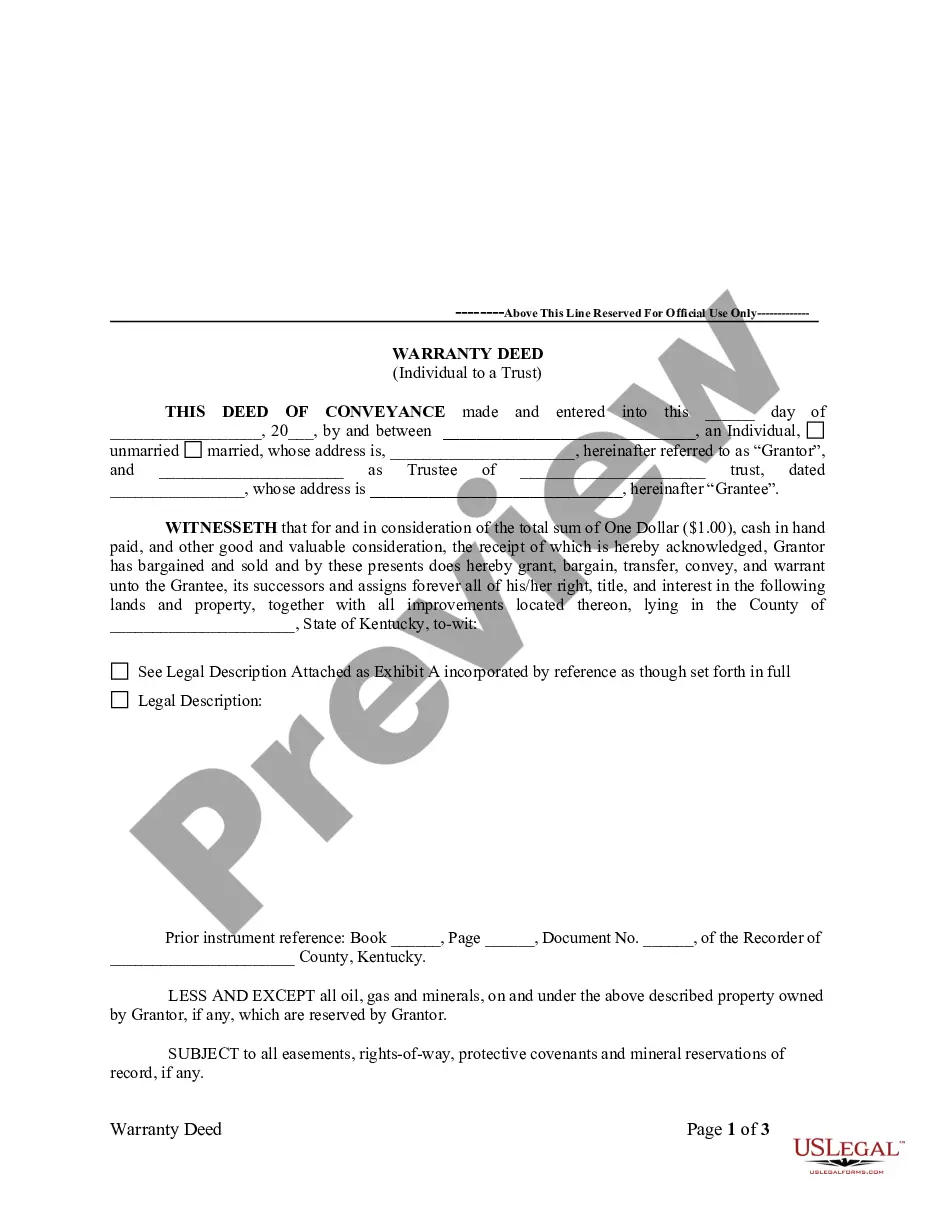
This form is a Special Warranty Deed that establishes a life estate for the grantee while retaining a remainder interest for the grantor. Unlike a traditional warranty deed, this form only warrants against claims arising from the grantorâs ownership and does not cover other claims. This is particularly useful for individuals wishing to transfer property with specified rights while protecting their interests.
- Grantor and Grantee Information: Identifies the parties involved in the transaction.
- Description of Property: Clearly defines the property being granted.
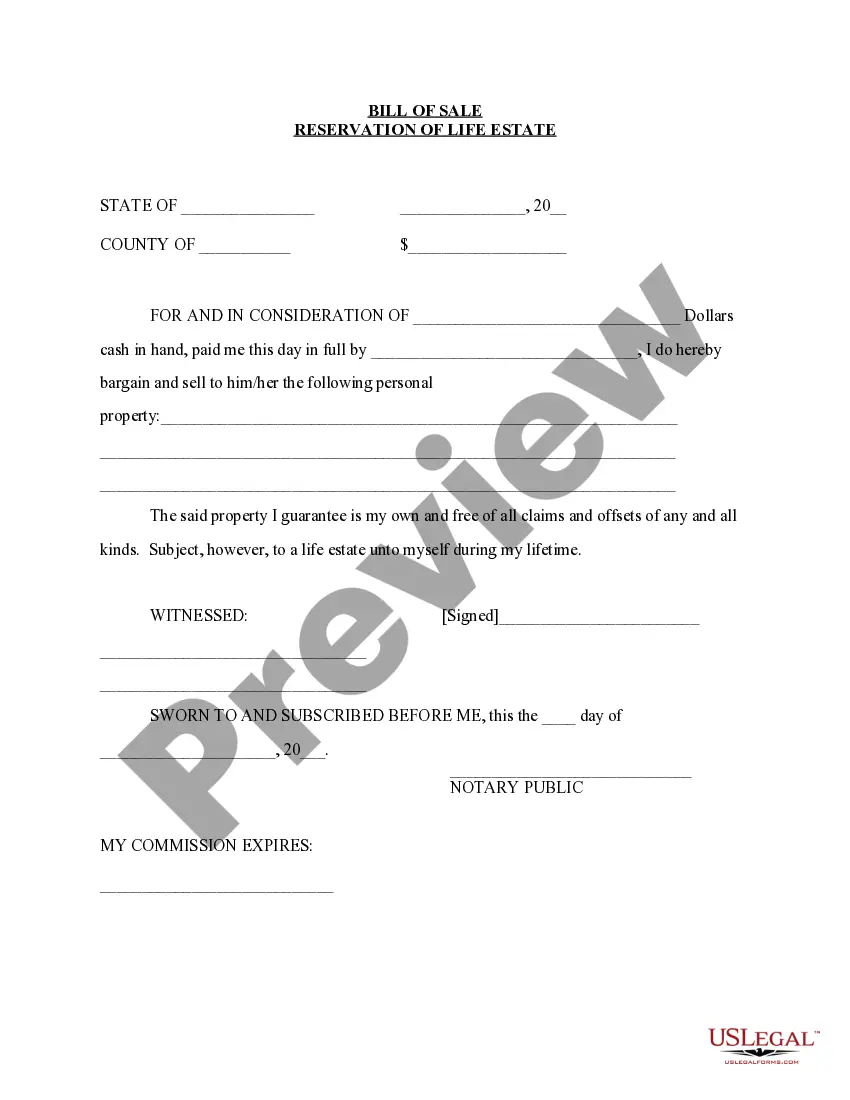
- Life Estate Clause: Specifies that the grantee holds a life estate, meaning they can use the property for the duration of their life.
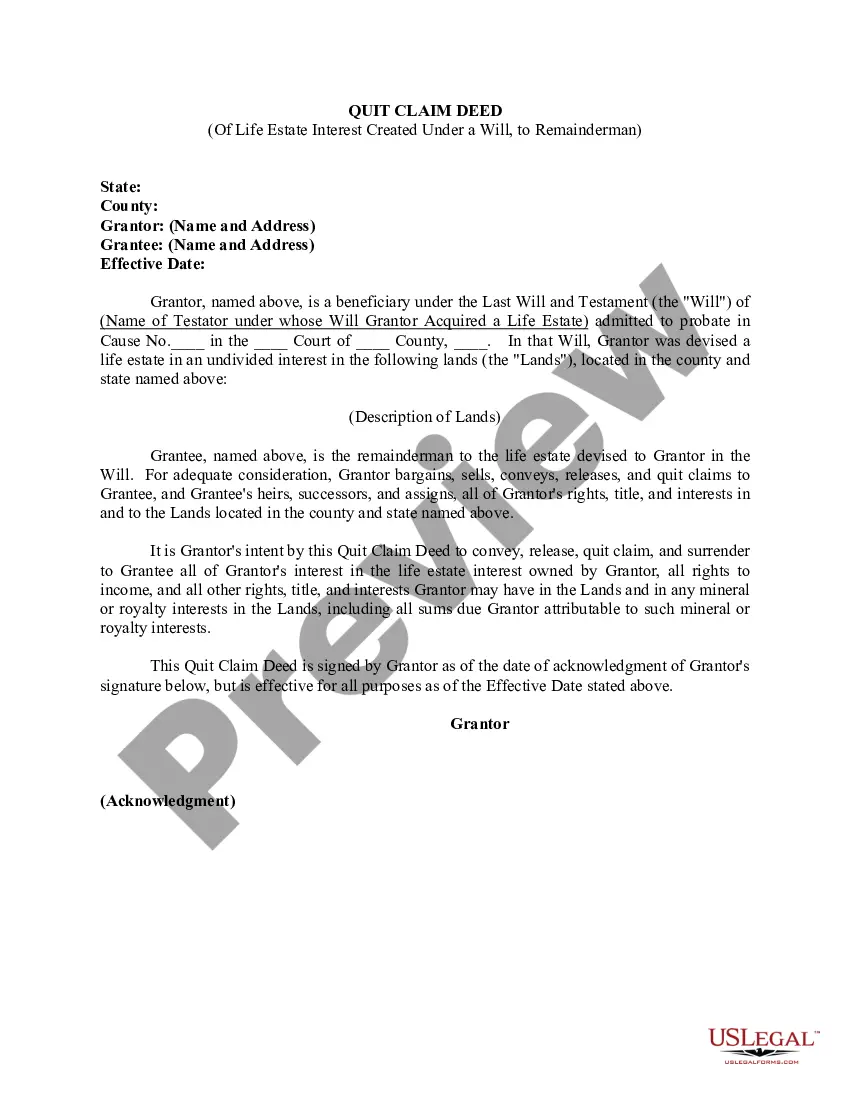
- Remainder Interest Clause: Indicates that the grantor retains a remainder interest in the property, which will revert back to them after the granteeâs life estate ends.
- Warranties: The grantor warrants the title against claims from those acting through them.
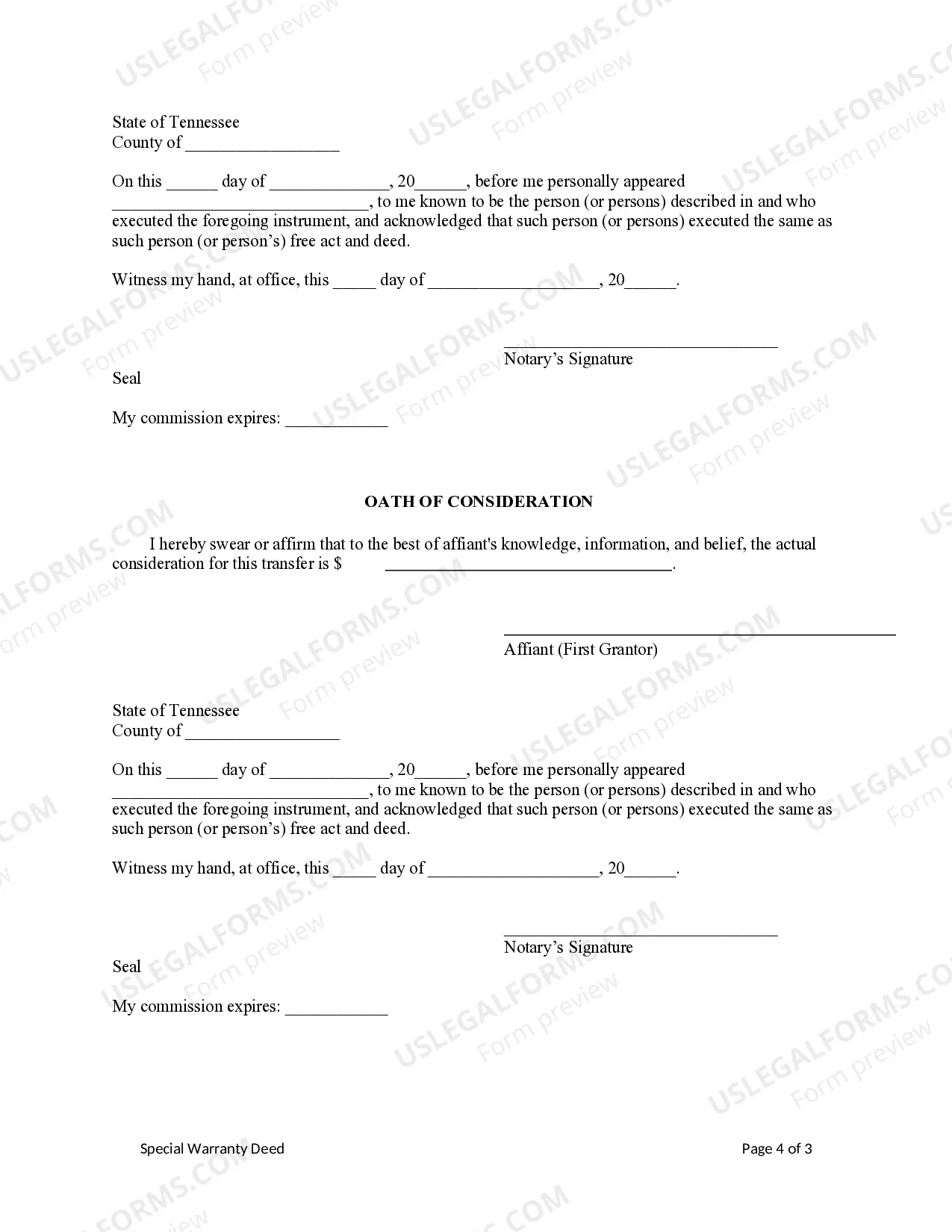
- Notary Section: A section for notarization, indicating legal validation of the deed.
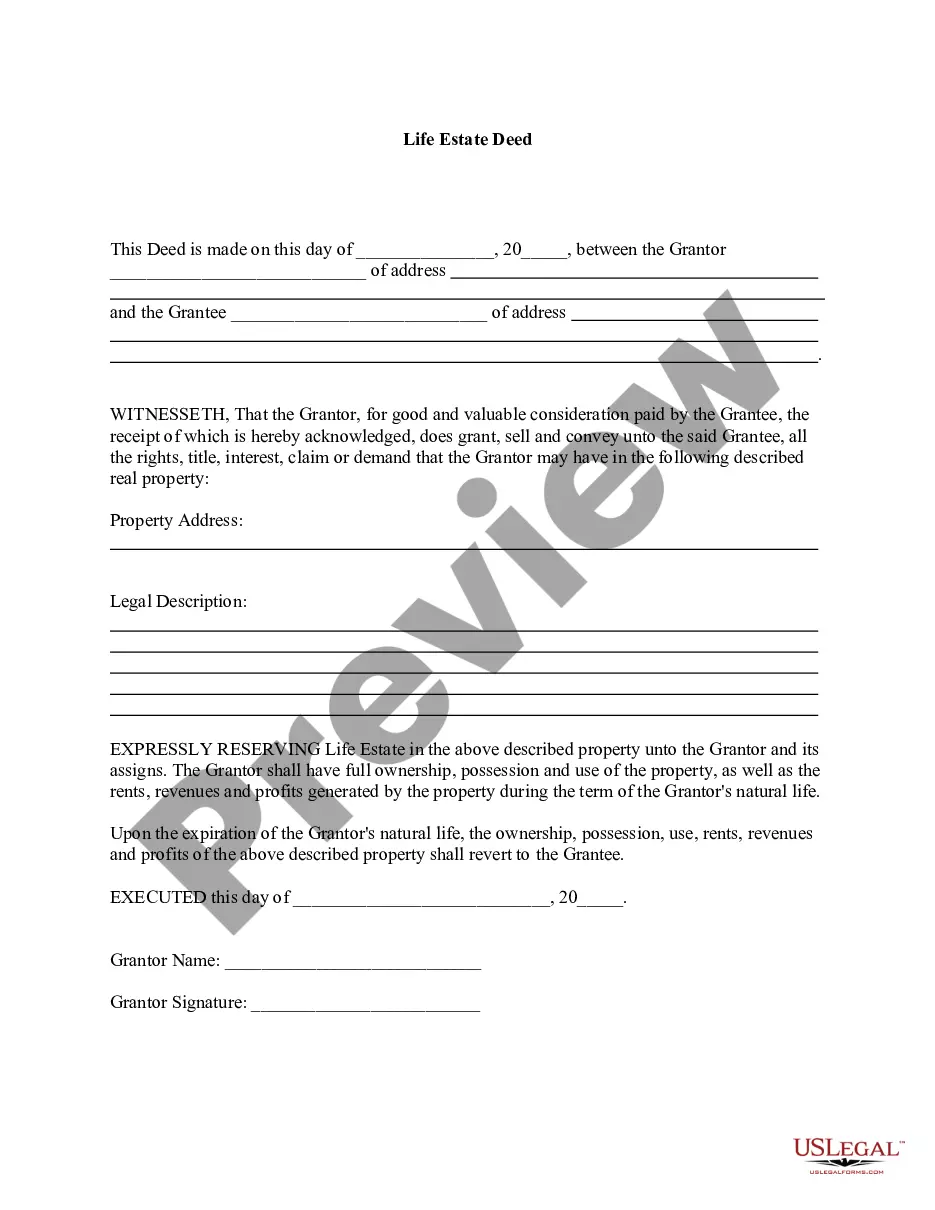
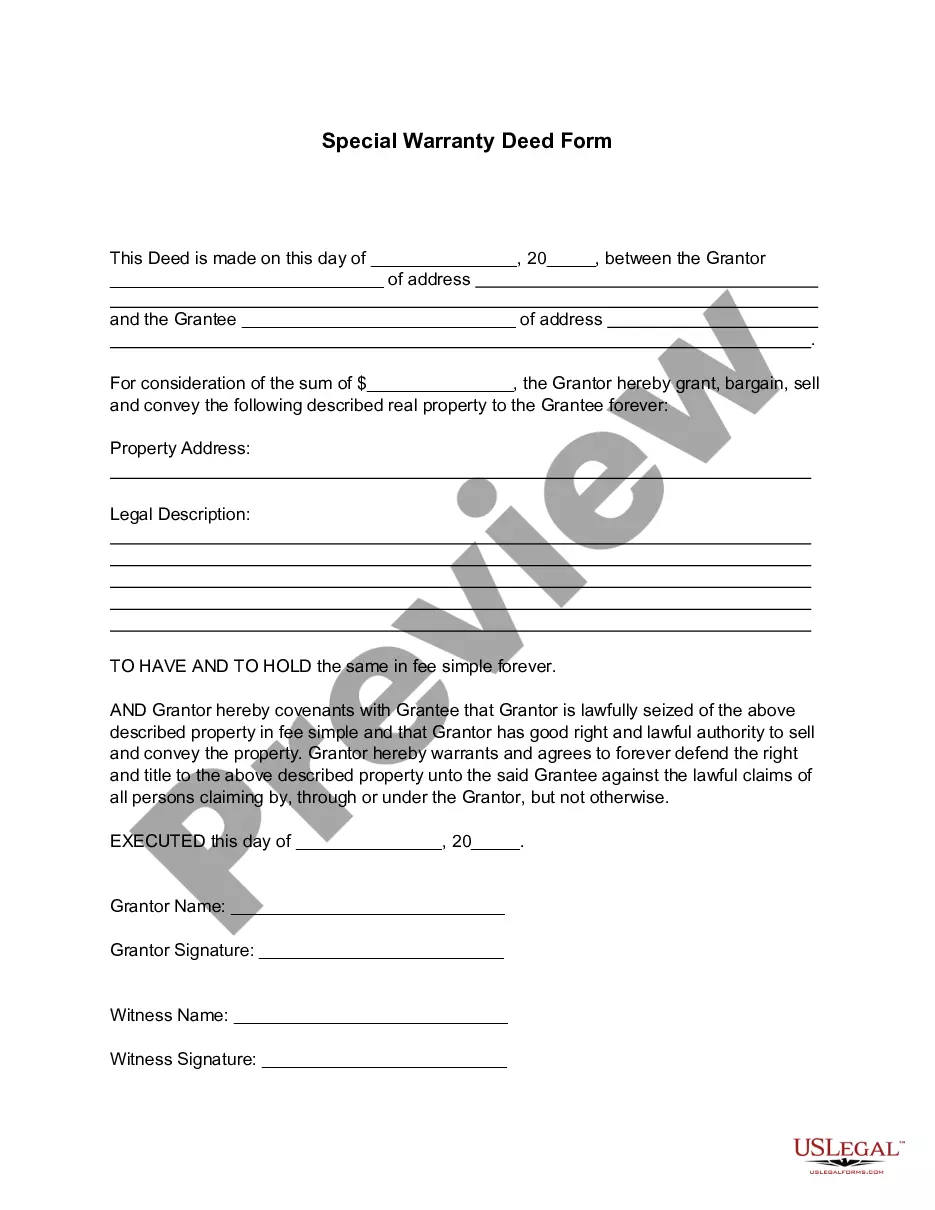
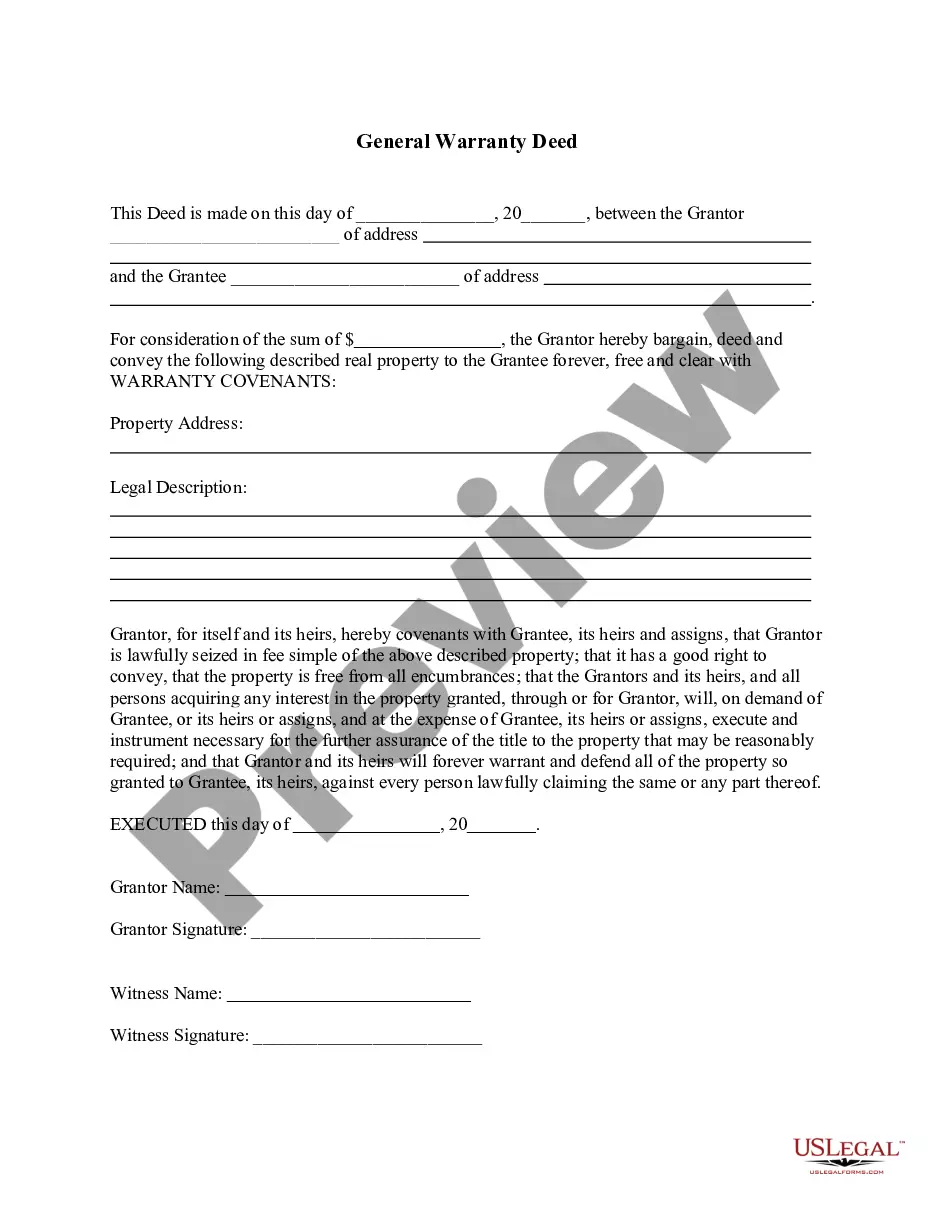
You should use this form when you want to transfer ownership of a property to another individual while retaining some control over it for your lifetime. This can be appropriate for estate planning purposes, allowing you to pass property to heirs while avoiding probate upon your passing.
This form is ideal for:
- Individuals who want to transfer a property while retaining a life interest.
- Property owners looking to secure their rights while planning their estate.
- People interested in minimizing probate complications for their heirs.
Follow these steps to correctly complete the Special Warranty Deed:
- Identify the parties by entering the names and addresses of the grantor (property owner) and grantee (recipient).
- Provide a clear legal description of the property being transferred.
- Specify the terms of the life estate and remainder interest in the corresponding sections.
- Fill in the date and sign the document in the presence of a notary public.
- Ensure all required information in each section is completed before finalizing the deed.
Is notarization required?
Notarization is required for this form to take effect. Our online notarization service, powered by Notarize, lets you verify and sign documents remotely through an encrypted video session, available 24/7.
Get your form ready online
Our built-in tools help you complete, sign, share, and store your documents in one place.
Make edits, fill in missing information, and update formatting in US Legal Forms—just like you would in MS Word.
Download a copy, print it, send it by email, or mail it via USPS—whatever works best for your next step.
Sign and collect signatures with our SignNow integration. Send to multiple recipients, set reminders, and more. Go Premium to unlock E-Sign.
If this form requires notarization, complete it online through a secure video call—no need to meet a notary in person or wait for an appointment.
We protect your documents and personal data by following strict security and privacy standards.
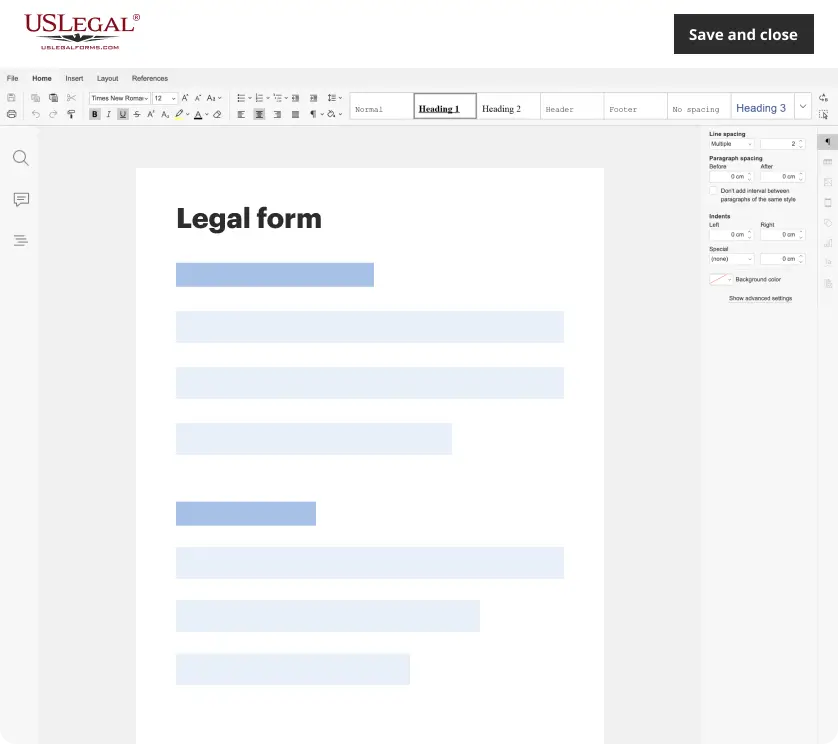
Make edits, fill in missing information, and update formatting in US Legal Forms—just like you would in MS Word.
Download a copy, print it, send it by email, or mail it via USPS—whatever works best for your next step.
Sign and collect signatures with our SignNow integration. Send to multiple recipients, set reminders, and more. Go Premium to unlock E-Sign.

If this form requires notarization, complete it online through a secure video call—no need to meet a notary in person or wait for an appointment.

We protect your documents and personal data by following strict security and privacy standards.
- Failing to provide accurate property descriptions, which can lead to legal disputes.
- Not having the document notarized, which is necessary for the form's legal validity.
- Omitting signatures or entering incorrect names, which can invalidate the deed.
- Not understanding the implications of a life estate and remainder interests.
- Convenience of completing the form online, allowing easy modification and accessibility.
- Editability enables you to gather the necessary information before finalizing the deed.
- Reliable templates drafted by licensed attorneys ensure legal compliance with state-specific regulations.
Main things to remember
- The Special Warranty Deed provides a life estate and includes a limited warranty from the grantor.
- It is ideal for family transactions and estate planning purposes.
- Accurate completion and notarization are crucial for legal validity.
Looking for another form?

Form popularity
FAQ
Typically, the lender will provide you with a copy of the deed of trust after the closing. The original warranty deeds are often mailed to the grantee after they are recorded. These are your original copies and should be kept in a safe place, such as a fireproof lockbox or a safe deposit box at a financial institution.
With a life estate deed, the remainderman's ownership interest vests when the deed is signed and delivered (or recorded in the public record). Accordingly, the children's ownership interest in the property vested upon their father signing the deed and recording it in the public records, or the year 2000.
The date the deed was made; The name of the party granting the life estate and their address; The name of the grantee and their address; The address and a legal description of the property that is subject to the life estate;
No, California does not require that the Grantee sign a warranty deed. However, some states and counties require that the deed be signed by the Grantee in addition to the Grantor.
Example of creation of a life estate: I grant to my mother, Molly McCree, the right to live in and/or receive rents from my real property, until her death, or I give my daughter, Sadie Hawkins, my real property, subject to a life estate to my mother, Molly McCree. This means a woman's mother, Molly, gets to live in
A remainder interest in property is the value or portion of the property inherited by an individual after the death of another heir. The remainder interest can be created by a will, a trust agreement, or a deed. In turn, a remainderman is a person who holds a remainder interest in property.
A person owns property in a life estate only throughout their lifetime. Beneficiaries cannot sell property in a life estate before the beneficiary's death. One benefit of a life estate is that property can pass when the life tenant dies without being part of the tenant's estate.
Special warranties allow the transfer of property title between seller and buyer. The purchase of title insurance can mitigate the risk of prior claims to the special warranty deed.
A life estate deed permits the property owner to have full use of their property until their death, at which point the ownership of the property is automatically transferred to the beneficiary.