Tennessee Notice of Assignment of Contract for Deed
Understanding this form
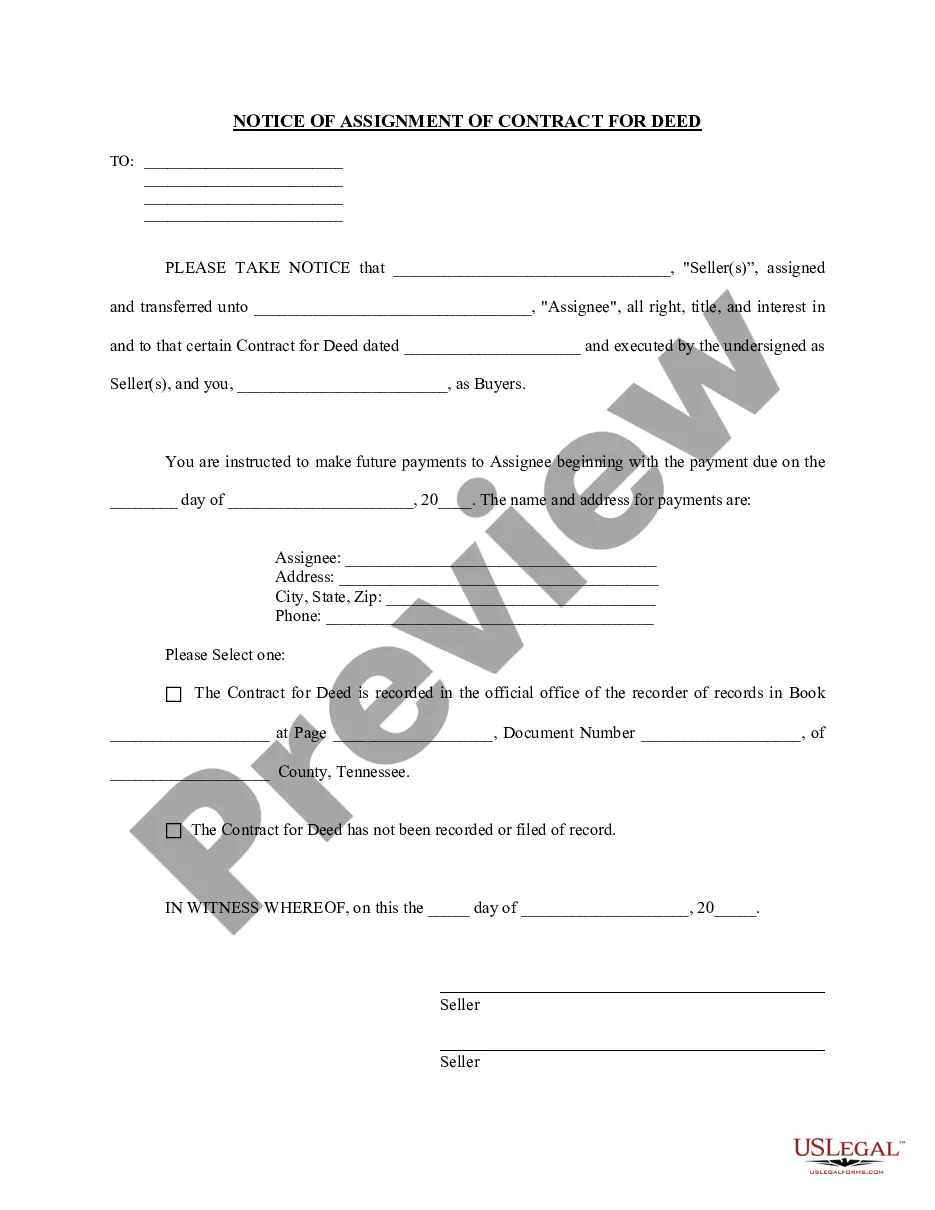
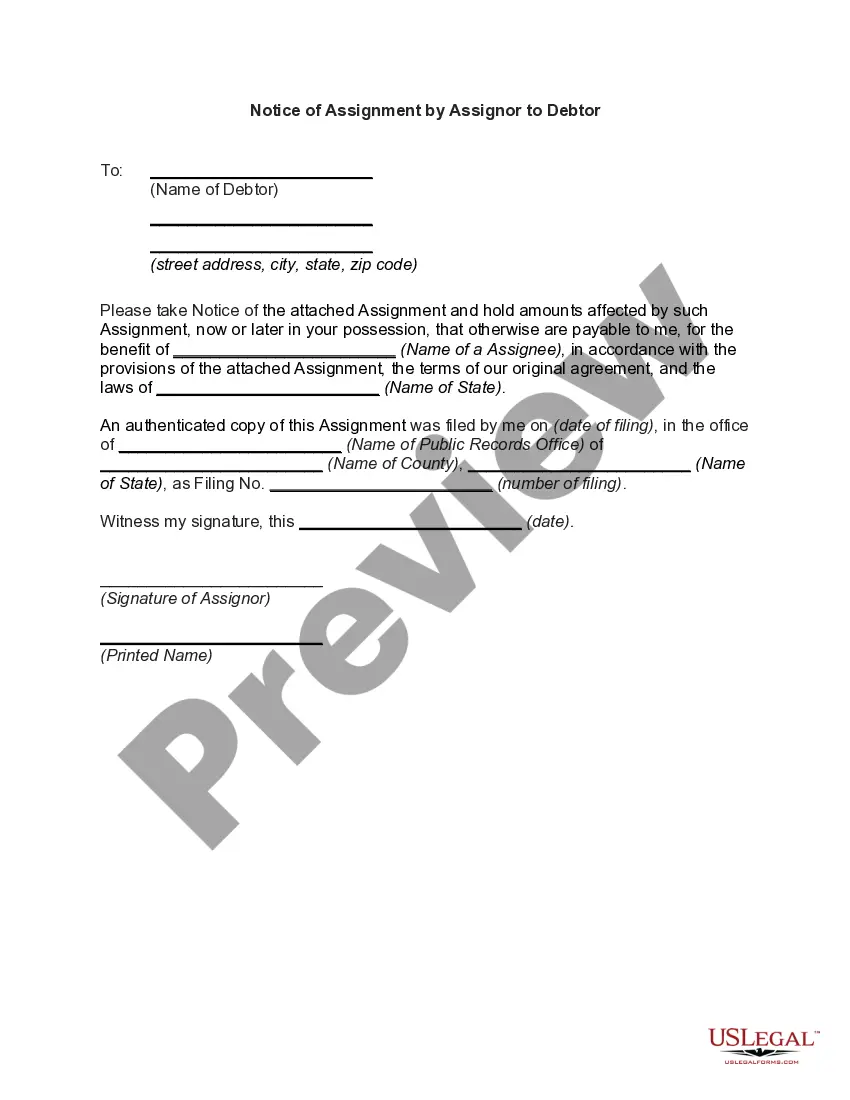
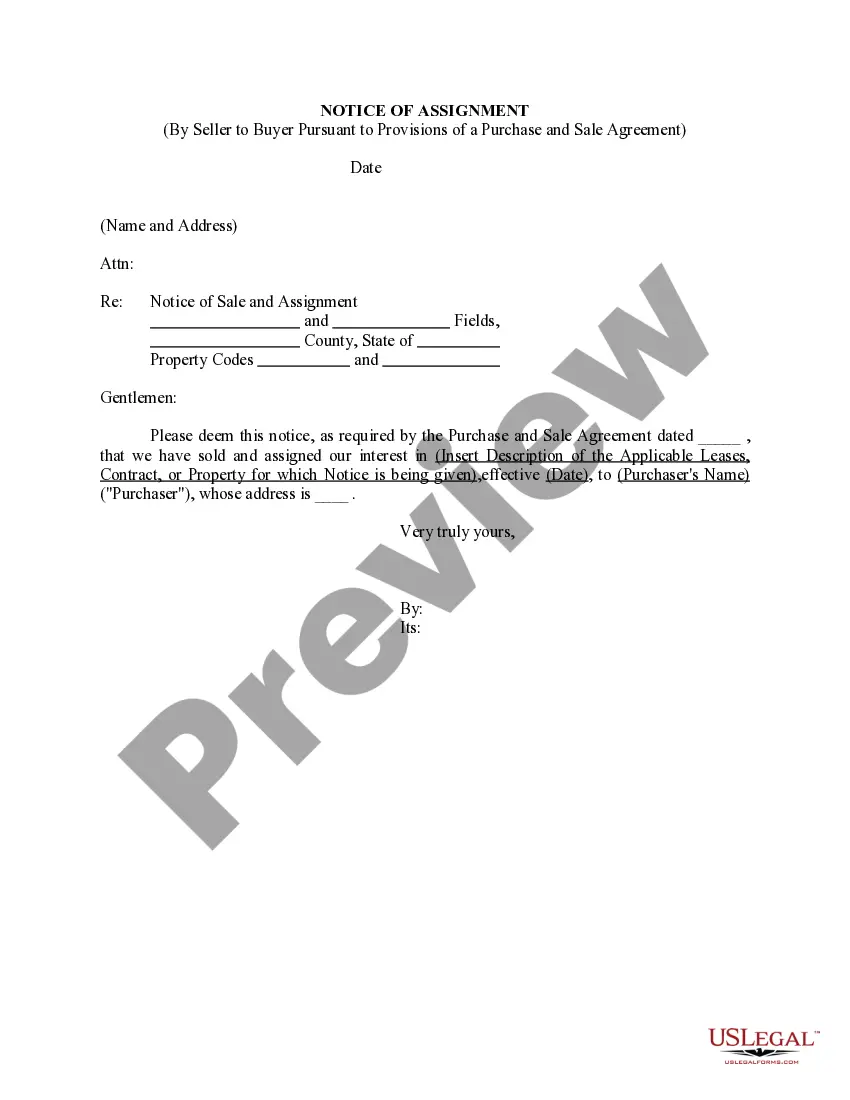
The Notice of Assignment of Contract for Deed is a legal document used by a seller to inform the buyer(s) that the seller has assigned their rights under a contract for deed to a third party. This form is important as it ensures that future payments are directed to the new assignee rather than the original seller. Unlike a standard contract for deed, this notice serves as an official acknowledgment of the assignment, making it clear to all parties involved regarding payment obligations.
Main sections of this form
- Identification of the seller and buyer(s).
- Details of the assigned contract for deed.
- Instructions for making future payments to the third party.
- Signature lines for the seller(s).
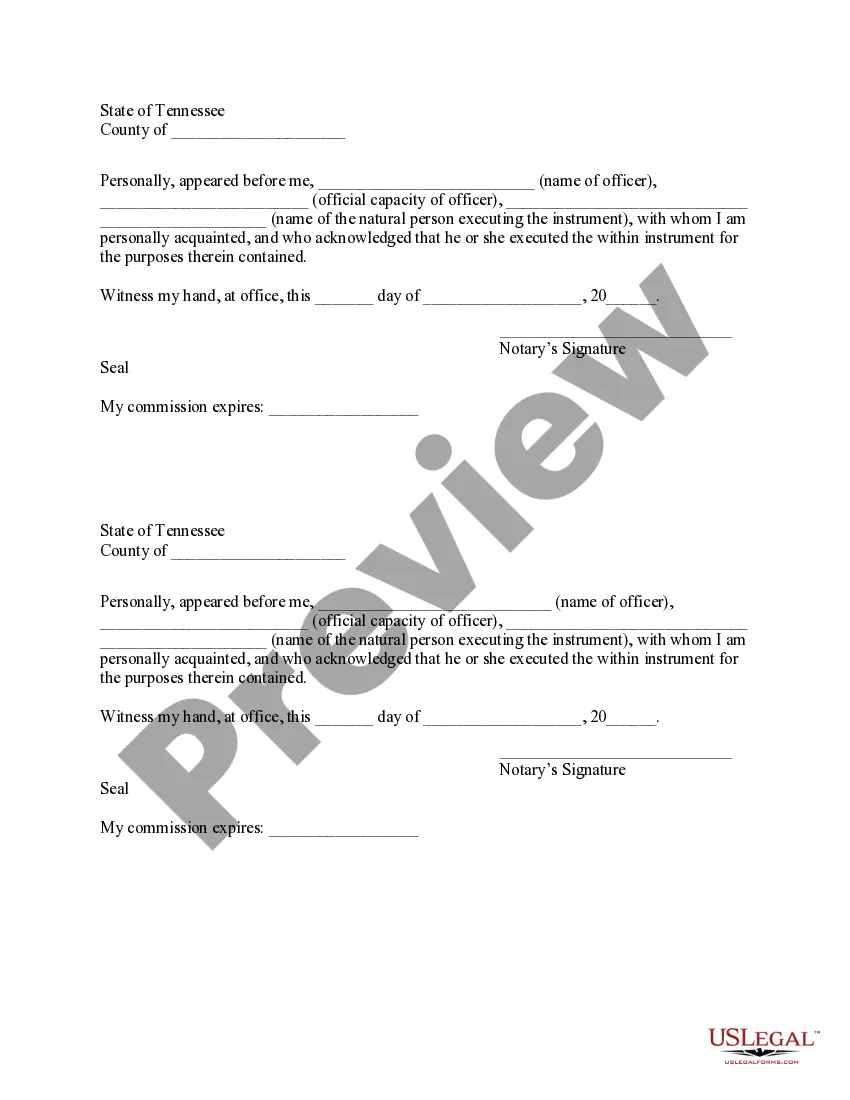
- Notary section to verify the seller's signature.
When to use this form
This form should be used when a seller has decided to transfer their interest in a contract for deed to a third party. It is necessary to execute this notice to maintain clarity about payment obligations after the assignment takes place. Common scenarios include situations where the seller is selling their contractual rights to a new investor or lender or when managing a property involving third-party financing.
Who this form is for
- Sellers who have contracted to sell property via a contract for deed.
- Buyers who need formal notice of a change in the party receiving future payments.
- Real estate professionals and attorneys assisting with property transactions.
Steps to complete this form
- Start by entering the date of the notice.
- Fill in the names of the seller(s) and buyer(s).
- Provide details regarding the contract for deed being assigned.
- Specify the third party and the payment instructions.
- Ensure all parties sign the document in the designated areas.
- Have the document notarized to ensure its legal validity.
Does this form need to be notarized?
Yes, this form must be notarized to be legally valid. The signature of the seller(s) needs to be verified by a notary public to confirm their identity and willingness to execute the assignment. US Legal Forms offers integrated online notarization services 24/7, ensuring a secure video call and legal equivalence without the need to travel.
Get your form ready online
Our built-in tools help you complete, sign, share, and store your documents in one place.
Make edits, fill in missing information, and update formatting in US Legal Forms—just like you would in MS Word.
Download a copy, print it, send it by email, or mail it via USPS—whatever works best for your next step.
Sign and collect signatures with our SignNow integration. Send to multiple recipients, set reminders, and more. Go Premium to unlock E-Sign.
If this form requires notarization, complete it online through a secure video call—no need to meet a notary in person or wait for an appointment.
We protect your documents and personal data by following strict security and privacy standards.

Make edits, fill in missing information, and update formatting in US Legal Forms—just like you would in MS Word.

Download a copy, print it, send it by email, or mail it via USPS—whatever works best for your next step.

Sign and collect signatures with our SignNow integration. Send to multiple recipients, set reminders, and more. Go Premium to unlock E-Sign.

If this form requires notarization, complete it online through a secure video call—no need to meet a notary in person or wait for an appointment.

We protect your documents and personal data by following strict security and privacy standards.
Typical mistakes to avoid
- Failing to include all parties involved in the transaction.
- Not providing clear instructions for payment to the new assignee.
- Neglecting to have the form notarized or correctly signed.
- Overlooking specific state requirements that could impact enforceability.
Why use this form online
- Convenience of immediate access to the form from any device.
- Editable templates allow customization according to specific needs.
- Reliable legal resources created by licensed attorneys.
Summary of main points
- The Notice of Assignment of Contract for Deed is crucial for formally notifying Buyers of any changes in their contract for deed.
- Proper completion and notarization are essential for the document's legality.
- This form helps maintain clarity in the obligations and rights of involved parties during property transactions.
Looking for another form?


Form popularity
FAQ
In order to convey any real property or an interest in property in Tennessee, the deed must be in writing, acknowledged by the grantor, and registered in the county where the property is located. The Annotated Code of Tennessee allows for the transfer of real property through the usage of a variety of deeds.
Tennessee does not allow real estate to be transferred with transfer-on-death deeds.
Two of the most common ways to transfer property in a divorce are through an interspousal transfer deed or quitclaim deed. When spouses own property together, but then one spouse executes an interspousal transfer or a quitclaim deed, this is known as transmutation.
Retrieve your original deed. Get the appropriate deed form. Draft the deed. Sign the deed before a notary. Record the deed with the county recorder. Obtain the new original deed.
Tennessee deed forms convey interest in property from one party (the Grantor) to another (the Grantee). The documents can be prepared by anyone as long as the required information is written in the deed as outlined in § 66-5-103.
Adding someone to your house deed requires the filing of a legal form known as a quitclaim deed. When executed and notarized, the quitclaim deed legally overrides the current deed to your home. By filing the quitclaim deed, you can add someone to the title of your home, in effect transferring a share of ownership.
It is possible to transfer the ownership of a property to a family member as a gift, meaning no money exchanges hands. This differs to a Transfer of Equity, where the owner remains on the title and simply adds someone else to it.
The mortgage company usually prepares this deed as part of the loan package and delivers it to the title company for you to sign at closing. The title company is commonly the trustee to the deed and holds legal title to the property until the loan gets fully repaid.