South Dakota Notice of Nonliability - Individual
Understanding this form
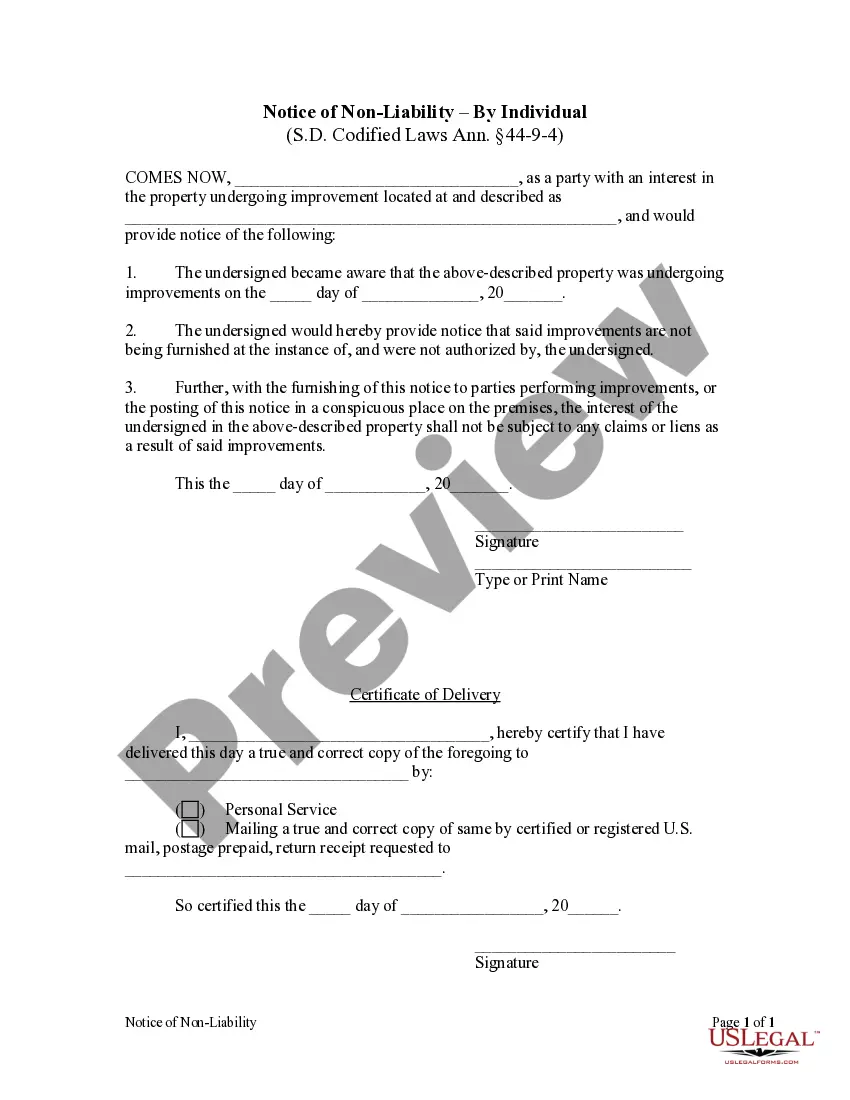
The Notice of Nonliability - Individual is a legal document that notifies contractors and subcontractors that the undersigned has not authorized improvements to a particular property. This form helps protect the property owner's interests from potential liens that may arise as a result of those improvements. It is particularly important for individuals who wish to clarify that they are not responsible for any financial obligations related to such enhancements, distinguishing it from other property forms that do not address nonliability concerns.
Main sections of this form
- Property owner's name and interest in the property.
- Date when the owner became aware of the improvements.
- Statement clarifying that the improvements were not authorized by the owner.
- Certification of delivery to relevant parties.
- Signature and printed name of the property owner.
When this form is needed
This form should be used when a property owner learns that improvements are being made to their property without their consent. If a contractor or subcontractor commences work on a property where you have not provided authorization, serving this notice within five days can prevent any claims or liens from affecting your legal rights and interests in the property.
Who should use this form
- Property owners who have not authorized improvements on their property.
- Individuals who wish to protect themselves from potential liens associated with unauthorized enhancements.
- Anyone who is involved in disputes regarding property improvements that they did not initiate.
How to prepare this document
- Identify yourself as a party interested in the property.
- Provide the specific address and legal description of the property.
- State the date you became aware of the improvements.
- Clearly declare that the improvements were not authorized by you.
- Sign and date the form, and ensure the signature is legible.
- Deliver a copy of the completed form to the parties performing the work.
Does this document require notarization?
This form does not typically require notarization to be legally valid. However, some jurisdictions or document types may still require it. US Legal Forms provides secure online notarization powered by Notarize, available 24/7 for added convenience.
Get your form ready online
Our built-in tools help you complete, sign, share, and store your documents in one place.
Make edits, fill in missing information, and update formatting in US Legal Forms—just like you would in MS Word.
Download a copy, print it, send it by email, or mail it via USPS—whatever works best for your next step.
Sign and collect signatures with our SignNow integration. Send to multiple recipients, set reminders, and more. Go Premium to unlock E-Sign.
If this form requires notarization, complete it online through a secure video call—no need to meet a notary in person or wait for an appointment.
We protect your documents and personal data by following strict security and privacy standards.

Make edits, fill in missing information, and update formatting in US Legal Forms—just like you would in MS Word.

Download a copy, print it, send it by email, or mail it via USPS—whatever works best for your next step.

Sign and collect signatures with our SignNow integration. Send to multiple recipients, set reminders, and more. Go Premium to unlock E-Sign.

If this form requires notarization, complete it online through a secure video call—no need to meet a notary in person or wait for an appointment.

We protect your documents and personal data by following strict security and privacy standards.
Avoid these common issues
- Failing to serve the notice within the required five days.
- Not including all required details about the property.
- Neglecting to ensure the notice is posted prominently on the premises.
- Omitting your signature or not providing a witness if required.
Why use this form online
- Convenient access to legal templates that can be downloaded instantly.
- Editable forms that you can easily customize to fit your specific situation.
- Reliability, as all forms are drafted by licensed attorneys, ensuring they meet legal standards.
Legal use & context
- Enforceable in South Dakota under the stated law to protect individuals from unauthorized financial liability.
- Helps establish clear communication and intentions between property owners and contractors.
- May be used defensively in case of lien claims related to property improvements.
Quick recap
- The Notice of Nonliability helps protect property owners from unauthorized claims.
- It is crucial to serve this notice promptly upon learning of any unauthorized improvements.
- This form is tailored for use in South Dakota and must follow local legal standards.
Looking for another form?
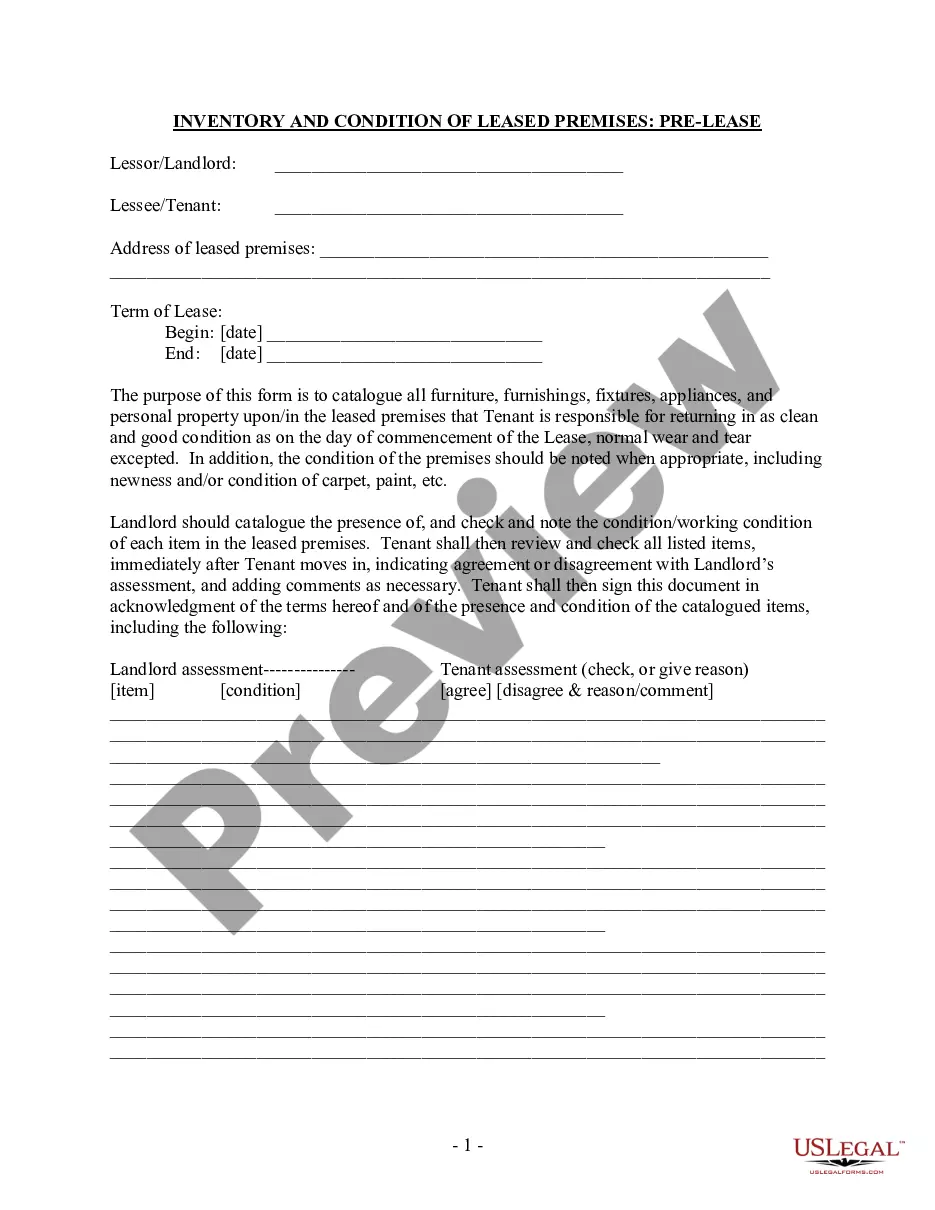
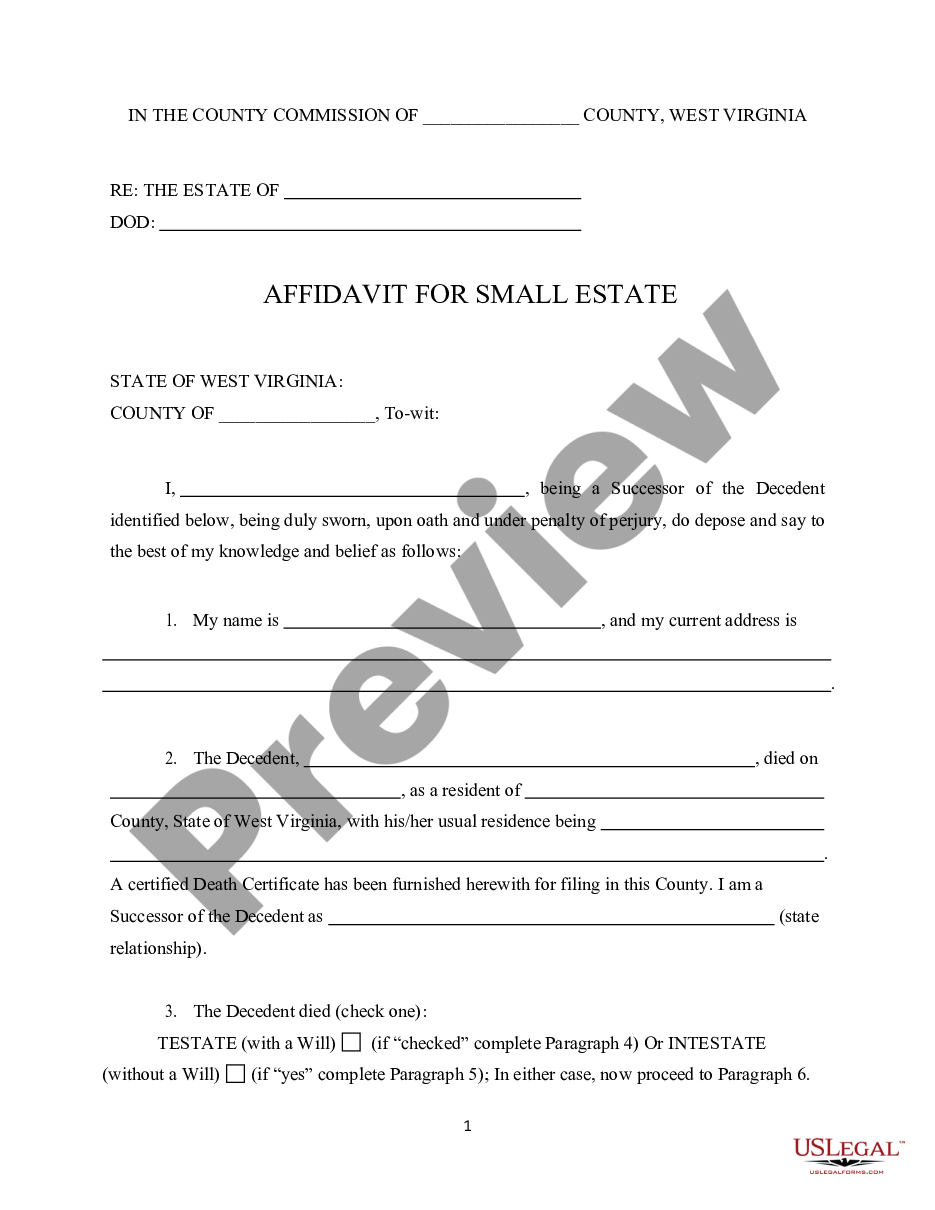
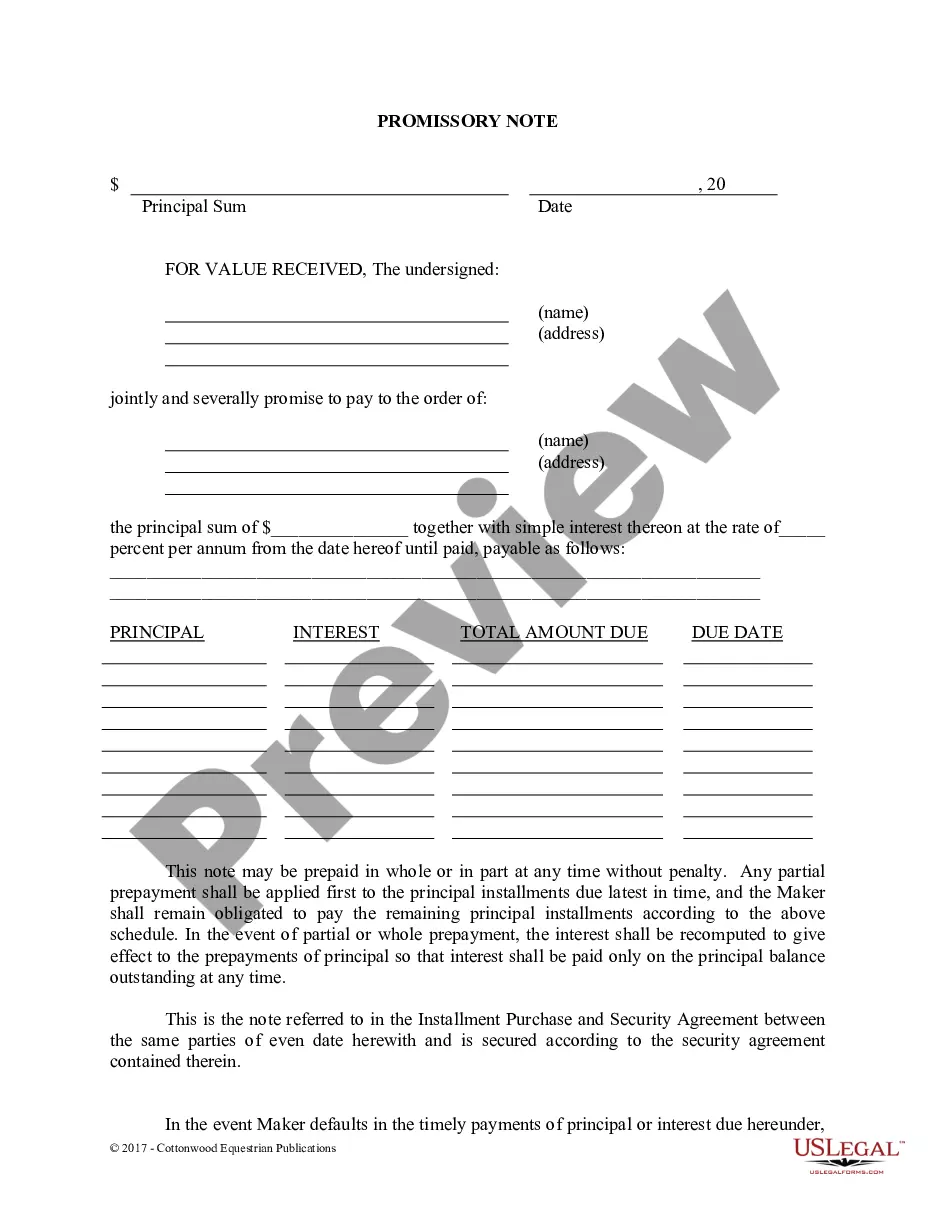
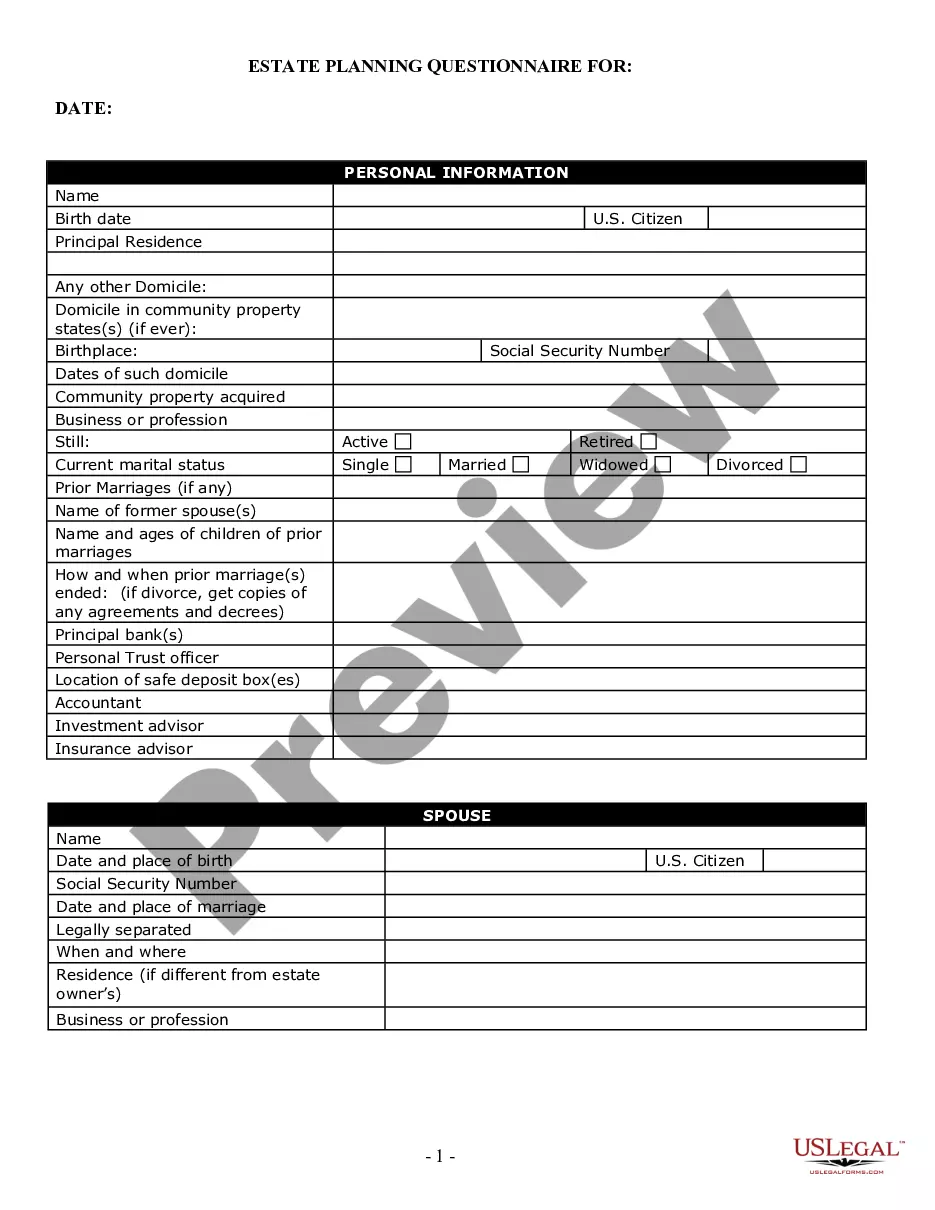
Form popularity
FAQ
How Long Can a Debt Collector Pursue an Old Debt? Each state has a law referred to as a statute of limitations that spells out the time period during which a creditor or collector may sue borrowers to collect debts. In most states, they run between four and six years after the last payment was made on the debt.
Renew the judgment Money judgments automatically expire (run out) after 10 years.If the judgment is not renewed, it will not be enforceable any longer and you will not have to pay any remaining amount of the debt. Once a judgment has been renewed, it cannot be renewed again until 5 years later.
Be sure to include the following pieces of information in your lien: The name, company name and address (including county) of the property owner against whom your lien is filed; the same information about the delinquent client, if different; the beginning and ending dates of the unpaid service; the due date for payment
The Indian Contract Act, 1872 classifies the Right of Lien into two types: Particular Lien and General Lien. Section 170 of the aforesaid Act gives the exact definition of Particular Lien which states that the Bailee is free to hold control of a precise property with position to the charge which is due.
Most states require all mechanics lien claims be filed with the county recorder or clerk of court. In South Dakota, however, there are at least 2 offices where mechanics lien claims can be filed, and the lien claimant must make certain they file their lien claim in the right office.
In South Dakota, the statute of limitations is six years. If a debt collector attempts to collect a debt that is older than what is permitted under state law, you may be able to sue them.
Finding out if a judgment has been renewed has been made easy by access to online court records in every state. Check the court records to find out if a judgment has been renewed. If your creditor has renewed the judgment he will do so at the court where the judgment was first issued.
How long does a judgment lien last in South Dakota? A judgment lien in South Dakota will remain attached to the debtor's property (even if the property changes hands) for ten years.
Michigan is one of only nine states that are non-title holding states, in which titles are mailed to the owner rather than the lien holder. These states include: Arizona, Kentucky, Maryland, Michigan, Minnesota, New York, Oklahoma, South Dakota and Wisconsin.