Pennsylvania Bill of Sale with Warranty by Individual Seller
Understanding this form
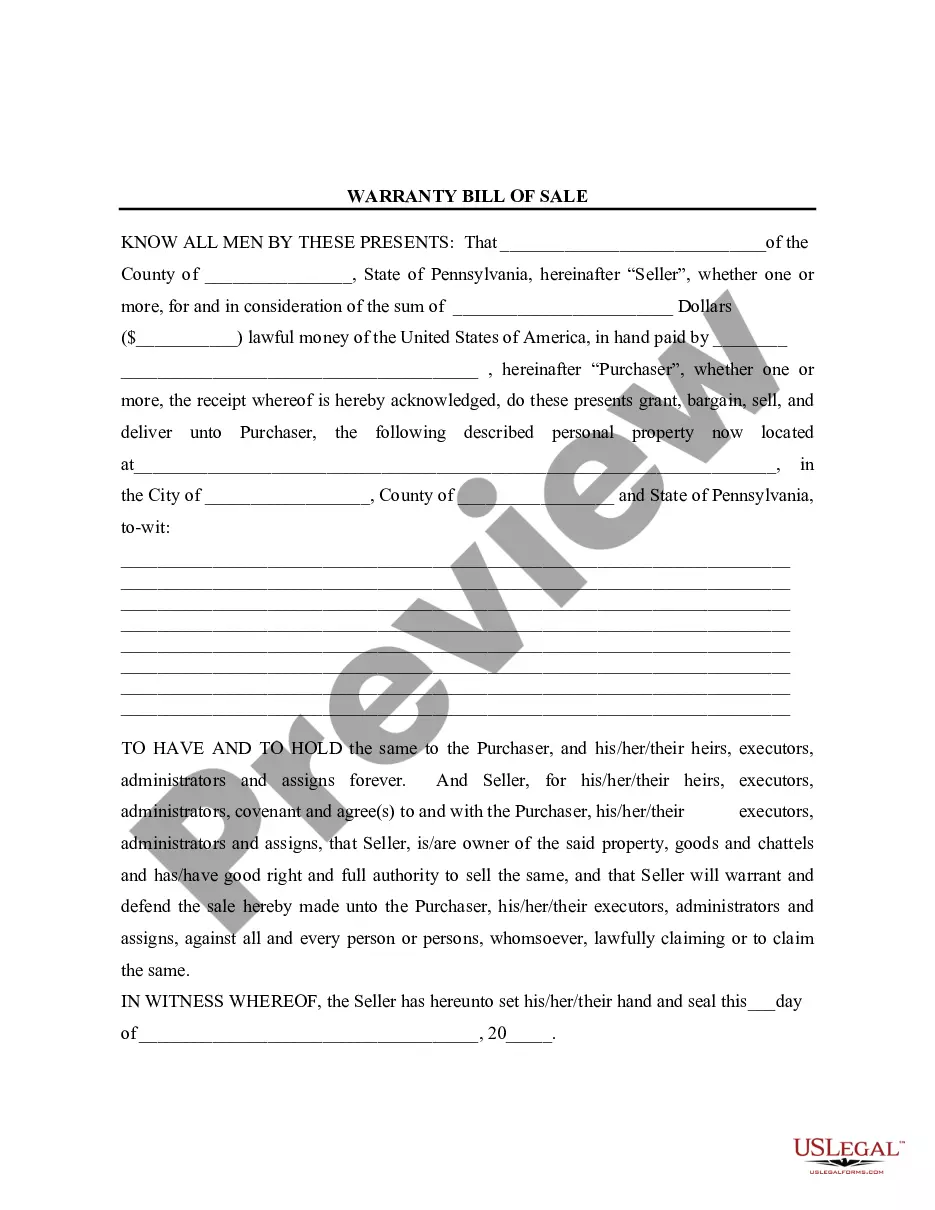
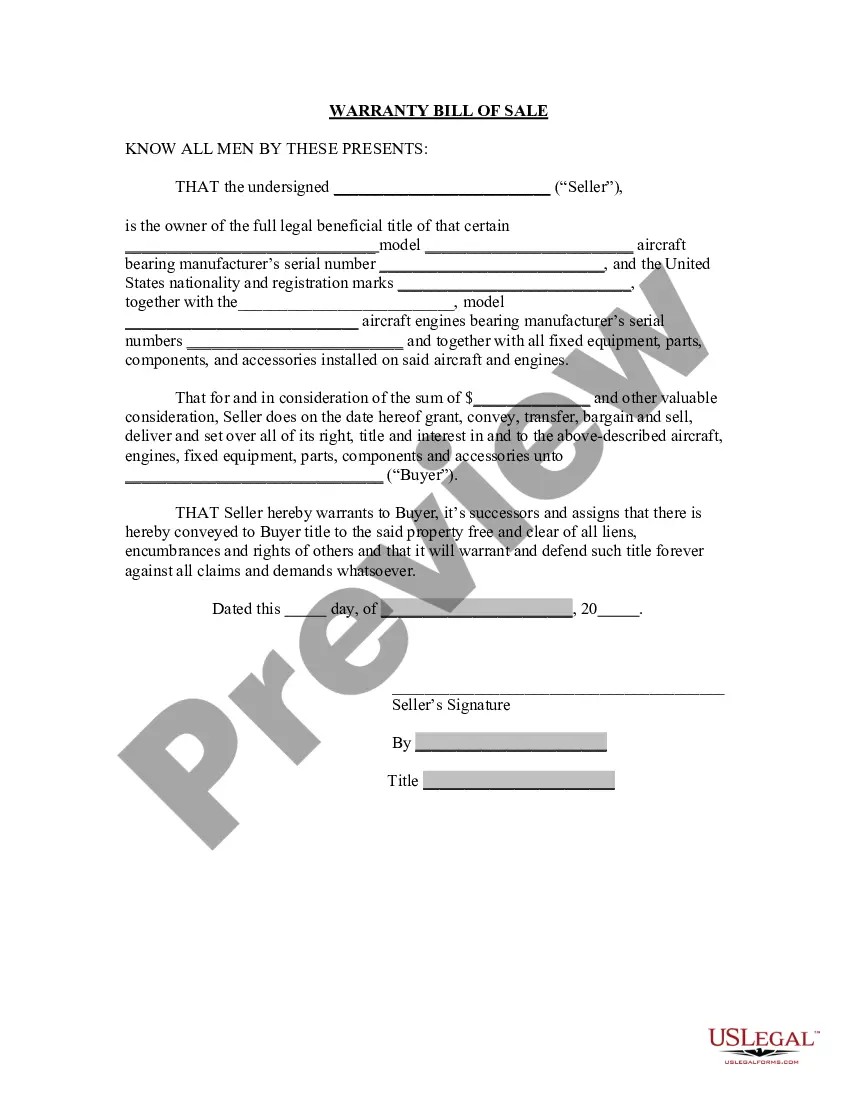
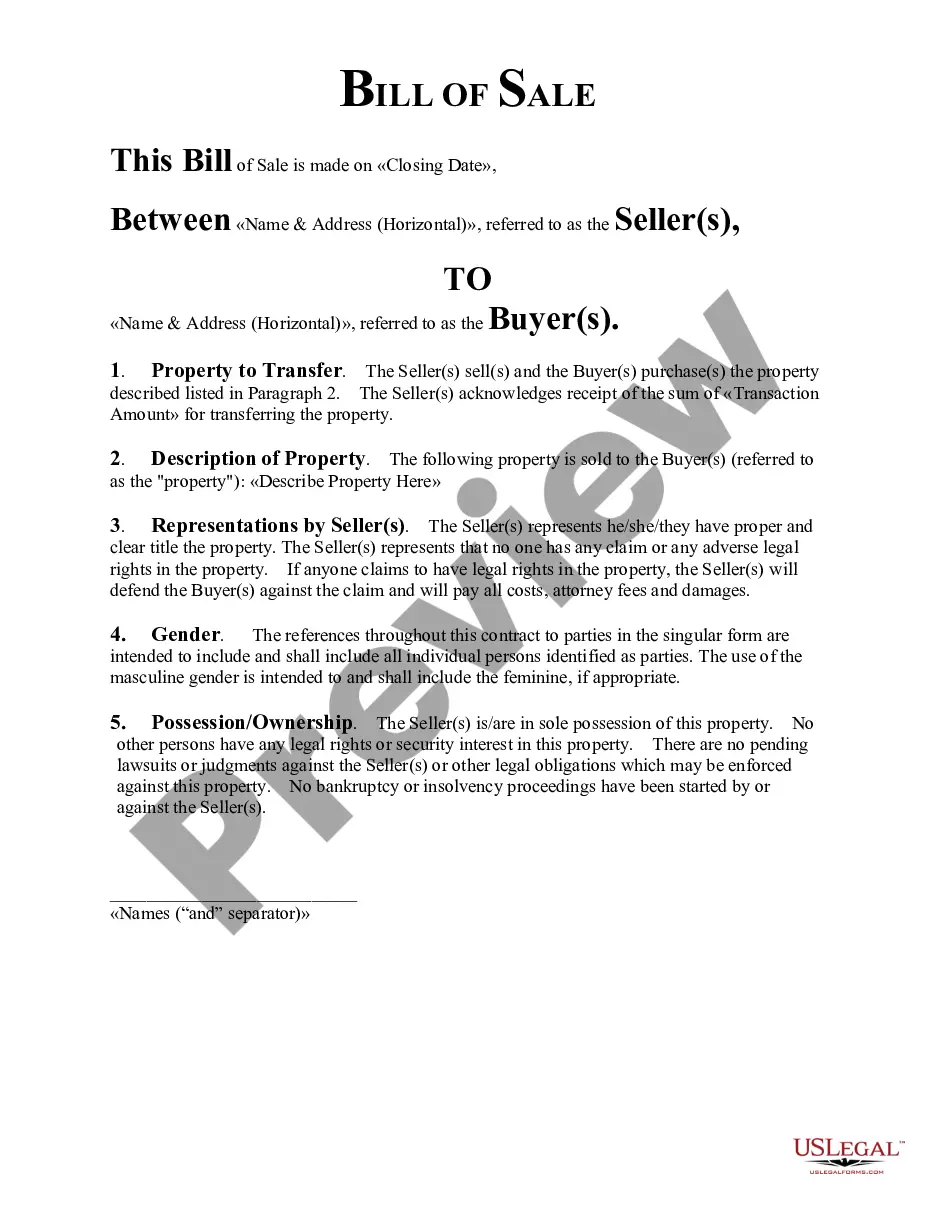
The Bill of Sale with Warranty by Individual Seller is a legal document used to transfer ownership of personal property from a seller to a buyer. This form provides a warranty conveyance, ensuring that the seller guarantees their ownership and the right to sell the property. Unlike a quitclaim conveyance, which offers no guarantees, this form protects the buyer against claims to the property by third parties.
What’s included in this form
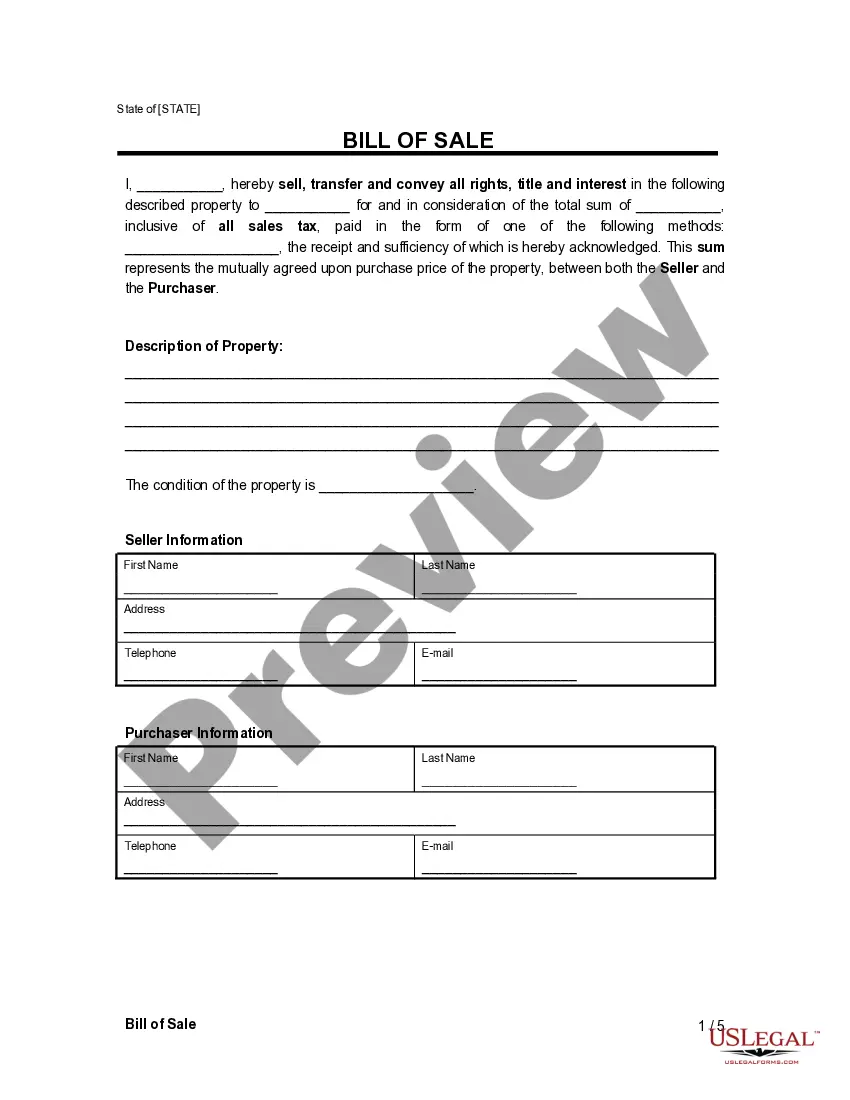
- Identification of the seller and purchaser
- Detailed description of the property being sold
- Purchase price stated in both words and numerals
- Seller's warranty of ownership and authority to sell
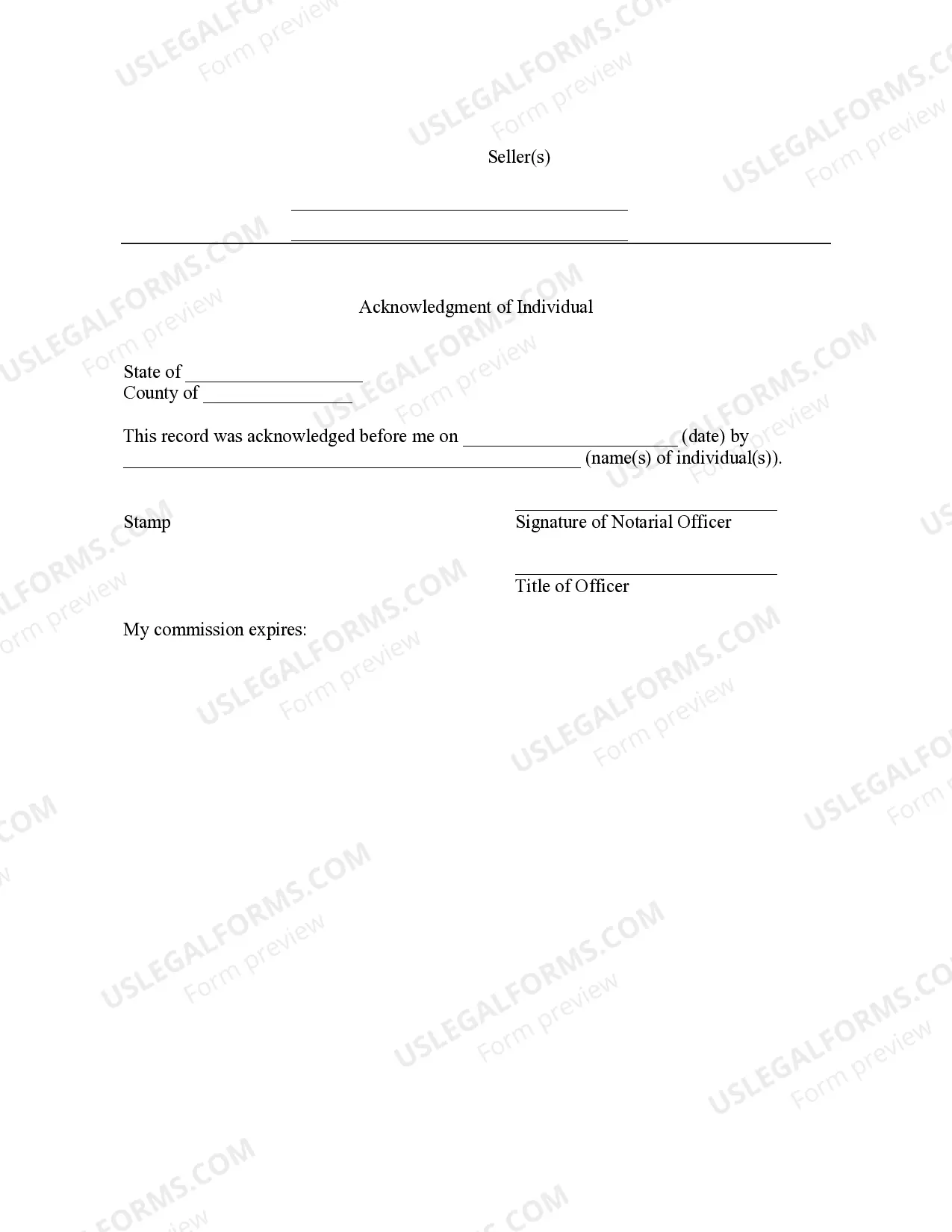
- Signatures of the seller and acknowledgment by a notary public
Situations where this form applies
This form should be used when an individual seller wishes to sell personal property and provide a warranty to the buyer. It is applicable in situations such as selling vehicles, furniture, equipment, or other tangible assets where legal ownership and rights are critical for the transaction.
Intended users of this form
This form is intended for:
- Individual sellers looking to transfer ownership of personal property
- Purchasers who require a warranty of ownership upon buying assets
- Individuals involved in private sales rather than commercial transactions
Steps to complete this form
- Identify the parties involved: fill in the names and addresses of the seller and purchaser.
- Describe the property: provide a detailed description of the personal property being sold.
- Enter the purchase price in both words and figures.
- Ensure all parties sign the document to validate the agreement.
- Complete the acknowledgment section by having a notary public witness the signing.
Notarization requirements for this form
Yes, this form must be notarized to be legally valid. A notary public will verify the identities of the parties involved, ensuring the integrity of the transaction. US Legal Forms offers integrated online notarization services, allowing you to complete this step securely and efficiently through a video call.
Get your form ready online
Our built-in tools help you complete, sign, share, and store your documents in one place.
Make edits, fill in missing information, and update formatting in US Legal Forms—just like you would in MS Word.
Download a copy, print it, send it by email, or mail it via USPS—whatever works best for your next step.
Sign and collect signatures with our SignNow integration. Send to multiple recipients, set reminders, and more. Go Premium to unlock E-Sign.
If this form requires notarization, complete it online through a secure video call—no need to meet a notary in person or wait for an appointment.
We protect your documents and personal data by following strict security and privacy standards.
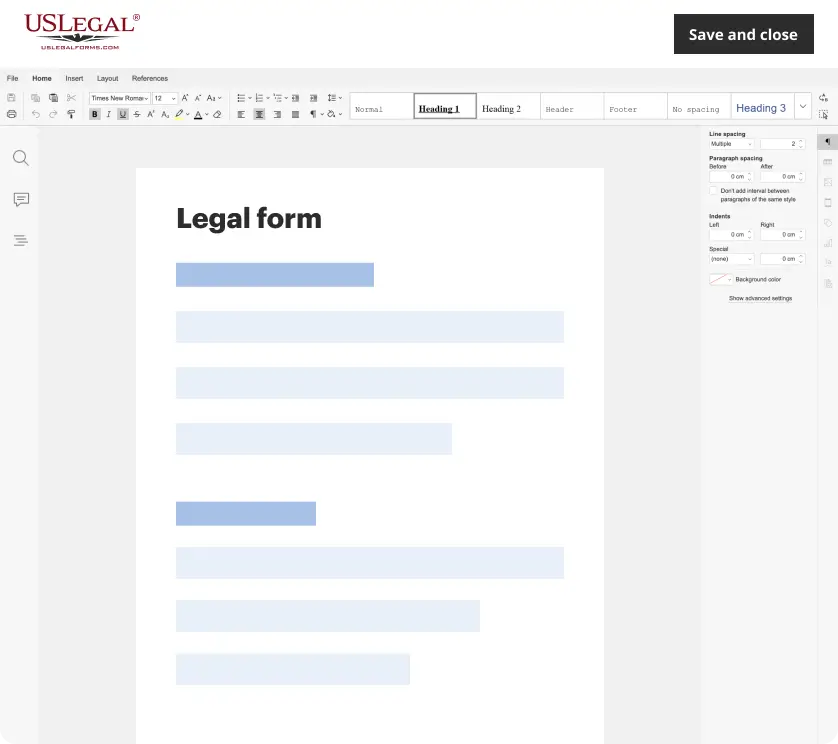
Make edits, fill in missing information, and update formatting in US Legal Forms—just like you would in MS Word.
Download a copy, print it, send it by email, or mail it via USPS—whatever works best for your next step.
Sign and collect signatures with our SignNow integration. Send to multiple recipients, set reminders, and more. Go Premium to unlock E-Sign.

If this form requires notarization, complete it online through a secure video call—no need to meet a notary in person or wait for an appointment.
We protect your documents and personal data by following strict security and privacy standards.
Mistakes to watch out for
- Failing to provide a detailed description of the property.
- Not entering the purchase price correctly.
- Omitting the seller's signature or the notary acknowledgment.
- Assuming this form is sufficient for certain types of property like real estate.
Benefits of using this form online
- Convenience of downloading and completing the form at your own pace.
- Editability allows you to customize the form according to your specific situation.
- Reliability, providing a professionally drafted document that meets legal requirements.
Legal use & context
- This form acts as proof of the transfer of ownership for personal property.
- It protects the buyer from future claims by third parties regarding the property.
- Can be used as a legal document in case of disputes concerning the sale.
Summary of main points
- The Bill of Sale with Warranty by Individual Seller provides essential legal protection for both seller and buyer.
- It is necessary to complete the form accurately to avoid misunderstandings.
- Notarization adds an extra layer of legal security to the transaction.
Looking for another form?

Form popularity
FAQ
A bill of sale has been defined as a legal document made by the seller to a purchaser, reporting that on a specific date at a specific locality and for a particular sum of money or other value received, the seller sold to the purchaser a specific item of personal property, or parcel of real property of which he had
A bill of sale is a legal document that records the transfer of ownership of an asset to a second party in exchange for money.The bill of sale, as a rule, is drafted by the seller and includes the details of the transaction. It protects both the buyer and the seller, should disagreements arise in the future.
In simple terms, a bill of sale agreement is nothing more than a contract for the purchase of a vehicle between a buyer and a seller.In most cases, the contract is legally binding between buyer and seller as long as the bill of sale follows guidelines required in the state where the sale or transfer takes place.
Replace the Title. Explore Alternate Titling Options. Write Up a Bill of Sale. Be Upfront with Your Buyer. Get a Notary. Keep Copies of Everything. Notify Your State of the Sale. Register Your Vehicle in Vermont.
In Pennsylvania, it is not required to have a bill of sale notarized since it is primarily used as a personal record to formerly memorialize a sale of an item.
The date of the sale. A description of the car, including its: Year, make and model. The selling price of the car. If the car is a gift or partial gift, you should still create a bill of sale. Warranty information. The full names, addresses and signatures of the buyer and seller.
A bill of sale does not serve as proof of ownership. Only a title has that legal authority. Bills of sale serve as proof of title transfer, which buyers and sellers need for personal financial and tax records.
Both the buyer and seller should receive copies of the bill of sale form. It's important for the buyer to keep the bill of sale with the title of the vehicle for registration and licensing purposes, if necessary. However, all parties should keep them for their own personal records.
A complete bill of sale is the only step available to you if you want to sell your car without a title. The bill of sale needs to include all the details of the car, including the make, model, year, and VIN. It also needs to include all your information (name, contact details, registration details).