Pennsylvania Letter from Landlord to Tenant for Failure of to dispose all ashes, rubbish, garbage or other waste in a clean and safe manner in compliance with community rules
Understanding this form
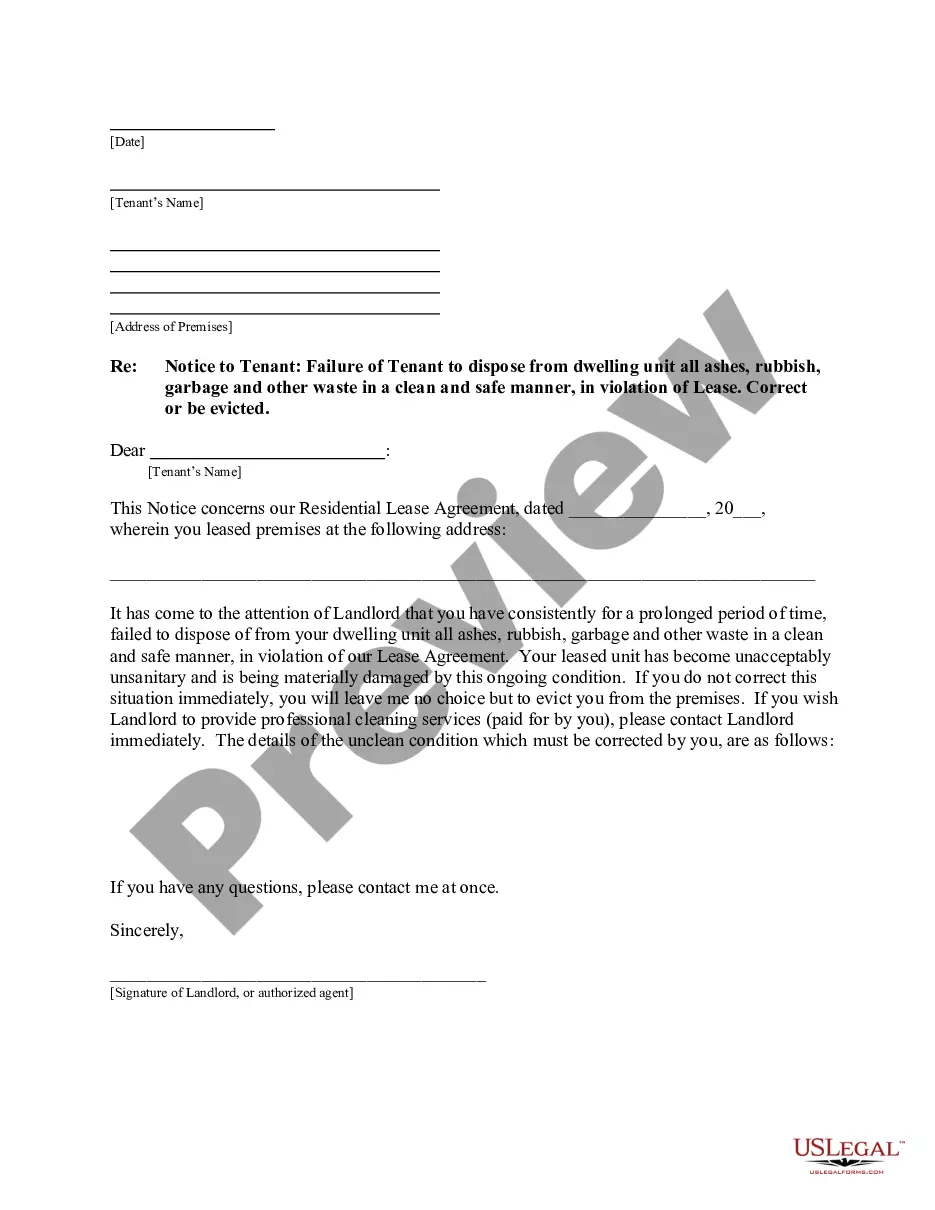
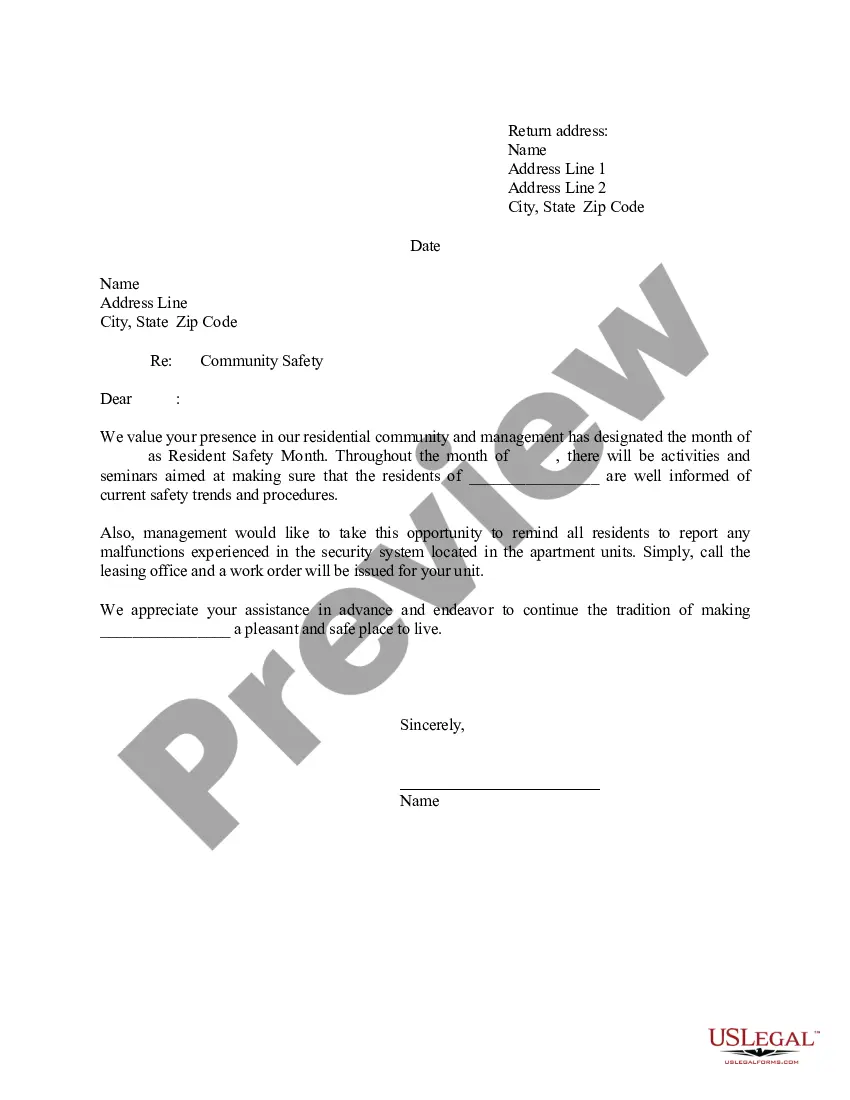
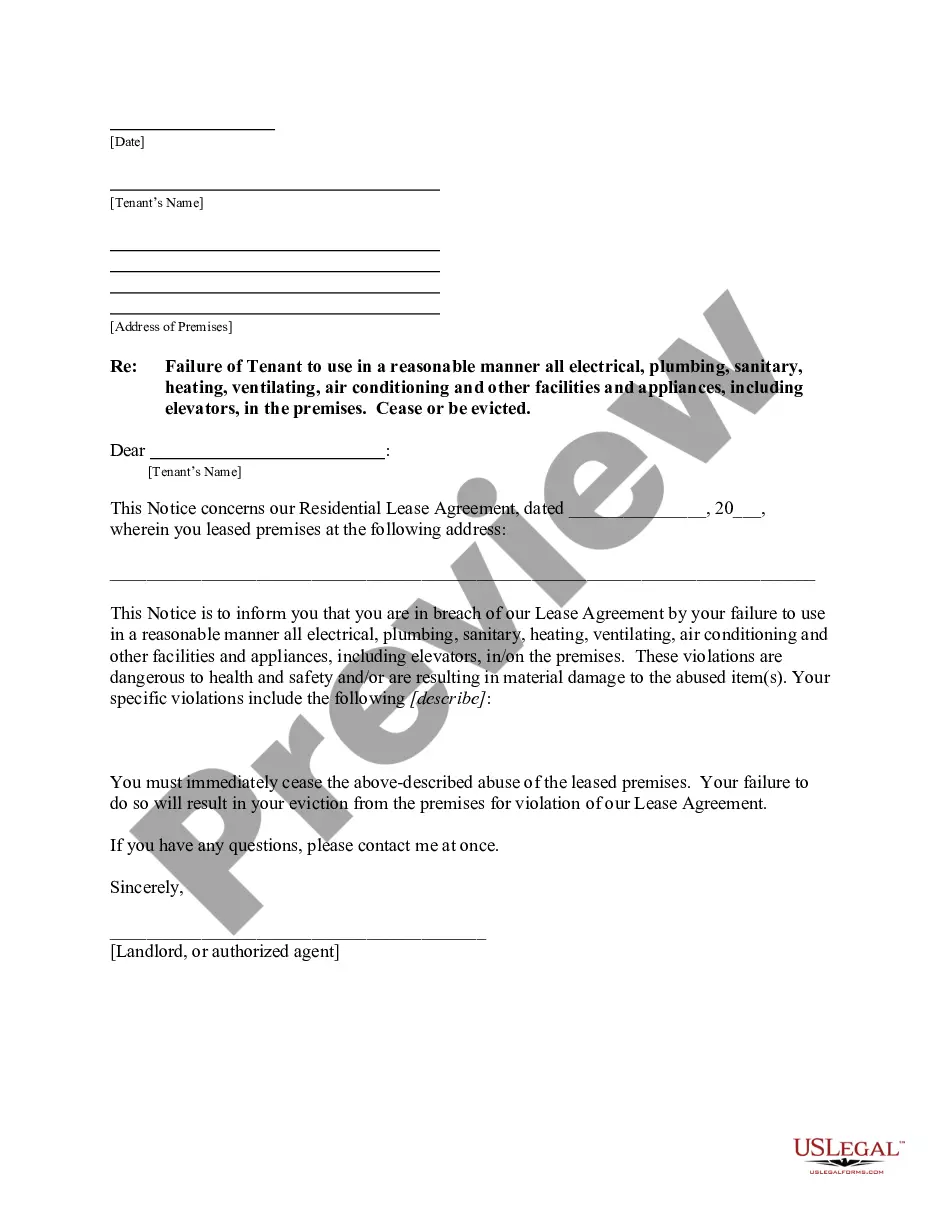
This form is a notice from a landlord to a tenant addressing the failure to dispose of waste properly, known as a Cease or Evict Notice. It serves the purpose of informing the tenant about unsanitary conditions that violate the lease agreement and demands immediate corrective action. Unlike other forms, this notice specifically focuses on compliance with community rules for waste disposal to ensure health and safety in the rental property.
Form components explained
- Identification of the landlord and tenant involved.
- Description of the unsanitary conditions observed.
- Specific demands for corrective action to address waste disposal issues.
- Consequences of failing to comply, including potential eviction.
- Invitation for the tenant to request professional cleaning services if needed.


When to use this form
This form should be used when a landlord notices that a tenant is not disposing of ashes, rubbish, garbage, or other waste in accordance with community rules. It is appropriate to issue this notice after observing consistent failures in compliance, which lead to unsanitary conditions in the rental unit. The form effectively communicates the seriousness of the situation and sets a clear deadline for the tenant to rectify the issue.
Who needs this form
- Landlords who have tenants failing to properly dispose of waste.
- Property managers responsible for maintaining community standards.
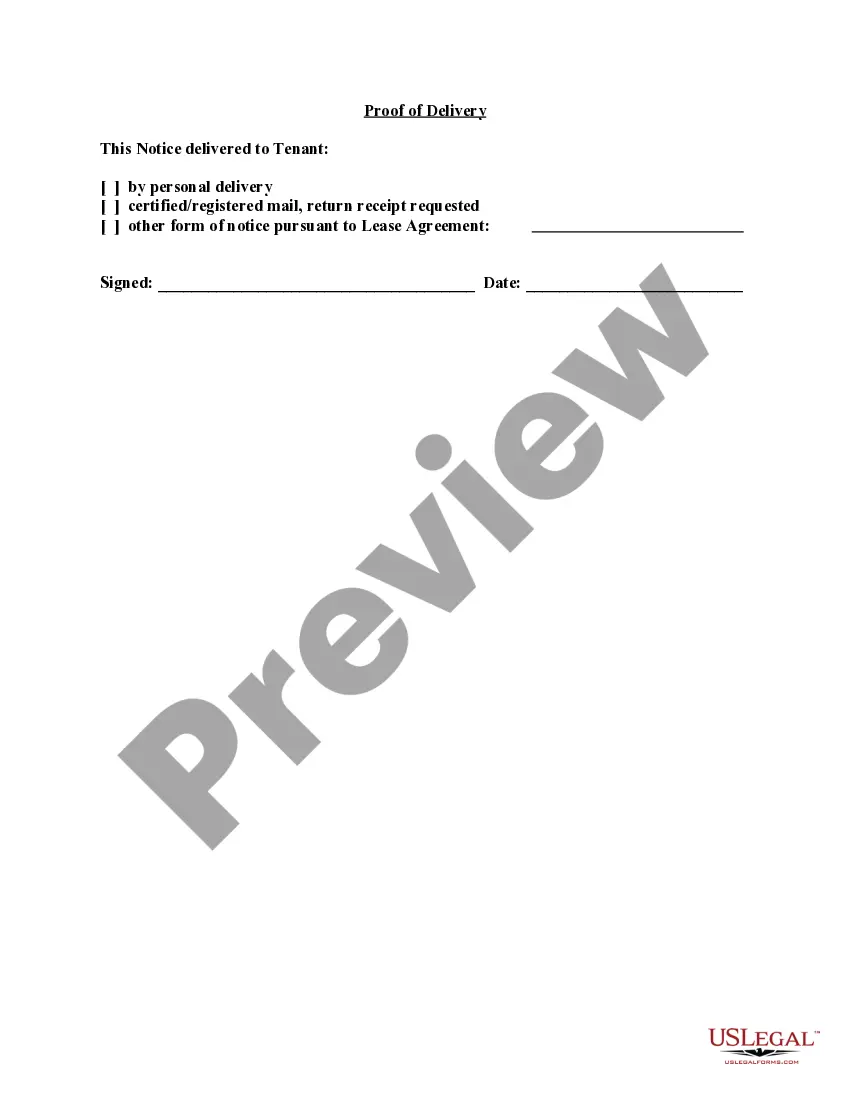
- Landlords needing to formally document a tenant's non-compliance before pursuing further action.
Steps to complete this form
- Identify the landlord and tenantâs names and contact information.
- Describe the specific unsanitary conditions observed in the rental unit.
- State the necessary actions the tenant must take to correct the situation.
- Specify the timeline for compliance, including any deadlines.
- Provide contact details for the tenant to reach out regarding cleaning services.
Notarization requirements for this form
In most cases, this form does not require notarization. However, some jurisdictions or signing circumstances might. US Legal Forms offers online notarization powered by Notarize, accessible 24/7 for a quick, remote process.
Get your form ready online
Our built-in tools help you complete, sign, share, and store your documents in one place.
Make edits, fill in missing information, and update formatting in US Legal Forms—just like you would in MS Word.
Download a copy, print it, send it by email, or mail it via USPS—whatever works best for your next step.
Sign and collect signatures with our SignNow integration. Send to multiple recipients, set reminders, and more. Go Premium to unlock E-Sign.
If this form requires notarization, complete it online through a secure video call—no need to meet a notary in person or wait for an appointment.
We protect your documents and personal data by following strict security and privacy standards.
Make edits, fill in missing information, and update formatting in US Legal Forms—just like you would in MS Word.
Download a copy, print it, send it by email, or mail it via USPS—whatever works best for your next step.
Sign and collect signatures with our SignNow integration. Send to multiple recipients, set reminders, and more. Go Premium to unlock E-Sign.
If this form requires notarization, complete it online through a secure video call—no need to meet a notary in person or wait for an appointment.
We protect your documents and personal data by following strict security and privacy standards.
Common mistakes
- Failing to provide specific details about the waste issues.
- Not including a deadline for the tenant to correct the problem.
- Neglecting to document previous communications about the issue.
Why use this form online
- Instant access to professionally drafted templates tailored for landlords.
- Easy to edit and personalize to fit your specific situation.
- Reliable and legally sound, providing peace of mind for landlords.
Looking for another form?

Form popularity
FAQ
No. Many Pennsylvania courts have said your landlord cannot evict you by self-help, meaning such things as padlocking your door, shutting off your utilities, using force to evict you, or using any eviction method other than going to court.
Your landlord generally can't come into your home whenever they feel like it, though some may believe they have that right, Carroll says. That's rooted in a few important legal decisions in Pennsylvania, including a 1974 Pennsylvania Supreme Court case known as Commonwealth v.
The Landlord/Tenant Act requires your landlord to give you a written eviction notice. This notice must be a 10-day notice if he/she is evicting you for nonpayment of rent, or 15 days if the eviction is for breach of the lease or end of lease term.
After winning a residential eviction case, a landlord must wait at least 10 days, but not more than 120 days, to file a Request for Order of Possession of the property. This Request for Order of Possession is the order that allows a landlord to have the tenant actually removed from the property.
You have the right to enjoy your property and not have your landlord interfere with that enjoyment unless it is necessary. Pennsylvania tenant rights allow landlords to enter a dwelling only for repairs or inspections, and only after providing reasonable notice.
If you think your landlord is violating the Fair Housing Act, you can get that landlord in trouble by filing a complaint at HUD.gov. Your remedy for breach of quiet enjoyment is to terminate the lease and move or sue in small claims court.
In winter, fall, and early spring, your landlord must give you a full thirty days to pay back rent before proceeding with an eviction.For leases of 12 months or longer, the eviction process in Pennsylvania says that your landlord must give you 90 days to vacate.
A landlord cannot legally evict you without a court order, whether or not you have a lease.) How long does it take for a landlord to evict a tenant? A landlord can evict a tenant only by going through a formal eviction proceeding, which can take a few weeks from start to finish.
Review Your Lease Before You Sign. Research Local Laws. Keep Records. Pay Your Rent. Maintain Respectful Communication. Seek an Agreeable Solution. Request Repairs in Writing. What Do You Think?