Oregon Letter from Landlord to Tenant for Failure of to dispose all ashes, rubbish, garbage or other waste in a clean and safe manner in compliance with community rules
What this document covers
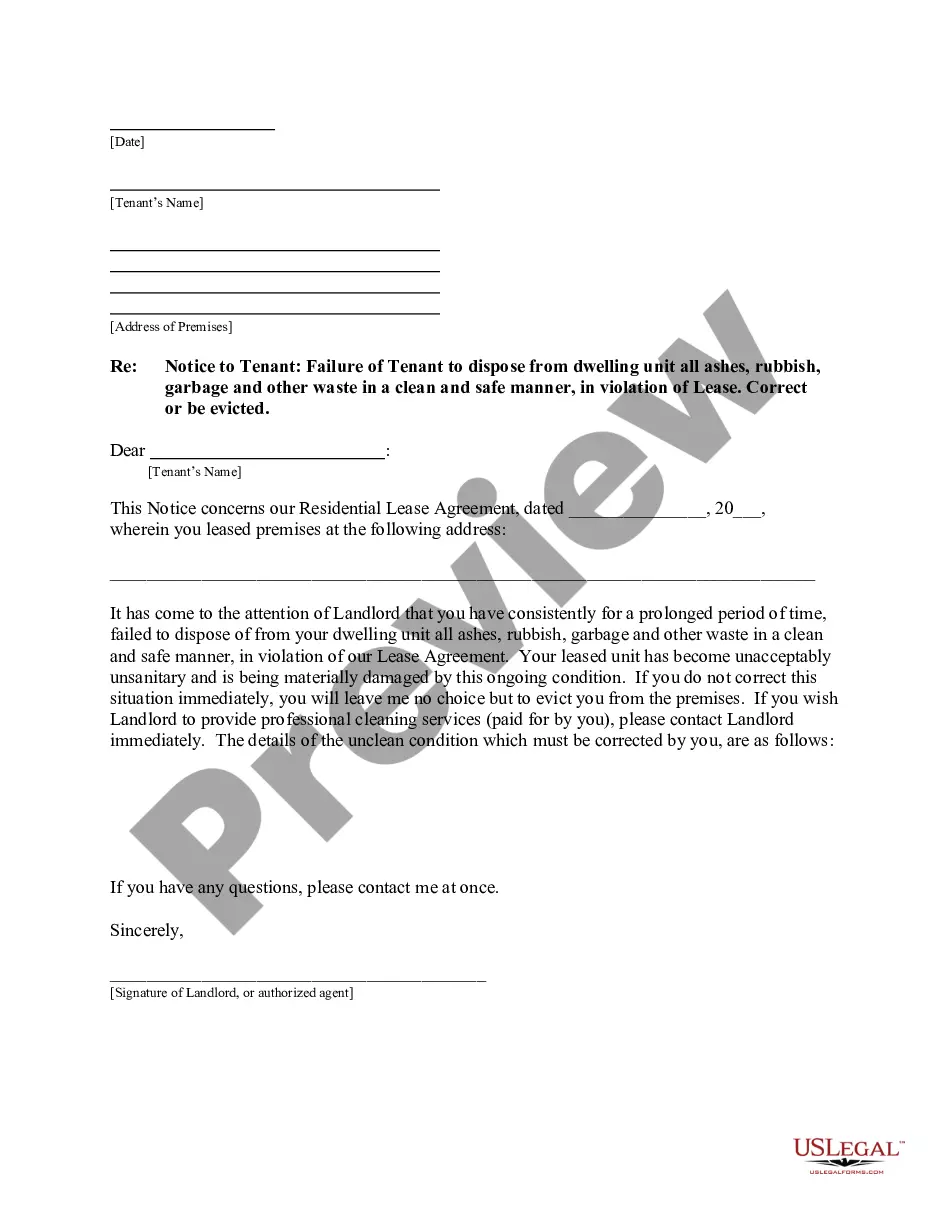
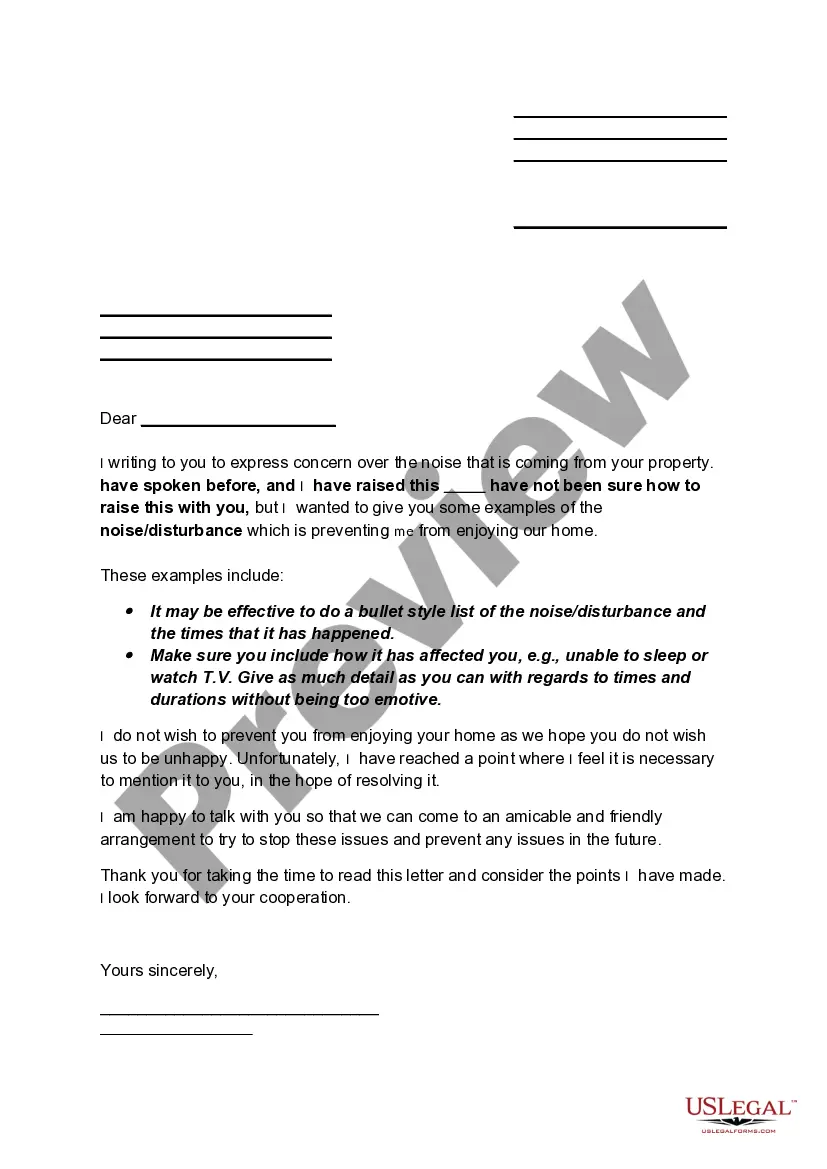
This form is a Letter from Landlord to Tenant for Failure to Dispose of All Ashes, Rubbish, Garbage, or Other Waste in a Clean and Safe Manner. It serves as a formal notice that requires the tenant to manage their waste according to community standards as outlined in the lease agreement. Unlike eviction notices, this letter provides the tenant with an opportunity to rectify the situation before more serious actions are taken.
Main sections of this form
- Identification of parties: Names of the landlord and tenant.
- Property details: The address of the leased property.
- Specific violations: Description of waste disposal issues.
- Demands for correction: Clear instructions for resolving the issue.
- Consequences of non-compliance: Potential eviction after the warning period.


Common use cases
This form is appropriate when a landlord observes that a tenant is not properly disposing of garbage, rubbish, or waste from their unit, leading to unsanitary conditions. It notifies the tenant of their obligation to maintain cleanliness and safety in accordance with community rules and the lease agreement. Use this form when the situation could lead to eviction if not addressed promptly.
Who can use this document
- Landlords who need to address waste disposal issues with tenants.
- Property managers seeking to enforce community standards in residential units.
- Tenants who have received similar concerns and need to resolve them proactively.
How to prepare this document
- Identify the parties: Enter the names of the landlord and tenant.
- Specify the property: Fill in the full address of the rental unit.
- State the violations: Describe the unclean conditions related to waste disposal.
- Outline correction expectations: Clearly state what actions the tenant must take to resolve the issue.
- Include consequences: Mention that failure to comply may result in eviction proceedings.
Does this document require notarization?
In most cases, this form does not require notarization. However, some jurisdictions or signing circumstances might. US Legal Forms offers online notarization powered by Notarize, accessible 24/7 for a quick, remote process.
Get your form ready online
Our built-in tools help you complete, sign, share, and store your documents in one place.
Make edits, fill in missing information, and update formatting in US Legal Forms—just like you would in MS Word.
Download a copy, print it, send it by email, or mail it via USPS—whatever works best for your next step.
Sign and collect signatures with our SignNow integration. Send to multiple recipients, set reminders, and more. Go Premium to unlock E-Sign.
If this form requires notarization, complete it online through a secure video call—no need to meet a notary in person or wait for an appointment.
We protect your documents and personal data by following strict security and privacy standards.
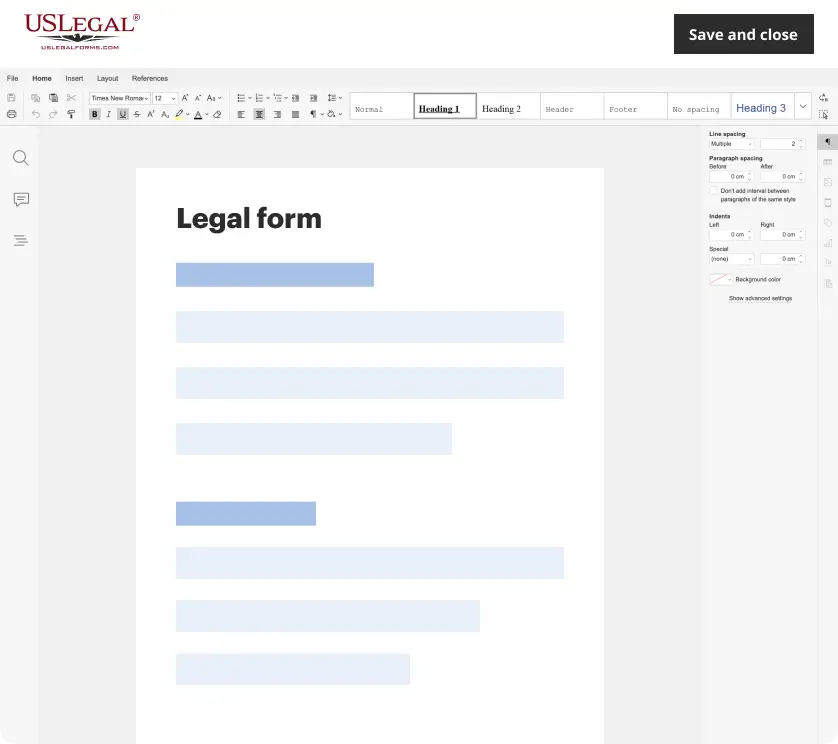
Make edits, fill in missing information, and update formatting in US Legal Forms—just like you would in MS Word.
Download a copy, print it, send it by email, or mail it via USPS—whatever works best for your next step.
Sign and collect signatures with our SignNow integration. Send to multiple recipients, set reminders, and more. Go Premium to unlock E-Sign.
If this form requires notarization, complete it online through a secure video call—no need to meet a notary in person or wait for an appointment.
We protect your documents and personal data by following strict security and privacy standards.
Common mistakes
- Failing to provide specific examples of the waste disposal issues.
- Not including a time frame for the tenant to take corrective action.
- Omitting the signature of the landlord, making the notice less official.
Advantages of online completion
- Convenience: Downloadable and editable format for quick use.
- Professional quality: Drafted by licensed attorneys to ensure legal compliance.
- Time savings: No need for in-person legal consultations.
Legal use & context
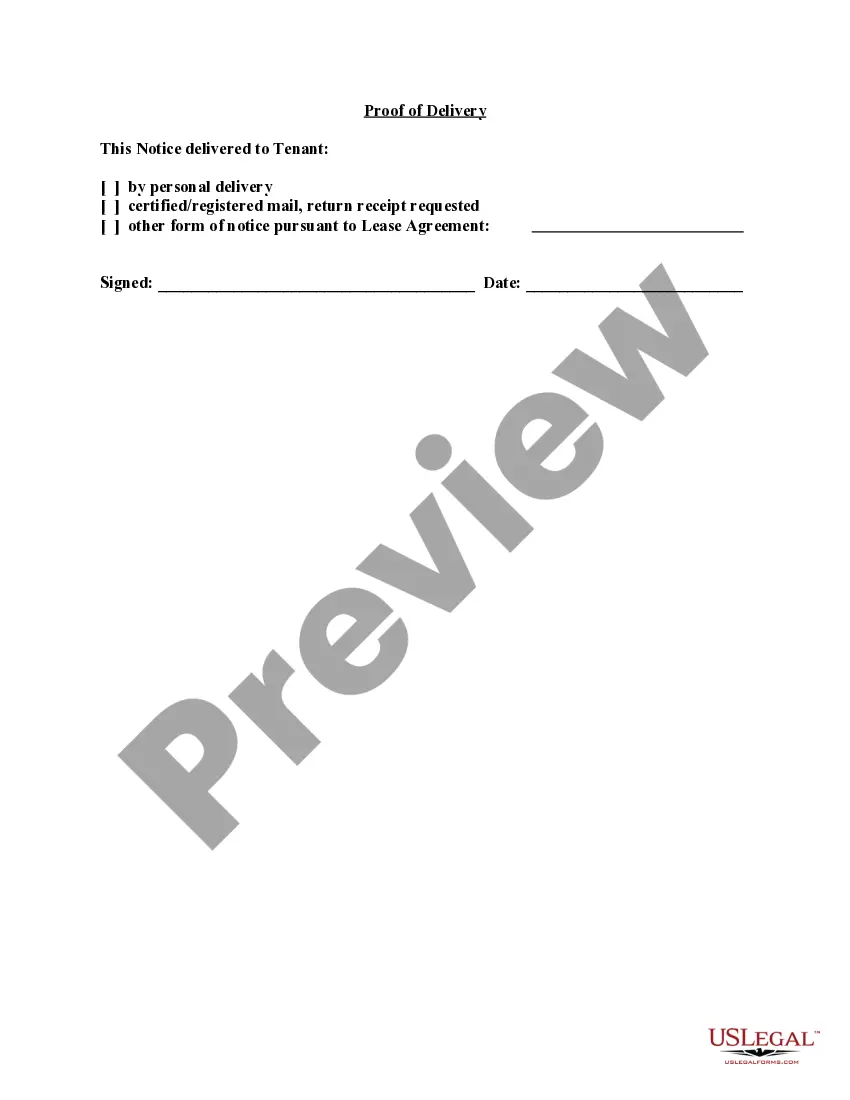
- This letter serves as a legal notice and may be used as evidence in eviction proceedings if necessary.
- It helps establish a record of communication between the landlord and tenant regarding violations.
Key takeaways
- The form provides a structured way for landlords to address waste disposal issues with tenants.
- It outlines both the obligations of the tenant and the consequences of non-compliance.
- Using this form can prevent legal disputes by ensuring clear communication and expectations.
Looking for another form?
Form popularity
FAQ
The short answer is yes, a tenant can be billed for garbage.Furthermore, the Oregon landlord/tenant law that addresses utility payments, ORS 90.315, does NOT prohibit charging tenants for garbage service.
Tenants have been forced to live in terrible housing, and neighborhoods have suffered from housing eyesores. HUD calls this a double crime: one against both tenants and taxpayers. To report a bad landlord to the Multifamily Housing Complaint Line call toll-free at (800) MULTI-70 (800) 685-8470) / TTY (800) 432-2209.
The landlord had a duty to reasonably maintain the property; The landlord knew or should have known of the dangerous condition; The landlord breached their duty by failing to repair/fix the dangerous condition;
If they don't come to pick up their stuff after 60 days, and haven't reached out to you with a good reason as to why, you can consider the property abandoned. In that case, you may dispose of it as you see fit.
Uninhabitable conditions can include dangerous ones, such as holes in the floor, unsafe or exposed wiring, or non-working air conditioning in dangerously hot summer months. Gross infestations of roaches, fleas or other pests are also uninhabitable conditions.
Negligent Landlords Depending on the type of problem, the duration of neglect and the severity of its effect on health or safety, tenants can file a lawsuit against their landlords.Tenants can file a lawsuit in California's small claims court or even Superior Court if the negligence is severe enough.
In Oregon, property is generally presumed abandoned if it has remained unclaimed by the owner for more than three years after it became payable or distributable.
The second way a tenant's personal belongings are considered abandoned is when the tenant has been gone from the rental unit continuously for at least 7 days after a court has ordered an eviction of the tenant, even though the sheriff's department has not executed the court order or judgment.
Know your state's landlord/tenant laws. Read and respond to the court summons. Try to work out a settlement. Consider legal counsel. Show up for court. Look sharp and provide evidence.