Oklahoma Subcontractor's Agreement
What this document covers
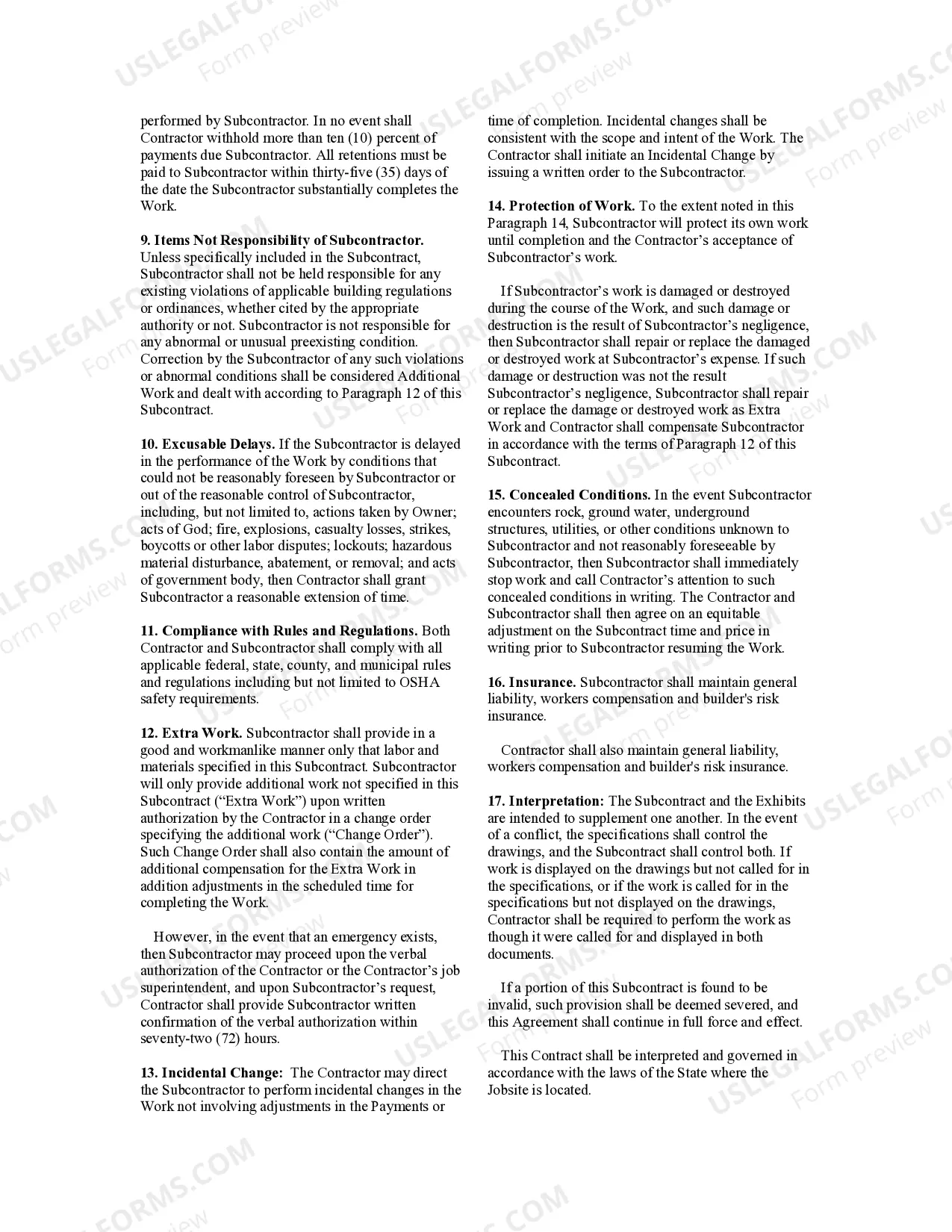
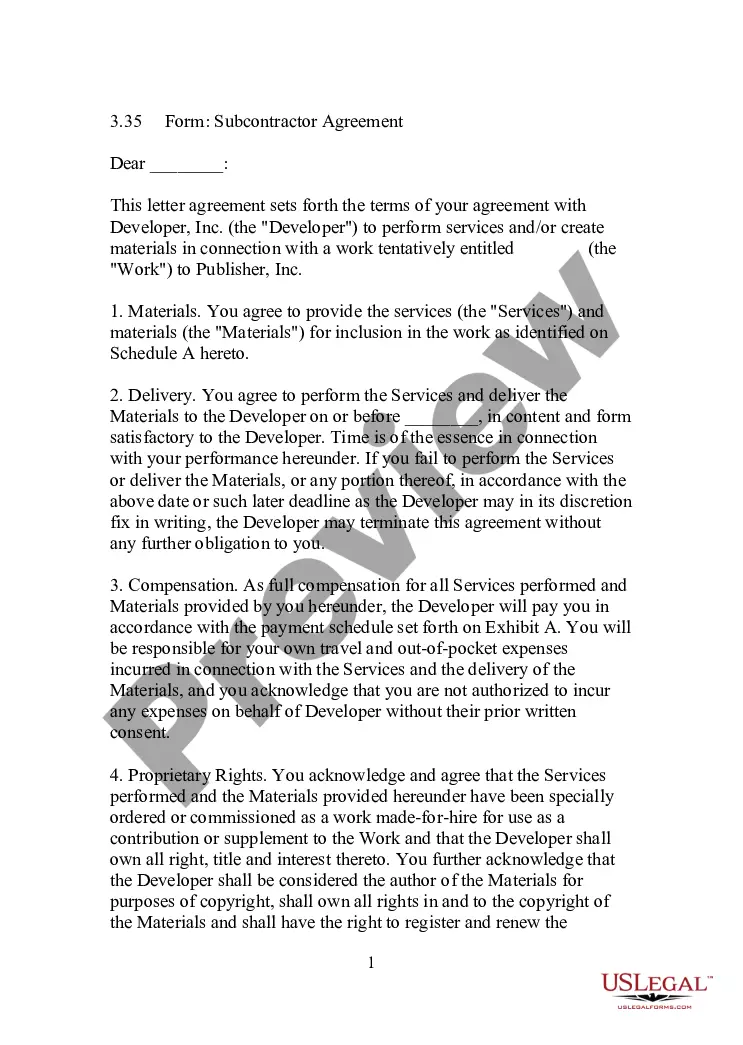
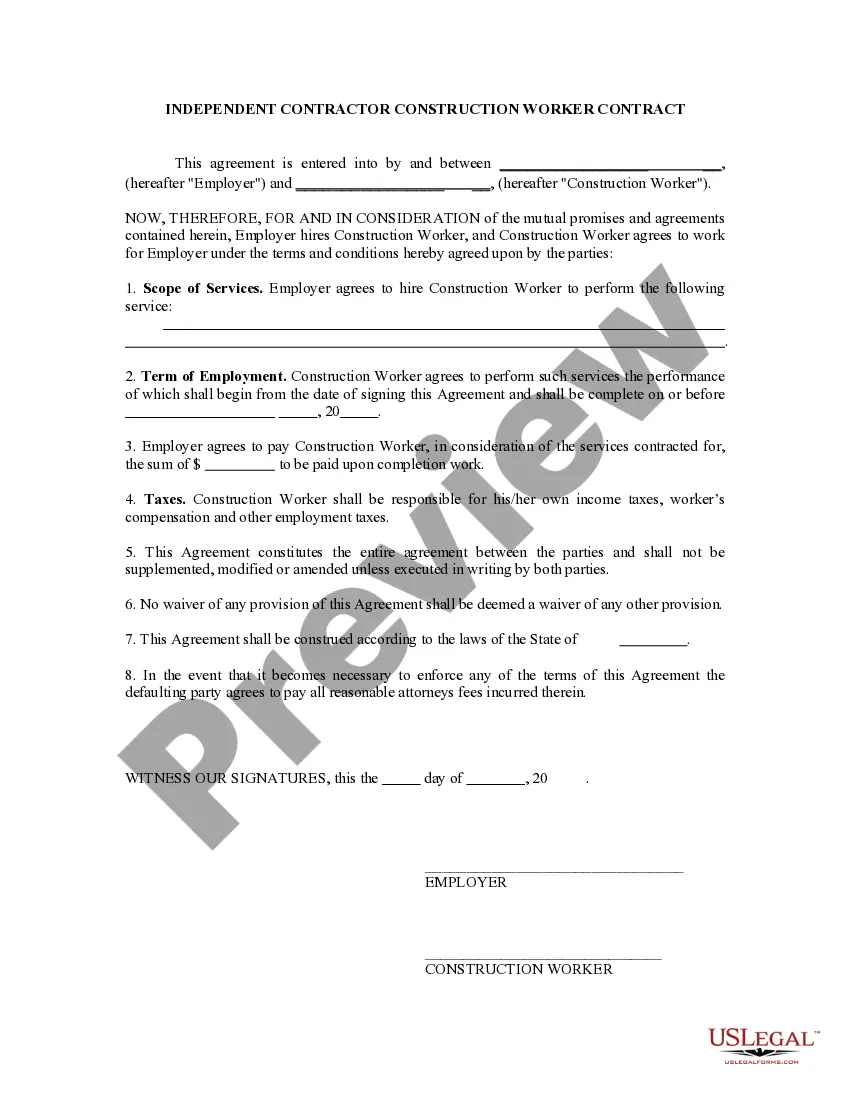
The Subcontractor's Agreement is a legal document that outlines the terms and conditions under which a subcontractor will perform work on a construction project. This form is crucial for defining the roles, responsibilities, and expectations of both the contractor and subcontractor, ensuring clarity and protection for all parties involved. Unlike general contracts, this form specifically caters to subcontracting scenarios, addressing unique challenges and considerations that arise during specialized assignments.
What’s included in this form
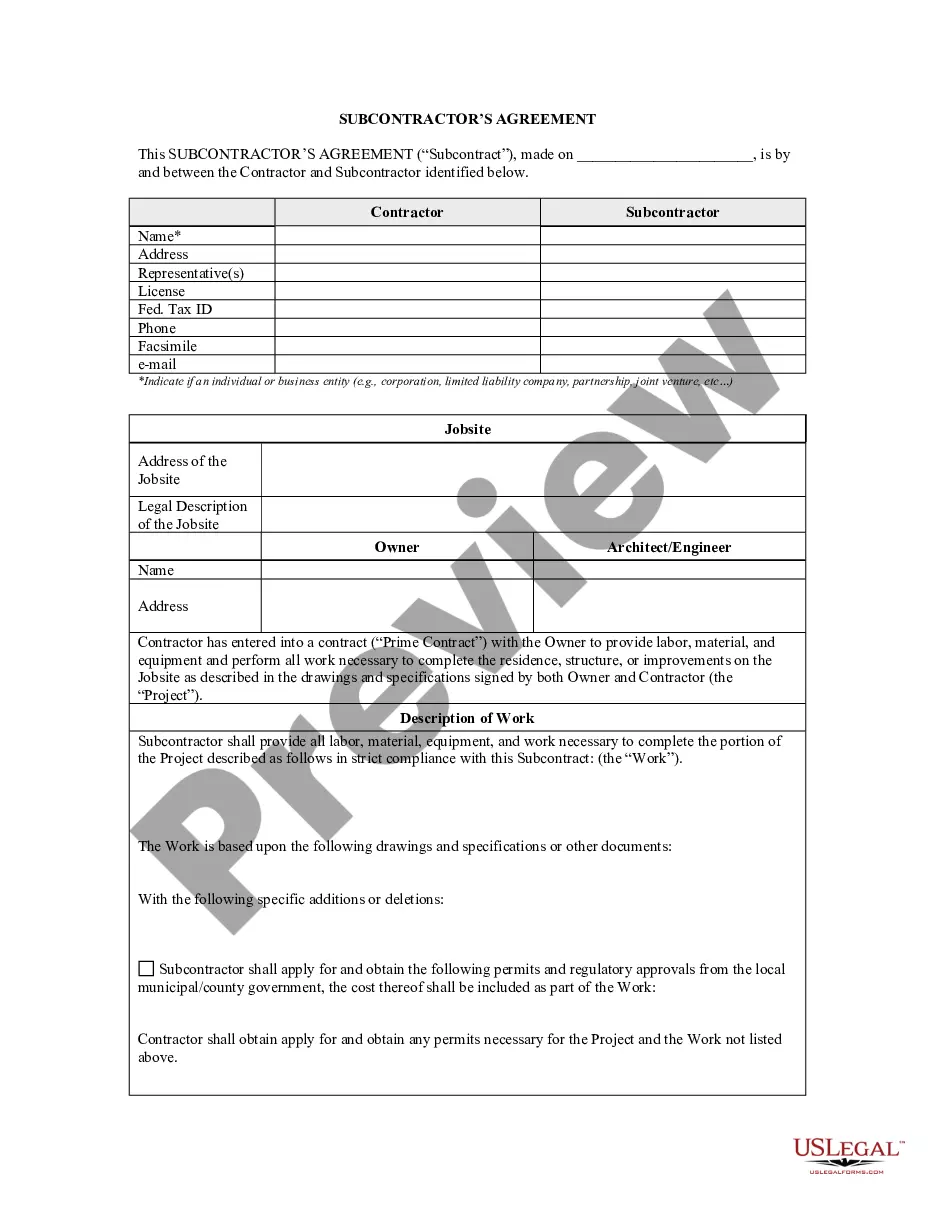
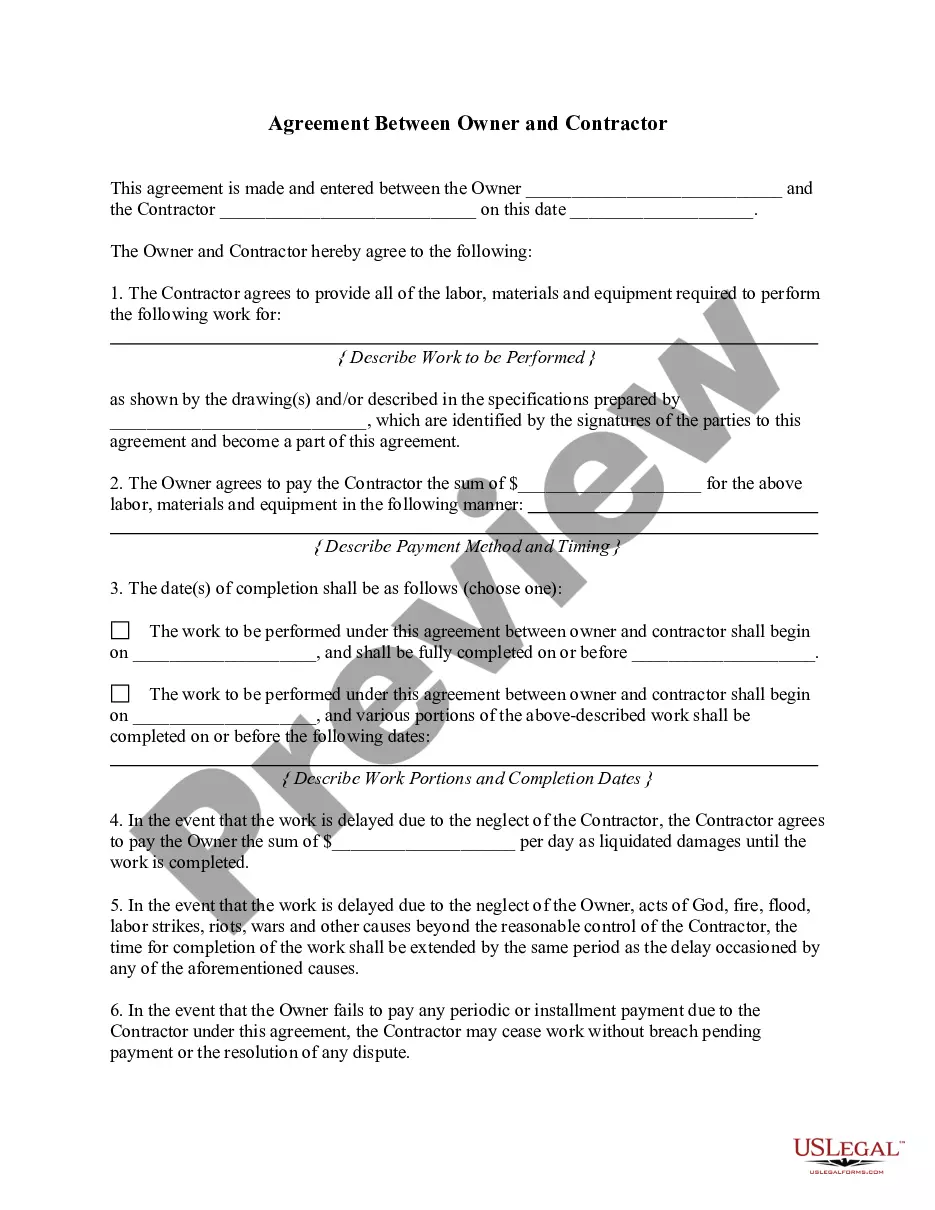
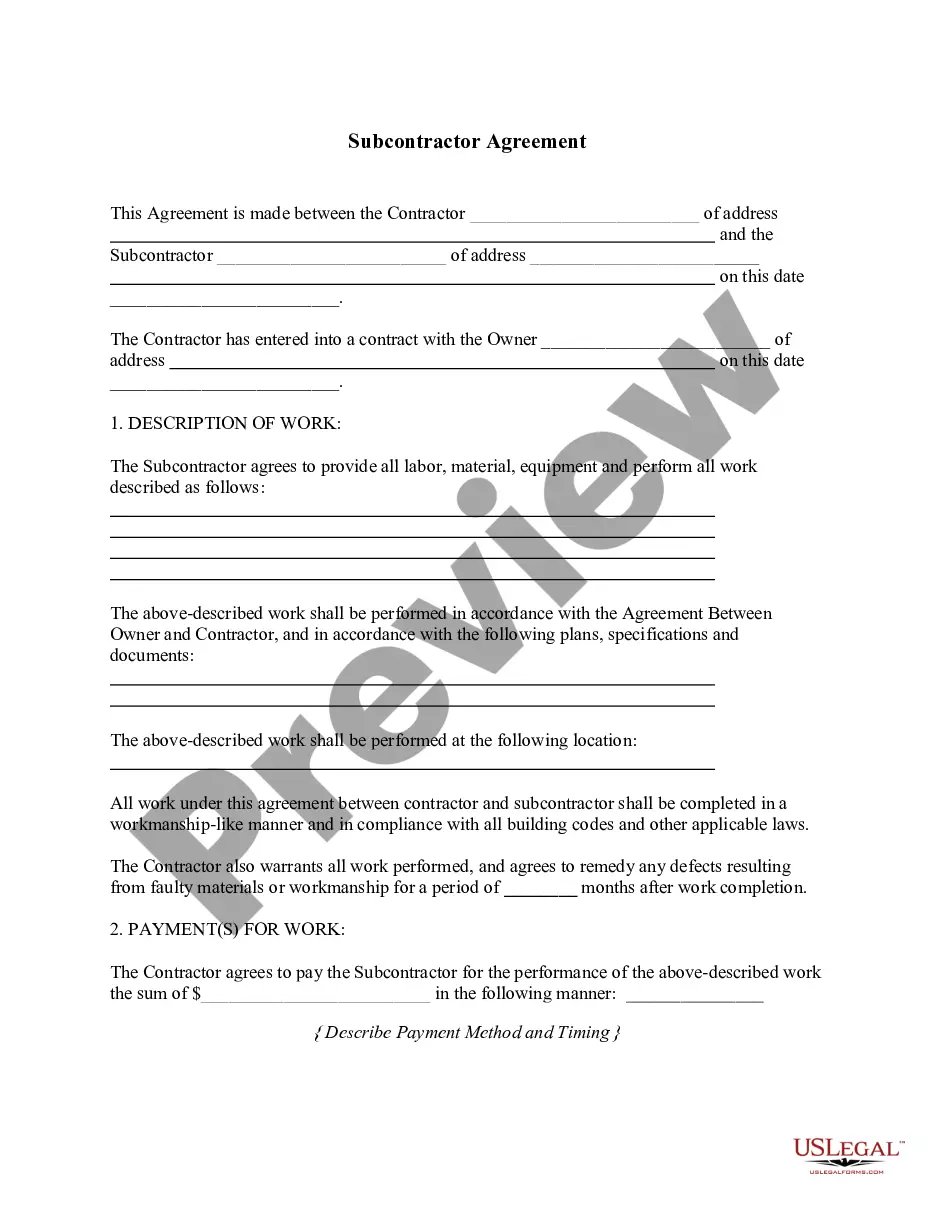
- Identification of parties involved and job site details.
- Description of the specific work to be performed.
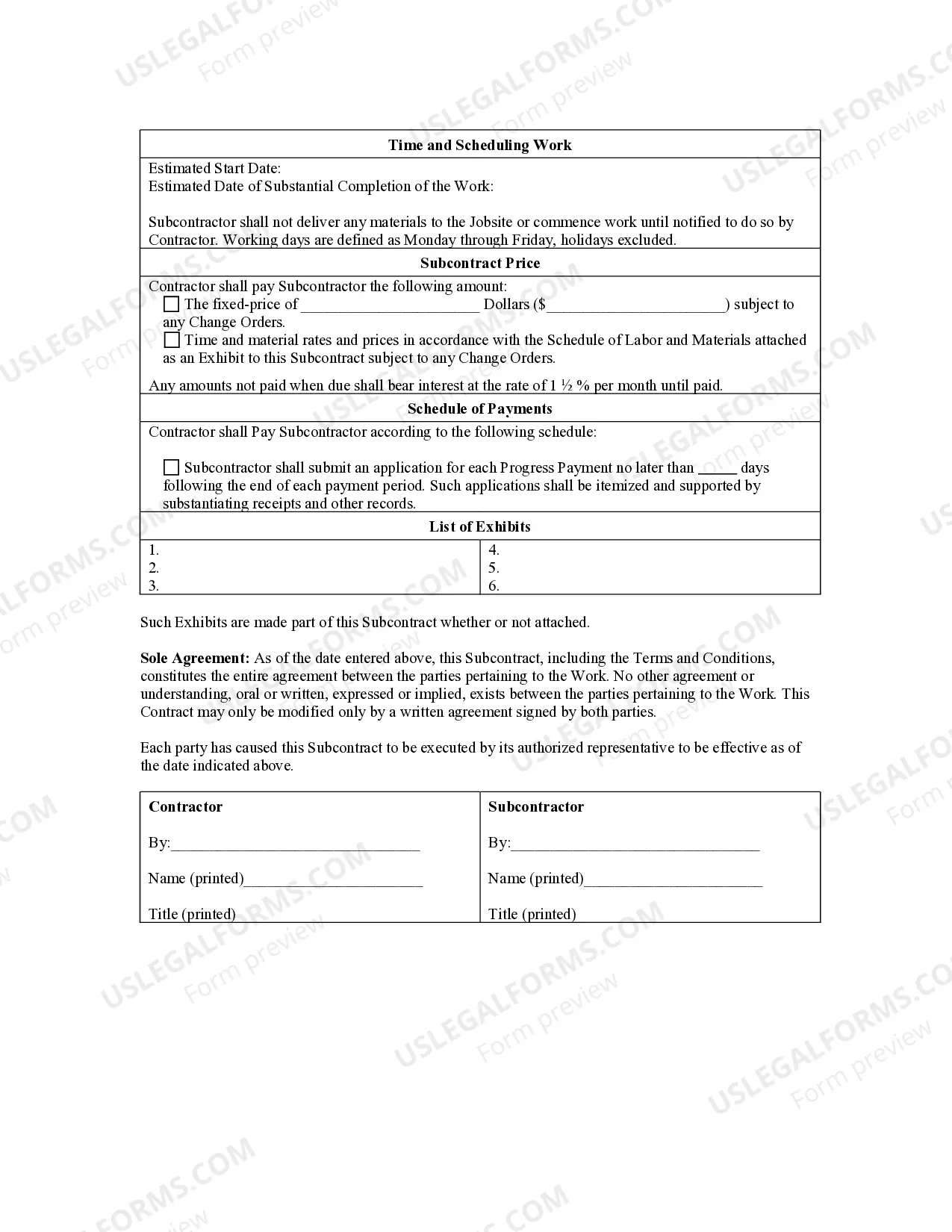
- Payment terms including fixed prices, schedules, and change orders.
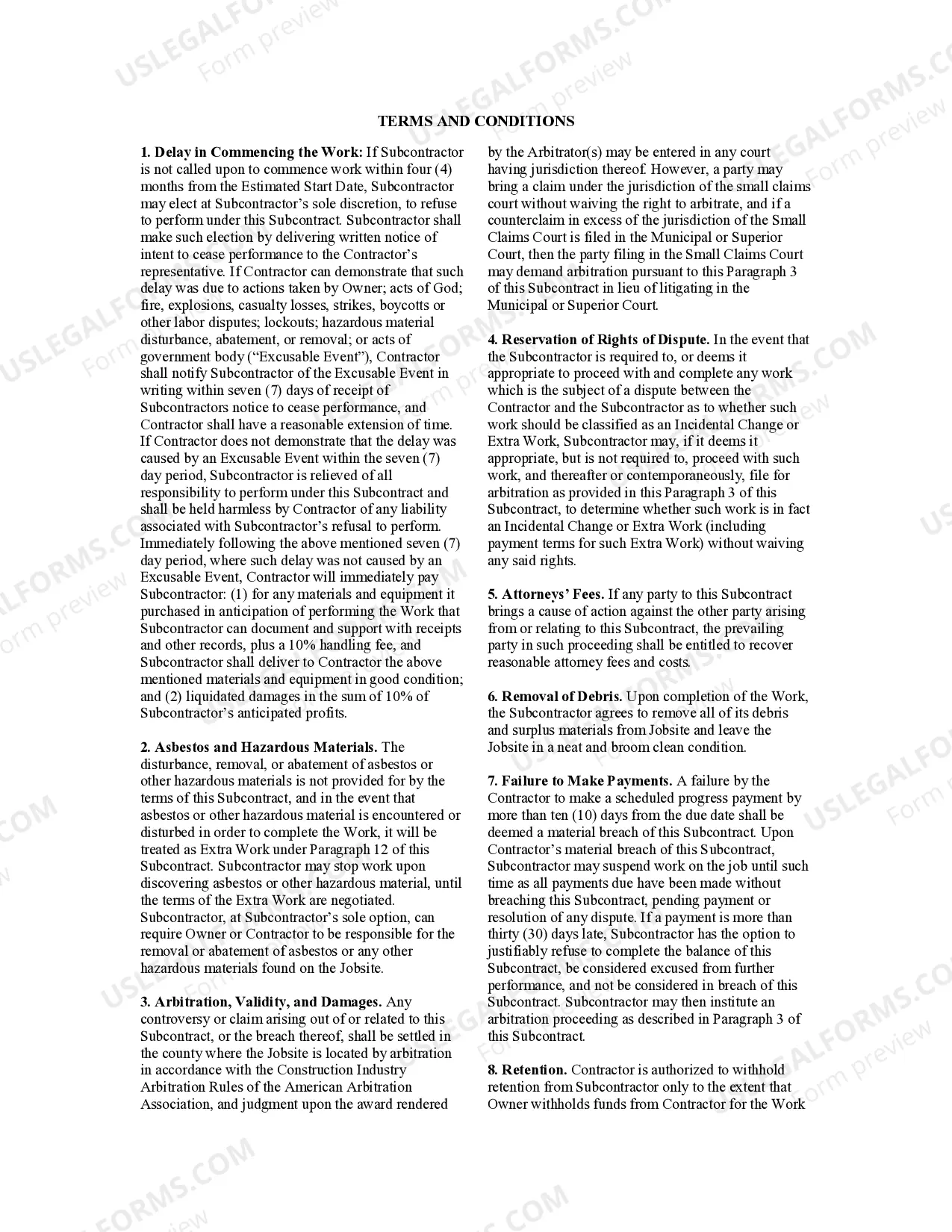
- Conditions regarding delays, disputes, and liability.
- Insurance requirements and compliance obligations.

Situations where this form applies
This form is essential when a contractor hires a subcontractor to carry out specific tasks within a larger construction project. It is used to formalize agreements regarding scopes of work, payment arrangements, and dispute resolution mechanisms. You should use this form when entering into any subcontracting arrangement to ensure both parties agree on their obligations and rights from the outset.
Intended users of this form
This form is intended for:
- Contractors looking to subcontract part of a construction project.
- Subcontractors who wish to define the terms of their engagement clearly.
- Parties involved in construction projects who need formal agreements to protect their interests.
Steps to complete this form
- Identify the parties: Enter the names and contact information of the contractor and subcontractor.
- Specify the job site: Clearly indicate the location where the work will be performed.
- Describe the work: Outline the nature of the work to be completed under this agreement.
- Enter payment details: Specify the fixed price and any applicable payment schedule or change orders.
- Have both parties sign: Ensure that authorized representatives from both the contractor and subcontractor sign the agreement.
Notarization guidance
In most cases, this form does not require notarization. However, some jurisdictions or signing circumstances might. US Legal Forms offers online notarization powered by Notarize, accessible 24/7 for a quick, remote process.
Get your form ready online
Our built-in tools help you complete, sign, share, and store your documents in one place.
Make edits, fill in missing information, and update formatting in US Legal Forms—just like you would in MS Word.
Download a copy, print it, send it by email, or mail it via USPS—whatever works best for your next step.
Sign and collect signatures with our SignNow integration. Send to multiple recipients, set reminders, and more. Go Premium to unlock E-Sign.
If this form requires notarization, complete it online through a secure video call—no need to meet a notary in person or wait for an appointment.
We protect your documents and personal data by following strict security and privacy standards.
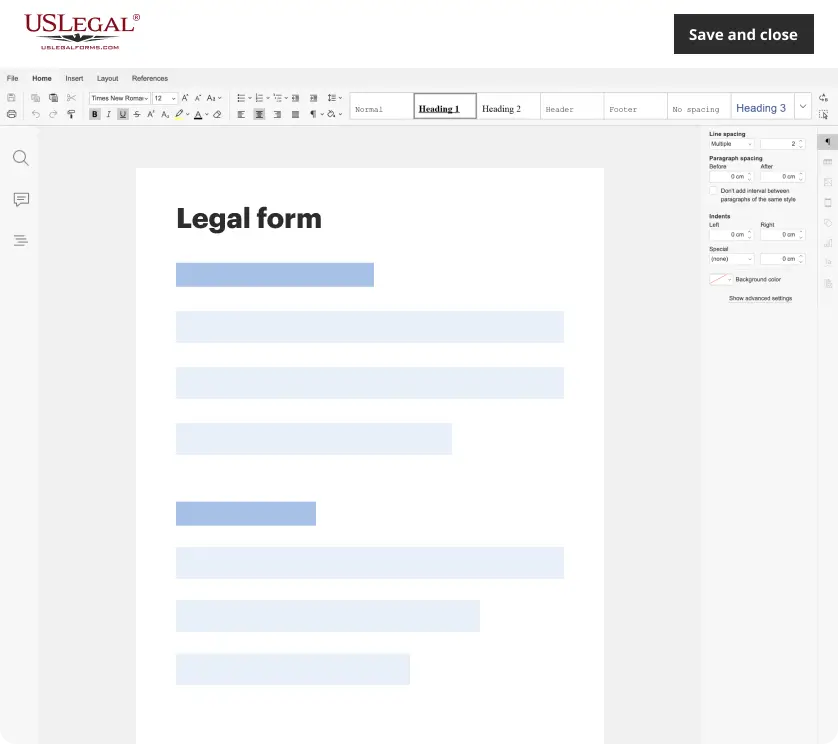
Make edits, fill in missing information, and update formatting in US Legal Forms—just like you would in MS Word.
Download a copy, print it, send it by email, or mail it via USPS—whatever works best for your next step.
Sign and collect signatures with our SignNow integration. Send to multiple recipients, set reminders, and more. Go Premium to unlock E-Sign.
If this form requires notarization, complete it online through a secure video call—no need to meet a notary in person or wait for an appointment.
We protect your documents and personal data by following strict security and privacy standards.
Typical mistakes to avoid
- Failing to clearly define the scope of work, leading to misunderstandings.
- Neglecting to specify payment terms or conditions for late payments.
- Not including an arbitration clause for dispute resolution.
- Overlooking insurance requirements which could expose parties to liability.
- Forgetting to update the form for any state-specific legal requirements.
Benefits of using this form online
- Easy access to editable templates tailored to your state laws.
- Convenient downloading options for immediate use.
- Reliable legal language drafted by licensed attorneys to ensure enforceability.
- Time-efficient completion, reducing back-and-forth negotiations.
- Cost-effective solution compared to traditional legal consultations.
Looking for another form?
Form popularity
FAQ
Verbal agreements and oral contracts are generally valid and legally binding as long as they are reasonable, equitable, conscionable, and made in good faith.Contracts that are clearly written and executed are easier to present as evidence in court than the testimony of the contractual parties.
Licensing. Scope of Work and Payment. Timing. Defense and Indemnification.
In Oklahoma, oral contracts are enforceable unless a specific statute requires the deal to be in writing.For example, contracts for the sale of real estate, or the lease of real estate for more than a year, must be written to be enforceable.
When two or more parties come to an agreement without any written documentation, they create a verbal agreement (known formally as an oral contract).Most verbal contracts are legally binding.
Start with procurement standards. Execute all subcontracts prior to starting your projects. Help those who help you. Award the job to the lowest fully qualified bidder. Use contract scope checklists. Make sure you have tight clauses. Meet to review the proposed subcontract.
In Oklahoma, oral contracts are enforceable unless a specific statute requires the deal to be in writing.For example, contracts for the sale of real estate, or the lease of real estate for more than a year, must be written to be enforceable.
Subcontractor agreements outline the responsibilities of each party, to ensure that if a claim were to arise, the responsible party is accountable. A subcontractor agreement provides protection to the company that hired the vendor or subcontractor by transferring the risk back to the party performing the work.
There are four basic elements to a legally binding verbal or written contract: Offer: An offer must be made by one person. Acceptance: The terms of the offer must be accepted by the other party.Consideration: The agreement must involve an exchange of consideration, or something valuable, between the parties.
A subcontractor will carry out duties on behalf of a contractor - who is responsible for their health, safety, and actions - and might be an individual or an organisation. However, the employees of a contractor are not considered subcontractors, they must be separate altogether.