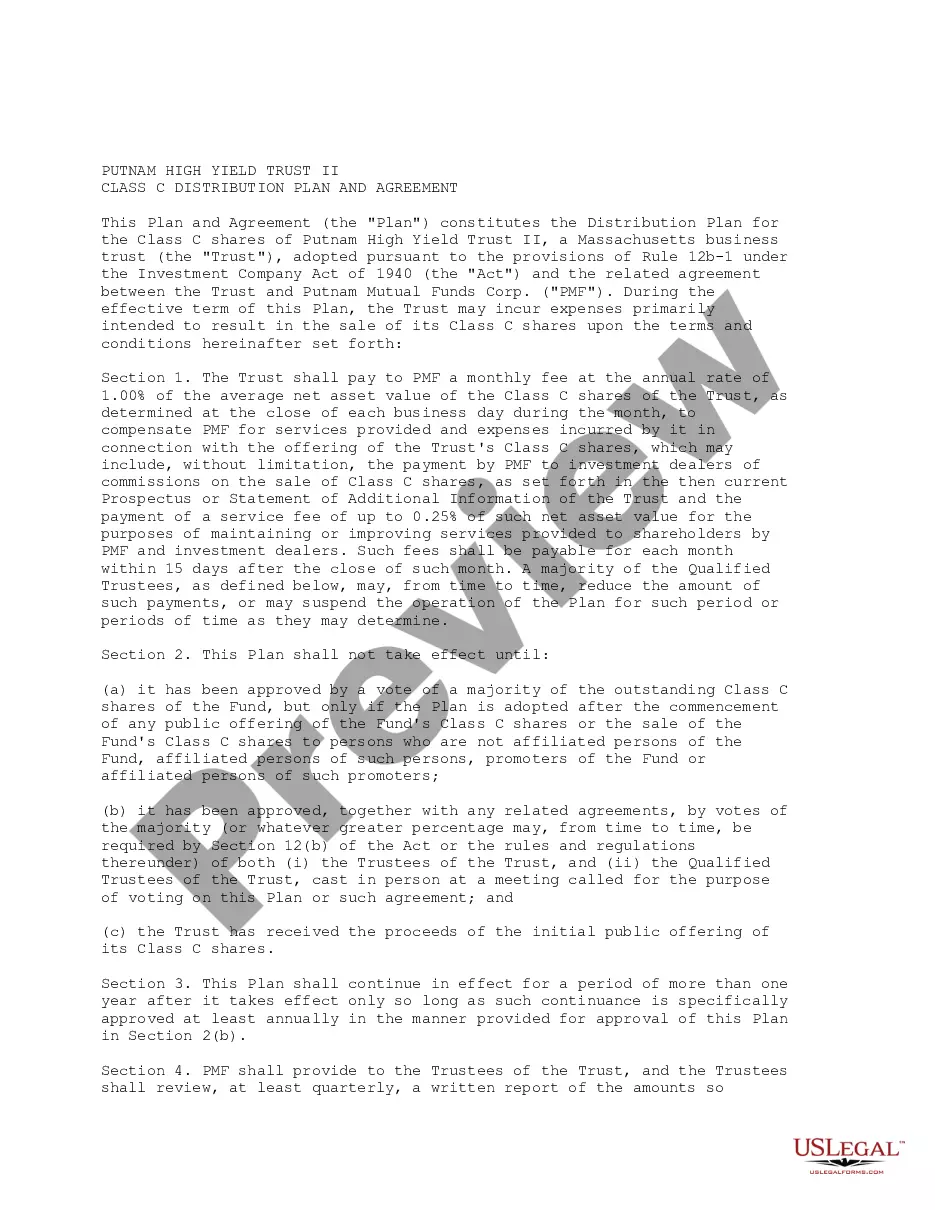
New York Closing Statement
What this document covers
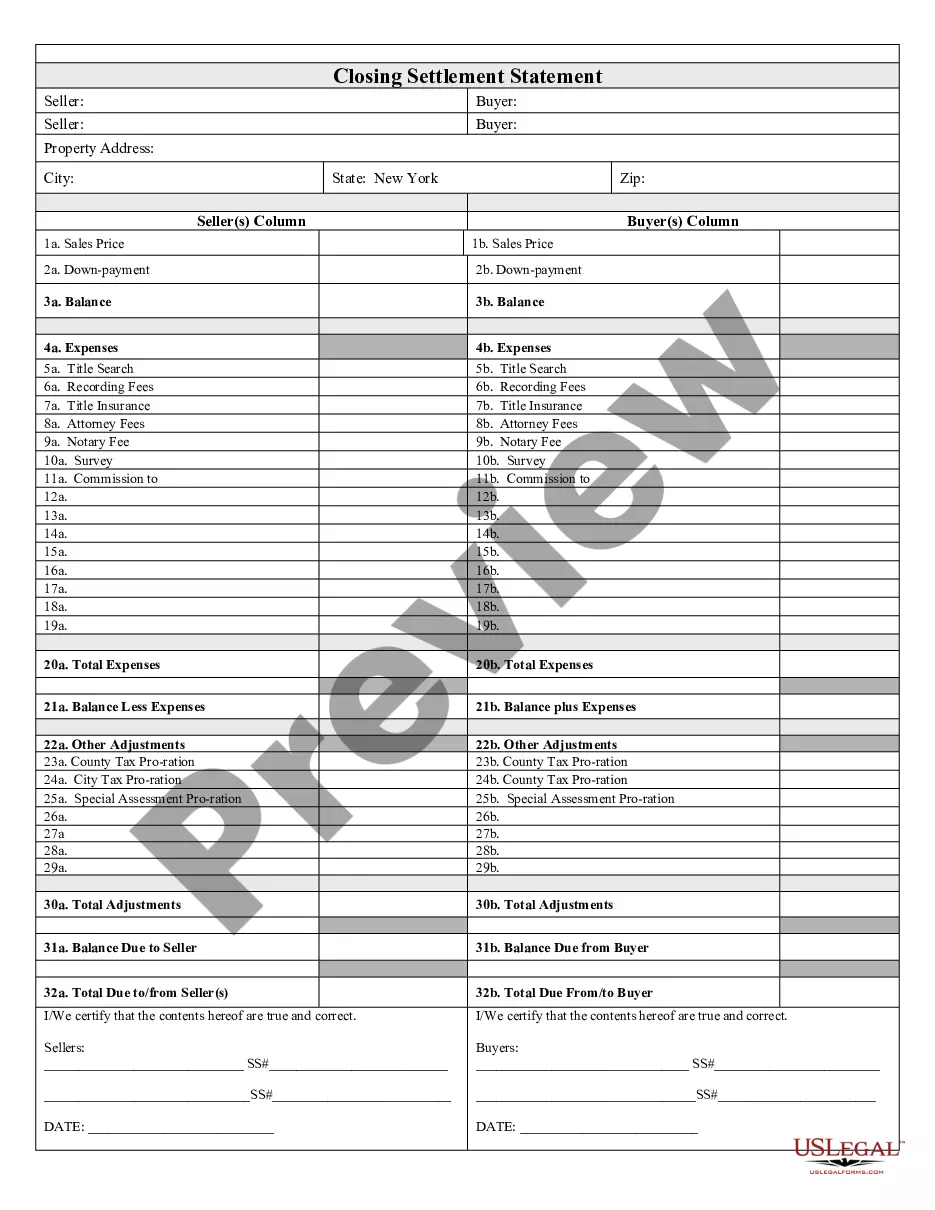
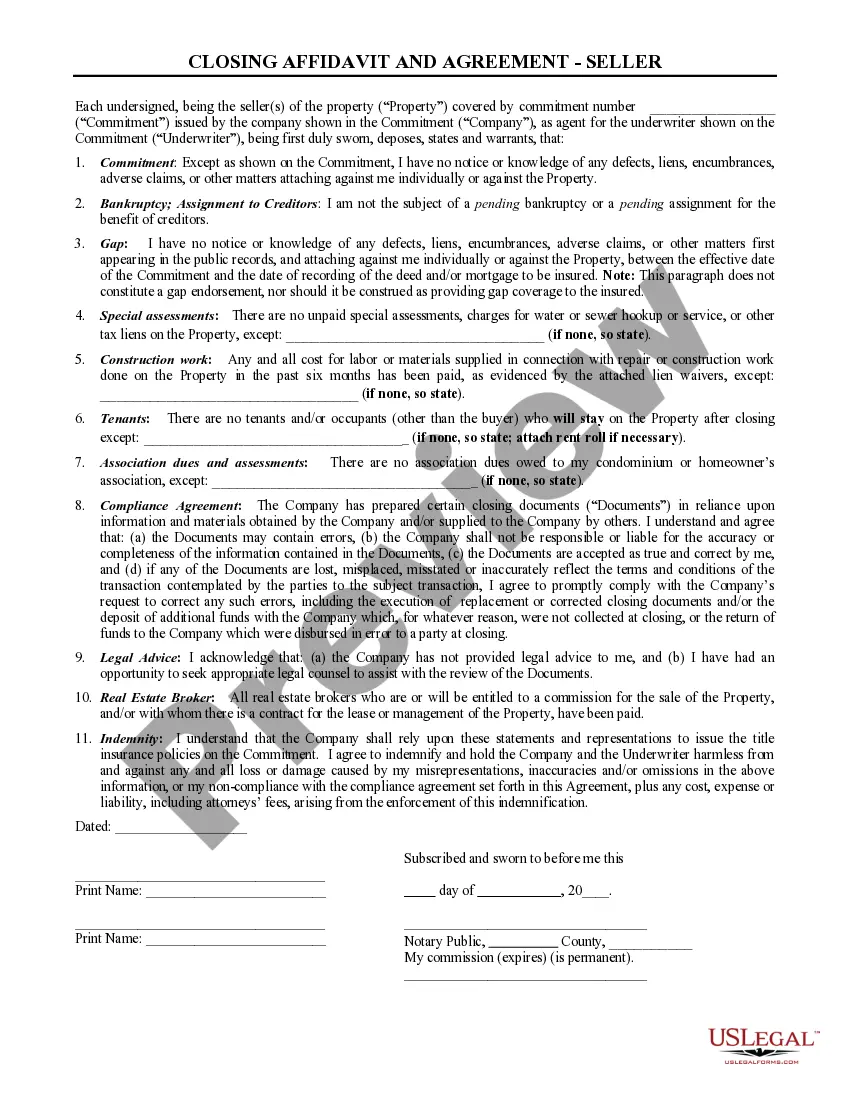
The Closing Statement is a crucial document used in real estate transactions, specifically for cash sales or owner-financed deals. It itemizes the financial details of the sale, ensuring both the buyer and seller agree on the amounts due at closing. This form differs from other real estate forms by providing a comprehensive breakdown of expenses, credits, and the final settlement figures for both parties.
Form components explained
- Balance calculations that reflect amounts due to and from each party
- Itemized expenses such as title search fees, recording fees, and attorney fees
- Pro-rations for county and city taxes, along with special assessments
- Final amounts due, including any adjustments to the initial balance
- Certification sections for both the seller and buyer to verify the accuracy of the statement

When to use this form
This Closing Statement should be used whenever a real estate transaction involves a cash sale or owner financing. It is essential during the closing process to document and confirm the financial terms agreed upon by both the buyer and the seller. This form ensures transparency and serves as a record for future reference.
Who should use this form
- Buyers conducting a cash purchase of real estate
- Sellers involved in a cash sale or offering financing directly to the buyer
- Real estate agents or brokers facilitating the transaction
- Attorneys representing either party in the real estate transaction
Steps to complete this form
- Identify the parties involved in the transaction (buyer and seller).
- Specify the details of the transaction, including the purchase price and any financing terms.
- Fill out the itemized expenses and fees that will be deducted from the sale proceeds.
- Calculate pro-rations for taxes and other adjustments to arrive at the final amounts due.
- Ensure both parties review the form and sign to certify its accuracy.
Does this document require notarization?
This form needs to be notarized to ensure legal validity. US Legal Forms provides secure online notarization powered by Notarize, allowing you to complete the process through a verified video call, available anytime.
Get your form ready online
Our built-in tools help you complete, sign, share, and store your documents in one place.
Make edits, fill in missing information, and update formatting in US Legal Forms—just like you would in MS Word.
Download a copy, print it, send it by email, or mail it via USPS—whatever works best for your next step.
Sign and collect signatures with our SignNow integration. Send to multiple recipients, set reminders, and more. Go Premium to unlock E-Sign.
If this form requires notarization, complete it online through a secure video call—no need to meet a notary in person or wait for an appointment.
We protect your documents and personal data by following strict security and privacy standards.

Make edits, fill in missing information, and update formatting in US Legal Forms—just like you would in MS Word.

Download a copy, print it, send it by email, or mail it via USPS—whatever works best for your next step.

Sign and collect signatures with our SignNow integration. Send to multiple recipients, set reminders, and more. Go Premium to unlock E-Sign.

If this form requires notarization, complete it online through a secure video call—no need to meet a notary in person or wait for an appointment.

We protect your documents and personal data by following strict security and privacy standards.
Common mistakes to avoid
- Failing to include all expenses and fees, leading to discrepancies at closing.
- Not fully engaging both parties in the review process before signing.
- Omitting necessary pro-rations or adjustments that could affect final balances.
- Entering incorrect details about the property, buyer, or seller information.
Advantages of online completion
- Convenient access to a legally vetted template drafted by licensed attorneys.
- Edit and personalize the form easily to meet specific transaction requirements.
- Instant download for quick and efficient use, streamlining the closing process.
- Ensured compliance with relevant legal standards and regulations.
Key takeaways
- The Closing Statement is essential for documenting financial transactions in real estate sales.
- It must be completed accurately to avoid misunderstandings between parties.
- Proper signatures and dates are crucial for the legal validity of the form.
Looking for another form?
Form popularity
FAQ
Credits and debits appear on the closing statement. Which of the following will appear as a buyer debit and seller credit at closing?
New York Style Closing (Real Estate Glossary) Summary. A real estate transaction closing in which the transaction parties, their counsel, a representative of the title insurance company, and any other necessary parties convene in person to execute and exchange the closing documents and transfer closing funds.
The Closing Disclosure form is issued at least three days before you sign the mortgage documents. It is a final accounting of your loan's interest rate and fees, mortgage closing costs, your monthly mortgage payment and the grand total of all payments and finance charges.
At closing, the seller will sign documents that transfer the property ownership to you. You will receive documents pertaining to your mortgage agreement and property ownership. You'll also have to pay closing costs and make escrow payments.A deed, which transfers the property from seller to buyer.
A settlement statement is also known as a HUD-1 form or a closing statement. Until 2015, when the rules changed, this form was provided twice. First, within three business days of applying for a mortgage loan, the borrower receives one in the mail with the person's estimated closing costs.
Average closing costs in New York Across the state, the average home sale price is between $400,000 and $500,000. If you buy a home in that price range, the average closing costs before taxes are $5,612. These fees pay for processing, appraisal and recording fees, plus title insurance, municipal searches and more.
A closing agent prepares the closing statement, which is settlement sheet. It's a comprehensive list of every expense that the buyer and seller must pay to complete the real estate transaction. Fees listed on this sheet include commissions, mortgage insurance, and property tax deposits.
How will it be shown on the closing statement? this amount will be included in the seller's expenses later under disbursements in the broker's Statement section of the closing statement.
Several states have laws on the books mandating the physical presence of an attorney or other types of involvement at real estate closings, including: Alabama, Connecticut, Delaware, District of Columbia, Florida, Georgia, Kansas, Kentucky, Maine, Maryland, Massachusetts, Mississippi, New Hampshire, New Jersey, New