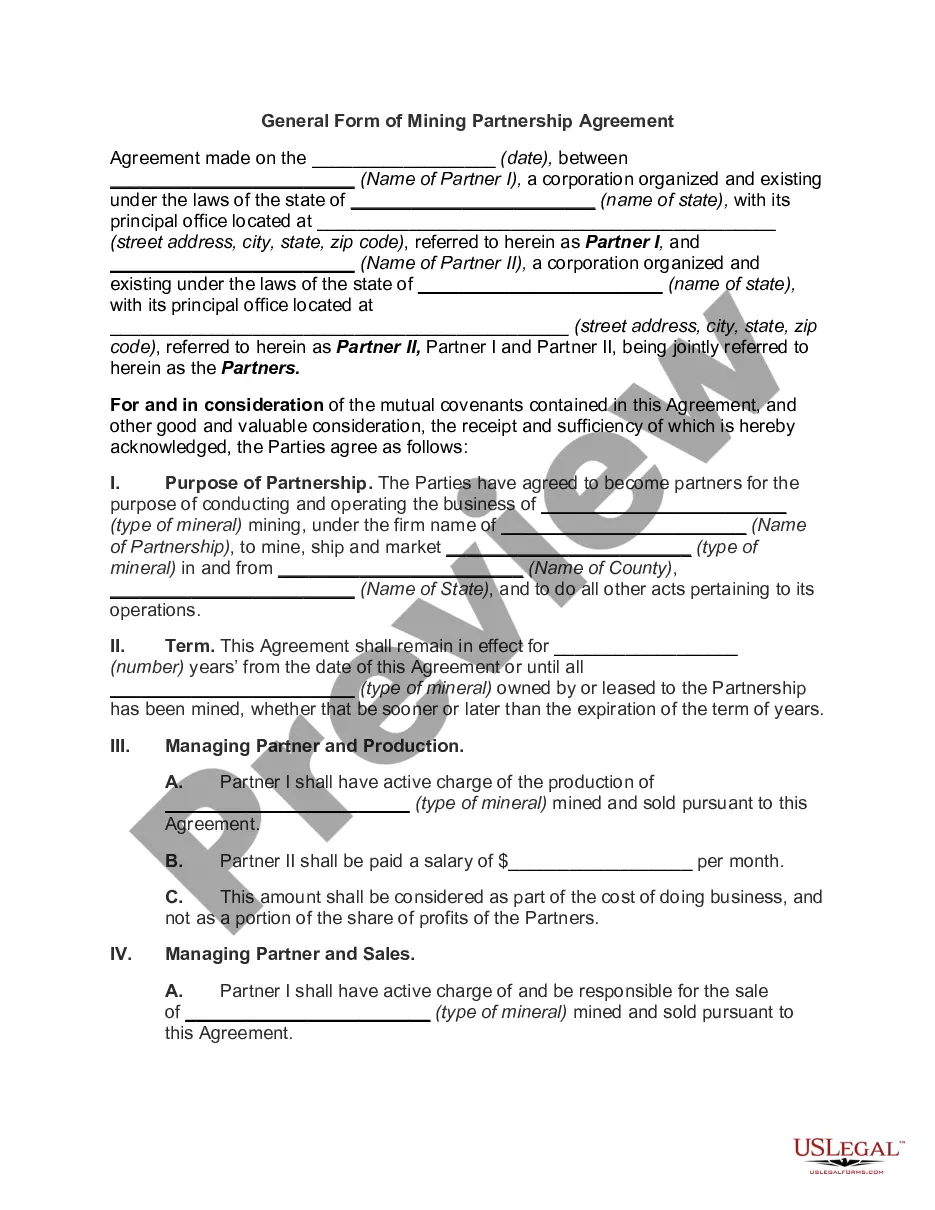
New York Amendment to Lease or Rental Agreement
Understanding this form
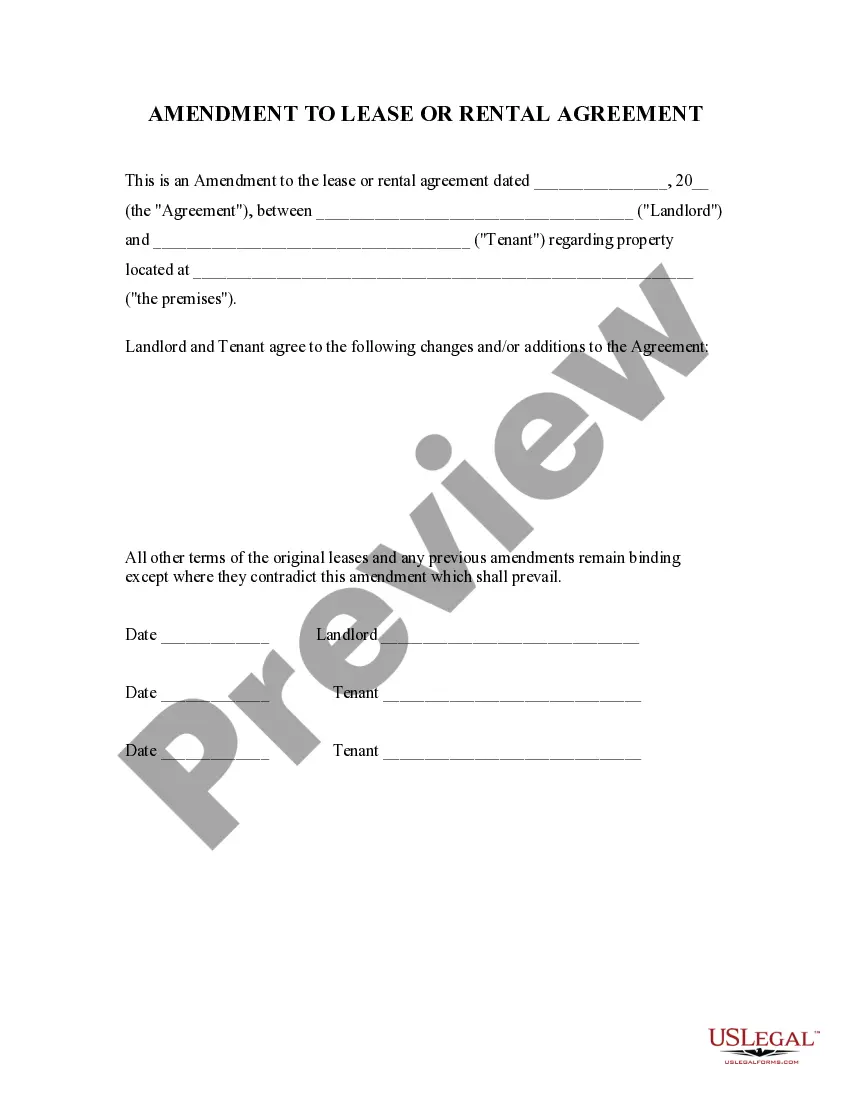
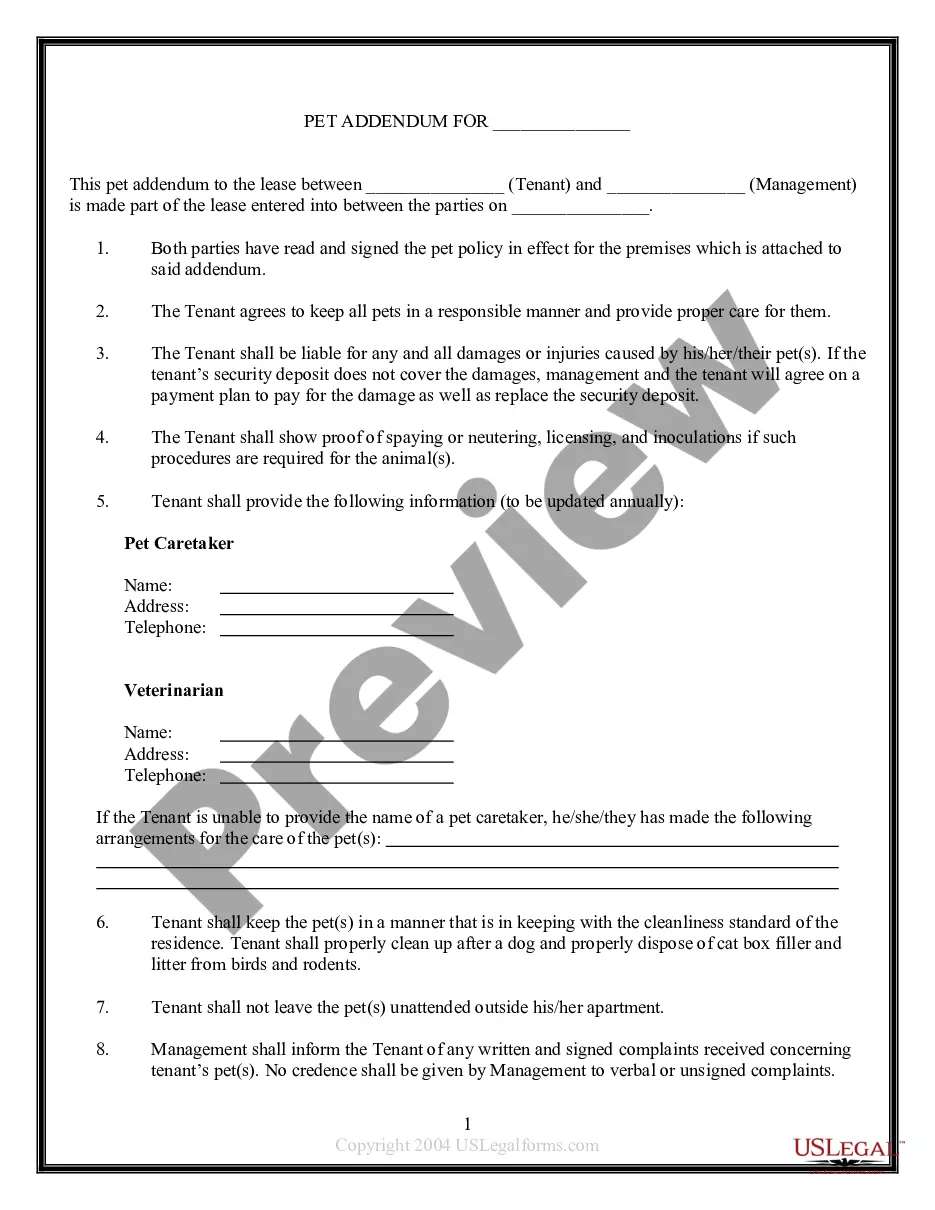
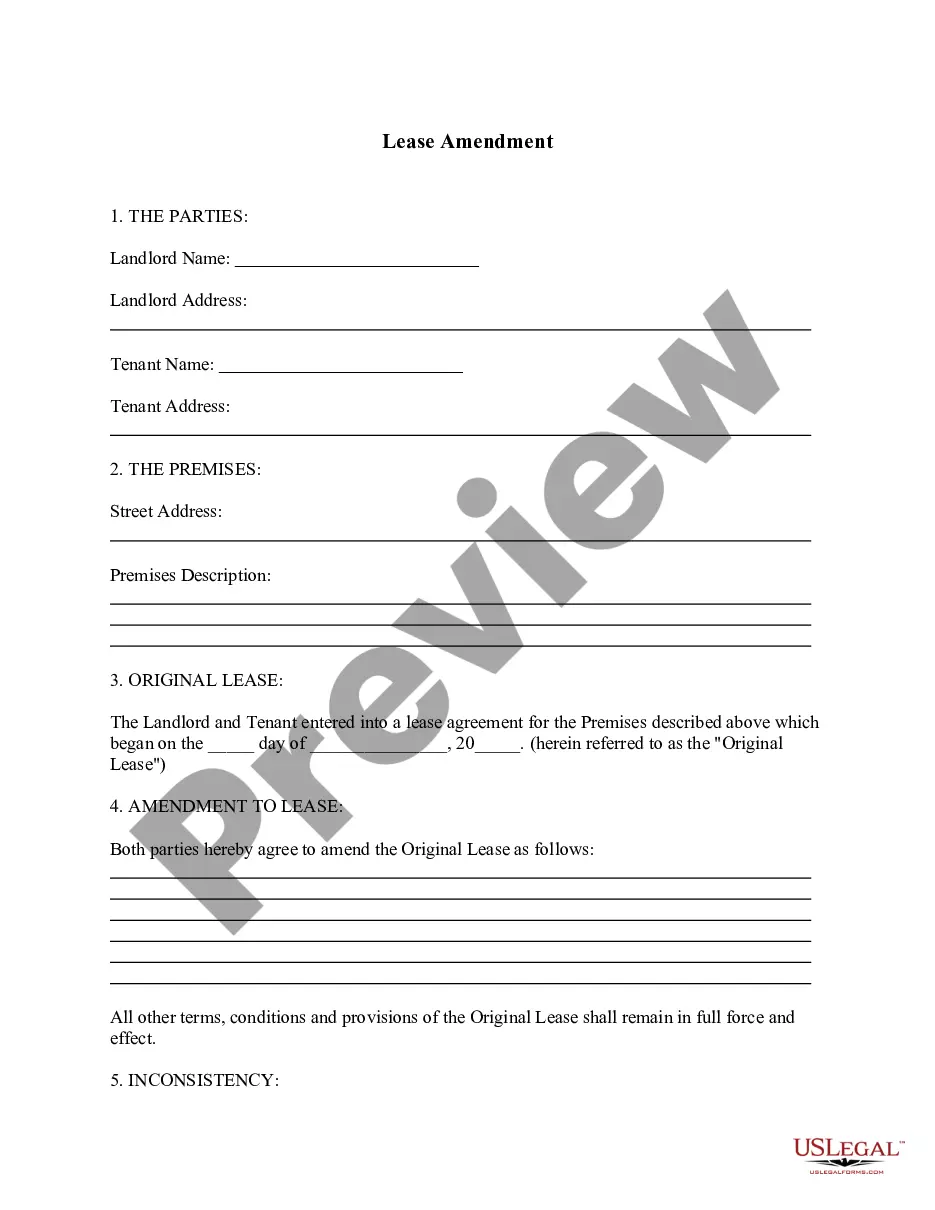
The Amendment to Lease or Rental Agreement is a legal document used to officially record changes to an existing rental agreement. This form allows landlords and tenants to clearly outline any adjustments to the original terms, ensuring that all parties are aware of and agree to these modifications. Unlike verbal agreements, which may be disputed, this written amendment provides legal backing to the agreed-upon changes, making it a crucial tool in landlord-tenant relationships.
Form components explained
- Identification of the original lease or rental agreement date.
- Names and contact information of the landlord and tenant.
- Description of the property being leased.
- Details of the specific changes being agreed upon.
- Signature lines for both the landlord and tenant, including dates.
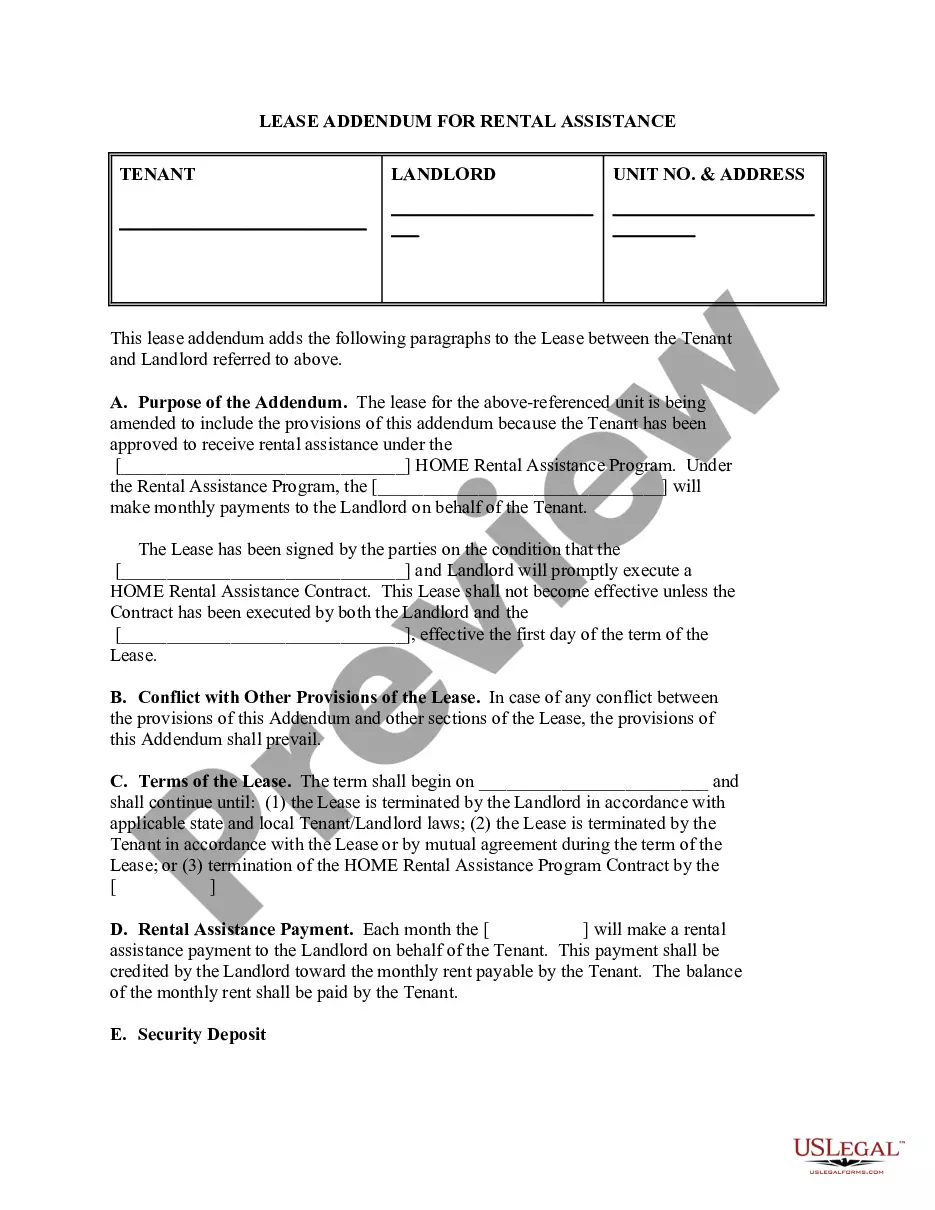
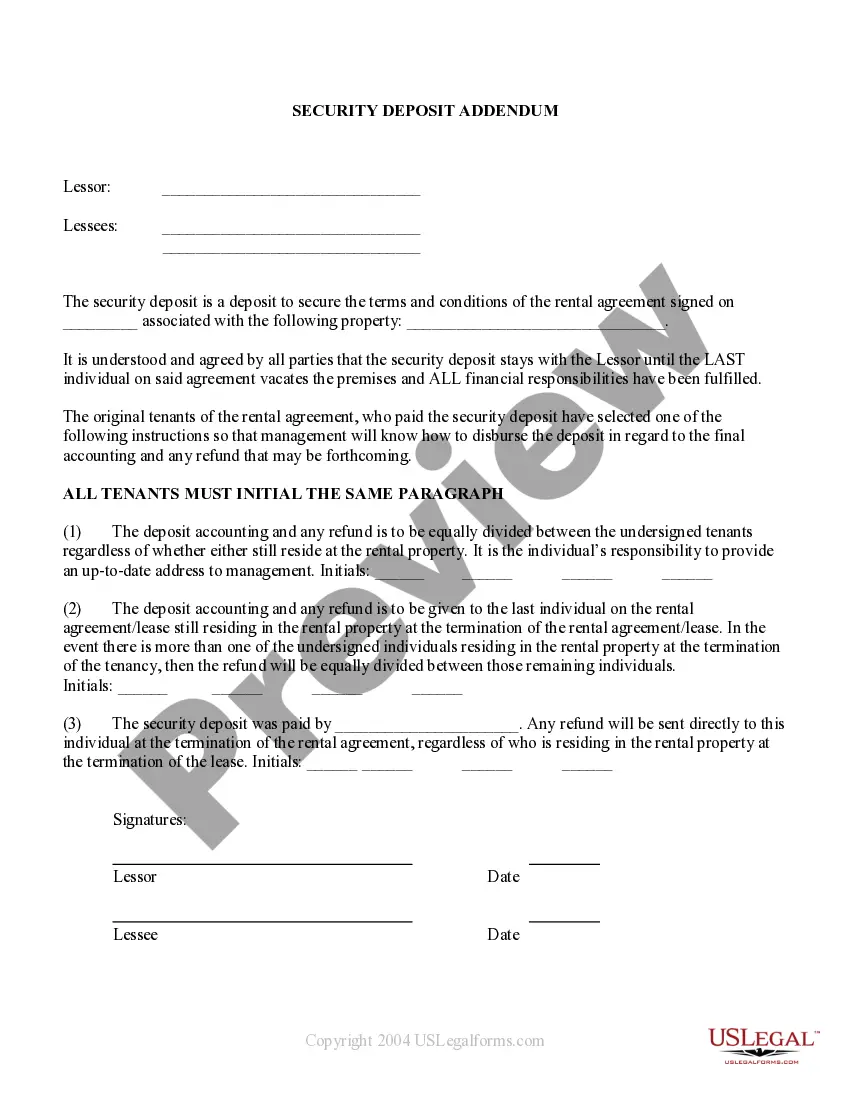
Common use cases
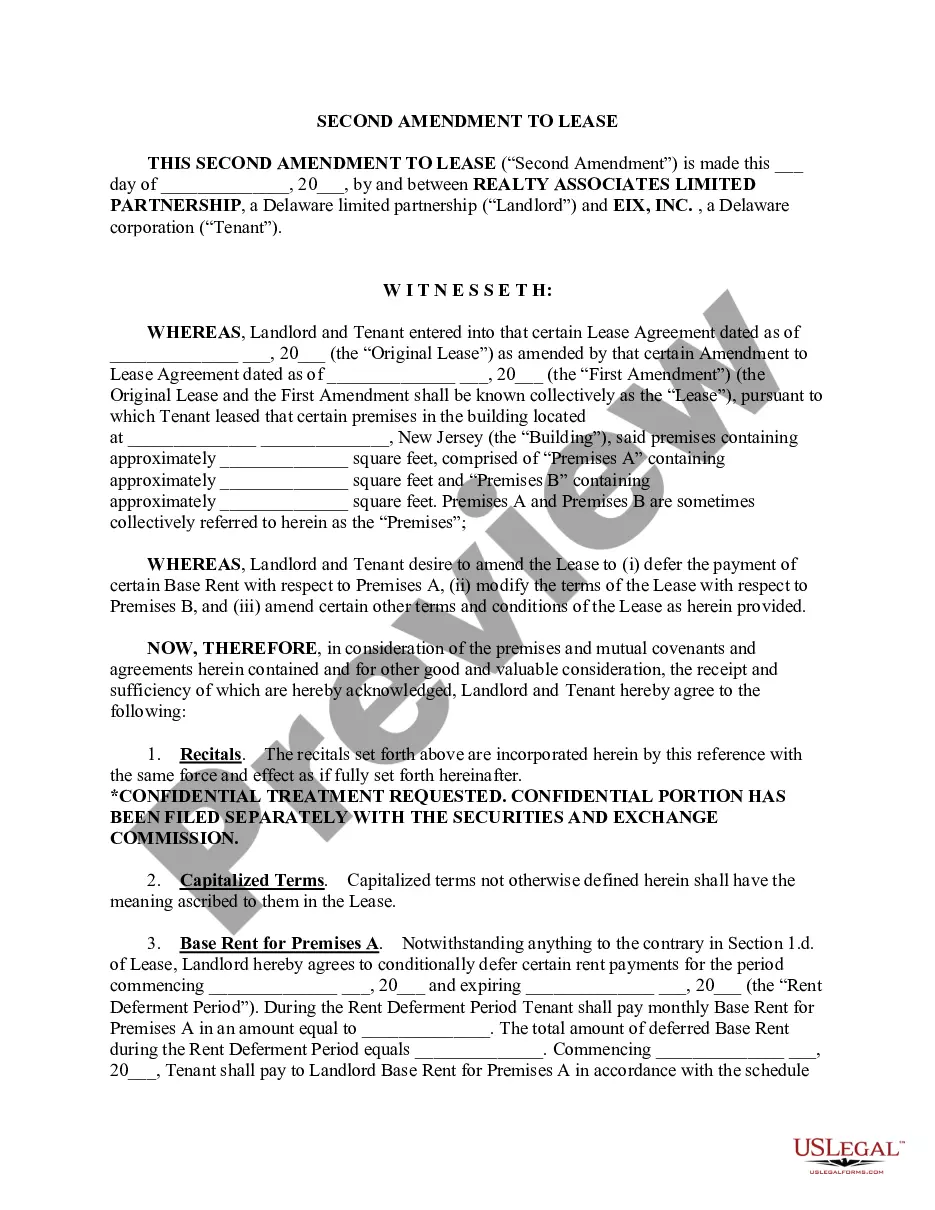
This form should be used whenever there is a need to change any of the terms in a current lease or rental agreement. Common scenarios include modifying rent amounts, extending the lease duration, or altering conditions regarding maintenance responsibilities. Using this amendment form ensures clarity and legal protection for both parties involved.
Who this form is for
- Landlords seeking to update rental agreements with their tenants.
- Tenants wanting to negotiate changes to their lease terms.
- Property managers needing a written record of agreed amendments.
- Individuals unfamiliar with legal jargon who want a clear and accessible form.
How to complete this form
- Identify the original lease agreement date and write it in the designated field.
- Fill in the names of the landlord and tenant as they appear on the original agreement.
- Specify the property address clearly to avoid any confusion.
- Detail the changes being made, ensuring clarity in what is being amended.
- Both parties should review the document and sign it, including the date of signature.
Is notarization required?
Notarization is not commonly needed for this form. However, certain documents or local rules may make it necessary. Our notarization service, powered by Notarize, allows you to finalize it securely online anytime, day or night.
Get your form ready online
Our built-in tools help you complete, sign, share, and store your documents in one place.
Make edits, fill in missing information, and update formatting in US Legal Forms—just like you would in MS Word.
Download a copy, print it, send it by email, or mail it via USPS—whatever works best for your next step.
Sign and collect signatures with our SignNow integration. Send to multiple recipients, set reminders, and more. Go Premium to unlock E-Sign.
If this form requires notarization, complete it online through a secure video call—no need to meet a notary in person or wait for an appointment.
We protect your documents and personal data by following strict security and privacy standards.

Make edits, fill in missing information, and update formatting in US Legal Forms—just like you would in MS Word.

Download a copy, print it, send it by email, or mail it via USPS—whatever works best for your next step.

Sign and collect signatures with our SignNow integration. Send to multiple recipients, set reminders, and more. Go Premium to unlock E-Sign.

If this form requires notarization, complete it online through a secure video call—no need to meet a notary in person or wait for an appointment.

We protect your documents and personal data by following strict security and privacy standards.
Mistakes to watch out for
- Failing to specify all the changes clearly, which can lead to misunderstandings.
- Not dating the amendment, making it difficult to reference later.
- Not obtaining signatures from both parties, which can hinder the enforceability of the amendment.
Benefits of using this form online
- Convenience of downloading the form at any time.
- Editability allows you to tailor the form to your specific needs.
- Reliability in using a form drafted by licensed attorneys to ensure legal compliance.
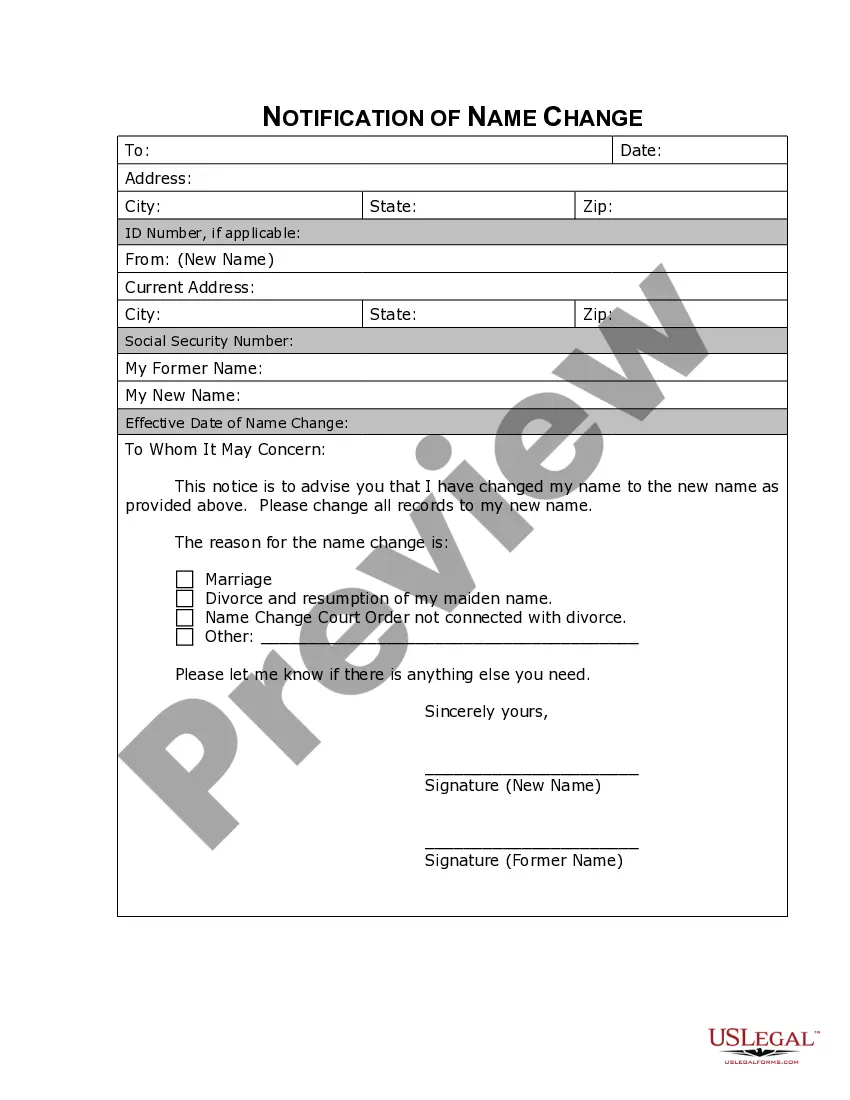
Looking for another form?
Form popularity
FAQ
A lease addendum allows a landlord or tenant to make changes to a current residential or commercial lease agreement.Once both parties agree and sign, the addendum should be added to the original lease.
Name the parties. A simple rental agreement form needs to name the parties signing the lease and where they live. Describe the premises. Define the term of the lease. Set how much rent is owed. Assign a security deposit amount. Finalize the lease.
A lease and addendum are esentially the same thing, 'the lease'. The addendum is part of the lease, it does not stand on it's own. If the lease and addendum say different things, but one does not supercede the other, it's ambigious, and the least restrictive clause stands.
Changing the lease You can negotiate certain changes to the lease, sometimes known as 'varying the lease'. Speak to your landlord first. If you can't agree, you may be able to apply to a tribunal - contact Leasehold Advisory Service for advice.
The Lease Must be in Writing It does not matter if the lease is handwritten or typed. If the lease is for more than one year, it must be in written form and contain the following terms.
When creating your Lease Amendment, you'll want to include information such as: the names of the landlord(s) and the tenant(s); the effective date of the original lease; the date of the lease amendment; the address and nature of the leased property; whether the original lease was recorded with the county; which
If you are a leaseholder, you cannot change the lease terms without agreeing such change with your landlord. The reason for this is that as the lease is a contract between two parties, the leaseholder and the landlord, both parties must agree to change (referred to also as variation) of the terms of the lease.
A lease is automatically void when it is against the law, such as a lease for an illegal purpose. In other circumstances, like fraud or duress, a lease can be declared void at the request of one party but not the other.