Nevada Affidavit of Co-Petitioner - Family Name Change
What this document covers
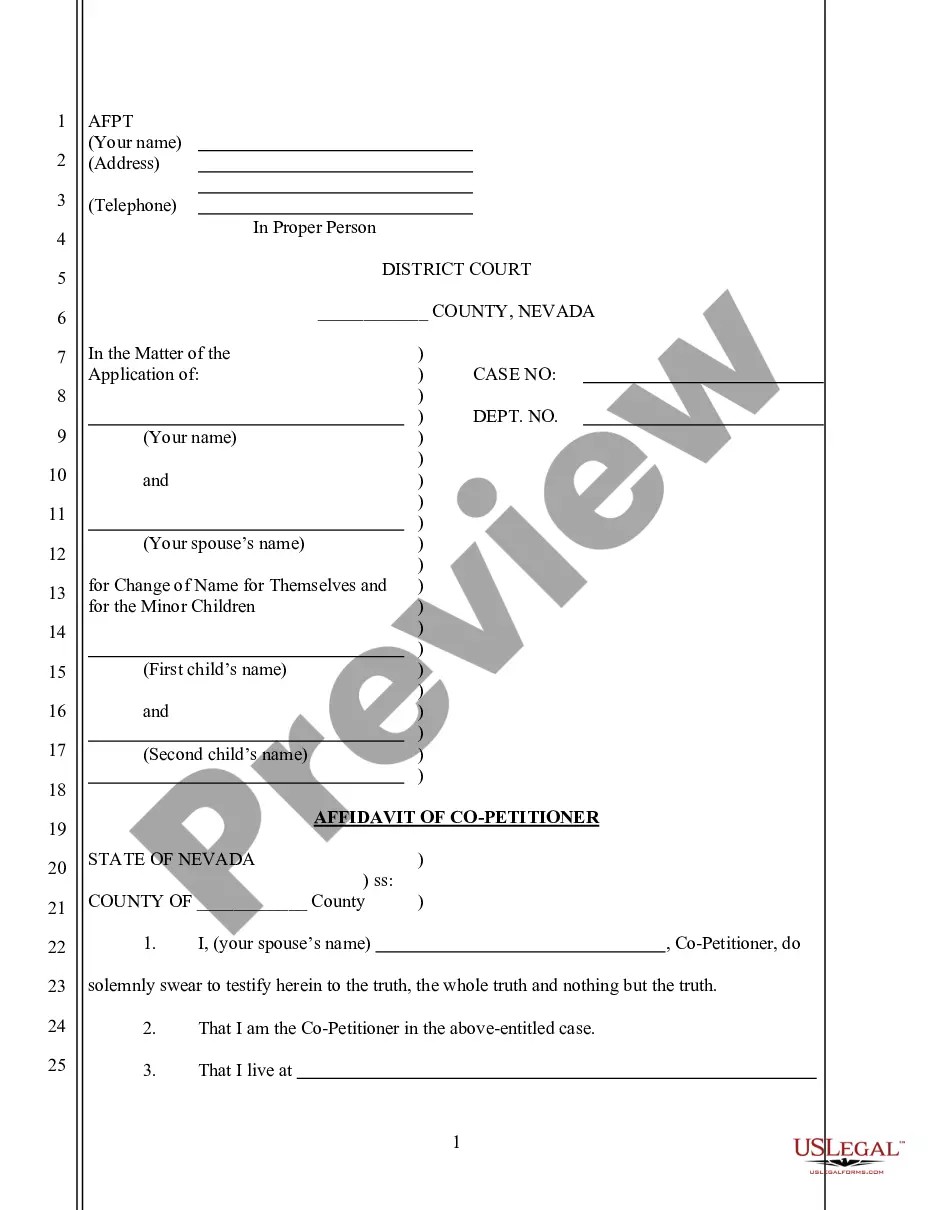
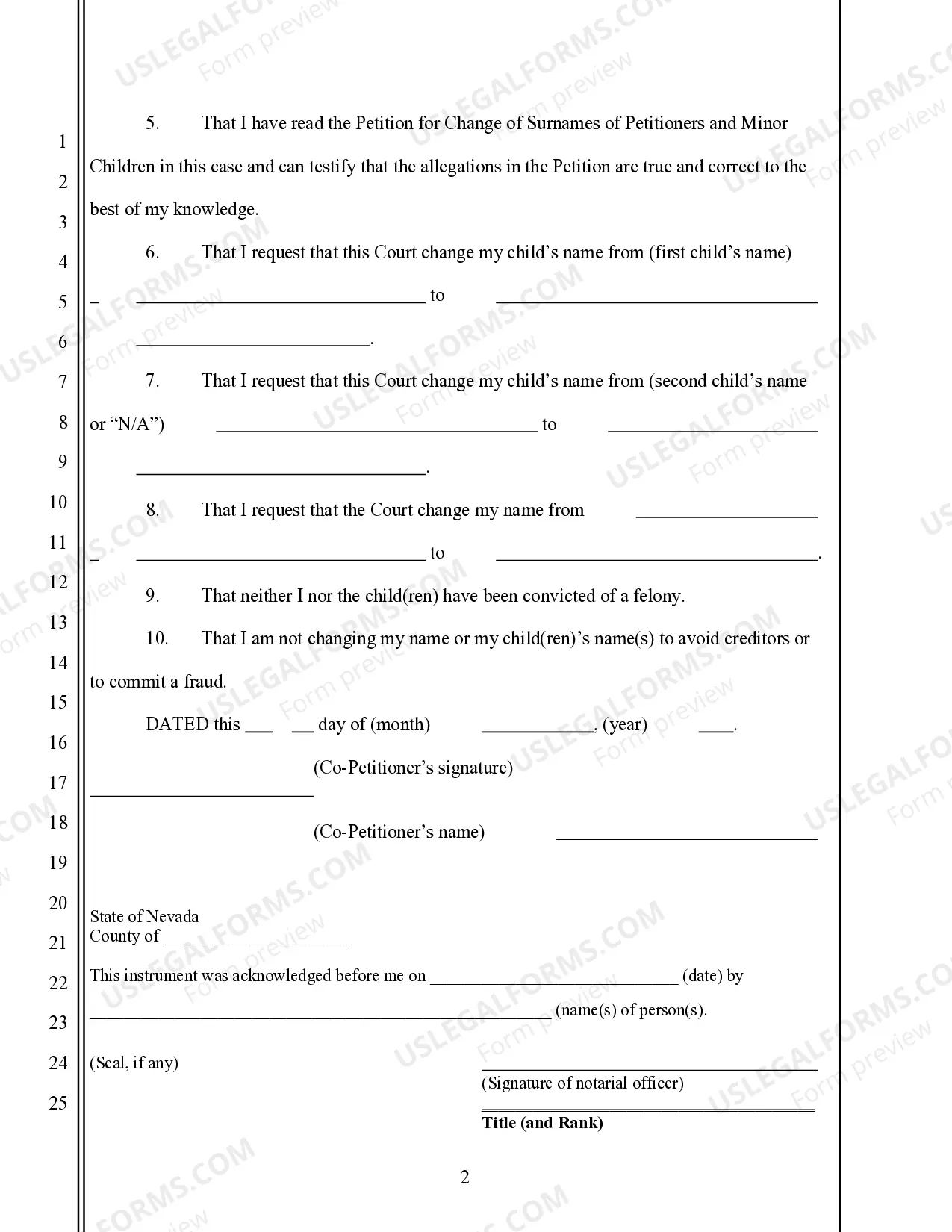
The Affidavit of Co-Petitioner for Family Name Change is a legal document used to provide additional details concerning a request to change a family name. It is an essential part of the name change process, especially when multiple individuals are involved in the petition. This form differs from other name change documents by specifically addressing the co-petitioner's role in the request.
Form components explained
- Names of the individuals involved in the name change.
- Details regarding the reason for the name change.
- Statements affirming consent from all parties involved.
- Signature lines for the co-petitioner and any witnesses, if required.

When to use this document
This form is typically used when a family is seeking to legally change their last name and requires the involvement of a co-petitioner. It is necessary in situations where both spouses are requesting a name change or when both parents are agreeing on a name change for their child. Using this form ensures that all parties' agreements are duly documented.
Who needs this form
- Families looking to change their last name collectively.
- Couples who wish to adopt a shared last name.
- Parents seeking to change their child's surname.
- Anyone involved as a co-petitioner in the name change process.
How to prepare this document
- Identify all parties involved in the name change request.
- Provide a detailed reason for the requested name change.
- Ensure all parties consent to the name change and sign where indicated.
- Have the document prepared for submission to the court as needed.
Does this form need to be notarized?
Notarization is required for this form to take effect. Our online notarization service, powered by Notarize, lets you verify and sign documents remotely through an encrypted video session, available 24/7.
Get your form ready online
Our built-in tools help you complete, sign, share, and store your documents in one place.
Make edits, fill in missing information, and update formatting in US Legal Forms—just like you would in MS Word.
Download a copy, print it, send it by email, or mail it via USPS—whatever works best for your next step.
Sign and collect signatures with our SignNow integration. Send to multiple recipients, set reminders, and more. Go Premium to unlock E-Sign.
If this form requires notarization, complete it online through a secure video call—no need to meet a notary in person or wait for an appointment.
We protect your documents and personal data by following strict security and privacy standards.
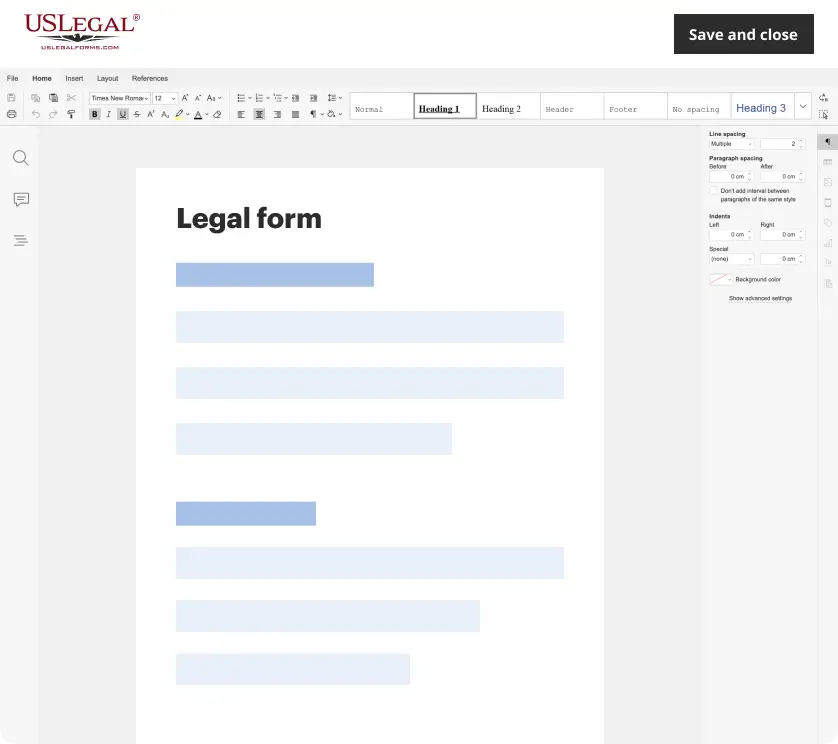
Make edits, fill in missing information, and update formatting in US Legal Forms—just like you would in MS Word.
Download a copy, print it, send it by email, or mail it via USPS—whatever works best for your next step.
Sign and collect signatures with our SignNow integration. Send to multiple recipients, set reminders, and more. Go Premium to unlock E-Sign.

If this form requires notarization, complete it online through a secure video call—no need to meet a notary in person or wait for an appointment.

We protect your documents and personal data by following strict security and privacy standards.
Avoid these common issues
- Failing to include all required signatures.
- Not providing a clear reason for the name change.
- Skipping the section about parental consent when applicable.
Benefits of completing this form online
- Convenient access to downloadable templates at any time.
- Editable forms that can be customized to fit individual needs.
- Reliable legal language drafted by licensed attorneys.
Looking for another form?
Form popularity
FAQ
'Enrolling' a deed poll means that you're putting your new name on public record. You must apply to the Royal Courts of Justice to get an 'enrolled' deed poll using the deed poll process. It costs £42.44. You can only enrol your own name change if you're 18 or over.
You will need to attend a registry or service centre in person and provide your proof of identity documents, plus a Full Marriage Certificate. For NSW, generally we only accept Marriage Certificates issued by the NSW Registry of Births, Deaths and Marriages (BDM). Commemorative certificates are not acceptable.
Can You Change Your Child Last Name Without Father Consent? Yes you can. Unfortunately, a father is often not in the picture when a child is growing up. Sometimes a mother drops out of a child's life and the same thing is true for the father.
Both parents must applyBoth parents named on the child's birth certificate must apply to change their child's name.
All you have to do is complete and file a petition for name change with the court. There are many reasons for officially changing your name. The most common are marriage and divorce. But if your birth name is Mergatroid or something like that, you might not need any other reason.
It's certainly not as common as the more conventional solutions of combining names or taking on a new name at marriage, but inventing last names is definitely a thing. And it's totally legal, though it can cause paper trail hassles until everything is all straightened out.
To honour or recognise another person, for example a family member or ancestor. to restore a family surname that has been changed in the past. as part of a change of gender. because you dislike your current name.
Steps to Legally Change Your Name Petition to change your name by filling out a name change form, an order to show cause for legally changing your name, and a decree to legally change your name. Take these forms to the court clerk and file them along with your state's required filing fees.
Nevada law 41.270 is Nevada's law about name changes. To change your name, you file a petition with the District Court and pay the filing fee. Your petition must include your old name, your new name and the reason you want to change it. You must state whether you have any felony convictions.